Tag: fitness

  • From Fashion to Fitness: Meet the Most Popular Influencers on Instagram

    From Fashion to Fitness: Meet the Most Popular Influencers on Instagram

    Instagram has become one of the most popular platforms for influencers to share their content and connect with their followers. While fashion and beauty influencers have dominated the platform in the past, there has been a recent rise in fitness influencers taking over Instagram. These influencers not only inspire their followers with their fashion sense, but also motivate them to live a healthy and active lifestyle. In this blog post, we will introduce you to some of the most popular influencers on Instagram who have successfully made the transition from fashion to fitness.

    1. Kayla Itsines (@kayla_itsines)
    Kayla Itsines is a fitness trainer and entrepreneur from Australia who rose to fame with her Bikini Body Guide (BBG) program. With over 12 million followers on Instagram, she has become one of the most influential figures in the fitness industry. Her posts are a mix of workout videos, motivational quotes, and healthy meal ideas. She also shares transformation photos of her clients, which have become a major source of inspiration for her followers.

    2. Jen Selter (@jenselter)
    Jen Selter is a fitness model and social media influencer who gained popularity for her perfectly toned booty. She started her fitness journey by sharing her workout videos on Instagram and has now amassed over 12 million followers. Her feed is filled with workout routines, healthy recipes, and stunning photos of her fit physique. She has also launched her own fitness app, offering personalized workout plans to her followers.

    3. Emily Skye (@emilyskyefit)
    Emily Skye is an Australian fitness influencer and personal trainer who promotes a balanced and healthy approach to fitness. She has over 2.5 million followers on Instagram and shares her fitness journey, along with workout tips and healthy recipes. Emily is known for her positive and uplifting captions, motivating her followers to love and take care of their bodies.
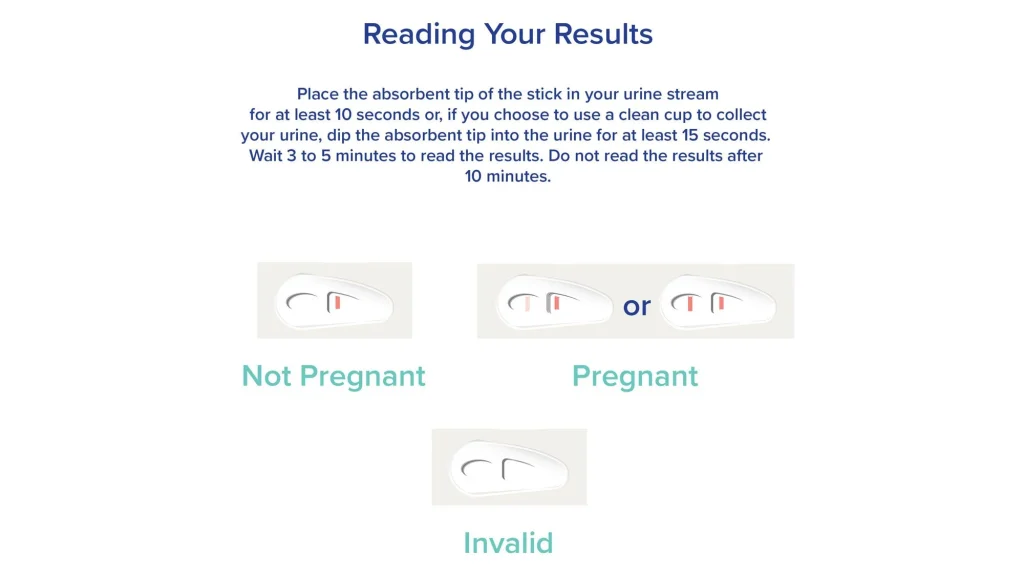
    Instructions for reading pregnancy test results with visual indicators for "Not Pregnant," "Pregnant," and "Invalid.

    From Fashion to Fitness: Meet the Most Popular Influencers on Instagram

    4. Massy Arias (@massy.arias)
    Massy Arias is a certified personal trainer and fitness influencer with over 2.5 million followers on Instagram. She is known for her intense and challenging workout routines, which she shares with her followers through videos and photos. Massy also regularly shares her own personal journey and struggles with mental health, inspiring her followers to prioritize self-care and self-love.

    5. Cassey Ho (@blogilates)
    Cassey Ho is a certified fitness instructor and social media influencer who created the popular fitness brand, Blogilates. With over 1.7 million followers on Instagram, she shares fun and creative workout videos, along with healthy meal ideas. Cassey also shares her own personal struggles with body image and self-confidence, making her relatable to her followers.

    6. Hannah Bronfman (@hannahbronfman)
    Hannah Bronfman is a DJ, entrepreneur, and fitness influencer with over 600k followers on Instagram. She is the founder of HBFIT, a platform that promotes a healthy and balanced lifestyle. Her posts not only showcase her workout routines and healthy meals, but also her love for fashion and beauty. Hannah is known for her positive outlook and her ability to balance her busy lifestyle with fitness and self-care.

    7. Kelsey Wells (@kelseywells)
    Kelsey Wells is a certified personal trainer and creator of the PWR workout program. With over 2 million followers on Instagram, she shares her own fitness journey and transformation, inspiring her followers to do the same. Her posts also include workout videos, healthy recipes, and motivational quotes. Kelsey encourages her followers to focus on strength and progress, rather than just physical appearance.

    Summary:
    Instagram has become a hub for fitness influencers who not only inspire their followers with their fashion sense, but also motivate them to live a healthy and active lifestyle. From Kayla Itsines and Jen Selter to Kelsey Wells and Hannah Bronfman, these influencers have successfully made the transition from fashion to fitness on Instagram. Through their posts, they share workout routines, healthy meal ideas, and personal journeys, inspiring millions of followers to prioritize their health and well-being.


  • Fertility Fitness: The Role of Exercise in Cervical Mucus Changes

    Fertility is a crucial aspect of a woman’s life, and many factors can affect it, including diet, stress, and exercise. While it is well known that exercise has numerous benefits for overall health, its impact on fertility is often overlooked. However, recent research has shown that exercise can play a significant role in cervical mucus changes, which can have a direct impact on a woman’s ability to conceive. In this blog post, we will explore the relationship between fertility, exercise, and cervical mucus changes and discuss how incorporating fitness into your routine can improve your chances of conceiving.

    What is Cervical Mucus?

    Before we dive into the role of exercise in cervical mucus changes, it is essential to understand what cervical mucus is and its role in fertility. Cervical mucus is a fluid secreted by the cervix that plays a crucial role in the reproductive process. Its primary function is to help sperm reach the egg for fertilization by providing a hospitable environment. Additionally, cervical mucus also acts as a barrier, preventing bacteria and other harmful substances from entering the uterus.

    The Role of Cervical Mucus in Fertility

    The quality and quantity of cervical mucus can have a significant impact on a woman’s fertility. During ovulation, the cervix produces more mucus, which is usually thin, clear, and stretchy, resembling the consistency of egg whites. This type of mucus is considered fertile mucus as it helps sperm travel through the cervix and reach the egg. On the other hand, during non-fertile times of the menstrual cycle, the cervix produces less mucus, which is thick, cloudy, and sticky, making it difficult for sperm to penetrate and survive.

    Exercise and Cervical Mucus Changes

    Now that we have a basic understanding of cervical mucus and its role in fertility let’s explore how exercise can impact its quality and quantity. The key to understanding this relationship lies in the hormones released during exercise. When we engage in physical activity, our bodies release hormones like adrenaline and cortisol, which can affect our reproductive hormones, including estrogen and progesterone. These hormones play a crucial role in the production and quality of cervical mucus.

    Studies have shown that women who engage in regular moderate-intensity exercise have higher levels of estrogen and progesterone, leading to an increase in fertile cervical mucus. On the other hand, women who lead sedentary lifestyles or engage in high-intensity exercise may have lower levels of these hormones, resulting in less fertile mucus. Moreover, regular exercise can also improve blood flow to the reproductive organs, ensuring a healthy environment for conception.

    Best Types of Exercise for Fertility

    While any form of exercise can have a positive impact on fertility, some types are more beneficial than others. Low-impact exercises such as walking, swimming, and cycling have been shown to increase estrogen production and promote healthy cervical mucus. These activities are also gentle on the body and do not cause excessive stress, which can negatively affect fertility. Additionally, yoga and Pilates can also be beneficial as they focus on stretching and strengthening the pelvic floor muscles, which can improve blood flow to the reproductive organs.

    pregnancy test kit features labeled for comfort and confidence on a teal background

    Fertility Fitness: The Role of Exercise in Cervical Mucus Changes

    Tips for Incorporating Exercise into Your Fertility Journey

    If you are trying to conceive, incorporating fitness into your routine can be a beneficial step. However, it is essential to keep in mind a few tips to ensure that exercise does not have a negative impact on fertility.

    1. Consult with your doctor: Before starting any exercise routine, it is crucial to consult with your doctor, especially if you have any underlying health conditions or are undergoing fertility treatments.

    2. Avoid high-intensity workouts: While high-intensity workouts can be great for overall health, they may not be suitable for women trying to conceive. High-intensity exercise can increase cortisol levels, which can disrupt hormonal balance and affect cervical mucus production.

    3. Listen to your body: It is essential to listen to your body and make modifications to your exercise routine as needed. Overexertion can lead to fatigue and stress, which can negatively impact fertility.

    4. Stay hydrated: Proper hydration is crucial for healthy cervical mucus production. Make sure to drink enough water before, during, and after your workout.

    5. Don’t overdo it: While moderate exercise can be beneficial, too much of it can have the opposite effect. Aim for 30 minutes of moderate exercise five days a week, and allow your body to rest and recover on the other days.

    Summary

    Fertility is a crucial aspect of a woman’s life, and exercise can play a significant role in it. Regular exercise can improve the quality and quantity of cervical mucus, making it easier for sperm to reach the egg for fertilization. Low-impact exercises like walking, swimming, and cycling are the best options for improving fertility, along with yoga and Pilates, which focus on strengthening the pelvic floor muscles. However, it is essential to listen to your body and make modifications to your exercise routine as needed. Consult with your doctor before starting any exercise routine, and remember to stay hydrated and avoid excessive high-intensity workouts.

    Incorporating exercise into your fertility journey can have numerous benefits, including improving overall health and increasing your chances of conceiving. By understanding the relationship between fertility, exercise, and cervical mucus changes, you can take proactive steps towards improving your fertility and achieving your dream of starting a family.

  • Fertility and Fitness: How Exercise Affects Cervical Mucus Production

    Fertility and Fitness: How Exercise Affects Cervical Mucus Production

    For many women, the journey to starting or expanding a family can be a challenging and emotional process. While there are many factors that can impact fertility, one aspect that is often overlooked is the connection between exercise and cervical mucus production. Cervical mucus, also known as cervical fluid, plays a crucial role in fertility by creating a hospitable environment for sperm to survive and travel to the egg. In this blog post, we will explore the relationship between fertility and fitness and how exercise can affect cervical mucus production.

    Understanding Cervical Mucus

    Before diving into the impact of exercise on cervical mucus, it’s important to understand what it is and how it works. Cervical mucus is a fluid produced by the cervix that changes in consistency and appearance throughout a woman’s menstrual cycle. It is primarily made up of water, electrolytes, and proteins, and serves as a protective barrier for the sperm. During ovulation, cervical mucus becomes thinner, clearer, and more slippery, creating an ideal environment for sperm to swim through and reach the egg.

    The Connection Between Exercise and Cervical Mucus

    Exercise has numerous benefits for overall health and wellness, but it also has an impact on reproductive health. Research has shown that regular exercise can help regulate menstrual cycles and improve fertility. However, the type, intensity, and duration of exercise can also affect cervical mucus production.

    Aerobic exercise, such as running, cycling, or swimming, has been found to increase cervical mucus production. This is because aerobic exercise stimulates the production of estrogen, a hormone that plays a vital role in the menstrual cycle and cervical mucus production. As estrogen levels rise, cervical mucus becomes thinner and more abundant, making it easier for sperm to reach the egg.

    At-home insemination kit with ovulation and pregnancy tests, promoting fertility and family planning.

    Fertility and Fitness: How Exercise Affects Cervical Mucus Production

    On the other hand, high-intensity exercise, such as weightlifting or intense cardio workouts, can have the opposite effect on cervical mucus production. This type of exercise can cause the body to produce higher levels of cortisol, a stress hormone that can suppress the production of estrogen. As a result, cervical mucus may become thicker and less hospitable to sperm.

    Timing is also essential when it comes to exercise and cervical mucus production. Women who are trying to conceive should aim to exercise during the first half of their menstrual cycle. This is when estrogen levels are naturally higher, and exercise can have a positive impact on cervical mucus production. However, during the second half of the menstrual cycle, as the body prepares for menstruation, estrogen levels decrease, and exercise may not have the same effect on cervical mucus.

    Finding the Right Balance

    Like most things in life, balance is key when it comes to exercise and fertility. While regular exercise can have positive effects on cervical mucus production, it’s important not to overdo it. Too much exercise, especially high-intensity exercise, can lead to hormonal imbalances that can affect ovulation and fertility. It’s essential to listen to your body and find a balance that works for you.

    In addition to exercise, other lifestyle factors can also impact cervical mucus production. Stress, diet, and certain medications can all affect hormone levels, which can, in turn, affect cervical mucus. Maintaining a healthy and balanced lifestyle, including regular exercise, can help promote optimal cervical mucus production and improve fertility.

    Conclusion

    In conclusion, there is a clear connection between exercise and cervical mucus production. Aerobic exercise can stimulate estrogen production and improve the quality and quantity of cervical mucus, while high-intensity exercise can have the opposite effect. Finding a balance and timing exercise correctly can help improve fertility and increase the chances of conception. Remember to consult with your doctor before making any significant changes to your exercise routine, and listen to your body to find a balance that works for you.

    In summary, regular exercise plays a crucial role in reproductive health, and it can have a direct impact on cervical mucus production. Aerobic exercise can stimulate estrogen production and improve the quality and quantity of cervical mucus, while high-intensity exercise can have the opposite effect. Timing and balance are essential, and maintaining a healthy lifestyle can help promote optimal cervical mucus production and improve fertility.