Tag: hormones

  • The Journey of Sperm: How Cervical Mucus Helps Them Navigate Through the Female Reproductive Tract

    Blog Post:

    When we think about the journey of sperm, we often focus on their race to fertilize an egg. However, what many people don’t realize is that sperm face numerous obstacles and challenges as they navigate through the female reproductive tract. One crucial factor in their journey is cervical mucus, a substance produced by the cervix that plays a vital role in sperm transport and survival. In this blog post, we’ll explore the journey of sperm and how cervical mucus helps them reach their final destination.

    The Journey Begins: Ejaculation

    The journey of sperm begins with ejaculation. During sexual intercourse, millions of sperm are released into the vagina through the penis. These sperm are contained in semen, a fluid that also provides nourishment and protection for the sperm. From the vagina, the sperm must travel through the cervix and into the uterus to reach the fallopian tubes, where fertilization occurs.

    The Role of Cervical Mucus

    Cervical mucus is a thick, gel-like substance that lines the cervix and serves as a barrier between the vagina and the uterus. It is produced by glands in the cervix and changes in consistency and texture throughout the menstrual cycle. Cervical mucus is also influenced by hormones, particularly estrogen and progesterone.

    Sperm Survival in Cervical Mucus

    The survival of sperm in cervical mucus is crucial for successful fertilization. Cervical mucus acts as a protective barrier against bacteria and other foreign substances, ensuring that only healthy sperm can reach the egg. It also provides a hospitable environment for sperm, protecting them from the acidic pH of the vagina and providing them with nutrients and fluids.

    The consistency and texture of cervical mucus also play a significant role in sperm survival. During the fertile window, when a woman is most likely to conceive, cervical mucus becomes thin and stretchy, resembling the consistency of egg whites. This type of mucus is highly conducive to sperm movement and survival, allowing them to swim through the cervix and into the uterus.

    Navigating Through the Cervix

    sperm-ready insemination kit with a syringe and container, featuring a screw top lid and non-tip safety wall

    The Journey of Sperm: How Cervical Mucus Helps Them Navigate Through the Female Reproductive Tract

    The cervix is a narrow passage that connects the vagina to the uterus. It is lined with folds and crevices, making it a challenging obstacle for sperm to navigate through. However, cervical mucus helps sperm in this journey by providing them with a lubricated and slippery path. The thin, stretchy mucus allows sperm to swim through the folds of the cervix and reach the uterus.

    The Journey Through the Uterus

    Once sperm successfully navigate through the cervix, they enter the uterus. This is where the consistency and texture of cervical mucus play a crucial role. Thin, stretchy mucus allows sperm to swim easily through the uterus and reach the fallopian tubes, where fertilization occurs. In contrast, thicker, sticky mucus may trap and immobilize sperm, making it difficult for them to reach the egg.

    The Final Destination: Fertilization

    After reaching the fallopian tubes, sperm must continue their journey to reach the egg. Cervical mucus again plays a crucial role in this process. The mucus in the fallopian tubes is thin and watery, allowing sperm to swim freely and reach the egg. Once a sperm successfully fertilizes the egg, the journey is complete, and a new life begins.

    Factors Affecting Cervical Mucus

    Several factors can affect the production and consistency of cervical mucus. Hormonal imbalances, certain medications, and infections can all alter the quality and quantity of cervical mucus. Additionally, lifestyle factors such as smoking, excessive alcohol consumption, and poor diet can also impact cervical mucus production.

    In Conclusion

    The journey of sperm is a complex and miraculous process. From ejaculation to fertilization, sperm face numerous challenges and obstacles. Cervical mucus plays a crucial role in this journey, aiding sperm in their survival and transport through the female reproductive tract. It is a remarkable substance that highlights the intricate and delicate balance of the female body and its ability to create new life.

    Summary:

    Cervical mucus is a vital substance that plays a crucial role in the journey of sperm through the female reproductive tract. Produced by the cervix, cervical mucus provides a hospitable environment for sperm, protects them from foreign substances, and helps them navigate through the cervix, uterus, and fallopian tubes. Factors such as hormonal imbalances, medications, and lifestyle choices can affect the production and consistency of cervical mucus. Ultimately, the journey of sperm and the role of cervical mucus highlight the incredible complexity and balance of the female reproductive system.


  • From Hostile to Hospitable: How Cervical Mucus Changes to Support Sperm

    From Hostile to Hospitable: How Cervical Mucus Changes to Support Sperm

    The process of conception may seem simple – sperm meets egg, egg gets fertilized, and pregnancy begins. However, what many people do not realize is that there are numerous factors that can impact the success of fertilization. One crucial factor is cervical mucus, the fluid produced by the cervix that plays a vital role in fertility. In this blog post, we will explore how cervical mucus changes throughout the menstrual cycle to support sperm and increase the chances of conception.

    Understanding Cervical Mucus

    Cervical mucus, also known as cervical fluid, is a natural lubricant produced by the cervix. It plays a crucial role in the reproductive process by creating a hospitable environment for sperm to travel through and reach the egg. The consistency, color, and amount of cervical mucus can vary depending on factors such as hormonal changes, stress, and medication.

    The Role of Cervical Mucus in Fertility

    Cervical mucus serves as a protective barrier for sperm, helping them survive in the vagina and travel towards the fallopian tubes where fertilization occurs. During the menstrual cycle, the consistency and quality of cervical mucus change to support sperm and increase the chances of conception.

    Hostile vs. Hospitable Cervical Mucus

    At the beginning of the menstrual cycle, the cervix produces thick and sticky mucus, which is considered hostile to sperm. The acidic environment created by this type of mucus makes it difficult for sperm to survive and reach the egg. However, as ovulation approaches, the hormonal changes in a woman’s body cause the cervix to produce more hospitable mucus.

    The Role of Estrogen and Progesterone

    The two main hormones involved in the production of cervical mucus are estrogen and progesterone. Estrogen is responsible for producing fertile cervical mucus, which is thin, clear, and stretchy, similar to raw egg whites. This type of mucus helps sperm swim through the vagina and cervix more easily.

    On the other hand, progesterone is responsible for producing infertile cervical mucus, which is thick, sticky, and prevents sperm from reaching the egg. This type of mucus is present during the luteal phase of the menstrual cycle, which is the time between ovulation and menstruation. Its purpose is to create a barrier that protects the uterus from bacteria and other foreign substances that could harm a developing embryo.

    at-home insemination kit featuring a syringe and container for fresh or donor sperm conception

    From Hostile to Hospitable: How Cervical Mucus Changes to Support Sperm

    The Fertile Window

    The fertile window refers to the time during a woman’s menstrual cycle when she is most likely to conceive. It typically lasts for about six days, starting five days before ovulation and ending on the day of ovulation. During this time, the cervix produces fertile cervical mucus, creating a hospitable environment for sperm to survive and reach the egg.

    The Billings Ovulation Method

    The Billings Ovulation Method is a natural family planning method that utilizes changes in cervical mucus to determine a woman’s fertile window. This method involves observing the consistency and changes in cervical mucus daily and recording them in a chart. By tracking these changes, a woman can determine when she is most likely to ovulate and time intercourse accordingly.

    Impact of External Factors on Cervical Mucus

    Several external factors can impact the quality and quantity of cervical mucus, potentially affecting a woman’s fertility. These factors include stress, medications, diet, and certain medical conditions. High levels of stress can cause hormonal imbalances, leading to changes in cervical mucus. Some medications, such as antihistamines and antidepressants, can also decrease cervical mucus production. Additionally, a diet low in essential fatty acids can result in less fertile cervical mucus.

    Medical conditions such as polycystic ovary syndrome (PCOS), endometriosis, and pelvic inflammatory disease (PID) can also affect cervical mucus production and quality. It is essential to address these underlying conditions to improve fertility and increase the chances of conception.

    In Conclusion

    Cervical mucus plays a crucial role in fertility and the process of conception. Its consistency and quality change throughout the menstrual cycle to create a hospitable environment for sperm and increase the chances of fertilization. By understanding the changes in cervical mucus and tracking them, women can increase their chances of conceiving and fulfill their dream of starting a family.

    Summary:

    Cervical mucus is a fluid produced by the cervix that plays a vital role in fertility by creating a hospitable environment for sperm to travel through and reach the egg. The consistency, color, and amount of cervical mucus change throughout the menstrual cycle to support sperm and increase the chances of conception. Hormones such as estrogen and progesterone play a crucial role in the production of cervical mucus, and external factors such as stress, medications, and medical conditions can impact its quality and quantity. Understanding the changes in cervical mucus and tracking them can help women increase their chances of conceiving and fulfill their dream of starting a family.

  • The Link Between Cervical Mucus and Conception: What Every Couple Should Know

    The Link Between Cervical Mucus and Conception: What Every Couple Should Know

    Cervical mucus, also known as cervical fluid, plays a crucial role in conception. It is a natural bodily fluid produced by the cervix that changes in consistency, color, and amount throughout a woman’s menstrual cycle. Many couples trying to conceive may not be aware of the importance of cervical mucus and how it can affect their chances of getting pregnant. In this blog post, we will explore the link between cervical mucus and conception and provide valuable information for couples who are trying to start a family.

    Understanding Cervical Mucus

    Cervical mucus is produced by the cervix, the narrow passage that connects the vagina to the uterus. It is a mixture of water, proteins, and electrolytes and serves various purposes, including protecting the reproductive organs and facilitating sperm transport. The consistency and amount of cervical mucus change throughout a woman’s menstrual cycle due to hormonal fluctuations. These changes are an essential part of the reproductive process and can help couples determine the best time to try and conceive.

    The Different Types of Cervical Mucus

    Cervical mucus can be categorized into four main types, based on its consistency and appearance. These types are:

    1. Dry or Sticky: This type of mucus is thick and sticky, making it difficult for sperm to swim through. It is usually present during the first days of the menstrual cycle when estrogen levels are low.

    2. Creamy: As estrogen levels rise, cervical mucus becomes creamier and more moisturizing. It is still not an ideal environment for sperm, but it can help them survive longer.

    3. Egg White: This type of mucus is clear, stretchy, and slippery, resembling raw egg whites. It is the most fertile type of cervical mucus and indicates that ovulation is approaching.

    4. Watery: As ovulation approaches, cervical mucus becomes thinner and more watery. It is the easiest type for sperm to swim through, making it the most fertile type of cervical mucus.

    The Role of Cervical Mucus in Conception

    Cervical mucus plays a vital role in conception by creating a favorable environment for sperm and facilitating their journey to the egg. It also helps to filter out unhealthy or abnormal sperm, ensuring that only the healthiest and strongest sperm reach the egg. Without the presence of fertile cervical mucus, sperm may not survive long enough to fertilize the egg, making it difficult for couples to conceive.

    Tracking Cervical Mucus to Determine Fertility

    Informative card introducing the Mosie Baby Kit and its mission for at-home insemination.

    The Link Between Cervical Mucus and Conception: What Every Couple Should Know

    Couples who are trying to conceive can use cervical mucus tracking as a natural method to determine their most fertile days. By keeping track of the changes in cervical mucus, couples can pinpoint the most fertile days of the menstrual cycle and increase their chances of conception. The fertile window is usually around five to six days before ovulation and one day after ovulation. By having intercourse during this time, couples increase their chances of sperm reaching the egg and fertilizing it.

    Factors That Can Affect Cervical Mucus

    Several factors can affect the production and quality of cervical mucus, including:

    1. Hormonal imbalances: Any hormonal imbalances, such as low estrogen levels, can affect the production and quality of cervical mucus.

    2. Certain medications: Some medications, such as antihistamines and antidepressants, can dry out cervical mucus, making it less fertile.

    3. Infections or STIs: Infections or sexually transmitted infections can alter the pH balance in the vagina, affecting the quality of cervical mucus.

    4. Age: As women age, their cervical mucus may become thinner and less fertile.

    5. Lifestyle factors: Smoking, excessive alcohol consumption, and a poor diet can also affect the production and quality of cervical mucus.

    When to Seek Medical Help

    While tracking cervical mucus can be a useful tool for couples trying to conceive, it is not always a reliable method. If you have been actively trying to conceive for more than a year without success, it is recommended to seek medical help. Your doctor can perform tests to determine any underlying issues that may be affecting your fertility and provide appropriate treatment.

    In conclusion, cervical mucus is a crucial factor in the process of conception. Understanding the changes in cervical mucus throughout the menstrual cycle and tracking it can greatly increase the chances of getting pregnant. By being aware of the different types of cervical mucus and their role in conception, couples can take a proactive approach to starting a family.

    Summary:

    Cervical mucus plays a significant role in conception, as it creates a favorable environment for sperm and helps them reach the egg. It changes in consistency, color, and amount throughout a woman’s menstrual cycle, and tracking these changes can help couples determine their most fertile days. Factors such as hormonal imbalances, certain medications, and age can affect the production and quality of cervical mucus. If couples have been trying to conceive for over a year without success, it is recommended to seek medical help. Understanding the link between cervical mucus and conception can greatly benefit couples who are trying to start a family.

  • The Link Between Cervical Mucus and Successful Conception: What Science Tells Us

    Blog post:

    Cervical mucus, the fluid secreted by the cervix, may not be a topic that many people think about when it comes to conception. However, research has shown that cervical mucus plays a crucial role in the process of getting pregnant. In this blog post, we will delve into the link between cervical mucus and successful conception, and what science tells us about this connection.

    Understanding Cervical Mucus

    Before we dive into the connection between cervical mucus and conception, it is important to understand what cervical mucus is and its purpose. Cervical mucus is a thick, sticky, and slippery fluid that is produced by the cervix. It changes in consistency throughout your menstrual cycle under the control of hormones, particularly estrogen and progesterone.

    The Role of Cervical Mucus in Conception

    The primary role of cervical mucus is to help sperm travel through the cervix and uterus to reach the egg in the fallopian tubes. Without fertile cervical mucus, sperm would not be able to survive and reach the egg. This is because the acidic environment of the vagina can be harmful to sperm, and the thick consistency of cervical mucus acts as a barrier to prevent sperm from entering the uterus and fallopian tubes.

    The Link Between Cervical Mucus and Ovulation

    Cervical mucus also plays a crucial role in predicting ovulation. As mentioned earlier, cervical mucus changes in consistency throughout the menstrual cycle. During the fertile window, which is typically around 2-3 days before ovulation, cervical mucus becomes thin, watery, and stretchy, resembling the consistency of egg whites. This type of cervical mucus, known as fertile cervical mucus, helps sperm swim easily through the cervix and reach the egg.

    Research has shown that women with more fertile cervical mucus are more likely to conceive compared to those with less fertile cervical mucus. This is because fertile cervical mucus provides a favorable environment for sperm to survive and reach the egg.

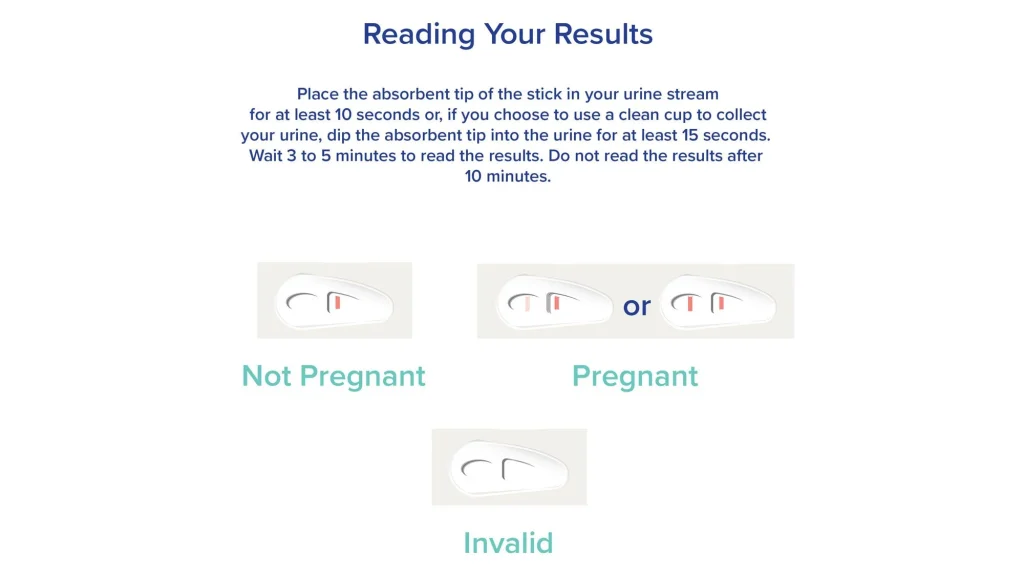
    Instructions for reading pregnancy test results with visual indicators for "Not Pregnant," "Pregnant," and "Invalid.

    The Link Between Cervical Mucus and Successful Conception: What Science Tells Us

    Factors Affecting Cervical Mucus Quality

    Many factors can affect the quality and quantity of cervical mucus, including hormonal imbalances, certain medications, infections, and lifestyle habits such as smoking and excessive alcohol consumption. These factors can cause a decrease in fertile cervical mucus, making it more difficult for sperm to reach the egg and decreasing the chances of conception.

    Improving Cervical Mucus Quality for Successful Conception

    If you are trying to conceive, it is essential to pay attention to your cervical mucus and take steps to improve its quality. To increase fertile cervical mucus, you can try using over-the-counter fertility-friendly lubricants, staying hydrated, and avoiding lifestyle habits that can affect cervical mucus quality.

    Additionally, certain supplements, such as evening primrose oil and guaifenesin, have been shown to improve cervical mucus quality. These supplements can be taken orally or applied directly to the cervix as a natural sperm-friendly lubricant.

    In some cases, medical interventions may be necessary to improve cervical mucus quality. These may include hormone therapy or procedures such as intrauterine insemination (IUI) or in vitro fertilization (IVF).

    Conclusion

    In conclusion, the link between cervical mucus and successful conception is undeniable. Cervical mucus not only helps sperm reach the egg but also plays a crucial role in predicting ovulation. It is essential to pay attention to your cervical mucus and take steps to improve its quality if you are trying to conceive. By understanding the role of cervical mucus in conception and taking necessary steps to improve its quality, you can increase your chances of successful conception.

    Summary:

    Cervical mucus, the fluid secreted by the cervix, plays a crucial role in the process of getting pregnant. It helps sperm travel through the cervix and uterus to reach the egg and also plays a role in predicting ovulation. Factors such as hormonal imbalances, medications, and lifestyle habits can affect cervical mucus quality, but steps can be taken to improve it, such as using fertility-friendly lubricants and supplements. Medical interventions may also be necessary in some cases. By understanding the link between cervical mucus and successful conception, couples can increase their chances of getting pregnant.

  • Breaking Down the Science of Cervical Mucus and Sperm Interaction

    Blog Post: Breaking Down the Science of Cervical Mucus and Sperm Interaction

    Cervical mucus is a natural fluid produced by the cervix that plays a crucial role in fertility and conception. This slippery and stretchy substance may not seem like much, but it is a vital component in the journey of sperm towards the egg. In this blog post, we will dive deep into the science behind cervical mucus and its interaction with sperm.

    Understanding Cervical Mucus

    Cervical mucus is produced by the cells lining the cervix and is influenced by hormones, particularly estrogen and progesterone. The consistency, texture, and amount of cervical mucus vary throughout a woman’s menstrual cycle. Just after menstruation, the cervix is usually dry, and there is little to no mucus present. As the cycle progresses, estrogen levels rise, causing the cervix to produce more mucus. This mucus starts off thick and sticky, making it difficult for sperm to pass through.

    As ovulation approaches, estrogen levels continue to rise, causing the mucus to become more stretchy and slippery. This type of mucus, known as fertile cervical mucus, is crucial for sperm survival and movement. It provides a hospitable environment for sperm to swim through and protects them from the acidic environment of the vagina.

    Sperm and Cervical Mucus Interaction

    When a man ejaculates, millions of sperm are released into the vagina. However, only a tiny fraction of these sperm will make it to the cervix and beyond. The journey of sperm through the cervix is challenging, and without the presence of fertile cervical mucus, their chances of survival and fertilization are slim.

    Fertile cervical mucus acts as a transportation system for sperm, helping them swim through the cervix and reach the fallopian tubes where fertilization occurs. The mucus also nourishes and protects the sperm, providing them with the necessary nutrients and shielding them from the acidic environment of the vagina.

    The sperm and cervical mucus interaction is a complex process that involves multiple factors. The consistency and quality of the mucus, the number and motility of sperm, and the timing of intercourse all play a significant role in this process.

    Factors Affecting Cervical Mucus Quality

    home insemination kit components: a syringe and a collection container against a blue background.

    Breaking Down the Science of Cervical Mucus and Sperm Interaction

    Several factors can affect the quality and production of cervical mucus, including hormonal imbalances, certain medications, and lifestyle habits. Hormonal imbalances, such as low estrogen levels, can result in insufficient or poor-quality cervical mucus. Certain medications, such as antihistamines and decongestants, can also dry up cervical mucus, making it difficult for sperm to swim through.

    Lifestyle habits, such as smoking and excessive alcohol consumption, can also negatively impact cervical mucus. Smoking can damage the cells in the cervix that produce mucus, leading to a decrease in mucus production and quality. Alcohol, on the other hand, can dehydrate the body, including the cervix, resulting in a decrease in cervical mucus production.

    The Importance of Cervical Mucus in Fertility

    Cervical mucus plays a crucial role in fertility and conception. Without fertile cervical mucus, sperm would not be able to survive, swim, and reach the egg for fertilization. In fact, studies have shown that the presence of fertile cervical mucus is essential for successful conception.

    Tracking Cervical Mucus for Fertility

    Cervical mucus can also be used as a natural fertility indicator. By tracking changes in cervical mucus throughout the menstrual cycle, women can determine their most fertile days and time intercourse accordingly. Fertile cervical mucus is typically present for 3-5 days before ovulation, providing a window of opportunity for sperm to reach the egg.

    Methods such as the Billings Ovulation Method and the Creighton Model rely on tracking cervical mucus to determine a woman’s most fertile days. These methods can be particularly useful for couples trying to conceive or those looking to avoid pregnancy without the use of artificial birth control.

    In conclusion, cervical mucus plays a crucial role in fertility and conception, serving as a vital component in the journey of sperm towards the egg. Its production and quality are influenced by hormones, and it provides a hospitable environment for sperm to survive and travel through. Understanding the science behind cervical mucus and its interaction with sperm can be helpful for couples trying to conceive or those looking to learn more about their fertility.

    Summary:

    Cervical mucus is a fluid produced by the cervix that plays a crucial role in fertility and conception. Its production and quality are influenced by hormones, and it provides a hospitable environment for sperm to survive and travel through. Fertile cervical mucus acts as a transportation system for sperm, helping them swim through the cervix and reach the egg for fertilization. Several factors can affect the quality and production of cervical mucus, including hormonal imbalances, certain medications, and lifestyle habits. Understanding the science behind cervical mucus and its interaction with sperm can be helpful for couples trying to conceive or those looking to learn more about their fertility.

  • Cervical Mucus: A Key Player in Reproductive Health

    Cervical mucus is a substance that plays a crucial role in reproductive health. It is a fluid secreted by the cervix, the lower part of the uterus, and helps create an optimal environment for sperm to reach and fertilize the egg. The amount, consistency, and quality of cervical mucus can provide valuable insights into a woman’s fertility and overall health. In this blog post, we will explore the importance of cervical mucus and how it can impact a woman’s ability to conceive.

    First, let’s understand what cervical mucus is and how it changes throughout a woman’s menstrual cycle. Cervical mucus is produced by the cervical glands and is primarily made up of water, proteins, and electrolytes. It is a clear or slightly cloudy fluid that can vary in thickness and texture. The amount of mucus produced increases as a woman approaches ovulation, and it becomes thinner and stretchier to facilitate sperm passage. After ovulation, the mucus thickens again, creating a barrier to prevent bacteria from entering the uterus.

    The changes in cervical mucus are controlled by hormones, primarily estrogen and progesterone. Estrogen levels rise before ovulation, causing the mucus to become more abundant and watery. This fertile mucus, also known as egg white cervical mucus (EWCM), has a consistency similar to raw egg whites and is the most conducive for sperm to survive and swim through. After ovulation, progesterone levels increase, causing the mucus to become thicker and less hospitable to sperm.

    Now, let’s delve into how cervical mucus affects fertility. As mentioned earlier, fertile cervical mucus helps sperm survive and reach the egg. It also aids in nourishing and protecting the sperm, making it easier for them to reach the fallopian tubes where fertilization occurs. Without sufficient fertile mucus, sperm may not survive long enough to fertilize the egg, leading to difficulties in conception. Additionally, fertile cervical mucus also provides a natural sperm-friendly pH balance, further aiding in the fertilization process.

    On the other hand, insufficient or poor-quality cervical mucus can hinder a woman’s fertility. Cervical mucus that is too thick or too acidic can create a hostile environment for sperm, making it difficult for them to reach the egg. This can be caused by hormonal imbalances, certain medications, or underlying health conditions. In some cases, women may also experience a condition called hostile cervical mucus, where the mucus’s antibodies attack and kill sperm, further decreasing the chances of conception.

    Besides its role in fertility, cervical mucus can also provide valuable insights into a woman’s overall reproductive health. Changes in the amount, consistency, and quality of mucus can indicate underlying issues such as hormonal imbalances, infections, or cervical abnormalities. For example, women with polycystic ovary syndrome (PCOS) may produce very little fertile mucus, making it difficult for them to conceive. Cervical mucus can also indicate the presence of an infection, as changes in its color or smell can be a sign of an underlying issue.

    at-home insemination kit featuring a syringe and container for fresh or donor sperm conception

    Cervical Mucus: A Key Player in Reproductive Health

    Monitoring cervical mucus can also be an effective way to track ovulation and plan for pregnancy. As mentioned earlier, fertile cervical mucus is a sign that ovulation is approaching, and it is the most conducive for sperm to survive. By tracking changes in cervical mucus, women can identify their most fertile days and time intercourse accordingly. This is especially useful for couples trying to conceive, as it can increase their chances of success.

    In addition to its role in fertility and reproductive health, cervical mucus can also impact a woman’s sexual health and comfort. Insufficient or poor-quality mucus can cause discomfort during intercourse, as it may not provide enough lubrication. This can lead to pain and irritation, making it difficult for women to enjoy intimacy. Monitoring and addressing any issues with cervical mucus can improve a woman’s sexual health and well-being.

    Now that we understand the importance of cervical mucus, let’s discuss how to track and maintain its quality. The most effective way to monitor cervical mucus is through observation and charting. Women can track changes in the amount, consistency, and quality of mucus by checking their underwear, using a clean finger to collect a sample, or using a fertility tracking device. Keeping a record of these changes can help identify patterns and potential issues.

    To maintain a healthy balance of cervical mucus, it is essential to maintain good overall reproductive health. This includes staying hydrated, eating a balanced diet, exercising regularly, and managing stress levels. Additionally, certain supplements such as evening primrose oil and guaifenesin can help improve cervical mucus quality. It is also crucial to address any underlying health conditions that may be affecting cervical mucus production.

    In conclusion, cervical mucus is a key player in reproductive health. Its role in fertility, overall health, and sexual well-being cannot be overstated. By understanding the changes in cervical mucus throughout the menstrual cycle and monitoring its quality, women can improve their chances of conception and maintain optimal reproductive health.

    Summary: Cervical mucus is a fluid secreted by the cervix that plays a crucial role in reproductive health. It changes throughout a woman’s menstrual cycle and is controlled by hormones. Fertile cervical mucus helps sperm reach and fertilize the egg, while insufficient or poor-quality mucus can hinder fertility. Cervical mucus can also provide insights into a woman’s overall reproductive health and can be used to track ovulation and plan for pregnancy. Maintaining good overall reproductive health is essential for maintaining a healthy balance of cervical mucus.

  • Estrogen and Cervical Mucus: The Dynamic Duo for Ovulation and Pregnancy

    Estrogen and Cervical Mucus: The Dynamic Duo for Ovulation and Pregnancy

    Hormones play a crucial role in the female reproductive cycle, and estrogen and cervical mucus are two of the most important players. Estrogen is a hormone produced by the ovaries that helps to regulate the menstrual cycle, while cervical mucus is a fluid secreted by the cervix that changes in consistency and amount throughout the cycle. Together, these two substances work in harmony to facilitate ovulation and increase the chances of pregnancy. In this blog post, we will dive deeper into the relationship between estrogen and cervical mucus and how they work together to support fertility.

    Estrogen and Ovulation

    Estrogen plays a significant role in the menstrual cycle, and its levels fluctuate throughout the month. During the first half of the cycle, estrogen levels rise and stimulate the growth of the uterine lining. This is known as the follicular phase. As the follicles in the ovaries mature, they produce more estrogen, which also triggers the release of luteinizing hormone (LH) from the pituitary gland. LH is responsible for triggering ovulation, the release of an egg from the ovary.

    Estrogen also helps to thicken the cervical mucus, making it easier for sperm to travel through the cervix and into the uterus. This is crucial for fertility as it increases the chances of sperm reaching and fertilizing the egg.

    Cervical Mucus and Fertility

    Cervical mucus, also known as cervical fluid, is a clear or white fluid that is produced by the cervix. It serves many functions, including protecting the reproductive organs from infection and providing a suitable environment for sperm to survive and travel through. The consistency and amount of cervical mucus change throughout the menstrual cycle due to the influence of estrogen.

    During the follicular phase, when estrogen levels are high, cervical mucus becomes thin, watery, and stretchy. This type of mucus, known as fertile cervical mucus, helps to create a channel for sperm to swim through and survive in the female reproductive tract. It also has a higher pH level, which is more favorable for sperm survival.

    As ovulation approaches, the amount of cervical mucus increases, and it becomes even more stretchy and slippery. This is the most fertile type of cervical mucus, and it indicates that the body is ready for conception. After ovulation, estrogen levels decrease, and cervical mucus becomes thicker and less hospitable to sperm.

    various medical supplies and containers organized in a clear plastic box on a wooden surface

    Estrogen and Cervical Mucus: The Dynamic Duo for Ovulation and Pregnancy

    The Role of Cervical Mucus in Pregnancy

    If sperm successfully fertilizes an egg, the resulting embryo will implant in the uterus and start to secrete human chorionic gonadotropin (hCG), also known as the pregnancy hormone. This hormone signals the body to continue producing estrogen, which in turn keeps the cervix producing fertile cervical mucus. This is important as it creates a plug in the cervix, preventing any other sperm from entering the uterus and potentially fertilizing another egg.

    Cervical mucus also plays a crucial role in nourishing and protecting the developing embryo. It contains antibodies that help to fight off any potential infections that could harm the pregnancy.

    Tracking Cervical Mucus for Fertility

    Understanding the changes in cervical mucus throughout the menstrual cycle can be helpful for those trying to conceive. By tracking the changes in consistency and amount of cervical mucus, women can identify their most fertile days and time intercourse accordingly. Fertility awareness methods, such as the Billings Ovulation Method and the Creighton Model, rely heavily on tracking changes in cervical mucus to determine the most fertile days.

    If a woman is not producing enough fertile cervical mucus, it could indicate an underlying hormonal issue, such as low estrogen levels. In this case, it is important to consult with a healthcare provider to determine the cause and find appropriate treatment.

    In conclusion, estrogen and cervical mucus are essential for ovulation and pregnancy. These two substances work together to create a fertile environment for sperm, support the survival and fertilization of the egg, and protect and nourish the developing embryo. By understanding the changes in estrogen levels and cervical mucus throughout the cycle, women can increase their chances of conceiving and achieving a healthy pregnancy.

    Summary:

    Estrogen and cervical mucus are two important substances that work together to facilitate ovulation and increase the chances of pregnancy. Estrogen helps to stimulate ovulation and thicken cervical mucus, while cervical mucus creates a hospitable environment for sperm to survive and travel through. As estrogen levels fluctuate throughout the menstrual cycle, cervical mucus changes in consistency and amount, indicating the most fertile days for conception. Cervical mucus also plays a crucial role in nourishing and protecting the developing embryo. By understanding these two substances and tracking changes in cervical mucus, women can increase their chances of conceiving and achieving a healthy pregnancy.

  • Hormonal Harmony: The Role of Estrogen in Fertile Cervical Mucus Production

    Hormonal Harmony: The Role of Estrogen in Fertile Cervical Mucus Production

    Fertility is a complex and miraculous process that involves the harmonious interaction of various hormones in the body. One of the key hormones involved in fertility is estrogen, which plays a crucial role in the production of fertile cervical mucus. In this blog post, we will delve into the fascinating world of hormones and explore the important role that estrogen plays in promoting fertility through the production of fertile cervical mucus.

    Understanding Hormones and their Role in Fertility

    Hormones are chemical messengers that are produced by various glands in the body and play a vital role in regulating different bodily functions. In regards to fertility, hormones are responsible for stimulating the ovaries to produce mature eggs, preparing the uterus for implantation of a fertilized egg, and maintaining a healthy pregnancy. Any imbalance or disruption in the production of these hormones can significantly impact a woman’s ability to conceive.

    Estrogen is one of the primary female sex hormones responsible for the development and regulation of the female reproductive system. It is mainly produced by the ovaries, but small amounts are also produced by the adrenal glands and fat cells. Estrogen has a wide range of functions in the body, but its role in fertility is particularly crucial.

    The Role of Estrogen in Cervical Mucus Production

    Cervical mucus is a fluid produced by the cervix that plays a vital role in the fertility process. It is a slippery, egg-white-like substance that helps sperm travel through the cervix and into the uterus to fertilize an egg. Estrogen is responsible for stimulating the production of cervical mucus, making it thin, slippery, and alkaline, which is the perfect environment for sperm to survive and thrive.

    During a woman’s menstrual cycle, estrogen levels rise and fall, causing changes in the cervical mucus. At the beginning of the cycle, when estrogen levels are low, the mucus is thick and sticky, creating a barrier that prevents sperm from entering the uterus. As ovulation approaches and estrogen levels increase, the mucus becomes thinner and more alkaline, creating a hospitable environment for sperm to survive and travel towards the waiting egg.

    The Role of Estrogen in Ovulation

    Estrogen also plays a crucial role in the ovulation process. As estrogen levels rise, they trigger the release of luteinizing hormone (LH) from the pituitary gland. LH is responsible for the final maturation and release of the egg from the ovary, known as ovulation. Therefore, a healthy level of estrogen is necessary for ovulation to occur, and any imbalance or disruption in estrogen production can result in ovulatory disorders, leading to fertility problems.

    The Importance of Fertile Cervical Mucus in Conception

    mosie baby logo featuring a heart and leaves in blue, pink, and green colors.

    Hormonal Harmony: The Role of Estrogen in Fertile Cervical Mucus Production

    The production of fertile cervical mucus is essential for conception to occur successfully. Without the presence of fertile cervical mucus, sperm would not be able to survive long enough to fertilize an egg. Additionally, as sperm can survive in the female reproductive tract for up to five days, the fertile cervical mucus provides a friendly environment for them to survive and wait for ovulation to occur.

    Furthermore, fertile cervical mucus also helps sperm to swim towards the fallopian tubes, where fertilization takes place. It acts as a sort of “superhighway” for sperm, guiding them towards the egg and increasing the chances of successful fertilization.

    How to Promote Estrogen Production and Fertile Cervical Mucus

    Maintaining a healthy balance of estrogen is crucial for promoting the production of fertile cervical mucus. Some lifestyle factors that can help promote estrogen production include:

    1. A Nutrient-Dense Diet: Consuming a diet rich in whole foods, healthy fats, and proteins can help support hormone production, including estrogen.

    2. Regular Exercise: Regular physical activity helps regulate hormone levels, including estrogen, and can improve overall fertility.

    3. Adequate Sleep: Getting enough quality sleep is crucial for hormone balance, as the body produces and regulates hormones while we sleep.

    4. Reducing Stress: Chronic stress can disrupt hormone production and lead to imbalances, including low estrogen levels. Finding ways to manage stress, such as through meditation or yoga, can help promote healthy estrogen production.

    5. Avoiding Harmful Chemicals: Exposure to certain chemicals, such as BPA and phthalates, can disrupt hormone production and affect fertility. It is essential to limit exposure to these chemicals by choosing natural and organic products.

    Summary

    Estrogen plays a vital role in promoting fertility through the production of fertile cervical mucus. It helps create the perfect environment for sperm to survive and travel towards the egg, as well as triggering ovulation. Maintaining a healthy balance of estrogen is crucial for promoting the production of fertile cervical mucus and optimizing fertility. By making healthy lifestyle choices and reducing exposure to harmful chemicals, women can support their body’s production of estrogen and increase their chances of conceiving.

  • The Estrogen Connection: How it Impacts Cervical Mucus Changes Throughout the Menstrual Cycle

    Blog Post:

    Hormones play a crucial role in our bodies, regulating various bodily functions and processes. One hormone in particular, estrogen, is especially important for women as it impacts their reproductive health. Specifically, estrogen has a significant effect on cervical mucus changes throughout the menstrual cycle. In this blog post, we will explore the estrogen connection and how it affects cervical mucus changes.

    The menstrual cycle is a complex process that occurs in the female body, involving the release of hormones and the shedding of the uterine lining. The cycle typically lasts for 28 days, but it can vary from woman to woman. During this time, estrogen levels fluctuate, with the highest levels occurring just before ovulation.

    Estrogen is produced primarily in the ovaries, and its main function is to stimulate the growth and development of the uterine lining. This is crucial for preparing the body for pregnancy. But estrogen also has an impact on the cervix, the lower part of the uterus that connects to the vagina.

    The cervix produces cervical mucus, a fluid that changes in consistency and appearance throughout the menstrual cycle. Cervical mucus is essential for fertility as it helps sperm travel through the cervix and into the uterus to fertilize an egg. The consistency and amount of cervical mucus present also indicate the most fertile time of the month for a woman.

    During the first few days of the menstrual cycle, when estrogen levels are low, the cervix produces very little mucus. This is known as the dry phase. As estrogen levels start to rise, the cervix begins to produce more mucus, but it is thick and sticky, making it difficult for sperm to travel through. This is known as the sticky phase.

    As ovulation approaches, estrogen levels peak, and so does the amount of cervical mucus produced. The consistency also changes, becoming thin, slippery, and stretchy. This type of mucus is known as fertile-quality mucus, and it is ideal for sperm to swim through. This is known as the slippery phase or the peak of fertility.

    pregnancy test kit features labeled for comfort and confidence on a teal background

    The Estrogen Connection: How it Impacts Cervical Mucus Changes Throughout the Menstrual Cycle

    After ovulation, estrogen levels drop, and so does the amount of cervical mucus produced. The mucus may become thicker and less abundant, creating a barrier that makes it difficult for sperm to reach the egg. This is known as the dry phase again, and it continues until the start of the next menstrual cycle.

    Understanding the changes in cervical mucus throughout the menstrual cycle is crucial for predicting fertility and planning for pregnancy. By tracking the consistency and amount of mucus present, a woman can determine her most fertile days and increase her chances of conceiving. On the other hand, changes in cervical mucus can also indicate potential issues with fertility.

    For example, if there is a lack of fertile-quality mucus, it may indicate a hormonal imbalance, such as low estrogen levels. This can make it difficult for sperm to reach the egg, hindering fertility. Additionally, certain medications or medical conditions can also affect cervical mucus production and quality.

    In some cases, a woman may experience changes in cervical mucus that are not related to the menstrual cycle. This could be due to hormonal imbalances caused by factors such as stress, poor diet, or underlying health conditions. It is essential to address these issues and seek medical advice if necessary.

    There are also steps that women can take to improve cervical mucus quality and regulate estrogen levels. Eating a balanced diet, reducing stress, and maintaining a healthy weight can all contribute to hormonal balance. Additionally, certain supplements, such as vitamin C and evening primrose oil, can help enhance cervical mucus production and quality.

    In conclusion, the estrogen connection is crucial for understanding cervical mucus changes throughout the menstrual cycle. Estrogen levels have a significant impact on the amount and consistency of cervical mucus, which is essential for fertility. By tracking these changes and addressing any potential issues, women can take control of their reproductive health and improve their chances of conceiving.

    Summary:

    Estrogen plays a significant role in the female body, affecting various bodily functions and processes. In particular, it has a significant impact on cervical mucus changes throughout the menstrual cycle. As estrogen levels fluctuate, the amount and consistency of cervical mucus also change, indicating the most fertile time of the month for a woman. Understanding these changes is crucial for predicting fertility and addressing potential issues. By maintaining a healthy lifestyle and seeking medical advice if needed, women can take control of their reproductive health and improve their chances of conceiving.

  • Estrogen and Cervical Mucus: The Building Blocks of Fertility

    Estrogen and Cervical Mucus: The Building Blocks of Fertility

    For many women, the journey towards motherhood begins with understanding their own fertility and reproductive health. While there are many factors that contribute to fertility, two of the most important are estrogen and cervical mucus. These two substances play a crucial role in the menstrual cycle and are key indicators of a woman’s fertility. In this blog post, we will explore the relationship between estrogen and cervical mucus, and how understanding them can help women on their path to conception.

    What is Estrogen?

    Estrogen is a hormone produced primarily by the ovaries, although small amounts are also produced by the adrenal glands and fat cells. It is responsible for the development and regulation of female reproductive organs, as well as the physical changes that occur during puberty. Estrogen also plays a role in the menstrual cycle, helping to thicken the uterine lining in preparation for pregnancy.

    Throughout the menstrual cycle, estrogen levels fluctuate, with the highest levels occurring just before ovulation. This surge in estrogen triggers the release of luteinizing hormone (LH), which then causes the release of an egg from the ovary. As estrogen levels decline after ovulation, the uterine lining begins to break down, leading to menstruation.

    What is Cervical Mucus?

    Cervical mucus is a fluid produced by the cervix, the lower part of the uterus. Its consistency, color, and amount change throughout the menstrual cycle in response to hormonal fluctuations. During most of the cycle, cervical mucus is thick and sticky, acting as a barrier to sperm. However, as ovulation approaches, estrogen levels rise, causing the mucus to become more abundant, thin, and stretchy, resembling raw egg whites.

    This change in cervical mucus is crucial for fertility, as it facilitates sperm transport and helps them survive longer in the female reproductive tract. The sperm can then reach and fertilize the egg once it is released from the ovary.

    The Role of Estrogen and Cervical Mucus in Fertility

    at-home insemination kit with syringes, collection cups, and instructions on a pink background

    Estrogen and Cervical Mucus: The Building Blocks of Fertility

    Estrogen and cervical mucus work together to create an optimal environment for conception. As estrogen levels rise, the cervical mucus becomes more fertile, allowing sperm to easily travel through the cervix and into the uterus. The mucus also provides nourishment and protection for the sperm, helping them to survive and reach the egg.

    Additionally, estrogen helps to thicken the uterine lining, preparing it to receive a fertilized egg. If fertilization occurs, the high levels of estrogen in the body will help to maintain the uterine lining and support the early stages of pregnancy. If fertilization does not occur, estrogen levels will decline, signaling the start of a new menstrual cycle.

    Monitoring Estrogen and Cervical Mucus for Fertility Tracking

    Understanding the changes in estrogen and cervical mucus can be incredibly useful for women trying to conceive. By tracking these changes, women can identify their most fertile days and increase their chances of getting pregnant. This can be done through various methods, including using fertility tracking apps, monitoring changes in cervical mucus through observation or using fertility monitors.

    Some women may also experience changes in their cervical mucus due to hormonal imbalances or underlying health conditions. For example, low estrogen levels can lead to a lack of fertile cervical mucus, making it more difficult for sperm to reach the egg. High levels of estrogen, on the other hand, may indicate issues such as polycystic ovary syndrome (PCOS) or endometriosis.

    Seeking Help for Fertility Issues

    If a woman has been actively trying to conceive for over a year with no success, it may be a good idea to consult a fertility specialist. They can conduct tests to determine if there are any underlying issues affecting fertility, including hormonal imbalances. In some cases, hormone therapy may be recommended to help regulate estrogen levels and improve cervical mucus production.

    In conclusion, estrogen and cervical mucus are essential building blocks of fertility. Together, they create an optimal environment for conception and play a crucial role in the menstrual cycle. By understanding these two elements and monitoring their changes, women can increase their chances of getting pregnant and take control of their reproductive health.

    Summary:

    Estrogen and cervical mucus are two key factors in a woman’s fertility. Estrogen, a hormone produced primarily by the ovaries, helps regulate the menstrual cycle and prepares the body for pregnancy. Cervical mucus, a fluid produced by the cervix, changes in consistency and amount throughout the cycle, becoming more fertile around ovulation to aid sperm in reaching the egg. Tracking these changes can help women identify their most fertile days and increase their chances of conception. Understanding the role of estrogen and cervical mucus in fertility can also help in identifying and addressing any underlying issues that may affect fertility.