Tag: nutrition

  • Maximizing Your Fertility: The Top Items to Include in Your Natural Conception Kit

    Maximizing Your Fertility: The Top Items to Include in Your Natural Conception Kit

    Trying to conceive can be an exciting and emotional journey for couples. While there are many factors that can affect fertility, taking a natural approach can help increase the chances of conception. One way to do this is by creating a natural conception kit, which can include various items that can help boost fertility. In this blog post, we will discuss the top items to include in your natural conception kit to help maximize your fertility.

    1. Fertility Supplements

    Fertility supplements are a great addition to any natural conception kit. These supplements are made with natural ingredients that can help balance hormones, regulate ovulation, and improve egg quality. Some of the most common supplements for fertility include folic acid, vitamin D, and CoQ10. It is important to consult with your doctor before taking any supplements, as they can interact with certain medications or health conditions.

    2. Ovulation Predictor Kits

    Tracking ovulation is crucial when trying to conceive. Ovulation predictor kits (OPKs) are a simple and effective way to determine when you are most fertile. These kits work by detecting the luteinizing hormone (LH) surge that occurs right before ovulation. By using OPKs, you can time intercourse during your most fertile days, increasing the chances of conception.

    3. Basal Body Thermometer

    Another tool to track ovulation is a basal body thermometer (BBT). This special thermometer measures your body’s resting temperature and can help pinpoint the exact day of ovulation. The rise in temperature indicates that ovulation has occurred, and this information can be used to plan intercourse during your most fertile days.

    4. Fertility-Friendly Lubricant

    Did you know that certain lubricants can actually decrease sperm motility and affect fertility? That’s why it’s important to choose a fertility-friendly lubricant when trying to conceive. These lubricants are specially designed to mimic the natural cervical mucus and provide a sperm-friendly environment. Some popular fertility-friendly lubricants include Pre-Seed and Conceive Plus.

    5. Conception Tea

    home insemination kit components: a syringe and a collection container against a blue background.

    Maximizing Your Fertility: The Top Items to Include in Your Natural Conception Kit

    Herbal teas have been used for centuries to help boost fertility. Conception teas usually contain a blend of herbs that can help balance hormones, improve egg quality, and regulate ovulation. Some of the common ingredients found in these teas include red raspberry leaf, nettle leaf, and chasteberry. As with any supplement, it’s important to consult with your doctor before adding conception tea to your natural conception kit.

    6. Yoga Mat and Meditation Tools

    Stress can have a significant impact on fertility. That’s why it’s important to include relaxation techniques in your natural conception kit. Yoga and meditation are great tools to help reduce stress and improve overall well-being. By creating a calm and peaceful environment, you can promote a healthy reproductive system and increase your chances of conceiving.

    7. Essential Oils

    Essential oils have gained popularity in recent years for their various health benefits. When it comes to fertility, certain essential oils can help balance hormones, improve mood, and reduce stress. Some of the best essential oils for fertility include lavender, clary sage, and geranium. It’s important to use caution when using essential oils, as some may be harmful during pregnancy.

    8. Nutrition Guide

    Eating a healthy and balanced diet is essential for fertility. Including a nutrition guide in your natural conception kit can help you make the right food choices to support your reproductive health. Some foods that are known to improve fertility include leafy greens, healthy fats, and lean protein. A nutrition guide can also provide tips on which foods to avoid, such as processed foods and excessive caffeine.

    9. Fertility Journal

    Keeping track of your fertility journey can help you identify patterns and make necessary adjustments. A fertility journal is a great tool to record your menstrual cycle, ovulation dates, and any other symptoms or changes you may experience. It can also be a helpful outlet to express your thoughts and emotions during this time.

    10. Positive Affirmations

    Lastly, it’s important to have a positive mindset when trying to conceive. Including positive affirmations in your natural conception kit can help you stay motivated and hopeful. These can be written on cards, posters, or even saved as phone backgrounds. Some examples of positive affirmations for fertility include “I trust my body’s ability to conceive” and “My body is capable of creating and nurturing new life.”

    In conclusion, creating a natural conception kit can be a great way to maximize your fertility and increase your chances of conceiving. By including items such as fertility supplements, ovulation predictor kits, and relaxation tools, you can support your reproductive health and create a positive mindset. Remember to consult with your doctor before adding any new items to your natural conception kit, and most importantly, stay patient and hopeful on your journey to parenthood.

  • The Power of Nature: Incorporating Natural Remedies into Your Conception Journey

    Blog Post Title: The Power of Nature: Incorporating Natural Remedies into Your Conception Journey

    Summary:

    The journey to conceive a child can be a rollercoaster of emotions and challenges. For those struggling with infertility, the pressure and stress can sometimes feel overwhelming. While there are various medical interventions and treatments available, many couples are turning to natural remedies to aid in their conception journey.

    Nature has the power to heal and nourish our bodies, and incorporating natural remedies into your fertility plan can have a positive impact on your physical, emotional, and mental well-being. In this blog post, we will explore the power of nature and how you can use natural remedies to enhance your chances of conception.

    Understanding Your Body’s Natural Rhythms

    Before diving into specific natural remedies, it’s essential to understand the natural rhythms of your body. Women’s bodies go through a monthly cycle, and each phase of the cycle has its own unique characteristics. By tuning into your body’s natural rhythms, you can better understand when you are most fertile and increase your chances of conception.

    One way to track your body’s rhythms is by using the fertility awareness method, which involves monitoring your basal body temperature, cervical mucus, and other physical signs. By doing this, you can pinpoint your ovulation window and plan intercourse accordingly.

    Herbal Remedies for Fertility

    Herbs have been used for centuries to support fertility and promote reproductive health. While there is limited scientific evidence to support their effectiveness, many couples swear by the power of these natural remedies.

    Some herbs that are commonly used for fertility include red raspberry leaf, chasteberry, and maca root. Red raspberry leaf is known for its ability to strengthen the uterus and regulate hormones, while chasteberry has been shown to improve hormone balance and ovulation. Maca root, on the other hand, is believed to enhance libido and improve sperm count.

    It’s essential to consult with a herbalist or healthcare provider before incorporating herbs into your fertility plan, as certain herbs may interact with medications or have unwanted side effects.

    Nutrition and Supplements for Fertility

    What we eat has a significant impact on our overall health and fertility. Incorporating nutrient-rich foods into your diet can provide your body with the necessary vitamins and minerals to support reproductive health.

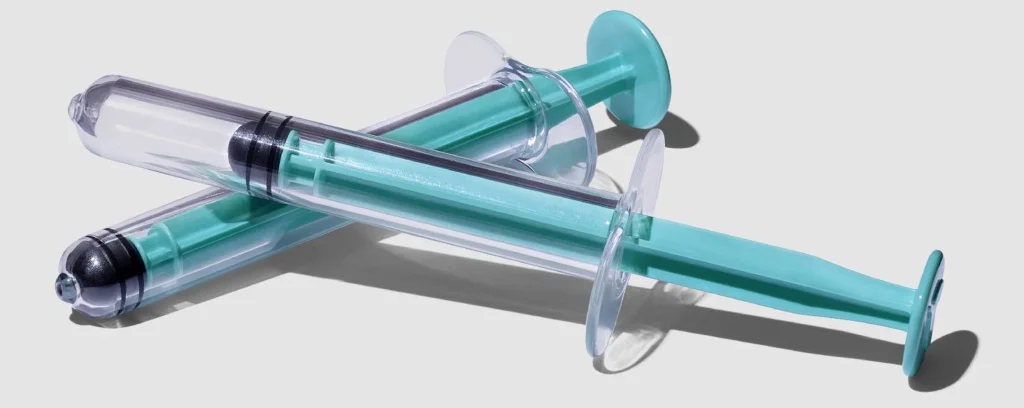
    Two transparent syringes with teal accents positioned diagonally on a light gray background.

    The Power of Nature: Incorporating Natural Remedies into Your Conception Journey

    Foods that are rich in omega-3 fatty acids, such as salmon and flaxseeds, are beneficial for fertility. These healthy fats can help balance hormones and regulate ovulation. Antioxidant-rich foods like berries, leafy greens, and nuts can also support fertility by reducing inflammation and protecting egg and sperm cells.

    In addition to a healthy diet, certain supplements can also aid in fertility. These may include folic acid, vitamin D, and Coenzyme Q10. Again, it’s crucial to consult with a healthcare provider before adding any supplements to your routine.

    Mind-Body Practices for Fertility

    The mind-body connection is powerful, and incorporating practices that promote relaxation and reduce stress can have a positive impact on your fertility. Stress can disrupt hormone levels and ovulation, making it harder to conceive.

    Yoga, meditation, and acupuncture are all mind-body practices that can help reduce stress and promote relaxation. These practices can also improve blood flow to the reproductive organs, making them more receptive to conception.

    Environmental Factors to Consider

    In addition to internal factors, it’s essential to consider external factors that may be impacting your fertility. Our environment can play a significant role in our reproductive health, and making simple changes can make a big difference.

    For example, avoiding exposure to harmful chemicals found in household cleaners and personal care products can protect your reproductive system. Switching to natural and organic products can reduce your exposure to these toxic chemicals.

    The Importance of Patience and Self-Care

    Incorporating natural remedies into your conception journey requires patience and self-care. It’s essential to remember that our bodies are unique, and what works for one person may not work for another. It’s essential to listen to your body and be patient with the process.

    In addition, taking care of yourself both physically and emotionally is crucial. Dealing with infertility can be emotionally draining, and it’s essential to practice self-care and seek support when needed.

    Conclusion

    Nature has the power to heal and support our fertility journey. By understanding our body’s natural rhythms, incorporating herbal remedies, maintaining a healthy diet, and reducing stress, we can enhance our chances of conception. It’s important to consult with a healthcare provider before making any changes to your fertility plan and to practice patience and self-care throughout the process.

  • The Role of Nutrition and Lifestyle in At-Home Insemination

    The Role of Nutrition and Lifestyle in At-Home Insemination

    In recent years, at-home insemination has become a popular alternative for couples and individuals who are struggling with fertility issues or looking to start a family without the use of assisted reproductive technology. This method involves using a donor’s sperm to fertilize an egg either through artificial insemination or at-home insemination kits. While there are many factors that can affect the success of at-home insemination, one that is often overlooked is nutrition and lifestyle. In this blog post, we will explore the role of nutrition and lifestyle in at-home insemination and how making healthy choices can improve the chances of a successful pregnancy.

    The Importance of a Balanced Diet

    When it comes to fertility, both men and women need to maintain a balanced and healthy diet. Eating a variety of whole foods, including fruits, vegetables, whole grains, lean proteins, and healthy fats, can provide the necessary nutrients for reproductive health. For women, a balanced diet can help regulate hormones, improve egg quality, and promote a healthy uterine lining for implantation. For men, a diet rich in antioxidants, zinc, and folate can improve sperm quality and increase sperm count.

    Specific Nutrients for Fertility

    While a balanced diet is crucial, there are certain nutrients that have been shown to have a direct impact on fertility. These include:

    1. Folic Acid: This B vitamin is essential for fetal development and can help reduce the risk of birth defects. For women trying to conceive, folic acid can also improve ovulation and egg quality.

    2. Omega-3 Fatty Acids: These healthy fats have been linked to increased fertility in women and can also help regulate hormones and improve the quality of sperm in men.

    3. Vitamin D: Studies have shown that women with low levels of vitamin D may have a harder time conceiving. This vitamin is also crucial for fetal bone development.

    4. Iron: Iron is important for both men and women as it helps increase blood flow to the reproductive organs and can improve sperm production and egg health.

    5. Zinc: Zinc is essential for sperm production and motility in men, and a deficiency in this mineral can lead to fertility issues.

    Lifestyle Factors and Fertility

    In addition to nutrition, lifestyle factors also play a significant role in fertility. These include:

    1. Exercise: Regular physical activity can help regulate hormones, improve blood flow to the reproductive organs, and reduce stress, all of which can improve fertility.

    sperm-ready insemination kit with a syringe and container, featuring a screw top lid and non-tip safety wall

    The Role of Nutrition and Lifestyle in At-Home Insemination

    2. Weight Management: Both being underweight and overweight can affect fertility. Women who are underweight may have irregular menstrual cycles or no periods at all, while being overweight can lead to hormonal imbalances and reduced sperm quality in men.

    3. Stress: High levels of stress can interfere with ovulation and sperm production. Finding ways to manage stress, such as through yoga, meditation, or counseling, can improve fertility.

    4. Smoking, Alcohol, and Drug Use: These substances have been linked to fertility issues in both men and women. Quitting smoking, limiting alcohol intake, and avoiding recreational drug use can improve chances of conception.

    5. Environmental Toxins: Exposure to environmental toxins, such as pesticides, chemicals, and radiation, can have a negative impact on fertility. It is essential to limit exposure to these substances as much as possible.

    Tips for a Healthy Diet and Lifestyle for At-Home Insemination

    1. Consult with a healthcare professional: Before starting any diet or exercise regimen, it is crucial to consult with a healthcare professional, especially if you have any underlying health conditions that may affect fertility.

    2. Eat a variety of whole foods: A balanced diet should include a variety of fruits, vegetables, whole grains, lean proteins, and healthy fats.

    3. Take a prenatal vitamin: Prenatal vitamins contain essential nutrients for fertility and can help fill any nutritional gaps in your diet.

    4. Stick to a regular exercise routine: Aim for at least 30 minutes of physical activity most days of the week. Choose activities that you enjoy and that you can stick to long-term.

    5. Manage stress: Find healthy ways to manage stress, such as through exercise, meditation, or talking to a therapist.

    6. Avoid toxins: Limit exposure to environmental toxins as much as possible, and opt for organic produce when available.

    7. Stay hydrated: Drinking plenty of water can help keep your body functioning properly and improve overall health.

    Conclusion

    While there are many factors that can affect the success of at-home insemination, nutrition and lifestyle should not be overlooked. By making healthy choices and incorporating specific nutrients into your diet, you can improve your chances of a successful pregnancy. Remember to consult with a healthcare professional and make any necessary lifestyle changes before attempting at-home insemination.

    SEO Metadata: