Tag: Reproductive Health

  • Creating a Conception-Friendly Environment: The Role of an At-Home Support Kit

    Creating a Conception-Friendly Environment: The Role of an At-Home Support Kit

    Conception is a magical and exciting time in a couple’s journey to parenthood. However, it can also be a stressful and challenging process for many. With the increasing rates of infertility, more and more couples are turning to fertility treatments and methods to conceive. While these methods can be effective, they can also be expensive and invasive. Fortunately, there are simple yet powerful ways to create a conception-friendly environment at home, which can greatly increase the chances of success. In this blog post, we will discuss the role of an at-home support kit in creating a conception-friendly environment.

    Understanding the Importance of a Conception-Friendly Environment

    Before delving into the details of an at-home support kit, it is crucial to understand the importance of creating a conception-friendly environment. For conception to happen, the sperm must successfully fertilize the egg, and the embryo must implant itself in the uterine lining. Several factors can affect these processes, including stress, poor diet, and exposure to toxins. By creating a supportive and nurturing environment at home, couples can address these factors and increase their chances of conception.

    The Role of an At-Home Support Kit

    An at-home support kit is a collection of items and tools designed to create a healthy and conducive environment for conception. These kits are readily available in the market and can be customized based on individual needs. Here are some essential items and tools that can be included in an at-home support kit:

    1. Fertility Tracking Tools

    One of the first steps towards creating a conception-friendly environment is tracking ovulation. Ovulation tracking tools, such as basal body temperature thermometers, ovulation predictor kits, and fertility tracking apps, can help determine the most fertile days in a woman’s cycle. By using these tools, couples can time intercourse more accurately, increasing their chances of conception.

    2. Nutritional Supplements

    A healthy diet is crucial for overall well-being, including fertility. However, certain vitamins and minerals are particularly beneficial for reproductive health. An at-home support kit can include nutritional supplements such as folic acid, vitamin D, and omega-3 fatty acids, which have been linked to improved fertility in both men and women.

    various medical supplies and containers organized in a clear plastic box on a wooden surface

    Creating a Conception-Friendly Environment: The Role of an At-Home Support Kit

    3. Stress-Relieving Items

    Stress can significantly impact fertility by disrupting hormonal balance and delaying ovulation. Including stress-relieving items in an at-home support kit can help couples relax and reduce their stress levels. This can include items such as scented candles, essential oils, meditation guides, and relaxation music.

    4. Non-Toxic Household Products

    Exposure to toxins can have a detrimental effect on fertility. Many common household products contain harmful chemicals that can interfere with hormone production and impact reproductive health. An at-home support kit can include non-toxic alternatives for household cleaning, personal care, and laundry products.

    5. Positive Affirmations and Vision Boards

    Believing in the power of positive thinking, some couples find it helpful to include positive affirmations and vision boards in their at-home support kit. These tools can help them stay focused on their goal of conception and maintain a positive mindset throughout the journey.

    6. Educational Materials and Resources

    Knowledge is power, and when it comes to fertility, the more you know, the better equipped you are to make informed decisions. An at-home support kit can include educational materials and resources, such as books, online courses, and podcasts, to help couples learn about fertility and how they can optimize their chances of conception.

    Benefits of an At-Home Support Kit

    Having an at-home support kit can bring several benefits to couples trying to conceive. Firstly, it can help them stay organized and on track with their fertility journey. Keeping all the necessary tools and items in one place can save time and reduce stress. Additionally, an at-home support kit can also serve as a reminder to prioritize self-care and take proactive steps towards creating a conception-friendly environment.

    In conclusion, creating a conception-friendly environment is crucial for couples trying to conceive. An at-home support kit can play a vital role in this process by providing the necessary tools and resources to optimize fertility. By including items and tools such as fertility tracking tools, nutritional supplements, stress-relieving items, non-toxic household products, positive affirmations, and educational materials, couples can increase their chances of conception and make their journey to parenthood a more positive and enjoyable experience.


  • Fertility at Your Fingertips: The Convenience of an At-Home Conception Kit

    Blog Post:

    In today’s fast-paced world, convenience is key. From ordering groceries online to scheduling virtual doctor appointments, people are always looking for ways to make their lives easier and more efficient. This also applies to family planning and conception. Gone are the days of having to make appointments and visit a fertility clinic to get help with conception. Now, there is a new solution that puts fertility at your fingertips – the at-home conception kit.

    An at-home conception kit is a simple and convenient way to test for fertility and increase your chances of conceiving. It typically includes all the necessary tools and instructions for couples who are trying to conceive. These kits can be easily purchased online or at a local pharmacy without the need for a prescription.

    One of the main benefits of an at-home conception kit is the privacy it offers. Many couples prefer to keep their fertility struggles private and avoid the potential embarrassment of discussing it with a doctor or healthcare professional. With an at-home kit, couples can test for fertility in the comfort of their own home and at their own pace. This eliminates the need for awkward conversations and allows couples to take control of their fertility journey.

    Another advantage of at-home kits is the cost. Fertility treatments and procedures can be expensive, and not all insurance plans cover them. By using an at-home kit, couples can save money and still receive valuable information about their fertility. These kits are also a great option for couples who may not be ready to commit to more expensive fertility treatments and want to try a more affordable option first.

    pregnancy test kit with instructions, test device, and packaging on a white background

    Fertility at Your Fingertips: The Convenience of an At-Home Conception Kit

    Using an at-home conception kit is also a time-saver. With busy schedules and demanding jobs, it can be difficult to find the time to visit a fertility clinic. An at-home kit eliminates the need for appointments and allows couples to test for fertility on their own time. This is especially beneficial for women with irregular menstrual cycles, as they can track their ovulation at home and determine the best time to try for a baby.

    But how do at-home conception kits work? These kits typically include ovulation prediction tests, which detect the surge in luteinizing hormone (LH) that occurs 24-48 hours before ovulation. By tracking this hormone, couples can determine the best time to try for a baby. The kits also include sperm-friendly lubricants to aid in conception and pregnancy tests to confirm if conception has occurred.

    At-home conception kits are not only convenient for couples, but they also offer a sense of control and empowerment. By providing couples with the necessary tools and information, these kits allow them to take an active role in their fertility journey. This can be especially beneficial for women who may feel like they have lost control over their bodies due to fertility struggles.

    However, it is important to note that at-home conception kits may not be suitable for everyone. Couples who have been trying to conceive for a long time or have underlying fertility issues may still need to seek medical advice and treatments. These kits are also not a replacement for professional medical help and should not be relied upon as the only method for determining fertility.

    In conclusion, at-home conception kits offer a convenient, private, and affordable option for couples who are trying to conceive. They provide valuable information and tools that can increase the chances of conception and ultimately help couples start a family. With the fast-paced nature of our world, at-home kits offer a much-needed solution for those who want to take control of their fertility journey.

    In summary, at-home conception kits are becoming a popular choice for couples who are trying to conceive. These kits offer convenience, privacy, affordability, and time-saving benefits. By providing necessary tools and information, at-home kits give couples a sense of control over their fertility journey. However, they may not be suitable for everyone and should not replace professional medical advice. With the constantly evolving world of technology, at-home conception kits offer a convenient and modern solution for couples looking to start a family.

  • The Science of Conception: How an At-Home Support Kit Can Help You Understand Your Body

    Summary:

    Conception, the process of fertilization and pregnancy, is a complex and fascinating biological phenomenon. The science behind conception has been studied for centuries, yet there is still so much we don’t fully understand about it. However, with the help of modern technology and advancements in medical research, we now have a better understanding of the factors that can affect conception and how to optimize our chances of getting pregnant.

    One of the key ways to understand your body and improve your chances of conception is through the use of an at-home support kit. These kits provide a comprehensive and personalized approach to monitoring your reproductive health, tracking your fertility, and identifying any potential issues that may be hindering conception. In this blog post, we will delve into the science of conception and how an at-home support kit can help you on your journey towards starting a family.

    Firstly, it’s important to understand the basics of conception. Conception occurs when a sperm fertilizes an egg, resulting in a fertilized egg or zygote. This fertilized egg then implants itself into the lining of the uterus, where it will continue to grow and develop into a baby. While this may seem like a simple process, there are many factors that can affect the success of conception.

    One of the key factors that can affect conception is a woman’s menstrual cycle. The menstrual cycle is controlled by a complex interplay of hormones, and any disruptions or irregularities in this cycle can impact fertility. This is where an at-home support kit can be helpful. These kits often include tools such as ovulation predictor kits, which can help you track the most fertile days of your cycle and increase your chances of conceiving.

    pregnancy test kit features labeled for comfort and confidence on a teal background

    The Science of Conception: How an At-Home Support Kit Can Help You Understand Your Body

    Another crucial aspect of conception is the health of the sperm and egg. Sperm quality and quantity can be affected by factors such as age, lifestyle choices, and medical conditions. Similarly, the quality and health of the egg can also be influenced by various factors. An at-home support kit can provide insight into the quality of your sperm and egg, allowing you to make any necessary lifestyle changes or seek medical assistance if needed.

    In addition to tracking ovulation and assessing the quality of sperm and eggs, at-home support kits can also help identify any underlying issues that may be hindering conception. These issues can range from hormonal imbalances to structural abnormalities in the reproductive organs. By monitoring your body’s hormonal levels and other key indicators, you can gain a better understanding of your reproductive health and seek medical assistance if necessary.

    Furthermore, at-home support kits often include dietary and lifestyle recommendations to improve overall reproductive health. Studies have shown that factors such as diet, exercise, and stress levels can significantly impact fertility. By following the recommendations provided in these kits, you can optimize your body’s overall health and increase your chances of conception.

    Apart from providing a personalized approach to understanding and optimizing your reproductive health, at-home support kits also offer convenience and privacy. Many people feel uncomfortable discussing their fertility concerns with healthcare professionals, and an at-home support kit allows them to monitor their reproductive health in the comfort and privacy of their own home.

    In conclusion, conception is a complex process that is influenced by various factors. By using an at-home support kit, you can gain a better understanding of your body’s reproductive health and make any necessary changes to optimize your chances of conceiving. These kits provide a personalized approach to monitoring fertility, identifying potential issues, and improving overall reproductive health. With the help of modern technology and advancements in medical research, we now have the tools to better understand our bodies and increase our chances of starting a family.

  • Taking Control of Your Fertility: Why You Need an At-Home Conception Kit

    Summary:

    Taking control of your fertility is an important aspect of family planning and overall reproductive health. While there are various methods and tools available to help track and monitor fertility, at-home conception kits have become increasingly popular for their convenience and accuracy. In this blog post, we will discuss the benefits of using an at-home conception kit, how it works, and why it is an essential tool for anyone trying to conceive.

    Benefits of Using an At-Home Conception Kit:

    1. Convenience: The use of an at-home conception kit eliminates the need for frequent visits to the doctor’s office or fertility clinics. This can save both time and money, as well as provide privacy for those who may feel uncomfortable discussing their fertility with others.

    2. Cost-effective: Fertility treatments and clinic appointments can be expensive, making it difficult for some individuals or couples to afford. At-home conception kits are a more affordable option, making it accessible to a wider range of people.

    3. Accuracy: At-home conception kits use advanced technology to track and monitor fertility hormones in the body. This provides accurate and reliable results, giving individuals a better understanding of their fertility and increasing the chances of successful conception.

    4. Personalized approach: Each individual’s body and fertility journey is unique, and an at-home conception kit allows for a personalized approach. By tracking individual hormone levels, the kit can provide insight into ovulation patterns and fertile windows, making it easier to plan for conception.

    How Does an At-Home Conception Kit Work?

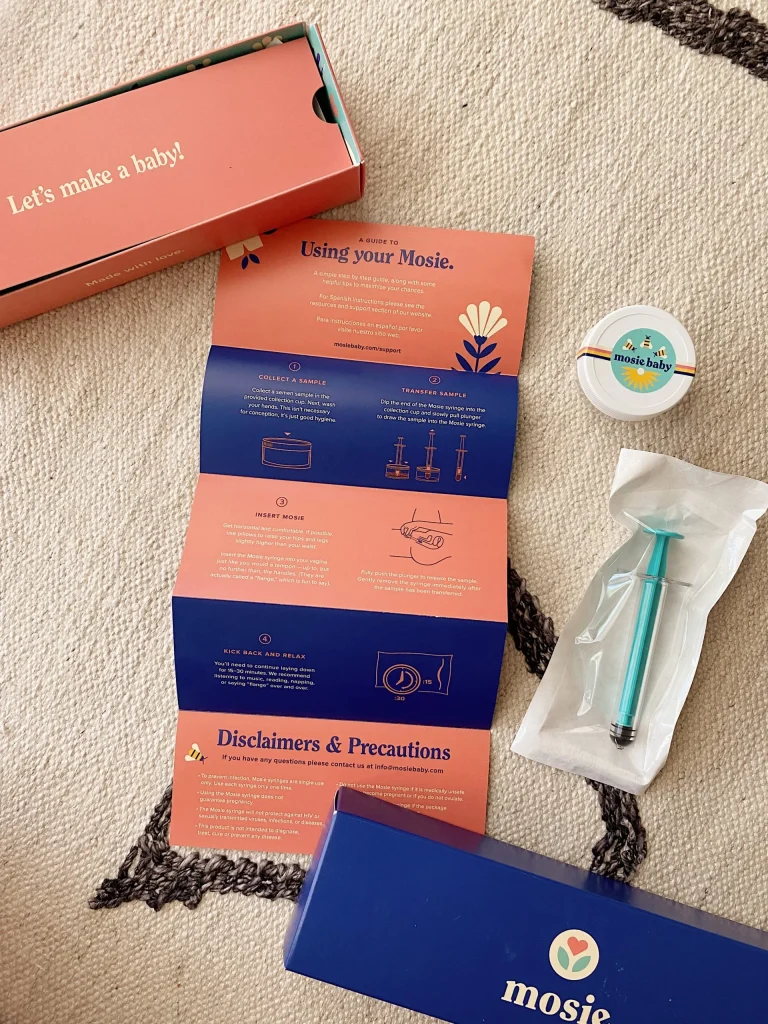
    guide and materials for using Mosie Baby fertility kit on a textured surface

    Taking Control of Your Fertility: Why You Need an At-Home Conception Kit

    At-home conception kits typically involve tracking fertility hormones through either urine or saliva samples. These hormones, such as luteinizing hormone (LH) and estrogen, fluctuate throughout a woman’s menstrual cycle and can provide valuable information about ovulation and fertility.

    Urine-based kits require the user to collect a urine sample and use a test strip or device to detect the presence of LH, which surges just before ovulation. Saliva-based kits use a small microscope or fertility monitor to examine dried saliva samples for the presence of ferning, a pattern that indicates high levels of estrogen and ovulation.

    Once the results are obtained, users can track their hormone levels and fertile window to determine the best time for conception. This personalized approach can increase the chances of successful conception and reduce the stress and uncertainty of trying to conceive.

    Why You Need an At-Home Conception Kit:

    1. Plan for pregnancy: Knowing your fertile window and ovulation patterns can help plan for pregnancy and increase the chances of conception. This is especially beneficial for individuals with irregular periods or those who have been trying to conceive for a while.

    2. Identify potential fertility issues: At-home conception kits can also help identify potential fertility issues, such as irregular ovulation or hormonal imbalances. This information can be shared with a doctor to determine the best course of action for fertility treatments.

    3. Take control of your reproductive health: By using an at-home conception kit, individuals can take control of their reproductive health and have a better understanding of their fertility. This can also help reduce the stress and anxiety that often comes with trying to conceive.

    4. Use in conjunction with other fertility methods: At-home conception kits can also be used in conjunction with other fertility methods, such as tracking basal body temperature or cervical mucus. This can provide a more comprehensive understanding of fertility and increase the chances of successful conception.

    In conclusion, an at-home conception kit is an essential tool for anyone trying to conceive. Its convenience, cost-effectiveness, and accuracy make it a valuable addition to any fertility journey. By taking control of your fertility and using an at-home conception kit, you can increase the chances of successful conception and have a better understanding of your reproductive health.

  • Supporting Your Conception Goals: The Benefits of an At-Home Kit

    Supporting Your Conception Goals: The Benefits of an At-Home Kit

    Conceiving a child can be a challenging and emotional journey for many couples. Whether you are just starting to try for a baby or have been struggling with fertility issues, having the right tools and resources can greatly support your conception goals. In recent years, at-home kits have become increasingly popular for couples who are looking to boost their chances of conceiving. These kits offer a convenient and affordable way to track ovulation, monitor hormone levels, and improve overall fertility. In this blog post, we will discuss the benefits of using an at-home kit to support your conception goals.

    1. Easy and Convenient

    One of the major benefits of using an at-home kit is the convenience it provides. Most kits come with easy-to-use instructions and can be used in the comfort of your own home. This eliminates the need for frequent visits to the doctor’s office or fertility clinic, which can be time-consuming and expensive. With an at-home kit, you can track your fertility at any time and avoid disrupting your daily routine.

    2. Accurate Ovulation Tracking

    Knowing when you are ovulating is crucial when trying to conceive. In the past, women had to rely on tracking their menstrual cycle or using ovulation predictor kits that required urine samples. However, these methods are not always accurate and can be inconvenient. At-home kits use advanced technology to track your hormone levels and pinpoint your most fertile days. This can greatly increase your chances of conceiving by allowing you to time intercourse during your most fertile window.

    3. Cost-Effective

    Fertility treatments and frequent doctor visits can add up quickly and become a financial burden for many couples. At-home kits, on the other hand, are a cost-effective option for those looking to support their conception goals. These kits are affordable and can be used multiple times, making them a budget-friendly alternative to traditional fertility treatments.

    various medical supplies and containers organized in a clear plastic box on a wooden surface

    Supporting Your Conception Goals: The Benefits of an At-Home Kit

    4. Provides Valuable Information

    At-home kits not only track ovulation but also provide valuable information about your fertility. The kits can measure hormone levels, such as luteinizing hormone (LH) and follicle-stimulating hormone (FSH), which are crucial for conception. This information can help you and your doctor understand your fertility better and identify any potential issues that may be hindering your chances of conceiving.

    5. Can Improve Overall Fertility

    Many at-home kits are designed to improve overall fertility. They may contain supplements and vitamins that are known to support reproductive health, such as folic acid, vitamin D, and zinc. These supplements can help regulate hormone levels, improve egg quality, and increase sperm count, all of which can greatly contribute to successful conception.

    6. Reduces Stress and Anxiety

    The journey to conception can be stressful and anxiety-inducing for many couples. Constantly worrying about ovulation, hormone levels, and fertility issues can take a toll on your mental and emotional well-being. At-home kits can help alleviate some of this stress by providing accurate and timely information about your fertility. This can give you peace of mind and allow you to focus on other aspects of your life while still working towards your conception goals.

    7. Can Be Used Alongside Other Treatments

    At-home kits can be used alongside other fertility treatments, such as in vitro fertilization (IVF) or intrauterine insemination (IUI). In fact, many doctors recommend using an at-home kit to track ovulation and hormone levels while undergoing fertility treatments. This can increase the chances of a successful pregnancy and provide valuable information for your doctor to make any necessary adjustments to your treatment plan.

    In conclusion, at-home kits offer numerous benefits for couples looking to support their conception goals. They are easy to use, cost-effective, and can provide valuable information about your fertility. These kits can improve overall fertility, reduce stress and anxiety, and be used alongside other treatments. If you are trying to conceive, consider using an at-home kit to support your journey towards parenthood.

  • Conception on Your Terms: The Benefits of an At-Home Support Kit

    Conception on Your Terms: The Benefits of an At-Home Support Kit

    In today’s modern world, people are constantly searching for ways to take control of their lives and make decisions that align with their personal values and beliefs. This mindset extends to the realm of family planning and conception, where individuals are looking for more options and flexibility in their journey towards parenthood. One such option that has gained popularity in recent years is the use of at-home support kits for conception. These kits provide individuals with the tools and resources needed to take charge of their fertility and increase their chances of getting pregnant on their own terms. In this blog post, we will explore the benefits of using an at-home support kit for conception and how it can empower individuals to take control of their reproductive health and create the family they desire.

    Conception is a deeply personal and intimate journey, and it is essential for individuals to have the freedom to make choices that align with their values and priorities. With at-home support kits, individuals can take a more proactive approach to their fertility and have more control over the timing and process of conception. These kits are designed to provide individuals with the necessary tools, resources, and information to track their ovulation, optimize their chances of getting pregnant, and support their overall reproductive health.

    One of the most significant benefits of using an at-home support kit for conception is the ability to track ovulation accurately. Ovulation is the process of releasing an egg from the ovary, and it is the most critical aspect of conception. With traditional methods, such as tracking basal body temperature or cervical mucus, it can be challenging to determine the exact timing of ovulation. However, with at-home support kits, individuals can use tools like ovulation predictor kits and fertility apps to track their ovulation more accurately. This information allows individuals to time intercourse and increase their chances of getting pregnant.

    hand holding a pregnancy test with instructions on a colorful background

    Conception on Your Terms: The Benefits of an At-Home Support Kit

    Another advantage of using an at-home support kit is the ability to optimize fertility. These kits often include supplements and vitamins that are specifically formulated to support reproductive health and increase fertility. These supplements may include essential vitamins and minerals such as folic acid, which is crucial for fetal development, and CoQ10, which can improve egg quality. By incorporating these supplements into their daily routine, individuals can take a proactive approach to their fertility and increase their chances of conceiving.

    At-home support kits also provide individuals with valuable information and resources about their reproductive health. These kits often come with educational materials and resources that can help individuals understand their menstrual cycle, ovulation, and fertility. This knowledge is crucial as it allows individuals to make informed decisions about their reproductive health and take control of their fertility journey. Additionally, many at-home support kits offer access to online communities and support groups, where individuals can connect with others going through similar experiences and receive emotional support and guidance.

    One of the most significant benefits of using an at-home support kit for conception is the convenience and privacy it offers. Many individuals may feel uncomfortable discussing their fertility journey with healthcare providers or may not have access to fertility clinics in their area. At-home support kits allow individuals to take charge of their fertility from the comfort of their own home and at a time that works best for them. This level of privacy and convenience can be especially beneficial for those who are trying to conceive discreetly or are facing cultural or societal barriers to seeking fertility treatments.

    In addition to the practical benefits, using an at-home support kit for conception also provides individuals with a sense of empowerment and control over their reproductive health. With traditional methods, individuals may feel like they are at the mercy of their body and the timing of ovulation. However, with at-home support kits, individuals can actively participate in their fertility journey and take steps to optimize their chances of getting pregnant. This can be especially beneficial for individuals who have experienced feelings of helplessness or frustration on their journey towards parenthood.

    In conclusion, at-home support kits for conception offer a variety of benefits that empower individuals to take control of their fertility journey. These kits provide accurate ovulation tracking, fertility optimization, valuable information and resources, convenience and privacy, and a sense of empowerment and control. They offer individuals the freedom and flexibility to make decisions that align with their values and priorities and help create the family they desire. With the increasing popularity of at-home support kits, it is clear that more and more individuals are embracing the idea of conception on their terms.

  • Maximizing Your Chances: The Top Components of an At-Home Conception Kit

    Maximizing Your Chances: The Top Components of an At-Home Conception Kit

    For many couples struggling with infertility, the thought of expensive fertility treatments or invasive procedures can be overwhelming. However, there are affordable and convenient options available for those who want to try to conceive at home. One of these options is an at-home conception kit, which contains all the necessary tools and information to maximize your chances of getting pregnant. In this blog post, we will discuss the top components of an at-home conception kit and how they can increase your chances of conception.

    1. Ovulation Predictor Kits (OPKs)

    The first component of an at-home conception kit is ovulation predictor kits (OPKs). These kits contain urine or saliva tests that detect the surge of luteinizing hormone (LH) in your body, which indicates that ovulation is about to occur. By tracking your LH levels, you can determine the best time to try to conceive and maximize your chances of getting pregnant. OPKs are easy to use and are often included in at-home conception kits.

    2. Pregnancy Tests

    Another important component of an at-home conception kit is pregnancy tests. These tests detect the presence of human chorionic gonadotropin (hCG) in your urine, which is produced after a fertilized egg implants in the uterus. By having pregnancy tests on hand, you can quickly and easily confirm if you are pregnant or not. This can help you avoid unnecessary stress and anxiety, and also allow you to start taking proper care of yourself and your growing baby.

    3. Basal Body Temperature (BBT) Thermometer

    Tracking your basal body temperature (BBT) is another crucial aspect of maximizing your chances of conception. BBT is the lowest body temperature in a 24-hour period and typically rises slightly after ovulation. By using a special BBT thermometer, you can track your temperature daily and look for the slight increase that indicates ovulation. This information can help you determine your most fertile days and increase your chances of getting pregnant.

    4. Fertility Supplements

    Many at-home conception kits also include fertility supplements, which can help boost your reproductive health and increase your chances of conception. These supplements often contain vitamins, minerals, and herbs that support hormone balance, egg and sperm health, and overall reproductive function. However, it is important to consult with your doctor before taking any supplements, as they may interact with other medications or have side effects.

    Baby wearing a blue shirt with "made with Love" text, surrounded by colorful floral and butterfly designs.

    Maximizing Your Chances: The Top Components of an At-Home Conception Kit

    5. Educational Resources

    In addition to physical tools, at-home conception kits often include educational resources such as books, DVDs, or online courses. These resources can provide valuable information on fertility, ovulation tracking, and other important factors that can affect your chances of conception. By educating yourself on the process of conception and understanding your body’s reproductive cycle, you can make more informed decisions and increase your chances of getting pregnant.

    6. Fertility Tracking Apps

    In today’s digital age, many at-home conception kits also come with fertility tracking apps. These apps allow you to track your menstrual cycle, ovulation, BBT, and other important fertility indicators on your phone. They can also provide personalized insights and predictions based on your data, making it easier for you to plan and track your conception journey.

    7. Lubricants

    Some at-home conception kits may also include fertility-friendly lubricants. These lubricants are specifically designed to support sperm movement and survival, which can be crucial for couples trying to conceive. Regular lubricants may contain ingredients that can harm sperm, so using a fertility-friendly option can increase your chances of conception.

    8. Support and Guidance

    An often overlooked but important component of an at-home conception kit is the support and guidance it provides. Trying to conceive can be a stressful and emotional journey, and having a kit that offers support and guidance can be incredibly beneficial. This can come in the form of access to fertility experts, online support groups, or even a dedicated customer service team.

    In conclusion, an at-home conception kit can be a valuable tool for couples trying to conceive. By including components such as ovulation predictor kits, pregnancy tests, BBT thermometers, fertility supplements, educational resources, fertility tracking apps, lubricants, and support and guidance, these kits offer a comprehensive solution for maximizing your chances of getting pregnant. However, it is important to remember that every couple’s journey is unique, and it is always best to consult with a healthcare professional for personalized advice and guidance.

    Summary:

    Maximizing your chances of getting pregnant can be made easier and more affordable with an at-home conception kit. These kits contain various components, including ovulation predictor kits, pregnancy tests, BBT thermometers, fertility supplements, educational resources, fertility tracking apps, lubricants, and support and guidance, that can increase your chances of conception. By utilizing these tools and resources, couples can make more informed decisions and track their fertility journey more effectively. However, it is always important to consult with a healthcare professional for personalized advice and guidance.

  • The Benefits of Non-Invasive Insemination for Women Over 30

    Title: The Benefits of Non-Invasive Insemination for Women Over 30

    Insemination, also known as artificial insemination, is a widely used fertility treatment method that involves placing sperm directly into a woman’s reproductive tract. While traditional insemination methods require invasive procedures such as laparoscopy or intrauterine insemination (IUI), advancements in medical technology have led to the development of non-invasive insemination techniques. These methods offer numerous benefits, particularly for women over the age of 30 who may face fertility challenges. In this blog post, we will explore the benefits of non-invasive insemination for women over 30.

    1. Less Invasive and Less Time-Consuming

    Traditional insemination methods involve invasive procedures that can be uncomfortable and time-consuming. For instance, laparoscopy requires a small incision in the abdomen to insert a tiny camera to locate the fallopian tubes and ovaries. On the other hand, IUI involves inserting a catheter through the cervix to deliver the sperm directly into the uterus. These procedures can be daunting for women, especially those over 30 who may have a lower tolerance for invasive treatments. Non-invasive insemination methods, such as intracervical insemination (ICI) or intravaginal insemination (IVI), do not require any special equipment or invasive procedures. These techniques are simple and can be done in the comfort of a doctor’s office or at home, making them less daunting and less time-consuming for women over 30.

    2. Lower Risk of Infection and Complications

    Invasive procedures carry a higher risk of infection and complications, particularly for women over 30, who may have a weaker immune system. In contrast, non-invasive insemination methods do not require any incisions or catheters, significantly reducing the risk of infection and complications. These procedures are also less likely to cause damage to the reproductive organs, making them a safer option for women over 30.

    3. More Affordable

    Invasive fertility treatments can be expensive, especially for women over 30 who may have already exhausted their savings on other fertility treatments. Non-invasive insemination methods are a more affordable option, as they do not require any special equipment or invasive procedures. These procedures can be done at a fraction of the cost, making them a more accessible option for women over 30 who want to start a family without breaking the bank.

    home insemination kit components: a syringe and a collection container against a blue background.

    The Benefits of Non-Invasive Insemination for Women Over 30

    4. Can Be Combined with Fertility Medications

    Non-invasive insemination methods can be combined with fertility medications, such as Clomid, to increase the chances of pregnancy. Clomid is a commonly prescribed fertility medication that stimulates ovulation, making it easier for women over 30 to conceive. Combining this medication with non-invasive insemination can significantly increase the chances of pregnancy, making it an attractive option for women over 30 who may have lower fertility levels.

    5. Can Be Done at Home

    In addition to being less invasive and more affordable, non-invasive insemination methods can also be done at home. This means that women over 30 can perform the procedure in the comfort and privacy of their own home, without having to visit a doctor’s office. This can be a more comfortable option for women, particularly those who may feel self-conscious or anxious about undergoing the procedure in a medical setting.

    6. Can Be Repeated Multiple Times

    Unlike other fertility treatments that can only be done once or twice, non-invasive insemination methods can be repeated multiple times. This is because these procedures are less invasive and do not affect the reproductive organs, making them safe to repeat. This is especially beneficial for women over 30, who may need to try multiple times before achieving a successful pregnancy.

    7. Can Be Used for Same-Sex Couples and Single Women

    Non-invasive insemination methods are not limited to heterosexual couples. Same-sex couples and single women can also benefit from these procedures, as they do not require sperm from a male partner. This makes non-invasive insemination a viable option for women over 30 who may not have a male partner but still want to start a family.

    In conclusion, non-invasive insemination methods offer numerous benefits for women over 30 who may face fertility challenges. These procedures are less invasive, less time-consuming, and more affordable compared to traditional insemination methods. They can also be combined with fertility medications, done at home, and repeated multiple times. Additionally, non-invasive insemination is a viable option for same-sex couples and single women. If you are a woman over 30 who is struggling with fertility, consider exploring non-invasive insemination as a possible solution.

  • The Role of Nutrition in Non-Invasive Insemination Success

    Blog Post Title: The Role of Nutrition in Non-Invasive Insemination Success

    Non-invasive insemination, also known as artificial insemination, is a popular fertility treatment option for couples struggling to conceive. This procedure involves placing the male partner’s or donor’s sperm into the female partner’s uterus, bypassing any potential barriers to fertilization. While the success rates for non-invasive insemination can vary, there are several factors that can impact its success, one of which is nutrition.

    Nutrition plays a crucial role in our overall health and wellbeing, and it can also affect our reproductive health. In this blog post, we will discuss the importance of nutrition in non-invasive insemination success and how you can improve your chances of a successful procedure through healthy eating habits.

    The Link Between Nutrition and Reproductive Health
    Our bodies require a balanced and nutritious diet to function properly. When it comes to reproductive health, a healthy diet is essential for both men and women. For women, proper nutrition is crucial for hormone balance, ovulation, and overall fertility. For men, a nutritious diet can improve sperm quality and quantity, which is a crucial factor in non-invasive insemination success.

    According to a study published in the Journal of Andrology, men who consumed a diet rich in fruits, vegetables, whole grains, and lean proteins had higher sperm counts and better sperm motility compared to those who had a diet high in processed foods and saturated fats. This highlights the importance of a healthy diet in male reproductive health and its impact on non-invasive insemination success.

    The Role of Antioxidants
    Antioxidants are essential nutrients that protect our cells from damage caused by free radicals. These unstable atoms can damage our cells and DNA, leading to various health issues, including infertility. Antioxidants can neutralize free radicals, reducing their harmful effects. Several studies have shown that antioxidants can improve sperm quality and increase fertility in both men and women.

    In terms of non-invasive insemination success, antioxidants can play a crucial role in protecting sperm from oxidative stress during the procedure. Oxidative stress can occur during the handling and processing of sperm, which can damage their DNA and reduce their fertilization potential. By consuming a diet rich in antioxidants, men can improve the quality of their sperm and increase their chances of a successful procedure.

    Key Nutrients for Non-Invasive Insemination Success
    While a balanced diet is crucial for overall health and fertility, there are specific nutrients that can have a significant impact on non-invasive insemination success. These include:

    Colorful promotional image for Mosie Baby, featuring home insemination kit and encouraging text.

    The Role of Nutrition in Non-Invasive Insemination Success

    1. Folic Acid: This B vitamin is essential for women’s reproductive health as it helps prevent birth defects and supports the development of a healthy embryo. It is recommended that women who are trying to conceive take folic acid supplements, along with consuming folic acid-rich foods like leafy greens, lentils, and citrus fruits.

    2. Omega-3 Fatty Acids: These healthy fats are crucial for both male and female reproductive health. Omega-3 fatty acids are responsible for regulating hormone production and can improve sperm quality and uterine lining thickness. Foods rich in omega-3s include fatty fish, flaxseeds, and walnuts.

    3. Vitamin D: This essential nutrient is known as the “sunshine vitamin” as our bodies can produce it when exposed to sunlight. Vitamin D plays a role in hormone regulation and can improve sperm quality and motility in men. Women with vitamin D deficiency may also have a higher risk of infertility. Foods rich in vitamin D include fatty fish, eggs, and fortified dairy products.

    4. Zinc: This mineral is essential for male reproductive health as it plays a crucial role in sperm production and motility. Zinc deficiency has been linked to male infertility, and studies have shown that supplementing with zinc can improve sperm quality and increase fertility. Foods rich in zinc include oysters, beef, and pumpkin seeds.

    5. Coenzyme Q10 (CoQ10): This antioxidant is essential for energy production in our cells and can improve sperm motility and overall sperm quality. As we age, our CoQ10 levels decline, which can affect fertility. Supplementing with CoQ10 can help improve sperm quality and increase the chances of a successful non-invasive insemination. Foods rich in CoQ10 include organ meats, fish, and whole grains.

    In addition to these key nutrients, it is essential to consume a diet rich in fruits, vegetables, whole grains, and lean proteins to support overall health and fertility.

    The Importance of a Healthy Weight
    Maintaining a healthy weight is crucial for both male and female reproductive health. Being overweight or underweight can affect hormone levels and ovulation in women and sperm quality in men. Studies have shown that women with a body mass index (BMI) over 25 have a higher risk of infertility, and obese men have lower sperm quality compared to men with a healthy BMI. Therefore, it is essential to maintain a healthy weight through a balanced diet and regular exercise to improve the chances of a successful non-invasive insemination.

    The Bottom Line
    Nutrition plays a vital role in non-invasive insemination success. A balanced and nutritious diet can improve overall reproductive health, increase fertility, and protect sperm from damage during the procedure. It is essential to consume a variety of fruits, vegetables, whole grains, and lean proteins while also including key nutrients like folic acid, omega-3 fatty acids, vitamin D, zinc, and CoQ10. Maintaining a healthy weight is also crucial for non-invasive insemination success. By making healthy food choices and maintaining a healthy weight, you can increase your chances of a successful non-invasive insemination and bring your dream of starting a family to life.

    In summary, nutrition is a crucial factor in non-invasive insemination success. A balanced and healthy diet, rich in key nutrients and antioxidants, can improve overall reproductive health and increase fertility. Maintaining a healthy weight is also essential for the success of the procedure. By making healthy food choices and taking care of your body, you can improve your chances of a successful non-invasive insemination and achieve your dream of starting a family.

  • Non-Invasive Insemination and Genetic Testing: What You Need to Know

    Non-Invasive Insemination and Genetic Testing: What You Need to Know

    Non-invasive insemination and genetic testing are two important components of assisted reproduction techniques that have helped many couples and individuals achieve their dream of having a child. They have revolutionized the field of reproductive health and have given hope to those who struggle with fertility issues. In this blog post, we will dive into what non-invasive insemination and genetic testing are, their benefits and potential risks, and what you need to know before considering these options.

    What is Non-Invasive Insemination?

    Non-invasive insemination, also known as artificial insemination or intrauterine insemination (IUI), is a fertility treatment where sperm is placed directly into a woman’s uterus to increase the chances of fertilization. It is a less invasive option compared to in vitro fertilization (IVF) and is often recommended for couples who have unexplained infertility, mild male factor infertility, or for single women or same-sex couples who want to conceive.

    The process of non-invasive insemination involves collecting semen from the male partner or a donor, washing and preparing the sperm, and then inserting it into the uterus using a thin catheter. This procedure is usually painless and does not require anesthesia. It is typically done around the time of ovulation when the woman’s egg is ready to be fertilized.

    Benefits of Non-Invasive Insemination

    Non-invasive insemination offers several benefits, including:

    1. Higher chances of conception: By placing the sperm directly into the uterus, the sperm has a shorter distance to travel to reach the egg, increasing the chances of fertilization.

    2. Less invasive and more affordable: Non-invasive insemination is a less invasive option compared to other assisted reproductive techniques, making it a more comfortable and affordable choice for many couples.

    3. Can be used with donor sperm: For couples who are struggling with male factor infertility, non-invasive insemination can be a great option as it allows the use of donor sperm to achieve pregnancy.

    4. Can be used with fertility drugs: Non-invasive insemination can be combined with fertility drugs to stimulate the ovaries and increase the chances of ovulation and pregnancy.

    Potential Risks of Non-Invasive Insemination

    Like any medical procedure, non-invasive insemination also carries some potential risks, including:

    1. Multiple pregnancies: Non-invasive insemination increases the chances of multiple pregnancies, which can result in complications for both the mother and the babies.

    2. Infection: As the procedure involves inserting a catheter into the uterus, there is a small risk of infection.

    3. Ovarian hyperstimulation syndrome (OHSS): When fertility drugs are used in combination with non-invasive insemination, there is a risk of developing OHSS, a condition where the ovaries become swollen and painful.

    What is Genetic Testing?

    Genetic testing, also known as preimplantation genetic testing (PGT), is a procedure that involves testing embryos for genetic conditions before they are implanted into the uterus during IVF. It helps identify embryos that are free of genetic abnormalities or diseases, increasing the chances of a healthy pregnancy and baby.

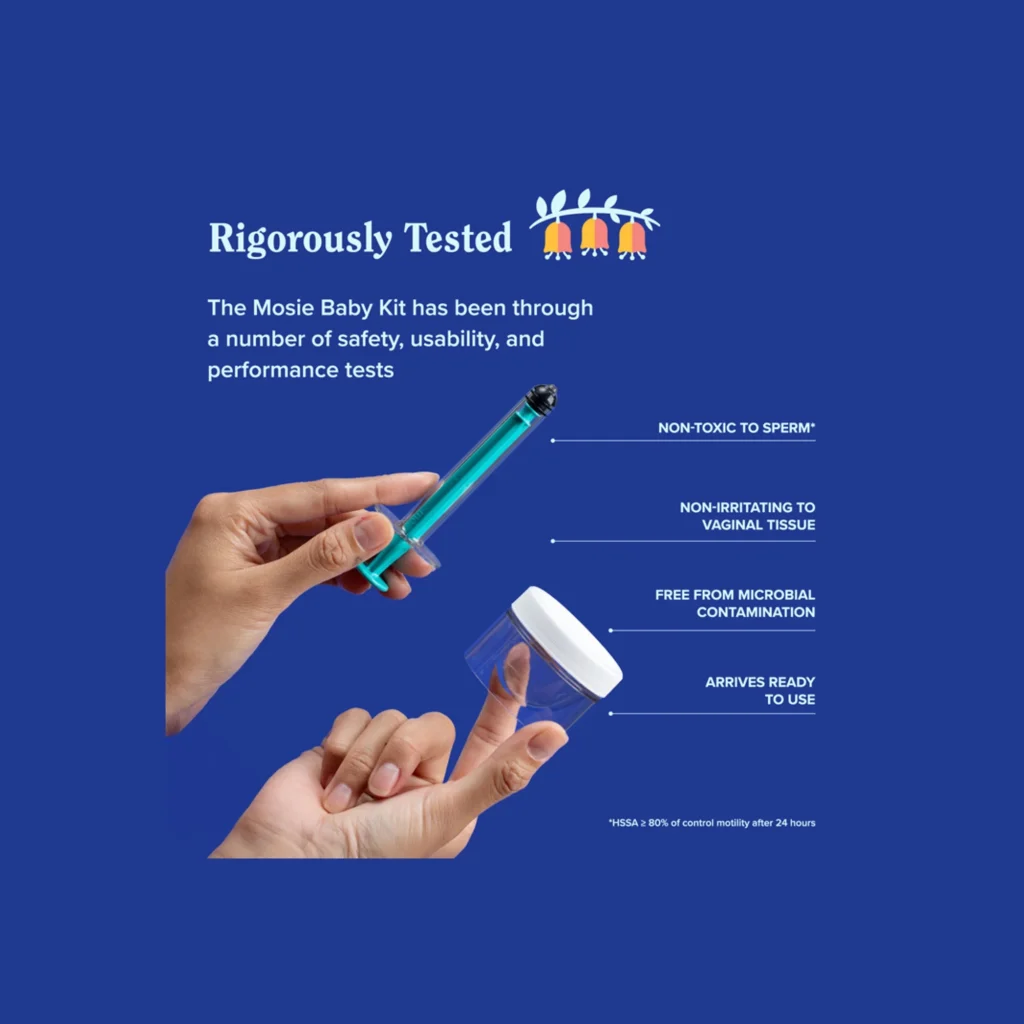
    Mosie Baby Kit features a syringe and container, highlighting safety and usability tests on a blue background.

    Non-Invasive Insemination and Genetic Testing: What You Need to Know

    The process of genetic testing involves growing embryos in a lab for 3-5 days until they reach a certain stage of development. A few cells are then removed from each embryo and tested for genetic conditions. Only embryos with no genetic abnormalities are selected for transfer to the uterus.

    Benefits of Genetic Testing

    Genetic testing offers several benefits, including:

    1. Reduced risk of passing on genetic conditions: Genetic testing helps identify embryos with genetic conditions, which can be avoided from being transferred, reducing the risk of passing on genetic disorders to the baby.

    2. Higher chances of a successful pregnancy: By selecting genetically normal embryos for transfer, the chances of a successful pregnancy and a healthy baby are increased.

    3. Can be combined with non-invasive insemination: Genetic testing can be combined with non-invasive insemination to increase the chances of pregnancy and ensure a healthy baby.

    Potential Risks of Genetic Testing

    While genetic testing has revolutionized the field of assisted reproduction, it also comes with some potential risks, including:

    1. False results: There is a small chance of receiving false results from genetic testing, which can lead to the transfer of embryos with genetic conditions.

    2. Limited testing: Genetic testing can only screen for a limited number of genetic conditions, so it cannot guarantee the birth of a completely healthy baby.

    3. Cost: Genetic testing can be an expensive procedure, adding to the overall cost of assisted reproductive treatments.

    What You Need to Know Before Considering Non-Invasive Insemination and Genetic Testing

    1. Consult with a fertility specialist: Before considering non-invasive insemination or genetic testing, it is essential to consult with a fertility specialist who can evaluate your individual situation and recommend the best course of treatment.

    2. Understand the risks and benefits: It is crucial to understand the potential risks and benefits of these procedures and make an informed decision based on your specific needs and circumstances.

    3. Be aware of the costs: Non-invasive insemination and genetic testing can be expensive, so it is essential to understand the costs involved and plan accordingly.

    4. Consider other options: Non-invasive insemination and genetic testing are not the only options for assisted reproduction. It is important to explore other options and choose the best one for you and your partner.

    In conclusion, non-invasive insemination and genetic testing are two important components of assisted reproduction that have helped many people achieve their dream of having a child. While they offer several benefits, it is essential to understand the potential risks and make an informed decision after consulting with a fertility specialist.

    SEO Metadata: