Tag: assisted reproduction

  • Breaking Down the Basics of Non-Invasive Insemination

    Blog Post Title: Breaking Down the Basics of Non-Invasive Insemination: Everything You Need to Know

    Non-invasive insemination, also known as “natural” or “gentle” insemination, is a fertility treatment option that has gained popularity in recent years. Unlike traditional methods, non-invasive insemination does not involve any invasive procedures or medications, making it a more natural and gentle approach to conception. In this blog post, we will break down the basics of non-invasive insemination and provide you with everything you need to know about this fertility treatment.

    What is Non-Invasive Insemination?

    Non-invasive insemination is a method of assisted reproduction that involves placing sperm into a woman’s reproductive tract without the need for any invasive procedures. This can be done through various techniques such as intracervical insemination (ICI), intrauterine insemination (IUI), or intravaginal insemination (IVI). These techniques involve placing the sperm near or inside the cervix, uterus, or vagina, respectively.

    Who is Non-Invasive Insemination for?

    Non-invasive insemination is a suitable option for couples who are struggling with infertility or same-sex couples who want to conceive. It can also be an option for single women who want to have a child. This method is particularly beneficial for couples who have unexplained infertility or mild fertility issues, as it can increase the chances of conception without the need for more invasive procedures.

    How Does Non-Invasive Insemination Work?

    The process of non-invasive insemination starts with the collection of sperm from the male partner or a sperm donor. The sperm is then washed and prepared in a laboratory to remove any impurities and increase the chances of fertilization. Next, the sperm is placed into the woman’s reproductive tract using a sterile syringe or a soft catheter. The timing of insemination is crucial, as it needs to be done around the time of ovulation to increase the chances of conception.

    Benefits of Non-Invasive Insemination

    1. Less Invasive: Non-invasive insemination does not involve any surgical procedures or medications, making it a more natural and gentle approach to conception. This also means that there is less risk of complications and side effects.

    2. Cost-effective: Compared to other fertility treatments, non-invasive insemination is relatively more affordable, making it an attractive option for couples on a budget.

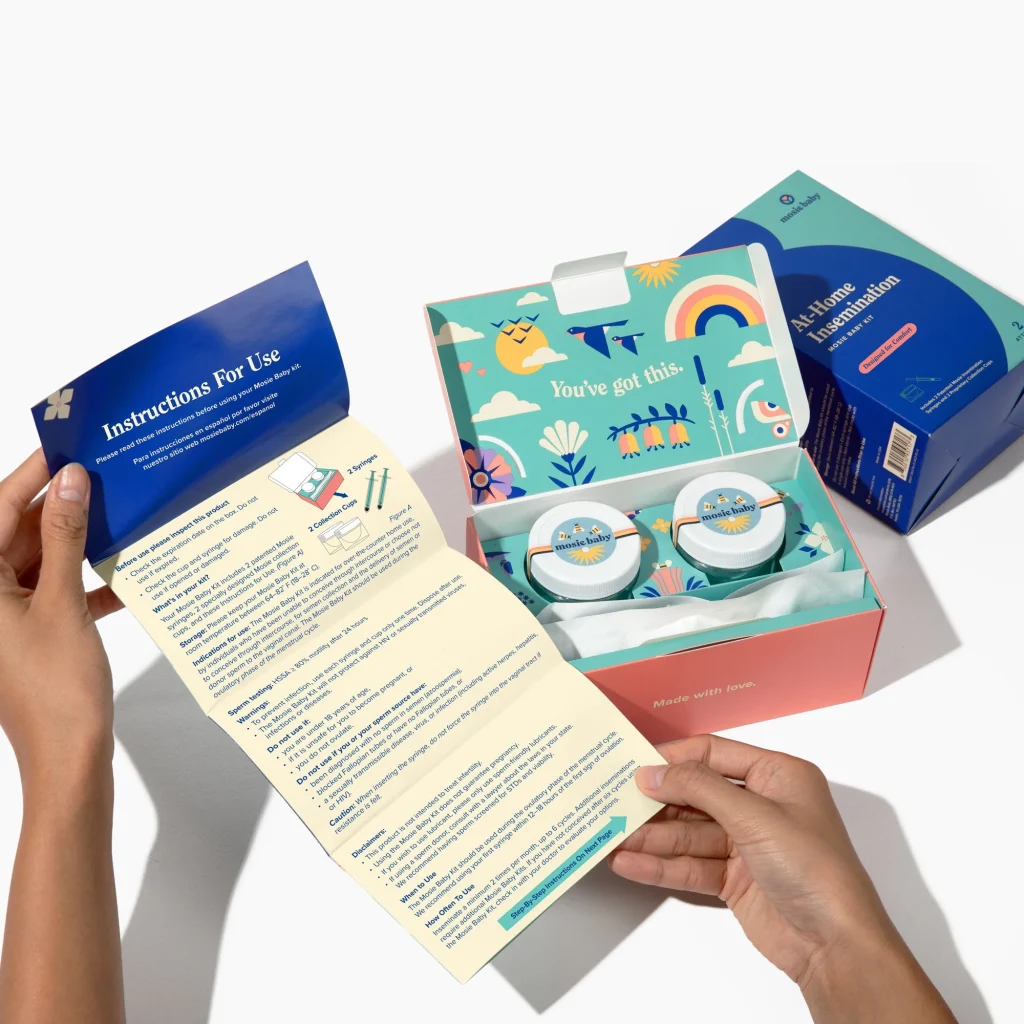
    blue box with "mosie" logo, syringes, and informational pamphlet on a pink background

    Breaking Down the Basics of Non-Invasive Insemination

    3. Increased Chances of Conception: Non-invasive insemination can increase the chances of conception for couples with mild fertility issues or unexplained infertility. This method places the sperm closer to the egg, increasing the chances of fertilization.

    4. Suitable for Different Situations: Non-invasive insemination can be used by couples with various fertility issues, same-sex couples, and single women who want to have a child.

    Risks and Considerations

    While non-invasive insemination is generally considered a safe and effective method, there are some risks and considerations to keep in mind.

    1. Infection: As with any medical procedure, there is a risk of infection. However, this risk is significantly reduced with non-invasive insemination as it does not involve any invasive procedures.

    2. Multiple Pregnancies: There is a higher chance of multiple pregnancies with non-invasive insemination, as more than one egg can be fertilized.

    3. Timing is Crucial: As mentioned earlier, the timing of insemination is crucial for its success. If it is not done at the right time, the chances of conception decrease.

    4. Success Rates: The success rates of non-invasive insemination vary and depend on various factors such as the fertility of the couple and the timing of insemination. It is essential to discuss the success rates with your doctor before opting for this method.

    Conclusion

    Non-invasive insemination is a safe and effective method of assisted reproduction that offers a more natural and gentle approach to conception. It is suitable for couples with mild fertility issues, same-sex couples, and single women who want to have a child. While there are some risks and considerations, non-invasive insemination can increase the chances of conception and is a more affordable option compared to other fertility treatments. If you are struggling with infertility, it is essential to consult with a fertility specialist to determine if non-invasive insemination is the right option for you.

    In summary, non-invasive insemination is a fertility treatment option that involves placing sperm into a woman’s reproductive tract without any invasive procedures. It is suitable for couples with mild fertility issues, same-sex couples, and single women who want to have a child. This method is less invasive, cost-effective, and has a higher chance of conception. However, timing is crucial, and there are some risks and considerations to keep in mind. It is essential to consult with a fertility specialist to determine if non-invasive insemination is the right option for you.

  • The Science of Conception: How the Companion Solution Kit Can Help

    The process of conception, or the fertilization of an egg by a sperm, is a crucial step in the journey towards parenthood. For many couples, the road to conception can be a challenging one, with fertility issues and difficulties conceiving becoming increasingly common. In recent years, advancements in science and technology have provided new options for those struggling with fertility, including the introduction of the Companion Solution Kit. In this blog post, we will explore the science behind conception, the challenges couples may face, and how the Companion Solution Kit can help in the journey towards starting a family.

    Understanding the Science of Conception
    To understand how the Companion Solution Kit can aid in conception, it is essential to first understand the process itself. Conception occurs when a sperm successfully fertilizes an egg, resulting in the formation of an embryo. This process typically takes place in the fallopian tubes, where the egg travels from the ovaries after ovulation. Fertilization can only occur during a woman’s fertile window, which is typically around 5-6 days leading up to and including ovulation.

    The male partner’s sperm must travel through the vagina, cervix, and uterus to reach the egg and fertilize it. This journey can be a challenging one, with many factors affecting the sperm’s ability to reach the egg, such as sperm count, motility, and morphology. On the other hand, the egg must also be healthy and released from the ovaries in a timely manner for fertilization to occur.

    Challenges in Conception
    For some couples, conceiving a child may not happen as easily as expected. Factors such as age, medical conditions, and lifestyle choices can all play a role in fertility. According to the Centers for Disease Control and Prevention (CDC), about 10% of women in the United States have difficulty getting pregnant or staying pregnant.

    Infertility, defined as the inability to conceive after one year of unprotected intercourse, affects both men and women. In approximately one-third of cases, infertility is due to male factors, while female factors account for another one-third. The remaining cases are either a combination of male and female factors or are unexplained.

    Options for Assisted Reproduction
    With advancements in science and technology, there are now various options available for those struggling with fertility. These options, collectively known as assisted reproduction, can help couples achieve their dream of starting a family. Some of the most common assisted reproduction techniques include:

    1. Intrauterine Insemination (IUI): This procedure involves placing washed and concentrated sperm directly into a woman’s uterus around the time of ovulation.

    Home insemination kit by Mosie Baby with instructions and colorful packaging.

    The Science of Conception: How the Companion Solution Kit Can Help

    2. In vitro fertilization (IVF): This procedure involves fertilizing eggs with sperm in a laboratory and then transferring the resulting embryo(s) into the woman’s uterus.

    3. Intracytoplasmic Sperm Injection (ICSI): This procedure involves injecting a single sperm directly into an egg to aid fertilization.

    While these techniques have helped many couples achieve pregnancy, they can be costly and may not always be successful. This is where the Companion Solution Kit comes in.

    How the Companion Solution Kit Can Help
    The Companion Solution Kit is a revolutionary fertility aid that aims to optimize the chances of conception by addressing both male and female factors. The kit includes supplements for both the male and female partner, as well as an ovulation predictor kit to help track the woman’s fertile window.

    The male supplements contain essential vitamins and nutrients that have been shown to improve sperm quality, such as CoQ10, L-carnitine, and zinc. On the other hand, the female supplements contain key ingredients like folic acid, myo-inositol, and melatonin, which can improve egg quality and support a healthy pregnancy.

    Additionally, the ovulation predictor kit included in the Companion Solution Kit helps track a woman’s fertile window accurately, increasing the chances of conception. This is especially helpful for couples who may have irregular cycles or difficulty predicting ovulation.

    The Companion Solution Kit also offers a holistic approach to fertility, addressing both the physical and emotional aspects of conception. The kit includes a journal for couples to track their journey and communicate with each other, as well as access to a private community of other couples going through similar experiences.

    In Summary
    The journey towards conception can be a challenging one, with many factors affecting a couple’s ability to conceive. However, with advancements in science and technology, there are now more options available for those struggling with fertility. The Companion Solution Kit offers a holistic approach to fertility, combining essential supplements, an ovulation predictor kit, and emotional support to help couples on their journey towards starting a family. With the science of conception at the forefront, the Companion Solution Kit aims to optimize the chances of success and bring hope to those struggling with infertility.

  • The Role of 42 in Fertility: Syringe Starter Kits for Women and Men

    Blog Post:

    Fertility is a topic that is often surrounded by myths and misconceptions. Both men and women face challenges when it comes to conceiving a child, and many factors can play a role in fertility. However, one number that has garnered attention in recent years is the number 42. This number holds significance in the world of fertility and has led to the development of syringe starter kits for both men and women. In this blog post, we will explore the role of 42 in fertility and how syringe starter kits can help couples struggling with fertility.

    The Significance of 42 in Fertility:

    The number 42 has long been associated with fertility, and its origins can be traced back to ancient cultures. In Chinese numerology, the number 42 is considered auspicious and is associated with the concept of “double happiness,” representing the union of two souls. In Hinduism, the number 42 is also considered lucky and is associated with the goddess of fertility, Shakti.

    In modern times, the number 42 has gained popularity due to its appearance in popular culture, particularly in the book and movie “The Hitchhiker’s Guide to the Galaxy.” In this story, the number 42 is the answer to the ultimate question of life, the universe, and everything. While this may seem like a mere coincidence, many have interpreted it as a nod to the significance of 42 in fertility.

    The Role of 42 in Female Fertility:

    For women, the age of 42 holds particular importance in terms of fertility. As women age, their fertility declines, and by the time they reach 42, their chances of conceiving naturally become significantly lower. This is due to a decrease in the number and quality of eggs in the ovaries. As such, many women who are trying to conceive at the age of 42 may need to turn to other methods, such as fertility treatments, to increase their chances of becoming pregnant.

    The Role of 42 in Male Fertility:

    Baby with blue eyes wearing a light blue onesie that says "made with Love" on a soft white background.

    The Role of 42 in Fertility: Syringe Starter Kits for Women and Men

    While the number 42 is often associated with female fertility, it also holds significance for men. Research has shown that men over the age of 42 may experience a decline in sperm quality, which can affect their ability to conceive with their partner. This decline in sperm quality is due to a decrease in testosterone levels and an increase in DNA damage in sperm cells. As a result, men over the age of 42 may also need assistance in conceiving a child.

    Syringe Starter Kits for Fertility:

    With the significance of 42 in fertility, many companies have developed syringe starter kits to help couples trying to conceive. These kits come with pre-filled syringes that contain sperm, making it easier for women to inseminate themselves at home. This method is known as artificial insemination or intrauterine insemination (IUI) and can be a more affordable and less invasive option compared to other fertility treatments.

    Syringe starter kits are also beneficial for same-sex couples and single women who want to start a family. In these cases, a donor’s sperm can be used, and the syringe starter kit allows for a more discreet and convenient insemination process. Furthermore, these kits are designed to be used at home, eliminating the need for frequent visits to a fertility clinic.

    The Importance of Counseling:

    While syringe starter kits may seem like a simple and accessible solution for fertility, it is essential to seek counseling before using them. These kits are not suitable for everyone, and it is crucial to understand the potential risks and limitations associated with using them. Counseling can also help couples understand the emotional and psychological aspects of using assisted reproduction methods, such as syringe starter kits.

    In conclusion, the number 42 holds significance in fertility, and its appearance in popular culture has led to the development of syringe starter kits for both men and women. These kits can be a useful tool for couples struggling with fertility, providing a more accessible and affordable option compared to other fertility treatments. However, it is crucial to seek counseling before using these kits to fully understand their implications and ensure the best possible outcome.

    Summary:

    The number 42 holds significance in fertility, and its origins can be traced back to ancient cultures. In modern times, it has gained popularity due to its appearance in popular culture. For women, the age of 42 is a crucial factor in fertility, as their chances of conceiving naturally decline significantly. For men, research has shown that sperm quality may decline after the age of 42. As a result, many companies have developed syringe starter kits to help couples trying to conceive. These kits contain pre-filled syringes with sperm and can be used at home, making it a more accessible and affordable option for fertility treatment. However, it is essential to seek counseling before using these kits to understand their implications fully.

  • Shades of Fertility: Syringe Kits for Every Step of the Journey

    Blog Post:

    Fertility is a deeply personal and often challenging journey for many couples and individuals. From struggling to conceive to navigating through fertility treatments, the process can be overwhelming and emotionally taxing. In recent years, there has been a growing demand for fertility products and services to aid in the journey. One such product that has gained popularity is the Shades of Fertility syringe kits.

    Shades of Fertility is a company that specializes in providing syringe kits for every step of the fertility journey. These kits are designed to help individuals and couples who are going through the process of assisted reproduction, such as intrauterine insemination (IUI) or in vitro fertilization (IVF). The kits include all the necessary items for administering fertility medications, such as syringes, needles, alcohol pads, and medication vials.

    The company was founded by a couple who struggled with infertility themselves and recognized the need for a more convenient and affordable option for fertility medication administration. They saw the inconvenience and high costs associated with obtaining fertility medications from pharmacies and the lack of guidance and support in administering them. Thus, Shades of Fertility was born.

    The Shades of Fertility syringe kits are designed to make the fertility journey more manageable and less stressful. Each kit is color-coded and specifically tailored to the different stages of the process. The kits come in three different shades – pink for IUI, blue for IVF, and green for fertility preservation. This color-coding system helps individuals and couples easily identify the right kit for their current stage of the journey.

    The pink kit, designed for IUI, includes syringes and needles for injecting fertility medications, as well as a vial adapter for drawing medication from a vial. The blue kit, for IVF, also includes a vial adapter and additional items such as a mixing syringe and filter needle for mixing medication. The green kit, for fertility preservation, includes syringes and needles for self-administering fertility medications, as well as a sharps container for safe disposal.

    One of the major benefits of using Shades of Fertility syringe kits is the cost savings. These kits are significantly more affordable than purchasing individual items from a pharmacy. This cost-effectiveness is especially beneficial for those going through multiple rounds of fertility treatments. By using Shades of Fertility kits, individuals and couples can save hundreds, if not thousands, of dollars on their fertility journey.

    logo of mosie baby featuring a heart and leaf design in blue, pink, and green colors

    Shades of Fertility: Syringe Kits for Every Step of the Journey

    Another advantage of using these syringe kits is the convenience they offer. The kits are delivered straight to the individual’s or couple’s doorstep, eliminating the need for frequent trips to the pharmacy. Moreover, the color-coding system makes it easier to keep track of which medications are needed at different stages of the process, reducing the risk of medication errors.

    Shades of Fertility also provides a great deal of support and guidance to their customers. The company offers instructional videos on their website to help individuals and couples properly administer the medications. They also have a dedicated customer service team that is available to answer any questions or concerns that may arise during the process.

    In addition to their standard syringe kits, Shades of Fertility also offers customizable kits for those with specific needs. These kits can be tailored to include additional items such as fertility supplements or ovulation prediction kits, providing a more comprehensive solution for individuals and couples on their fertility journey.

    The Shades of Fertility syringe kits have received praise from many customers who have used them. The convenience, cost savings, and support offered by these kits have been highly appreciated by those going through the often-stressful process of assisted reproduction. Many customers have also shared their success stories, crediting the use of these kits as a contributing factor to their successful pregnancies.

    In conclusion, the Shades of Fertility syringe kits are a game-changer for those on their fertility journey. They offer a cost-effective, convenient, and supportive solution for administering fertility medications. With their color-coded system, instructional videos, and customizable options, these kits are a valuable resource for individuals and couples struggling with infertility. Shades of Fertility is truly making a positive impact on the lives of those on the path to parenthood.

    Summary:

    Shades of Fertility is a company that provides syringe kits for every step of the fertility journey. These kits are specifically designed to aid individuals and couples going through assisted reproduction, such as IUI and IVF. The kits are color-coded and come in three different shades – pink for IUI, blue for IVF, and green for fertility preservation. Using these kits offers cost savings, convenience, and support for those on their fertility journey. With customizable options and positive customer reviews, Shades of Fertility is making a positive impact on the lives of those struggling with infertility.

  • The Power of 42: Unlocking Fertility with Syringe Starter Kits

    The Power of 42: Unlocking Fertility with Syringe Starter Kits

    Fertility struggles can be emotionally and physically exhausting for couples trying to conceive. In recent years, there has been a rise in the use of assisted reproductive technologies, such as in-vitro fertilization (IVF), to help those struggling with infertility. While these treatments can be effective, they often come with a hefty price tag and invasive procedures. However, there is a new technology that is gaining attention in the fertility world – syringe starter kits.

    Syringe starter kits are simple, affordable, and non-invasive tools that can help couples increase their chances of conceiving. These kits include a syringe, a catheter, and a sperm-friendly media to create an ideal environment for fertilization. The number 42 has become a significant number in the fertility world, as it represents the number of hours that sperm can survive in the female reproductive tract. By using a syringe starter kit within this crucial window, couples can maximize their chances of conception.

    The Power of 42 in Fertility

    The average lifespan of sperm is around 48-72 hours, but recent studies have shown that sperm can remain viable for up to 42 hours in the female reproductive tract. This means that a woman’s egg can still be fertilized even if intercourse occurs up to two days before ovulation. This discovery has been a game-changer in the fertility world and has led to the development of syringe starter kits.

    Syringe starter kits allow couples to deposit sperm directly into the female reproductive tract, bypassing any potential barriers or obstacles that may hinder natural conception. This method is especially beneficial for those with low sperm count or motility issues, as it ensures that the sperm reaches the egg at the optimal time. By using a syringe starter kit, couples can take advantage of the full 42-hour window to increase their chances of conception.

    Affordable and Non-invasive Fertility Treatment

    One of the most significant benefits of syringe starter kits is their affordability. While IVF can cost tens of thousands of dollars, syringe starter kits are available for a fraction of the price. These kits can be purchased online or at fertility clinics, and some insurance plans may even cover the cost. This affordability makes it a viable option for many couples who may not have the financial resources for more expensive fertility treatments.

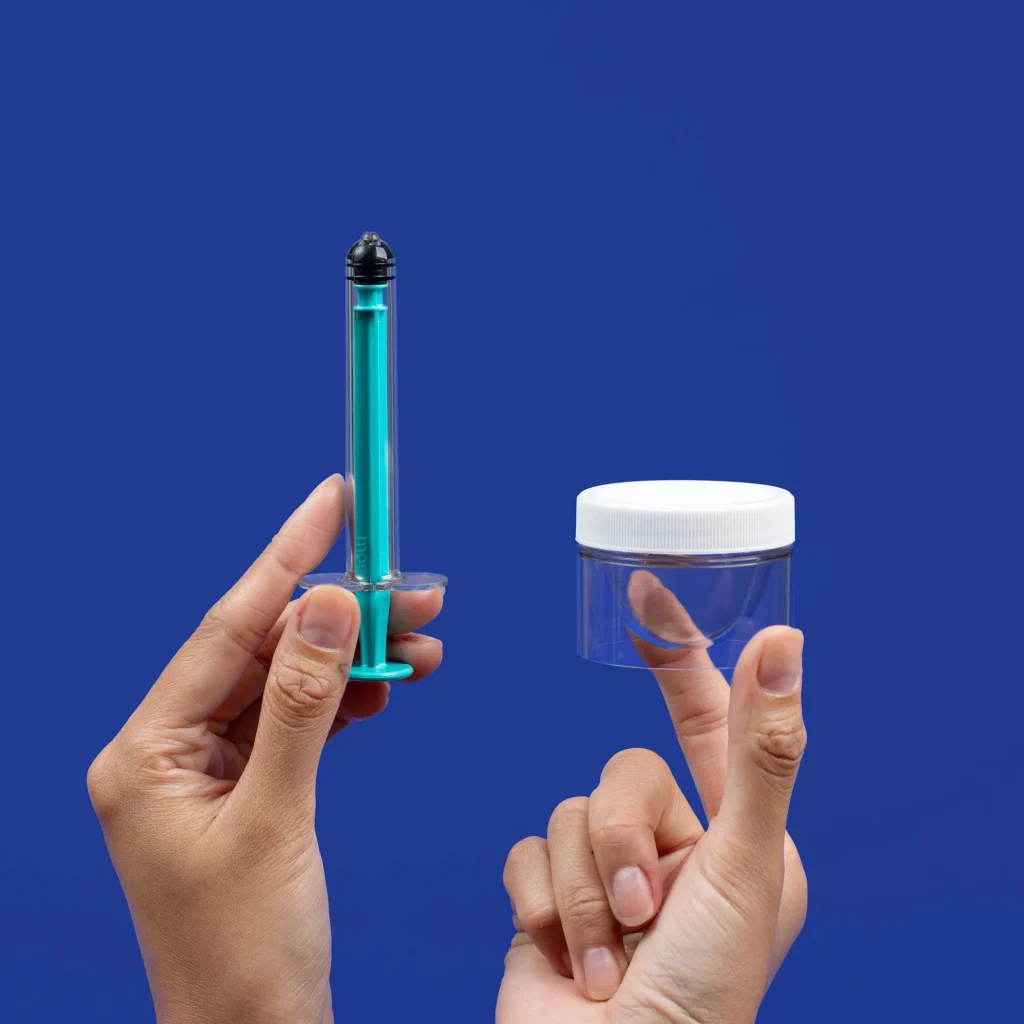
    hand holding a syringe with a blue plunger against a solid blue background

    The Power of 42: Unlocking Fertility with Syringe Starter Kits

    In addition to being cost-effective, syringe starter kits are also non-invasive. Unlike IVF, which requires multiple injections and surgical procedures, syringe starter kits are a simple and painless process. The kits can be used in the comfort of one’s home, making it a more private and less stressful experience for couples. This non-invasive approach also minimizes the risk of complications or side effects, making it a safer option for those with underlying health conditions.

    Supporting Assisted Reproduction Treatments

    While syringe starter kits can be used on their own, they can also be used in conjunction with other assisted reproduction treatments. For example, some couples may use syringe starter kits alongside intrauterine insemination (IUI) to increase their chances of conception. The sperm-friendly media included in the kits can also be used to wash and prepare sperm for IVF procedures. This versatility makes syringe starter kits a valuable tool in the world of fertility treatments.

    The Role of Emotional Support in Fertility

    Aside from the physical aspect of fertility treatments, the emotional toll can be significant for couples. The journey to conceive can be stressful, and the disappointment of unsuccessful attempts can take a toll on one’s mental health. Syringe starter kits provide a more accessible and less invasive option for couples, which can help alleviate some of the emotional burdens that come with fertility struggles.

    Moreover, the use of syringe starter kits can give couples a sense of control and empowerment over their fertility journey. By using a simple tool at home, couples can take an active role in their conception process, which can provide a sense of hope and positivity.

    In summary, the power of 42 in fertility refers to the 42-hour window in which sperm can survive in the female reproductive tract. Syringe starter kits take advantage of this crucial time and provide a simple, affordable, and non-invasive option for couples struggling with fertility. These kits can support other assisted reproduction treatments and provide emotional support for couples on their journey to conceive.

    In conclusion, syringe starter kits for fertility are a game-changer in the world of assisted reproduction. Their affordability, non-invasive nature, and ability to support other treatments make them a valuable tool for couples trying to conceive. The power of 42 is unlocking new possibilities for those struggling with fertility, and syringe starter kits are paving the way for a more accessible and less stressful path to parenthood.

  • The Insemination Made Simple Starter Pack: A Comprehensive Guide for 40-Year-Olds

    The decision to become a parent at 40 is not an easy one. At this age, many women may feel like they are running out of time to start a family. However, thanks to advancements in assisted reproductive technology, achieving pregnancy at 40 is no longer impossible. Insemination, also known as artificial insemination, is a popular option for women in their 40s who want to conceive. To make this process easier and more comprehensive, the Insemination Made Simple Starter Pack has been created specifically for 40-year-olds. In this blog post, we will discuss what this starter pack is all about and how it can help women in their 40s achieve their dream of motherhood.

    What is the Insemination Made Simple Starter Pack?

    The Insemination Made Simple Starter Pack is a comprehensive guide specifically designed for 40-year-old women who are looking to conceive through insemination. This starter pack is a one-stop resource that provides all the necessary information, tools, and resources to make the insemination process less daunting and more manageable. It is created by experts in the field of fertility and assisted reproduction, who understand the unique challenges and concerns faced by women in their 40s.

    What Does the Starter Pack Include?

    The Insemination Made Simple Starter Pack is a complete package that includes everything a woman in her 40s needs to know about insemination. It covers all aspects of the process, from understanding the basics of fertility and conception to preparing for insemination and dealing with the emotional and physical aspects of the journey. The starter pack includes the following:

    1. Insemination Guidebook: This guidebook is the backbone of the starter pack. It covers all the essential information about insemination, including the different types of insemination, the process, success rates, and potential risks and complications.

    2. Fertility Tracker: Keeping track of your fertility is crucial, especially when trying to conceive at 40. The starter pack includes a fertility tracker that helps you monitor your ovulation and predict the best time for insemination.

    3. Tips and Tricks for Preparing for Insemination: The starter pack also includes a section that provides useful tips and tricks on how to prepare yourself physically and emotionally for the insemination process.

    illustration of Mosie Baby home insemination kit highlighting seamless transfer and size features

    The Insemination Made Simple Starter Pack: A Comprehensive Guide for 40-Year-Olds

    4. Support Network: Going through the insemination process can be overwhelming, and having a support network can make a significant difference. The starter pack includes a list of support groups and online forums where you can connect with other women going through the same journey.

    5. Bonus Materials: The starter pack also includes bonus materials such as a healthy diet plan for women over 40, relaxation techniques to reduce stress, and a list of recommended fertility clinics.

    Why is the Insemination Made Simple Starter Pack Beneficial for 40-Year-Olds?

    The Insemination Made Simple Starter Pack is specifically designed for 40-year-olds because women in this age group face unique challenges when it comes to fertility and conception. As women age, their fertility declines, making it harder to conceive naturally. However, with insemination, the chances of getting pregnant increase significantly. The starter pack provides valuable information and resources that are tailored to the needs of women in their 40s, making the process less daunting and more achievable.

    Moreover, the Insemination Made Simple Starter Pack offers a comprehensive approach to insemination, covering not just the technical aspects but also the emotional and physical ones. It prepares women for what to expect during the process and equips them with the necessary tools to overcome any challenges that may arise.

    In Conclusion

    The Insemination Made Simple Starter Pack is a valuable resource for 40-year-old women who are considering insemination. It provides all the necessary information, tools, and resources to make the process less intimidating and more achievable. With this starter pack, women in their 40s can confidently embark on their journey towards motherhood.

    In summary, the Insemination Made Simple Starter Pack is a comprehensive guide specifically designed for 40-year-old women who are looking to conceive through insemination. It includes a guidebook, fertility tracker, preparation tips, support network, and bonus materials, all tailored to the unique needs of women in their 40s. This starter pack makes the insemination process less daunting and more manageable, giving women in their 40s a better chance at achieving their dream of motherhood.

  • Insemination for Beginners: The 40-Year-Old’s Guide to Starting a Family with the Starter Pack

    Summary:

    Starting a family is a significant milestone in anyone’s life, but for individuals or couples who are in their 40s, the journey can feel daunting. However, with advancements in fertility treatments, starting a family in your 40s is now a possibility. One option that many 40-year-olds are turning to is insemination, also known as artificial insemination or intrauterine insemination (IUI). This method involves placing sperm directly into the uterus to increase the chances of pregnancy.

    In this blog post, we will discuss insemination for beginners, specifically for 40-year-olds who are considering starting a family. We will cover everything you need to know about the process, from the basics of insemination to the starter pack for starting a family. So let’s dive in and learn more about insemination for beginners!

    What is Insemination?

    Insemination is a type of assisted reproduction technique where sperm is placed directly into the uterus through a catheter. This process is done to increase the chances of fertilization and pregnancy. It is a simple and non-invasive procedure that can be done in a doctor’s office.

    Who is a Good Candidate for Insemination?

    Insemination is suitable for individuals or couples who are struggling to conceive naturally. It can also be an option for same-sex couples or single individuals who want to start a family. Insemination is often recommended for women who have:

    – Irregular ovulation: Insemination helps overcome the barrier of timing intercourse with ovulation.
    – Cervical issues: Some women have cervical mucus that is hostile to sperm, making it difficult for fertilization to occur.
    – Unexplained infertility: Insemination can increase the chances of fertilization by placing the sperm directly in the uterus.
    – Male factor infertility: Insemination can be an option for couples where the male partner has a low sperm count or motility.

    The Insemination Process:

    The insemination process is simple and can be done in a few steps:

    Step 1: Ovulation Induction
    Insemination is often combined with ovulation induction, where medication is used to stimulate the ovaries to produce multiple eggs. This increases the chances of fertilization and pregnancy.

    Step 2: Sperm Collection and Preparation
    The male partner or a sperm donor will provide a sample of sperm. The sperm is then washed and prepared in the lab to remove any dead or weak sperm, leaving only motile and healthy sperm for insemination.

    Step 3: Insemination
    The prepared sperm is then placed into a thin catheter, which is inserted through the cervix into the uterus. This process is usually painless and takes only a few minutes.

    Informative card introducing the Mosie Baby Kit and its mission for at-home insemination.

    Insemination for Beginners: The 40-Year-Old's Guide to Starting a Family with the Starter Pack

    Step 4: Waiting for Results
    After the insemination, you will be asked to wait for about 2 weeks to take a pregnancy test. If the test is positive, you will have a follow-up appointment to confirm the pregnancy and monitor its progress.

    The Starter Pack for Starting a Family with Insemination:

    Starting a family in your 40s may seem overwhelming, but with the right resources, you can make the process smoother. Here are some essentials that you will need in your starter pack for starting a family with insemination:

    1. A Fertility Specialist:
    The first step in starting a family with insemination is to consult a fertility specialist. They will evaluate your medical history, run some tests, and recommend the best course of action for you.

    2. Ovulation Predictor Kits:
    As insemination is timed with ovulation, it is crucial to track your ovulation cycle. Ovulation predictor kits can help you determine when you are ovulating, making it easier to schedule your insemination procedure.

    3. Ovulation Tracking Apps:
    In addition to ovulation predictor kits, there are many apps available that can help you track your ovulation and fertility window. These apps can also be used to monitor other factors such as diet, exercise, and stress levels, which can affect fertility.

    4. Emotional Support:
    Starting a family can be an emotional rollercoaster, especially for 40-year-olds who may have faced fertility challenges. It is essential to have a support system in place, whether it be your partner, family, friends, or a therapist.

    5. Financial Planning:
    Fertility treatments, including insemination, can be costly. It is crucial to have a financial plan in place before starting the process. You can explore options such as insurance coverage, payment plans, or grants for fertility treatments.

    Insemination for Beginners: Tips and Considerations

    – It is essential to have realistic expectations when starting the insemination process. Pregnancy may not happen on the first try, and it may take a few cycles before a successful pregnancy occurs.
    – Maintaining a healthy lifestyle can help increase the chances of pregnancy. This includes a well-balanced diet, regular exercise, and managing stress levels.
    – It is crucial to communicate openly with your fertility specialist and ask any questions you may have. They are there to guide you through the process and address any concerns you may have.
    – Don’t be afraid to seek support and resources from fertility support groups or online communities. Talking to others who have gone through or are going through the same journey can provide comfort and guidance.

    In Conclusion:

    Insemination is a viable option for 40-year-olds who want to start a family. It is a simple and non-invasive procedure that can increase the chances of pregnancy. With the right resources and support, starting a family with insemination can be a successful and rewarding experience. Remember to consult a fertility specialist, track your ovulation, and have a support system in place to make the process smoother.

    SEO metadata:

  • Insemination on Your Own Terms: A Global Perspective

    Insemination on Your Own Terms: A Global Perspective

    Insemination, or the process of introducing sperm into the reproductive tract, has been a topic of controversy and debate for centuries. From traditional methods of procreation to modern advancements in reproductive technology, the concept of insemination has evolved and continues to be a prominent issue in today’s society. However, what may be surprising to many is that the practice of insemination has a long and complex history, with different cultural and societal perspectives playing a significant role in its development. In this blog post, we will explore the global perspective of insemination, from its origins to its current state, and how individuals around the world are taking control of their own reproductive choices.

    Origins of Insemination

    The origins of insemination can be traced back to ancient civilizations, where it was primarily used as a method of procreation. In ancient Egypt, it was believed that the god Khnum molded humans from clay and then breathed life into them through their nostrils. This belief led to the practice of introducing semen into a woman’s nostrils to impregnate her. Similarly, in ancient Greece, it was believed that the god Zeus impregnated women by transforming into a shower of gold and entering their bodies. As a result, the practice of using donor sperm to impregnate women became prevalent in ancient Greece.

    Insemination also has a rich history in traditional Chinese medicine, where it was used to treat infertility. The traditional Chinese method, known as “fubing,” involved inserting semen into a woman’s reproductive tract. This method was believed to balance the yin and yang energies in the body and increase the chances of conception.

    Insemination in Modern Times

    With the advancement of medical technology, the practice of insemination has evolved significantly. In the late 1800s, the first successful artificial insemination was performed on a dog by an Italian scientist. This breakthrough paved the way for the use of artificial insemination in humans, and by the mid-20th century, it became a standard practice for treating infertility.

    In the 1970s, the first successful case of in vitro fertilization (IVF) was reported, which opened up new possibilities for couples struggling with infertility. IVF, which involves fertilizing eggs with sperm in a laboratory and then transferring the resulting embryo into the woman’s uterus, has become a popular method of assisted reproduction.

    Insemination and LGBTQ+ Rights

    Insemination has also played a significant role in the fight for LGBTQ+ rights. With the legalization of same-sex marriage in many countries, couples from the LGBTQ+ community have gained access to assisted reproductive techniques, including insemination. This has allowed same-sex couples to have biological children and start families on their own terms.

    illustration comparing standard and Mosie syringe openings with text highlighting design benefits for home insemination

    Insemination on Your Own Terms: A Global Perspective

    In some countries, however, there are still legal barriers that prevent same-sex couples from accessing insemination and other forms of assisted reproduction. For example, in many parts of Asia and Africa, same-sex relationships are still criminalized, making it challenging for LGBTQ+ couples to start families.

    Insemination on Your Own Terms

    One of the most significant advancements in the field of insemination is the ability for individuals to take control of their own reproductive choices. With the rise of at-home insemination kits, individuals and couples can now perform insemination in the comfort of their own homes, without the need for medical assistance.

    At-home insemination kits typically include a syringe, a tube, and a collection cup for semen. The process involves collecting semen from a donor or partner, loading it into the syringe, and inserting it into the reproductive tract. This method has become popular among single individuals, same-sex couples, and individuals experiencing infertility who may not have access to medical assistance.

    Global Perspectives on At-Home Insemination

    While at-home insemination kits have gained popularity in many parts of the world, there are still cultural and legal barriers that prevent its widespread use. In some countries, the practice of at-home insemination is considered illegal, and individuals may face criminal charges for attempting it. Additionally, in some cultures, the concept of “natural” conception is highly valued, and any form of assisted reproduction may be seen as taboo.

    However, there are also many countries and cultures where at-home insemination is accepted and even encouraged. In countries like the United States, Canada, and many European countries, at-home insemination is legal and widely practiced. In some cultures, there is also a growing movement towards natural and home births, which includes at-home insemination as a method of conception.

    Conclusion

    Insemination, in all its forms, has a long and complex history, with different cultural and societal perspectives shaping its development. From its origins in ancient civilizations to its current state as a method of assisted reproduction, insemination has played a significant role in the lives of individuals and families around the world. With advancements in medical technology and the rise of at-home insemination, individuals have gained more control over their reproductive choices, allowing them to start families on their own terms.

    Summary:

    Insemination has a long and complex history, with different cultural and societal perspectives shaping its development. From its origins in ancient civilizations to its current state as a method of assisted reproduction, insemination has played a significant role in the lives of individuals and families around the world. With advancements in medical technology and the rise of at-home insemination, individuals have gained more control over their reproductive choices, allowing them to start families on their own terms. However, there are still cultural and legal barriers that prevent its widespread use, making it a complex and controversial topic.

  • The Role of Donor Selection in Insemination on Your Own Terms

    Blog Post:

    Insemination is a method of assisted reproduction that involves transferring sperm directly into the cervix, uterus, or fallopian tubes to increase the chances of fertilization. This method is often used by couples struggling with infertility, same-sex couples, and single individuals who are looking to start a family on their own terms.

    One of the key factors in successful insemination is donor selection. Choosing the right donor is crucial in ensuring a healthy and happy pregnancy. In this blog post, we will discuss the role of donor selection in insemination and how it can impact the experience of starting a family on your own terms.

    Importance of Donor Selection

    The process of donor selection involves carefully evaluating and choosing a sperm donor based on various factors such as physical characteristics, medical history, and personal preferences. This process is essential as the donor’s genetic material will play a significant role in the child’s physical and mental traits.

    One of the primary concerns in donor selection is the risk of passing on genetic diseases or disorders to the child. This is why it is crucial to thoroughly review the donor’s medical history and genetic screening results to ensure a healthy pregnancy and a healthy baby. Additionally, it is essential to consider any hereditary conditions that may run in the donor’s family and how it could potentially impact the child’s health.

    Another significant factor in donor selection is physical characteristics. Many individuals or couples prefer to choose a donor who shares similar physical traits, such as eye or hair color, to ensure a more seamless blending of genetics. While physical characteristics do not play a crucial role in a child’s health, it can be a vital factor for some people in creating a sense of connection and belonging.

    Lastly, personal preferences and values also play a role in donor selection. Some individuals or couples may prefer a donor who shares similar beliefs or interests, while others may prioritize finding a donor with a specific educational or professional background. These preferences are entirely valid and can contribute to the overall happiness and satisfaction of the parents and the child.

    Challenges in Donor Selection

    Despite the importance of donor selection, there are some challenges that individuals or couples may face in the process. One of the main challenges is the limited availability of donors, especially for those looking for specific traits or characteristics. This can make it difficult to find a suitable donor, leading to frustration and disappointment.

    home insemination kit components: a syringe and a collection container against a blue background.

    The Role of Donor Selection in Insemination on Your Own Terms

    Moreover, the cost of insemination and donor selection can also be a challenge for some individuals or couples. Insemination can be an expensive process, and adding the cost of donor selection and screening can be a significant financial burden for many. This can limit the options and choices for individuals or couples who are on a tight budget.

    Insemination on Your Own Terms

    Despite the challenges, the good news is that there are now more options for individuals or couples looking to start a family on their own terms. With the advancement of technology, there are now various ways to access donor sperm, such as sperm banks, fertility clinics, and online donor databases.

    Online donor databases, in particular, have become a popular option for many people. These databases allow individuals or couples to browse through a vast selection of donors and view detailed profiles, including physical characteristics, medical histories, and personal preferences. This gives individuals or couples more control and flexibility in their donor selection process.

    Additionally, some online donor databases also offer at-home insemination kits, making the process more accessible and affordable. This allows individuals or couples to have greater control over the insemination process and conduct it in the comfort of their own home.

    Insemination on your own terms also means having the option to choose a known donor, such as a friend or family member. This can be a preferred option for some individuals or couples, as it allows them to have a more personal connection with the donor and potentially involve them in the child’s life.

    Conclusion

    Insemination on your own terms is an empowering option for individuals or couples who are looking to start a family. Donor selection plays a crucial role in this process, and it is essential to carefully consider all factors and options to ensure a successful and fulfilling experience.

    Despite the challenges, advancements in technology have made donor selection more accessible and customizable. With the right donor, individuals or couples can create a happy and healthy family on their own terms.

    Summary:

    Insemination is a method of assisted reproduction that involves choosing a sperm donor and transferring sperm directly into the cervix, uterus, or fallopian tubes to increase the chances of fertilization. Donor selection is crucial in ensuring a healthy and happy pregnancy and involves evaluating factors such as medical history, physical characteristics, and personal preferences. Challenges in donor selection include limited availability and high costs, but advancements in technology have made insemination on your own terms more accessible and customizable. With the right donor, individuals or couples can create a happy and healthy family on their own terms.

  • Insemination on Your Own Terms: A Step-by-Step Guide

    Blog Post Title: Insemination on Your Own Terms: A Step-by-Step Guide

    Summary:

    Insemination is a method of assisted reproduction that involves placing sperm into the reproductive tract in order to achieve pregnancy. While it is often associated with medical procedures such as intrauterine insemination (IUI) or in vitro fertilization (IVF), it is also possible to perform insemination at home without the supervision of a medical professional. This can be an empowering option for individuals or couples who want to take control of their fertility journey and do it on their own terms.

    In this step-by-step guide, we will outline the process of insemination on your own terms, from understanding the basics of fertility and ovulation to choosing the right method and tools for insemination. We will also discuss the legal and ethical considerations of home insemination and provide tips for a successful and safe experience.

    Step 1: Educate Yourself on Fertility and Ovulation

    Before embarking on any fertility journey, it is important to understand the basics of fertility and ovulation. Ovulation is the process in which a woman’s body releases an egg from the ovary, making it available for fertilization. This typically occurs once a month, around 12-16 days after the first day of your last period.

    Tracking your ovulation is crucial for successful insemination. There are various methods for tracking ovulation, including using ovulation predictor kits, tracking your basal body temperature, and monitoring changes in cervical mucus. It is also recommended to consult with a healthcare provider to ensure that you are ovulating regularly and that there are no underlying fertility issues.

    Step 2: Choose the Right Method of Insemination

    There are two main methods of insemination: intracervical insemination (ICI) and intrauterine insemination (IUI). ICI involves placing sperm near the cervix, while IUI involves placing sperm directly into the uterus. IUI is generally more effective than ICI, but it also requires more preparation and equipment.

    For those choosing to perform insemination at home, ICI may be the more feasible option as it can be done using a syringe or a cervical cap. However, it is important to note that ICI has a lower success rate compared to IUI, especially for couples with fertility issues.

    Step 3: Gather the Necessary Tools

    illustration comparing standard and Mosie syringe openings with text highlighting design benefits for home insemination

    Insemination on Your Own Terms: A Step-by-Step Guide

    In addition to understanding the different methods of insemination, it is also important to gather the necessary tools for a successful experience. These tools may include a sterile syringe or cervical cap, ovulation predictor kits, a cup to collect semen, and sterile gloves. It is also recommended to purchase a sperm-friendly lubricant to aid in the insemination process.

    Step 4: Consider Legal and Ethical Considerations

    Before proceeding with home insemination, it is important to consider the legal and ethical considerations. Laws and regulations around home insemination may vary depending on your location, so it is important to research and understand the laws in your area.

    It is also crucial to have open and honest communication with your partner, if applicable, and to discuss any potential emotional, legal, or financial implications of home insemination. It is recommended to have a legal contract in place to protect both parties involved.

    Step 5: Follow the Instructions Carefully

    Once you have gathered the necessary tools and have discussed all the legal and ethical considerations, it is time to proceed with the insemination process. It is important to follow the instructions carefully and to maintain a sterile environment to avoid any potential infections.

    Step 6: Be Patient and Take Care of Yourself

    The process of home insemination may not always result in a successful pregnancy, and it is important to be patient and take care of yourself during this time. It is also recommended to continue tracking your ovulation and trying again in the following months if necessary.

    In addition, it is important to take care of your physical and emotional well-being during this journey. Seek support from your partner, friends, or a healthcare provider if needed.

    In conclusion, insemination on your own terms can be a viable option for individuals or couples who want to take control of their fertility journey. By educating yourself on fertility and ovulation, choosing the right method and tools, and considering the legal and ethical considerations, you can have a successful and empowering experience with home insemination.

    SEO metadata: