Tag: Reproductive Health

  • The Impact of Nutrition on Sperm Quality in Home Insemination

    Summary:

    Nutrition plays a vital role in every aspect of our health, including fertility. When it comes to home insemination, a healthy diet can have a significant impact on sperm quality and increase the chances of a successful pregnancy. In this blog post, we will explore the relationship between nutrition and sperm quality and provide tips on how to improve sperm quality through diet.

    Firstly, let’s understand the importance of sperm quality in home insemination. The quality of sperm refers to its ability to fertilize an egg and result in a healthy pregnancy. Poor sperm quality can lead to difficulties in conceiving and increase the risk of miscarriage. Therefore, it is essential to take steps to improve sperm quality when trying for a baby through home insemination.

    One of the most crucial factors that affect sperm quality is the man’s diet. A healthy and balanced diet can provide the necessary nutrients for sperm production and function. On the other hand, a poor diet lacking in essential nutrients can lead to low sperm count, decreased motility, and abnormal morphology.

    Some key nutrients that are crucial for sperm quality include zinc, folate, vitamin C, and omega-3 fatty acids. Zinc is essential for sperm production and testosterone levels, while folate plays a role in sperm DNA integrity. Vitamin C is a powerful antioxidant that protects sperm from oxidative stress, and omega-3 fatty acids improve sperm motility.

    logo featuring a pink heart above two teal leaves on a blue circular background

    The Impact of Nutrition on Sperm Quality in Home Insemination

    A healthy diet rich in fruits, vegetables, whole grains, lean protein, and healthy fats can provide these essential nutrients. Some foods that are particularly beneficial for sperm quality include oysters, spinach, avocados, salmon, and walnuts. It is also essential to limit processed and sugary foods, as they can negatively impact sperm quality.

    In addition to specific nutrients, it is also crucial to maintain a healthy weight for optimal sperm quality. Obesity has been linked to lower sperm count and quality, while being underweight can lead to hormonal imbalances. Therefore, maintaining a healthy weight through a balanced diet and regular exercise can improve sperm quality.

    Apart from diet, lifestyle factors such as smoking, alcohol consumption, and stress can also affect sperm quality. Smoking has been shown to decrease sperm count and motility, while alcohol can affect sperm production and function. Chronic stress can also lead to hormonal imbalances, which can negatively impact sperm quality. Therefore, it is crucial to adopt healthy lifestyle habits and manage stress to improve sperm quality.

    In addition to a healthy diet, supplements can also be beneficial for improving sperm quality. Men trying to conceive through home insemination can consider taking a daily multivitamin that contains key nutrients for sperm health. Some supplements that have been specifically designed for male fertility include folic acid, zinc, and coenzyme Q10. However, it is essential to consult a healthcare professional before starting any supplements.

    In conclusion, nutrition plays a significant role in sperm quality, and a healthy diet can improve the chances of a successful pregnancy through home insemination. By incorporating nutrient-rich foods, maintaining a healthy weight, and adopting healthy lifestyle habits, men can improve their sperm quality and increase their chances of conception.

    SEO metadata:

  • The Role of Exercise in Preparing for Home Insemination

    Blog Post:

    Home insemination is becoming an increasingly popular option for those who are struggling with infertility or for same-sex couples who want to start a family. While the process may seem simple, there are important steps that need to be taken in order to maximize the chances of success. One of these steps is exercise. In this blog post, we will discuss the role of exercise in preparing for home insemination and how it can improve the chances of conception.

    Exercise has numerous benefits for overall health and well-being, but it also plays a crucial role in preparing the body for home insemination. Let’s take a closer look at how exercise can help in this process.

    1. Improves Fertility

    Studies have shown that regular exercise can improve fertility in both men and women. For women, physical activity can regulate hormones, improve ovulation, and increase blood flow to the reproductive organs. For men, exercise can increase sperm count and improve sperm quality. By incorporating exercise into your routine, you can increase the chances of successful home insemination.

    2. Reduces Stress

    The process of trying to conceive can be stressful and anxiety-inducing. This stress can negatively impact fertility and make it harder to conceive. Regular exercise has been proven to reduce stress levels and improve mood, making it an essential factor in preparing for home insemination. By relieving stress, exercise can improve the overall success of the insemination process.

    3. Increases Blood Flow

    Proper blood flow is crucial for successful conception. Exercise helps to increase blood flow to the reproductive organs, which can improve the chances of conception. This is especially important for women, as it helps to thicken the uterine lining, creating a more hospitable environment for a fertilized egg to implant.

    4. Maintains a Healthy Weight

    Being at a healthy weight is important for fertility and overall health. Exercise can help to maintain a healthy weight or aid in weight loss if necessary. Being either underweight or overweight can negatively impact fertility and decrease the chances of successful home insemination. By incorporating exercise into your routine, you can improve your chances of getting pregnant.

    5. Improves Overall Health

    Aside from its direct impact on fertility, exercise also improves overall health, which can indirectly improve the chances of successful home insemination. Regular exercise can boost the immune system, regulate hormones, and improve sleep, all of which are important for a healthy pregnancy. By being in good overall health, you are setting the stage for a successful home insemination.

    pregnancy test kit features labeled for comfort and confidence on a teal background

    The Role of Exercise in Preparing for Home Insemination

    Tips for Exercising for Home Insemination

    Now that we understand the benefits of exercise in preparing for home insemination, here are some tips to keep in mind:

    1. Consult with Your Doctor

    Before starting any exercise routine, it’s important to consult with your doctor, especially if you have any underlying health conditions or are on any medications. Your doctor can provide personalized recommendations and ensure that you are engaging in safe and appropriate exercises.

    2. Choose Low-Impact Exercises

    High-impact exercises such as running or jumping can put stress on the reproductive organs and should be avoided when trying to conceive. Opt for low-impact exercises such as walking, swimming, or yoga.

    3. Listen to Your Body

    Pregnancy is not the time to push yourself to the limit. It’s important to listen to your body and not overdo it with exercise. If you feel tired or experience any discomfort, it’s best to take a break or modify your routine.

    4. Be Consistent

    Consistency is key when it comes to exercise. Aim for at least 30 minutes of moderate exercise, five days a week. This will help to regulate hormone levels and improve overall health.

    5. Find a Workout Buddy

    Exercising with a partner or a friend can make the process more enjoyable and keep you motivated. Plus, it’s a great way to stay connected and share the journey of preparing for home insemination.

    In summary, exercise plays a crucial role in preparing for home insemination. It can improve fertility, reduce stress, increase blood flow, maintain a healthy weight, and improve overall health, all of which are important for a successful pregnancy. By following these tips and incorporating exercise into your routine, you can increase your chances of successful home insemination and ultimately achieve your dream of starting a family.

  • The Impact of Stress on Home Insemination

    The Impact of Stress on Home Insemination: Understanding the Potential Challenges and Strategies for Success

    In recent years, there has been a growing trend towards using home insemination as a method for conceiving a child. This process involves manually depositing sperm into the vagina or cervix of the female partner, bypassing the need for traditional sexual intercourse. While it can be an effective and affordable option for those struggling with fertility issues or same-sex couples, it is not without its challenges. One major factor that can significantly impact the success of home insemination is stress. In this blog post, we will explore the impact of stress on home insemination and provide strategies for managing and reducing stress to increase the chances of a successful outcome.

    The Connection Between Stress and Fertility

    Before delving into the specific effects of stress on home insemination, it is important to understand the link between stress and fertility in general. Stress has been shown to disrupt the body’s natural hormone balance, which can have a significant impact on reproductive health. Chronic stress can lead to irregular menstrual cycles, decreased libido, and even ovulation disorders. In men, stress can affect sperm production and quality, making it more difficult to fertilize an egg. These effects can make it challenging for couples trying to conceive through any method, including home insemination.

    The Challenges of Stress in Home Insemination

    Home insemination involves a series of steps and can be a time-consuming process. The pressure to get everything right can cause stress and anxiety for both partners, which can ultimately affect the success of the procedure. Here are some specific ways that stress can impact home insemination:

    1. Delayed Ovulation: Stress can disrupt a woman’s ovulation cycle, making it more difficult to accurately predict when ovulation will occur. This can cause a delay in the timing of insemination, reducing the chances of conception.

    2. Poor Sperm Quality: As mentioned earlier, stress can affect sperm production and quality, which can decrease the chances of fertilization during home insemination.

    3. Lack of Relaxation: Home insemination requires a relaxed and comfortable environment for both partners. If stress and anxiety are present, it can be challenging to achieve the necessary level of relaxation, making the process more difficult.

    4. Relationship Strain: The process of home insemination can put a strain on a couple’s relationship, especially if they are struggling with fertility issues. The added pressure and stress can lead to conflicts and decreased intimacy, which can affect the chances of success.

    Baby with blue eyes wearing a light blue onesie that says "made with Love" on a soft white background.

    The Impact of Stress on Home Insemination

    Strategies for Managing and Reducing Stress in Home Insemination

    While stress may be an inevitable part of the home insemination process, there are strategies that couples can use to manage and reduce stress to increase the chances of success. Here are some tips to consider:

    1. Communicate Openly: Communication is key in any relationship, especially when undergoing home insemination. It is essential to talk openly and honestly about any concerns or fears to reduce stress and build a stronger connection.

    2. Practice Relaxation Techniques: Incorporating relaxation techniques into the home insemination process can help reduce stress levels. Deep breathing, meditation, and yoga are all effective methods for promoting relaxation and reducing anxiety.

    3. Create a Calm Environment: Make sure the space where home insemination will take place is calm and comfortable. Dim lighting, soothing music, and comfortable bedding can all contribute to a relaxed atmosphere.

    4. Seek Support: Going through home insemination can be a stressful and emotional experience. It is essential to have a support system in place, whether it be a therapist, support group, or close friends and family, to help manage stress and provide emotional support.

    5. Take Breaks: The process of home insemination can be physically and emotionally draining. It is crucial to take breaks and allow time for self-care to reduce stress levels.

    Final Thoughts

    Home insemination can be a viable option for couples trying to conceive, but it is essential to understand and manage the potential impact of stress on the process. By implementing strategies to reduce stress and promote relaxation, couples can increase their chances of a successful outcome.

    In summary, stress can have a significant impact on the success of home insemination. It can disrupt ovulation, affect sperm quality, and strain relationships. However, by communicating openly, practicing relaxation techniques, creating a calm environment, seeking support, and taking breaks, couples can manage and reduce stress to increase the chances of a successful home insemination. It is crucial to prioritize self-care and maintain open communication to navigate the stress of this process successfully.

  • The Role of Nutrition in Preparing for Home Insemination

    Blog Post:

    The decision to start a family is an exciting and life-changing one. For many couples, one of the first steps in this journey is preparing for home insemination. This process involves using a donor’s sperm to fertilize the partner’s egg, either through self-insemination or with the help of a medical professional. Regardless of the method chosen, proper nutrition plays a crucial role in preparing the body for successful home insemination. In this blog post, we will explore the importance of nutrition in this process and provide tips for creating a healthy and supportive environment for conception.

    Importance of Nutrition in Preparing for Home Insemination:

    Nutrition is the foundation of a healthy body and plays a vital role in the reproductive system. A balanced and nutritious diet can improve fertility and increase the chances of successful home insemination. Here are some reasons why proper nutrition is essential for preparing for home insemination:

    1. Improves Egg Quality:

    Egg quality is crucial for successful conception, and nutrition plays a significant role in this. A diet rich in antioxidants, vitamins, and minerals can help improve the quality of eggs. Antioxidants help protect the eggs from damage caused by free radicals, while vitamins and minerals provide the necessary nutrients for healthy egg development.

    2. Regulates Hormones:

    Hormonal balance is essential for a healthy reproductive system, and nutrition can help achieve this. Foods rich in healthy fats, such as avocados, nuts, and olive oil, can help regulate hormone production. Omega-3 fatty acids, found in fish and flaxseeds, can also help balance hormones and improve fertility.

    3. Boosts Sperm Health:

    For couples using donor sperm for home insemination, the quality of the sperm is crucial. A diet rich in antioxidants, vitamins, and minerals can improve sperm health and increase the chances of successful conception. Foods such as walnuts, dark chocolate, and citrus fruits are known to boost sperm quality and motility.

    4. Supports Overall Health:

    Eating a nutritious and balanced diet can improve overall health and well-being, which is essential for preparing the body for home insemination. A healthy body is better equipped to handle the physical and emotional demands of pregnancy and childbirth.

    Tips for Creating a Nutritious Diet for Home Insemination:

    logo of mosie baby featuring a heart and leaf design in blue, pink, and green colors

    The Role of Nutrition in Preparing for Home Insemination

    Now that we have established the importance of nutrition in preparing for home insemination, here are some tips for creating a healthy and supportive diet:

    1. Focus on Whole Foods:

    Aim to include a variety of whole foods in your diet, such as fruits, vegetables, whole grains, lean proteins, and healthy fats. These foods are rich in essential nutrients and antioxidants, which can improve fertility and overall health.

    2. Include Fertility-Boosting Foods:

    Certain foods are known for their fertility-boosting properties and should be included in your diet. These include leafy greens, berries, nuts, seeds, and fatty fish. These foods provide essential nutrients, antioxidants, and healthy fats that are beneficial for preparing the body for home insemination.

    3. Stay Hydrated:

    Drinking enough water is crucial for maintaining overall health, and it is especially important for fertility. Water helps the body flush out toxins and keeps the reproductive system functioning optimally. Aim for at least 8-10 glasses of water per day.

    4. Limit Processed Foods:

    Processed foods are often high in unhealthy fats, sugar, and preservatives, which can negatively impact fertility. Limiting processed foods and opting for whole, nutrient-dense foods is essential for preparing the body for home insemination.

    5. Consult with a Nutritionist:

    If you are unsure about your nutritional needs or have specific dietary restrictions, consider consulting with a nutritionist. They can help create a personalized plan that meets your nutritional needs and supports your fertility goals.

    Conclusion:

    Home insemination is an intimate and exciting journey, and proper nutrition plays a crucial role in this process. By following a nutritious diet, you can improve egg and sperm quality, regulate hormones, and support overall health, increasing the chances of successful conception. Remember to consult with a medical professional and a nutritionist for personalized advice and support on your journey towards starting a family.

    In summary, proper nutrition is essential for preparing the body for home insemination. A balanced and nutritious diet can improve egg and sperm quality, regulate hormones, and support overall health, increasing the chances of successful conception. Tips for creating a healthy diet include focusing on whole foods, including fertility-boosting foods, staying hydrated, and limiting processed foods. Consulting with a nutritionist can also provide personalized support and guidance.

  • Choosing the Right Sperm Donor for Home Insemination

    In recent years, more and more individuals and couples are turning to home insemination as a means of starting or expanding their families. This method offers privacy, convenience, and a lower cost compared to traditional fertility treatments. However, one crucial aspect of home insemination that should not be overlooked is choosing the right sperm donor. This decision can greatly impact the success and overall experience of the home insemination process. In this blog post, we will discuss the factors to consider when choosing a sperm donor for home insemination.

    First and foremost, it is important to understand the different types of sperm donors available. There are two main options: known donors and anonymous donors. A known donor is someone you personally know, such as a friend or family member, who agrees to donate sperm for your insemination. On the other hand, an anonymous donor is someone you do not have a personal relationship with and is usually selected through a sperm bank. Both options have their own pros and cons, and it is essential to carefully evaluate which one is the best fit for you.

    If you are considering a known donor, it is crucial to have an open and honest conversation about expectations and boundaries. This includes discussing potential legal and emotional implications, as well as any medical history that could impact your child’s health. It is also recommended to have a written agreement in place to ensure both parties understand and agree to the terms of the donation.

    On the other hand, choosing an anonymous sperm donor through a sperm bank offers a higher level of anonymity and allows for more control over certain factors such as physical characteristics and medical history. Sperm banks also conduct thorough screenings and tests to ensure the quality and health of the sperm. However, it is important to note that this option can be more expensive, and there is no guarantee that the donor’s identity will remain confidential in the future.

    Another crucial factor to consider when choosing a sperm donor is the medical history. It is essential to thoroughly review the donor’s medical history to ensure there are no hereditary diseases or conditions that could be passed on to your child. Sperm banks typically provide detailed information about the donor’s medical history, but if you are using a known donor, it is important to have open and honest communication about any potential health risks.

    pregnancy test kit features labeled for comfort and confidence on a teal background

    Choosing the Right Sperm Donor for Home Insemination

    Aside from medical history, physical characteristics can also be a consideration for some individuals or couples. While physical traits should not be the main factor in choosing a sperm donor, it is natural to want some resemblance to the donor in your child. Sperm banks often provide information on the donor’s physical characteristics, such as height, weight, and eye color. If using a known donor, it is also important to discuss any physical traits that are important to you and your partner.

    In addition to medical and physical characteristics, it is also crucial to consider the donor’s personal and social background. This includes their education, career, and interests. While these may seem like less important factors, they can still play a role in shaping your child’s identity and values. Choosing a donor with similar values and interests can also help create a stronger connection between the donor and your child in the future.

    Lastly, it is essential to consider the legal implications of using a sperm donor for home insemination. Laws and regulations vary by state and country, and it is important to familiarize yourself with the laws in your area. If using a known donor, it is recommended to have a legal contract in place to protect both parties. If using an anonymous donor, it is important to understand the legal rights and responsibilities of the donor and the intended parent(s).

    In summary, choosing the right sperm donor for home insemination involves careful consideration of various factors, including the type of donor, medical history, physical characteristics, personal and social background, and legal implications. It is essential to thoroughly research and discuss these factors to make an informed decision that is best for you and your future family. Ultimately, the goal is to find a donor who aligns with your values and who you feel comfortable and confident in welcoming into your family.

    In conclusion, home insemination offers a unique and personal way of starting or expanding a family. However, choosing the right sperm donor is a crucial step that should not be taken lightly. By considering the factors discussed in this blog post and thoroughly researching your options, you can make an informed decision that will lead to a successful and fulfilling home insemination journey.

  • The Top Supplements for Boosting Fertility in Your Insemination Made Easy Starter Pack

    Blog Post:

    Insemination is an assisted reproductive technology that involves placing sperm into a woman’s reproductive tract, bypassing the cervix and increasing the chances of fertilization. For those who are trying to conceive through insemination, it is important to optimize fertility to increase the chances of success. One way to do this is by incorporating supplements into your daily routine. In this blog post, we will discuss the top supplements for boosting fertility in your Insemination Made Easy Starter Pack.

    1. Folic Acid
    Folic acid is a crucial supplement for women who are trying to conceive. It is essential for the production and maintenance of new cells, including the development of the baby’s neural tube. Studies have shown that taking folic acid before and during pregnancy can reduce the risk of birth defects, such as spina bifida. It is recommended to take 400-800 micrograms of folic acid daily, at least one month before insemination and throughout the first trimester of pregnancy.

    2. Coenzyme Q10
    Coenzyme Q10 (CoQ10) is a powerful antioxidant that plays a crucial role in energy production in the body. It also helps to protect the eggs from oxidative stress, which can damage the reproductive cells. As women age, their CoQ10 levels decrease, making it harder to conceive. Taking CoQ10 supplements can help improve egg quality and increase the chances of successful insemination. The recommended daily dosage is 200-300 milligrams.

    3. Omega-3 Fatty Acids
    Omega-3 fatty acids are essential for overall health and fertility. They are known to regulate hormones and improve blood flow to the reproductive organs, which can help with ovulation and implantation. Omega-3 fatty acids also have anti-inflammatory properties, which can be beneficial for women with conditions such as endometriosis or PCOS. It is recommended to take 1000 milligrams of omega-3 fatty acids daily.

    4. Vitamin D
    Vitamin D deficiency has been linked to infertility and pregnancy complications. It is essential for the absorption of calcium and plays a role in the production of reproductive hormones. Studies have shown that women with sufficient levels of vitamin D have a higher success rate with fertility treatments. The recommended daily dosage is 600-800 International Units (IU).

    5. Zinc
    Zinc is a mineral that plays a crucial role in reproductive health. It is necessary for the production of healthy eggs and sperm, as well as for hormone balance. Zinc deficiency has been linked to fertility issues, such as irregular ovulation and low sperm count. It is recommended to take 15-30 milligrams of zinc daily.

    Informative card introducing the Mosie Baby Kit and its mission for at-home insemination.

    The Top Supplements for Boosting Fertility in Your Insemination Made Easy Starter Pack

    6. L-arginine
    L-arginine is an amino acid that helps to increase blood flow to the reproductive organs. This can improve the thickness of the uterine lining, making it easier for the embryo to implant. L-arginine also plays a role in the production of cervical mucus, which is essential for sperm survival and movement. The recommended daily dosage is 1000-3000 milligrams.

    7. Maca Root
    Maca root is a traditional Peruvian herb that has been used for centuries to enhance fertility. It is known to balance hormones and increase libido, both of which can be beneficial for women trying to conceive. Maca root also contains essential nutrients, such as iron, calcium, and vitamin C, which are important for reproductive health. The recommended daily dosage is 500-3000 milligrams.

    8. Vitex
    Vitex, also known as chaste tree berry, is a popular herb for fertility. It helps to regulate the production of hormones, especially progesterone, which is crucial for maintaining a healthy pregnancy. Vitex has been shown to improve ovulation and increase the chances of pregnancy in women with irregular cycles. The recommended daily dosage is 200-500 milligrams.

    9. DHEA
    Dehydroepiandrosterone (DHEA) is a hormone that plays a role in the production of testosterone and estrogen. It is known to improve egg quality and ovarian function in women with diminished ovarian reserve. DHEA supplements can also help with conditions such as PCOS and endometriosis. The recommended daily dosage is 25-50 milligrams.

    10. Multivitamin
    In addition to specific fertility-boosting supplements, it is also important to take a daily multivitamin to ensure that your body is getting all the necessary nutrients for healthy reproductive function. Look for a multivitamin specifically designed for women trying to conceive, which may contain additional folic acid, iron, and other fertility-boosting nutrients.

    In summary, incorporating these top supplements into your Insemination Made Easy Starter Pack can help boost fertility and increase the chances of successful insemination. It is important to consult with your doctor before adding any supplements to your routine, as they may interact with other medications or have adverse effects. Remember to also follow a healthy diet, exercise regularly, and manage stress levels to optimize your chances of conceiving.

    SEO Metadata:

  • The Best Supplements to Include in Your Insemination Made Easy Starter Pack

    Blog Post:

    Insemination is a popular method for couples and individuals who are trying to conceive. It involves the placement of sperm into the uterus or cervix, with the goal of fertilizing an egg and achieving pregnancy. While there are various factors that can affect the success of insemination, one key factor is the use of supplements.

    Supplements are a great addition to any insemination journey, as they can help improve fertility, regulate hormones, and support a healthy pregnancy. However, with so many options available, it can be overwhelming to determine which ones are the best to include in your insemination starter pack. In this blog post, we will discuss the top supplements to consider including in your insemination made easy starter pack.

    1. Folic Acid
    Folic acid is a crucial supplement for anyone trying to conceive, whether through insemination or natural conception. It is a B vitamin that helps prevent neural tube defects in the developing baby. Neural tube defects are serious birth defects that affect the baby’s brain, spine, or spinal cord. It is recommended to take 400 micrograms of folic acid daily, starting at least one month before trying to conceive.

    2. Coenzyme Q10
    Coenzyme Q10, also known as CoQ10, is a powerful antioxidant that helps boost fertility in both men and women. It plays a vital role in energy production and cell growth, making it an essential supplement for reproductive health. CoQ10 can also help improve egg quality and sperm motility, making it a valuable addition to your insemination starter pack.

    3. Omega-3 Fatty Acids
    Omega-3 fatty acids are essential for overall health and are particularly beneficial for fertility. They help regulate hormones and improve blood flow to the reproductive organs, which can increase the chances of conception. Omega-3 fatty acids also support a healthy pregnancy and can help reduce the risk of preterm labor and postpartum depression.

    4. Vitamin D
    Vitamin D is essential for both male and female fertility. It helps regulate hormones and plays a crucial role in the development of healthy sperm and eggs. Vitamin D deficiency has also been linked to infertility, so it is crucial to ensure you have adequate levels of this vitamin before trying to conceive.

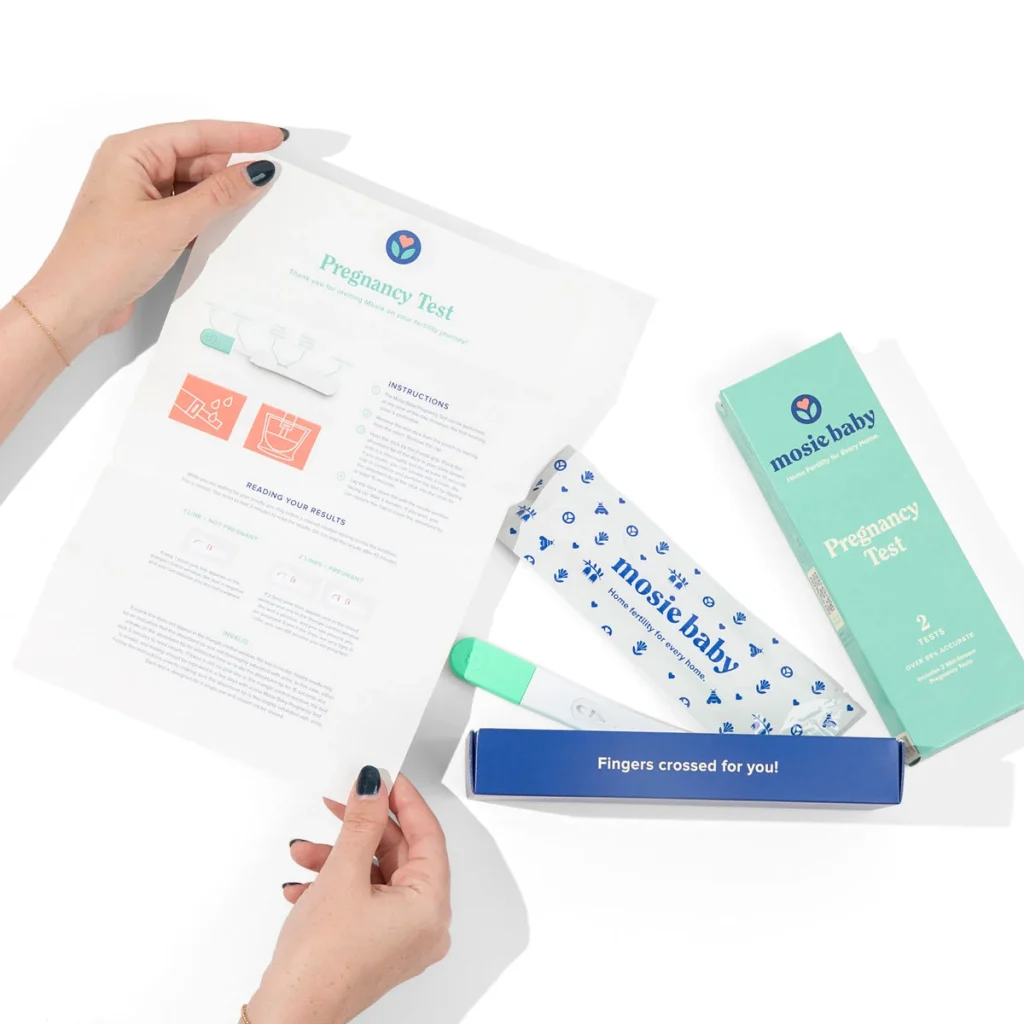
    Mosie Baby pregnancy test kit with two tests and packaging, featuring a mint green color scheme.

    The Best Supplements to Include in Your Insemination Made Easy Starter Pack

    5. Probiotics
    Probiotics are beneficial bacteria that help maintain a healthy balance in the gut. They can also help improve overall reproductive health by reducing inflammation and boosting the immune system. Studies have shown that women who take probiotics have a higher chance of conceiving and carrying a healthy pregnancy to term.

    6. Maca Root
    Maca root is a popular supplement that is believed to enhance fertility and libido. It is a root vegetable that has been used for centuries in traditional medicine to improve reproductive health. Maca root is rich in vitamins, minerals, and antioxidants, making it an excellent addition to your insemination starter pack.

    7. Vitex
    Vitex, also known as chasteberry, is an herb that has been used for centuries to promote hormonal balance and regulate menstrual cycles. It can be particularly beneficial for women with irregular periods or those with polycystic ovary syndrome (PCOS). Vitex can also help improve egg quality and increase the chances of conception.

    8. L-arginine
    L-arginine is an amino acid that helps increase blood flow to the reproductive organs, making it easier for sperm to reach the egg. It can also help improve sperm count and motility, making it an essential supplement for men undergoing insemination.

    9. Iron
    Iron is a crucial mineral for overall health, but it is especially important for women trying to conceive. Iron helps carry oxygen to the reproductive organs and can help prevent anemia, a condition that can affect fertility. It is recommended to have adequate iron levels before trying to conceive to increase the chances of a successful pregnancy.

    10. B-complex Vitamins
    B-complex vitamins, including B6, B12, and folate, are essential for reproductive health. They help regulate hormones, support a healthy pregnancy, and can help improve sperm and egg quality. B-complex vitamins are also crucial for the development of the baby’s brain and nervous system.

    In summary, when creating your insemination made easy starter pack, it is essential to include supplements that can help improve fertility, regulate hormones, and support a healthy pregnancy. These include folic acid, Coenzyme Q10, omega-3 fatty acids, vitamin D, probiotics, maca root, vitex, L-arginine, iron, and B-complex vitamins. It is always recommended to consult with a healthcare provider before starting any supplements, especially if you have any underlying medical conditions.

    SEO metadata:

  • Natural Conception on Your Own Terms: The Syringe Method

    Natural conception is a beautiful and miraculous process that allows individuals to create new life. However, for some people, traditional methods of conception may not be an option due to various reasons such as medical conditions, fertility issues, or personal preferences. In these cases, the syringe method, also known as “natural insemination,” provides a natural and empowering alternative for individuals who want to conceive on their own terms.

    The syringe method involves using a syringe to manually transfer sperm from a donor into the vagina, close to the cervix, during ovulation. This method can be done at home and does not require any medical interventions or procedures, making it a convenient and cost-effective option for those who want to conceive naturally.

    One of the main benefits of the syringe method is that it allows individuals to have control over their own conception journey. They can choose their own donor, whether it be a trusted friend or a donor from a sperm bank, and may even involve the donor in the process if desired. This gives individuals the freedom to create a unique and personalized experience, unlike traditional methods where a medical professional may be involved in the insemination process.

    Another advantage of the syringe method is its accessibility. Unlike other assisted reproductive techniques, the syringe method does not require any invasive procedures or medications. This makes it a viable option for individuals who are unable or unwilling to undergo medical interventions for various reasons. Additionally, the syringe method can be used by people of all genders, sexual orientations, and relationship statuses, making it an inclusive and versatile option for conception.

    pregnancy test kit with instructions, test device, and packaging on a white background

    Natural Conception on Your Own Terms: The Syringe Method

    Many individuals who have used the syringe method have reported feeling more connected to the conception process and their bodies. In traditional methods, conception can often feel detached and clinical, with little involvement from the individuals themselves. However, with the syringe method, individuals actively participate in the process and have a better understanding of their own fertility and ovulation cycles. This can be a powerful and empowering experience, as individuals feel more in tune with their bodies and the conception journey.

    One of the common concerns about the syringe method is the risk of sexually transmitted infections (STIs). However, if proper precautions are taken, such as using a sterile syringe and ensuring the donor has been tested for STIs, the risk can be minimized. It is also recommended to consult with a healthcare professional before attempting the syringe method to ensure the individual is in good reproductive health and to discuss any potential risks.

    Some individuals may also have concerns about the legal and social implications of using the syringe method. In most cases, the donor has no legal rights or responsibilities to the child, and the individual or couple using the method is considered the legal parents. However, it is important to research and understand the laws and regulations around donor conception in your specific location to ensure a clear understanding of the legal implications.

    In summary, the syringe method is a natural and empowering option for individuals who want to conceive on their own terms. It offers control, accessibility, and a more intimate and connected experience compared to traditional methods. While it may not be the right choice for everyone, it provides an alternative for those who are unable or unwilling to use medical interventions for conception.

  • Empowering Women: How the Syringe Method Can Help You Take Control of Your Fertility

    Empowering Women: How the Syringe Method Can Help You Take Control of Your Fertility

    In today’s society, women are constantly juggling multiple roles and responsibilities. They are expected to excel in their careers, maintain a happy and healthy relationship, and fulfill their duties as mothers. However, one aspect of their lives that often gets overlooked is their reproductive health. With the pressure to do it all, many women struggle to find the time and resources to take control of their fertility. This is where the syringe method comes in – a simple and effective way for women to monitor and manage their fertility at home. In this blog post, we will explore how the syringe method can empower women to take charge of their reproductive health and make informed decisions about their fertility.

    Understanding the Syringe Method

    The syringe method, also known as cervical mucus monitoring or natural family planning, is a technique used to track a woman’s menstrual cycle and determine her most fertile days. This method involves observing changes in cervical mucus, which is a clear or white fluid secreted by the cervix. As a woman approaches ovulation, her cervical mucus becomes thin, slippery, and stretchy – similar to the consistency of egg whites. This indicates that the body is preparing for a potential pregnancy. By tracking these changes, women can identify their fertile window and plan or prevent pregnancy accordingly.

    Taking Control of Your Fertility

    The syringe method is a non-invasive and natural way for women to take control of their fertility. Unlike hormonal birth control methods, which can have side effects and interfere with the body’s natural cycle, the syringe method relies on a woman’s own body signals. This makes it a popular choice for women who are looking for a more natural and holistic approach to managing their fertility.

    Moreover, the syringe method puts the power back into the hands of women. It allows them to understand their bodies better and make informed decisions about their reproductive health. By tracking their menstrual cycle and identifying their fertile window, women can choose to either try to conceive or use protection to prevent pregnancy. This method also allows women to take a break from hormonal birth control methods, giving their bodies time to regulate and potentially alleviate any side effects they may have experienced.

    Affordable and Accessible

    Another advantage of the syringe method is that it is affordable and accessible to women of all backgrounds. Unlike other fertility tracking methods, such as ovulation predictor kits or fertility monitors, which can be costly, the syringe method only requires a simple tool – a syringe. This makes it a feasible option for women who may not have the financial means to invest in more expensive methods.

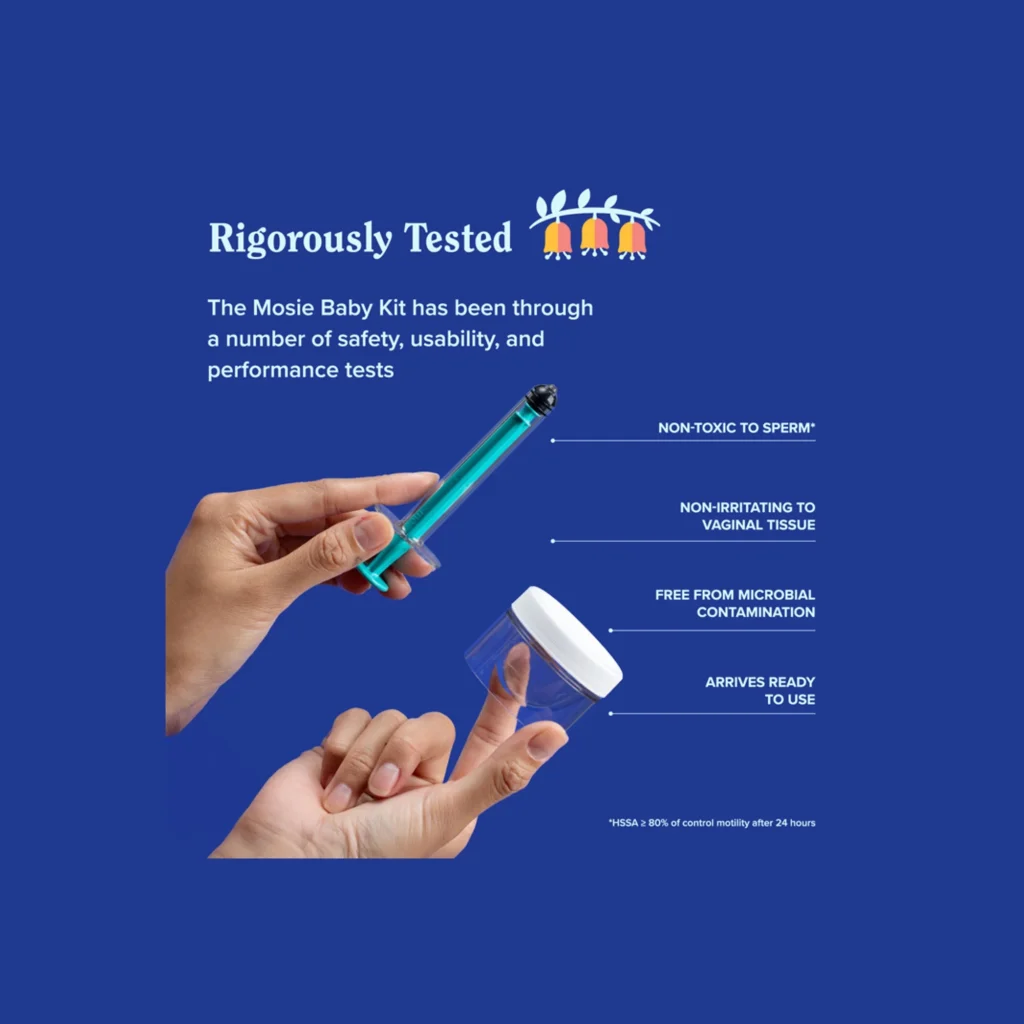
    Mosie Baby Kit features a syringe and container, highlighting safety and usability tests on a blue background.

    Empowering Women: How the Syringe Method Can Help You Take Control of Your Fertility

    Furthermore, the syringe method can be used by women at any stage of their reproductive journey. Whether a woman is trying to conceive or looking to prevent pregnancy, this method can be adapted to suit their needs. This makes it a versatile and valuable tool for women who want to make informed decisions about their fertility.

    Promoting Body Literacy

    In addition to helping women manage their fertility, the syringe method also promotes body literacy. By tracking their menstrual cycle and observing changes in their cervical mucus, women become more attuned to their bodies and their natural rhythms. This can lead to a deeper understanding of their overall health and well-being.

    Moreover, the syringe method can also help women identify any potential issues with their reproductive health. Changes in cervical mucus can indicate hormonal imbalances, infections, or other underlying conditions that may require medical attention. By regularly monitoring their cervical mucus, women can detect these issues early on, leading to better treatment outcomes.

    Challenges and Limitations

    While the syringe method has several benefits, it also has its limitations and challenges. One of the most significant challenges is the need for consistency and accuracy. To effectively track their fertility, women need to observe and record changes in their cervical mucus every day. This can be challenging for women with busy schedules or irregular periods. Additionally, the syringe method may not be suitable for women with certain health conditions that affect their cervical mucus, such as cervical infections or polyps.

    Moreover, the syringe method does not protect against sexually transmitted infections (STIs). It is essential for women to use protection during their fertile window if they are not trying to conceive to prevent the risk of STIs.

    Summary

    The syringe method is a natural and effective way for women to take control of their fertility. By tracking changes in cervical mucus, women can identify their fertile window and make informed decisions about their reproductive health. This method is affordable, accessible, and promotes body literacy, making it a valuable tool for women of all backgrounds. However, it is essential to be consistent and accurate when using this method and to understand its limitations and challenges.

  • DIY Fertility Boosting: 23 Tools for a Healthier and More Successful Pregnancy

    Summary:

    Are you and your partner trying to conceive but having trouble getting pregnant? Fertility issues can be frustrating and disheartening, but there are many simple and natural ways to boost your fertility and increase your chances of a successful pregnancy. In this blog post, we will discuss 23 tools for enhancing fertility and improving overall reproductive health. From diet and exercise to stress management and supplements, these DIY fertility boosting tools can help you and your partner on your journey towards parenthood.

    1. Establish a Healthy Diet: The food we eat plays a crucial role in our overall health, including our reproductive health. Make sure to include plenty of fresh fruits and vegetables, lean proteins, and healthy fats in your diet. Avoid processed foods, excessive sugar and caffeine, and alcohol.

    2. Manage Your Weight: Being either underweight or overweight can affect fertility. Aim for a healthy weight by maintaining a balanced diet and incorporating regular exercise into your routine.

    3. Exercise Regularly: Regular physical activity not only helps with weight management but also improves blood flow and reduces stress levels, all of which can contribute to better fertility.

    4. Quit Smoking: Smoking has been linked to reduced fertility in both men and women. If you or your partner smokes, consider quitting to increase your chances of getting pregnant.

    5. Reduce Stress Levels: Stress can have a negative impact on fertility. Find ways to manage stress, such as yoga, meditation, or spending time outdoors.

    6. Track Your Cycle: Knowing your menstrual cycle can help you determine your most fertile days and increase your chances of conception. There are many apps and tools available to help you track your cycle.

    7. Use Ovulation Predictor Kits: These kits can help you pinpoint when you are ovulating, making it easier to time intercourse for optimal chances of conception.

    8. Address Any Underlying Health Issues: Certain health conditions, such as polycystic ovary syndrome (PCOS) or thyroid problems, can affect fertility. Consult with your doctor to address any underlying issues.

    9. Consider Acupuncture: Acupuncture has been shown to improve fertility by reducing stress, improving blood flow to the reproductive organs, and regulating hormones.

    10. Try Fertility Massage: Fertility massage can help improve blood flow to the reproductive organs, reduce stress, and improve hormonal balance.

    11. Incorporate Fertility-Boosting Foods: Certain foods, such as dark leafy greens, whole grains, and healthy fats, have been shown to boost fertility. Include these in your diet for optimal results.

    home insemination kit components: a syringe and a collection container against a blue background.

    DIY Fertility Boosting: 23 Tools for a Healthier and More Successful Pregnancy

    12. Stay Hydrated: Drinking enough water is essential for overall health and can also help with fertility. Aim for at least 8 glasses of water per day.

    13. Consider Supplements: Certain supplements, such as folic acid, vitamin D, and CoQ10, have been shown to improve fertility. Consult with your doctor before adding any supplements to your routine.

    14. Use Natural Lubricants: Some lubricants can actually hinder sperm movement, so consider using natural options such as coconut oil or fertility-friendly lubricants.

    15. Get Enough Sleep: Getting enough quality sleep is crucial for reproductive health. Aim for 7-9 hours of sleep per night.

    16. Avoid Exposure to Harmful Chemicals: Certain chemicals found in everyday products, such as BPA and phthalates, can disrupt hormones and affect fertility. Choose natural and organic options when possible.

    17. Try Herbal Remedies: Some herbs, such as red clover and chasteberry, have been used for centuries to boost fertility. Consult with a trained herbalist before using any herbal remedies.

    18. Consider Traditional Chinese Medicine: Traditional Chinese Medicine, including acupuncture and herbal remedies, has been shown to improve fertility and regulate menstrual cycles.

    19. Get Regular Check-Ups: Regular visits to your doctor can help identify any potential fertility issues and address them early on.

    20. Use Essential Oils: Certain essential oils, such as clary sage and geranium, can help balance hormones and improve fertility. Use caution and consult with a trained aromatherapist before using essential oils.

    21. Practice Self-Care: Taking care of yourself and prioritizing your mental and emotional well-being can have a positive impact on fertility. Make time for activities you enjoy and surround yourself with supportive and positive people.

    22. Consider Alternative Therapies: Some alternative therapies, such as chiropractic care and naturopathy, can help improve fertility by addressing underlying issues and promoting overall wellness.

    23. Communicate with Your Partner: Open and honest communication with your partner is essential when trying to conceive. Discuss your feelings, support each other, and work together towards your goal of starting a family.

    In conclusion, boosting fertility and increasing the chances of a successful pregnancy can be achieved through simple and natural methods. By incorporating these 23 tools into your routine, you and your partner can improve your overall reproductive health and increase your chances of conceiving. Remember to consult with your doctor before making any significant changes to your diet or lifestyle, and always listen to your body’s needs.