Tag: Reproductive Health

  • The Empowered Mom: How the Kit is Giving Women Control Over Their Fertility

    Summary:

    For centuries, women have been told that their fertility is something they have no control over. However, with advancements in technology and medicine, women now have access to tools that can help them take charge of their reproductive health. One such tool is the fertility kit, which empowers women by giving them control over their fertility. In this blog post, we will explore how the fertility kit is changing the game for women and why it is important for women to be in control of their fertility.

    Firstly, let’s understand what a fertility kit is and how it works. A fertility kit is a collection of tools and tests that allow women to track and monitor their menstrual cycle, ovulation, and overall reproductive health. These kits typically include ovulation prediction tests, basal body temperature thermometers, and other tools that help women understand and track their fertility. By using these tools, women can gain a better understanding of their body and their reproductive cycle.

    One of the key benefits of the fertility kit is that it allows women to take control of their family planning. Unlike traditional birth control methods that are often controlled by external factors such as medication or a partner, the fertility kit puts the power in the hands of women. It allows them to make informed decisions about when to try to conceive or avoid pregnancy altogether. This not only gives women more control over their reproductive choices but also empowers them to take charge of their own bodies.

    Two transparent syringes with teal accents positioned diagonally on a light gray background.

    The Empowered Mom: How the Kit is Giving Women Control Over Their Fertility

    Another crucial aspect of the fertility kit is that it helps women understand their fertility and reproductive health. By tracking their menstrual cycles and ovulation, women can identify any irregularities or potential health issues. This knowledge can then be used to seek medical advice and address any problems before they become more severe. The fertility kit not only helps women plan for pregnancy but also serves as a valuable tool for maintaining overall reproductive health.

    Moreover, the fertility kit is beneficial for women who are trying to conceive. By monitoring their ovulation and menstrual cycle, women can pinpoint the most fertile days in their cycle and increase their chances of getting pregnant. This is especially helpful for women who may have irregular cycles or are struggling with fertility issues. The fertility kit takes the guesswork out of trying to conceive and gives women the necessary information to plan their journey towards motherhood.

    In addition to the practical benefits, the fertility kit also has a significant impact on women’s mental and emotional well-being. By being able to track and understand their fertility, women feel more in control of their bodies and their lives. It can reduce the stress and anxiety that often comes with trying to conceive and alleviate the pressure on women to get pregnant within a specific timeframe. This sense of empowerment can also extend to other aspects of a woman’s life, leading to increased confidence and self-esteem.

    Furthermore, the fertility kit is a cost-effective and convenient option for women. Unlike other fertility treatments or methods, the kit is affordable and can be used in the comfort of one’s home. This makes it accessible to a wider range of women who may not have access to expensive fertility treatments. The fertility kit also eliminates the need for frequent doctor’s visits, saving women time and money.

    In conclusion, the fertility kit is a game-changer for women’s reproductive health. It offers a range of benefits, from giving women control over their family planning to promoting overall reproductive health and well-being. By using the fertility kit, women can take charge of their fertility and make informed decisions about their reproductive choices. It is an essential tool for empowering women and giving them the freedom to plan their lives on their terms.


  • Taking Control: The Benefits of the Conception on Your Own Terms Kit

    Blog Post:

    Taking Control: The Benefits of the Conception on Your Own Terms Kit

    Parenthood is a life-changing experience that can bring immense joy and fulfillment, but it also comes with its own set of challenges and responsibilities. For many people, the decision to have a baby is a major one that requires careful planning and consideration. In recent years, there has been a growing trend towards taking control of one’s fertility and choosing when and how to start a family. This has led to the development of various conception kits, but one stands out in particular – the Conception on Your Own Terms Kit. In this blog post, we will explore the benefits of this innovative kit and how it can empower individuals to take control of their reproductive health and family planning journey.

    What is the Conception on Your Own Terms Kit?

    The Conception on Your Own Terms Kit is a comprehensive and personalized kit designed to help individuals and couples track their fertility and increase their chances of conceiving naturally. It includes everything from ovulation predictor kits and basal body temperature thermometers to prenatal vitamins and fertility-friendly lubricants. The kit also comes with a user-friendly app that allows users to track their menstrual cycles, record their fertility signs, and receive personalized recommendations based on their unique data.

    The Benefits of Taking Control with the Conception on Your Own Terms Kit

    1. Empowering individuals to understand their bodies

    One of the biggest benefits of the Conception on Your Own Terms Kit is that it empowers individuals to understand their bodies and their fertility. The app provides valuable information about the menstrual cycle, ovulation, and fertility signs, helping users to become more knowledgeable about their reproductive health. This knowledge not only increases confidence but also allows individuals to make informed decisions about their family planning journey.

    sperm-ready insemination kit with a syringe and container, featuring a screw top lid and non-tip safety wall

    Taking Control: The Benefits of the Conception on Your Own Terms Kit

    2. Personalized and tailored to individual needs

    Every person’s body and fertility journey is unique, and the Conception on Your Own Terms Kit recognizes that. The app takes into account factors such as age, weight, medical history, and menstrual cycle irregularities to provide personalized recommendations and insights. This ensures that the kit is tailored to each individual’s specific needs, increasing the chances of conception and reducing the risk of potential complications.

    3. Encourages natural conception

    For those who are looking to conceive naturally, the Conception on Your Own Terms Kit can be a game-changer. With its ovulation predictor kits and fertility-friendly lubricants, the kit helps individuals identify their most fertile days and optimize their chances of conception. This is especially beneficial for those who may not want to pursue medical interventions such as in-vitro fertilization (IVF) or other assisted reproductive techniques (ART).

    4. Cost-effective alternative to medical interventions

    Speaking of medical interventions, the Conception on Your Own Terms Kit can be a cost-effective alternative for those who are struggling with fertility issues. IVF and other ART procedures can be expensive, and not everyone has access to or can afford them. The Conception on Your Own Terms Kit provides a more affordable option for those who want to take control of their fertility and increase their chances of conceiving without breaking the bank.

    5. A holistic approach to fertility

    The Conception on Your Own Terms Kit takes a holistic approach to fertility, addressing not just physical but also emotional and mental well-being. The app offers guided meditations and stress-reducing exercises, recognizing the impact that stress and mental health can have on fertility. By focusing on overall health and well-being, the kit promotes a positive and healthy mindset for individuals on their journey to parenthood.

    In summary, the Conception on Your Own Terms Kit offers a comprehensive and personalized approach to fertility that empowers individuals to take control of their reproductive health and family planning journey. With its user-friendly app, personalized recommendations, and holistic approach, the kit provides a valuable resource for those looking to conceive on their own terms.

  • A Comprehensive Guide to At-Home Insemination Solution Sets

    Summary:

    At-home insemination is becoming a popular option for individuals and couples looking to start a family. With advancements in technology and the availability of comprehensive solution sets, it is now easier than ever to perform the insemination process in the comfort of your own home. In this comprehensive guide, we will explore the different types of at-home insemination solution sets available, the benefits and considerations of each, and step-by-step instructions on how to use them effectively.

    Introduction:

    At-home insemination, also known as self-insemination or self-administered insemination, is a method of achieving pregnancy without medical assistance. It involves placing sperm into the reproductive tract through the use of a syringe, cup, or other device. This method is often used by same-sex couples, single individuals, or couples with fertility issues. At-home insemination is a cost-effective and convenient option for those who may not have access to traditional fertility treatments or prefer to have more control over the process.

    Types of At-Home Insemination Solution Sets:

    1. Conception Kits:
    Conception kits are comprehensive solution sets that include all the necessary tools and instructions for at-home insemination. These kits typically include a cervical cap, ovulation predictor kit, pregnancy test, and other necessary items. The cervical cap is used to collect and hold the sperm, while the ovulation predictor kit helps determine the most fertile time for insemination. These kits are available over-the-counter and can be purchased online or at a local pharmacy.

    2. At-Home Insemination Devices:
    There are also various devices available for at-home insemination, such as the Mosie Baby syringe or the Stork OTC. These devices are designed specifically for at-home insemination and make the process easier and more hygienic. They also come with detailed instructions and are generally more affordable than conception kits.

    3. DIY Insemination Solution Sets:
    For those looking for a more budget-friendly option, DIY insemination solution sets can be put together using household items. These sets typically include a syringe or turkey baster, a menstrual cup, and other necessary items. While these sets may be cheaper, they may not have the same level of sterility and precision as other solution sets.

    Benefits and Considerations of At-Home Insemination Solution Sets:

    1. Cost-effective:
    At-home insemination solution sets are generally more affordable than traditional fertility treatments, making them accessible to a wider range of individuals and couples.

    2. Convenience:
    Performing at-home insemination allows for more privacy and comfort compared to medical procedures. It also eliminates the need for frequent visits to a fertility clinic, making it a more convenient option for those with busy schedules or limited access to medical facilities.

    3. Control over the process:
    At-home insemination gives individuals and couples more control over the process and allows them to be more involved in their journey to parenthood.

    However, there are also some important considerations to keep in mind when using at-home insemination solution sets. These include:

    Mosie Baby kit with two jars, a syringe, and a supportive message card inside a colorful box.

    A Comprehensive Guide to At-Home Insemination Solution Sets

    1. Risk of infection:
    It is crucial to maintain a high level of sterility when performing at-home insemination to reduce the risk of infection. Make sure to follow the instructions provided and use sterile equipment to avoid any complications.

    2. Success rates:
    The success rates of at-home insemination may not be as high as traditional fertility treatments. It is important to have realistic expectations and be prepared to try multiple times before achieving pregnancy.

    3. Legal concerns:
    In some countries, at-home insemination may not be legally recognized, and the non-biological parent may face legal challenges in establishing parental rights. It is important to research and understand the laws and regulations in your country or state before proceeding with at-home insemination.

    Step-by-Step Guide to At-Home Insemination:

    1. Determine the most fertile time:
    Using an ovulation predictor kit or tracking your menstrual cycle, determine the most fertile time for insemination. This is usually around the time of ovulation, which occurs approximately 14 days after the first day of your last period.

    2. Prepare the sperm:
    If using donor sperm, make sure to follow the instructions provided by the sperm bank. If using a known donor, make sure to discuss any necessary testing and screening beforehand.

    3. Prepare the insemination solution set:
    Follow the instructions provided with the solution set to ensure proper sterilization of all equipment.

    4. Collect the sperm:
    Collect the sperm using the provided tools or a clean cup.

    5. Insert the sperm:
    Using the provided syringe or device, insert the sperm into the reproductive tract. The most common method is to place the sperm near the cervix, but other methods may vary depending on the type of device used.

    6. Remain in a reclined position:
    After insemination, it is recommended to remain in a reclined position for 15-20 minutes to increase the chances of successful fertilization.

    7. Take a pregnancy test:
    Wait at least two weeks and take a pregnancy test to determine if the insemination was successful. If the test is positive, make an appointment with a healthcare provider for confirmation and further guidance.

    Conclusion:

    At-home insemination solution sets offer a convenient and cost-effective option for individuals and couples looking to start a family. With various types of solution sets available, it is important to research and choose the one that best fits your needs and budget. By following the step-by-step guide and considering the benefits and considerations, you can increase your chances of a successful and safe at-home insemination.

  • Breaking the Stigma: The Revolutionary Approach of At-Home Insemination Solution Sets

    Breaking the Stigma: The Revolutionary Approach of At-Home Insemination Solution Sets

    In the past, starting a family was often seen as a traditional and straightforward process – a couple would get married, try to conceive naturally, and eventually have children. However, in recent years, there has been a shift in society’s understanding and acceptance of different family structures, including single-parent households, same-sex partnerships, and individuals who may not have a partner but still desire to have a child.

    With this shift, there has also been a growing demand for alternative methods of conceiving, such as at-home insemination. At-home insemination is a process in which sperm is placed inside the uterus to fertilize an egg, without the need for sexual intercourse. This method has become increasingly popular among individuals or couples who are unable to conceive naturally, or for those who want to have more control over their conception journey.

    While this method has gained popularity, it still carries a significant stigma that needs to be broken. In this blog post, we will explore the revolutionary approach of at-home insemination solution sets and how they can help break the stigma surrounding this method.

    The Stigma Surrounding At-Home Insemination

    Despite the growing acceptance of non-traditional family structures, there is still a significant stigma surrounding at-home insemination. This stigma is fueled by various misconceptions and societal norms about reproduction and fertility.

    One of the biggest misconceptions is that at-home insemination is only used by same-sex couples or individuals struggling with infertility. This belief reinforces the idea that this method is only for those who cannot conceive naturally, and therefore, it is seen as a last resort. This stigma can be harmful and isolating for those who choose at-home insemination as their preferred method of conception.

    Another stigma surrounding at-home insemination is that it is not a legitimate or safe method of conceiving. This misconception is based on the idea that this method is not performed by medical professionals in a clinical setting, making it less reliable and potentially dangerous. However, with the advancements in technology and the availability of at-home insemination solution sets, this method has become a safe and effective option for many individuals and couples.

    Smiling baby in a blue onesie with "made with Love" text, lying on a light blue crocheted blanket.

    Breaking the Stigma: The Revolutionary Approach of At-Home Insemination Solution Sets

    The Revolutionary Approach of At-Home Insemination Solution Sets

    At-home insemination solution sets have revolutionized the way individuals and couples can conceive at home. These sets provide all the necessary tools and instructions for a safe and successful at-home insemination process. They typically include a syringe, ovulation predictor kits, and pre-seed lubricant, among other items.

    One of the most significant benefits of at-home insemination solution sets is that they provide a more affordable option for individuals and couples. Traditional methods of insemination, such as intrauterine insemination (IUI), can cost thousands of dollars, making it inaccessible for many. With at-home insemination solution sets, individuals can save money by performing the process in the comfort of their own home.

    Additionally, at-home insemination solution sets allow for more privacy and control over the conception journey. This is especially important for individuals or couples who may not feel comfortable with the clinical setting of traditional methods or who want to have a more intimate experience. With these sets, individuals can choose the timing and location of the insemination, giving them a sense of empowerment and ownership over their journey.

    Breaking the Stigma and Promoting Inclusivity

    At-home insemination solution sets are not only a more affordable and convenient option, but they also promote inclusivity and break the stigma surrounding at-home insemination. By providing a safe and effective way for individuals and couples to conceive at home, these sets challenge the notion that at-home insemination is only for those who cannot conceive naturally. They also allow individuals from all backgrounds and family structures to start a family on their own terms.

    Moreover, the use of at-home insemination solution sets helps to dismantle the idea that this method is not a legitimate or safe option. These sets come with clear instructions and tools that make the process just as reliable and safe as traditional methods. By promoting education and awareness about at-home insemination solution sets, we can break the stigma and encourage inclusivity and acceptance in the reproductive health community.

    In conclusion, at-home insemination solution sets have revolutionized the way individuals and couples can conceive, providing a more affordable, private, and inclusive option. By breaking the stigma surrounding at-home insemination and promoting education and awareness about these solution sets, we can create a more accepting and inclusive environment for all individuals and families on their journey towards parenthood.

  • DIY Baby-Making: A Closer Look at At-Home Insemination Solution Sets

    Summary:

    For many couples, starting a family is a deeply personal and emotional journey. However, not all couples are able to conceive naturally, and some may choose to explore other options such as assisted reproductive technology. One such option is DIY baby-making through at-home insemination solution sets. In this blog post, we will take a closer look at what these sets are, how they work, and if they are a viable option for couples looking to conceive at home.

    First, let’s define what DIY baby-making is. Essentially, it involves using at-home insemination kits to facilitate the process of sperm being placed into the female reproductive tract in order to increase the chances of fertilization. This can be done either with the help of a partner or through self-insemination. These kits typically include everything needed for the process, such as sperm collection cups, syringes, and sometimes even ovulation tests.

    One of the main reasons couples may turn to DIY baby-making is due to fertility issues. While there are many possible causes of infertility, one common issue is low sperm count or poor sperm quality. In these cases, using an at-home insemination kit can help by increasing the concentration of sperm that reaches the cervix, giving it a better chance of reaching and fertilizing an egg.

    Another reason couples may choose DIY baby-making is for privacy and convenience. Assisted reproductive technology, such as intrauterine insemination (IUI) or in vitro fertilization (IVF), can be costly and often require multiple doctor visits. Some couples may prefer to avoid the medical setting and the costs associated with it, and instead opt for the intimacy and privacy of their own home.

    comparison of Mosie syringe opening versus standard syringe opening with text highlighting benefits

    DIY Baby-Making: A Closer Look at At-Home Insemination Solution Sets

    Now, let’s take a closer look at how these at-home insemination solution sets work. The process typically involves a few steps. First, the male partner will collect a semen sample in the provided cup. It is important to follow the instructions carefully to ensure the sample is not contaminated. Once the sample is collected, it is then transferred into a syringe and placed into the vagina near the cervix. This can be done either by the partner or through self-insemination using an applicator.

    It is important to note that at-home insemination is not a guaranteed method of conception. While it can increase the chances of pregnancy, it is not as effective as other assisted reproductive technologies. Additionally, there are certain factors to consider before attempting DIY baby-making. For example, it may not be suitable for couples with certain medical conditions, such as endometriosis or blocked fallopian tubes. It is always best to consult with a healthcare provider before attempting at-home insemination.

    Furthermore, it is crucial to ensure the sperm used in the process is healthy and viable. This can be achieved through purchasing sperm from a reputable sperm bank or using a known sperm donor. It is important to thoroughly screen the donor for any potential health risks and to have a legal agreement in place.

    In addition to the physical process, there are also emotional and psychological aspects to consider when embarking on the journey of DIY baby-making. It is important for couples to have open and honest communication about their expectations, fears, and concerns. It can also be helpful to seek support from a therapist or support group to navigate any emotional challenges that may arise.

    In conclusion, DIY baby-making through at-home insemination solution sets can be a viable option for couples looking to conceive at home. It offers privacy, convenience, and can increase the chances of pregnancy for couples facing fertility issues. However, it is important to carefully consider all factors and consult with a healthcare provider before attempting this method. With proper planning and communication, DIY baby-making can be a successful and fulfilling journey for couples.

    SEO metadata:

  • Breaking Barriers: How At-Home Insemination Solution Sets Empower Families

    Breaking Barriers: How At-Home Insemination Solution Sets Empower Families

    In today’s society, the definition of family has evolved to become more inclusive and diverse. With advancements in reproductive technology and changing social norms, families can be formed in various ways, including through at-home insemination. This method of conception has opened up new possibilities for individuals and couples who are looking to start or expand their families. In this blog post, we will explore how at-home insemination solution sets are breaking barriers and empowering families.

    What is At-Home Insemination?

    At-home insemination, also known as self-insemination, is a method of conception that involves placing sperm into the vagina or cervix using a syringe or other device. This can be done at home without the assistance of a medical professional. At-home insemination is often used by same-sex couples, single individuals, and couples struggling with infertility.

    Breaking Barriers: Accessibility

    One of the biggest barriers to starting a family for many individuals and couples is the cost of fertility treatments. Traditional methods of insemination, such as intrauterine insemination (IUI) or in vitro fertilization (IVF), can be expensive and not always covered by insurance. At-home insemination solution sets, on the other hand, are much more affordable and accessible.

    These solution sets typically include everything needed for the insemination process, such as a syringe, sperm-friendly lubricant, and ovulation predictor kits. They can be purchased online or in stores without a prescription. This makes it possible for individuals and couples to try at-home insemination without breaking the bank.

    Empowering LGBTQ+ Individuals and Couples

    At-home insemination has also become a popular option for LGBTQ+ individuals and couples who want to start a family. For same-sex female couples, at-home insemination allows them to conceive using donor sperm. This eliminates the need for a sperm donor or medical procedures such as IUI, which can be costly and invasive.

    For same-sex male couples, at-home insemination using a surrogate is a viable option for starting a family. Surrogacy can be a lengthy and expensive process, and at-home insemination offers a more accessible alternative. It also allows for more intimacy and involvement in the conception process for both partners.

    Two transparent syringes with teal accents positioned diagonally on a light gray background.

    Breaking Barriers: How At-Home Insemination Solution Sets Empower Families

    At-home insemination also empowers transgender individuals who want to start a family. For transgender men, at-home insemination can be a way to conceive without the need for hormone therapy or gender-affirming surgery. It also allows for the preservation of fertility before undergoing medical treatments that may affect reproductive health.

    Privacy and Control

    Another barrier that at-home insemination solution sets break is the lack of privacy and control in traditional medical settings. Many individuals and couples feel uncomfortable with the idea of a doctor or nurse being involved in such an intimate process. At-home insemination allows for more privacy and control over the process.

    Individuals and couples can choose the timing and location of the insemination, as well as who is involved in the process. This can alleviate some of the stress and pressure that comes with fertility treatments. It also allows for a more personal and intimate experience, which can be beneficial for both partners.

    Promoting Reproductive Health

    At-home insemination also promotes reproductive health by giving individuals and couples a better understanding of their bodies and fertility. By tracking ovulation and performing the insemination themselves, they become more aware of their menstrual cycles and the signs of fertility. This can be helpful for those struggling with infertility, as it allows them to better time the insemination and improve their chances of conception.

    Additionally, at-home insemination solution sets typically include sperm-friendly lubricants, which can improve the chances of successful insemination. These lubricants are specifically designed to mimic the natural lubrication of the cervix and increase sperm survival and motility.

    Inclusivity and Acceptance

    Lastly, at-home insemination solution sets promote inclusivity and acceptance by normalizing non-traditional methods of starting a family. In a society where the definition of family is constantly evolving, it is important for individuals and couples to have options that suit their unique needs and desires. At-home insemination allows for more inclusivity and acceptance of all types of families, regardless of sexual orientation or gender identity.

    In summary, at-home insemination solution sets are breaking barriers and empowering families by providing a more accessible and affordable option for starting a family. They offer more control and privacy, promote reproductive health, and promote inclusivity and acceptance. As society continues to evolve and become more inclusive, at-home insemination will undoubtedly play a significant role in helping individuals and couples achieve their dreams of becoming parents.

  • Fertility Support for Men: Essential Items for Your Starter Pack

    Blog Post Title: Fertility Support for Men: Essential Items for Your Starter Pack

    Summary:

    When it comes to fertility, most of the focus is often on women and their journey towards motherhood. However, the fact is that fertility struggles can affect both men and women equally. In recent years, there has been a growing awareness about male infertility and the need for men to take an active role in their fertility journey. This is where a fertility starter pack for men can come in handy. In this blog post, we will discuss the essential items that every man should have in their fertility starter pack to support their fertility journey.

    1. Multivitamins for Men: Just like women, men also need specific nutrients to support their reproductive health. A good quality multivitamin for men can help ensure that your body has all the necessary vitamins and minerals for optimal sperm production and function. Look for multivitamins that contain key nutrients such as zinc, selenium, vitamin C, and vitamin E, which have been linked to improved sperm quality.

    2. Fertility-Friendly Lubricant: Many couples trying to conceive may use lubricants during intercourse to enhance their experience. However, not all lubricants are sperm-friendly. Some can even harm sperm and make it harder for them to reach the egg. It is essential to choose a fertility-friendly lubricant that is free of harmful ingredients such as parabens, glycerin, and oils. Look for lubricants specifically designed for couples trying to conceive, such as Pre-Seed or Conceive Plus.

    sperm-ready insemination kit with a syringe and container, featuring a screw top lid and non-tip safety wall

    Fertility Support for Men: Essential Items for Your Starter Pack

    3. Sperm Counting Kit: Knowing your sperm count is crucial when trying to conceive. A low sperm count can be a significant factor in male infertility. A sperm counting kit, also known as a home sperm test, can help you track your sperm count in the comfort of your own home. These kits are easy to use and can give you a general idea of your sperm count, although they are not as accurate as a lab test.

    4. Fertility Tracker App: Keeping track of your fertility cycle is essential when trying to conceive. Fertility tracker apps can help you monitor your ovulation and fertile window, making it easier to plan intercourse during the most fertile days. These apps also allow you to track other factors that can affect fertility, such as diet, exercise, and stress levels.

    5. Male Fertility Supplements: In addition to a multivitamin, there are specific supplements designed to support male fertility. These supplements can contain a combination of vitamins, minerals, and herbs that have been shown to improve sperm count, motility, and morphology. Some popular ingredients to look for in male fertility supplements include maca root, ashwagandha, and CoQ10.

    6. Underwear and Clothing: Believe it or not, the type of underwear and clothing you wear can affect your fertility. Tight underwear, such as briefs, can increase scrotal temperature, which can harm sperm production. Opt for loose-fitting underwear, such as boxers, to keep your testicles at a lower temperature. Additionally, avoid hot tubs, saunas, and other sources of heat that can also negatively impact sperm production.

    7. Stress-Relief Items: Stress can have a significant impact on fertility, and it is essential to find ways to reduce stress in your life. Your fertility starter pack should include items that can help you relax and unwind, such as a meditation app, a journal, or a stress ball. It is also important to find healthy ways to cope with stress, such as exercise, counseling, or spending time with loved ones.

    In conclusion, male fertility is just as important as female fertility when it comes to trying to conceive. By having a fertility starter pack with these essential items, men can actively support their fertility journey and increase their chances of successful conception. Remember, it is crucial to consult with a healthcare professional if you have any concerns about your fertility. With the right support and tools, you and your partner can work towards achieving your dream of starting a family.

  • Building a Strong Foundation for Fertility: What’s in the Starter Pack?

    Building a Strong Foundation for Fertility: What’s in the Starter Pack?

    Having a strong foundation for fertility is crucial for couples who are trying to conceive. While there may be various factors that can affect fertility, it is important to have a good understanding of what can contribute to a healthy reproductive system. In this blog post, we will discuss the essential elements of a starter pack for building a strong foundation for fertility.

    1. Nutritious Diet

    One of the most important factors in maintaining a healthy reproductive system is having a nutritious diet. A well-balanced diet that includes a variety of fruits, vegetables, whole grains, lean proteins, and healthy fats can provide the essential vitamins and minerals needed for reproductive health. Additionally, certain foods such as leafy greens, nuts, and seeds are rich in antioxidants and can help protect the reproductive system from damage caused by free radicals. It is also important to limit or avoid processed foods, sugary drinks, and excessive caffeine, as they can negatively impact fertility.

    2. Adequate Exercise

    Regular physical activity is not only important for overall health but also for fertility. Exercise helps to maintain a healthy weight and can also improve hormonal balance, which is essential for reproductive health. However, it is important to find a balance and avoid over-exercising, as excessive physical activity can actually have a negative impact on fertility. It is recommended to engage in moderate exercise for at least 30 minutes a day, five days a week.

    3. Stress Management

    Stress can have a significant impact on fertility. It can disrupt hormonal balance, lead to irregular menstrual cycles, and even affect sperm quality and quantity. Therefore, it is important for couples to find ways to manage stress and incorporate relaxation techniques into their daily routines. This can include activities such as yoga, meditation, deep breathing exercises, or simply taking some time for self-care and relaxation.

    Mosie Baby At-Home Insemination Kit instructions and storage guidelines on a blue background.

    Building a Strong Foundation for Fertility: What's in the Starter Pack?

    4. Proper Supplementation

    In addition to a nutritious diet, certain supplements can help support fertility and improve reproductive health. Folic acid, for example, is an essential nutrient for women who are trying to conceive as it can help prevent birth defects and support a healthy pregnancy. Other important supplements for fertility include omega-3 fatty acids, vitamin D, and Coenzyme Q10. It is important to consult with a healthcare professional before starting any new supplements to ensure they are safe and appropriate for your individual needs.

    5. Balanced Hormones

    Hormonal imbalances can significantly affect fertility in both men and women. Therefore, it is important to maintain balanced hormones to support a healthy reproductive system. This can be achieved through a combination of healthy lifestyle habits and proper supplementation, as well as seeking medical treatment if necessary. Women can track their menstrual cycles and look out for any irregularities or symptoms of hormonal imbalances, while men can undergo hormone testing to identify any potential issues.

    6. Regular Check-Ups

    Regular check-ups with a healthcare professional are essential for maintaining overall health and detecting any potential issues that may affect fertility. It is recommended for both partners to undergo a preconception check-up before trying to conceive to ensure they are in good health and identify any potential concerns. This can also include screening for sexually transmitted infections (STIs), which can have a significant impact on fertility.

    7. Positive Lifestyle Choices

    Along with proper diet and exercise, making positive lifestyle choices can also contribute to fertility. This includes avoiding smoking, excessive alcohol consumption, and drug use, as they can negatively impact reproductive health. It is also important to limit exposure to environmental toxins, such as pesticides and chemicals, which can also have a negative impact on fertility.

    In summary, building a strong foundation for fertility involves a combination of healthy lifestyle habits, proper supplementation, and regular check-ups. By incorporating these essential elements into your daily routine, you can support a healthy reproductive system and increase your chances of conceiving. Remember to always consult with a healthcare professional before making any significant changes to your diet or lifestyle, and to address any potential issues that may affect fertility.

  • Creating a Fertility-Friendly Environment: A Starter Pack for Success

    Creating a Fertility-Friendly Environment: A Starter Pack for Success

    Fertility is a topic that can often be surrounded by confusion, frustration, and even heartache. For many couples, the journey towards parenthood can be a challenging one, filled with various obstacles and setbacks. However, one thing that is often overlooked in the quest for conception is the environment in which we live. Our surroundings can greatly impact our overall health and well-being, including our fertility. In this blog post, we will explore the concept of creating a fertility-friendly environment and provide a starter pack for success.

    Why is Environment Important for Fertility?

    The environment we live in can have a significant impact on our reproductive health. Our bodies are constantly exposed to various toxins and chemicals from the air we breathe, the food we eat, and the products we use. These toxins can disrupt our hormonal balance, which is crucial for maintaining a healthy reproductive system.

    Furthermore, our daily habits and lifestyle choices also play a role in our fertility. Factors such as stress, lack of exercise, and poor nutrition can all affect our chances of conception. By creating a fertility-friendly environment, we can minimize our exposure to harmful substances and promote a healthy lifestyle, thus increasing our chances of getting pregnant.

    Creating a Fertility-Friendly Home

    Our homes are where we spend most of our time, so it’s essential to make sure they are a safe and healthy space for conception. Here are some tips for creating a fertility-friendly home:

    1. Eliminate Harmful Chemicals: Many household cleaning products, personal care products, and even furniture can contain harmful chemicals that can disrupt our hormonal balance. Switch to natural, non-toxic alternatives to reduce your exposure to these toxins.

    2. Improve Indoor Air Quality: The air we breathe inside our homes can be more polluted than the air outside. Invest in an air purifier to remove harmful particles from the air, and make sure to regularly change your air filters.

    3. Reduce Electromagnetic Fields (EMFs): EMFs from electronics, such as cell phones and laptops, have been linked to decreased sperm quality and fertility issues. Try to limit your exposure to these devices and keep them away from your bedroom.

    4. Create a Calming Space: Stress can have a negative impact on fertility, so it’s essential to create a peaceful and calming environment in your home. You can do this by adding plants, using essential oils, and creating a designated relaxation area.

    5. Promote a Healthy Sleep Environment: Getting enough quality sleep is crucial for our overall health, including fertility. Make sure your bedroom is dark, cool, and quiet to promote a good night’s rest.

    Creating a Fertility-Friendly Diet

    Mosie Baby Kit with a syringe and container, highlighting safety and usability features on a blue background.

    Creating a Fertility-Friendly Environment: A Starter Pack for Success

    What we eat can greatly impact our fertility. Here are some tips for creating a fertility-friendly diet:

    1. Focus on Whole Foods: Processed and packaged foods can contain harmful chemicals and preservatives that can disrupt our hormonal balance. Opt for fresh, whole foods to nourish your body and promote fertility.

    2. Increase Your Intake of Fruits and Vegetables: Fruits and vegetables are packed with essential nutrients and antioxidants that can boost fertility. Aim to include a variety of colorful fruits and vegetables in your daily meals.

    3. Incorporate Healthy Fats: Healthy fats, such as avocados, nuts, and olive oil, are essential for hormone production and reproductive health. Make sure to include these healthy fats in your diet.

    4. Stay Hydrated: Drinking enough water is crucial for maintaining a healthy reproductive system. Aim to drink at least eight glasses of water a day to stay hydrated.

    5. Limit Alcohol and Caffeine: Both alcohol and caffeine have been linked to fertility issues. It’s best to limit or avoid these substances when trying to conceive.

    Creating a Fertility-Friendly Lifestyle

    In addition to our home and diet, our overall lifestyle can also impact our fertility. Here are some tips for creating a fertility-friendly lifestyle:

    1. Manage Stress: Stress can disrupt our hormonal balance and interfere with fertility. Find healthy ways to manage stress, such as practicing yoga, meditation, or seeking therapy.

    2. Exercise Regularly: Regular exercise can help improve fertility by reducing stress, promoting hormone balance, and maintaining a healthy weight. Aim for at least 30 minutes of moderate exercise, such as walking or swimming, most days of the week.

    3. Get Enough Sleep: As mentioned earlier, quality sleep is crucial for fertility. Make sure to prioritize getting enough rest each night.

    4. Avoid Harmful Substances: Smoking, recreational drugs, and excessive alcohol consumption can all have a negative impact on fertility. It’s best to avoid these substances when trying to conceive.

    5. Communicate with Your Partner: Open communication with your partner is crucial when trying to conceive. Make sure to discuss any concerns or feelings you may have and work together to create a healthy and supportive environment for conception.

    In summary, creating a fertility-friendly environment involves making small but impactful changes to our home, diet, and lifestyle. By reducing our exposure to harmful substances, promoting a healthy diet and lifestyle, and managing stress, we can create an optimal environment for conception. Remember that everyone’s fertility journey is unique, and it’s essential to consult with a healthcare professional for personalized advice.

  • Maximizing Your Chances of Conception: The Fertility Support Starter Pack

    Maximizing Your Chances of Conception: The Fertility Support Starter Pack

    Conceiving a child is a deeply personal and emotional journey for many couples. While some may be lucky enough to get pregnant easily, others may struggle with fertility issues. In fact, according to the Centers for Disease Control and Prevention, about 12% of women in the United States aged 15-44 have difficulty getting pregnant or carrying a pregnancy to term. This can be a stressful and frustrating experience, but there are steps you can take to improve your chances of conception. In this blog post, we will discuss the fertility support starter pack, a comprehensive guide to maximizing your chances of conceiving a child.

    1. Understand Your Body

    The first step in maximizing your chances of conception is to understand your body and its reproductive cycle. This includes tracking your menstrual cycle, ovulation patterns, and any potential underlying health issues that may affect your fertility. One way to track your menstrual cycle is by using a fertility tracker or app, which can help you identify your most fertile days. You can also use at-home ovulation predictor kits to pinpoint the most fertile time in your cycle. It’s also important to pay attention to any symptoms or irregularities in your cycle and discuss them with your doctor. Understanding your body and its patterns is crucial in determining the best time to try for a baby.

    2. Maintain a Healthy Lifestyle

    Maintaining a healthy lifestyle is crucial for both partners when trying to conceive. This includes eating a balanced diet, exercising regularly, and avoiding unhealthy habits such as smoking and excessive alcohol consumption. Being at a healthy weight is also important, as being overweight or underweight can affect fertility. For women, being overweight can lead to irregular menstrual cycles and for men, it can affect sperm production. Additionally, certain medications and environmental toxins can also impact fertility. Discuss with your doctor any medications you are taking and make sure to limit exposure to harmful chemicals and toxins.

    3. Consider Fertility Supplements

    In addition to maintaining a healthy lifestyle, there are also fertility supplements that can help support conception. These supplements typically contain vitamins, minerals, and herbal ingredients that can help improve overall reproductive health. Some popular fertility supplements include CoQ10, Omega-3 fatty acids, and folic acid. It’s important to consult with your doctor before taking any supplements to ensure they are safe for you and your partner.

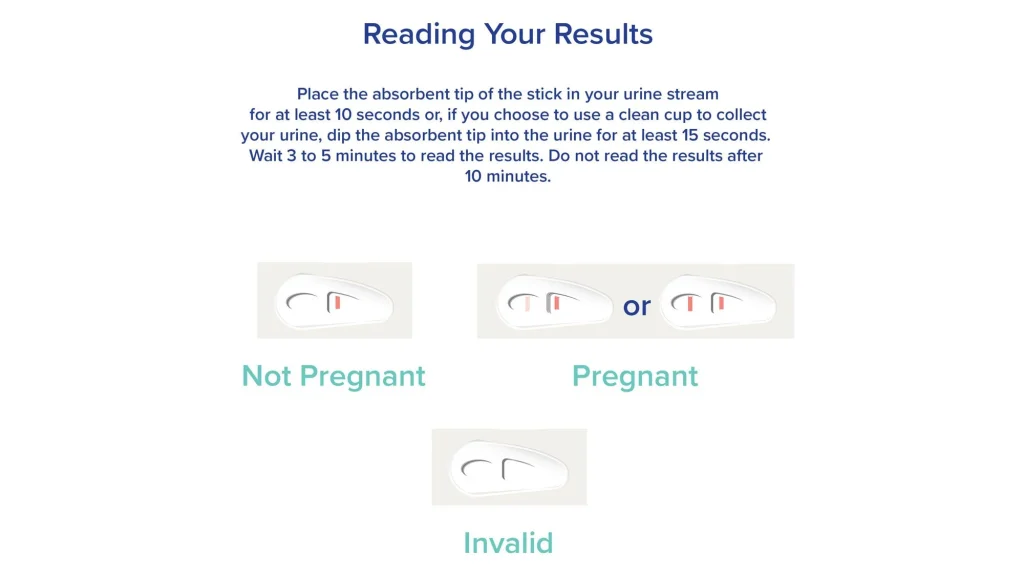
    Instructions for reading pregnancy test results with visual indicators for "Not Pregnant," "Pregnant," and "Invalid.

    Maximizing Your Chances of Conception: The Fertility Support Starter Pack

    4. Seek Emotional Support

    Dealing with fertility struggles can take a toll on a couple’s emotional well-being. It’s important to seek emotional support from loved ones, friends, or a professional therapist. Joining a support group with other couples going through similar experiences can also provide a sense of community and understanding. Taking care of your mental health during this journey is just as important as taking care of your physical health.

    5. Explore Fertility Treatments

    If you have been trying to conceive for a year or more without success, it may be time to explore fertility treatments. These can range from simple procedures such as intrauterine insemination (IUI) to more advanced treatments like in vitro fertilization (IVF). It’s important to discuss these options with your doctor and understand the potential risks and success rates associated with each treatment. It’s also important to keep an open mind and be prepared for the emotional and financial challenges that may come with fertility treatments.

    6. Reduce Stress

    Stress can have a negative impact on fertility by disrupting hormone levels and affecting ovulation. It’s important to find healthy ways to reduce stress, whether it’s through exercise, meditation, or engaging in activities you enjoy. It’s also helpful to have open and honest communication with your partner about your feelings and concerns.

    7. Don’t Give Up Hope

    The journey to conception can be a long and difficult one, but it’s important to not give up hope. Keep a positive attitude and continue to educate yourself about fertility and potential treatments. Remember that everyone’s journey is different and what works for one couple may not work for another. Stay in close communication with your doctor and have faith that your dream of becoming parents will eventually come true.

    In summary, maximizing your chances of conception requires a combination of understanding your body, maintaining a healthy lifestyle, seeking support, exploring treatments, and managing stress. By following these steps and staying patient and positive, you can increase your chances of conceiving a child and make your dream of becoming a parent a reality.