Tag: Reproductive Health

  • DIY Fertility Solutions: Understanding Your Menstrual Cycle

    Blog Post: DIY Fertility Solutions: Understanding Your Menstrual Cycle

    When it comes to fertility, many women struggle to conceive and find themselves seeking expensive medical treatments or procedures. However, there are natural and cost-effective DIY fertility solutions that can help women take control of their reproductive health. One key aspect of fertility that is often overlooked is understanding the menstrual cycle. In this blog post, we will explore the menstrual cycle and how understanding it can help women make informed decisions about their fertility.

    The Menstrual Cycle: An Overview

    The menstrual cycle is the monthly process that prepares a woman’s body for pregnancy. It is controlled by hormones and involves the release of an egg from the ovaries, thickening of the uterine lining, and shedding of the lining if pregnancy does not occur. The average menstrual cycle lasts between 28-32 days, but can vary from woman to woman.

    The Menstrual Cycle Phases

    The menstrual cycle is divided into four phases: the menstrual phase, the follicular phase, the ovulation phase, and the luteal phase.

    1. Menstrual Phase

    The menstrual phase is the beginning of the cycle and marks the first day of bleeding. This phase can last anywhere from 3-7 days. During this time, the uterine lining sheds, causing bleeding. The hormone levels are at their lowest, and the body starts to prepare for the next cycle by producing follicle-stimulating hormone (FSH).

    2. Follicular Phase

    The follicular phase starts on the first day of bleeding and lasts until ovulation. During this phase, the pituitary gland releases FSH, which stimulates the ovaries to produce follicles. Each follicle contains an egg, and the dominant follicle will continue to grow and prepare for ovulation.

    3. Ovulation Phase

    Ovulation is the process of releasing an egg from the ovary. This typically occurs around day 14 of a 28-day cycle but can vary from woman to woman. The egg travels down the fallopian tube and is available for fertilization for 12-24 hours. The surge of luteinizing hormone (LH) triggers ovulation.

    4. Luteal Phase

    The luteal phase starts after ovulation and lasts until the next menstrual cycle. During this phase, the egg travels through the fallopian tube and into the uterus. If fertilization occurs, the fertilized egg will implant into the uterine lining. If not, the uterine lining will start to shed, and a new cycle will begin.
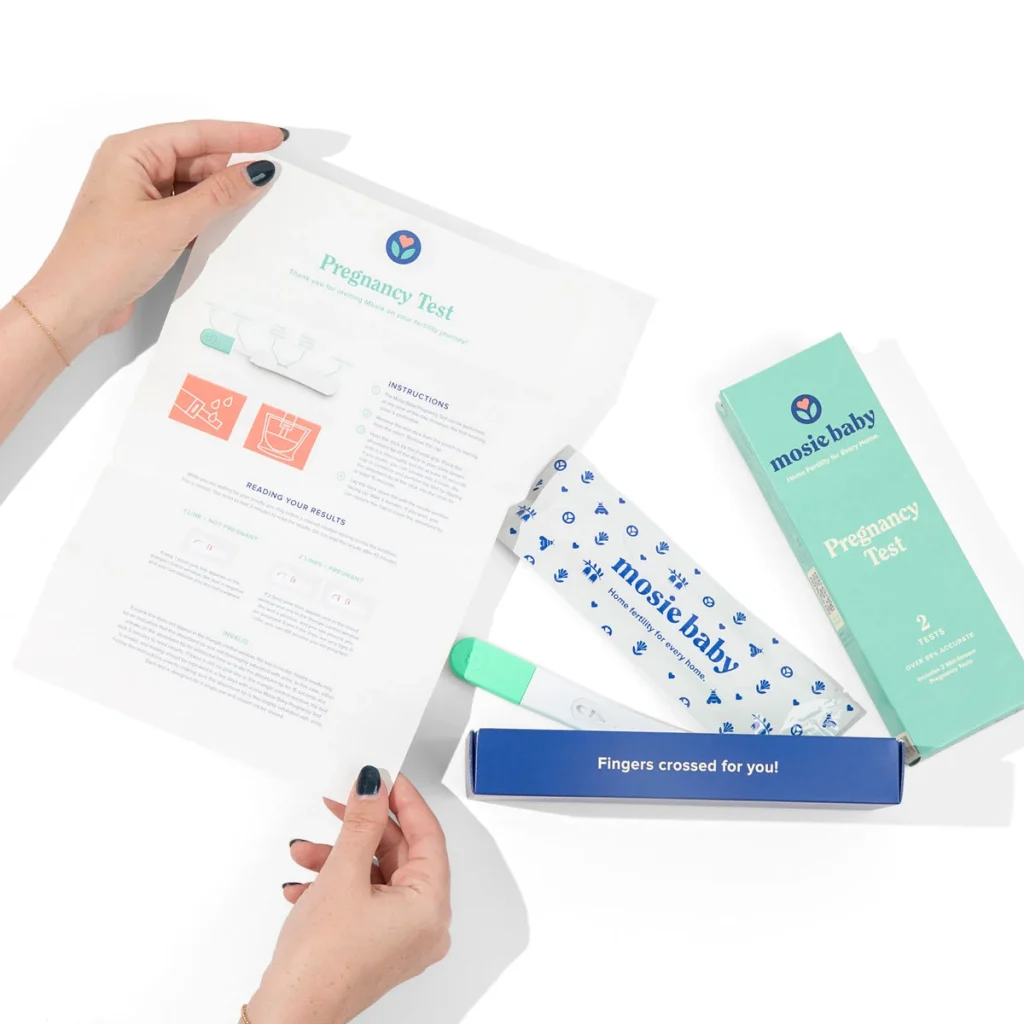
    pregnancy test kit with instructions, test device, and packaging on a white background

    DIY Fertility Solutions: Understanding Your Menstrual Cycle

    Tracking Your Menstrual Cycle

    Understanding your menstrual cycle is crucial for fertility, and tracking it can help you identify any irregularities or potential issues. There are many methods for tracking your cycle, such as using a fertility app, tracking your basal body temperature, or monitoring cervical mucus changes. By tracking your cycle, you can identify the length of your cycle, when you ovulate, and the length of your luteal phase.

    DIY Fertility Solutions for a Healthy Menstrual Cycle

    1. Maintain a Healthy Diet

    A healthy diet is crucial for overall health, including reproductive health. Eating a balanced diet rich in fruits, vegetables, whole grains, and lean proteins can help regulate hormone levels and promote a healthy menstrual cycle. Avoiding processed foods, excessive sugar and caffeine, and alcohol can also help prevent irregularities in the menstrual cycle.

    2. Exercise Regularly

    Regular exercise can also help regulate hormone levels and promote a healthy menstrual cycle. It can also help reduce stress, which can impact fertility. Aim for at least 30 minutes of moderate exercise, such as walking or jogging, most days of the week.

    3. Manage Stress Levels

    Stress can have a significant impact on the menstrual cycle, causing irregularities or even stopping ovulation altogether. Finding ways to manage stress, such as yoga, meditation, or therapy, can help regulate the menstrual cycle and improve fertility.

    4. Consider Natural Supplements

    Certain supplements, such as folic acid, vitamin D, and omega-3 fatty acids, have been shown to promote a healthy menstrual cycle and improve fertility. However, always consult with a healthcare professional before adding any supplements to your routine.

    5. Monitor Your Cervical Mucus

    Cervical mucus changes throughout the menstrual cycle and can provide valuable information about fertility. During ovulation, the mucus becomes more slippery and clear, resembling egg whites. By tracking these changes, you can determine the best time for conception.

    Summary:

    Understanding your menstrual cycle is crucial for fertility and can help women make informed decisions about their reproductive health. The menstrual cycle is divided into four phases: the menstrual phase, follicular phase, ovulation phase, and luteal phase. By tracking your cycle and making lifestyle changes such as maintaining a healthy diet, exercising regularly, managing stress levels, and considering natural supplements, you can promote a healthy menstrual cycle and improve your chances of conceiving naturally.


  • The Role of Nutrition in DIY Fertility Solutions

    Blog Post:

    In recent years, more and more couples are turning to do-it-yourself (DIY) fertility solutions to help them conceive. While there are many factors that can impact fertility, one aspect that often gets overlooked is nutrition. What we eat plays a crucial role in our overall health, and this includes our reproductive health. In this blog post, we will explore the role of nutrition in DIY fertility solutions and how making changes to our diet can improve our chances of conceiving.

    The Link Between Nutrition and Fertility

    Before we dive into specific nutrition strategies, it’s important to understand the link between nutrition and fertility. Our bodies require a variety of vitamins, minerals, and nutrients to function properly, and this includes our reproductive system. Certain nutrients, such as folic acid, iron, and zinc, are essential for healthy egg and sperm production. Inadequate levels of these nutrients can lead to fertility issues, such as irregular menstrual cycles, low sperm count, and difficulty ovulating.

    In addition, being either underweight or overweight can also affect fertility. Being underweight can lead to irregular periods and anovulation (lack of ovulation), while being overweight can disrupt hormone levels and lead to conditions like polycystic ovary syndrome (PCOS), which can make it difficult to conceive.

    With this in mind, it’s clear that nutrition plays a crucial role in fertility and should not be overlooked when trying to conceive.

    DIY Fertility Solutions and Nutrition

    When it comes to DIY fertility solutions, there are several nutrition strategies that can be helpful in improving fertility.

    1. Focus on a Balanced and Nutrient-Dense Diet

    One of the most important things you can do for your fertility is to focus on a balanced and nutrient-dense diet. This means incorporating a variety of whole, unprocessed foods into your meals, such as fruits, vegetables, whole grains, lean proteins, and healthy fats. These foods are rich in essential vitamins and minerals that are necessary for reproductive health.

    2. Increase Your Intake of Fertility-Boosting Nutrients

    As mentioned earlier, certain nutrients are particularly important for fertility. To increase your chances of conceiving, make sure your diet includes foods that are rich in these nutrients. For example, folic acid can be found in leafy green vegetables, legumes, and fortified cereals. Iron can be found in red meat, poultry, and seafood, while zinc can be found in oysters, beef, and pumpkin seeds.

    pregnancy test kit with instructions, test device, and packaging on a white background

    The Role of Nutrition in DIY Fertility Solutions

    3. Incorporate More Plant-Based Proteins

    While lean animal proteins are important for fertility, it’s also beneficial to incorporate more plant-based proteins into your diet. Plant-based proteins, such as beans, lentils, and tofu, are rich in antioxidants and anti-inflammatory properties, which can help improve reproductive health.

    4. Avoid Processed Foods and Added Sugars

    Processed foods and added sugars can have a negative impact on fertility. These foods are often high in calories and low in nutrients, which can lead to weight gain and hormonal imbalances. Instead, opt for whole, unprocessed foods to support your fertility goals.

    5. Consider Supplements

    In addition to a healthy diet, certain supplements can also be beneficial for fertility. These include folic acid, iron, and omega-3 fatty acids. However, it’s important to consult with your healthcare provider before starting any supplements, as some may interact with medications or have adverse effects.

    Other Factors to Consider

    While nutrition is a crucial aspect of DIY fertility solutions, it’s important to also address other factors that can affect fertility. These include managing stress levels, getting enough sleep, and avoiding harmful substances, such as tobacco and excessive alcohol.

    It’s also important to note that nutrition alone may not be enough to overcome certain fertility issues. If you have been trying to conceive for a year or more without success, it may be beneficial to seek the help of a fertility specialist who can provide personalized guidance and treatment options.

    In Summary

    Nutrition plays a vital role in our overall health, and this includes our reproductive health. For couples seeking DIY fertility solutions, focusing on a balanced and nutrient-dense diet can help improve their chances of conceiving. This includes incorporating fertility-boosting nutrients, increasing plant-based proteins, and avoiding processed foods and added sugars. However, it’s also important to address other factors that can affect fertility and seek professional help if needed.

    In conclusion, by making simple changes to our diet and lifestyle, we can support our reproductive health and increase our chances of conceiving naturally.

  • DIY Fertility Solutions for Women: Tips and Tricks

    Blog post:

    Fertility is a topic that many women think about, whether they are trying to conceive or simply planning for their future. While there are numerous medical treatments available for fertility, there are also plenty of DIY solutions that women can try to increase their chances of getting pregnant. In this blog post, we will discuss some tips and tricks for DIY fertility solutions for women.

    1. Understand your menstrual cycle

    The first step in boosting your fertility is to understand your menstrual cycle. This involves tracking your menstrual cycle and identifying your ovulation period. This can be done through various methods such as keeping a record of your menstrual cycle dates, tracking basal body temperature, or using ovulation predictor kits. By knowing when you are most fertile, you can time intercourse accordingly and increase your chances of conceiving.

    2. Maintain a healthy weight

    Being underweight or overweight can affect your fertility and make it difficult to conceive. It is essential to maintain a healthy weight to ensure your reproductive system is functioning correctly. Being underweight can cause irregular periods or even stop ovulation altogether, while being overweight can lead to hormonal imbalances and affect ovulation. Therefore, maintaining a healthy weight through a balanced diet and regular exercise can improve your fertility.

    3. Try fertility-friendly foods

    Certain foods can help boost fertility by providing the necessary vitamins and nutrients for reproductive health. Some of these foods include leafy greens, whole grains, lean proteins, and healthy fats. These foods are rich in vitamins and antioxidants, which can improve egg quality and regulate hormones. Including these foods in your diet can increase your chances of getting pregnant.

    4. Avoid harmful substances

    Smoking, excessive alcohol consumption, and drug use can have a significant impact on your fertility. Smoking can decrease fertility in women by reducing egg quality and quantity, while alcohol and drug use can disrupt hormones and interfere with ovulation. If you are trying to conceive, it is crucial to avoid these substances to increase your chances of getting pregnant.

    5. Use natural supplements

    Baby with blue eyes wearing a light blue onesie that says "made with Love" on a soft white background.

    DIY Fertility Solutions for Women: Tips and Tricks

    There are various natural supplements available that can help improve fertility in women. Some of the most popular supplements include folic acid, vitamin D, and CoQ10. These supplements can help regulate hormones, improve egg quality, and increase sperm count in men. However, it is essential to consult with your doctor before taking any supplements, as they may interact with other medications or have adverse effects.

    6. Reduce stress

    Stress can affect fertility by disrupting hormone levels and causing irregular menstrual cycles. It is essential to find ways to manage stress, whether it is through meditation, yoga, or simply taking time for yourself. Finding ways to relax and de-stress can help improve your fertility.

    7. Try acupuncture

    Acupuncture is an ancient Chinese practice that involves inserting thin needles into specific points on the body. It is believed to help regulate hormones and improve blood flow to the reproductive organs, thus increasing fertility. Many women have reported success in conceiving after undergoing acupuncture treatments.

    8. Consider herbal remedies

    There are various herbs that are believed to boost fertility in women, such as chasteberry, red raspberry leaf, and maca root. These herbs can help regulate hormones, improve egg quality, and increase libido. However, it is essential to consult with a healthcare professional before trying any herbal remedies, as they may interact with other medications or have side effects.

    9. Have regular intercourse

    Having regular intercourse is key to increasing your chances of getting pregnant. During your ovulation period, aim to have intercourse every other day to ensure that sperm is present in the reproductive system when an egg is released. This can improve your chances of fertilization and conception.

    10. Seek medical help if needed

    If you have been trying to conceive for a year or more without success, it is essential to seek medical help. A doctor can perform tests to identify any underlying fertility issues and provide appropriate treatment options. It is better to address any potential problems sooner rather than later, as fertility declines with age.

    In summary, there are various DIY fertility solutions that women can try to increase their chances of getting pregnant. By understanding your menstrual cycle, maintaining a healthy weight, trying fertility-friendly foods, avoiding harmful substances, using natural supplements, managing stress, trying acupuncture and herbal remedies, having regular intercourse, and seeking medical help if needed, you can boost your fertility and increase your chances of conceiving.

  • How to Create Your Own DIY Fertility Plan

    Blog Post:

    Fertility is a complex and personal issue that affects many individuals and couples. While seeking professional help is always a viable option, many people are turning to DIY fertility plans as a way to take control of their own reproductive health. These DIY plans can include a variety of methods and techniques, and the best part is that you can tailor them to your specific needs and preferences. In this blog post, we will guide you through the steps of creating your own DIY fertility plan, empowering you to take charge of your fertility journey.

    Step 1: Understand Your Body and Reproductive Health

    The first step in creating a DIY fertility plan is to understand your own body and reproductive health. This includes tracking your menstrual cycle, knowing when you ovulate, and understanding your overall health and lifestyle habits. There are several ways to track your menstrual cycle, such as using a period tracking app, keeping a menstrual calendar, or monitoring your basal body temperature. Knowing when you ovulate is crucial as this is the most fertile time in your cycle and the best time to try to conceive. Understanding your overall health and lifestyle habits, such as diet, exercise, stress levels, and any underlying health conditions, can also play a significant role in your fertility.

    Step 2: Make Lifestyle Changes

    Once you have a better understanding of your body and reproductive health, it’s time to make some lifestyle changes to improve your chances of conceiving. Start by incorporating a healthy and balanced diet into your daily routine. This should include plenty of fruits, vegetables, whole grains, and lean protein sources. Avoiding processed foods, excessive caffeine and alcohol, and smoking can also have a positive impact on your fertility. Regular exercise can also improve your overall health and increase your chances of conceiving. Additionally, reducing stress levels through activities like yoga, meditation, or acupuncture can also be beneficial for fertility.

    Step 3: Incorporate Fertility-Boosting Foods and Supplements

    In addition to making lifestyle changes, incorporating specific fertility-boosting foods and supplements into your diet can improve your chances of conceiving. Foods rich in antioxidants, such as berries, leafy greens, and nuts, can help improve egg quality and sperm health. Omega-3 fatty acids found in fish, flaxseed, and chia seeds can also have a positive impact on fertility. Supplements like folic acid, CoQ10, and vitamin D have also been shown to improve fertility in both men and women.

    at-home insemination kit featuring a syringe and container for fresh or donor sperm conception

    How to Create Your Own DIY Fertility Plan

    Step 4: Consider Alternative Therapies

    There are also various alternative therapies that can be beneficial for fertility. Acupuncture, for example, has been shown to improve fertility by increasing blood flow to the reproductive organs and reducing stress. Chiropractic care can also help improve fertility by correcting any spinal misalignments that may be affecting reproductive health. Other alternative therapies that may be worth considering include herbal remedies, homeopathic treatments, and aromatherapy.

    Step 5: Partner Communication and Support

    Creating a DIY fertility plan can be a challenging and emotional process, and it’s essential to have open communication with your partner throughout the journey. Discuss your plan with your partner and make sure you are on the same page about your goals and methods. Your partner’s support and understanding can make a significant difference in your fertility journey.

    Step 6: Monitor and Adjust Your Plan

    Once you have implemented your DIY fertility plan, it’s crucial to monitor and track its effectiveness. Keep track of your menstrual cycle, ovulation, and any changes in your overall health. If you are not seeing the desired results, don’t be afraid to adjust and modify your plan accordingly. Every person’s body is unique, and what works for one individual may not work for another.

    In summary, creating your own DIY fertility plan involves understanding your body and reproductive health, making lifestyle changes, incorporating fertility-boosting foods and supplements, considering alternative therapies, and having open communication and support from your partner. Remember to track and monitor your progress and make adjustments as needed. By taking control of your fertility journey, you can increase your chances of conceiving and achieve your dream of starting a family.

    SEO metadata:

  • DIY Fertility Solutions: Taking Control of Your Reproductive Health

    DIY Fertility Solutions: Taking Control of Your Reproductive Health

    Fertility is a topic that is often surrounded by stigma and secrecy, leaving many individuals feeling isolated and helpless when it comes to their reproductive health. However, with the rise of do-it-yourself (DIY) culture and the accessibility of information online, more and more people are taking control of their fertility and exploring DIY fertility solutions.

    In this blog post, we will discuss DIY fertility solutions and how they can empower individuals to take charge of their reproductive health. We will also explore the various methods and techniques that can be used for DIY fertility, as well as the precautions and considerations that should be taken into account.

    Understanding Fertility and the Importance of Taking Control

    Before we dive into DIY fertility solutions, it is important to have a basic understanding of fertility and its role in our lives. Fertility refers to a person’s ability to conceive and carry a pregnancy to full term. For many individuals, having control over their fertility is a crucial aspect of their lives, whether they are trying to avoid pregnancy or actively trying to conceive.

    Taking control of one’s fertility can also have various benefits, including a better understanding of one’s body and reproductive health, as well as the ability to make informed decisions about family planning. Additionally, DIY fertility solutions can provide a sense of empowerment and autonomy, especially for those who have struggled with fertility and have felt out of control in the past.

    DIY Fertility Methods and Techniques

    There are various methods and techniques that individuals can explore when it comes to DIY fertility. These include tracking ovulation, using natural family planning methods, and using at-home fertility tests and treatments.

    Tracking ovulation is a popular DIY fertility method, as it can help individuals identify their most fertile days and increase their chances of conception. This can be done by tracking changes in cervical mucus, taking basal body temperature, and using ovulation predictor kits.

    Smiling baby in a blue onesie with "made with Love" text, lying on a light blue crocheted blanket.

    DIY Fertility Solutions: Taking Control of Your Reproductive Health

    Natural family planning methods, also known as fertility awareness methods, involve tracking changes in the body to identify fertile and non-fertile days. This can include tracking menstrual cycles, cervical mucus, and basal body temperature. While these methods can be effective, they require consistent tracking and may not be as reliable as other forms of birth control.

    At-home fertility tests and treatments have also become increasingly popular in recent years. These include sperm count tests, hormone level tests, and even at-home insemination kits. While these DIY methods can provide valuable information and may be helpful for some individuals, it is important to consult a healthcare professional for accurate and personalized guidance.

    Precautions and Considerations for DIY Fertility Solutions

    While DIY fertility solutions can be empowering and effective, it is important to take precautions and consider potential risks. First and foremost, it is crucial to consult with a healthcare professional before embarking on any DIY fertility methods, especially if you have any underlying health conditions or concerns. They can provide personalized guidance and ensure that you are taking the necessary precautions for your specific situation.

    It is also important to research and educate yourself on the methods and techniques you are considering. This can help you make informed decisions and avoid any potential risks or complications. Additionally, it is important to be patient and realistic with DIY fertility solutions, as they may not work for everyone and may take time to show results.

    In some cases, individuals may also want to consider seeking professional assistance and guidance, such as working with a fertility specialist or attending support groups. These resources can provide valuable information and support, and may be especially helpful for those who are struggling with fertility issues.

    In Summary

    DIY fertility solutions can be a powerful tool for individuals who want to take control of their reproductive health. By understanding fertility and exploring various methods and techniques, individuals can make informed decisions and feel empowered in their fertility journey. However, it is important to take precautions and consider potential risks, and to consult with a healthcare professional for personalized guidance.

    In the end, taking control of one’s fertility is a personal decision, and each individual should do what feels right for them. Whether it is tracking ovulation, using natural family planning methods, or seeking professional assistance, the most important thing is to make informed decisions and prioritize your reproductive health.

  • Empowering Yourself with DIY Fertility Solutions

    Empowering Yourself with DIY Fertility Solutions: Take Control of Your Reproductive Health

    Fertility struggles can be a challenging and emotional journey for many couples. The pressure to conceive can take a toll on both physical and mental well-being. Additionally, the cost of fertility treatments can add to the stress and create financial burdens. However, there are alternative and empowering ways to take control of your reproductive health through DIY fertility solutions.

    In this blog post, we will discuss the various do-it-yourself fertility solutions that can help you increase your chances of conceiving naturally. From lifestyle changes to natural supplements and fertility tracking methods, we will explore the options available for those looking to empower themselves on their fertility journey.

    Lifestyle Changes for Fertility

    The first step towards empowering yourself with DIY fertility solutions is to make necessary lifestyle changes. A healthy lifestyle can significantly impact your reproductive health. Here are some changes you can make to boost your fertility:

    1. Eat a Balanced and Nutritious Diet: A healthy and balanced diet is essential for overall health, including reproductive health. Make sure to include plenty of fruits, vegetables, whole grains, and lean proteins in your diet. Avoid processed foods, excessive sugar, and unhealthy fats.

    2. Maintain a Healthy Weight: Being either overweight or underweight can affect your hormone levels and disrupt ovulation. Aim to maintain a healthy weight through a combination of a healthy diet and regular exercise.

    3. Quit Smoking and Limit Alcohol Intake: Smoking and excessive alcohol consumption have been linked to fertility issues in both men and women. Quit smoking and limit alcohol intake to increase your chances of conceiving.

    4. Reduce Stress: High levels of stress can interfere with ovulation and decrease sperm count. Find ways to manage stress through relaxation techniques, exercise, or therapy.

    Natural Supplements for Fertility

    Several natural supplements have been found to improve fertility in both men and women. While these supplements cannot guarantee conception, they can help regulate hormone levels and improve overall reproductive health. Some of the most commonly used supplements for fertility include:

    1. Folic Acid: Folic acid is essential for fetal development and can also help with ovulation in women. It is recommended to take 400-800 micrograms of folic acid daily.

    Home insemination kit by Mosie Baby with instructions and colorful packaging.

    Empowering Yourself with DIY Fertility Solutions

    2. Coenzyme Q10 (CoQ10): CoQ10 is an antioxidant that has been shown to improve sperm quality and egg health. It is recommended to take 200-300 mg daily for both men and women.

    3. Vitamin D: Low levels of vitamin D have been linked to fertility problems in both men and women. Make sure to get enough sunlight exposure or take a vitamin D supplement if needed.

    4. Maca Root: Maca root is a natural herb that has been used for centuries to boost fertility. It is believed to regulate hormone levels and increase libido. It is recommended to take 1500-3000 mg daily.

    Fertility Tracking Methods

    Tracking your menstrual cycle and ovulation is crucial for increasing your chances of conceiving. There are several DIY fertility tracking methods that you can use to determine your most fertile days.

    1. Basal Body Temperature (BBT) Charting: BBT charting involves taking your temperature every morning before getting out of bed. Your BBT rises slightly after ovulation, indicating that you have ovulated.

    2. Cervical Mucus Monitoring: Monitoring changes in your cervical mucus can also help you determine your fertile days. As you approach ovulation, your cervical mucus becomes more abundant, thin, and stretchy.

    3. Ovulation Predictor Kits (OPKs): OPKs work by detecting the surge in luteinizing hormone (LH) that occurs right before ovulation. They are available over-the-counter and are easy to use.

    4. Menstrual Cycle Tracking Apps: Several smartphone apps can help you track your menstrual cycle, fertile days, and ovulation. These apps use various methods, including BBT charting and OPKs, to predict your most fertile days.

    Empower Yourself with Knowledge

    Lastly, empowering yourself with knowledge about your reproductive health is crucial on your fertility journey. Educate yourself about your menstrual cycle, ovulation, and the factors that can affect fertility. You can also seek guidance from a fertility specialist or a reproductive endocrinologist to understand your options better.

    In conclusion, fertility struggles can be overwhelming, but there are empowering DIY solutions that can help you take control of your reproductive health. Making lifestyle changes, using natural supplements, and tracking your menstrual cycle can increase your chances of conceiving naturally. Remember to also seek support and guidance from healthcare professionals to make informed decisions about your fertility.

    SEO metadata:

  • The On Your Own Terms Kit: A Revolutionary Tool for Women’s Reproductive Health

    Blog Post Title: The On Your Own Terms Kit: A Revolutionary Tool for Women’s Reproductive Health

    Summary:

    Women’s reproductive health has always been a sensitive and often neglected topic, with limited resources and options available for women to take charge of their own bodies. However, with the introduction of The On Your Own Terms Kit, women now have access to a revolutionary tool that empowers them to take control of their reproductive health and make informed decisions.

    The On Your Own Terms Kit is a comprehensive resource that includes essential tools and information for women to understand their menstrual cycles, fertility, and overall reproductive health. It is designed to be user-friendly, informative, and inclusive for women of all ages and backgrounds.

    The kit includes a variety of tools such as a menstrual tracker, fertility chart, ovulation predictor, and educational materials on various topics related to reproductive health. These tools help women track their menstrual cycle, identify potential fertility issues, and make informed decisions about their reproductive health.

    Mosie Baby kit with two jars, a syringe, and a supportive message card inside a colorful box.

    The On Your Own Terms Kit: A Revolutionary Tool for Women's Reproductive Health

    One of the most significant advantages of The On Your Own Terms Kit is its focus on natural and non-invasive methods for tracking and managing reproductive health. It encourages women to understand their bodies and make informed choices without relying on artificial hormones or invasive procedures.

    Moreover, The On Your Own Terms Kit emphasizes the importance of self-care and provides resources for women to prioritize their mental, emotional, and physical well-being. It also includes information on natural remedies and holistic approaches to managing common reproductive health issues such as PMS, irregular periods, and fertility challenges.

    The kit also aims to break the stigma and shame surrounding women’s reproductive health by providing a safe and inclusive space for women to learn and seek support. It includes a community forum where women can connect, share their experiences, and seek advice from experts in the field.

    In addition to the tools and resources, The On Your Own Terms Kit also offers a subscription service that provides ongoing support and access to exclusive content and events. This ensures that women have access to the latest information and resources to manage their reproductive health effectively.

    The On Your Own Terms Kit has received overwhelmingly positive reviews from women who have used it. Many have reported feeling more in tune with their bodies, understanding their menstrual cycles better, and feeling more empowered to make decisions about their reproductive health.

    In conclusion, The On Your Own Terms Kit is a game-changer for women’s reproductive health. It provides women with the necessary tools, information, and support to take control of their bodies and make informed decisions. With its focus on natural and non-invasive methods, it empowers women to prioritize their well-being and break the stigma surrounding women’s reproductive health.

  • The On Your Own Terms Kit: A Tool for Women to Take Charge of Their Fertility

    Summary:

    The On Your Own Terms Kit is a comprehensive tool designed specifically for women to take charge of their fertility. This kit includes various resources and information to help women understand their bodies, track their menstrual cycles, and make informed decisions about their fertility. It also includes tips for natural birth control methods and guidance for those trying to conceive. With the On Your Own Terms Kit, women can feel empowered and in control of their reproductive health.

    Body:

    Women’s reproductive health has long been a topic shrouded in mystery and taboo. Many women feel like they are not in control of their own fertility, whether it be due to societal pressure, lack of education, or limited options for birth control. However, the On Your Own Terms Kit is changing the game by providing women with the tools and resources they need to take charge of their fertility on their own terms.

    The On Your Own Terms Kit is a comprehensive package that includes a variety of resources to help women understand their bodies and their menstrual cycles. It includes a fertility tracking journal, which allows women to track their cycles and ovulation patterns to better understand their fertility. This information can also be useful for those trying to conceive, as it can help them identify the most fertile days of their cycle.

    In addition to the fertility tracking journal, the kit also includes a guide to natural birth control methods. Many women are looking for alternatives to hormonal birth control, and this guide provides information on natural options such as fertility awareness and barrier methods. These methods can be just as effective as hormonal birth control when used correctly, and they offer women a more natural and non-invasive option.

    At-home insemination kit with ovulation and pregnancy tests, promoting fertility and family planning.

    The On Your Own Terms Kit: A Tool for Women to Take Charge of Their Fertility

    One of the most unique features of the On Your Own Terms Kit is the inclusion of a fertility consultation with a trained fertility coach. This consultation allows women to ask any questions they may have about their fertility and receive personalized guidance and support. The fertility coach can also provide information on fertility testing, fertility treatments, and other options for those struggling with infertility.

    The On Your Own Terms Kit also addresses the topic of fertility preservation, which is becoming increasingly important for women who want to delay starting a family for personal or professional reasons. The kit includes information on egg freezing and other fertility preservation methods, as well as tips for maintaining overall reproductive health.

    For those trying to conceive, the On Your Own Terms Kit offers guidance and support through the process. It includes a fertility-friendly meal plan and tips for optimizing fertility through nutrition and self-care. The kit also includes a guide on understanding ovulation and maximizing chances of conception.

    But the On Your Own Terms Kit is not just for women who are trying to conceive or avoid pregnancy. It is also a valuable resource for all women who want to understand and take control of their fertility. The kit includes information on reproductive health, menstrual cycle education, and guidance on how to have open and honest conversations about fertility with partners and healthcare providers.

    In a society where women’s reproductive health is often overlooked or stigmatized, the On Your Own Terms Kit offers a refreshing and empowering approach. It allows women to take charge of their fertility and make informed decisions about their reproductive health. With this kit, women can feel confident and in control of their bodies and their choices.

    In conclusion, the On Your Own Terms Kit is a valuable tool for women to take charge of their fertility. It includes a variety of resources and information to help women understand their bodies, track their menstrual cycles, and make informed decisions about their fertility. Whether it be for natural birth control, trying to conceive, or simply understanding and optimizing reproductive health, this kit has something for every woman. With the On Your Own Terms Kit, women can feel empowered and in control of their reproductive health.

  • The On Your Own Terms Kit: A Personalized Approach to Insemination

    Blog Post:

    In recent years, there has been a significant increase in the number of individuals and couples who are choosing to start or expand their families through insemination. However, navigating the world of insemination can be overwhelming, especially when it comes to deciding on the best method and approach for your specific situation. This is where the On Your Own Terms Kit comes in.

    Developed by a team of experts in the field of reproductive health and family planning, the On Your Own Terms Kit offers a personalized approach to insemination that takes into account your unique needs and preferences. Whether you are a single individual, a same-sex couple, or a heterosexual couple struggling with infertility, this kit provides all the necessary tools and resources for a successful insemination journey.

    So, what exactly is the On Your Own Terms Kit and how does it work?

    The kit includes a comprehensive guidebook that covers everything from understanding your fertility and cycle tracking, to selecting the right sperm donor and performing insemination at home. It also provides tips on how to stay physically and emotionally healthy throughout the process, and how to prepare for the arrival of your little one.

    One of the key features of the On Your Own Terms Kit is the personalized approach it offers. The guidebook takes into account your individual circumstances, preferences, and goals, and helps you create a customized insemination plan that works best for you. This means that you have the freedom to make decisions that align with your values and desires, without feeling pressured by societal norms or expectations.

    Smiling baby in a blue onesie with "made with Love" text, lying on a light blue crocheted blanket.

    The On Your Own Terms Kit: A Personalized Approach to Insemination

    The kit also comes with a variety of tools and resources to support you on your insemination journey. This includes ovulation predictor kits, sperm collection and storage containers, and a variety of educational materials. Additionally, the kit offers access to a team of experts who are available to answer any questions you may have and provide guidance and support throughout the process.

    One of the major benefits of using the On Your Own Terms Kit is the cost savings it offers. Insemination through a fertility clinic can be expensive, and may not be covered by insurance. By using this kit and performing insemination at home, you can significantly reduce the cost of the process.

    Moreover, the On Your Own Terms Kit empowers you to take control of your own fertility journey. It allows you to make informed decisions and be an active participant in the process, rather than just a passive patient. This can be especially beneficial for those who may feel disconnected or powerless in traditional medical settings.

    The kit also promotes inclusivity and celebrates diversity. It is designed to cater to all types of families, regardless of sexual orientation, gender identity, or relationship status. This means that everyone can have access to the resources and support they need to start or expand their family on their own terms.

    In addition to the physical tools and resources, the On Your Own Terms Kit also offers a supportive online community. This community provides a safe and welcoming space for individuals and couples to connect, share their experiences, and offer support and encouragement to one another.

    In summary, the On Your Own Terms Kit offers a personalized and inclusive approach to insemination. It provides all the necessary tools, resources, and support for individuals and couples to successfully navigate the journey of starting or expanding their family. By using this kit, you can take control of your fertility journey and create a plan that works best for you, on your own terms.

  • Insemination on Your Own Terms: How the Kit is Empowering Women Around the World

    Blog Post:

    Insemination on Your Own Terms: How the Kit is Empowering Women Around the World

    Insemination, or the process of introducing sperm into a woman’s reproductive system, has traditionally been seen as a medical procedure that requires the involvement of a doctor or healthcare professional. However, with the rise of at-home insemination kits, women now have the option to take control of their own fertility and reproductive choices. These kits are not only making the process more accessible and affordable, but they are also empowering women to make informed decisions about their bodies and their futures.

    The traditional route of insemination involves visiting a fertility clinic or doctor’s office, which can be costly and time-consuming. This process can also be intimidating and overwhelming for many women, who may feel uncomfortable discussing their personal reproductive choices with a medical professional. With at-home insemination kits, women can bypass these barriers and take the process into their own hands.

    One of the key benefits of at-home insemination kits is the increased control and autonomy they provide. Women can choose when and where to perform the insemination, without having to schedule appointments or rely on the availability of a healthcare provider. This level of control is especially important for women who are in same-sex relationships or for single women, as they may not have a male partner to provide sperm for the traditional insemination process. With at-home kits, women can use sperm from a donor or a partner, giving them the freedom to make their own decisions about their reproductive journey.

    Insemination kits also offer a more affordable option for women who are seeking fertility treatments. Traditional insemination procedures can cost thousands of dollars, making it out of reach for many women. On the other hand, at-home kits are significantly less expensive and can be purchased without a prescription or medical insurance. This accessibility is especially important for women in lower-income communities, who may not have the financial means to pursue traditional fertility treatments.

    Another significant advantage of at-home insemination kits is the privacy and comfort they provide. Many women feel uncomfortable discussing their reproductive health with others, and the thought of undergoing a medical procedure in a clinical setting can be daunting. With at-home kits, women can perform the insemination in the comfort and privacy of their own homes. This can also be beneficial for women who are trying to conceive discreetly or who may not want to disclose their fertility journey to others.

    pregnancy test kit features labeled for comfort and confidence on a teal background

    Insemination on Your Own Terms: How the Kit is Empowering Women Around the World

    Furthermore, at-home insemination kits come with clear and easy-to-follow instructions, making the process much simpler and less daunting for women. They also come with all the necessary tools and supplies, eliminating the need to purchase multiple products or make additional trips to the store. This convenience and simplicity make at-home insemination a viable option for women who may have busy schedules or who live in remote areas with limited access to medical facilities.

    In addition to providing women with more control and autonomy over their reproductive choices, at-home insemination kits also allow for a more natural and intimate experience. Traditional insemination procedures can feel clinical and impersonal, but with at-home kits, women can involve their partners, creating a more intimate and personal experience. This can be particularly beneficial for couples who may be struggling with fertility issues and want to take a more hands-on approach to their journey.

    Moreover, at-home insemination kits can also be used for women who are not yet ready to start a family but want to preserve their fertility for the future. This is known as “social insemination” and is becoming increasingly popular among women who want to delay starting a family for personal or professional reasons. With at-home kits, women can easily and discreetly preserve their sperm for future use, providing them with more control and flexibility over their reproductive choices.

    Insemination on your own terms is not without its critics, as some argue that it may not be as effective as traditional medical procedures. However, many studies have shown that at-home insemination can be just as successful as clinical procedures if done correctly. Additionally, women who choose at-home insemination often report feeling more in control and satisfied with their experience, which can positively impact their emotional well-being.

    In conclusion, at-home insemination kits are revolutionizing the way women approach their reproductive health and providing them with more control and autonomy over their bodies and choices. These kits are making the process of insemination more accessible, affordable, and intimate, empowering women around the world to take charge of their fertility journey on their own terms.

    Summary:

    At-home insemination kits are giving women more control and autonomy over their reproductive choices. These kits allow women to perform the process of insemination in the comfort and privacy of their own homes, without the need for a doctor or healthcare professional. This provides women with increased control, affordability, privacy, and convenience. At-home kits also offer a more natural and intimate experience for couples, and can also be used for social insemination. Despite some criticisms, studies have shown that at-home insemination can be just as effective as traditional medical procedures. Overall, at-home insemination kits are empowering women to take control of their fertility journey on their own terms.


