Blog Post:
The COVID-19 pandemic has brought about many changes and challenges for individuals and couples trying to conceive. With many fertility clinics and medical facilities limiting services or closing entirely, some people have turned to at-home insemination as a way to start or expand their families. While at-home insemination may seem like a simple and convenient solution, there are important factors to consider before embarking on this journey. In this blog post, we will discuss the basics of at-home insemination, its benefits and risks, and what you need to know to make an informed decision.
What is At-Home Insemination?
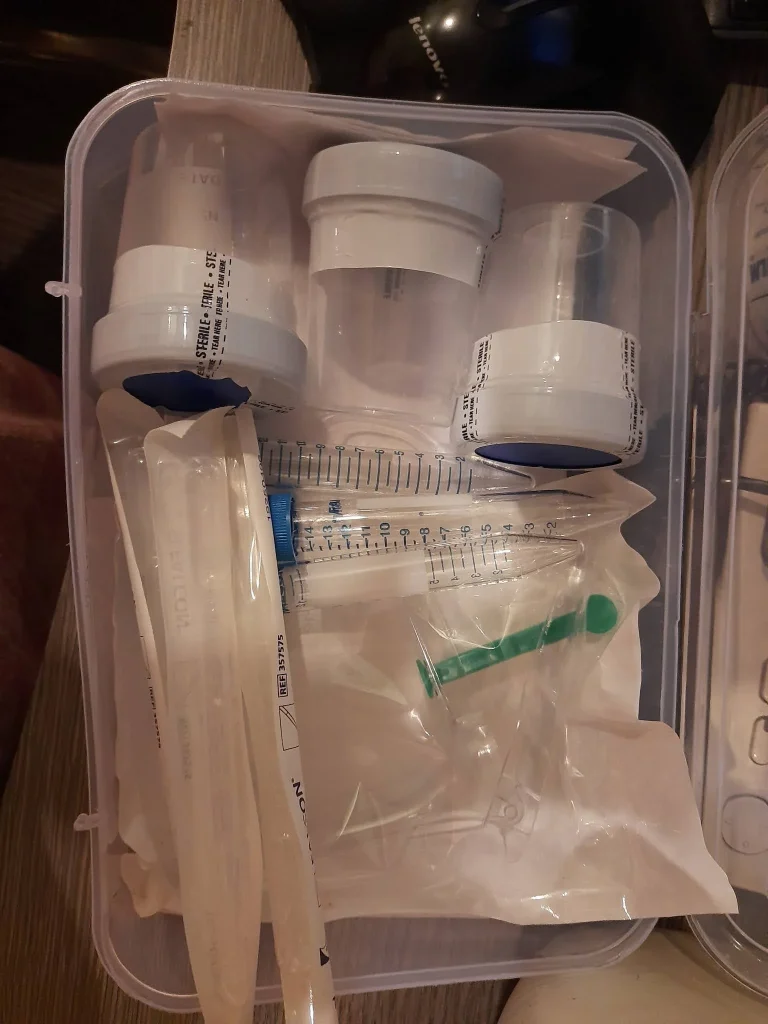
At-home insemination, also known as artificial insemination or home insemination, is a method of conception where sperm is manually inserted into the vagina or cervix in order to fertilize an egg. This can be done with a partner or with donor sperm. The process involves obtaining semen from a partner or a sperm donor, and then using a syringe or a specialized insemination kit to insert the sperm into the reproductive tract. This can be done in the comfort and privacy of your own home, without the need for medical intervention.
Benefits of At-Home Insemination
One of the main benefits of at-home insemination is its convenience and privacy. Many people feel more comfortable and relaxed in their own homes, and this can have a positive impact on fertility. At-home insemination also allows for more control over the process, as individuals can choose the timing and frequency of insemination without relying on the availability of medical appointments. Additionally, at-home insemination can be a more affordable option compared to fertility treatments at a clinic.
Risks of At-Home Insemination
While at-home insemination may seem like an appealing option, it is important to consider the potential risks involved. Without the guidance and monitoring of a medical professional, there is a higher risk of infection and injury during the process. There is also a risk of using unregulated or contaminated sperm from a donor, which can lead to health complications for both the parent and the child. It is important to thoroughly research and vet any sperm donor before proceeding with at-home insemination.
Legal Considerations
Another important aspect to consider before embarking on at-home insemination is the legal implications. In most cases, the person who gives birth is considered the legal parent of the child, regardless of whether or not they are genetically related. This means that if you are using a sperm donor, you will need to have a legal agreement in place to ensure that the donor does not have any legal rights or responsibilities to the child. It is crucial to consult with a lawyer and have a written agreement in place to protect all parties involved.
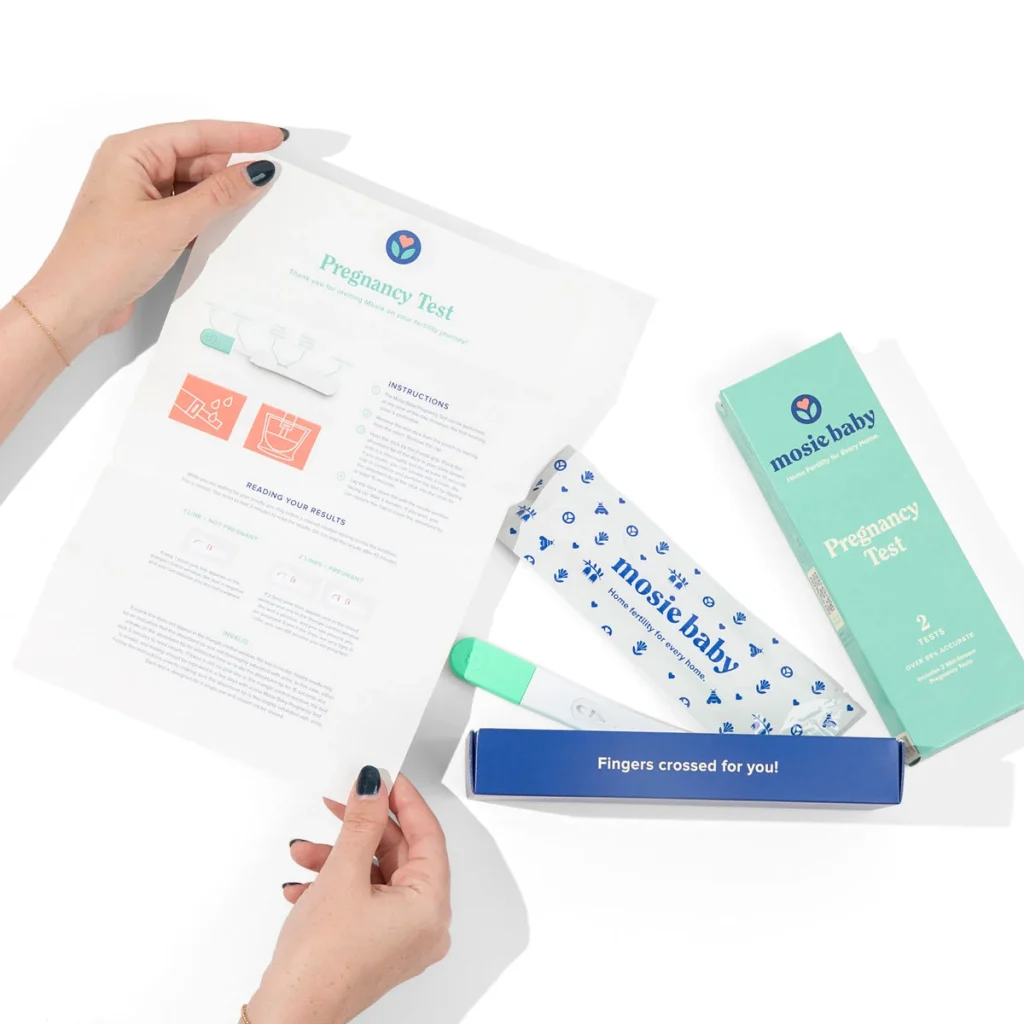
At-Home Insemination in the Age of COVID-19: What You Need to Know
Preparing for At-Home Insemination
Before attempting at-home insemination, it is important to prepare both physically and emotionally. This includes tracking ovulation and ensuring that the body is in optimal reproductive health. It is also important to discuss the decision with your partner, if applicable, and consider the potential emotional implications, especially if using a sperm donor. Seeking support from a therapist or a support group can also be beneficial during this process.
Tips for Successful At-Home Insemination
To increase the chances of success with at-home insemination, there are some key tips to keep in mind. Firstly, it is important to track ovulation accurately, as timing is crucial for successful insemination. This can be done through charting basal body temperature, tracking cervical mucus, or using ovulation predictor kits. Secondly, having a healthy lifestyle, including a balanced diet and regular exercise, can improve fertility. Lastly, it is important to follow the instructions for insemination carefully and to remain patient, as it may take multiple attempts to achieve pregnancy.
Alternatives to At-Home Insemination
If at-home insemination does not seem like the best option for you, there are other alternatives to consider. Some fertility clinics may offer telemedicine consultations and monitoring, which can provide guidance and support for at-home insemination. Other options include using a known sperm donor, undergoing fertility treatments such as intrauterine insemination (IUI), or pursuing adoption.
In Conclusion
At-home insemination can be a viable option for individuals and couples trying to conceive, especially during the COVID-19 pandemic. However, it is important to carefully consider the potential risks and legal implications before proceeding. Seeking guidance from a medical professional and discussing the decision with a therapist or support group can also be beneficial. With careful preparation and patience, at-home insemination can be a successful method of conception for those wishing to start or expand their families.
Summary:
At-home insemination, also known as artificial insemination or home insemination, is a method of conception where sperm is manually inserted into the vagina or cervix. It offers convenience and privacy, but also comes with risks such as infection and legal implications. Before attempting at-home insemination, it is important to track ovulation, prepare physically and emotionally, and consider alternatives such as telemedicine consultations or fertility treatments. With careful preparation and patience, at-home insemination can be a successful way to start or expand a family.