Tag: syringe insemination

  • Syringe Insemination and Genetics: What You Need to Consider

    Syringe Insemination and Genetics: What You Need to Consider

    Syringe insemination, also known as artificial insemination, is a common method used in animal breeding and human assisted reproductive technology. It involves the placement of sperm into a female’s reproductive tract using a syringe or other similar device. This technique has been widely used for decades and has been a game-changer in the field of genetics and reproduction.

    In this blog post, we will explore the process of syringe insemination and its impact on genetics. We will also discuss important factors that need to be considered when using this technique and how it can affect the genetic makeup of offspring.

    Understanding Syringe Insemination

    Syringe insemination is a relatively simple process that involves collecting semen from a male and then depositing it into the female’s reproductive tract. The technique can be performed on various species, including humans, and can be done by a trained professional or even at home with proper instructions.

    The first step in syringe insemination is collecting the semen. This can be done through various methods, such as manual stimulation or using an artificial vagina for larger animals. The collected semen is then evaluated for quality and quantity, and the best samples are selected for insemination.

    Next, the female’s reproductive tract is prepared for insemination. This can involve synchronizing the female’s ovulation cycle or using hormones to improve the chances of successful insemination. Once the female is ready, the semen is carefully deposited into the reproductive tract using a syringe or other similar device.

    The process of syringe insemination is relatively quick and can be completed within a matter of minutes. However, the timing and technique used can significantly impact the success rate of the insemination.

    Syringe Insemination and Genetics

    The use of syringe insemination has revolutionized the field of genetics. It has allowed for the controlled breeding of animals and humans, resulting in the production of genetically superior offspring. By selecting the best quality semen, breeders and researchers can improve the genetic traits of future generations.

    In livestock breeding, syringe insemination has been used to improve the production and health of animals. By selecting semen from top-performing males, breeders can increase the chances of offspring inheriting desirable traits such as milk production, disease resistance, and growth rate.

    Two transparent syringes with teal accents positioned diagonally on a light gray background.

    Syringe Insemination and Genetics: What You Need to Consider

    In human assisted reproductive technology, syringe insemination has been used to overcome fertility issues and help individuals and couples achieve pregnancy. It has also been used for genetic screening, allowing for the selection of healthy embryos and reducing the risk of passing on genetic disorders to offspring.

    Considerations for Syringe Insemination and Genetics

    While syringe insemination has many benefits, there are important considerations that need to be taken into account when using this technique.

    Genetic Diversity: One of the potential downsides of syringe insemination is the reduction of genetic diversity. By repeatedly using semen from a few selected males, there is a risk of inbreeding and the passing on of harmful genetic traits. It is crucial to maintain a diverse gene pool to avoid these issues.

    Genetic Screening: As mentioned earlier, syringe insemination has been used for genetic screening, allowing for the selection of healthy embryos. However, this also raises ethical concerns, as it can lead to the selection of certain desired traits and the exclusion of others.

    Success Rate: The success rate of syringe insemination can vary, depending on various factors such as the timing of insemination, the quality of semen, and the health of the female’s reproductive tract. It is essential to work with a trained professional and follow proper protocols to maximize the chances of success.

    Cost: Syringe insemination can be a costly process, as it involves specialized equipment, trained professionals, and potential hormone treatments. It is essential to consider the cost-benefit before opting for this technique.

    Conclusion

    Syringe insemination has played a crucial role in genetics and reproduction, allowing for the controlled breeding of animals and humans. It has resulted in the production of healthier and genetically superior offspring. However, it is essential to consider the potential impact on genetic diversity, ethical concerns, success rate, and cost before opting for this technique.

    By understanding the process of syringe insemination and its impact on genetics, breeders and researchers can make informed decisions and effectively improve the genetic traits of future generations.

    Summary:

    Syringe insemination, also known as artificial insemination, is a technique used in animal breeding and human assisted reproductive technology. It involves the placement of sperm into a female’s reproductive tract using a syringe or other similar device. This process has had a significant impact on genetics, allowing for the controlled breeding of animals and humans and the production of genetically superior offspring. However, it is essential to consider factors such as genetic diversity, ethical concerns, success rate, and cost before using this technique.


  • Syringe Insemination and the Impact of Age on Fertility

    Blog Post:

    Syringe Insemination and the Impact of Age on Fertility

    Fertility is a topic that has gained more attention in recent years as people are waiting longer to start a family. With advancements in technology, there are now more options available for couples struggling with infertility. One of these options is syringe insemination, also known as intrauterine insemination (IUI). This method of assisted reproduction has become increasingly popular due to its non-invasive and cost-effective nature. However, like any other fertility treatment, the success of syringe insemination can be affected by various factors, including age. In this blog post, we will explore syringe insemination and the impact of age on fertility.

    Understanding Syringe Insemination

    Syringe insemination is a procedure in which the sperm is inserted directly into the uterus using a syringe. This method is used to increase the chances of fertilization by bringing the sperm closer to the egg. It is usually recommended for couples who have been trying to conceive for a year or more without success, or for those who have other fertility issues such as low sperm count or ovulation disorders.

    The process of syringe insemination usually begins with the female partner undergoing fertility drugs to stimulate ovulation. This is followed by the male partner providing a semen sample, which is then washed and prepared in a lab to separate the most active and healthy sperm. The prepared sperm is then placed into a small catheter, which is inserted through the cervix and into the uterus. This procedure is usually painless and takes only a few minutes to complete.

    Age and Fertility

    Age is a crucial factor when it comes to fertility, and it can have a significant impact on the success of syringe insemination. As women age, their fertility declines due to a decrease in the number and quality of eggs. According to the American Society for Reproductive Medicine, a woman’s fertility begins to decline in her early 30s and decreases more rapidly after the age of 35. This decline in fertility is mainly due to a decrease in the number of eggs and an increase in the number of chromosomal abnormalities in the remaining eggs.

    In men, age can also affect fertility, although to a lesser extent compared to women. As men age, the quality of their sperm can decrease, leading to a lower chance of successful fertilization. Studies have shown that men over the age of 40 are more likely to have a lower sperm count and a higher percentage of abnormal sperm, which can decrease the chances of pregnancy.

    at-home insemination kit featuring a syringe and container for fresh or donor sperm conception

    Syringe Insemination and the Impact of Age on Fertility

    Impact of Age on Syringe Insemination

    The success of syringe insemination is closely tied to the age of the woman undergoing the procedure. As mentioned earlier, as women age, their fertility declines, and this can have an impact on the outcome of syringe insemination. The chances of getting pregnant through syringe insemination are highest for women under the age of 35, with a success rate of 10-20% per cycle. For women between the ages of 35-40, the success rate drops to 5-10% per cycle, and for women over 40, it is only 2-5% per cycle.

    Apart from the lower success rate, age can also affect the quality of the eggs and the overall health of the uterus, making it less conducive for implantation. However, this does not mean that women over the age of 40 cannot get pregnant through syringe insemination. It only means that they may need more cycles to achieve a successful pregnancy.

    The Role of Fertility Specialists

    Fertility specialists play a crucial role in the success of syringe insemination. They can help couples understand the impact of age on fertility and guide them in making the best decisions for their unique situation. Fertility specialists can also perform tests to determine the quality of the eggs and sperm, as well as any other underlying fertility issues that may affect the outcome of syringe insemination.

    Additionally, fertility specialists can offer advice on lifestyle changes that can improve fertility, such as maintaining a healthy weight, quitting smoking, and reducing alcohol consumption. They can also recommend alternative treatments, such as in vitro fertilization (IVF), if syringe insemination is not successful.

    Conclusion

    In conclusion, syringe insemination is a popular fertility treatment option for couples struggling to conceive. However, age can have a significant impact on the success of this procedure. As women age, their fertility declines, and this can affect the quality of eggs and the overall health of the uterus, leading to a lower success rate. It is essential for couples to consult with a fertility specialist to understand the impact of age on fertility and explore other options if syringe insemination is not successful.

    In summary, syringe insemination is an assisted reproduction technique that involves inserting sperm directly into the uterus using a syringe. Age is a crucial factor when it comes to fertility, and it can affect the success of syringe insemination. As women age, their fertility declines, and this can result in a lower success rate for syringe insemination. Fertility specialists play a crucial role in the success of this procedure by providing guidance and alternative treatment options.

  • Syringe Insemination: A Safe and Effective Option for Conception

    Syringe Insemination: A Safe and Effective Option for Conception

    Conception is the starting point for every new life, and for many couples, it can be a challenging and emotional journey. While some couples may be able to conceive naturally, others may require medical intervention to achieve pregnancy. In recent years, syringe insemination has emerged as a popular and effective method for conception. This blog post will explore what syringe insemination is, how it works, its benefits and risks, and why it is a safe and effective option for couples trying to conceive.

    What is Syringe Insemination?

    Syringe insemination, also known as artificial insemination, is a fertility treatment that involves injecting sperm directly into a woman’s cervix or uterus using a syringe. This method is often used in cases where the male partner’s sperm count is low, or the sperm has difficulty reaching the woman’s egg. It can also be used for same-sex female couples or single women who want to become pregnant.

    How does it work?

    The process of syringe insemination starts with the collection of sperm from the male partner or a donor. The sperm is then washed and prepared in a lab to remove any non-motile sperm or impurities. Next, a thin catheter is inserted into the woman’s cervix or uterus, and the prepared sperm is injected using a syringe. The procedure is relatively painless and only takes a few minutes to complete.

    Benefits of Syringe Insemination

    Baby wearing a blue shirt with "made with Love" text, surrounded by colorful floral and butterfly designs.

    Syringe Insemination: A Safe and Effective Option for Conception

    One of the main benefits of syringe insemination is that it is a less invasive and more affordable option compared to other fertility treatments such as in-vitro fertilization (IVF). It also has a higher success rate than natural conception, making it a popular choice for couples struggling with infertility. Additionally, syringe insemination allows for the use of donor sperm, giving same-sex female couples and single women the opportunity to start a family.

    Risks of Syringe Insemination

    While syringe insemination is generally considered a safe procedure, there are a few risks involved. The most common risk is infection, which can occur if proper sterilization techniques are not followed during the procedure. There is also a small chance of allergic reactions to the sperm or catheter used in the process. However, these risks are minimal, and with proper precautions and a sterile environment, they can be easily avoided.

    Why is it a Safe and Effective Option for Conception?

    Syringe insemination is considered a safe and effective option for conception because it has a higher success rate than natural conception and a lower risk of complications compared to other fertility treatments. It is also a non-invasive procedure, which means there is no need for surgery or anesthesia. This makes it a more comfortable and less stressful option for couples trying to conceive.

    In addition to being safe and effective, syringe insemination also has a high success rate. According to the American Pregnancy Association, the success rate for syringe insemination is about 15% per cycle, which is significantly higher than the 5% success rate for natural conception. This is because the sperm is placed directly into the woman’s reproductive tract, increasing the chances of fertilization.

    Moreover, syringe insemination allows for more control over the timing of insemination. This is especially helpful for couples who have trouble predicting ovulation or have irregular menstrual cycles. The procedure can be timed to coincide with ovulation, increasing the chances of successful conception.

    In summary, syringe insemination is a safe and effective option for couples trying to conceive. It is a less invasive and more affordable option compared to other fertility treatments, with a higher success rate than natural conception. While there are some risks involved, they can be easily avoided with proper precautions. Whether you are struggling with infertility or want to start a family as a same-sex female couple or a single woman, syringe insemination can be a viable option for you.

  • Syringe Insemination and the Role of Ovulation Tracking

    Syringe Insemination and the Role of Ovulation Tracking: A Comprehensive Guide

    Syringe insemination, also known as artificial insemination, is a common fertility treatment method used by couples who are struggling to conceive naturally. It involves manually injecting sperm into the woman’s reproductive tract, bypassing the need for sexual intercourse. This method has been used for decades and has helped many couples fulfill their dream of starting a family.

    In recent years, there has been a growing interest in using a syringe for insemination rather than traditional methods. This is due to its simplicity, effectiveness, and affordability. Additionally, ovulation tracking has become an essential tool for couples undergoing syringe insemination, as it helps increase the chances of a successful pregnancy. In this blog post, we will delve into the world of syringe insemination and the crucial role that ovulation tracking plays in the process.

    What is Syringe Insemination?

    Syringe insemination, also called intrauterine insemination (IUI), is a fertility treatment method that involves injecting sperm directly into the woman’s uterus. It is a minimally invasive procedure and is usually performed in a doctor’s office. The process starts with the collection of sperm from the male partner or a sperm donor. The sperm is then washed and prepared in a laboratory to ensure that only healthy and viable sperm are used for the insemination.

    Next, the woman’s cervix is gently dilated, and a thin, flexible catheter is inserted into the uterus. The prepared sperm is then injected directly into the uterus using a syringe. This method allows the sperm to bypass the cervix and travel directly to the fallopian tubes, where fertilization takes place.

    Syringe insemination is a popular choice for couples who are facing fertility issues such as low sperm count, hostile cervical mucus, or unexplained infertility. It is also a preferred method for same-sex female couples and single women who want to conceive.

    The Role of Ovulation Tracking in Syringe Insemination

    Ovulation tracking, also known as ovulation prediction, involves monitoring a woman’s menstrual cycle to determine the most fertile days for conception. This is crucial for couples undergoing syringe insemination, as it helps to time the procedure with the woman’s ovulation, increasing the chances of successful fertilization.

    There are various methods for tracking ovulation, including tracking changes in basal body temperature, cervical mucus, and using ovulation predictor kits. However, the most accurate and reliable method is through ultrasound monitoring, where a doctor can visualize the growth and release of the egg from the ovary.

    At-home insemination kit with syringes and collection cups on a teal background.

    Syringe Insemination and the Role of Ovulation Tracking

    The timing of syringe insemination is crucial, as sperm can only survive for a limited time inside the female reproductive tract. Therefore, it is essential to perform the procedure as close to ovulation as possible to increase the chances of fertilization. Ovulation tracking allows doctors to pinpoint the optimal time for insemination, thus increasing the chances of success.

    Benefits of Syringe Insemination and Ovulation Tracking

    There are several benefits to using a syringe for insemination and incorporating ovulation tracking into the process. Some of the most notable advantages include:

    1. Increased chances of conception: By combining syringe insemination and ovulation tracking, the chances of successful fertilization are significantly increased. This is especially beneficial for couples who have been trying to conceive for a long time.

    2. Minimally invasive: Unlike other fertility treatments such as in vitro fertilization (IVF), syringe insemination is a minimally invasive procedure that does not require surgery. This makes it a more comfortable and less intimidating option for many couples.

    3. Cost-effective: Syringe insemination is a more affordable option compared to other fertility treatments, making it accessible to more couples.

    4. Non-hormonal: Unlike other fertility treatments that involve hormonal medications, syringe insemination is a non-hormonal method, making it a safer option for women with hormonal imbalances or other health conditions.

    5. More control and involvement: Ovulation tracking and syringe insemination allow couples to have more control and involvement in the process of conception. This can be empowering for couples who have been struggling with infertility.

    In summary, syringe insemination is a popular and effective fertility treatment method that involves injecting sperm directly into a woman’s uterus. Ovulation tracking plays a crucial role in the process, as it helps to time the procedure with the woman’s ovulation, increasing the chances of successful fertilization. This method has several benefits, including increased chances of conception, affordability, and minimally invasive nature.

    In conclusion, syringe insemination, combined with ovulation tracking, offers a promising solution for couples struggling with fertility issues. It is essential to consult with a fertility specialist to determine if this method is suitable for your specific situation. With the right timing and proper medical guidance, syringe insemination can help you achieve your dream of starting a family.

  • The Impact of Stress on Syringe Insemination Success Rates

    Blog Post:

    Syringe insemination is a common method used for assisted reproduction in both humans and animals. This technique involves transferring semen into the female reproductive tract using a syringe, bypassing the natural process of fertilization. While syringe insemination has been successful in achieving pregnancy in many cases, there are several factors that can affect its success rates. One of the most significant factors is stress.

    Stress is a natural response to demanding or challenging situations. It can manifest in various forms, such as physical, mental, or emotional stress, and can have a significant impact on our overall health and well-being. When it comes to syringe insemination, stress can play a crucial role in determining the success rates. In this blog post, we will explore the impact of stress on syringe insemination success rates and how it can affect the chances of achieving pregnancy.

    The Link Between Stress and Fertility:

    Stress has been found to have a negative impact on fertility, both in humans and animals. Several studies have shown that stress can interfere with the reproductive system, affecting ovulation, sperm quality, and even the success of assisted reproductive techniques like syringe insemination. This is because stress activates the hypothalamic-pituitary-adrenal (HPA) axis, which is responsible for the production of stress hormones like cortisol. These hormones can disrupt the delicate hormonal balance required for successful reproduction.

    Stress and Female Fertility:

    In females, stress can affect fertility by disrupting the menstrual cycle and ovulation. When the body is under stress, the production of luteinizing hormone (LH) and follicle-stimulating hormone (FSH), which are essential for ovulation, can be suppressed. This can result in irregular or absent menstrual cycles, making it difficult to predict the fertile window for syringe insemination. Additionally, stress can also affect the quality of cervical mucus, which plays a crucial role in transporting sperm to the egg. Poor quality mucus can hinder sperm movement and reduce the chances of fertilization.

    Stress and Male Fertility:

    Stress can also have a significant impact on male fertility. Studies have shown that chronic stress can lead to a decrease in sperm quality, including lower sperm count, motility, and morphology. This can make it more challenging for sperm to reach and fertilize the egg during syringe insemination. Stress can also cause erectile dysfunction, which can further reduce the chances of successful insemination.

    The Role of Stress in Syringe Insemination Success Rates:

    Syringe insemination requires precise timing and coordination between the male and female partners. Any disruption in this process, such as delayed ovulation or poor sperm quality, can significantly affect the success rates. Stress can be a contributing factor in these disruptions, making it more challenging to achieve pregnancy through syringe insemination. Additionally, stress can also lead to hormonal imbalances in both partners, which can further impact the success of the procedure.

    guide and materials for using Mosie Baby fertility kit on a textured surface

    The Impact of Stress on Syringe Insemination Success Rates

    Coping with Stress during Syringe Insemination:

    While stress can have a negative impact on syringe insemination success rates, there are ways to cope with it and improve the chances of achieving pregnancy. Here are some tips to reduce stress during syringe insemination:

    1. Communicate with your partner: Open and honest communication with your partner can help alleviate stress and build a stronger support system.

    2. Seek professional help: If you are feeling overwhelmed, consider talking to a therapist or counselor who can help you manage your stress levels.

    3. Practice relaxation techniques: Techniques like deep breathing, meditation, and yoga can help reduce stress and promote relaxation.

    4. Eat a healthy diet: A balanced diet can help reduce stress levels and improve overall health and well-being.

    5. Get enough rest and exercise: Getting enough sleep and engaging in regular physical activity can help reduce stress and boost fertility.

    6. Consider alternative stress-reducing methods: Acupuncture, massage therapy, and aromatherapy are some alternative methods that can help reduce stress and promote relaxation.

    In conclusion, stress can have a significant impact on syringe insemination success rates. It can affect both female and male fertility, disrupt the reproductive process, and hinder the success of the procedure. However, by managing stress levels and adopting healthy coping mechanisms, the chances of achieving pregnancy through syringe insemination can be improved.

    Summary:

    Syringe insemination is a common technique used for assisted reproduction. However, stress can have a significant impact on its success rates. Stress can disrupt the delicate hormonal balance required for successful reproduction and lead to irregular ovulation, poor sperm quality, and other complications. To improve the chances of achieving pregnancy through syringe insemination, it is essential to manage stress levels and adopt healthy coping mechanisms.

  • Syringe Insemination and the Journey to Parenthood for Same-Sex Couples

    Syringe Insemination and the Journey to Parenthood for Same-Sex Couples: A Guide to Starting a Family

    Starting a family is a dream for many couples, regardless of their sexual orientation. However, for same-sex couples, the journey to parenthood can be a bit more complex and challenging. With advancements in reproductive technology, same-sex couples now have more options available to them, including syringe insemination. In this blog post, we will delve into the process of syringe insemination and explore the emotional and physical journey that same-sex couples go through on their path to parenthood.

    What is Syringe Insemination?

    Syringe insemination, also known as at-home insemination, is a method of artificial insemination that involves using a syringe to deposit sperm into the vagina. Unlike traditional insemination methods, such as intrauterine insemination (IUI) or in vitro fertilization (IVF), syringe insemination can be done in the comfort of one’s own home, without the need for medical assistance. This makes it a popular option for same-sex couples who want to start a family without the high costs and medical procedures associated with other methods.

    The Process of Syringe Insemination

    Syringe insemination involves collecting sperm from a donor and depositing it into the vagina using a syringe. The donor can be a known donor, such as a friend or family member, or an anonymous donor from a sperm bank. Before beginning the process, it is important to have a conversation with the donor and establish boundaries and expectations.

    Once the sperm is collected, it needs to be inserted into the vagina as close to the cervix as possible. This can be done using a sterile syringe or a soft plastic cup. The partner who is trying to conceive can either insert the sperm themselves or have their partner help. It is recommended to lie down after the insemination to allow the sperm to travel to the cervix and increase the chances of fertilization.

    Factors to Consider Before Syringe Insemination

    Before deciding to try syringe insemination, there are various factors that same-sex couples need to consider. These include:

    1. Legal Considerations: Depending on the laws in their state or country, same-sex couples may face legal obstacles when it comes to parental rights and adoption. It is important to consult with a lawyer to ensure that all legal aspects are taken care of before starting the insemination process.

    2. Emotional Preparation: Starting a family is a big decision and it is important for same-sex couples to be emotionally prepared for the journey ahead. This can involve discussing expectations, fears, and concerns with their partner, and seeking support from friends, family, or a therapist.

    two teal and clear syringes positioned on a white background

    Syringe Insemination and the Journey to Parenthood for Same-Sex Couples

    3. Financial Implications: While syringe insemination is a more cost-effective option compared to other methods, it still comes with financial implications. It is important for same-sex couples to plan and budget accordingly, especially if they are considering using a sperm donor from a sperm bank.

    The Emotional Journey of Starting a Family

    For same-sex couples, the journey to parenthood can bring about a range of emotions. While there is excitement and joy in the idea of starting a family, there may also be feelings of fear, uncertainty, and even grief. It is common for same-sex couples to experience a sense of loss for the traditional methods of conception that may not be available to them.

    Additionally, same-sex couples may also face societal and familial pressures and discrimination. This can add to the emotional toll of trying to conceive and can be a source of stress and anxiety. It is important for couples to communicate openly and support each other throughout the process.

    The Physical Journey of Starting a Family

    Syringe insemination also comes with its own physical challenges. For starters, tracking ovulation and timing the insemination can be a bit tricky, especially if the couple is not using medical assistance. It may take a few cycles to get the timing right and increase the chances of conception.

    There is also the physical aspect of pregnancy, which can be a different experience for same-sex couples. The partner who is carrying the pregnancy may need to adjust to the physical changes and challenges that come with it, while the other partner may have to take on a more supportive role.

    The Journey to Parenthood: A Rewarding Experience

    Despite the challenges and obstacles, the journey to parenthood for same-sex couples is a rewarding experience. Whether it is through syringe insemination, adoption, or other methods, starting a family with the person they love is a dream come true for many. Same-sex couples have shown incredible resilience and determination in creating their own paths to parenthood, and the end result is a loving and supportive family.

    In conclusion, syringe insemination is a viable option for same-sex couples who want to start a family. It is a more affordable and accessible method of artificial insemination that can be done at home. However, it is important for couples to consider the legal, emotional, and financial implications before embarking on this journey. With love, support, and determination, same-sex couples can overcome any challenges and fulfill their dream of becoming parents.

    Summary:

    Same-sex couples face unique challenges on their journey to parenthood. With advancements in reproductive technology, syringe insemination has become a popular option for same-sex couples who want to start a family. This method involves using a syringe to deposit sperm into the vagina, making it a more affordable and accessible option compared to traditional methods. Before embarking on this journey, same-sex couples need to consider legal, emotional, and financial factors. The journey to parenthood can be an emotional and physical rollercoaster, but the end result of a loving family makes it all worth it.

  • Syringe Insemination: A Game-Changer for Women with PCOS

    Syringe Insemination: A Game-Changer for Women with PCOS

    Polycystic Ovary Syndrome (PCOS) affects approximately 10% of women worldwide and is a common cause of infertility. Women with PCOS often struggle to conceive and may require assisted reproductive technologies (ART) to achieve pregnancy. However, the use of traditional methods of ART, such as intrauterine insemination (IUI) and in vitro fertilization (IVF), can be costly and invasive. This is where syringe insemination comes in as a game-changer for women with PCOS.

    What is Syringe Insemination?

    Syringe insemination, also known as intracervical insemination (ICI) or “turkey baster” method, is a form of artificial insemination that involves using a syringe to deposit sperm directly into the cervix. This method is often used by women who are trying to conceive without a male partner or those who have difficulty conceiving through traditional methods.

    How Does Syringe Insemination Work?

    The process of syringe insemination is relatively simple and can even be done at home. First, the sperm is collected either from a partner or a sperm donor and is then inserted into a sterile syringe. The woman then lies down with her hips elevated, and the syringe is gently inserted into the vagina and the sperm is deposited into the cervix. The woman can then remain lying down for 10-15 minutes to allow the sperm to swim towards the egg.

    Why is Syringe Insemination Beneficial for Women with PCOS?

    1. Less Invasive and Cost-Effective

    Syringe insemination is a non-invasive and relatively inexpensive method of ART compared to other traditional methods such as IUI and IVF. Since the procedure can be done at home, it eliminates the need for expensive clinic visits and medical procedures, making it a more affordable option for women with PCOS.

    2. Natural Timing of Insemination

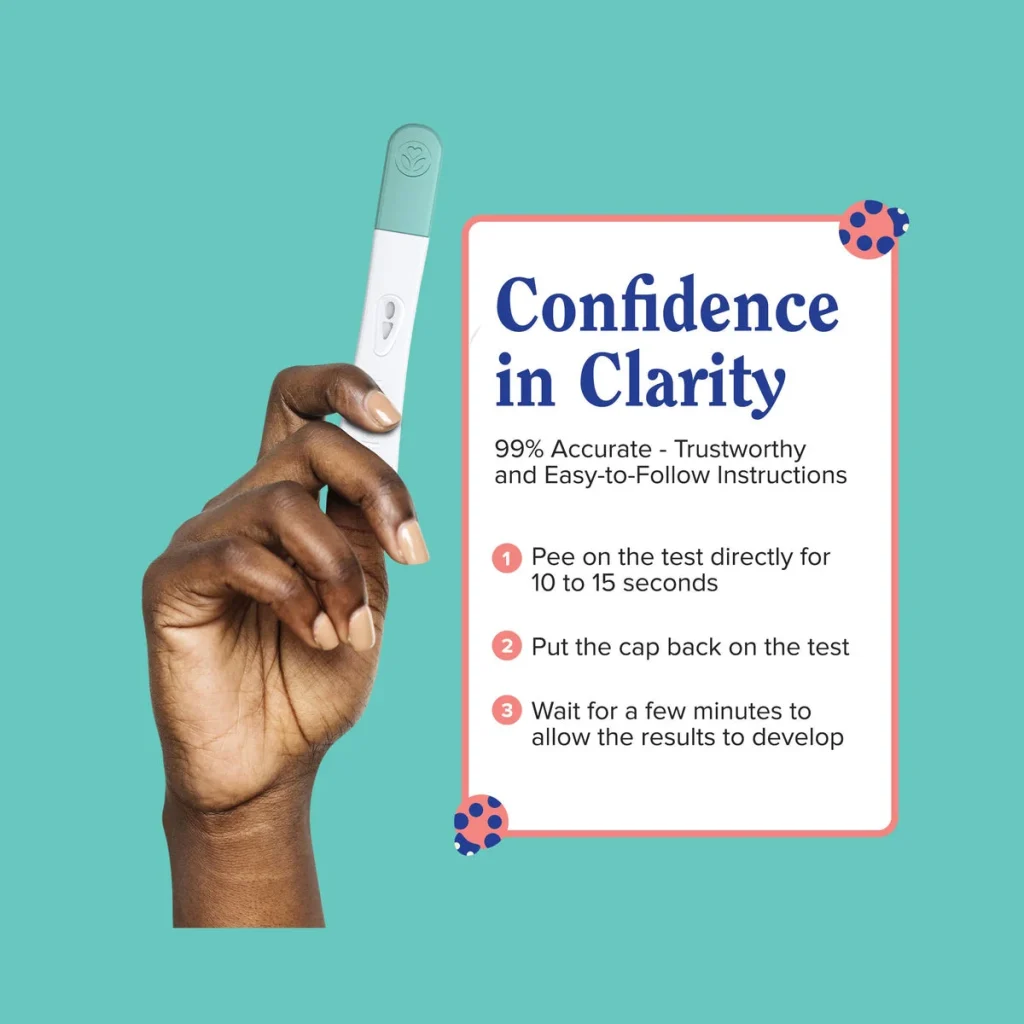
    hand holding a pregnancy test with instructions on a colorful background

    Syringe Insemination: A Game-Changer for Women with PCOS

    One of the biggest advantages of syringe insemination is that it allows for natural timing of insemination. Unlike traditional methods, where eggs are retrieved and fertilized in a lab, syringe insemination allows for the sperm to be deposited directly into the cervix during the woman’s most fertile window. This increases the chances of conception as the sperm is able to reach the egg at the optimal time.

    3. Effective for Women with Irregular Cycles

    Women with PCOS often have irregular menstrual cycles, which makes it challenging to track ovulation and plan for traditional methods of ART. Syringe insemination eliminates the need for tracking ovulation and can be done at any time during the cycle, making it a more effective option for women with PCOS.

    4. No Hormonal Stimulation Required

    Hormonal stimulation is often used in traditional methods of ART to increase the number of eggs produced. However, this can be problematic for women with PCOS, as they are already at a higher risk of developing ovarian hyperstimulation syndrome (OHSS). Syringe insemination does not require hormonal stimulation, making it a safer option for women with PCOS.

    5. Can be Done at Home

    For some women, the idea of going through medical procedures and tests at a clinic can be overwhelming. Syringe insemination can be done in the comfort and privacy of one’s own home, making it a more desirable option for women who prefer a more natural and less invasive approach.

    In conclusion, syringe insemination is a game-changer for women with PCOS. It offers a less invasive, more affordable, and more natural alternative to traditional methods of ART. With its high success rates and minimal side effects, it is a promising option for women struggling with infertility due to PCOS.

    Summary:

    Syringe insemination, also known as intracervical insemination or “turkey baster” method, is a form of artificial insemination that involves using a syringe to deposit sperm directly into the cervix. This method is a game-changer for women with PCOS as it is less invasive, more cost-effective, allows for natural timing of insemination, is effective for women with irregular cycles, does not require hormonal stimulation, and can be done at home. With its high success rates and minimal side effects, syringe insemination offers hope to women struggling with infertility due to PCOS.

  • The Role of a Support System During Syringe Insemination

    Blog Post: The Role of a Support System During Syringe Insemination

    Syringe insemination, also known as artificial insemination, is a common method used by individuals and couples who are struggling with infertility or same-sex couples looking to start a family. This process involves injecting sperm directly into the cervix or uterus, bypassing the natural barriers that may prevent fertilization. While syringe insemination can be a physically and emotionally demanding process, having a strong support system in place can make all the difference. In this blog post, we will discuss the role of a support system during syringe insemination and how it can positively impact the overall experience.

    1. Emotional Support

    Going through syringe insemination can be an emotional rollercoaster. There are feelings of hope, anxiety, and fear that come with each attempt. Having a strong support system during this time can provide emotional stability and reassurance. This support can come from a partner, family members, friends, or even a therapist. Having someone to talk to, share your thoughts and feelings with, and lean on when things become overwhelming can make the process much more manageable.

    2. Physical Support

    While syringe insemination is a relatively simple procedure, it can still take a toll on the body. Some individuals may experience minor discomfort or cramping during the process, while others may have more severe side effects. Having a support system in place can provide physical support, whether it be helping with household chores, running errands, or simply providing a shoulder to lean on during the recovery period.

    3. Practical Support

    Baby wearing a blue shirt with "made with Love" text, surrounded by colorful floral and butterfly designs.

    The Role of a Support System During Syringe Insemination

    There are many practical aspects to consider when going through syringe insemination. From scheduling appointments to tracking ovulation, there are many tasks that need to be taken care of. Having a support system can help alleviate some of the stress and responsibilities. For example, a partner can help with scheduling appointments or tracking ovulation, while family members or friends can provide assistance with childcare or other household tasks.

    4. Financial Support

    Syringe insemination can be a costly process, especially if multiple attempts are needed to achieve a successful pregnancy. Having a support system that can provide financial assistance can make a significant difference. This support can come in the form of helping with medical expenses, offering a place to stay during treatment, or even helping with the cost of fertility medications.

    5. Moral Support

    One of the most crucial roles of a support system during syringe insemination is providing moral support. This includes being a source of encouragement and positivity, especially during the more challenging times. A strong support system can provide the motivation and confidence needed to continue with the process, even when things may not be going as planned.

    Overall, having a support system during syringe insemination is essential for both physical and emotional well-being. It can help alleviate stress, provide comfort and encouragement, and make the process more manageable. It is crucial to have open communication with your support system and to let them know how they can best support you during this time.

    In conclusion, syringe insemination can be a challenging and emotional process, but having a strong support system can make a significant difference. Whether it is emotional, physical, practical, financial, or moral support, having a network of people to rely on can positively impact the overall experience. If you are considering syringe insemination, make sure to surround yourself with a supportive and understanding group of individuals who will be there for you every step of the way.

    Summary: Syringe insemination can be a physically and emotionally demanding process, but having a strong support system in place can make all the difference. A support system can provide emotional, physical, practical, financial, and moral support, making the process more manageable and less stressful. It is crucial to surround yourself with a supportive network of individuals during this time.

  • Syringe Insemination and Fertility Medications: What You Need to Know

    Blog Post:

    Syringe Insemination and Fertility Medications: What You Need to Know

    For couples trying to conceive, fertility treatments such as syringe insemination and fertility medications can be a viable option. These methods involve the use of assisted reproductive techniques to increase the chances of pregnancy. While they may seem intimidating or complex, understanding the basics of syringe insemination and fertility medications can help couples make informed decisions about their fertility journey.

    What is Syringe Insemination?

    Syringe insemination, also known as artificial insemination or intrauterine insemination (IUI), is a fertility treatment that involves the insertion of sperm directly into the uterus. This method is typically used when a couple is having difficulty conceiving due to issues with sperm quality or quantity, or when the woman has problems with ovulation.

    The process of syringe insemination begins with the collection of sperm from the male partner. The sperm is then washed and concentrated to increase its chances of fertilizing an egg. Next, a thin and flexible catheter is used to insert the sperm into the woman’s uterus, bypassing the cervix and increasing the likelihood of conception.

    Syringe insemination is a simple and relatively painless procedure that can be done in a doctor’s office without the need for anesthesia. It is often used in combination with fertility medications to increase the chances of success.

    Understanding Fertility Medications

    Fertility medications, also known as ovulation induction drugs, are used to stimulate the ovaries and increase the number of eggs produced. These medications are typically used in conjunction with syringe insemination or other assisted reproductive techniques.

    There are several different types of fertility medications, each with their own purpose and method of administration. Some common medications include:

    1. Clomiphene citrate: This oral medication helps to stimulate ovulation by blocking estrogen receptors in the brain, which leads to an increase in the production of follicle-stimulating hormone (FSH) and luteinizing hormone (LH).

    2. Gonadotropins: These are injectable medications that contain FSH and/or LH and are used to stimulate the ovaries to produce multiple eggs.

    3. Human chorionic gonadotropin (hCG): This hormone is used to trigger ovulation after the eggs have matured, increasing the chances of successful fertilization.

    4. Bromocriptine: This medication is used to treat conditions such as polycystic ovary syndrome (PCOS) that can cause irregular ovulation.

    5. Letrozole: This medication, originally used to treat breast cancer, can also stimulate ovulation by decreasing the production of estrogen.

    illustration of Mosie Baby home insemination kit highlighting seamless transfer and size features

    Syringe Insemination and Fertility Medications: What You Need to Know

    It is important to note that fertility medications should only be taken under the guidance of a fertility specialist. They can have side effects such as bloating, mood swings, and headaches, and should be closely monitored to avoid the risk of multiple pregnancies.

    The Benefits and Risks of Syringe Insemination and Fertility Medications

    Both syringe insemination and fertility medications have their own set of benefits and risks. Some of the benefits include:

    1. Non-invasive: Syringe insemination is a non-invasive procedure that can be performed in a doctor’s office without the need for anesthesia.

    2. Increased chances of pregnancy: By bypassing the cervix and placing the sperm directly into the uterus, syringe insemination increases the chances of successful fertilization.

    3. Low cost: Compared to other assisted reproductive techniques such as in vitro fertilization (IVF), syringe insemination is a more affordable option.

    However, there are also some risks associated with these methods, such as:

    1. Multiple pregnancies: The use of fertility medications can lead to the development of multiple eggs, increasing the risk of multiple pregnancies.

    2. Ovarian hyperstimulation syndrome (OHSS): This is a rare but serious complication that can occur when the ovaries are overstimulated by fertility medications, causing them to become swollen and painful.

    3. Infection: As with any medical procedure, there is a risk of infection with syringe insemination.

    It is important to discuss these risks with your doctor before undergoing any fertility treatments and to closely follow their instructions for monitoring and managing any potential complications.

    In Summary

    Syringe insemination and fertility medications are two commonly used fertility treatments that can help couples struggling with infertility. Syringe insemination involves the insertion of sperm directly into the uterus, while fertility medications stimulate the ovaries to produce more eggs. While these methods have their own set of benefits and risks, they can significantly increase the chances of pregnancy for couples trying to conceive.

    If you are considering these treatments, it is important to consult with a fertility specialist and discuss your options. They can help you understand the potential risks and benefits and guide you through the process to increase your chances of success.

    SEO Metadata:

  • Syringe Insemination vs. IUI: Which is the Better Option?

    Blog Post:

    When it comes to fertility treatments, there are several options available for couples trying to conceive. Two of the most common methods are syringe insemination and intrauterine insemination (IUI). While both procedures involve the placement of sperm into the female reproductive tract, they differ in terms of technique and success rates. In this blog post, we will take a closer look at syringe insemination and IUI, and compare the two to determine which one may be the better option for couples struggling with fertility issues.

    Syringe Insemination:

    Syringe insemination, also known as intracervical insemination (ICI), involves the insertion of sperm directly into the cervix using a syringe. This procedure can be performed at home or in a clinical setting. If done at home, the sperm is typically collected by the male partner through masturbation and then inserted into the female partner’s cervix using a sterile syringe. In a clinical setting, the sperm is usually washed and prepared before being inserted into the cervix using a catheter.

    Pros:

    One of the main advantages of syringe insemination is that it is a relatively simple and non-invasive procedure. It does not require any specialized equipment or medical expertise, making it easily accessible and affordable for couples. Additionally, since the sperm is placed directly into the cervix, it bypasses any potential obstacles in the vaginal canal, increasing the chances of successful fertilization.

    Cons:

    Despite its simplicity, syringe insemination has a lower success rate compared to other fertility treatments. This is because the sperm is not placed directly into the uterus, where it has a higher chance of reaching and fertilizing the egg. The sperm also has to travel a longer distance to reach the egg, making it more susceptible to damage or loss along the way.

    IUI:

    Intrauterine insemination (IUI) involves the placement of sperm directly into the uterus using a catheter. This procedure is typically performed in a clinical setting and may involve the use of fertility drugs to stimulate the ovaries and increase the chances of successful fertilization.

    guide and materials for using Mosie Baby fertility kit on a textured surface

    Syringe Insemination vs. IUI: Which is the Better Option?

    Pros:

    IUI has a higher success rate compared to syringe insemination. This is because the sperm is placed directly into the uterus, where it has a higher chance of reaching and fertilizing the egg. The use of fertility drugs can also increase the number of eggs released, further increasing the chances of conception.

    Cons:

    IUI is a more invasive procedure compared to syringe insemination. It requires a clinical setting and the use of specialized equipment, making it more costly. There is also a risk of infection or injury during the procedure.

    Which is the Better Option?

    The answer to this question depends on various factors such as the cause of infertility, the couple’s age, and the cost of the procedure. For couples with unexplained infertility or those who are unable to afford more expensive treatments, syringe insemination may be a good option. However, for couples with known fertility issues or those who can afford the procedure, IUI may be a better choice due to its higher success rates.

    It’s essential to note that both syringe insemination and IUI can be used in conjunction with other fertility treatments, such as in vitro fertilization (IVF), to increase the chances of conception. Additionally, both procedures may require multiple attempts before successfully achieving pregnancy.

    In conclusion, both syringe insemination and IUI are viable options for couples struggling with fertility issues. While syringe insemination may be a more accessible and affordable option, IUI has a higher success rate. It’s best to consult with a fertility specialist to determine which treatment option is most suitable for your specific situation.

    Summary:

    When it comes to fertility treatments, syringe insemination and IUI are two common options available for couples trying to conceive. Syringe insemination is a simple and non-invasive procedure, but it has a lower success rate compared to IUI. On the other hand, IUI is more invasive and expensive, but it has a higher success rate. The choice between the two depends on factors such as the cause of infertility, the couple’s age, and the cost of the procedure.

    SEO metadata: