Tag: cervical cancer

  • Is Your Cervical Mucus Trying to Alert You About Your Health?

    Blog Post: Is Your Cervical Mucus Trying to Alert You About Your Health?

    Cervical mucus is a natural fluid produced by a woman’s body that plays a crucial role in her reproductive system. While most women may not give much thought to their cervical mucus, it can actually be a powerful indicator of their overall health and fertility. In fact, changes in cervical mucus can be a warning sign for various health issues. In this blog post, we will explore the different types of cervical mucus and how they can alert you about your health.

    What is Cervical Mucus?

    Cervical mucus is a secretion produced by the cells of the cervix, the lower part of the uterus. It is a clear or whitish fluid that can vary in consistency and texture throughout a woman’s menstrual cycle. Cervical mucus plays a crucial role in a woman’s reproductive system, as it helps sperm travel through the cervix to reach the egg for fertilization. It also provides a protective barrier for the reproductive organs and helps to keep them clean and healthy.

    Types of Cervical Mucus

    The type and consistency of cervical mucus can vary depending on where a woman is in her menstrual cycle. Here are the different types of cervical mucus and what they indicate:

    1. Dry or Sticky Mucus

    During the early stages of the menstrual cycle, the body produces very little estrogen, resulting in dry or sticky cervical mucus. This type of mucus is thick and tacky, making it difficult for sperm to travel through the cervix. It is not an ideal environment for fertilization to occur.

    2. Creamy Mucus

    As a woman approaches ovulation, her body produces more estrogen, resulting in the production of creamy cervical mucus. This type of mucus is thicker and more opaque than dry mucus, but it still does not provide an ideal environment for sperm to survive.

    3. Egg White Mucus

    The most fertile type of cervical mucus is the egg white mucus. It gets its name from its resemblance to raw egg whites and is thin, stretchy, and clear. This type of mucus helps to nourish and protect sperm, making it easier for them to travel through the cervix and reach the egg for fertilization.

    4. Watery Mucus

    After ovulation, the body produces less estrogen, resulting in watery cervical mucus. This type of mucus is less fertile and allows sperm to swim through more easily. It also helps to flush out any remaining sperm and bacteria from the reproductive organs.

    What Your Cervical Mucus Can Tell You About Your Health

    Apart from its role in fertility and reproduction, cervical mucus can also be a powerful indicator of your overall health. Here are some health issues that can be detected through changes in cervical mucus:

    1. Hormonal Imbalances

    Hands holding a syringe and a small container against a blue background.

    Is Your Cervical Mucus Trying to Alert You About Your Health?

    Hormonal imbalances can cause changes in the amount and consistency of cervical mucus. For example, women with polycystic ovary syndrome (PCOS) may have less cervical mucus than usual, making it difficult for sperm to reach the egg. On the other hand, women with estrogen dominance may have an excessive amount of cervical mucus, which can affect sperm survival.

    2. Infections

    Cervical mucus can also provide clues about any underlying infections in the reproductive organs. For example, yellow or green cervical mucus may indicate an infection such as chlamydia or gonorrhea. Women with bacterial vaginosis may have a grayish, fishy-smelling cervical mucus.

    3. Cervical Cancer

    Abnormal cervical mucus may also be a sign of cervical cancer. In some cases, cervical mucus may have a pink or brown tinge, which could indicate the presence of blood. Women should always consult their doctor if they notice any unusual changes in their cervical mucus.

    4. Allergies or Sensitivities

    Changes in cervical mucus can also be a sign of allergies or sensitivities. For example, women who are allergic to latex may experience increased vaginal discharge or irritation due to their body’s reaction to condoms.

    How to Monitor Your Cervical Mucus

    Monitoring your cervical mucus can help you understand your body’s natural fertility patterns and any potential health issues. Here are some tips for tracking your cervical mucus:

    1. Keep a Record

    Make a note of your cervical mucus changes in a journal or using a fertility tracking app. This will help you identify any patterns or changes over time.

    2. Observe the Color and Consistency

    Pay attention to the color, texture, and consistency of your cervical mucus. This can give you valuable insights into your hormone levels and any potential problems.

    3. Check Your Cervical Mucus Daily

    Check your cervical mucus every day, preferably at the same time. This will help you track any changes throughout your menstrual cycle.

    4. Pay Attention to Other Symptoms

    In addition to changes in cervical mucus, pay attention to any other symptoms you may be experiencing. This can help you and your doctor identify any underlying health issues.

    In conclusion, your cervical mucus can be a powerful indicator of your reproductive health and overall well-being. By paying attention to changes in your cervical mucus, you can better understand your body and take proactive steps to maintain your health.


  • Is Your Cervical Mucus Trying to Warn You About Your Health?

    Cervical mucus is a fluid secreted by the cervix that plays an important role in a woman’s reproductive health. It is often overlooked and misunderstood, but it can actually serve as a warning sign for potential health issues. In this blog post, we will delve into the topic of cervical mucus and discuss how it can be an indicator of your overall health.

    First, let’s understand what cervical mucus is and why it is important. The cervix is the lower part of the uterus that connects to the vagina. It produces mucus to help facilitate the fertilization process by creating a favorable environment for sperm to travel through. The consistency and appearance of cervical mucus changes throughout a woman’s menstrual cycle, which is influenced by hormones. This makes it a useful tool for tracking ovulation and fertility.

    But beyond its role in reproduction, cervical mucus can also provide valuable insights into a woman’s health. Changes in the consistency, color, and amount of cervical mucus can be an indication of underlying health issues. Here are some potential warning signs to look out for:

    1. Infection or Inflammation
    If you notice a change in the color or odor of your cervical mucus, it could be a sign of infection or inflammation in the reproductive tract. A yellow or greenish tint may indicate an infection, while a foul smell could be a sign of bacterial vaginosis or a sexually transmitted infection. Inflammation can also cause changes in cervical mucus, such as increased thickness or stickiness. If you experience any of these symptoms, it is important to consult with your healthcare provider for proper diagnosis and treatment.

    2. Hormonal Imbalance
    As mentioned earlier, hormonal fluctuations can affect the consistency of cervical mucus. However, if you notice significant changes in your cervical mucus that do not correspond with your menstrual cycle, it could be a sign of a hormonal imbalance. This could be due to conditions such as polycystic ovary syndrome (PCOS), thyroid disorders, or perimenopause. It is important to address any hormonal imbalances to maintain overall health and fertility.

    Colorful promotional image for Mosie Baby, featuring home insemination kit and encouraging text.

    Is Your Cervical Mucus Trying to Warn You About Your Health?

    3. Cervical Cancer
    In rare cases, changes in cervical mucus can be an early warning sign of cervical cancer. While cervical cancer is typically detected through routine pap smears, some women may experience changes in their cervical mucus consistency, such as increased thickness or blood-tinged mucus. If you notice any unusual changes in your cervical mucus, it is important to consult with your doctor for proper evaluation and testing.

    4. Fertility Issues
    As mentioned earlier, cervical mucus plays a crucial role in fertility. Changes in the consistency and amount of cervical mucus can affect a woman’s ability to conceive. If you are trying to get pregnant and notice changes in your cervical mucus, it could be a sign of ovulation issues or poor egg quality. Tracking your cervical mucus can help you identify potential fertility problems and seek appropriate treatment.

    5. Overall Reproductive Health
    Even if you are not actively trying to conceive, tracking your cervical mucus can provide valuable information about your reproductive health. Changes in cervical mucus can be an indication of irregularities in your menstrual cycle, potential infections or hormonal imbalances, and other underlying health issues that may need to be addressed.

    In conclusion, cervical mucus is much more than just a fluid for reproduction. It can provide important clues about your overall health and should not be ignored. Paying attention to changes in its consistency, color, and amount can help you identify potential health problems and seek timely treatment. If you have any concerns about your cervical mucus, be sure to discuss them with your healthcare provider for proper evaluation and management.

    In summary, cervical mucus is a fluid secreted by the cervix that plays a crucial role in a woman’s reproductive health. Changes in its consistency, color, and amount can be an indication of potential health issues such as infection, hormonal imbalance, cervical cancer, fertility problems, and overall reproductive health. It is important to pay attention to these changes and consult with a healthcare provider for proper evaluation and treatment.

  • How Your Cervical Mucus Can Help You Identify Health Problems

    Blog Post:

    When it comes to monitoring our health, most of us rely on a variety of methods such as regular check-ups, healthy diet and exercise, and paying attention to any unusual symptoms. However, many of us are unaware that our cervical mucus can also provide important information about our overall health. Cervical mucus, also known as cervical fluid, is the natural discharge produced by the cervix. It plays a vital role in maintaining vaginal health and fertility. But did you know that changes in your cervical mucus can indicate potential health problems? In this blog post, we will explore how your cervical mucus can help you identify health problems and why it is important to pay attention to these changes.

    The Importance of Cervical Mucus

    Before we dive into the connection between cervical mucus and health problems, it is important to understand the role of cervical mucus in the body. Cervical mucus is a clear or slightly white fluid that is produced by the cells in the cervix. Its consistency, texture, and amount change throughout the menstrual cycle due to hormonal fluctuations. This is because cervical mucus is essential for fertility and plays a crucial role in helping sperm travel to the egg for fertilization.

    During ovulation, when estrogen levels are high, cervical mucus becomes thin, watery, and stretchy, resembling the consistency of egg whites. This type of mucus helps sperm travel easily through the cervix and into the uterus. On the other hand, outside of ovulation, cervical mucus is thicker and stickier, making it difficult for sperm to swim through. This natural barrier is important as it prevents bacteria and other harmful substances from entering the uterus.

    Identifying Health Problems through Cervical Mucus

    Now that we understand the importance of cervical mucus, let’s take a closer look at how changes in its consistency and texture can indicate potential health problems.

    1. Hormonal Imbalances

    As mentioned earlier, hormonal changes can affect the consistency and texture of cervical mucus. If you notice that your cervical mucus is constantly thick and sticky, it could be a sign of hormonal imbalances. This could be due to conditions such as polycystic ovary syndrome (PCOS) or thyroid disorders. It is important to consult a doctor if you notice any changes in your cervical mucus along with other symptoms such as irregular periods, weight gain, or fatigue.

    2. Infections

    Cervical mucus can also indicate the presence of infections in the reproductive system. If you notice changes in the color, smell, or consistency of your cervical mucus, it could be a sign of an infection. For example, yellow or green mucus with a foul smell could indicate a bacterial infection, while a thick, white, cottage cheese-like discharge could be a sign of a yeast infection. It is important to seek medical attention if you experience any unusual changes in your cervical mucus.

    comparison of Mosie syringe opening versus standard syringe opening with text highlighting benefits

    How Your Cervical Mucus Can Help You Identify Health Problems

    3. Cervical Cancer

    In some cases, changes in cervical mucus can be a sign of cervical cancer. If you notice any blood or brownish discharge in your cervical mucus, it could be a sign of abnormal cell growth in the cervix. It is important to get regular Pap smears to detect any abnormal cell growth early on and seek treatment if necessary.

    4. Infertility

    As mentioned earlier, cervical mucus plays a crucial role in fertility. If you are trying to conceive and notice that your cervical mucus is constantly thick and sticky, it could be a sign of infertility. This could be due to hormonal imbalances, infections, or other underlying health conditions. It is important to consult a doctor for further evaluation and treatment.

    5. Medication Side Effects

    Certain medications can also affect the consistency and texture of cervical mucus. For example, antihistamines and decongestants can cause cervical mucus to become thick and sticky. Birth control pills can also alter cervical mucus production, making it thicker and less conducive for sperm movement. If you are on any medication and notice changes in your cervical mucus, it is important to speak to your doctor.

    Why It Is Important to Pay Attention to Changes in Cervical Mucus

    As we can see, cervical mucus can provide valuable insights into our reproductive and overall health. It is important to pay attention to any changes in its consistency, color, or texture and seek medical attention if necessary. By monitoring your cervical mucus, you can catch potential health problems early on and seek treatment before they become more serious.

    In addition, tracking your cervical mucus can also help you understand your menstrual cycle better. By charting the changes in your cervical mucus, you can determine when you are most fertile and increase your chances of conception if you are trying to get pregnant. This method, known as the cervical mucus method, is a natural and effective way to track ovulation.

    In conclusion, our cervical mucus can reveal a lot about our reproductive and overall health. Changes in its consistency and texture can indicate potential health problems such as hormonal imbalances, infections, and even cervical cancer. By paying attention to these changes and seeking medical attention when necessary, we can ensure that our reproductive health is in check. So, the next time you notice any changes in your cervical mucus, don’t ignore them and make an appointment with your doctor to stay on top of your health.

    Summary:

    Cervical mucus, also known as cervical fluid, is a natural discharge produced by the cervix. Its consistency, texture, and amount change throughout the menstrual cycle due to hormonal fluctuations. Changes in cervical mucus can indicate potential health problems such as hormonal imbalances, infections, cervical cancer, and even infertility. It is important to pay attention to these changes and seek medical attention when necessary. By monitoring our cervical mucus, we can catch potential health problems early on and ensure our reproductive health is in check. Additionally, tracking cervical mucus can also help understand the menstrual cycle better and increase chances of conception. So, don’t ignore any changes in your cervical mucus and consult a doctor for further evaluation and treatment.

  • Cervical Mucus: A Window into Your Body’s Health

    Blog Post Title: Cervical Mucus: A Window into Your Body’s Health

    Cervical mucus, also known as cervical fluid, is a substance produced by the cervix that plays a vital role in a woman’s reproductive health. While it may not be a topic that many people feel comfortable discussing, understanding cervical mucus and its changes can provide valuable insights into a woman’s overall health and fertility.

    In this blog post, we will explore the different types of cervical mucus, its functions, and how it can act as a window into your body’s health.

    Understanding Cervical Mucus

    Cervical mucus is a natural substance produced by the cervix, the lower part of the uterus that connects to the vagina. It is a clear, jelly-like fluid that can vary in consistency, texture, and color throughout a woman’s menstrual cycle.

    The cervix produces different types of mucus depending on where a woman is in her menstrual cycle. These changes are influenced by hormones, primarily estrogen and progesterone. The consistency of cervical mucus is an essential factor in fertility and can indicate when a woman is most likely to conceive.

    Types of Cervical Mucus

    There are four main types of cervical mucus: dry, sticky, creamy, and egg white. Each type has a different appearance and function in the body.

    1. Dry mucus: This type of mucus is thick and sticky, and it can appear white or yellow. It is most commonly seen after menstruation and before ovulation.

    2. Sticky mucus: Sticky mucus is also thick and sticky, but it is less so than dry mucus. It can appear white or slightly cloudy and is usually seen a few days before ovulation.

    3. Creamy mucus: Creamy mucus is thicker and more opaque than dry and sticky mucus. It may have a lotion-like consistency and can be white or creamy in color. This type of mucus is usually present in the days leading up to ovulation.

    4. Egg white mucus: This type of mucus is the most fertile and is often referred to as “fertile mucus.” It has a clear, stretchy consistency, similar to egg whites, and is usually seen around the time of ovulation.

    The Role of Cervical Mucus in Fertility

    hand holding a syringe with a blue plunger against a solid blue background

    Cervical Mucus: A Window into Your Body's Health

    Cervical mucus plays a crucial role in fertility by creating a hospitable environment for sperm to survive and travel to the egg. The pH level and consistency of cervical mucus change throughout a woman’s menstrual cycle to allow for the best chance of fertilization.

    During the beginning of a woman’s cycle, when estrogen levels are low, the cervical mucus is thick and sticky, making it difficult for sperm to swim through. As ovulation approaches, estrogen levels rise, and cervical mucus becomes thinner and more alkaline, creating a more favorable environment for sperm to survive.

    Around the time of ovulation, cervical mucus becomes even more fertile, resembling egg whites. This type of mucus helps sperm to swim more easily through the cervix and into the uterus, increasing the chances of fertilization.

    Cervical Mucus as a Window into Your Body’s Health

    Besides its role in fertility, cervical mucus can also provide valuable insights into a woman’s overall health. Changes in the color, consistency, and odor of cervical mucus can indicate potential health issues that may require medical attention.

    1. Hormonal imbalances: Changes in cervical mucus can be a sign of hormonal imbalances, such as low levels of estrogen or progesterone. These imbalances can affect a woman’s fertility and may also lead to irregular periods, mood swings, and other symptoms.

    2. Infections: Discolored or foul-smelling cervical mucus may be a sign of an infection, such as a yeast or bacterial infection. These infections can cause discomfort and may need to be treated with medication.

    3. Cervical cancer: In rare cases, cervical mucus can also contain abnormal cells, which may indicate cervical cancer. It is essential to pay attention to any changes in cervical mucus and speak with a healthcare provider if you notice any concerning symptoms.

    Tracking Cervical Mucus for Health and Fertility

    Tracking cervical mucus can be a useful tool for understanding your body’s health and fertility. By keeping track of changes in color, consistency, and odor, you can identify any potential issues and seek medical attention if necessary.

    One way to track cervical mucus is by using a fertility awareness method, such as the Billings Ovulation Method or the Creighton Model FertilityCare System. These methods involve observing and charting changes in cervical mucus to determine the most fertile days of the menstrual cycle.

    Summary:

    Cervical mucus is a natural substance produced by the cervix that plays a vital role in a woman’s reproductive health. It changes throughout a woman’s menstrual cycle, and its consistency can indicate the most fertile days for conception. Besides its role in fertility, cervical mucus can also act as a window into a woman’s overall health. Changes in color, consistency, and odor can indicate hormonal imbalances, infections, or even cervical cancer. By tracking cervical mucus, women can better understand their bodies and seek medical attention if necessary.

  • How Abnormal Cervical Mucus Can Indicate Bigger Health Issues

    Blog Post: How Abnormal Cervical Mucus Can Indicate Bigger Health Issues

    Cervical mucus is a natural and important part of a woman’s reproductive system. It helps to keep the vagina clean and lubricated, provides nourishment for sperm, and plays a crucial role in fertility and pregnancy. However, changes in the cervical mucus can indicate underlying health issues that may need to be addressed. In this blog post, we will explore how abnormal cervical mucus can indicate bigger health issues and what steps you can take to ensure your reproductive health.

    What is Cervical Mucus?

    Cervical mucus, also known as cervical fluid, is a substance produced by the cells of the cervix. It is a clear or white fluid that can vary in consistency, texture, and color throughout the menstrual cycle. The amount and quality of cervical mucus can be influenced by hormones, such as estrogen and progesterone.

    During the menstrual cycle, cervical mucus changes in response to hormonal fluctuations. In the days leading up to ovulation, estrogen levels increase, causing the cervical mucus to become thin, slippery, and stretchy. This type of mucus is known as fertile cervical mucus and is crucial for sperm to survive and reach the egg for fertilization. After ovulation, progesterone levels rise, causing the cervical mucus to become thicker and less hospitable to sperm.

    Abnormal Cervical Mucus and Its Possible Causes

    Abnormal cervical mucus refers to changes in the amount, color, consistency, or smell of cervical mucus that deviate from the normal patterns. It can also refer to a total absence of cervical mucus. There are various reasons why cervical mucus may become abnormal, and some of the most common causes include:

    1. Hormonal Imbalances: As mentioned earlier, hormonal fluctuations play a significant role in the production and quality of cervical mucus. Any imbalances in hormones, such as estrogen and progesterone, can lead to changes in cervical mucus.

    2. Infections: Sexually transmitted infections (STIs) such as chlamydia, gonorrhea, and trichomoniasis can cause changes in cervical mucus. These infections can alter the pH balance of the vagina and cause an overgrowth of bacteria, leading to abnormal discharge.

    3. Allergies or Irritations: Some women may experience changes in cervical mucus due to allergies or irritations caused by soaps, perfumes, or other products used in the genital area. These irritants can disrupt the natural balance of the vagina and affect the production of cervical mucus.

    4. Medications: Certain medications, such as antihistamines and hormonal birth control, can affect the production and quality of cervical mucus.

    5. Polyps or Growths: Cervical polyps, which are non-cancerous growths on the cervix, can cause abnormal cervical mucus. In rare cases, cervical cancer can also affect the production of cervical mucus.

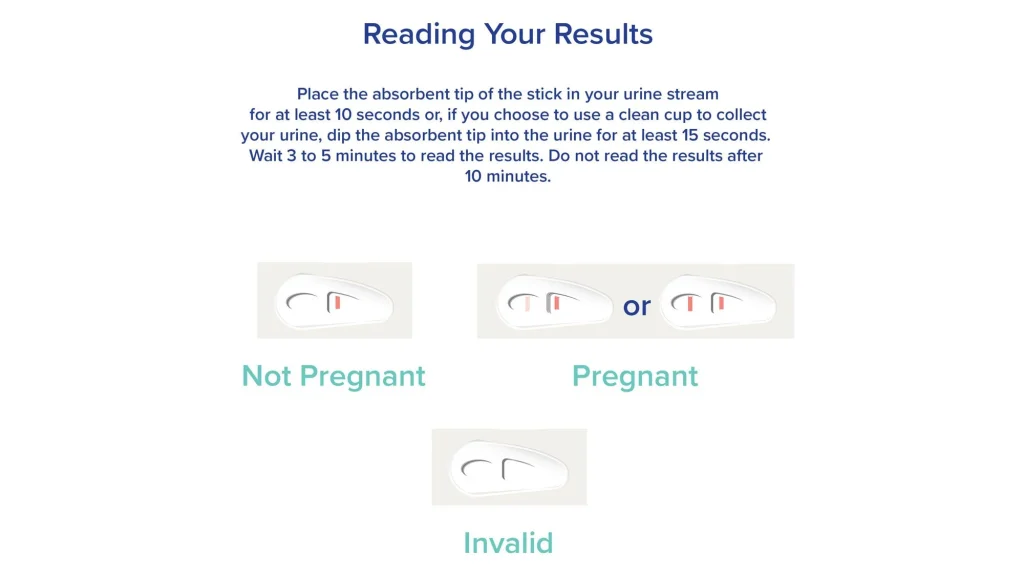
    Instructions for reading pregnancy test results with visual indicators for "Not Pregnant," "Pregnant," and "Invalid.

    How Abnormal Cervical Mucus Can Indicate Bigger Health Issues

    How Abnormal Cervical Mucus Can Indicate Bigger Health Issues

    While changes in cervical mucus can be caused by various factors, it is essential to pay attention to any abnormal changes as they can be a sign of bigger health issues. Here are some possible health issues that abnormal cervical mucus can indicate:

    1. Infertility: Fertile cervical mucus is crucial for sperm to reach and fertilize an egg. Any changes in cervical mucus that make it difficult for sperm to survive and swim to the egg can lead to infertility.

    2. STIs: As mentioned earlier, STIs can cause changes in cervical mucus. If left untreated, these infections can lead to more severe health issues, such as pelvic inflammatory disease (PID) and infertility.

    3. Hormonal Imbalances: Hormonal imbalances, such as polycystic ovary syndrome (PCOS), can affect the production and quality of cervical mucus. These imbalances can also lead to irregular periods, difficulty getting pregnant, and other health issues.

    4. Cervical Cancer: In rare cases, abnormal cervical mucus can be a sign of cervical cancer. It is crucial to get regular Pap tests to detect any abnormal changes in the cervix early on.

    5. Other Health Issues: Abnormal cervical mucus can also indicate other health issues, such as endometriosis, pelvic inflammatory disease (PID), and uterine fibroids.

    What to Do if You Notice Abnormal Cervical Mucus

    If you notice any changes in your cervical mucus, it is essential to talk to your healthcare provider. They can help determine the underlying cause and provide appropriate treatment. Depending on the cause, treatment options may include antibiotics for infections, hormone therapy for imbalances, or surgery for polyps or growths.

    It is also important to practice good vaginal hygiene, avoid irritants, and use protection during sexual activity to prevent STIs. Keeping track of your menstrual cycle and any changes in cervical mucus can also help your healthcare provider in making an accurate diagnosis.

    In conclusion, cervical mucus is a crucial indicator of a woman’s reproductive health. Changes in cervical mucus can be a sign of bigger health issues, and it is essential to pay attention to these changes and seek medical attention if needed. By understanding the causes and being proactive in addressing abnormal cervical mucus, women can maintain their reproductive health and overall well-being.

    Summary:

    Cervical mucus is a natural and important part of a woman’s reproductive system. Changes in cervical mucus can indicate underlying health issues such as hormonal imbalances, infections, allergies, and growths. These abnormalities can lead to infertility, STIs, and even cervical cancer. Seeking medical attention and practicing good vaginal hygiene can help prevent and address these issues.

  • Understanding Cervical Mucus: A Key to Detecting Health Problems

    Understanding Cervical Mucus: A Key to Detecting Health Problems

    Cervical mucus, also known as cervical fluid, is a substance produced by the cervix that plays a crucial role in female reproductive health. It is a clear or whitish fluid that can change in consistency and appearance throughout a woman’s menstrual cycle. While many may view it as simply a sign of fertility, cervical mucus can actually provide important insights into a woman’s overall health.

    In this blog post, we will delve into the different types of cervical mucus, how it changes throughout the menstrual cycle, and how it can be used to detect potential health problems.

    Types of Cervical Mucus

    There are four main types of cervical mucus that a woman may experience throughout her menstrual cycle. These include:

    1. Dry or Sticky Mucus: This type of mucus is typically present after menstruation and is characterized by a lack of moisture and stickiness. It is not conducive to sperm survival and can make it difficult for a woman to conceive.

    2. Creamy Mucus: As a woman approaches ovulation, her cervical mucus may become creamy and slightly wet. This type of mucus is more conducive to sperm survival and can indicate that ovulation is approaching.

    3. Egg White Mucus: This type of mucus is the most fertile and occurs around the time of ovulation. It is clear, stretchy, and resembles raw egg whites. This type of mucus helps sperm travel through the cervix and into the uterus.

    4. Watery Mucus: After ovulation, cervical mucus becomes more watery and less stretchy. This type of mucus is not as conducive to sperm survival but can still indicate the potential for pregnancy.

    Changes in Cervical Mucus Throughout the Menstrual Cycle

    The menstrual cycle is divided into different phases, with each phase producing a different type of cervical mucus. Understanding these changes can help women track their fertility and detect potential health issues.

    Hands holding a syringe and a small container against a blue background.

    Understanding Cervical Mucus: A Key to Detecting Health Problems

    1. Menstruation: During menstruation, cervical mucus is typically dry or sticky. This is because estrogen levels are low, and the cervix is closed to prevent bacteria from entering the uterus.

    2. Pre-Ovulation: As a woman approaches ovulation, estrogen levels rise, causing the cervix to produce more mucus. This mucus is typically creamy and helps sperm survive and travel through the cervix.

    3. Ovulation: Around the time of ovulation, estrogen levels reach their peak, causing cervical mucus to become thin, clear, and stretchy. This type of mucus is the most fertile and helps sperm reach the egg for fertilization.

    4. Post-Ovulation: After ovulation, estrogen levels decrease, causing cervical mucus to become watery and less conducive to sperm survival. This is because the body is preparing for menstruation and does not need to support fertilization.

    Detecting Health Problems through Cervical Mucus

    In addition to tracking fertility, changes in cervical mucus can also indicate potential health problems. Here are some potential issues that can be detected through changes in cervical mucus:

    1. Hormonal Imbalance: Changes in cervical mucus can be a sign of a hormonal imbalance, such as an increase in estrogen levels or a decrease in progesterone levels. This can affect fertility and may require medical intervention.

    2. Cervical Infections: Abnormal changes in cervical mucus, such as a foul odor or unusual color, can be a sign of a cervical infection. These infections can cause inflammation and may require antibiotics to clear up.

    3. Sexually Transmitted Infections: Some sexually transmitted infections, such as chlamydia and gonorrhea, can cause changes in cervical mucus. It is important to get tested regularly and seek treatment if an infection is detected.

    4. Cervical Cancer: In rare cases, changes in cervical mucus may be a sign of cervical cancer. This is why it is important to keep track of changes in cervical mucus and seek medical attention if anything seems unusual.

    In summary, cervical mucus is not just a sign of fertility but can also provide valuable insights into a woman’s overall reproductive health. Tracking changes in cervical mucus throughout the menstrual cycle can help women detect potential health problems and seek medical treatment if necessary. It is important to pay attention to your body and consult with a healthcare provider if you notice any abnormal changes in cervical mucus.

  • The Surprising Connection Between Cervical Mucus and Your Health

    Cervical mucus is a topic that most people don’t think about on a daily basis, but did you know that it can actually provide valuable insights into your overall health? This sticky, sometimes stringy substance produced by the cervix plays a crucial role in the reproductive system and can also be an indicator of various health issues. In this blog post, we will explore the surprising connection between cervical mucus and your health.

    First and foremost, it’s important to understand what cervical mucus is and what its purpose is. Cervical mucus is a fluid secreted by the glands in the cervix, and it serves as a protective barrier for the reproductive organs. It also plays a vital role in fertility by helping sperm travel through the reproductive tract and reach the egg for fertilization.

    One of the ways cervical mucus can provide insights into your health is through its consistency and appearance. Throughout your menstrual cycle, the amount and consistency of cervical mucus will change due to hormonal fluctuations. By tracking these changes, you can gain valuable information about your fertility and overall health.

    For instance, during ovulation, cervical mucus becomes thinner, clearer, and more stretchy. This type of mucus, known as “egg white cervical mucus,” is the most fertile type and allows sperm to swim through it easily. If you are trying to conceive, tracking your cervical mucus can help you determine the best time to have intercourse for the highest chances of pregnancy.

    On the other hand, if you are not trying to conceive and notice a sudden increase in egg white cervical mucus, it could be a sign of an underlying health issue. For example, a hormonal imbalance or infection can cause changes in cervical mucus production and consistency. By paying attention to these changes, you can catch potential health problems early on and seek appropriate treatment.

    logo featuring a pink heart above two teal leaves on a blue circular background

    The Surprising Connection Between Cervical Mucus and Your Health

    Another surprising connection between cervical mucus and health is its role in cervical cancer. The presence of abnormal cervical mucus, such as a watery or bloody discharge, can be an early warning sign of cervical cancer. This is because cervical cancer cells can cause changes in the cells that produce cervical mucus, leading to abnormal secretions. If you notice any changes in your cervical mucus, it’s essential to speak to your doctor for further evaluation.

    But it’s not just cervical cancer that can affect cervical mucus. Other reproductive health issues, such as polyps, fibroids, and endometriosis, can also cause changes in cervical mucus production and consistency. By tracking your cervical mucus and discussing any changes with your doctor, you can catch these issues early on and receive timely treatment.

    Furthermore, your cervical mucus can also provide insights into your overall health and wellbeing. Certain lifestyle factors, such as stress, diet, and exercise, can affect your hormones and, in turn, your cervical mucus. Chronic stress, for instance, can cause hormonal imbalances that can affect the production and consistency of cervical mucus. By managing stress and maintaining a healthy lifestyle, you can improve the quality of your cervical mucus and overall reproductive health.

    In addition to lifestyle factors, certain medications can also impact cervical mucus. Birth control pills, for example, can thicken cervical mucus, making it difficult for sperm to reach the egg. And certain antibiotics can also affect the production of cervical mucus, leading to changes in its consistency. It’s essential to discuss any medications you are taking with your doctor and how they may impact your cervical mucus.

    In summary, cervical mucus plays a crucial role in the reproductive system and can also provide valuable insights into your overall health. By tracking changes in its consistency and appearance, you can gain valuable information about your fertility and catch potential health issues early on. It’s important to pay attention to your cervical mucus and discuss any changes with your doctor to maintain optimal reproductive and overall health.

  • The Relationship Between Cervical Mucus and Cervical Cancer

    Blog Post:

    Cervical cancer is the fourth most common cancer in women worldwide, with an estimated 570,000 new cases and 311,000 deaths in 2018 alone. This type of cancer occurs in the cervix, the lower part of the uterus that connects to the vagina. It is caused by abnormal cell growth in the cervix, and it can be deadly if not detected and treated early.

    One lesser-known factor that can affect the development of cervical cancer is cervical mucus. Cervical mucus is a fluid produced by the cervix that plays a crucial role in reproductive health. However, changes in cervical mucus can also be a warning sign for cervical cancer. In this blog post, we will explore the relationship between cervical mucus and cervical cancer and how it can be used as a tool for early detection and prevention.

    Understanding Cervical Mucus

    Before we delve into the relationship between cervical mucus and cervical cancer, let’s first understand what cervical mucus is and its role in the female reproductive system. Cervical mucus is a secretion produced by the cervix, the narrow passage between the uterus and the vagina. It is a clear, jelly-like fluid that can change in consistency, texture, and color throughout a woman’s menstrual cycle.

    Cervical mucus is essential for fertility and plays a crucial role in conception. It provides a protective barrier for sperm, helping them survive and swim towards the egg. The quality and quantity of cervical mucus are also indicators of ovulation. As a woman approaches ovulation, the cervical mucus becomes thin, stretchy, and slippery, making it easier for sperm to travel to the egg.

    The Relationship Between Cervical Mucus and Cervical Cancer

    Now that we understand the role of cervical mucus let’s explore its relationship with cervical cancer. Cervical cancer is primarily caused by the human papillomavirus (HPV), a common sexually transmitted infection. HPV can cause changes in the cells of the cervix, leading to abnormal cell growth and eventually, cervical cancer.

    comparison of Mosie syringe opening versus standard syringe opening with text highlighting benefits

    The Relationship Between Cervical Mucus and Cervical Cancer

    One of the early warning signs of cervical cancer is changes in cervical mucus. While cervical mucus naturally changes throughout a woman’s menstrual cycle, any noticeable changes in color, texture, or consistency should be monitored closely. Abnormal cervical mucus can be a sign of an infection or inflammation, both of which can increase the risk of cervical cancer.

    In particular, a thin, watery, or blood-tinged discharge can be a sign of cervical cancer. This type of discharge may have a foul odor, and it may occur between periods or after sexual intercourse. If you notice any unusual changes in your cervical mucus, it is crucial to consult your doctor for further evaluation.

    Using Cervical Mucus as a Tool for Early Detection and Prevention

    Regular cervical cancer screening is essential for the early detection and prevention of cervical cancer. This includes regular Pap smears or HPV tests, depending on your age and risk factors. However, monitoring changes in cervical mucus can also be a useful tool in detecting cervical cancer early on.

    If you are trying to conceive, paying attention to your cervical mucus can also help identify any potential issues that may affect your fertility. For example, if you are not producing enough cervical mucus, it may indicate hormonal imbalances or other underlying health issues. On the other hand, if your cervical mucus is consistently thick and sticky, it may make it difficult for sperm to reach the egg.

    Maintaining a healthy lifestyle and reducing your risk factors for cervical cancer is also crucial for prevention. This includes practicing safe sex, quitting smoking, and receiving the HPV vaccine if you are eligible. Additionally, maintaining a healthy diet and exercise routine can also help reduce your risk of cervical cancer.

    In summary, cervical mucus plays a significant role in reproductive health, but it can also be a vital indicator of cervical cancer. Any noticeable changes in cervical mucus should be closely monitored and discussed with your doctor. Regular cervical cancer screenings and a healthy lifestyle can also help prevent cervical cancer. By understanding the relationship between cervical mucus and cervical cancer, we can take proactive steps towards early detection and prevention of this deadly disease.

    SEO Metadata:

  • The Connection Between Cervical Mucus and Menstrual Cycle: Implications for Cervical Cancer Risk

    Cervical cancer is the fourth most common type of cancer in women worldwide, with an estimated 570,000 new cases diagnosed each year. It is also the fourth leading cause of cancer-related deaths in women. This type of cancer occurs in the cells of the cervix, the lower part of the uterus that connects to the vagina. It is most commonly caused by the human papillomavirus (HPV), a sexually transmitted infection. However, there is a strong connection between cervical mucus and the menstrual cycle that can also affect a woman’s risk of developing cervical cancer.

    The menstrual cycle is the monthly hormonal cycle that prepares a woman’s body for pregnancy. It involves the shedding of the uterine lining, known as menstruation, and the maturation and release of an egg from the ovaries. Throughout this cycle, the cervix produces mucus, which plays a crucial role in fertility and reproductive health. This mucus is produced by the cells of the cervix and changes in consistency, color, and amount throughout the menstrual cycle. Understanding the connection between cervical mucus and the menstrual cycle is essential in understanding the implications for cervical cancer risk.

    Cervical mucus is a clear or white fluid that is secreted by the cervix. It serves as a protective barrier against bacteria and other harmful substances, and it also helps sperm reach the egg for fertilization. The consistency of cervical mucus changes throughout the menstrual cycle due to fluctuations in hormones, particularly estrogen and progesterone. These hormonal changes affect the thickness, acidity, and amount of mucus produced.

    During the first part of the menstrual cycle, known as the follicular phase, estrogen levels increase, leading to the production of thin and stretchy cervical mucus. This type of mucus, known as fertile mucus, helps sperm travel through the cervix and into the uterus. It also provides a nutrient-rich environment that helps sperm survive and reach the egg. As estrogen levels continue to rise, the mucus becomes increasingly thin and watery, providing the ideal environment for sperm to survive for several days.

    As ovulation approaches, estrogen levels peak, and fertile mucus becomes even more abundant and stretchy. This is known as the peak fertile phase, and it is the most fertile time of the menstrual cycle. After ovulation, progesterone levels increase, causing the mucus to become thick and sticky, making it harder for sperm to travel through. This is known as the luteal phase, and it is the least fertile time of the menstrual cycle.

    various medical supplies and containers organized in a clear plastic box on a wooden surface

    The Connection Between Cervical Mucus and Menstrual Cycle: Implications for Cervical Cancer Risk

    The changes in cervical mucus throughout the menstrual cycle are vital for fertility and reproductive health. However, they can also have implications for cervical cancer risk. The presence of fertile mucus can make it easier for HPV to enter the cervix and cause infection. Additionally, the acidic nature of the fertile mucus can help HPV survive and thrive in the cervix, increasing the risk of cervical cancer.

    Furthermore, the changes in cervical mucus can affect the accuracy of cervical cancer screening tests. The most common screening test for cervical cancer is the Pap test, which involves collecting cells from the cervix and examining them for abnormal changes. However, during the fertile phase of the menstrual cycle, the presence of fertile mucus can make it challenging to collect an accurate sample, leading to false-negative results.

    The connection between cervical mucus and the menstrual cycle also has implications for women who have been diagnosed with cervical cancer. Treatment options, such as surgery or radiation therapy, can damage the cells of the cervix, leading to changes in cervical mucus production. This can affect a woman’s fertility and reproductive health, making it harder for her to conceive or carry a pregnancy to term.

    In conclusion, there is a strong connection between cervical mucus and the menstrual cycle, and it has significant implications for cervical cancer risk. Women should be aware of the changes in their cervical mucus throughout their menstrual cycle and how it can affect their overall reproductive health. It is also essential to get regular cervical cancer screenings, regardless of where you are in your monthly cycle. By understanding this connection and taking proactive steps towards cervical health, women can reduce their risk of developing cervical cancer.

    In summary, cervical mucus plays a crucial role in fertility and reproductive health, and changes in consistency and amount throughout the menstrual cycle can affect a woman’s risk of developing cervical cancer. The presence of fertile mucus can make it easier for HPV to cause infection, and it can also affect the accuracy of cervical cancer screening tests. Women should be aware of these implications and take proactive steps towards cervical health. Regular screenings and understanding the changes in cervical mucus throughout the menstrual cycle are crucial in reducing the risk of cervical cancer.

  • Essential Tips for Understanding Your Cervical Mucus and Its Role in Cervical Cancer Prevention

    Cervical mucus is a substance produced by the cervix, the lower part of the uterus, in women of reproductive age. It plays a crucial role in female fertility and overall reproductive health. However, many women are unaware of the importance of cervical mucus and how it can also serve as a key indicator of cervical cancer risk. In this blog post, we will discuss essential tips for understanding your cervical mucus and its role in cervical cancer prevention.

    Tip #1: Know Your Cervical Mucus
    Cervical mucus can vary in consistency, color, and amount throughout a woman’s menstrual cycle. It is typically thin and watery during ovulation, which is the most fertile time of the cycle. As the cycle progresses, the mucus becomes thicker and stickier, making it more difficult for sperm to reach the egg. Knowing the changes in your cervical mucus can help you determine your most fertile days and plan for pregnancy. It is essential to track these changes and observe any irregularities in your mucus.

    Tip #2: Understand the Connection Between Cervical Mucus and Cervical Cancer
    Cervical cancer is the fourth most common cancer in women worldwide, and it is caused by the human papillomavirus (HPV). The cervix is the only part of the body where the virus can cause cancer, making it crucial to understand its role in cervical cancer development. Cervical mucus acts as a barrier, protecting the cervix from harmful bacteria and viruses, including HPV. However, when cervical mucus is not functioning correctly, the risk of HPV infection and cervical cancer increases.

    Tip #3: Pay Attention to Changes in Your Cervical Mucus
    Abnormalities in cervical mucus can be an indicator of cervical health issues, including cervical cancer. If you notice changes in the color, consistency, or amount of your cervical mucus, it is essential to consult your doctor. Discharge that is thick, foul-smelling, or accompanied by itching or burning could be a sign of an infection or other cervical problems. It is crucial to seek medical attention if you experience any of these symptoms.

    Tip #4: Practice Good Hygiene
    Maintaining good hygiene is crucial for overall reproductive health and can also help prevent cervical cancer. The vagina is a self-cleaning organ, and using harsh soaps or douching can disrupt the natural balance of bacteria and affect cervical mucus production. It is recommended to wash the genital area with warm water and mild soap and avoid using scented products. Good hygiene practices can help maintain a healthy balance of bacteria and prevent infections that can affect cervical health.

    Mosie Baby pregnancy test kit with two tests and packaging, featuring a mint green color scheme.

    Essential Tips for Understanding Your Cervical Mucus and Its Role in Cervical Cancer Prevention

    Tip #5: Get Regular Pap Tests
    Pap tests, also known as Pap smears, are a crucial screening tool for cervical cancer. The test involves collecting cells from the cervix and examining them for abnormalities. It can detect precancerous cells and early-stage cervical cancer, making it an essential part of cervical cancer prevention. The American Cancer Society recommends that women aged 21 to 29 should get a Pap test every three years, while women aged 30 to 65 should get a Pap test and HPV test every five years.

    Tip #6: Get Vaccinated Against HPV
    The HPV vaccine is a safe and effective way to protect against the most common types of HPV that can cause cervical cancer. It is recommended for both males and females aged 11 to 26, although it can be given up to age 45. The vaccine can prevent up to 90% of cervical cancers, making it a crucial step in cervical cancer prevention. Talk to your doctor about the HPV vaccine and whether it is right for you.

    Tip #7: Practice Safe Sex
    Practicing safe sex is not only essential for preventing unwanted pregnancies and sexually transmitted infections, but it can also help prevent HPV infection and cervical cancer. HPV is primarily transmitted through sexual contact, so using condoms can reduce the risk of infection. It is also essential to have open and honest communication with your partner about sexual history and any potential risks.

    In conclusion, understanding your cervical mucus is essential for both reproductive health and cervical cancer prevention. By knowing how to track changes in your mucus, practicing good hygiene, getting regular Pap tests, and taking preventative measures such as getting vaccinated against HPV and practicing safe sex, you can reduce your risk of cervical cancer. Remember to consult your doctor if you notice any abnormal changes in your cervical mucus, as early detection and treatment are crucial in preventing cervical cancer.

    SEO metadata: