Blog Post Title: The Syringe Insemination System and IVF: Comparing Two Popular Fertility Methods
Introduction:
For couples struggling with infertility, there are various fertility treatments available to help them conceive. Two popular methods are the Syringe Insemination System and In Vitro Fertilization (IVF). Both of these methods have proven to be effective in helping couples achieve their dream of having a baby. In this blog post, we will delve into the details of these two fertility methods, exploring their processes, success rates, and differences.
The Syringe Insemination System:
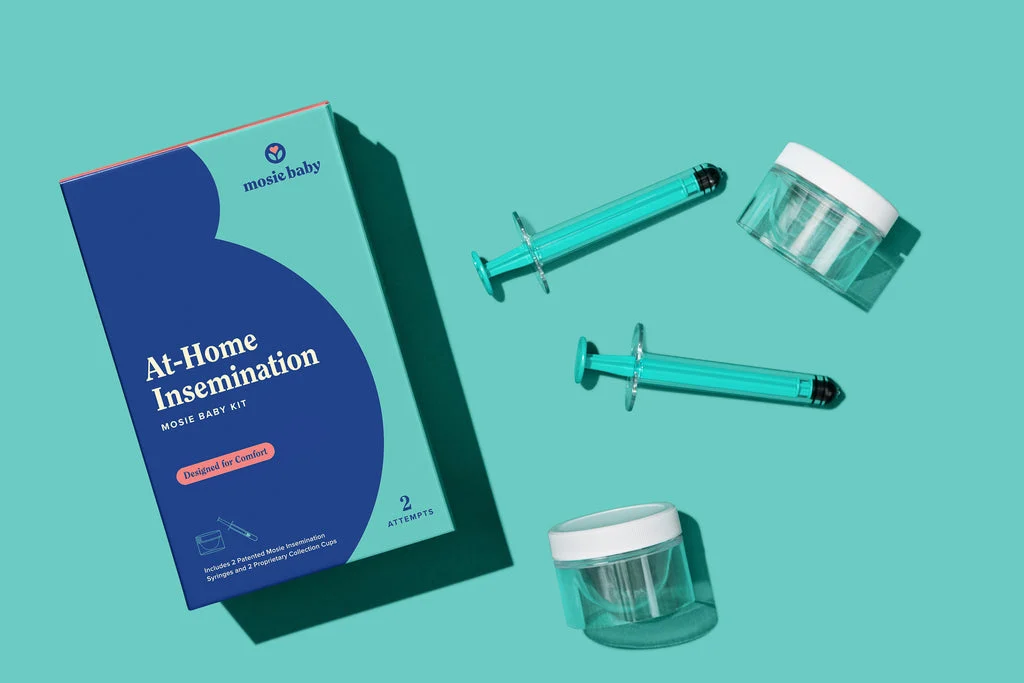
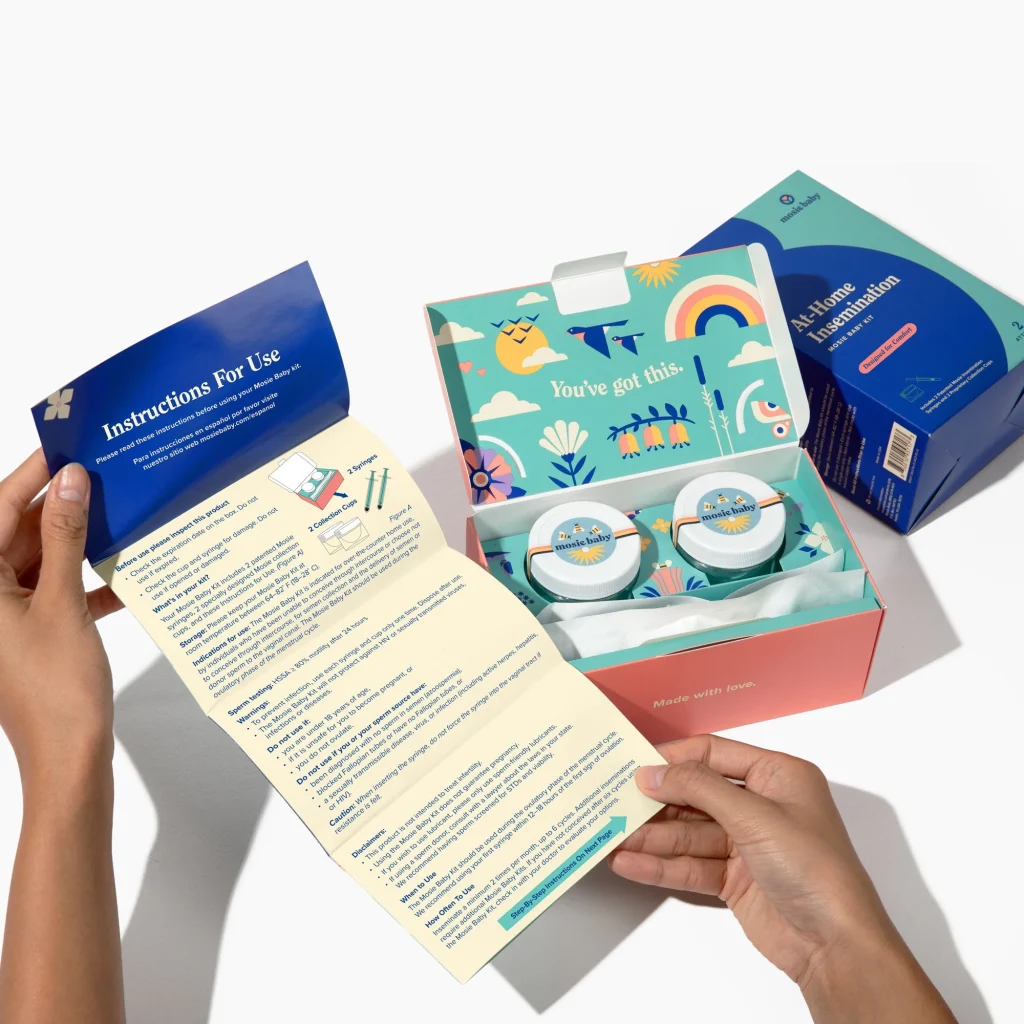
The Syringe Insemination System, also known as Intrauterine Insemination (IUI), is a fertility treatment that involves the placement of washed and concentrated sperm directly into the uterus, bypassing the cervix. This method is often recommended for couples with unexplained infertility, mild male factor infertility, or for women with cervical issues that may hinder the sperm’s ability to reach the egg.
The Process:
The process of the Syringe Insemination System starts with the male partner providing a semen sample, which is then washed and concentrated in a laboratory to separate the most active and healthy sperm. The female partner will then be given medication to stimulate the ovaries to produce multiple eggs. This is done to increase the chances of pregnancy. The concentrated sperm is then inserted into the uterus using a thin catheter, which can be a little uncomfortable but is not considered to be a painful procedure.
Success Rates:
The success rates of the Syringe Insemination System vary depending on various factors such as age, underlying fertility issues, and the number of cycles attempted. On average, the success rates range from 8% to 20% per cycle. This method is more successful for couples with mild male infertility or unexplained infertility.
Advantages of the Syringe Insemination System:
One of the main advantages of this method is that it is a non-invasive procedure, and the risk of multiple pregnancies is relatively low. It is also a more affordable option compared to other fertility treatments, making it accessible to more couples.
Disadvantages of the Syringe Insemination System:
The Syringe Insemination System may not be suitable for couples with severe male infertility or blocked fallopian tubes. It also has a lower success rate compared to other fertility treatments, and multiple cycles may be required to achieve pregnancy.
In Vitro Fertilization (IVF):

The Syringe Insemination System and IVF: Comparing Two Popular Fertility Methods
IVF is a more complex fertility treatment that involves the fertilization of eggs and sperm outside the body in a laboratory. This method is suitable for couples with more severe fertility issues, such as blocked fallopian tubes, advanced maternal age, or severe male factor infertility.
The Process:
The process of IVF starts with the female partner undergoing ovarian stimulation to produce multiple eggs. These eggs are then retrieved through a minor surgical procedure and combined with sperm in a laboratory. After fertilization occurs, the resulting embryos are monitored for growth and development. The healthiest embryo(s) are then transferred into the uterus using a catheter, and the remaining embryos can be frozen for future use.
Success Rates:
The success rates of IVF are significantly higher compared to the Syringe Insemination System, with an average success rate of 41% for women under 35 years old. The success rates decrease with age, with a success rate of 31% for women aged 35-37, 22% for women aged 38-40, and 12% for women aged 41-42. The success rates may also vary depending on the underlying cause of infertility.
Advantages of IVF:
IVF has a higher success rate compared to other fertility treatments, making it a popular choice for couples struggling with infertility. It is also a more comprehensive procedure, as it allows for the screening of embryos for genetic disorders before transfer. This method is also suitable for couples with more severe fertility issues.
Disadvantages of IVF:
The main disadvantage of IVF is its cost, as it is a more expensive option compared to other fertility treatments. It also requires more invasive procedures, which may cause discomfort and involve a higher risk of complications. The use of fertility drugs for ovarian stimulation may also lead to potential side effects.
Comparing the Syringe Insemination System and IVF:
Both the Syringe Insemination System and IVF have their own advantages and disadvantages, and the choice between the two methods depends on the couple’s individual needs and circumstances. For couples with mild fertility issues and a limited budget, the Syringe Insemination System may be a suitable option. However, for couples with more severe fertility issues or advanced maternal age, IVF may be the more effective option.
Summary:
In conclusion, the Syringe Insemination System and IVF are two popular fertility methods used to help couples struggling with infertility. While the Syringe Insemination System is a more affordable and non-invasive option, it may not be suitable for couples with more severe fertility issues. IVF, on the other hand, has a higher success rate but is a more comprehensive and costly procedure. Ultimately, the choice between the two methods depends on the couple’s specific needs and circumstances.
SEO Metadata: