Tag: emotions

  • The Emotional Journey of Home Insemination: Coping with the Ups and Downs

    Blog Post:

    Home insemination, also known as self-insemination, is a method of conception where a person or a couple uses a donor’s sperm to try to get pregnant at home. This can be a deeply emotional journey for many people, filled with both ups and downs. From the excitement and anticipation of starting the process to the disappointment and frustration of unsuccessful attempts, the emotional rollercoaster of home insemination is not to be underestimated. In this blog post, we will explore the different stages of emotions that one may go through during the process of home insemination and how to cope with them.

    The Journey Begins: Excitement and Hope

    The decision to pursue home insemination is often a carefully thought-out one, filled with excitement and hope. For many people, this marks the start of their journey towards parenthood. The idea of creating a family and bringing a child into the world can be both exhilarating and nerve-wracking. This is a time of planning and preparation, from choosing a donor to purchasing the necessary supplies. It’s a time of optimism and looking towards the future with hope.

    Coping Tip: Embrace the excitement and channel it into positive energy. Use this time to bond with your partner and envision your future as parents. Talk openly about your hopes and dreams for your future family.

    The Waiting Game: Patience and Frustration

    Once the preparations are in place, the waiting game begins. This can be a challenging time for many, as it involves a lot of patience and can be accompanied by feelings of frustration. Home insemination involves tracking ovulation and timing the insemination correctly, which can take time and patience. Additionally, the process may not be successful on the first try, leading to disappointment and frustration.

    Coping Tip: Remember to be patient and kind to yourself during this time. It’s important to understand that conception can take time and it’s not always within our control. Find ways to manage your frustration, such as practicing relaxation techniques or talking to a therapist or support group.

    The Highs and Lows of the Two-Week Wait

    mosie baby logo featuring a heart and leaves in blue, pink, and green colors.

    The Emotional Journey of Home Insemination: Coping with the Ups and Downs

    Once the insemination has taken place, the dreaded two-week wait begins. This is the time between ovulation and when you can take a pregnancy test to see if the insemination was successful. This is a time of heightened emotions, as every twinge and symptom can be interpreted as a sign of pregnancy. This period can be filled with both highs and lows, as hopes and fears battle within the mind.

    Coping Tip: It’s important to find ways to manage the stress and anxiety that may come with the two-week wait. Practice self-care and find activities that bring you joy and help you relax. Avoid taking multiple pregnancy tests, as this can add to the anxiety. Remember to be gentle with yourself and try not to put too much pressure on the outcome.

    Dealing with Negative Results: Disappointment and Grief

    Unfortunately, not every attempt at home insemination will result in a positive pregnancy test. This can be a devastating blow, filled with disappointment and grief. The emotional toll of a negative result can be overwhelming, and it’s important to give yourself time to process these feelings.

    Coping Tip: Allow yourself to grieve and feel the disappointment. It’s important to acknowledge and validate these emotions. Seek support from your partner, friends, or a therapist. Remember that one negative result does not define your journey and that there is still hope for the future.

    Celebrating Success: Joy and Gratitude

    Finally, after all the ups and downs, the home insemination journey may end with a positive pregnancy test. This can bring an overwhelming sense of joy and gratitude, as the long-awaited dream of starting a family becomes a reality. This is a time to celebrate and cherish the journey that led to this moment.

    Coping Tip: Take time to celebrate this success and reflect on the journey that brought you here. Share the news with loved ones and allow yourself to bask in the joy and gratitude of this milestone. Remember to also take care of yourself during this time, as pregnancy can bring its own set of emotions and challenges.

    In Summary, the emotional journey of home insemination is a rollercoaster of emotions, filled with excitement, hope, patience, frustration, joy, disappointment, and grief. It’s important to acknowledge and validate these emotions and find healthy ways to cope with them. Whether the journey ends with success or not, it’s a journey filled with love and determination, leading towards the ultimate goal of starting a family.

  • The Emotional Journey of Home Insemination: What to Expect

    Blog Post:

    Home insemination, also known as at-home insemination, is a fertility option that allows individuals or couples to perform the insemination process in the comfort of their own home. With the advancements in technology and accessibility of at-home insemination kits, more and more people are turning to this method to start or expand their families. While it may seem like a simple and straightforward process, the emotional journey of home insemination can be complex and overwhelming. In this blog post, we will discuss the different emotional stages that individuals or couples may experience during the home insemination process, and offer tips on how to navigate them.

    Stage 1: Excitement and Hope
    The decision to try home insemination often comes with a sense of excitement and hope. For many, this is the first step in their journey towards parenthood. This stage is filled with anticipation and optimism, as individuals or couples imagine their dream of starting a family becoming a reality. It is important to embrace this excitement and hold on to the hope that this process brings.

    Stage 2: Anxiety and Doubt
    As the insemination process approaches, it is common to experience feelings of anxiety and doubt. There may be worries about the success of the insemination, or doubts about one’s ability to conceive. It is important to acknowledge these feelings and find healthy ways to cope with them. Talking to a partner, friend, or therapist can help ease these anxieties and provide support during this stage.

    Stage 3: Disappointment and Frustration
    For those who have been trying to conceive for some time, the disappointment of unsuccessful attempts can be difficult to handle. This stage can be emotionally draining, and it is important to give yourself time to grieve and process these feelings. It is also common to feel frustrated with the process and wonder if it will ever work. It is important to remember that home insemination may take several attempts before achieving a successful pregnancy.

    Stage 4: Patience and Perseverance
    As the journey of home insemination continues, it is important to remain patient and stay committed to the process. It may take a few months or even longer to achieve a successful pregnancy. During this stage, it is important to take care of your physical and emotional well-being. This can include maintaining a healthy diet, exercising regularly, and seeking support from loved ones. It is also important to stay positive and remember the end goal.

    Stage 5: Joy and Gratitude
    Finally, the day comes when a positive pregnancy test is received. This is a moment of pure joy and gratitude, as all the hard work and emotions of the home insemination process pay off. It is important to celebrate this milestone and embrace the excitement of welcoming a new life into the world.

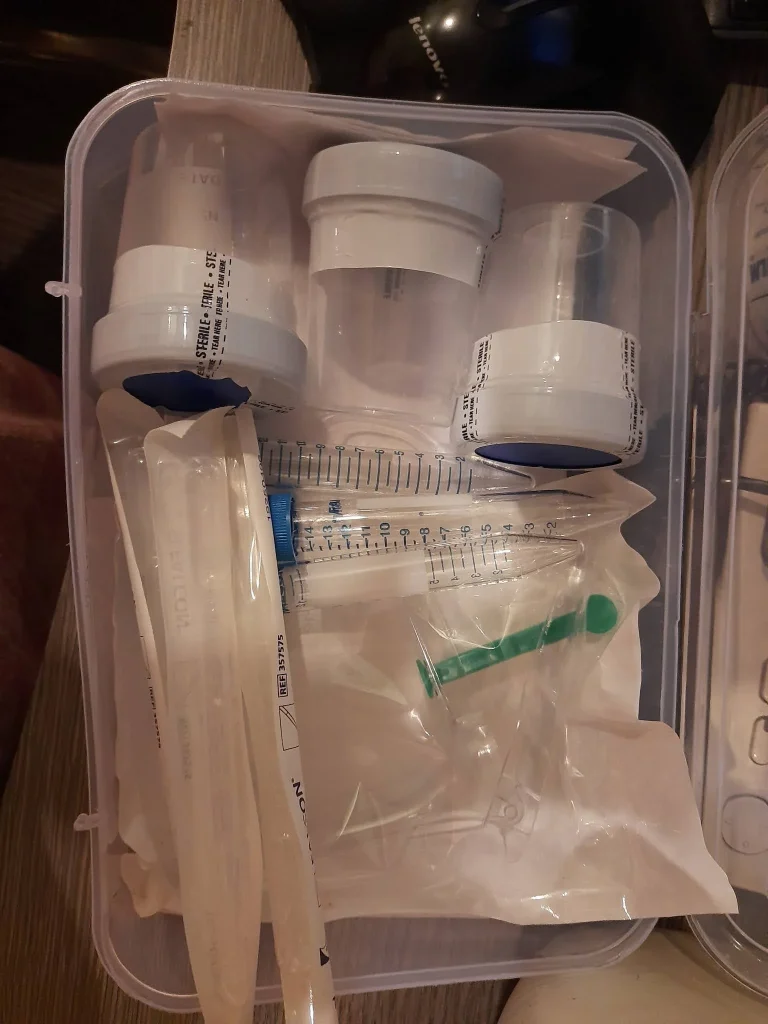
    various medical supplies and containers organized in a clear plastic box on a wooden surface

    The Emotional Journey of Home Insemination: What to Expect

    Tips for Navigating the Emotional Journey of Home Insemination:
    1. Communicate with your partner: It is important to have open and honest communication with your partner throughout the home insemination process. Share your feelings and support each other through the ups and downs.

    2. Seek support: Whether it’s from a friend, family member, or therapist, it is important to have a support system during this emotional journey. Talking to someone who understands and can offer guidance can be incredibly helpful.

    3. Take care of yourself: It is important to prioritize self-care during this process. This can include eating well, exercising, and finding healthy ways to cope with stress and emotions.

    4. Stay positive: It can be easy to get discouraged during the home insemination process, but it is important to stay positive and keep a hopeful mindset. Visualize your end goal and stay focused on the journey.

    5. Be patient: Home insemination may take time before achieving a successful pregnancy. It is important to be patient and trust in the process.

    In conclusion, the emotional journey of home insemination can be a rollercoaster of emotions. It is important to acknowledge and embrace these feelings, and find healthy ways to cope with them. With patience, perseverance, and support, the end goal of starting or expanding a family through home insemination can be achieved.

    Summary:
    Home insemination is a popular fertility option that allows individuals or couples to perform the insemination process at home. However, the emotional journey of home insemination can be complex and overwhelming. This process can be divided into five stages: excitement and hope, anxiety and doubt, disappointment and frustration, patience and perseverance, and joy and gratitude. It is important to communicate with your partner, seek support, take care of yourself, stay positive, and be patient throughout this journey.

  • The Emotional Toll of Infertility: Finding Support and Coping Mechanisms

    Infertility is a difficult and emotional journey that affects millions of couples around the world. It is a journey filled with hope, disappointment, and heartache, and can take a toll on the mental and emotional well-being of those experiencing it. In this blog post, we will explore the emotional toll of infertility and discuss ways to find support and coping mechanisms to help navigate this challenging experience.

    Infertility is defined as the inability to conceive after trying for one year or longer. For many couples, the dream of starting a family is met with setbacks and struggles when faced with infertility. The emotional impact of this diagnosis can be overwhelming and may lead to feelings of sadness, anger, guilt, and even depression. The journey of trying to conceive can also take a toll on relationships, causing strain and tension between partners.

    One of the most challenging aspects of infertility is the feeling of loss. For many individuals and couples, the inability to have a child of their own can feel like a loss of their dreams and hopes for the future. This sense of loss can be accompanied by feelings of grief and mourning, making it difficult to move forward and find a sense of peace.

    The emotional toll of infertility can also manifest in physical symptoms such as fatigue, headaches, and changes in appetite or sleep patterns. It is essential to pay attention to these signs and seek support and coping mechanisms to help manage them.

    Finding Support
    One of the most crucial steps in coping with the emotional toll of infertility is finding support. It is essential to have a safe and understanding space to express your feelings and emotions without judgment. Here are some ways to find support during this challenging time:

    1. Seek Professional Help: Infertility can be a traumatic experience, and it is important to have a therapist or counselor who specializes in this area to help you navigate your emotions and provide coping strategies.

    2. Join a Support Group: Connecting with others who are going through a similar experience can be incredibly comforting and helpful. There are many support groups for individuals and couples dealing with infertility, both in-person and online.

    3. Lean on Friends and Family: It is essential to have a support system of friends and family who can listen and offer a shoulder to cry on when needed. Let them know how they can support you, whether it’s by simply being there or helping with practical tasks.

    logo of mosie baby featuring a heart and leaf design in blue, pink, and green colors

    The Emotional Toll of Infertility: Finding Support and Coping Mechanisms

    4. Turn to Online Communities: There are many online forums and communities where individuals and couples dealing with infertility can connect, share their experiences, and offer support to one another.

    Coping Mechanisms
    Apart from seeking support, there are also coping mechanisms that can help individuals and couples manage the emotional toll of infertility. Here are some strategies to consider:

    1. Practice Self-Care: It is essential to take care of your physical and emotional well-being during this time. Engage in activities that bring you joy, such as exercise, meditation, or hobbies.

    2. Educate Yourself: Infertility can feel isolating, but it is essential to remember that you are not alone. Educate yourself about the condition and the various treatment options available to you. This knowledge can help you feel more in control and reduce any fears or anxieties you may have.

    3. Communicate with Your Partner: It is crucial to keep the lines of communication open with your partner during this journey. Share your feelings with one another and work together as a team to support each other.

    4. Set Boundaries: It is okay to set boundaries with friends and family who may not understand what you are going through. It is essential to protect your mental health and well-being during this time, and that may mean taking a step back from certain relationships.

    5. Consider Alternative Paths to Parenthood: If traditional methods of conceiving are not an option, it may be helpful to explore alternative paths to parenthood, such as adoption or surrogacy. These options can provide hope and a sense of purpose for the future.

    In conclusion, the emotional toll of infertility can be overwhelming, but it is essential to remember that there is support available and coping mechanisms to help navigate this journey. By seeking support, practicing self-care, and communicating with your partner, you can find ways to cope with the emotional challenges of infertility. Remember to be gentle with yourself and have hope that there is light at the end of this difficult journey.

  • The Emotional Aspects of Home Insemination

    Blog Post:

    The process of home insemination can be an emotional journey for many individuals and couples. There are a variety of reasons why someone may choose to pursue this method of conception, whether it be due to fertility issues, same-sex relationships, or simply a desire for a more intimate and personal experience. While home insemination may seem like a simple and straightforward process, the emotional aspects involved should not be overlooked. In this blog post, we will explore the different emotional aspects of home insemination and how they can impact individuals and relationships.

    1. Hope and Excitement

    For many, the decision to pursue home insemination comes with a sense of hope and excitement. This could be the hope of starting a family, the excitement of trying a new method of conception, or the potential for a successful pregnancy. This initial feeling of hope and excitement can be a powerful motivator and can help individuals and couples stay positive throughout the process.

    2. Anxiety and Stress

    As with any form of fertility treatment, home insemination can also bring about feelings of anxiety and stress. The uncertainty of whether or not the insemination will be successful, the fear of potential complications, and the pressure of timing everything correctly can all contribute to these emotions. It’s important for individuals and couples to recognize and address these feelings in order to manage them effectively.

    3. Disappointment and Frustration

    Unfortunately, not all attempts at home insemination will result in a pregnancy. This can lead to feelings of disappointment and frustration, especially for those who have been trying for a long time. It’s important to acknowledge and process these emotions, as they are a natural part of the journey. Seeking support from a therapist or a support group can also be beneficial in coping with these feelings.

    4. Intimacy and Connection

    Baby with blue eyes wearing a light blue onesie that says "made with Love" on a soft white background.

    The Emotional Aspects of Home Insemination

    One of the unique aspects of home insemination is the opportunity for intimacy and connection between partners. Unlike other forms of fertility treatments, home insemination allows for a more personal and intimate experience. This can strengthen the bond between partners and create a deeper sense of connection.

    5. Insecurity and Self-Doubt

    For some individuals, home insemination may bring about feelings of insecurity and self-doubt. This could be due to a variety of factors such as struggling with fertility, concerns about parenting, or societal pressures. It’s important for individuals to address these feelings and remind themselves of their reasons for pursuing home insemination.

    6. Joy and Gratitude

    If the home insemination is successful, it can bring about feelings of pure joy and gratitude. The journey to conception may have been a challenging one, making the end result even more special. It’s important for individuals and couples to celebrate this milestone and acknowledge the hard work and perseverance it took to get there.

    7. Communication and Support

    The emotional aspects of home insemination can have a significant impact on individuals and relationships. It’s crucial for partners to communicate openly and support each other throughout the process. This could mean having honest discussions about feelings, seeking professional help, or finding a support network of others who have gone through a similar experience.

    Summary:

    Home insemination is a unique and personal method of conception that can bring about a range of emotions for individuals and couples. The decision to pursue this form of fertility treatment can bring about feelings of hope and excitement, but can also lead to anxiety and stress. The potential for disappointment and frustration is also a reality, but successful insemination can bring about feelings of joy and gratitude. The opportunity for intimacy and connection between partners is a significant aspect of home insemination, but it can also bring up feelings of insecurity and self-doubt. Communication and support are crucial in managing the emotional aspects of home insemination and creating a positive experience for all involved.

  • Understanding the Risks and Benefits of Home Insemination

    Blog Post: Understanding the Risks and Benefits of Home Insemination

    Home insemination, also known as self-insemination, is the process of using at-home methods to get pregnant without medical intervention. This method has been gaining popularity in recent years as more and more couples opt for a more natural and intimate way of conceiving. However, like any other fertility method, home insemination has its risks and benefits that should be carefully considered before making a decision. In this blog post, we will delve deeper into the topic of home insemination, its risks, and potential benefits to help you make an informed decision.

    The Process of Home Insemination

    Before we get into the risks and benefits, let’s first understand how home insemination works. The process involves collecting semen from the male partner or a sperm donor and using a syringe or a cervical cap to insert it into the woman’s vagina. This can be done through various methods such as intracervical insemination (ICI), where the semen is injected into the cervix, or intravaginal insemination (IVI), where the semen is placed in the vagina.

    Risks of Home Insemination

    1. Lower Success Rates: One of the biggest risks of home insemination is the lower success rates compared to other fertility methods. According to a study published in the Journal of Assisted Reproduction and Genetics, the success rates of home insemination can range from 10-15%, while other assisted reproductive techniques, such as intrauterine insemination (IUI), have a success rate of 15-20%.

    2. Lack of Medical Supervision: Home insemination is a self-administered method, and hence, there is no medical supervision involved. This can be a significant risk as there is no one to monitor the process or provide guidance in case of any complications.

    3. Risk of Infection: Another risk of home insemination is the potential risk of infection. Since the process involves collecting semen from the male partner or donor, there is a chance of introducing bacteria or viruses into the woman’s reproductive system, which can lead to infections.

    4. Emotional and Psychological Risks: Home insemination can also take an emotional and psychological toll on the couple. The pressure of trying to conceive and the disappointment of unsuccessful attempts can cause stress, anxiety, and strain on the relationship.

    Benefits of Home Insemination

    Hands holding a syringe and a small container against a blue background.

    Understanding the Risks and Benefits of Home Insemination

    1. Privacy and Intimacy: One of the main benefits of home insemination is the privacy and intimacy it offers. Many couples prefer this method as it allows them to have control over the process and have a more intimate experience without any medical intervention.

    2. Cost-Effective: Home insemination is a more cost-effective option compared to other assisted reproductive techniques. The average cost of one cycle of IUI can range from $300 to $1000, while home insemination can be done at a fraction of the cost.

    3. Convenience: Home insemination can be done in the comfort of your own home, making it a more convenient option for couples who have busy schedules or live far from a fertility clinic.

    4. More Natural Approach: For some couples, home insemination can feel like a more natural approach to conceiving, as it does not involve any medications or medical procedures.

    5. Option for Same-Sex Couples: Home insemination is also a viable option for same-sex couples who wish to start a family. With the use of a sperm donor, both partners can be involved in the process and have a biological connection to their child.

    Factors to Consider Before Opting for Home Insemination

    1. The Cause of Infertility: Before deciding on home insemination, it is essential to understand the cause of infertility, as this method may not be suitable for all cases. If the infertility is due to male factor issues such as low sperm count or motility, home insemination may not be the best option.

    2. Age: Age can also play a significant role in the success of home insemination. As a woman’s fertility declines with age, couples who are older may have a lower chance of success with this method.

    3. Risk of Multiple Pregnancies: Home insemination can also increase the risk of multiple pregnancies, which can be a concern for some couples. If multiple pregnancies are not desired, other fertility methods may be a better option.

    4. Legal Implications: It is crucial to consider the legal implications of using a sperm donor in home insemination. In some countries, the sperm donor may have legal rights and responsibilities towards the child, which can complicate matters in the future.

    In summary, home insemination can be an attractive option for couples who prefer a more natural and intimate approach to conceiving. However, it is essential to understand the risks involved and carefully consider all factors before making a decision. It is always advisable to consult with a fertility specialist to determine the best course of action for your specific situation.

  • The Emotional Side of Home Insemination: Coping with the Process

    Blog Post:

    Home insemination is a method of fertility treatment that involves using a syringe or a cervical cap to insert sperm into the vagina at the time of ovulation. This method can be used by couples who are trying to conceive, as well as by single women or same-sex couples. While the physical process of home insemination may seem simple, the emotional side of it can be complex and challenging. In this blog post, we will discuss the various emotions that individuals may experience during the process of home insemination and some coping strategies to help navigate through them.

    1. Excitement and Hope

    The decision to start the home insemination process is often accompanied by feelings of excitement and hope. For couples who have been struggling with infertility, this method can offer a glimmer of hope for starting or expanding their family. Single women or same-sex couples may also feel excited at the prospect of starting their journey towards parenthood. These feelings are completely normal and can serve as motivation throughout the process.

    2. Anxiety and Fear

    As the home insemination process begins, individuals may start to feel anxious and fearful. The fear of the unknown and the possibility of not being successful can be overwhelming. For couples who have been trying to conceive for a long time, the fear of disappointment can be particularly strong. It is important to acknowledge these feelings and find ways to manage them. Talking to a supportive partner, friend, or therapist can help alleviate some of the anxiety and fear.

    3. Pressure and Stress

    The pressure to conceive can also be a significant source of stress during the home insemination process. This pressure can come from within, as individuals may feel like they are running out of time or that their fertility may decline with age. It can also come from external factors, such as family or societal expectations. It is essential to remember that everyone’s fertility journey is unique, and putting too much pressure on oneself can be counterproductive. Taking breaks and focusing on self-care can help alleviate some of the stress.

    4. Disappointment and Sadness

    For some individuals, the home insemination process may result in disappointment and sadness. The process of tracking ovulation, timing inseminations, and waiting for pregnancy test results can be emotionally draining. And if the desired outcome is not achieved, it can be devastating. It is crucial to acknowledge and process these feelings, rather than suppressing them. Seeking support from loved ones or a therapist can be helpful in coping with disappointment and sadness.

    5. Jealousy and Resentment

    pregnancy test kit features labeled for comfort and confidence on a teal background

    The Emotional Side of Home Insemination: Coping with the Process

    The home insemination process can also bring up feelings of jealousy and resentment towards others who have successfully conceived or have children. These feelings are normal and can be challenging to manage. It is essential to remember that everyone’s journey towards parenthood is different, and comparing oneself to others can be unproductive. Instead, focus on your own journey and seek support from others who understand what you are going through.

    6. Loneliness and Isolation

    For single individuals or same-sex couples, the home insemination process can be isolating. They may feel like they are going through this journey alone, without the support of a partner. It is crucial to find a supportive community, whether it is through online forums, support groups, or friends and family. Having a support system can provide a sense of belonging and alleviate feelings of loneliness.

    7. Gratitude and Joy

    Despite the emotional rollercoaster that the home insemination process can be, there are also moments of gratitude and joy. These moments can come from small victories, such as successfully tracking ovulation or finding the right donor. It is essential to celebrate these moments and acknowledge the progress made towards achieving the ultimate goal of starting a family.

    Coping Strategies:

    1. Communicate: One of the most important coping strategies during the home insemination process is to communicate openly and honestly with your partner or support system. Share your fears, hopes, and concerns, and allow them to support you.

    2. Practice Self-Care: Take breaks, engage in activities that bring you joy, and prioritize your physical and emotional well-being. This can help reduce stress and improve overall emotional health.

    3. Seek Support: It is essential to have a support system to lean on during this journey. Seek support from friends, family, or online communities who understand what you are going through.

    4. Be Kind to Yourself: The home insemination process can be emotionally taxing, and it is crucial to be kind to yourself. Acknowledge your feelings and give yourself permission to feel and process them.

    5. Set Realistic Expectations: It is essential to have realistic expectations and not put too much pressure on yourself. Remember that pregnancy may not happen right away, and that is okay.

    In summary, the home insemination process can bring about a range of emotions, from excitement and hope to disappointment and loneliness. It is essential to acknowledge and process these emotions and seek support when needed. By practicing self-care, setting realistic expectations, and communicating openly, individuals can cope with the emotional side of home insemination and navigate through the process with more ease.

  • Home Insemination and Mental Health: A Starter Pack for Navigating Emotions

    Blog Post Title: Home Insemination and Mental Health: A Starter Pack for Navigating Emotions

    Summary:

    Home insemination is a method that allows individuals or couples to conceive a child in the comfort and privacy of their own home. While this process can be exciting and empowering, it can also bring up a range of emotions that may affect one’s mental health. In this blog post, we will discuss the emotional aspects of home insemination and provide a starter pack for navigating these emotions.

    Firstly, we will explore the emotional benefits of home insemination. For individuals or couples struggling with fertility issues, the ability to conceive at home can bring a sense of control and hope. It can also be a more intimate and personal experience, compared to medical procedures in a clinical setting. Additionally, home insemination can be a great option for LGBTQ+ couples who may face discrimination or barriers in traditional fertility treatments.

    However, with these benefits also come potential emotional challenges. The uncertainty and pressure of trying to conceive can lead to feelings of frustration, disappointment, and even guilt. This may be amplified for individuals who have been trying to conceive for a long time or have experienced previous unsuccessful attempts. It is important to acknowledge and address these emotions in order to maintain mental well-being during the home insemination process.

    hands using a blue syringe to extract contents from a clear container for a home insemination kit

    Home Insemination and Mental Health: A Starter Pack for Navigating Emotions

    One way to navigate these emotions is by creating a support system. This can include a partner, family, friends, or a therapist who can provide emotional support during the process. It is also beneficial to connect with other individuals or couples who have gone through or are currently going through home insemination. Online support groups and forums can be a great resource for sharing experiences and getting advice from others who understand the emotional aspects of home insemination.

    Another important aspect of managing emotions during home insemination is self-care. Taking care of one’s physical and mental well-being is crucial in any fertility journey. This can include finding ways to reduce stress, such as practicing relaxation techniques or engaging in activities that bring joy and relaxation. It is also important to communicate openly and honestly with one’s partner about emotions and needs during this time.

    In addition to managing emotions, it is also important to address any potential mental health concerns. For individuals who have a history of mental health issues, the stress and emotional challenges of home insemination may exacerbate symptoms. It is important to seek support from a mental health professional if needed and to prioritize self-care to maintain mental well-being.

    Lastly, it is important to have realistic expectations and to be kind to oneself during the home insemination process. Conceiving a child is not always a straightforward journey, and it is important to remember that it is not a reflection of one’s worth or value. It is important to celebrate small victories and to focus on the present moment rather than getting caught up in the end goal.

    In conclusion, home insemination can be an emotional rollercoaster, but it is important to recognize and address these emotions in order to maintain mental well-being. Creating a support system, practicing self-care, addressing mental health concerns, and having realistic expectations are all important aspects of navigating emotions during home insemination. Remember to be patient, kind to oneself, and to seek support when needed.

    SEO metadata:

  • Navigating the Emotional Rollercoaster of At-Home Insemination

    Navigating the Emotional Rollercoaster of At-Home Insemination

    At-home insemination, also known as self-insemination, is a method of conceiving a child without any medical assistance. It involves using a donor’s sperm to fertilize the egg either through intercourse or using a special insemination kit. While this process may be a viable option for many individuals and couples, it can also come with a rollercoaster of emotions. From the excitement and hope of starting a family to the disappointment and frustration of unsuccessful attempts, navigating the emotional journey of at-home insemination can be challenging. In this blog post, we will discuss the various emotions that individuals and couples may experience during this process and provide tips on how to navigate them.

    Emotions During the Preparation Phase

    The first step in at-home insemination is to prepare for the process. This may include researching and selecting a sperm donor, purchasing an insemination kit, and tracking one’s ovulation. This phase can be filled with a mix of emotions, including excitement, anticipation, and nervousness. It is natural to feel excited about the possibility of starting a family, but at the same time, individuals and couples may also experience anxiety and fear of the unknown. This is a significant decision, and it is essential to take the time to process these emotions and discuss them with your partner or a trusted friend or therapist.

    Emotions During the Insemination Process

    The insemination process itself can be a rollercoaster of emotions. For couples, this may be a time of bonding and intimacy as they work together towards their goal of conceiving. However, for individuals, it can be a lonely and emotional experience. It is crucial to communicate openly and honestly with your partner or support system during this time. Talking about your feelings and being vulnerable can help alleviate some of the stress and anxiety that you may be feeling.

    Emotions During the Two-Week Wait

    After the insemination process, the two-week wait begins, which is the time between ovulation and when a pregnancy test can accurately detect if you are pregnant. This phase can be emotionally exhausting as individuals and couples anxiously wait to find out if they were successful. It is common to go through a range of emotions during this time, including hope, fear, and disappointment. It is essential to have a support system in place during this time, whether it’s your partner, friends, or a therapist. Talking about your emotions and finding healthy ways to cope with them can help you navigate this phase.

    Home insemination kit by Mosie Baby with instructions and colorful packaging.

    Navigating the Emotional Rollercoaster of At-Home Insemination

    Dealing with Disappointment and Frustration

    One of the most challenging emotions to deal with during the at-home insemination process is disappointment. After multiple attempts, it can be disheartening to receive a negative pregnancy test result. It is essential to acknowledge and process these feelings and give yourself time to grieve. It is also crucial to remember that at-home insemination is not a guaranteed method of conception, and it may take several attempts before being successful. It is essential to have realistic expectations and not be too hard on yourself or your partner.

    Coping with the Emotional Strain on Relationships

    At-home insemination can put a strain on relationships, whether it is a couple going through the process together or an individual relying on the support of their partner. There may be disagreements and arguments over the process, and it is crucial to communicate openly and honestly with each other. It is also essential to take care of yourself and your partner during this time. Make time for date nights, relax, and do activities that bring you joy and help you connect with each other.

    Support Systems and Seeking Professional Help

    Having a support system in place during the at-home insemination process is crucial. Whether it is your partner, friends, or family, having someone to talk to and lean on can make a significant difference in navigating the emotional rollercoaster. It is also essential to seek professional help if needed. A therapist can provide you with the tools and support to manage your emotions and help you and your partner communicate effectively.

    In conclusion, at-home insemination is a journey that comes with a range of emotions. It is essential to acknowledge and process these feelings, have realistic expectations, and have a support system in place. Communicating openly and seeking professional help when needed can also make a significant difference in navigating the emotional rollercoaster. Remember to take care of yourself and your partner during this process, and have faith that everything will work out in the end.

    Summary:

    At-home insemination, also known as self-insemination, is a method of conceiving a child without any medical assistance. While this process may be a viable option for many individuals and couples, it can also come with a rollercoaster of emotions. From the excitement and hope of starting a family to the disappointment and frustration of unsuccessful attempts, navigating the emotional journey of at-home insemination can be challenging. This blog post discusses the various emotions that individuals and couples may experience during this process and provides tips on how to navigate them. It emphasizes the importance of having a support system in place, communicating openly, and seeking professional help when needed.



