Tag: fertility specialist.

  • The Top 5 Things You Need to Know Before Trying Mosiebaby for At-Home Insemination

    Blog Post: The Top 5 Things You Need to Know Before Trying Mosiebaby for At-Home Insemination

    In recent years, there has been a rise in the popularity of at-home insemination methods for couples trying to conceive. And one of the most talked-about options is Mosiebaby – a revolutionary at-home insemination kit designed to make the process easier and more comfortable for both partners. But before you jump on the Mosiebaby bandwagon, there are a few things you need to know to ensure a successful and stress-free experience. In this blog post, we will discuss the top 5 things you need to know before trying Mosiebaby for at-home insemination.

    1. Understand the basics of at-home insemination

    Before trying any at-home insemination method, it is crucial to have a good understanding of the process. At-home insemination, also known as self-insemination, involves manually placing sperm into the vagina at the time of ovulation to increase the chances of conception. This method is often used by same-sex couples, single women, and couples with fertility issues. Mosiebaby takes this process to the next level by providing a safe, effective, and comfortable way to complete the insemination process at home.

    2. Learn how Mosiebaby works

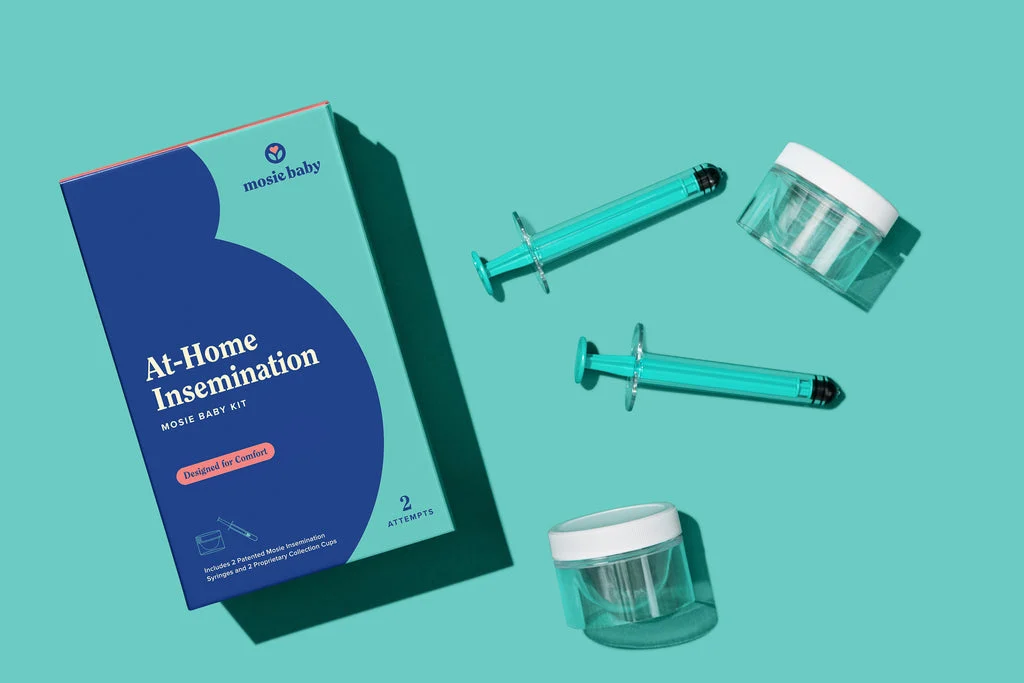
    Mosiebaby is a unique at-home insemination kit that consists of two syringes and a detailed instruction manual. The syringes are designed with a soft, rounded tip and a bulb at the end, making it easier to insert and deposit sperm into the vagina. The kit also includes a speculum for those who prefer to use it for easier access to the cervix. The instructions are straightforward and easy to follow, making Mosiebaby a perfect option for first-time users.
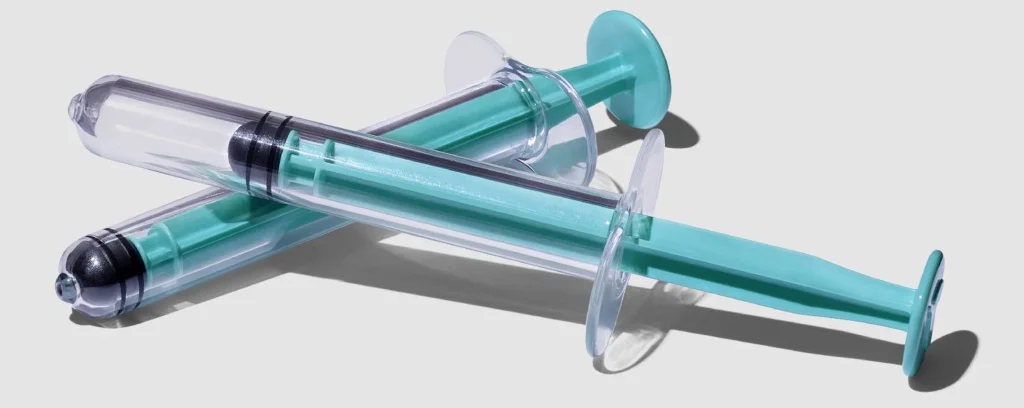
    Two transparent syringes with teal accents positioned diagonally on a light gray background.

    The Top 5 Things You Need to Know Before Trying Mosiebaby for At-Home Insemination

    3. Know when to use Mosiebaby

    Timing is crucial when it comes to at-home insemination. It is essential to use Mosiebaby during the ovulation window to increase the chances of conception. This window is typically five days before and one day after ovulation. However, it is always best to track ovulation using ovulation predictor kits or basal body temperature charting to ensure the most accurate timing. It is also recommended to consult with a fertility specialist for personalized guidance.

    4. Consult with a fertility specialist

    While Mosiebaby is a safe and effective option for at-home insemination, it is always best to consult with a fertility specialist before trying it. A fertility specialist can help determine the best time to use Mosiebaby, provide valuable tips, and address any concerns or questions you may have. They can also guide you through the tracking process and ensure that you are using Mosiebaby correctly. Additionally, a fertility specialist can offer alternative options if Mosiebaby does not work for you.

    5. Be prepared for the emotional journey

    Trying to conceive can be an emotional rollercoaster for many couples, and using at-home insemination methods like Mosiebaby can add another layer of complexity to the process. It is essential to prepare yourself for the emotional journey and have a support system in place. Talk to your partner, family, or friends about your decision to use Mosiebaby, and lean on them for support when needed. It is also crucial to take care of your mental and emotional well-being during this time.

    In summary, using Mosiebaby for at-home insemination can be a game-changer for couples trying to conceive. However, it is essential to understand the basics of at-home insemination, learn how Mosiebaby works, use it during the ovulation window, consult with a fertility specialist, and be prepared for the emotional journey. With these top 5 things in mind, you can have a successful and stress-free experience with Mosiebaby.


  • Insemination Syringe Systems and IVF: Exploring Your Options

    Blog Post:

    In today’s world, there are various fertility treatments available for couples struggling to conceive. Insemination syringe systems and IVF (in vitro fertilization) are two popular methods used to help couples achieve their dream of starting a family. While both methods have the same goal, they differ in the process and success rates. In this blog post, we will explore the options of insemination syringe systems and IVF, and help you understand which one may be the best fit for you.

    Insemination Syringe Systems:

    Insemination syringe systems, also known as artificial insemination, is a process that involves placing sperm directly into the female reproductive tract. This method can be done at home or in a medical setting, and is often used by couples with low sperm count or poor sperm motility.

    There are two types of insemination syringe systems – intracervical insemination (ICI) and intrauterine insemination (IUI). ICI involves inserting the sperm into the cervix, while IUI involves placing the sperm directly into the uterus. IUI is considered to be more effective than ICI, as it bypasses the cervix and places the sperm closer to the fallopian tubes where fertilization occurs.

    One of the main advantages of insemination syringe systems is that it is a non-invasive and relatively simple procedure. It also has a lower cost compared to other fertility treatments, making it a more affordable option for many couples. However, the success rates of insemination syringe systems can vary, with some studies showing a success rate of around 10-20% per cycle.

    IVF:

    In vitro fertilization, or IVF, is a more complex and invasive procedure compared to insemination syringe systems. It involves retrieving eggs from the woman’s ovaries and fertilizing them with sperm in a laboratory. The embryos are then transferred back into the woman’s uterus, where they have the potential to implant and grow into a pregnancy.

    Instructions for reading pregnancy test results with visual indicators for "Not Pregnant," "Pregnant," and "Invalid.

    Insemination Syringe Systems and IVF: Exploring Your Options

    IVF is often recommended for couples with fertility issues such as blocked fallopian tubes, endometriosis, or male factor infertility. It also has a higher success rate compared to insemination syringe systems, with an average success rate of 40% per cycle for women under 35 years old. However, IVF can be a costly and emotionally demanding process, as it involves multiple injections, monitoring appointments, and procedures.

    Exploring Your Options:

    When considering your options for fertility treatment, it is important to consult with a fertility specialist to understand which method may be the best fit for you and your partner. Factors such as age, overall health, and fertility issues can all play a role in determining the most effective treatment.

    Insemination syringe systems may be a good option for couples with mild fertility issues, as it is less invasive and more affordable. However, for couples with more complex fertility issues, IVF may be the recommended option. It is also important to consider the emotional and financial aspects of each treatment, as they can impact the overall experience and success rates.

    It is also worth noting that insemination syringe systems and IVF can be used together. In cases where insemination syringe systems have not been successful, IVF may be recommended as the next step. This combined approach is often called intrauterine insemination with controlled ovarian stimulation (IUI-COS).

    In conclusion, insemination syringe systems and IVF are two options available for couples struggling with fertility issues. Both methods have their own advantages and challenges, and it is important to consult with a fertility specialist to determine the best treatment for you. Whether you choose insemination syringe systems, IVF, or a combination of both, the ultimate goal is to help you achieve your dream of starting a family.

    Summary:

    Insemination syringe systems and IVF are two popular methods used to help couples achieve their dream of starting a family. Insemination syringe systems are a non-invasive and affordable option, while IVF is a more complex and invasive procedure with a higher success rate. Factors such as age, overall health, and fertility issues should be considered when choosing the best method. Consulting with a fertility specialist can help determine the most effective treatment for each individual or couple.

  • Insemination Syringe Systems and IUI: Understanding the Key Differences

    Blog Post: Insemination Syringe Systems and IUI: Understanding the Key Differences

    Insemination is a popular method used to help couples or individuals conceive a child. It involves the introduction of sperm into the reproductive tract in order to fertilize an egg. There are two main types of insemination methods: Insemination Syringe Systems and Intrauterine Insemination (IUI). While both methods involve the use of a syringe to introduce sperm into the reproductive tract, there are key differences between them. In this blog post, we will explore the differences between Insemination Syringe Systems and IUI, and help you understand which method may be best for you.

    Insemination Syringe Systems:

    Insemination Syringe Systems, also known as at-home insemination, is a method that can be done in the comfort of your own home. This method involves using a syringe to inject sperm into the vagina or cervix. The sperm can either be from a sperm donor or from a partner. It is a simple, non-invasive method that has been used for many years by couples trying to conceive.

    One of the main benefits of Insemination Syringe Systems is that it is a cost-effective option for those who cannot afford the more expensive fertility treatments. It also gives couples the flexibility to try insemination at any time during the woman’s fertile window, without having to schedule appointments with a doctor. This method also allows for a more intimate and personal experience for the couple, as they can perform the insemination themselves in the comfort of their own home.

    However, there are some drawbacks to Insemination Syringe Systems. One of the main concerns is the lack of medical supervision. Without a doctor or fertility specialist present, it can be difficult to determine the exact timing and placement of the sperm. This can decrease the chances of successful fertilization. Additionally, there is a risk of contamination if the syringe is not properly sanitized, which can also decrease the chances of conception.

    Intrauterine Insemination (IUI):

    Intrauterine Insemination (IUI) is a more advanced method of insemination that is typically performed in a doctor’s office or fertility clinic. It involves a doctor inserting a thin catheter through the cervix and into the uterus to inject the sperm directly into the uterus. The sperm used in IUI is typically washed and prepared in a lab to increase the chances of fertilization.

    One of the main benefits of IUI is the higher success rates compared to Insemination Syringe Systems. Since the sperm is placed directly into the uterus, it has a better chance of reaching and fertilizing the egg. This method is also more closely monitored by a doctor, who can ensure that the timing and placement of the sperm are optimal for conception.

    However, IUI can be a more expensive option compared to at-home insemination. It also requires multiple visits to a doctor’s office, which can be inconvenient for some couples. Additionally, it may not be suitable for those with certain fertility issues, such as blocked fallopian tubes.

    comparison of Mosie syringe opening versus standard syringe opening with text highlighting benefits

    Insemination Syringe Systems and IUI: Understanding the Key Differences

    Key Differences between Insemination Syringe Systems and IUI:

    1. Location: Insemination Syringe Systems can be done at home, while IUI is typically performed in a doctor’s office or fertility clinic.

    2. Cost: Insemination Syringe Systems are a more cost-effective option compared to IUI.

    3. Medical supervision: Insemination Syringe Systems lack medical supervision, while IUI is performed by a doctor.

    4. Success rates: IUI has higher success rates compared to Insemination Syringe Systems.

    5. Timing and placement: IUI allows for more precise timing and placement of the sperm, increasing the chances of fertilization.

    Which method is right for you?

    The choice between Insemination Syringe Systems and IUI ultimately depends on your individual circumstances and preferences. If cost is a concern and you are comfortable with performing the insemination at home, Insemination Syringe Systems may be the better option. However, if you have fertility issues or are looking for a more closely monitored and successful method, IUI may be the better choice.

    In summary, Insemination Syringe Systems and IUI are two different methods of insemination with their own benefits and drawbacks. It is important to consult with a doctor or fertility specialist to determine which method is best for you based on your individual needs and circumstances. With the right method, you can increase your chances of successfully conceiving and starting a family.

    SEO metadata:

  • Insemination on a Budget: How the Syringe Kit Can Save You Money

    Blog Post:

    Insemination on a Budget: How the Syringe Kit Can Save You Money

    For couples or individuals trying to conceive, artificial insemination can be an expensive and overwhelming process. From costly fertility treatments to expensive medical procedures, the financial burden of trying to get pregnant can be a major stressor. However, there is a budget-friendly alternative that can help you save money while still increasing your chances of conception – the syringe kit.

    What is a Syringe Kit?

    A syringe kit is a simple and affordable tool that can be used for at-home insemination. It consists of a syringe, which is a plastic tube with a plunger at one end and a tip at the other, and a specimen cup for collecting the sperm. The syringe kit can be purchased at most drugstores or online, and is a popular choice for couples or individuals looking for a more cost-effective option for insemination.

    Why Choose a Syringe Kit?

    There are several reasons why the syringe kit is a popular choice for those on a budget. Firstly, it is significantly cheaper than other forms of insemination, such as intrauterine insemination (IUI) or in vitro fertilization (IVF). These procedures can cost thousands of dollars, while a syringe kit typically costs less than $20.

    Additionally, using a syringe kit for insemination can also be more convenient and discreet. Many people feel uncomfortable with the idea of a medical professional performing the insemination procedure, and may prefer to do it in the comfort of their own home. This also eliminates the need for frequent doctor visits, which can add up in terms of both time and money.

    How to Use a Syringe Kit for Insemination?

    Using a syringe kit for insemination is a simple process that can be done at home. The first step is to collect the sperm sample, either from a partner or a donor. This can be done by masturbating into a specimen cup or using a special collection condom during intercourse. The collected sample is then transferred into the syringe.

    Informative card introducing the Mosie Baby Kit and its mission for at-home insemination.

    Insemination on a Budget: How the Syringe Kit Can Save You Money

    Next, the person undergoing insemination should lie on their back with their hips elevated, either with a pillow or by propping their legs up against a wall. The syringe is then inserted into the vagina and the sperm is slowly released near the cervix. It is important to avoid pushing the syringe too far in or releasing the sperm too quickly, as this can decrease the chances of conception.

    After insemination, it is recommended to remain in a lying position for at least 15 minutes to allow the sperm to travel towards the uterus. While there is no guarantee of success, using a syringe kit for insemination can increase the chances of pregnancy, especially when combined with ovulation tracking and other fertility-boosting methods.

    Tips for Using a Syringe Kit

    Here are some helpful tips for using a syringe kit for insemination:

    1. Time it Right – In order to increase the chances of pregnancy, it is important to track ovulation and time the insemination accordingly. This can be done by using an ovulation predictor kit or monitoring changes in cervical mucus.

    2. Use Pre-Seed – Pre-Seed is a sperm-friendly lubricant that can help the sperm travel towards the egg. It is safe to use during insemination and can increase the chances of conception.

    3. Be Patient – It may take several attempts before successfully getting pregnant through insemination. It is important to remain patient and keep trying.

    4. Seek Professional Advice – If you have been trying to conceive for over a year without success, it is recommended to seek the advice of a fertility specialist. They can provide further guidance and options for conception.

    In conclusion, for those looking to conceive on a budget, the syringe kit can be a game-changer. With its affordability, convenience, and effectiveness, it is a great option for those who want to take control of their fertility journey. By following the tips and techniques mentioned above, you can increase your chances of pregnancy while saving money.

    Summary:

    Insemination can be an expensive and overwhelming process for couples or individuals trying to conceive. However, using a syringe kit for at-home insemination can be a more budget-friendly and convenient option. The syringe kit consists of a syringe and a specimen cup, and can be purchased at most drugstores or online. When used correctly, it can increase the chances of conception while saving money on expensive fertility treatments. By tracking ovulation, using sperm-friendly lubricants, and remaining patient, the syringe kit can be an effective tool for those on a budget trying to start a family.

  • The Impact of Mosie Brand Insemination System on Traditional Infertility Treatments

    Blog Post:

    Infertility is a common issue faced by many couples around the world. According to the World Health Organization, approximately 10% of couples globally experience some form of infertility. For years, traditional infertility treatments such as in vitro fertilization (IVF) and intrauterine insemination (IUI) have been the go-to options for couples struggling to conceive. However, with the advancements in technology, a new product called the Mosie Brand Insemination System has emerged and is quickly gaining popularity in the fertility market. In this blog post, we will dive into the impact of the Mosie Brand Insemination System on traditional infertility treatments and how it is changing the landscape of fertility treatment options.

    The Mosie Brand Insemination System is a home insemination kit designed to assist couples in their journey towards parenthood. The kit includes a syringe and a cervical cap, which work together to deliver sperm to the cervix in a gentle and efficient manner. This method of insemination is known as intracervical insemination (ICI) and has been used in fertility clinics for many years. However, the Mosie Brand Insemination System allows couples to perform the procedure in the comfort of their own home, without the need for medical assistance.

    One of the main impacts of the Mosie Brand Insemination System on traditional infertility treatments is the accessibility it provides to couples. Traditional treatments like IVF and IUI can be expensive and often not covered by insurance. This can be a barrier for many couples who cannot afford the high costs associated with these treatments. The Mosie Brand Insemination System, on the other hand, is affordable and can be purchased online without a prescription. This allows couples to take control of their fertility journey and try a less expensive option before moving on to more invasive and costly treatments.

    Another significant impact of the Mosie Brand Insemination System is the convenience it offers. Traditional infertility treatments require multiple visits to a fertility clinic, which can be time-consuming and stressful for couples. With the Mosie Kit, couples can perform the insemination procedure in the comfort and privacy of their own home, eliminating the need for frequent clinic visits. This convenience factor is especially beneficial for couples who live in rural areas or have busy schedules that make it difficult to visit a fertility clinic regularly.

    The Mosie Brand Insemination System also offers a non-invasive option for couples who prefer to avoid medical procedures. Traditional treatments like IVF and IUI involve surgical procedures and hormone injections, which can be intimidating and uncomfortable for some couples. The Mosie Kit, on the other hand, uses a gentle, non-invasive method to deliver sperm to the cervix, making it a more comfortable option for many couples.

    At-home insemination kit with syringes and collection cups on a teal background.

    The Impact of Mosie Brand Insemination System on Traditional Infertility Treatments

    Moreover, the Mosie Brand Insemination System is a more natural approach to fertility treatment compared to traditional methods. IVF and IUI involve manipulating the egg and sperm outside of the body, which can be a stressful and unnatural process for some couples. The Mosie Kit, on the other hand, mimics the natural process of intercourse, making it a more natural and less invasive option for couples.

    Aside from the impacts on traditional infertility treatments, the Mosie Brand Insemination System has also paved the way for new possibilities in the fertility market. It has opened doors for other at-home insemination products, giving couples more options and control over their fertility journey. Additionally, the success rates of the Mosie Kit have been promising, with many couples reporting successful pregnancies after using the product.

    However, it is essential to note that the Mosie Brand Insemination System may not be suitable for all couples. It is recommended for couples who have been diagnosed with unexplained infertility or have difficulty with intercourse due to psychological or physical reasons. It is always best to consult with a fertility specialist before trying any fertility treatment, including the Mosie Kit.

    In conclusion, the Mosie Brand Insemination System has had a significant impact on traditional infertility treatments. It has provided accessibility, convenience, and a more natural and non-invasive option for couples struggling with infertility. As more and more couples turn to alternative methods for fertility treatment, the Mosie Kit is quickly becoming a game-changer in the fertility market.

    Summary:

    The Mosie Brand Insemination System is a home insemination kit that has emerged as a popular alternative to traditional infertility treatments like IVF and IUI. This kit offers accessibility, convenience, and a more natural and non-invasive option for couples struggling with infertility. It has also paved the way for new possibilities in the fertility market and has shown promising success rates for couples. However, it is essential to consult with a fertility specialist before trying any fertility treatment, including the Mosie Kit.

  • Maximizing Your Chances of Parenthood Success with Mosie Brand

    As more and more couples struggle with infertility, the market for fertility aids and treatments continues to grow. One brand that has gained attention for its unique approach to conception is Mosie. Founded by a husband and wife team who experienced their own struggles with infertility, Mosie offers a simple and effective way for couples to increase their chances of parenthood success. In this blog post, we will discuss how Mosie can maximize your chances of becoming a parent and provide valuable tips to help you along the way.

    First and foremost, it is important to understand the basics of conception. The most common way for a pregnancy to occur is through sexual intercourse, where the man’s sperm fertilizes the woman’s egg. However, for couples struggling with infertility, this process may not be as easy as it sounds. This is where Mosie comes in.

    Mosie is a brand that offers a unique and effective method for conception. It involves using a specially designed syringe to introduce the sperm closer to the cervix, increasing the chances of fertilization. This method is known as intrauterine insemination (IUI) and has been used by fertility clinics for decades. However, Mosie allows couples to perform this procedure in the comfort of their own home, making it more convenient and less expensive.

    So, how can you maximize your chances of success with Mosie? Here are some tips to keep in mind:

    1. Consult with a Fertility Specialist
    Before starting any fertility treatment, it is important to consult with a fertility specialist. They will be able to assess your individual situation and provide guidance on the best course of action. They can also help determine if Mosie is the right option for you and your partner.

    home insemination kit components: a syringe and a collection container against a blue background.

    Maximizing Your Chances of Parenthood Success with Mosie Brand

    2. Track Your Ovulation
    Timing is crucial when it comes to conception. For Mosie to be effective, it is important to track your ovulation cycle. This can be done through various methods such as monitoring your basal body temperature, using ovulation predictor kits, or tracking changes in your cervical mucus. Knowing when you ovulate will help you plan when to use Mosie for the best chance of success.

    3. Follow Instructions Carefully
    Mosie comes with detailed instructions on how to use the syringe properly. It is important to follow these instructions carefully to ensure the sperm is delivered to the right place. Any mistakes could reduce the chances of success.

    4. Consider Supplements
    Certain supplements have been shown to improve fertility in both men and women. These include folic acid, CoQ10, and omega-3 fatty acids. Consult with your doctor before adding any supplements to your routine.

    5. Stay Healthy
    Maintaining a healthy lifestyle can also increase your chances of conception. This includes eating a balanced diet, exercising regularly, reducing stress, and avoiding harmful substances such as alcohol, tobacco, and drugs.

    In addition to these tips, it is important to stay positive and be patient. Conception can take time, and it is not uncommon for couples to try for several months before achieving a pregnancy. Remember to stay in communication with your partner and seek support from friends and family if needed.

    In summary, Mosie offers a simple and effective way for couples to increase their chances of parenthood success. By consulting with a fertility specialist, tracking ovulation, following instructions carefully, considering supplements, and maintaining a healthy lifestyle, you can maximize your chances of success with Mosie. Remember to stay positive and be patient, and with the help of Mosie, you can increase your chances of becoming a parent.

  • How to Include an Insemination Syringe Box in Your Natural Fertility Treatment Plan

    Natural fertility treatment is a growing trend among couples who are trying to conceive. It involves using natural methods, such as diet, exercise, and supplements, to improve fertility and increase the chances of getting pregnant. One often overlooked tool in this process is an insemination syringe box. In this blog post, we will discuss how to include an insemination syringe box in your natural fertility treatment plan.

    What is an Insemination Syringe Box?

    An insemination syringe box is a kit that contains all the necessary tools for at-home insemination. It typically includes an insemination syringe, a collection cup, and instructions on how to use it. These boxes are often used by same-sex couples and couples struggling with infertility, but they can also be beneficial for anyone trying to conceive naturally.

    Why Use an Insemination Syringe Box?

    There are several reasons why incorporating an insemination syringe box into your natural fertility treatment plan can be helpful. First, it allows for more flexibility in timing. With natural fertility treatment, timing is crucial, and using an insemination syringe box allows you to inseminate at the optimal time, regardless of your partner’s availability.

    Second, an insemination syringe box can also be cost-effective. Many fertility treatments, such as intrauterine insemination (IUI), can be expensive. By using an insemination syringe box, you can save money while still increasing your chances of conception.

    Lastly, using an insemination syringe box can give you a sense of control and empowerment in your fertility journey. It allows you to take an active role in the process and can be a more intimate and personal experience for you and your partner.

    How to Include an Insemination Syringe Box in Your Natural Fertility Treatment Plan

    1. Consult with a Fertility Specialist

    Before incorporating an insemination syringe box into your natural fertility treatment plan, it is essential to consult with a fertility specialist. They can assess your individual situation and provide guidance on the best course of action. They may also recommend additional treatments or supplements to complement the use of an insemination syringe box.

    Home insemination kit by Mosie Baby with instructions and colorful packaging.

    How to Include an Insemination Syringe Box in Your Natural Fertility Treatment Plan

    2. Track Your Ovulation

    One of the most critical steps in natural fertility treatment is tracking your ovulation. This can be done through methods such as basal body temperature charting, ovulation predictor kits, or tracking changes in cervical mucus. Once you have identified when you are ovulating, you can use the insemination syringe box to increase your chances of conception.

    3. Prepare the Insemination Syringe Box

    Before using the insemination syringe box, make sure to read the instructions carefully. Sterilize all the tools included in the box, including the syringe and collection cup. This step is crucial to reduce the risk of infection and ensure the success of the insemination.

    4. Collect and Prepare the Semen

    If you are using donor sperm, make sure to follow the instructions provided by the sperm bank. If you are using your partner’s semen, make sure he abstains from ejaculating for at least two days before the insemination. This will help to increase the sperm count and improve the chances of conception.

    5. Perform the Insemination

    Once you have collected the semen, follow the instructions in the insemination syringe box on how to perform the insemination. Typically, the semen is drawn into the syringe, and then it is inserted into the vagina near the cervix. After the semen is deposited, lie down for at least 20 minutes to allow the sperm to travel towards the cervix.

    6. Follow Up

    After the insemination, continue tracking your ovulation and repeat the process if necessary. It may take a few cycles before conception occurs, so be patient and continue to follow the instructions provided by the insemination syringe box.

    In summary, incorporating an insemination syringe box into your natural fertility treatment plan can be a beneficial tool for increasing your chances of conception. It allows for more flexibility, can be cost-effective, and gives you a sense of control in your fertility journey. However, it is essential to consult with a fertility specialist and follow the instructions carefully for optimal results.

  • Syringe Insemination and Age: Overcoming Fertility Challenges as You Get Older

    Syringe Insemination and Age: Overcoming Fertility Challenges as You Get Older

    As women age, their fertility declines. This is a well-known fact that many women are aware of, especially those who are trying to conceive. However, what is not often discussed is that men also experience a decrease in fertility as they get older. This can be a difficult reality for couples who are trying to start a family later in life. Fortunately, there are options available for overcoming fertility challenges as you get older, one of which is syringe insemination.

    Syringe insemination, also known as intrauterine insemination (IUI), is a fertility treatment that involves injecting sperm directly into a woman’s uterus using a syringe. This method has been used for decades and has helped many couples overcome fertility challenges, including age-related infertility. In this blog post, we will discuss the benefits of syringe insemination and how it can help older couples achieve their dream of starting a family.

    The Impact of Age on Fertility

    Before we dive into the details of syringe insemination, it’s important to understand the impact of age on fertility. As women get older, their number of viable eggs decreases, and the quality of those eggs also declines. This makes it more difficult for them to conceive naturally. According to the American Society for Reproductive Medicine, a woman’s fertility starts to decline in her early 30s and decreases significantly after the age of 35. By the time a woman reaches her 40s, her chances of getting pregnant naturally are less than 5%.

    Similarly, men also experience a decline in fertility as they age. While men continue to produce sperm throughout their lives, the quality and quantity of sperm also decrease with age. This can lead to difficulties in fertilizing an egg and can also increase the risk of genetic abnormalities in the sperm, which can affect the health of the baby. It’s important for both men and women to be aware of these age-related changes in fertility and to seek help if they are struggling to conceive.

    The Benefits of Syringe Insemination for Older Couples

    For couples who are struggling with age-related fertility challenges, syringe insemination can offer a viable solution. Here are some of the benefits of this fertility treatment:

    1. Increased Chances of Conception: One of the biggest benefits of syringe insemination is that it increases the chances of conception. By placing the sperm directly into the uterus, it bypasses any potential barriers in the reproductive system, increasing the chances of the sperm reaching and fertilizing the egg. This is especially beneficial for older couples who may have a lower number of viable eggs or sperm.

    2. Non-Invasive Procedure: Unlike other fertility treatments such as in vitro fertilization (IVF), syringe insemination is a non-invasive procedure. It involves inserting a thin catheter into the uterus, which is much less invasive than the egg retrieval process used in IVF. This makes it a more appealing option for couples who may be hesitant about undergoing more invasive procedures.

    blue box with "mosie" logo, syringes, and informational pamphlet on a pink background

    Syringe Insemination and Age: Overcoming Fertility Challenges as You Get Older

    3. Cost-Effective: Syringe insemination is also a more cost-effective option compared to other fertility treatments. The cost of one cycle of syringe insemination is typically much lower than that of IVF, making it a more accessible option for couples who may be on a budget.

    4. Can Be Combined with Fertility Medications: Syringe insemination can also be combined with fertility medications to further increase the chances of conception. These medications can help stimulate the ovaries to produce more eggs, making the treatment even more effective for older couples who may have a lower egg count.

    Overcoming Age-Related Fertility Challenges

    In addition to syringe insemination, there are other steps older couples can take to overcome age-related fertility challenges. These include:

    1. Maintaining a Healthy Lifestyle: Eating a healthy diet, exercising regularly, and avoiding alcohol and tobacco can all help improve fertility for both men and women. It’s important for older couples to prioritize their health and make any necessary lifestyle changes to increase their chances of conception.

    2. Seeking Help Sooner Rather than Later: As age-related fertility declines, it’s important for couples to seek help from a fertility specialist sooner rather than later. This can help identify any underlying issues and allow for more treatment options to be explored.

    3. Considering Donor Options: For couples who may have significantly low egg or sperm counts, using donor eggs or sperm may be a viable option. This can increase the chances of conception and allow for a healthy pregnancy and baby.

    4. Exploring Other Fertility Treatments: While syringe insemination may be effective for some couples, others may require more advanced fertility treatments such as IVF or even surrogacy. It’s important for couples to discuss all their options with a fertility specialist to determine the best course of action for their individual situation.

    In conclusion, age-related fertility challenges can be difficult to overcome, but with the help of syringe insemination and other fertility treatments, it is possible for older couples to start a family. By understanding the impact of age on fertility and seeking help from a fertility specialist, couples can increase their chances of conception and fulfill their dream of having a baby.

    Summary: As women and men age, their fertility declines, making it more difficult to conceive naturally. However, there are options available to overcome age-related fertility challenges, one of which is syringe insemination. This non-invasive and cost-effective fertility treatment can increase the chances of conception for older couples. It can be combined with fertility medications and other lifestyle changes to further improve fertility. Seeking help from a fertility specialist and considering other options such as donor eggs or sperm can also aid in overcoming age-related fertility challenges.

  • The Syringe Insemination System and Ovulation: Maximizing Your Chances of Success

    Blog Post: The Syringe Insemination System and Ovulation: Maximizing Your Chances of Success

    For many couples struggling with fertility, the journey towards parenthood can be challenging and overwhelming. One of the most important factors in achieving pregnancy is understanding and tracking ovulation. However, traditional methods of insemination may not always be feasible or effective for every couple. This is where the Syringe Insemination System comes in – a modern and innovative approach to fertility that can greatly increase the chances of success.

    What is the Syringe Insemination System?

    The Syringe Insemination System is a simple and convenient at-home insemination method that uses a syringe to deposit sperm directly into the cervix. Unlike traditional methods that rely on timing intercourse with ovulation, this system allows for precise and direct delivery of sperm, increasing the chances of fertilization. The system consists of a syringe, a cervical cap, and a sample collection cup, making it easy to use and discreet.

    Understanding Ovulation

    To fully understand the benefits of the Syringe Insemination System, it is essential to have a basic understanding of ovulation. Ovulation is the process in which an egg is released from the ovaries, making it available for fertilization. It typically occurs once a month, around day 14 of a woman’s menstrual cycle. However, this can vary from woman to woman, and tracking ovulation is crucial for maximizing chances of conception.

    Tracking Ovulation with the Syringe Insemination System

    The Syringe Insemination System allows for more accurate tracking of ovulation, as it does not rely on timing intercourse. Instead, it focuses on the most fertile window of a woman’s cycle, which is the five days leading up to ovulation and the day of ovulation itself. By using the system, couples can time their insemination more precisely, increasing the chances of the sperm reaching the egg at the optimal time.

    Maximizing Your Chances of Success

    In addition to precise tracking of ovulation, the Syringe Insemination System also offers other benefits that can greatly increase the chances of success. These include:

    Informative card introducing the Mosie Baby Kit and its mission for at-home insemination.

    The Syringe Insemination System and Ovulation: Maximizing Your Chances of Success

    1. Increased Sperm Count: The system allows for a higher concentration of sperm to be deposited directly into the cervix, increasing the chances of fertilization.

    2. Reduced Sperm Exposure to Vaginal Acidity: The acidic environment of the vagina can be harmful to sperm, reducing their chances of survival. By bypassing the vagina and depositing sperm directly into the cervix, the Syringe Insemination System minimizes exposure to acidity.

    3. Reduced Risk of Infection: Unlike traditional methods that require intercourse, the Syringe Insemination System eliminates the risk of sexually transmitted infections and other vaginal infections.

    4. Improved Comfort: For some couples, traditional methods of insemination can be uncomfortable or even painful. The Syringe Insemination System offers a pain-free and comfortable alternative.

    5. Increased Privacy: Many couples prefer to keep their fertility journey private, and the Syringe Insemination System allows them to do so. It can be used in the comfort and privacy of one’s home, without the need for frequent doctor visits.

    Incorporating the Syringe Insemination System into Your Fertility Journey

    If you and your partner are considering using the Syringe Insemination System, it is essential to consult with a fertility specialist. They can guide you through the process and provide you with the necessary tools and information to maximize your chances of success.

    In conclusion, the Syringe Insemination System can be a game-changer for couples struggling with fertility. By precisely tracking ovulation and offering other benefits, it increases the chances of success and makes the journey towards parenthood a little easier. Consult with a fertility specialist to see if this innovative method is right for you.

    Summary:

    The Syringe Insemination System is an at-home insemination method that uses a syringe to deposit sperm directly into the cervix. It offers precise tracking of ovulation, increasing the chances of fertilization. Other benefits include increased sperm count, reduced exposure to vaginal acidity, reduced risk of infection, improved comfort, and increased privacy. Consult with a fertility specialist to learn more about incorporating this innovative method into your fertility journey.

  • Syringe Insemination and Unexplained Infertility: What You Need to Know

    Blog Post Title: Syringe Insemination and Unexplained Infertility: What You Need to Know

    Summary:

    Infertility affects millions of couples around the world, with approximately 1 in 8 couples struggling to conceive. While there are various known causes of infertility, such as hormonal imbalances, blocked fallopian tubes, or low sperm count, there is a subset of couples that fall under the category of “unexplained infertility.” This means that all the standard fertility tests and examinations have shown no obvious cause for their inability to conceive.

    In recent years, a new technique called syringe insemination has emerged as a potential solution for couples with unexplained infertility. This method involves using a syringe to inject the sperm directly into the cervix, bypassing the need for natural fertilization.

    In this blog post, we will delve deeper into the concept of syringe insemination and its effectiveness in treating unexplained infertility. We will also discuss the potential risks and side effects, as well as alternative treatments for couples struggling with this type of infertility.

    What is Syringe Insemination?

    Syringe insemination, also known as intracervical insemination (ICI), is a fertility treatment that involves manually injecting sperm into the cervix using a syringe. It is a non-invasive procedure that can be performed at home or in a clinical setting.

    The process of syringe insemination is relatively simple. The sperm is collected through masturbation or a special collection condom and then washed and prepared in a laboratory to remove any impurities. Once the sperm is ready, it is drawn into a syringe and inserted into the vagina, with the tip of the syringe placed near the cervix. The sperm is then slowly injected into the cervix.

    Syringe insemination can be done at home by the couple themselves or with the help of a healthcare professional. In a clinical setting, the procedure is usually performed by a fertility specialist or nurse.

    How Effective is Syringe Insemination for Unexplained Infertility?

    The success rates of syringe insemination vary depending on several factors, such as the age of the woman, the quality of the sperm, and the timing of the insemination. Studies have shown that syringe insemination has a success rate of around 10-15% per cycle, which is lower than other fertility treatments such as in vitro fertilization (IVF) or intrauterine insemination (IUI).

    However, for couples with unexplained infertility, syringe insemination may be a viable option as it has been shown to improve their chances of conception significantly. This is because it bypasses any potential barriers or issues in the woman’s reproductive system, such as cervical mucus or hormonal imbalances.

    Risks and Side Effects of Syringe Insemination

    Mosie Baby Kit with a syringe and container, highlighting safety and usability features on a blue background.

    Syringe Insemination and Unexplained Infertility: What You Need to Know

    Syringe insemination is generally considered a safe and non-invasive procedure with minimal risks. However, as with any medical procedure, there are some potential risks and side effects to consider.

    The most common side effect of syringe insemination is cramping or discomfort during or after the procedure. Some women may also experience spotting or light bleeding, which is usually normal and should subside within a day or two.

    There is also a small risk of infection, although this is rare. To minimize this risk, it is essential to ensure that all equipment, including syringes and collection containers, is sterile and properly cleaned.

    Another risk to consider is the potential for an allergic reaction to the sperm or the lubricant used during the procedure. If you or your partner have any known allergies, it is essential to discuss this with your healthcare provider before undergoing syringe insemination.

    Alternative Treatments for Unexplained Infertility

    Syringe insemination is just one of the many fertility treatments available for couples with unexplained infertility. Depending on the underlying cause of your infertility, your doctor may recommend alternative treatments such as intrauterine insemination (IUI), in vitro fertilization (IVF), or fertility medications.

    IUI involves placing washed sperm directly into the uterus, which can increase the chances of fertilization. IVF, on the other hand, involves retrieving eggs from the woman’s ovaries and fertilizing them with sperm in a laboratory before transferring the resulting embryos into the uterus.

    Fertility medications, such as clomiphene or letrozole, can also be prescribed to stimulate ovulation in women or improve sperm count and motility in men.

    In some cases, lifestyle changes such as maintaining a healthy weight, quitting smoking, reducing alcohol intake, and managing stress can also improve fertility in couples with unexplained infertility.

    Conclusion

    Syringe insemination is a relatively new and promising treatment for couples with unexplained infertility. While it may not be as effective as other fertility treatments, it offers a non-invasive and affordable solution for couples who have not been able to conceive naturally.

    If you are considering syringe insemination, it is essential to consult with a fertility specialist to determine if it is the right option for you. They can also guide you through the process and answer any questions or concerns you may have.

    Remember, infertility can be a challenging and emotional journey, but with the right treatment and support, many couples can achieve their dream of starting a family.

    SEO metadata: