Tag: hormone balance

  • Progesterone and Cervical Mucus: How to Achieve the Perfect Balance for Pregnancy

    Progesterone and Cervical Mucus: How to Achieve the Perfect Balance for Pregnancy

    When it comes to getting pregnant, there are many factors that can affect your chances of success. One important factor is the balance of progesterone and cervical mucus in your body. These two elements play a crucial role in your reproductive health and can greatly impact your ability to conceive. In this blog post, we will discuss everything you need to know about progesterone and cervical mucus, and how to achieve the perfect balance for pregnancy.

    Understanding Progesterone and Cervical Mucus

    Before we dive into how to achieve the perfect balance for pregnancy, let’s first understand what progesterone and cervical mucus are and how they work in the female reproductive system.

    Progesterone is a hormone that is naturally produced by the ovaries after ovulation. Its main function is to prepare the uterus for pregnancy by thickening the lining and making it more receptive to a fertilized egg. Progesterone also helps to maintain the pregnancy by preventing contractions and supporting the growth of the placenta.

    On the other hand, cervical mucus is a fluid produced by the cervix that plays a crucial role in fertility. It serves as a protective barrier for sperm, allowing them to safely travel through the vagina and cervix towards the egg. Cervical mucus also helps to nourish and protect the sperm, creating an optimal environment for fertilization.

    The Role of Progesterone and Cervical Mucus in Pregnancy

    Both progesterone and cervical mucus are essential for a successful pregnancy. Progesterone prepares the uterus for implantation and helps to maintain the pregnancy, while cervical mucus supports the journey of sperm towards the egg.

    During the menstrual cycle, progesterone levels rise after ovulation and peak in the luteal phase, which is the second half of the cycle. If pregnancy occurs, the levels of progesterone will continue to rise to support the growth of the placenta. However, if pregnancy does not occur, progesterone levels will drop, causing the uterine lining to shed, resulting in menstruation.

    Mosie Baby Kit features a syringe and container, highlighting safety and usability tests on a blue background.

    Progesterone and Cervical Mucus: How to Achieve the Perfect Balance for Pregnancy

    Similarly, cervical mucus changes throughout the menstrual cycle. After menstruation, cervical mucus is thick and sticky, acting as a barrier to prevent sperm from entering the uterus. As ovulation approaches, cervical mucus becomes more thin and watery, creating a hospitable environment for sperm to travel through. After ovulation, cervical mucus becomes thick and creamy, blocking sperm from entering the uterus and protecting the developing embryo.

    Achieving the Perfect Balance for Pregnancy

    Now that we understand the important roles of progesterone and cervical mucus in pregnancy, let’s discuss how to achieve the perfect balance for conception.

    1. Track your menstrual cycle: The first step to achieving the perfect balance is to track your menstrual cycle. This will help you identify your fertile window, which is the time when you are most likely to get pregnant. Ovulation typically occurs around day 14 of a 28-day cycle, but it can vary for each individual. There are various methods for tracking your cycle, such as using an ovulation predictor kit, tracking your basal body temperature, or monitoring changes in cervical mucus.

    2. Support progesterone production: To ensure adequate progesterone levels, it is important to support its production. This can be done through a healthy diet that includes foods rich in vitamin B6, magnesium, and zinc, which are essential for progesterone production. Additionally, reducing stress and getting enough sleep can also help to balance hormone levels.

    3. Increase cervical mucus production: To increase the production of cervical mucus, it is important to stay hydrated and consume foods rich in essential fatty acids, such as avocados, nuts, and fish. These nutrients help to improve the quality and quantity of cervical mucus, making it easier for sperm to reach the egg.

    4. Consider fertility supplements: If you are having trouble achieving the perfect balance, you may want to consider taking fertility supplements. These supplements often contain a combination of vitamins, minerals, and herbs that can support hormone balance and improve fertility.

    5. Consult with a healthcare provider: If you have been actively trying to conceive for a year with no success, it may be time to consult with a healthcare provider. They can help to identify any underlying issues that may be affecting your hormone levels and provide personalized recommendations for achieving the perfect balance for pregnancy.

    In summary, progesterone and cervical mucus are crucial for pregnancy, and achieving the perfect balance is essential for conception. By tracking your menstrual cycle, supporting progesterone and cervical mucus production, and seeking professional help if needed, you can increase your chances of getting pregnant.

    SEO metadata:
  • How Progesterone Supplements Can Improve Cervical Mucus Quality

    Progesterone is a hormone that plays a crucial role in pregnancy and fertility. It is produced by the ovaries after ovulation and helps to thicken and prepare the uterus for potential implantation of a fertilized egg. Along with its effects on the uterus, progesterone also has a significant impact on cervical mucus quality. In this blog post, we will explore how progesterone supplements can improve cervical mucus quality and ultimately increase the chances of conception.

    Cervical mucus is a fluid produced by the cervix that helps sperm to swim through the reproductive tract and reach the egg. It also serves as a protective barrier against bacteria and other harmful substances. The quality and quantity of cervical mucus change throughout the menstrual cycle, and it is most fertile and beneficial for conception during ovulation.

    During the first half of the menstrual cycle, estrogen is the dominant hormone. It stimulates the production of thin, watery cervical mucus, which is not favorable for sperm survival and movement. However, as ovulation approaches, progesterone levels increase, causing the cervix to produce thick, creamy, and fertile cervical mucus. This type of mucus provides a hospitable environment for sperm to swim through and survive for several days, increasing the chances of fertilization.

    But what happens if there is not enough progesterone in the body? Low levels of progesterone can result in insufficient or poor-quality cervical mucus, making it difficult for sperm to reach the egg. This can lead to fertility issues and difficulties in conceiving. That’s where progesterone supplements come in.

    Progesterone supplements are commonly prescribed to women who have low progesterone levels or have experienced recurrent miscarriages. These supplements can be taken orally, vaginally, or through injections, and they help to increase the levels of progesterone in the body. As a result, the quality of cervical mucus also improves, making it easier for sperm to reach the egg and increasing the chances of a successful pregnancy.

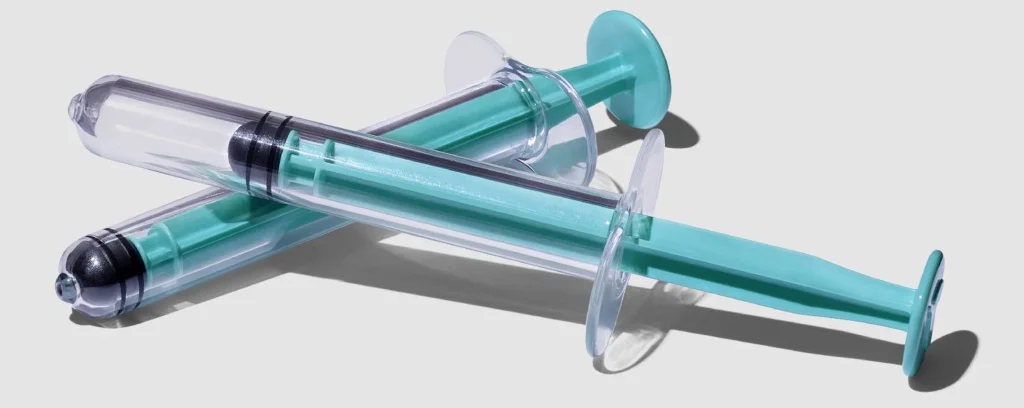
    Two transparent syringes with teal accents positioned diagonally on a light gray background.

    How Progesterone Supplements Can Improve Cervical Mucus Quality

    One of the ways progesterone supplements improve cervical mucus quality is by maintaining the right pH balance. The cervix produces mucus with a slightly acidic pH to protect against bacteria and infections. However, sperm prefer an alkaline environment to survive and reach the egg. Progesterone helps to increase the alkalinity of cervical mucus, making it more hospitable for sperm.

    In addition to pH balance, progesterone also helps to increase the quantity and consistency of cervical mucus. As mentioned earlier, fertile cervical mucus is thick and creamy, making it easier for sperm to swim through. Progesterone supplements stimulate the production of this type of mucus, increasing the chances of sperm survival and fertilization.

    Furthermore, progesterone also plays a role in the timing of ovulation. When progesterone levels are low, ovulation may be delayed or not occur at all. This can result in a shorter window of fertility and less fertile cervical mucus. Progesterone supplements can help to regulate ovulation and ensure that it happens at the right time, leading to better quality cervical mucus and increased chances of conception.

    It is essential to note that progesterone supplements should only be taken under the guidance of a healthcare provider. They should not be used without proper testing and monitoring, as too much progesterone can also have negative effects on cervical mucus quality. It is crucial to find the right balance of progesterone levels for optimal fertility.

    In addition to helping with cervical mucus quality, progesterone supplements can also improve other aspects of fertility. They help to thicken the lining of the uterus, making it more receptive to implantation. They also help to regulate the menstrual cycle and prevent early miscarriages. Overall, progesterone supplements can be beneficial for women who are trying to conceive and have fertility issues related to low progesterone levels.

    In conclusion, progesterone supplements can be a valuable tool in improving cervical mucus quality, which is crucial for conception. They help to maintain the right pH balance, increase the quantity and consistency of cervical mucus, and regulate ovulation. However, it is essential to use them under the guidance of a healthcare provider to avoid any potential risks. With the right balance of progesterone, women can increase their chances of getting pregnant and starting a family.

  • Progesterone: The Key to Unlocking Fertile Cervical Mucus

    SUMMARY:

    Progesterone is a hormone that plays a crucial role in a woman’s fertility. It is responsible for thickening the uterine lining and preparing it for implantation, as well as regulating the menstrual cycle. However, one of its lesser-known functions is its role in producing fertile cervical mucus, which is essential for conception.

    Cervical mucus, also known as “cervical fluid,” is a fluid secreted by the cervix that changes in consistency and texture throughout a woman’s menstrual cycle. It serves as a pathway for sperm to travel through the cervix and into the uterus, making it a vital factor in fertility. Progesterone is the key to unlocking fertile cervical mucus, as it influences its production and quality.

    In this blog post, we will discuss the importance of progesterone in cervical mucus production, how it affects fertility, and what women can do to ensure they have adequate levels of progesterone for optimal cervical mucus.

    The Role of Progesterone in Cervical Mucus Production:

    Progesterone is a hormone produced by the ovaries after ovulation. It works in conjunction with estrogen, another female hormone, to regulate the menstrual cycle and prepare the body for pregnancy. During the first half of the menstrual cycle, estrogen levels rise, causing the cervical mucus to become thin, watery, and stretchy. This type of mucus is known as “fertile cervical mucus” and is essential for sperm survival and movement.

    After ovulation, progesterone levels increase, causing a change in the cervical mucus. It becomes thicker, stickier, and less conducive to sperm survival. This type of mucus is known as “infertile cervical mucus” and acts as a barrier, preventing sperm from entering the uterus. However, under the influence of progesterone, the cervix also produces small channels or “crypts” in the mucus, which allows sperm to swim through and reach the egg.

    Progesterone is also responsible for the production of a protein called “L-selectin,” which helps sperm bind to the cervical mucus and navigate through it. Without adequate levels of progesterone, the cervical mucus may become too thick, making it difficult for sperm to reach the egg.

    The Importance of Fertile Cervical Mucus for Fertility:

    at-home insemination kit by Mosie Baby, featuring syringes and containers for comfort and convenience.

    Progesterone: The Key to Unlocking Fertile Cervical Mucus

    Cervical mucus plays a crucial role in fertility by providing a hospitable environment for sperm to survive and travel through. Without fertile cervical mucus, sperm would not be able to pass through the cervix and reach the egg. It also provides nourishment and protection for sperm, allowing them to survive in the hostile environment of the vagina.

    In addition to its role in sperm transport, fertile cervical mucus also helps to filter out abnormal or unhealthy sperm, ensuring that only the healthiest sperm reach the egg. It also acts as a reservoir for sperm, storing them until ovulation occurs.

    Progesterone and Fertile Cervical Mucus: How to Ensure Adequate Levels:

    Maintaining adequate levels of progesterone is crucial for producing fertile cervical mucus and optimizing fertility. There are several ways to ensure healthy levels of progesterone in the body:

    1. Monitor Ovulation: Tracking ovulation is essential for understanding the changes in cervical mucus and identifying the most fertile days of the menstrual cycle. Ovulation predictor kits and fertility tracking apps can help women pinpoint their fertile window and determine when to have intercourse for the best chance of conception.

    2. Support Hormonal Balance: Progesterone production is closely linked to hormonal balance, particularly with estrogen. Women can support hormonal balance by reducing stress, getting enough sleep, and eating a healthy diet. Certain supplements, such as vitamin B6, magnesium, and evening primrose oil, may also help regulate hormone levels.

    3. Consider Progesterone Supplements: In some cases, women may need to supplement with progesterone to support fertility. Progesterone supplements can come in the form of creams, pills, or injections and can help boost progesterone levels in the body. However, it is essential to consult a healthcare provider before starting any hormone therapy.

    4. Seek Medical Advice: If a woman is having difficulty conceiving, it is crucial to seek medical advice. A doctor can perform tests to assess hormone levels and provide guidance on the best course of action, including possible progesterone supplementation.

    In conclusion, progesterone is a crucial hormone for producing fertile cervical mucus and optimizing fertility. By understanding its role in the menstrual cycle and taking steps to support healthy levels, women can increase their chances of conception and improve their overall reproductive health.

  • Exploring the Influence of Progesterone on Cervical Mucus Production

    Blog Post:

    Cervical mucus production is an important aspect of a woman’s reproductive health. It plays a crucial role in fertility and conception, as well as overall gynecological health. One of the key hormones responsible for regulating cervical mucus production is progesterone. In this blog post, we will explore the influence of progesterone on cervical mucus production and its impact on a woman’s reproductive health.

    Progesterone is a hormone that is produced by the ovaries during the second half of the menstrual cycle. Its main function is to prepare the uterus for pregnancy by thickening the lining of the uterus and helping to maintain a pregnancy. However, progesterone also plays a role in regulating cervical mucus production.

    During the first half of the menstrual cycle, when estrogen levels are high, the cervix produces a thin, watery mucus that is designed to help sperm travel through the cervix and into the uterus. This type of mucus is known as fertile cervical mucus and is essential for conception. However, as ovulation approaches, estrogen levels drop and progesterone levels rise. This change in hormone levels triggers the cervix to produce a different type of mucus, known as infertile cervical mucus.

    Infertile cervical mucus is thick and sticky, which creates a barrier for sperm to reach the egg. This change in cervical mucus consistency is a result of the influence of progesterone. As progesterone levels continue to rise, the cervix will produce even thicker and more hostile mucus, making it nearly impossible for sperm to survive and fertilize an egg.

    The production of infertile cervical mucus is important for several reasons. Firstly, it helps to create a barrier to prevent sperm from entering the uterus during a time when fertilization is not possible. This is important for women who are not trying to conceive or are using natural family planning methods to avoid pregnancy. Secondly, it helps to protect the uterus from infections by preventing harmful bacteria and other pathogens from entering through the cervix.

    Baby wearing a blue shirt with "made with Love" text, surrounded by colorful floral and butterfly designs.

    Exploring the Influence of Progesterone on Cervical Mucus Production

    However, when progesterone levels are too high, it can also lead to the production of too much infertile cervical mucus. This can cause issues with fertility as the thick mucus can make it difficult for sperm to reach the egg, even during the fertile window. It can also make it difficult for sperm to survive and reach the fallopian tubes, where fertilization occurs.

    On the other hand, low levels of progesterone can also have a negative impact on cervical mucus production. When progesterone levels are too low, the cervix may continue to produce fertile cervical mucus even after ovulation has occurred. This can make it difficult for women to accurately track their fertile window and can lead to fertility issues.

    In addition to its influence on cervical mucus production, progesterone also has other effects on a woman’s reproductive health. It helps to maintain the lining of the uterus and prepare it for implantation of a fertilized egg. It also plays a role in maintaining a healthy pregnancy by preventing contractions of the uterine muscles and supporting the growth of the placenta.

    Furthermore, progesterone also has an impact on the thickness and elasticity of the cervical canal. During pregnancy, progesterone helps to soften and widen the cervix, making it easier for the baby to pass through during labor and delivery. This is an important process that ensures a safe and smooth delivery.

    In summary, progesterone has a significant influence on cervical mucus production and plays a crucial role in a woman’s reproductive health. It helps to regulate the consistency and amount of cervical mucus, which is essential for fertility and overall gynecological health. Any imbalances in progesterone levels can lead to issues with cervical mucus production and fertility. Therefore, it is important for women to monitor their progesterone levels and seek medical treatment if necessary.

    In conclusion, understanding the influence of progesterone on cervical mucus production is crucial for women’s reproductive health. By maintaining a proper balance of progesterone, women can ensure the production of healthy cervical mucus and improve their chances of conception. Consult with a healthcare provider if you have concerns about your progesterone levels and their impact on your reproductive health.

  • The Connection Between Progesterone and Cervical Mucus: A Complete Guide

    Progesterone and cervical mucus are two vital components in a woman’s reproductive health and fertility. Both play significant roles in the menstrual cycle and can greatly impact a woman’s ability to conceive. In this complete guide, we will explore the connection between progesterone and cervical mucus, including how they work together, their individual functions, and how to maintain a healthy balance for optimal reproductive health.

    Understanding Progesterone:
    Progesterone is a hormone produced by the ovaries after ovulation. Its primary function is to prepare the uterus for pregnancy by thickening the uterine lining. If pregnancy does not occur, progesterone levels drop, and the uterine lining sheds, resulting in menstruation. Progesterone also helps regulate the menstrual cycle and is essential for maintaining a healthy pregnancy.

    The Role of Cervical Mucus:
    Cervical mucus is a fluid secreted by the cervix that plays a crucial role in fertility. It changes in consistency and amount throughout the menstrual cycle, influenced by hormonal changes. During the follicular phase of the menstrual cycle, estrogen levels rise, causing the cervix to produce thin, watery cervical mucus, which helps sperm travel to the egg. As ovulation approaches, cervical mucus becomes more elastic and stretchy, creating a favorable environment for sperm to survive and fertilize the egg.

    The Connection Between Progesterone and Cervical Mucus:
    Progesterone and cervical mucus work together to prepare the body for pregnancy. After ovulation, progesterone levels rise, causing cervical mucus to thicken and form a plug in the cervix, preventing sperm from entering the uterus. This plug also helps keep the uterus and developing embryo safe from bacteria and other harmful substances. As progesterone levels decrease, the cervical mucus becomes thinner, allowing sperm to enter the uterus and fertilize the egg if present.

    The Importance of Balanced Hormones:
    For optimal reproductive health, it is crucial to maintain a balance of hormones, including progesterone and estrogen. When these hormones are out of balance, it can affect the quality and quantity of cervical mucus, making it difficult for sperm to reach the egg and resulting in fertility issues. In some cases, imbalances in progesterone levels can lead to irregular or absent ovulation, making it challenging to conceive.

    hands using a blue syringe to extract contents from a clear container for a home insemination kit

    The Connection Between Progesterone and Cervical Mucus: A Complete Guide

    Signs of Imbalanced Progesterone and Cervical Mucus:
    There are several signs that may indicate a hormonal imbalance, including low levels of progesterone and abnormal cervical mucus. Some common signs include irregular menstrual cycles, heavy or light periods, spotting between periods, and difficulty conceiving. Women may also experience changes in the appearance and texture of cervical mucus, such as dryness or a lack of fertile mucus.

    Maintaining a Healthy Balance:
    There are several ways to maintain a healthy balance of progesterone and cervical mucus. A healthy diet and regular exercise can help regulate hormone levels and promote overall reproductive health. Some women may also benefit from natural supplements that support hormonal balance, such as vitamin B6, chasteberry, and evening primrose oil. Additionally, tracking ovulation and monitoring changes in cervical mucus can help pinpoint any imbalances and aid in conception.

    Treatment Options for Imbalanced Hormones:
    If a hormonal imbalance is causing fertility issues, there are treatment options available to help regulate hormone levels. Depending on the underlying cause of the imbalance, a doctor may prescribe medication, such as Clomid, to stimulate ovulation. In some cases, hormone replacement therapy may be necessary to restore balance and improve fertility.

    In conclusion, the connection between progesterone and cervical mucus is vital for a woman’s reproductive health. These two components work together to prepare the body for pregnancy and maintain a healthy menstrual cycle. By understanding their roles and how to maintain a healthy balance, women can increase their chances of conceiving and achieve optimal reproductive health.

    SEO metadata:

  • The Science of Cervical Mucus: How Alcohol Can Disrupt It

    The Science of Cervical Mucus: How Alcohol Can Disrupt It

    Cervical mucus, also known as cervical fluid, is a clear or white substance produced by the cells in the cervix. It plays a crucial role in a woman’s fertility by helping sperm reach and fertilize an egg. The consistency and quality of cervical mucus can vary throughout a woman’s menstrual cycle and can be influenced by various factors, including alcohol consumption. In this blog post, we will explore the science behind cervical mucus and how alcohol can disrupt it.

    Understanding Cervical Mucus

    Cervical mucus is produced by the cervix, which is the lower part of the uterus that connects to the vagina. It is a vital component of the female reproductive system as it helps sperm survive, swim, and reach the egg. The consistency and quality of cervical mucus can change throughout a woman’s menstrual cycle due to hormonal changes.

    At the beginning of the menstrual cycle, the cervix produces thick and sticky mucus, which acts as a barrier to prevent sperm from entering the uterus. As ovulation approaches, estrogen levels rise, causing the cervical mucus to become thinner and more stretchy. This type of mucus, known as fertile mucus, is ideal for sperm to survive and swim through to reach the egg.

    After ovulation, the cervical mucus becomes thicker again, forming a barrier to prevent sperm from entering the uterus. If pregnancy does not occur, the cervical mucus will dry up, and the cycle will repeat itself.

    The Role of Alcohol in Cervical Mucus

    Alcohol consumption can have a significant impact on cervical mucus production and quality, which can ultimately affect a woman’s fertility. Here are the ways in which alcohol can disrupt cervical mucus:

    1. Dehydration

    Alcohol is a diuretic, meaning it causes the body to lose more water than it takes in. This can lead to dehydration, which can affect the production of cervical mucus. When the body is dehydrated, it produces less cervical mucus, making it harder for sperm to survive and reach the egg.

    illustration of Mosie Baby home insemination kit highlighting seamless transfer and size features

    The Science of Cervical Mucus: How Alcohol Can Disrupt It

    2. Changes in Hormonal Levels

    Alcohol consumption can also disrupt the delicate balance of hormones in the body, which can affect the production and quality of cervical mucus. For example, alcohol can increase estrogen levels, which can lead to the production of thick, sticky mucus, making it difficult for sperm to reach the egg. It can also decrease progesterone levels, which are essential for the production of fertile mucus.

    3. Altering the pH Balance

    The vagina has a natural pH balance, which is slightly acidic to prevent the growth of harmful bacteria. Alcohol consumption can disrupt this balance, making the vagina more alkaline. This change in pH can affect the survival of sperm, making it harder for them to reach the egg.

    4. Impaired Sperm Function

    Alcohol consumption can also affect sperm function, making it harder for them to reach and fertilize an egg. Studies have shown that alcohol can decrease sperm motility, meaning they have a harder time swimming towards the egg. It can also affect sperm morphology, causing them to have abnormal shapes that can impact their ability to fertilize an egg.

    5. Increased Risk of Infertility

    Chronic alcohol consumption has been linked to an increased risk of infertility in both men and women. In women, it can lead to irregular menstrual cycles and hormonal imbalances, affecting the production and quality of cervical mucus. In men, it can lead to decreased sperm count and quality, making it harder for them to fertilize an egg.

    Conclusion

    Cervical mucus is a crucial component of a woman’s fertility, and its production and quality can be influenced by various factors, including alcohol consumption. Dehydration, changes in hormonal levels, altered pH balance, impaired sperm function, and an increased risk of infertility are all ways in which alcohol can disrupt cervical mucus. Therefore, it is essential to be mindful of alcohol consumption when trying to conceive.

  • The Surprising Link Between Alcohol and Fertility

    Blog Post: The Surprising Link Between Alcohol and Fertility

    When it comes to trying to conceive, many couples are aware of the importance of a healthy diet, exercise, and avoiding harmful substances like smoking. However, one factor that often gets overlooked is the impact of alcohol on fertility. While it may seem harmless to have a few drinks here and there, the reality is that alcohol can have a significant impact on both male and female fertility. In this blog post, we will dive deeper into the surprising link between alcohol and fertility and why it’s important to consider when trying to conceive.

    The Effects of Alcohol on Female Fertility

    For women, alcohol can have a variety of negative effects on fertility. One of the main ways alcohol impacts fertility is through its effect on hormones. Alcohol consumption can disrupt the delicate balance of hormones in the body, particularly those involved in the menstrual cycle and ovulation. This can lead to irregular or absent periods, making it difficult for women to track their fertile window and increase their chances of conception.

    Furthermore, excessive alcohol consumption has been linked to an increased risk of conditions such as polycystic ovary syndrome (PCOS), which can cause infertility. Studies have also shown that women who consume alcohol regularly have a higher risk of early menopause, which can significantly decrease their fertility.

    Another way alcohol can affect female fertility is by damaging the eggs. Alcohol consumption can cause oxidative stress, which can damage the DNA in the eggs and decrease their quality. This can lead to a higher risk of miscarriage and birth defects if pregnancy does occur.

    Additionally, alcohol can also interfere with the implantation of a fertilized egg in the uterus. It can change the lining of the uterus, making it less suitable for implantation, and can also affect the production of estrogen and progesterone, which are crucial for maintaining a healthy pregnancy.

    The Effects of Alcohol on Male Fertility

    While most of the focus is on the impact of alcohol on female fertility, it’s important to note that alcohol can also have significant effects on male fertility. Studies have shown that excessive alcohol consumption can decrease sperm quality and quantity, making it more difficult for couples to conceive. Alcohol can also lead to erectile dysfunction, which can further hinder a couple’s chances of getting pregnant.

    Furthermore, alcohol can also affect the DNA of sperm, increasing the risk of birth defects and miscarriage if pregnancy does occur. It can also interfere with the hormone production in men, leading to a decrease in testosterone levels and a decrease in sperm production.

    illustration of Mosie Baby home insemination kit highlighting seamless transfer and size features

    The Surprising Link Between Alcohol and Fertility

    The Surprising Link Between Alcohol and Unexplained Infertility

    One of the most surprising links between alcohol and fertility is its role in unexplained infertility. Unexplained infertility is a common diagnosis given to couples who have been trying to conceive for over a year without success, and all tests have come back normal. However, recent studies have shown that alcohol consumption may be a significant contributor to unexplained infertility.

    In a study conducted by the University of Louisville, researchers found that women who consumed 14 or more alcoholic drinks per week were 18% more likely to experience unexplained infertility compared to those who did not drink alcohol. The study also found that men who drank regularly were 14% more likely to experience unexplained infertility. This suggests that alcohol consumption may be a significant factor in couples who are struggling to conceive without a known medical reason.

    The Impact of Alcohol on IVF Success

    For couples who are undergoing fertility treatments like in vitro fertilization (IVF), alcohol consumption can also have a significant impact on the success of the procedure. Studies have shown that women who consume alcohol regularly have a lower chance of conceiving through IVF compared to those who do not drink alcohol. This is due to the negative effects of alcohol on egg quality and the lining of the uterus, as mentioned earlier.

    Furthermore, alcohol can also affect the effectiveness of fertility drugs used in IVF. It can interfere with the hormone levels in the body and make it more difficult for the drugs to stimulate ovulation and increase the chances of successful fertilization.

    The Good News: How Cutting Back on Alcohol Can Improve Fertility

    The good news is that the negative effects of alcohol on fertility can be reversed by cutting back on or eliminating alcohol consumption. For women, reducing alcohol intake can help regulate hormone levels and improve egg quality. It can also decrease the risk of conditions like PCOS and early menopause, which can improve fertility.

    For men, decreasing alcohol consumption can improve sperm quality and quantity, increasing the chances of successful fertilization. It can also improve erectile function, which can make it easier to conceive naturally.

    For couples undergoing fertility treatments, cutting back on alcohol can significantly increase the chances of success. It can also make the body more receptive to fertility drugs and improve the overall health of the reproductive system.

    In summary, the link between alcohol and fertility is not to be underestimated. Both men and women should be aware of the negative impact alcohol can have on their ability to conceive and take steps to reduce their alcohol intake when trying to conceive. Cutting back on alcohol can improve hormone balance, increase egg and sperm quality, and increase the chances of successful fertilization. So, if you’re trying to start a family, it may be time to reconsider that glass of wine with dinner and opt for a healthier lifestyle instead.

  • The Benefits of Exercise on Cervical Mucus Production for Fertility

    Blog Post: The Benefits of Exercise on Cervical Mucus Production for Fertility

    When it comes to fertility, many factors can play a significant role in a woman’s ability to conceive. One crucial aspect is the production of cervical mucus. Cervical mucus is a fluid produced by the cervix that helps sperm travel to the egg for fertilization. It also serves as a protective barrier against bacteria and viruses. Inadequate cervical mucus production can make it challenging to conceive and can be a sign of hormonal imbalances or other underlying health issues.

    While there are various ways to improve cervical mucus production, exercise is a natural and effective method that offers many other benefits for overall health and fertility. In this blog post, we will explore the benefits of exercise on cervical mucus production and its impact on fertility.

    1. Improves Blood Circulation to the Reproductive Organs

    Exercise is known for its ability to improve blood circulation throughout the body. This increase in blood flow can also benefit the reproductive organs, including the cervix. The cervix receives oxygen and essential nutrients through the blood, which is crucial for the production of healthy cervical mucus. Improved blood circulation can also help remove toxins and waste products from the body, promoting a healthy reproductive system.

    2. Balances Hormones

    Hormonal imbalances can significantly affect cervical mucus production. Exercise helps regulate hormone levels in the body, including estrogen, progesterone, and testosterone, which all play a role in cervical mucus production. Excess estrogen, for example, can cause a thick, sticky mucus that can hinder sperm movement. Regular exercise can help balance hormone levels, leading to a healthy production of cervical mucus.

    3. Reduces Stress

    Stress can have a significant impact on fertility, and it can also affect cervical mucus production. Chronic stress can disrupt the balance of hormones in the body, leading to a decrease in cervical mucus. Exercise is a natural stress reliever, as it releases endorphins, also known as “feel-good” hormones. These hormones can help reduce stress and promote a more relaxed state, which can positively impact cervical mucus production.

    Hands holding a syringe and a small container against a blue background.

    The Benefits of Exercise on Cervical Mucus Production for Fertility

    4. Promotes a Healthy Weight

    Maintaining a healthy weight is crucial for overall health and fertility. Being overweight or underweight can affect hormone levels and disrupt the menstrual cycle, leading to irregular or absent ovulation. Regular exercise can help maintain a healthy weight, which can improve hormone balance and promote healthy cervical mucus production.

    5. Boosts Immune Function

    A strong immune system is essential for fertility. The cervix is a vital part of the immune system, acting as a barrier against harmful bacteria and viruses. Regular exercise can boost immune function by increasing the production of white blood cells, which help fight off infections. This can reduce the risk of infections that can impact cervical mucus production.

    6. Improves Vaginal Health

    Exercise can also improve vaginal health, which can indirectly impact cervical mucus production. Regular physical activity can increase blood flow to the vaginal area, which helps maintain a healthy pH balance and encourages the growth of beneficial bacteria. This can create a more hospitable environment for sperm and promote healthy cervical mucus production.

    7. Enhances Overall Fertility

    Exercise offers a plethora of benefits for overall health and can have a significant impact on fertility. By promoting a healthy body weight, balancing hormones, reducing stress, and improving immune and reproductive function, regular exercise can enhance overall fertility and increase the chances of conceiving.

    Summary:

    Cervical mucus production is an essential factor in fertility, and exercise offers many benefits for its production. Regular physical activity can improve blood circulation to the reproductive organs, balance hormones, reduce stress, promote a healthy weight, boost immune function, and improve vaginal health. These benefits can ultimately enhance overall fertility and increase the chances of conception.

  • The Impact of Exercise on Cervical Mucus: What the Research Says

    Blog Post:

    Cervical mucus, also known as cervical fluid, plays a crucial role in a woman’s fertility and overall reproductive health. It is a fluid secreted by the cervix that helps sperm travel through the reproductive tract to fertilize an egg. The quality and quantity of cervical mucus can significantly impact a woman’s chances of getting pregnant. But did you know that exercise can also have an impact on cervical mucus? In this blog post, we will dive into the research on the effects of exercise on cervical mucus and what you need to know.

    The Link Between Exercise and Cervical Mucus:

    There is a growing body of research that suggests a correlation between exercise and cervical mucus. One study published in the Journal of Reproductive Medicine found that women who exercised regularly had a higher quality of cervical mucus compared to women who were inactive. The researchers also noted that women who exercised had a thicker mucus layer, which can help sperm survive longer and reach the egg.

    Another study published in the Journal of Fertility and Sterility found that women who engaged in moderate to intense exercise had a higher level of estrogen, which is responsible for producing cervical mucus. This increase in estrogen levels may lead to a higher quantity and better quality of cervical mucus.

    The Impact of Exercise Type and Intensity:

    Not all exercises have the same impact on cervical mucus. High-intensity exercises, such as running, cycling, and weightlifting, have been found to have a positive effect on cervical mucus. These types of exercises increase blood flow to the reproductive organs, which can lead to an increase in cervical mucus production. Additionally, these exercises can also improve hormone balance, which can further enhance the quality of cervical mucus.

    On the other hand, low-intensity exercises, such as yoga and Pilates, may not have the same impact on cervical mucus. While these exercises can also improve hormone balance, they do not increase blood flow to the reproductive organs as much as high-intensity exercises do. Therefore, they may not have a significant effect on cervical mucus production.

    The Timing of Exercise and Cervical Mucus:

    Mosie Baby pregnancy test kit with two tests and packaging, featuring a mint green color scheme.

    The Impact of Exercise on Cervical Mucus: What the Research Says

    While exercise can have a positive impact on cervical mucus, the timing of exercise also plays a crucial role. Studies have shown that exercise done within 24 hours of ovulation can lead to an increase in mucus production. This is because exercise can stimulate the release of luteinizing hormone (LH), which triggers ovulation. The presence of LH can also lead to an increase in estrogen levels, which, as mentioned earlier, can enhance cervical mucus production.

    However, exercising too close to ovulation can also have a negative impact on cervical mucus. A study published in the Journal of Obstetrics and Gynaecology found that women who exercised within a few hours of ovulation had a lower quality of cervical mucus. This is because intense exercise can cause a temporary rise in body temperature, which can affect the production of cervical mucus.

    The Importance of Hydration:

    Staying hydrated is crucial for overall health, but it also plays a significant role in the production of cervical mucus. Dehydration can lead to a decrease in cervical mucus production, making it more difficult for sperm to reach the egg. Therefore, it is essential to drink enough water when exercising to maintain proper hydration levels.

    Other Factors that Can Affect Cervical Mucus:

    While exercise can have a positive impact on cervical mucus, it is not the only factor that can affect it. Other lifestyle factors, such as diet, stress levels, and medication, can also have an impact on cervical mucus production. Therefore, it is essential to maintain a healthy lifestyle overall to support the production of healthy cervical mucus.

    In Summary:

    Exercise can have a positive impact on cervical mucus production and quality. High-intensity exercises, done at the right time, can lead to an increase in cervical mucus production due to the increase in blood flow and hormone balance. However, exercising too close to ovulation can have a negative impact. Staying hydrated is also crucial for maintaining healthy cervical mucus levels. Overall, exercise is just one piece of the puzzle when it comes to supporting fertility and reproductive health.

    SEO Metadata:

  • The Surprising Benefits of Exercise on Cervical Mucus Changes

    Summary:

    Cervical mucus, also known as cervical fluid, is a natural and important substance produced by the cervix that plays a vital role in fertility and overall reproductive health. Many women are familiar with changes in their cervical mucus throughout their menstrual cycle, but what they may not know is that exercise can have a surprising impact on these changes. In this blog post, we will discuss the benefits of exercise on cervical mucus changes and how it can positively impact fertility and overall reproductive health.

    Exercise and Cervical Mucus Changes:

    1. Improved Blood Flow: Regular exercise helps to improve blood flow in the body, including to the reproductive organs. This increase in blood flow to the cervix can lead to improved cervical mucus production and quality.

    2. Hormonal Balance: Exercise can help regulate hormone levels in the body, particularly estrogen and progesterone, which play a crucial role in the production of cervical mucus. By balancing these hormones, exercise can improve the quality and quantity of cervical mucus.

    At-home insemination kit with syringes and collection cups on a teal background.

    The Surprising Benefits of Exercise on Cervical Mucus Changes

    3. Detoxification: Physical activity stimulates the lymphatic system, which is responsible for removing toxins from the body. This can have a positive effect on the cervical mucus, as it can help to remove any impurities that may be hindering its quality.

    4. Stress Reduction: Regular exercise has been shown to reduce stress levels and promote relaxation. High levels of stress can have a negative impact on reproductive health and can affect the production of cervical mucus. By reducing stress, exercise can help to improve the quality of cervical mucus.

    5. Improved Cervical Mucus Quality: Exercise helps to improve overall health and can have a direct impact on the quality of cervical mucus. By promoting a healthy lifestyle, exercise can lead to an increase in the production of fertile cervical mucus, making it easier for sperm to reach the egg.

    6. Increased Libido: Exercise has been shown to increase libido and sexual desire. This can lead to more frequent and enjoyable sexual activity, which can have a positive effect on cervical mucus production and quality.

    7. Enhanced Fertility: By improving blood flow, hormone balance, detoxification, stress reduction, and cervical mucus quality, exercise can ultimately enhance fertility. This can increase the chances of conception for women trying to get pregnant.

    In conclusion, exercise can have surprising benefits on cervical mucus changes, ultimately leading to improved fertility and reproductive health. By incorporating regular physical activity into your daily routine, you can improve blood flow, balance hormones, detoxify the body, reduce stress, and enhance the quality of cervical mucus. So, whether you are trying to conceive or simply wanting to improve your overall reproductive health, don’t underestimate the power of exercise.






