Tag: ICI

  • Exploring Alternative Fertility Options: The Syringe Insemination System

    Blog Post:

    Fertility is a topic that has been gaining more attention in recent years as people continue to explore various options for starting a family. While traditional methods such as natural conception, IVF, and adoption are often the first choices, there are alternative options that are gaining popularity, such as the syringe insemination system.

    The syringe insemination system, also known as intracervical insemination (ICI), is a method of assisted insemination that can be done at home. It involves using a syringe to deposit sperm directly into the cervix, bypassing the need for sexual intercourse. This method is often chosen by single individuals, same-sex couples, or those facing fertility challenges.

    In this blog post, we will explore the syringe insemination system in more detail, including its process, success rates, and benefits.

    The Process:

    The syringe insemination process typically starts with obtaining donor sperm. This can be done through a sperm bank or through known donors, such as friends or family members. It is essential to ensure that the donor has undergone proper testing and screening to rule out any potential health risks.

    Once the sperm is obtained, the next step is to prepare for the insemination. This involves tracking ovulation, which can be done through methods such as ovulation predictor kits or basal body temperature charting. This is crucial because the timing of insemination is crucial for success.

    On the day of insemination, the sperm is collected in a sterile cup and drawn into a syringe. The person undergoing insemination can then use a speculum to open the cervix and deposit the sperm directly into the cervix using the syringe. After the sperm has been deposited, the person can lie down for 15-20 minutes to allow the sperm to travel up to the fallopian tubes.

    Success Rates:

    At-home insemination kit with syringes and collection cups on a teal background.

    Exploring Alternative Fertility Options: The Syringe Insemination System

    The success rates of the syringe insemination system vary and are dependent on various factors, such as the age and fertility of the person undergoing insemination, the quality of the sperm, and the timing of insemination. According to studies, the success rates for ICI range from 10-30%, which is lower than IVF but higher than natural conception.

    It is essential to note that the syringe insemination system may not be suitable for everyone, and it is crucial to consult with a fertility specialist to determine the best course of action. Factors such as blocked fallopian tubes or severe male factor infertility may require more advanced procedures, such as IVF.

    Benefits:

    One of the main benefits of the syringe insemination system is its affordability. Compared to other assisted reproductive techniques, ICI is relatively low-cost, making it a more accessible option for those with limited financial resources.

    ICI also allows individuals or couples to have more control over the process. They can choose their donor, track ovulation, and perform the insemination in the comfort of their own home. This can be especially beneficial for those who may feel uncomfortable with the clinical setting of other fertility treatments.

    Moreover, ICI is a minimally invasive procedure that does not require any medications or anesthesia. This makes it a safer option for those who may have health conditions that prevent them from undergoing more invasive treatments.

    Conclusion:

    In conclusion, the syringe insemination system is an alternative fertility option that is gaining popularity among individuals and couples looking to start a family. While it may not be suitable for everyone, it offers a more affordable, controlled, and minimally invasive option for those facing fertility challenges. It is essential to consult with a fertility specialist to determine the best course of action, but the syringe insemination system can be a viable option for many.

    Summary:

    The syringe insemination system, also known as ICI, is an alternative fertility option that involves depositing sperm directly into the cervix using a syringe. This method is often chosen by single individuals, same-sex couples, or those facing fertility challenges. The process involves tracking ovulation, obtaining donor sperm, and performing the insemination at home. While success rates may vary, ICI offers affordability, control, and minimally invasive benefits. Consultation with a fertility specialist is recommended to determine its suitability.


  • The Insemination Syringe Combo: A Game-Changer in the World of Fertility Treatments

    The process of trying to conceive can be a challenging and emotional journey for many couples. For those struggling with infertility, the options for fertility treatments can often seem overwhelming and expensive. However, there is one innovative tool that is revolutionizing the world of fertility treatments – the insemination syringe combo. This powerful tool combines the benefits of both intrauterine insemination (IUI) and intracervical insemination (ICI) methods, making it a game-changer for couples trying to conceive. In this blog post, we will explore the history and benefits of the insemination syringe combo and how it is making a positive impact on the world of fertility treatments.

    The History of the Insemination Syringe Combo
    The concept of using a syringe for artificial insemination dates back to the 1700s. However, it wasn’t until the early 20th century that scientists began to experiment with different methods of artificial insemination. In the 1940s, Dr. John Rock and Dr. Miriam Menkin developed a technique known as IUI, which involved placing sperm directly into the uterus using a catheter. This method was a breakthrough in fertility treatments, but it still had its limitations.

    In the 1980s, a new method called ICI was introduced, which involved placing sperm near the cervix rather than directly into the uterus. This method was less invasive and less expensive than IUI, but it also had lower success rates. However, in recent years, medical professionals have discovered that combining the two methods – IUI and ICI – can lead to higher success rates in fertility treatments. This combination is known as the insemination syringe combo.

    What is the Insemination Syringe Combo?
    The insemination syringe combo is a specially designed syringe that combines the features of both IUI and ICI methods. It is a flexible and easy-to-use tool that can be used at home or in a clinical setting. The syringe is designed to deposit sperm near the cervix, making it more accessible to the egg and increasing the chances of fertilization.

    The process of using the insemination syringe combo involves collecting sperm from a male partner or a sperm donor and placing it into the syringe. The syringe is then inserted into the vagina and gently pushed towards the cervix. The sperm is then released near the cervix, increasing the likelihood of fertilization. This method is often used in conjunction with ovulation tracking to ensure that the sperm is released at the optimal time for conception.

    Benefits of the Insemination Syringe Combo
    The insemination syringe combo offers several benefits for couples trying to conceive. Firstly, it is less invasive and less expensive than traditional methods of fertility treatments such as IVF. This makes it a more accessible option for couples who may not be able to afford more expensive treatments.

    Mosie Baby Kit features a syringe and container, highlighting safety and usability tests on a blue background.

    The Insemination Syringe Combo: A Game-Changer in the World of Fertility Treatments

    Secondly, the insemination syringe combo has been shown to have higher success rates than ICI or IUI methods alone. This is because it combines the best features of both methods, making it a more effective tool for conception. Additionally, the syringe allows for better placement of sperm near the cervix, increasing the chances of fertilization.

    The insemination syringe combo also offers more flexibility and convenience for couples. Unlike traditional fertility treatments, which often require multiple visits to a clinic, the syringe can be used at home. This allows for a more relaxed and comfortable environment for the insemination process. It also gives couples more control over the timing of the insemination, making it easier to fit into their schedules.

    Who Can Benefit from the Insemination Syringe Combo?
    The insemination syringe combo is a viable option for couples who are experiencing infertility due to various reasons, including endometriosis, low sperm count, or unexplained infertility. It is also a great option for same-sex couples and single women who are looking to conceive using a sperm donor.

    Additionally, the insemination syringe combo can be used by couples who have been trying to conceive for a while but have not had success with other methods. It is a less invasive and less expensive option to consider before moving on to more advanced fertility treatments.

    In conclusion, the insemination syringe combo is a game-changer in the world of fertility treatments. It offers a more accessible, effective, and convenient option for couples struggling with infertility. With its combination of IUI and ICI methods, the insemination syringe combo has shown great success in helping couples achieve their dream of starting a family. Whether used at home or in a clinical setting, this powerful tool is making a positive impact on the lives of many couples around the world.

    SEO Metadata:

  • Syringe Insemination at Home: What You Need to Consider

    Blog Post: Syringe Insemination at Home: What You Need to Consider

    For couples struggling to conceive, assisted reproductive techniques such as in vitro fertilization (IVF) and intrauterine insemination (IUI) are often expensive and not easily accessible. In recent years, many couples have turned to home insemination methods, specifically syringe insemination, as a more affordable and convenient option. However, before considering syringe insemination at home, it is important to understand the process and potential risks involved.

    What is Syringe Insemination?

    Syringe insemination, also known as intracervical insemination (ICI), is a method of assisted reproduction in which sperm is inserted into the cervix using a syringe. This is typically done at home without the assistance of medical professionals. The sperm can come from a sperm donor or from the male partner of the couple.

    The Process of Syringe Insemination

    The process of syringe insemination involves obtaining sperm, preparing the syringe, and inserting the sperm into the cervix. Here are the steps involved in syringe insemination at home:

    1. Obtaining Sperm

    The first step is to obtain sperm from a sperm donor or the male partner. If using a sperm donor, it is important to make sure that the donor undergoes proper screenings and testing to ensure the safety and quality of the sperm. For couples using the sperm of the male partner, it is recommended to collect the sperm through masturbation or using a special collection condom.

    2. Preparing the Syringe

    Once the sperm is collected, it is important to prepare the syringe. First, the syringe should be cleaned with warm soapy water and then rinsed with hot water. It is recommended to use a sterile syringe to minimize the risk of infection. Next, the syringe should be filled with the sperm, making sure to remove any air bubbles.

    3. Inserting the Sperm

    The final step is to insert the sperm into the cervix. This can be done in a variety of positions, such as lying down with the hips elevated or using a special device called a cervical cap. It is important to insert the sperm as close to the cervix as possible to increase the chances of conception.

    What to Consider Before Trying Syringe Insemination at Home

    At-home insemination kit with ovulation and pregnancy tests, promoting fertility and family planning.

    Syringe Insemination at Home: What You Need to Consider

    While syringe insemination may seem like a simple and affordable option for couples, there are several factors to consider before attempting it at home.

    1. Success Rates

    The success rates of syringe insemination at home are generally lower than those of medical procedures such as IVF and IUI. This is because the sperm has to travel a longer distance to reach the egg, and there is a higher risk of the sperm not surviving the journey. It is important to have realistic expectations and be prepared for multiple attempts.

    2. Timing

    Timing is crucial in syringe insemination, as the sperm needs to be inserted into the cervix at the right time in the woman’s menstrual cycle. This can be difficult to determine accurately, especially for women with irregular cycles. It is recommended to track ovulation using methods such as basal body temperature charting or ovulation predictor kits.

    3. Infection Risk

    There is a risk of infection when attempting syringe insemination at home. It is important to use sterile equipment and follow proper hygiene practices to minimize this risk. It is also recommended to undergo regular STI testing and have a clean bill of health before attempting syringe insemination.

    4. Legal Considerations

    Using a sperm donor for syringe insemination at home can raise legal concerns, especially if the donor is not known or properly screened. It is important to consult with a lawyer and have a legal agreement in place to protect all parties involved.

    5. Emotional Impact

    Trying to conceive can be emotionally draining, and syringe insemination at home is no exception. It is important to have open and honest communication with your partner throughout the process and to seek support from friends and family or a therapist if needed.

    In summary, syringe insemination at home can be a viable option for couples struggling to conceive, but it is important to carefully consider the process and potential risks involved before attempting it. Seeking guidance from a medical professional and having a support system in place can also be beneficial.

    SEO Metadata:

  • Innovative Technology, Successful Results: The Mosie Brand Insemination Kit

    Blog Post Title: Innovative Technology, Successful Results: The Mosie Brand Insemination Kit

    Summary:

    Innovative technology has revolutionized the world of fertility treatments and has provided hope for couples struggling to conceive. One such innovation is the Mosie Brand Insemination Kit, which offers a natural and effective way to increase the chances of conception. This blog post will explore the history, technology, and success of the Mosie Brand Insemination Kit, and how it has helped countless couples achieve their dream of starting a family.

    The Mosie Brand Insemination Kit was created by husband and wife duo, Maureen and Marc Brown, who faced their own struggles with fertility. After trying various fertility treatments and experiencing multiple miscarriages, they realized the need for a more natural and less invasive method for conception. With their background in healthcare and engineering, they developed the Mosie Brand Insemination Kit, which has now become a game-changer in the world of fertility treatments.

    The technology behind the Mosie Brand Insemination Kit is simple yet effective. The kit includes a syringe and a specially designed soft-tip, which allows for a comfortable and gentle insertion. The soft-tip also ensures that the sperm is deposited near the cervix, increasing the chances of fertilization. This method is known as Intracervical Insemination (ICI) and has been proven to be as effective as Intrauterine Insemination (IUI) at a fraction of the cost.

    hand holding a syringe with a blue plunger against a solid blue background

    Innovative Technology, Successful Results: The Mosie Brand Insemination Kit

    One of the biggest advantages of the Mosie Brand Insemination Kit is that it can be used in the comfort and privacy of one’s own home. This eliminates the need for multiple visits to a fertility clinic and the associated costs. The kit also comes with detailed instructions, making it easy for couples to use without any medical assistance. This not only makes the process more convenient but also reduces the stress and anxiety that often comes with fertility treatments.

    The success rate of the Mosie Brand Insemination Kit has been remarkable. Many couples have shared their success stories after using the kit, with some even calling it a “miracle.” The gentle insertion and precise delivery of sperm near the cervix have resulted in higher success rates for many couples. Additionally, the kit has been found to be particularly helpful for couples with male factor infertility, as it bypasses any potential issues with sperm motility.

    The Mosie Brand Insemination Kit has also received recognition and praise from the medical community. It has been recommended by fertility specialists and is now being used in clinics worldwide. The kit has also been featured in various publications, including Forbes and The New York Times, further cementing its reputation as a safe and effective fertility solution.

    Furthermore, the Mosie Brand Insemination Kit has been a game-changer for the LGBTQ+ community, providing a more accessible and affordable option for same-sex couples to start a family. The kit has also been successful for single women who are looking to conceive without a partner.

    In conclusion, the Mosie Brand Insemination Kit has brought hope and success to countless couples struggling with fertility. Its innovative technology, ease of use, and proven results have made it a go-to option for many. The Mosie Brand Insemination Kit has not only helped couples start a family but has also brought joy and happiness to their lives. With its continued success and recognition, it is clear that the Mosie Brand Insemination Kit is here to stay and will continue to help couples achieve their dream of parenthood.

  • The Science of Home Insemination: Understanding the Process

    Blog Post: The Science of Home Insemination: Understanding the Process

    Home insemination, also known as artificial insemination or at-home insemination, is the process of placing sperm into a woman’s reproductive tract in order to achieve pregnancy. While it may seem like a daunting and complex process, home insemination is actually a simple and effective method for couples or individuals looking to start a family. In this blog post, we will delve into the science of home insemination and help you understand the process better.

    What is Home Insemination?

    Home insemination is a form of assisted reproductive technology (ART) that does not require the assistance of a medical professional. It involves the placement of sperm into the vagina, cervix, or uterus of a woman in order to fertilize an egg and achieve pregnancy. This technique can be used by heterosexual couples, single women, or same-sex couples.

    Types of Home Insemination

    There are two main types of home insemination: intracervical insemination (ICI) and intrauterine insemination (IUI). In ICI, sperm is placed in the cervix using a syringe or soft cup. This method is less invasive and can be done at home without any assistance. On the other hand, IUI involves placing sperm directly into the uterus using a catheter. This method is more invasive and usually requires the help of a healthcare provider.

    Preparing for Home Insemination

    Before attempting home insemination, it is important to prepare the sperm and the body for the process. For the sperm, it is crucial to select high-quality sperm from a donor or partner. This can be done through a sperm bank or by collecting semen from a partner. The sperm should then be washed and prepared to increase the chances of successful fertilization.

    For the body, it is important to track ovulation and time the insemination accordingly. This can be done through ovulation predictor kits or by monitoring changes in cervical mucus. It is also recommended to have a pelvic exam or ultrasound to ensure that the reproductive organs are healthy and ready for insemination.

    Steps of Home Insemination

    The process of home insemination can vary depending on the type of insemination chosen. However, there are some general steps that apply to both ICI and IUI methods.

    blue box with "mosie" logo, syringes, and informational pamphlet on a pink background

    The Science of Home Insemination: Understanding the Process

    1. Collect the semen: If using donor sperm, follow the instructions from the sperm bank on how to collect and transport the sperm. If using a partner’s sperm, it can be collected through ejaculation into a sterile container.

    2. Prepare the sperm: Once the sperm is collected, it should be washed and prepared according to the instructions provided by the sperm bank or healthcare provider.

    3. Insert the sperm: Using a syringe or soft cup, the sperm is inserted into the vagina for ICI or into the cervix or uterus for IUI. The sperm should be placed as close to the cervix as possible to increase the chances of fertilization.

    4. Relax and rest: After insemination, it is important to relax and rest for at least 15 minutes to allow the sperm to travel towards the egg.

    5. Monitor for pregnancy: It is recommended to monitor for pregnancy symptoms and take a pregnancy test after two weeks to confirm if the insemination was successful.

    Risks and Success Rate of Home Insemination

    Home insemination is considered a safe and effective method for achieving pregnancy. However, there are some risks involved, such as infection or allergic reactions to sperm or sperm preparation materials. It is important to follow proper hygiene practices and use sterile materials to minimize these risks.

    The success rate of home insemination varies depending on factors such as the timing of insemination, the quality of sperm, and the health of the reproductive organs. On average, the success rate for home insemination is around 10-15%, which is comparable to the success rate of natural conception.

    Conclusion

    Home insemination is a simple and accessible method for couples or individuals looking to start a family. By understanding the process and following the necessary steps, it can be a successful way to achieve pregnancy. However, it is important to consult with a healthcare provider and follow proper hygiene practices to ensure safety and increase the chances of success.

    Summary:

    Home insemination is a form of assisted reproductive technology that involves placing sperm into a woman’s reproductive tract to achieve pregnancy. There are two main types of home insemination: intracervical insemination (ICI) and intrauterine insemination (IUI). Before attempting home insemination, it is important to prepare the sperm and the body. The process involves collecting and preparing the sperm, inserting it into the vagina, cervix, or uterus, and monitoring for pregnancy. While it is considered safe and effective, there are some risks involved, and the success rate varies depending on various factors.

  • Fertility on Your Schedule: The Flexibility of Using an Insemination Kit for Conception

    Blog Post Title: Fertility on Your Schedule: The Flexibility of Using an Insemination Kit for Conception

    Summary:

    Conception and fertility are important aspects of many people’s lives, and the traditional methods of trying to conceive can often be limiting and stressful. However, with the advancements in technology and medicine, there are now more flexible options available for couples who are trying to start a family. One such option is using an insemination kit for conception.

    In this blog post, we will explore the benefits of using an insemination kit for conception and how it can provide flexibility for couples who are trying to conceive. We will delve into the process of using an insemination kit, the different types available, and the advantages it offers over traditional methods. Additionally, we will also discuss the potential risks and considerations to keep in mind when using an insemination kit.

    The Process of Using an Insemination Kit:

    Using an insemination kit involves collecting semen from the male partner and inserting it into the female partner’s reproductive system. This can be done at home, eliminating the need for multiple visits to a fertility clinic. The kit typically includes a syringe, a cup to collect the semen, and instructions on how to properly use the kit. It is a simple and straightforward process that can be done in the comfort and privacy of one’s own home.

    Types of Insemination Kits:

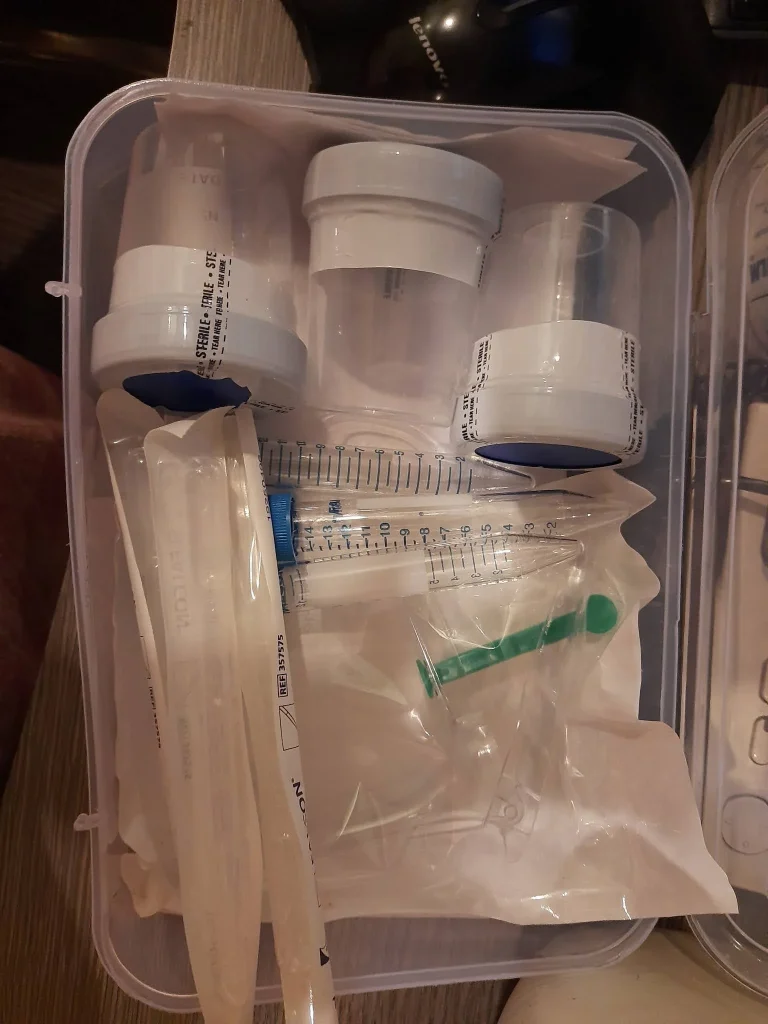
    various medical supplies and containers organized in a clear plastic box on a wooden surface

    Fertility on Your Schedule: The Flexibility of Using an Insemination Kit for Conception

    There are two main types of insemination kits: intracervical insemination (ICI) and intrauterine insemination (IUI). ICI involves inserting the semen into the cervix, while IUI involves placing the semen directly into the uterus. IUI is considered to be more effective than ICI, as it bypasses any potential obstacles in the cervix and places the sperm closer to the egg for fertilization. However, both methods have been successful in helping couples conceive.

    Flexibility and Convenience:

    One of the main advantages of using an insemination kit is the flexibility it offers. Unlike traditional methods, which often require multiple appointments and coordination with a fertility clinic, using an insemination kit can be done on the couple’s own schedule. This can be especially beneficial for couples who have busy or irregular schedules, making it difficult to make frequent trips to a clinic.

    Additionally, using an insemination kit can also eliminate the stress and pressure that often comes with trying to conceive. Traditional methods can involve monitoring ovulation, timing intercourse, and constantly visiting a fertility clinic. With an insemination kit, couples can take a more relaxed approach and focus on enjoying the process rather than feeling pressured to conceive within a specific time frame.

    Risks and Considerations:

    While using an insemination kit can offer flexibility and convenience, it is important to be aware of the potential risks and considerations associated with this method. It is crucial to carefully follow the instructions provided with the kit to ensure proper and safe use. There is also a risk of infection if the kit is not used correctly or if proper hygiene is not maintained.

    Another consideration is the success rate of using an insemination kit. While it has been successful for many couples, it may not be the most effective option for everyone. It is recommended to consult with a doctor or fertility specialist before using an insemination kit to ensure it is the right choice for your specific situation.

    In conclusion, using an insemination kit for conception can provide flexibility and convenience for couples who are trying to start a family. It offers a more relaxed and personalized approach to the conception process, and can be done in the comfort of one’s own home. However, it is important to consider the potential risks and consult with a medical professional before using an insemination kit.

  • Understanding the Different Types of Non-Invasive Insemination

    Understanding the Different Types of Non-Invasive Insemination

    In the world of fertility treatments, there are many different options available to couples and individuals who are struggling to conceive. One of these options is non-invasive insemination, which involves the introduction of sperm into the female reproductive tract without the need for surgery or other invasive procedures. However, not all non-invasive insemination methods are the same, and it can be confusing to understand the differences between them. In this blog post, we will explore the different types of non-invasive insemination and provide a better understanding of how they work and who they may be suitable for.

    What is Non-Invasive Insemination?

    Non-invasive insemination is a method of assisted reproduction that involves placing sperm into the female reproductive tract without the need for surgery or other invasive procedures. This can be done using a variety of techniques, but the goal is always to make it easier for sperm to reach the egg and increase the chances of conception. Non-invasive insemination is typically used for couples or individuals who are struggling with fertility issues, but it can also be used by same-sex couples and single individuals who want to have a child.

    There are several different types of non-invasive insemination, each with its own unique process and benefits. The most common types are intrauterine insemination (IUI), intracervical insemination (ICI), and intravaginal insemination (IVI). Let’s take a closer look at each of these methods.

    Intrauterine Insemination (IUI)

    IUI is the most common type of non-invasive insemination. It involves placing washed and prepared sperm directly into the uterus using a thin, flexible catheter. This procedure is usually done around the time of ovulation when the chances of fertilization are highest. IUI is often recommended for couples with unexplained infertility, mild male factor infertility, or in cases where the sperm needs assistance to reach the egg.

    The process of IUI is relatively simple and painless, and it can be done in a doctor’s office without the need for anesthesia. The success rate of IUI varies depending on the individual’s fertility and other factors, but it is generally around 10-20% per cycle.

    Intracervical Insemination (ICI)

    ICI is another type of non-invasive insemination that involves placing sperm inside the cervix using a syringe or a cervical cap. Unlike IUI, ICI does not require the use of a catheter and can be done at home without the need for a doctor’s visit. This makes it a more convenient and less expensive option for some individuals.

    Mosie Baby kit with two jars, a syringe, and a supportive message card inside a colorful box.

    Understanding the Different Types of Non-Invasive Insemination

    However, ICI is not as effective as IUI, and it is often recommended for couples with no known fertility issues. It is also a popular choice for same-sex couples and single individuals who want to conceive at home. The success rate of ICI varies, but it is typically lower than IUI at around 5-15% per cycle.

    Intravaginal Insemination (IVI)

    IVI is a relatively new method of non-invasive insemination that involves placing sperm into the vagina using a syringe or a softcup. This method is similar to ICI, but the sperm is inserted higher up in the vagina, closer to the cervix. IVI is often recommended for couples with no known fertility issues and can also be done at home without the need for a doctor’s visit.

    The success rate of IVI is similar to ICI, at around 5-15% per cycle. However, some studies have shown that IVI may have a higher success rate in certain cases, such as with unexplained infertility or for women using donor sperm.

    Which Method is Right for You?

    With so many different types of non-invasive insemination available, it can be challenging to determine which method is right for you. The best way to decide is to consult with a fertility specialist who can assess your individual situation and recommend the most suitable option. Factors such as age, fertility status, and overall health will all play a role in determining which method will have the best chances of success for you.

    It is also essential to consider the cost and convenience of each method. IUI and IVI will typically require a doctor’s visit, while ICI can be done at home. However, IUI may have a higher success rate and may be more suitable for individuals with known fertility issues. Ultimately, the decision will depend on your specific needs and preferences.

    In conclusion, non-invasive insemination offers a less invasive and more affordable option for individuals and couples looking to conceive. With different types available, it is essential to understand their differences and consult with a fertility specialist to determine the most suitable option for your unique situation. Whether it is IUI, ICI, or IVI, non-invasive insemination can provide a ray of hope for those struggling with fertility issues.

    Summary:

    Non-invasive insemination is a method of assisted reproduction that involves placing sperm into the female reproductive tract without the need for surgery or other invasive procedures. The most common types are intrauterine insemination (IUI), intracervical insemination (ICI), and intravaginal insemination (IVI). IUI is the most common and effective option, while ICI and IVI offer more convenience but may have lower success rates. Consulting with a fertility specialist can help determine the best method for each individual’s unique situation.

  • Exploring Non-Invasive Insemination: What You Need to Know

    Exploring Non-Invasive Insemination: What You Need to Know

    In recent years, there has been a rise in non-invasive insemination methods as an alternative to traditional methods. These methods offer a less invasive and more affordable option for those looking to conceive. But what exactly is non-invasive insemination and what do you need to know before considering it? In this blog post, we will explore the basics of non-invasive insemination, its benefits and drawbacks, and what you should consider before deciding if it’s right for you.

    What is Non-Invasive Insemination?

    Non-invasive insemination, also known as artificial insemination or intrauterine insemination, is a technique that involves placing sperm directly into the woman’s uterus to increase the chances of conception. This is typically done using a catheter or syringe and can be performed at home or in a medical setting.

    Types of Non-Invasive Insemination

    There are two main types of non-invasive insemination: intrauterine insemination (IUI) and intracervical insemination (ICI). IUI involves placing the sperm directly into the uterus, while ICI involves placing the sperm into the cervix. IUI is generally considered to be more effective than ICI, as it places the sperm closer to the fallopian tubes where fertilization occurs.

    Benefits of Non-Invasive Insemination

    One of the main benefits of non-invasive insemination is that it is less invasive and less expensive than other fertility treatments such as in vitro fertilization (IVF). It also has a higher success rate compared to natural conception for couples struggling with male factor infertility, cervical mucus issues, or unexplained infertility. Non-invasive insemination also allows for the use of donor sperm, making it a viable option for same-sex couples or single women looking to conceive.

    Mosie Baby pregnancy test kit with two tests and packaging, featuring a mint green color scheme.

    Exploring Non-Invasive Insemination: What You Need to Know

    Drawbacks of Non-Invasive Insemination

    While non-invasive insemination has its benefits, it does have some drawbacks to consider. One of the main concerns is that it may increase the risk of multiple pregnancies, as multiple eggs can be released during ovulation. This can lead to a higher risk of complications during pregnancy and delivery. Additionally, there is a risk of infection with non-invasive insemination, as it bypasses the natural barriers of the cervix and may introduce bacteria into the uterus.

    What to Consider Before Trying Non-Invasive Insemination

    Before deciding if non-invasive insemination is right for you, there are a few factors to consider. Firstly, it’s important to determine the cause of infertility, as non-invasive insemination may not be effective for certain issues such as blocked fallopian tubes or severe male factor infertility. It’s also essential to have a thorough discussion with your healthcare provider about the potential risks and success rates of non-invasive insemination.

    If you plan on using donor sperm, you should also consider the legal and emotional aspects of using a donor, as well as the potential for the child to have questions and want to connect with their biological father in the future. Additionally, it’s important to have a support system in place, as the process of insemination can be emotionally taxing.

    In conclusion, non-invasive insemination is a viable option for couples struggling with infertility, offering a less invasive and more affordable alternative to other treatments. However, it’s essential to consider the potential risks and success rates, as well as discussing it thoroughly with your healthcare provider before deciding if it’s the right choice for you and your partner.

    Summary:

    Non-invasive insemination is a technique that involves placing sperm directly into the woman’s uterus to increase the chances of conception. There are two main types: intrauterine insemination (IUI) and intracervical insemination (ICI). Its benefits include being less invasive and less expensive than other fertility treatments and allowing for the use of donor sperm. However, there are also some drawbacks to consider, such as an increased risk of multiple pregnancies and infection. Before trying non-invasive insemination, it’s essential to determine the cause of infertility, discuss potential risks, and consider legal and emotional aspects if using donor sperm.

  • The Conception Catalyst Syringe Set: A Revolutionary Invention

    Blog Post Title: The Conception Catalyst Syringe Set: A Revolutionary Invention

    Summary:

    Infertility is a common issue that affects many couples, and the process of conceiving can often be a stressful and expensive journey. However, with the advancements in technology and medicine, there is now a revolutionary invention that can help couples struggling with infertility – The Conception Catalyst Syringe Set.

    This syringe set is a game-changer in the world of fertility treatments, offering a more affordable and less invasive option for couples looking to conceive. In this blog post, we will explore the Conception Catalyst Syringe Set in detail, including how it works, its benefits, and why it is considered a revolutionary invention.

    Key Features of the Conception Catalyst Syringe Set:

    The Conception Catalyst Syringe Set is a revolutionary invention that offers a simple and effective way for couples to conceive. Here are some of its key features:

    1. Non-Invasive: Unlike other fertility treatments, the Conception Catalyst Syringe Set is a non-invasive option. It does not require any injections, procedures, or medication, making it a much more comfortable and stress-free option for couples.

    2. Easy to Use: The syringe set is designed to be user-friendly, making it easy for couples to use at home. It comes with clear instructions, and the process is simple and straightforward.

    3. Cost-Effective: Fertility treatments can often be expensive, and many couples cannot afford them. The Conception Catalyst Syringe Set is a more affordable option, making it accessible to a wider range of couples.

    4. No Side Effects: As the Conception Catalyst Syringe Set does not involve any medication or procedures, it has no known side effects. This makes it a safer option for couples who may be concerned about the potential risks of other fertility treatments.

    How Does the Conception Catalyst Syringe Set Work?

    Mosie Baby Kit with a syringe and container, highlighting safety and usability features on a blue background.

    The Conception Catalyst Syringe Set: A Revolutionary Invention

    The Conception Catalyst Syringe Set works by using a technique called Intracervical Insemination (ICI). This process involves placing the sperm directly into the cervix, bypassing the vaginal canal and increasing the chances of fertilization.

    The set comes with a syringe that is pre-filled with sperm from the donor or partner. The syringe is then inserted into the vagina, and the sperm is released into the cervix. This process is similar to natural conception, and the chances of fertilization are significantly increased.

    Benefits of Using the Conception Catalyst Syringe Set:

    1. Increased Chances of Conception: The primary benefit of using the Conception Catalyst Syringe Set is the increased chances of conception. By placing the sperm directly into the cervix, the chances of fertilization are significantly improved.

    2. More Affordable: As mentioned earlier, fertility treatments can be expensive, and many couples cannot afford them. The Conception Catalyst Syringe Set is a more affordable option, making it accessible to a wider range of couples.

    3. Less Stressful: The process of conceiving can be stressful for many couples, and fertility treatments can add to that stress. With the Conception Catalyst Syringe Set, couples can avoid invasive procedures and medication, making the process less stressful.

    4. Can Be Used at Home: The Conception Catalyst Syringe Set is designed to be used at home, eliminating the need for visits to a fertility clinic. This not only saves time and money but also allows couples to have more privacy and control over the process.

    Why is the Conception Catalyst Syringe Set Considered a Revolutionary Invention?

    The Conception Catalyst Syringe Set is considered a revolutionary invention because it offers a simple, safe, and effective way for couples to conceive. It eliminates the need for expensive and invasive fertility treatments and provides a more affordable option for couples struggling with infertility.

    Moreover, the Conception Catalyst Syringe Set has the potential to change the way we think about fertility treatments. It offers a more natural and less stressful option for couples, and its success rate is comparable to other fertility treatments such as intrauterine insemination (IUI).

    In conclusion, the Conception Catalyst Syringe Set is a revolutionary invention that has the potential to help countless couples struggling with infertility. It offers a simple, cost-effective, and non-invasive option for conception, making the journey to parenthood a little easier for many.

  • Insemination Sets: A Safe and Effective Fertility Solution

    Blog Post Title: Insemination Sets: A Safe and Effective Fertility Solution

    Summary:

    Infertility affects millions of couples worldwide, preventing them from starting the families they desire. Fortunately, advancements in modern medicine have led to various fertility solutions, one of which is insemination. Insemination is the process of placing sperm directly into a woman’s reproductive tract to increase the chances of fertilization. In this blog post, we will discuss insemination sets, a safe and effective fertility solution that has helped many couples achieve their dream of parenthood.

    First, we will look at the different types of insemination sets available. There are three main types: intracervical insemination (ICI), intrauterine insemination (IUI), and intratubal insemination (ITI). ICI involves placing the sperm near the cervix, IUI involves placing the sperm directly into the uterus, and ITI involves placing the sperm directly into the fallopian tubes. The type of insemination set used will depend on the individual needs and preferences of the couple and their fertility specialist’s recommendation.

    Next, we will discuss the process of using an insemination set. Before starting the insemination process, the sperm needs to be prepared and washed to remove any impurities. This is to ensure that only healthy and motile sperm are used for the procedure. The prepared sperm is then placed into a sterile insemination set, which is a device designed to deliver the sperm safely and precisely into the woman’s reproductive tract. The insemination set is then inserted into the woman’s body, either through the vagina or the cervix, depending on the type of insemination being performed.

    One of the benefits of using insemination sets is that they are minimally invasive, making the procedure relatively painless. It also has a high success rate, with many couples achieving pregnancy within the first few cycles of insemination. Additionally, insemination sets are relatively affordable compared to other fertility treatments, making them a popular choice among couples struggling with infertility.

    logo featuring a pink heart above two teal leaves on a blue circular background

    Insemination Sets: A Safe and Effective Fertility Solution

    Furthermore, insemination sets are a safe fertility solution, with minimal risks and side effects. The most common side effects include mild cramping and spotting, which usually subside within a day or two. There is also a small risk of infection, but this can be prevented by using sterile equipment and following the doctor’s instructions carefully.

    Another significant advantage of using insemination sets is that they can be used with donor sperm. This is an excellent option for couples where the male partner has fertility issues or same-sex couples. The use of donor sperm also allows couples to choose the physical characteristics and medical history of the donor, giving them more control over the process.

    Insemination sets can also be combined with fertility medications to increase the chances of a successful pregnancy. These medications stimulate ovulation, making it easier for the sperm to fertilize the egg. This combination of insemination and medication is known as controlled ovarian hyperstimulation (COH) and is commonly used for couples with unexplained infertility or ovulation disorders.

    Insemination sets can also be used in conjunction with other fertility treatments, such as in vitro fertilization (IVF). IVF involves fertilizing the egg with sperm in a laboratory and then transferring the embryo into the woman’s uterus. In some cases, IVF can be combined with insemination sets to increase the chances of a successful pregnancy.

    In conclusion, insemination sets are a safe and effective fertility solution that has helped many couples achieve their dream of having a baby. They are minimally invasive, have a high success rate, and are relatively affordable compared to other fertility treatments. With the advancements in medical technology, more and more couples are turning to insemination sets as a viable option for starting their families.

    SEO metadata: