Tag: Influencer Marketing

  • Fashion Brands That Have Perfected the Art of Storytelling on Social Media

    Fashion Brands That Have Perfected the Art of Storytelling on Social Media

    In today’s digital age, social media has become a powerful tool for fashion brands to connect with their audiences and showcase their products. However, in a saturated market where every brand is vying for attention, it takes more than just posting product photos to stand out. The key to capturing the hearts and minds of consumers lies in storytelling, and some fashion brands have mastered this art on social media. They have successfully used their platforms to tell compelling stories that go beyond just selling products, creating a deeper connection with their followers. In this blog post, we will take a look at some of the fashion brands that have perfected the art of storytelling on social media.

    1. Chanel
    Chanel is a luxury fashion brand known for its iconic products and timeless elegance. But what sets them apart on social media is their ability to tell a story that reflects their brand values and heritage. From behind-the-scenes shots of their fashion shows to short films that showcase their craftsmanship, Chanel’s social media pages are a visual treat that takes followers on a journey through the brand’s history and vision. They also frequently collaborate with influencers and celebrities, adding a modern twist to their storytelling while staying true to their brand image.

    2. Nike
    Nike is not just a fashion brand; it’s a cultural phenomenon. They have mastered the art of storytelling on social media by tapping into the emotions and aspirations of their audience. Nike’s social media pages are filled with inspiring stories of athletes and individuals who have overcome challenges and achieved greatness, all while wearing Nike products. By showcasing these powerful and relatable stories, Nike has built a community of loyal followers who connect with the brand on a deeper level.

    Two transparent syringes with teal accents positioned diagonally on a light gray background.

    Fashion Brands That Have Perfected the Art of Storytelling on Social Media

    3. Burberry
    Burberry is a luxury fashion brand that has seamlessly integrated storytelling into their social media strategy. They often use their platforms to tell stories that celebrate British culture and heritage, while also showcasing their latest collections. From short films featuring famous British actors to live streaming their fashion shows, Burberry’s social media pages are a perfect blend of storytelling and product promotion. They have also partnered with popular social media influencers to reach a wider audience and create a buzz around their brand.

    4. Glossier
    Glossier is a beauty brand that has taken the social media world by storm. They have built a strong following by creating a community of loyal customers who feel like they are a part of the brand. Glossier’s social media pages are a perfect example of how storytelling can be used to create a personal connection with followers. They often feature real customers in their photos and videos, showcasing the diversity and inclusivity of their brand. Their social media presence feels more like a friend sharing beauty tips than a brand trying to sell products, making it a refreshing change in the beauty industry.

    5. Adidas
    Adidas is another brand that has mastered the art of storytelling on social media. They have a strong presence on platforms like Instagram and YouTube, where they use storytelling to showcase their products and create meaningful conversations with their followers. One of their most successful campaigns, “Here to Create,” featured female athletes and influencers sharing their stories of resilience and determination, all while wearing Adidas products. This campaign not only resonated with their target audience but also earned them a lot of positive attention and brand loyalty.

    In summary, social media has become an essential tool for fashion brands to connect with their audiences, and storytelling has become a crucial aspect of their strategy. By using their platforms to tell compelling stories, these brands have created a deeper connection with their followers, resulting in increased brand loyalty and engagement. From showcasing their brand values and heritage to collaborating with influencers and real customers, these fashion brands have perfected the art of storytelling on social media, setting a high standard for others to follow.

  • The Rise of Social Commerce: 50 Fashion Brands Driving Sales on Social Media

    Summary:

    Social commerce, the intersection of social media and e-commerce, has become a powerful force in the fashion industry. More and more fashion brands are utilizing social media platforms to not only promote their products, but also to drive sales and connect with customers. In this blog post, we will explore the rise of social commerce and highlight 50 fashion brands that are leading the way in using social media to boost their sales.

    Introduction:

    Social media has revolutionized the way we connect, communicate, and consume. From sharing our daily lives to discovering new products and trends, social media has become an integral part of our daily routine. This shift in consumer behavior has not gone unnoticed by fashion brands, who have seized the opportunity to tap into the power of social media to drive sales.

    The Rise of Social Commerce:

    The concept of social commerce is not a new one, with early pioneers like Etsy and Pinterest paving the way for brands to sell directly to consumers on social media. However, it was the rise of influencer marketing and the emergence of new social media platforms like Instagram and TikTok that truly propelled social commerce to the forefront.

    With the rise of influencer marketing, fashion brands saw the potential of collaborating with popular social media influencers to showcase their products to a highly engaged audience. This not only increased brand awareness but also drove sales as these influencers had a direct impact on their followers’ purchasing decisions.

    The Impact of Instagram:

    Instagram, with its highly visual nature and large user base, has become a go-to platform for fashion brands looking to boost their sales through social media. The platform has introduced various features specifically geared towards social commerce, such as shoppable posts and Instagram Checkout, making it easier for brands to sell their products directly on the platform.

    One brand that has successfully utilized Instagram to drive sales is Fashion Nova, a fast-fashion retailer that has gained a cult following thanks to its collaborations with popular influencers and celebrities. With over 20 million followers on Instagram, Fashion Nova has become a prime example of how a brand can leverage social media to drive sales and build a loyal customer base.

    The Rise of TikTok:

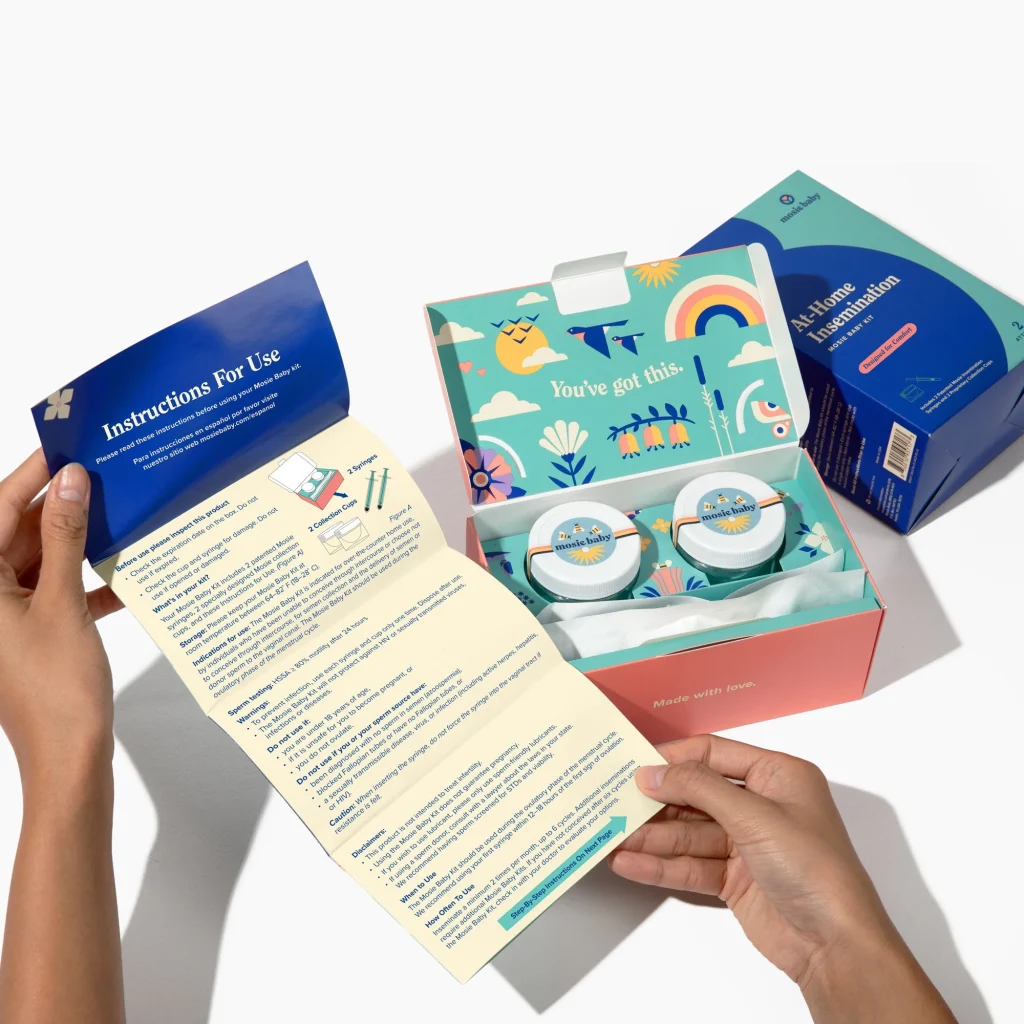
    Mosie Baby pregnancy test kit with two tests and packaging, featuring a mint green color scheme.

    The Rise of Social Commerce: 50 Fashion Brands Driving Sales on Social Media

    TikTok, the popular short-form video app, has quickly become a favorite among fashion brands. Its algorithm-based content discovery has allowed brands to reach a wider audience, and its integration with ecommerce platforms like Shopify has made it easier for brands to sell their products directly on the app.

    One brand that has seen tremendous success on TikTok is Aerie, a lingerie and loungewear brand. By utilizing popular TikTok trends and partnering with influencers, Aerie has been able to create a strong presence on the app and drive sales through its #AerieReal campaign, which promotes body positivity and inclusivity.

    The Power of User-Generated Content:

    Another key aspect of social commerce is user-generated content (UGC). UGC is any type of content created by consumers, such as reviews, photos, and videos, that showcases a brand’s products. UGC not only helps build trust and credibility for the brand, but it also serves as a powerful marketing tool.

    One brand that has effectively used UGC to drive sales is Glossier, a beauty brand known for its minimalist, Instagram-friendly packaging. The brand encourages its customers to share their Glossier products on social media, and as a result, their Instagram feed is filled with authentic, user-generated content that resonates with their target audience and drives sales.

    The Future of Social Commerce:

    As social media continues to evolve, the opportunities for fashion brands to drive sales through these platforms are endless. With the rise of new technologies like augmented reality and virtual try-on, brands can now offer a more personalized shopping experience to their customers through social media.

    In addition, the COVID-19 pandemic has accelerated the growth of social commerce, with more consumers turning to online shopping and spending more time on social media platforms. This has forced fashion brands to adapt and embrace social commerce as a vital part of their sales strategy.

    Conclusion:

    Social commerce has become a game-changer for the fashion industry, allowing brands to connect with their customers, drive sales, and stay ahead of the competition. With the rise of influencer marketing, the emergence of new social media platforms, and the power of user-generated content, social commerce is here to stay and will continue to shape the future of e-commerce.

    SEO metadata:

  • Fashion Brands Using Influencers to Dominate Social Media

    Blog Post:

    In today’s digital age, social media has become one of the most powerful tools for fashion brands to reach their target audience and increase their sales. With the rise of influencer marketing, fashion brands have found a new way to dominate social media and gain a competitive edge. In this blog post, we will delve into the world of fashion brands and how they are using influencers to dominate social media.

    The Power of Influencer Marketing

    Influencer marketing has become a popular strategy for brands to promote their products and services. By partnering with individuals who have a large following on social media, brands are able to tap into their audience and gain exposure to potential customers. This type of marketing is particularly effective in the fashion industry, as it allows brands to showcase their products in an authentic and relatable way.

    Social media influencers have a strong influence on their followers’ purchasing decisions. According to a survey by Collective Bias, 70% of millennial consumers are influenced by the recommendations of their peers when making purchasing decisions. This is why fashion brands are turning to influencers to promote their products on social media.

    Using Influencers to Reach Target Audience

    One of the biggest challenges for fashion brands is reaching their target audience on social media. With millions of users and a constantly changing algorithm, it can be difficult for brands to stand out and reach the right people. This is where influencers come in. By partnering with influencers who have a similar target audience, fashion brands can reach a wider and more relevant audience.

    For example, a fashion brand that targets young women can collaborate with fashion influencers who have a large following of young women on social media. This not only increases the brand’s reach but also ensures that their products are being promoted to the right audience.

    Creating Authentic Content

    two teal and clear syringes positioned on a white background

    Fashion Brands Using Influencers to Dominate Social Media

    Influencers are known for creating authentic content that resonates with their followers. Unlike traditional advertisements, influencer content feels more genuine and relatable to their audience. This is why fashion brands prefer to work with influencers rather than creating branded content themselves.

    When promoting a fashion brand, influencers will often showcase the products in their daily lives, whether it’s through a fashion haul, a styling video, or an outfit of the day post. This type of content not only showcases the products but also gives the audience an idea of how the products can be incorporated into their own lives. This creates a sense of trust and authenticity, making the audience more likely to purchase the products.

    Building Brand Awareness and Trust

    Influencers have the power to build brand awareness and trust for fashion brands. By collaborating with influencers, brands are able to tap into their loyal fan base and gain credibility in the eyes of their audience. When an influencer promotes a fashion brand, their followers are more likely to trust their recommendation and consider purchasing from the brand.

    Moreover, by consistently working with influencers, brands can build an ongoing relationship with them and their followers. This helps to create a sense of community around the brand and fosters a loyal customer base.

    Measurable Impact on Sales

    One of the biggest advantages of using influencers for fashion brands is the ability to measure the impact on sales. With the use of special tracking links and promo codes, brands can track the number of sales generated through influencer promotions. This allows brands to see a direct correlation between their investment in influencer marketing and the increase in sales.

    In addition, influencers often share their engagement and reach metrics with brands, providing them with valuable insights on the effectiveness of their campaigns. This data can be used to make informed decisions on future collaborations and improve the overall strategy for reaching their target audience.

    Summary:

    In today’s digital age, fashion brands are using influencers to dominate social media and reach their target audience. Influencers have a strong influence on their followers’ purchasing decisions and by working with them, fashion brands can tap into their audience and gain exposure to potential customers. This type of marketing allows brands to reach a wider and more relevant audience, create authentic content, build brand awareness and trust, and measure the impact on sales. Influencer marketing has become a crucial part of the fashion industry, helping brands to stay relevant and competitive in the ever-evolving world of social media.

  • Fashion Brands That Know How to Connect with Gen Z on Social Media

    Blog Post Title: Fashion Brands That Know How to Connect with Gen Z on Social Media

    In today’s fast-paced digital age, social media has become a powerful tool for fashion brands to connect with their audience, especially with Gen Z. This generation, born between the mid-1990s and early 2010s, is known for being tech-savvy, social media-dependent, and highly influential when it comes to fashion and trends. Therefore, it is crucial for fashion brands to understand how to effectively connect with Gen Z on social media to stay relevant and successful in the industry.

    In this blog post, we will explore some of the fashion brands that have successfully connected with Gen Z on social media and examine the strategies they have used to do so.

    1. Nike
    Nike has been a dominant player in the fashion industry for decades, but it has also been able to adapt and connect with Gen Z through its strong social media presence. The brand has a massive following on platforms like Instagram, Twitter, and TikTok, where it shares a mix of product promotions, athlete collaborations, and social causes. Nike’s strategy of using diverse and inclusive content resonates with Gen Z, who value authenticity and representation.

    2. ASOS
    ASOS is an online fashion retailer that has captured the attention of Gen Z through its relatable and humorous social media presence. The brand’s Instagram feed is a mix of trendy fashion content, behind-the-scenes glimpses, and memes that perfectly align with the humor and interests of Gen Z. ASOS has also leveraged the power of user-generated content by featuring photos of their customers wearing their products, creating a sense of community and relatability.

    pregnancy test kit with instructions, test device, and packaging on a white background

    Fashion Brands That Know How to Connect with Gen Z on Social Media

    3. Glossier
    Glossier, a makeup and skincare brand, has built a cult following among Gen Z through its minimalistic and natural approach to beauty. The brand’s social media strategy revolves around creating aesthetically pleasing content, featuring real customers, and promoting a message of self-love and confidence. Glossier’s use of Instagram Stories and influencer marketing has also helped to create a buzz around their products and reach a wider Gen Z audience.

    4. Depop
    Depop is an online marketplace for buying and selling second-hand clothing, making it a perfect fit for the sustainability-conscious Gen Z. The brand’s social media strategy focuses on promoting its platform as a community and lifestyle rather than just a shopping destination. Depop regularly features its users and their unique styles, celebrates diversity, and shares tips on sustainable fashion, all of which resonate with Gen Z’s values.

    5. Fashion Nova
    Fashion Nova, a fast-fashion brand, has become a massive hit among Gen Z due to its affordable and trendy clothing options. The brand’s social media strategy is heavily influencer-driven, with collaborations and sponsored posts by popular Gen Z influencers. Fashion Nova also actively engages with its audience through Instagram comments and hashtags, creating a sense of community and encouraging user-generated content.

    6. Fashion Nova
    Fashion Nova, a fast-fashion brand, has become a massive hit among Gen Z due to its affordable and trendy clothing options. The brand’s social media strategy is heavily influencer-driven, with collaborations and sponsored posts by popular Gen Z influencers. Fashion Nova also actively engages with its audience through Instagram comments and hashtags, creating a sense of community and encouraging user-generated content.

    7. H&M
    H&M, a global fashion retailer, has been able to connect with Gen Z on social media by promoting sustainability and diversity. The brand’s “Conscious” collection and campaigns highlighting body positivity and inclusivity have resonated well with Gen Z’s values. H&M also uses Instagram and TikTok to showcase its latest collections and engage with its audience through challenges, user-generated content, and influencer collaborations.

    In summary, fashion brands that have been successful in connecting with Gen Z on social media have one thing in common – they understand the values, interests, and preferences of this generation. These brands use a mix of authentic and diverse content, user-generated content, influencer collaborations, and community-building strategies to engage with Gen Z and establish a strong social media presence.

  • The Top 50 Fashion Brands on Social Media You Need to Know About

    In today’s digital age, social media has become a powerful tool for businesses to connect with their audience and promote their products. The fashion industry, in particular, has fully embraced the power of social media to showcase their latest collections, engage with their followers, and increase brand awareness. In this blog post, we will explore the top 50 fashion brands on social media that you need to know about.

    1. Chanel
    With over 40 million followers on Instagram, Chanel is one of the top fashion brands on social media. The luxury brand consistently posts high-quality content that showcases their iconic designs and collaborations with celebrities and influencers.

    2. Gucci
    Known for its bold and eccentric designs, Gucci has a strong presence on social media with over 55 million followers on Instagram. The brand uses a mix of fashion, art, and culture to engage with their audience and create a unique brand image.

    3. Louis Vuitton
    Louis Vuitton’s Instagram account is a visual treat for fashion lovers, with its stunning aesthetic and behind-the-scenes glimpses of their fashion shows. With over 40 million followers, the brand has a strong presence on social media and has also collaborated with top influencers and celebrities.

    4. Dior
    Dior is another luxury brand that has successfully utilized social media to reach a wider audience. The brand’s Instagram feed is filled with stunning images of their latest collections, campaigns, and celebrity collaborations, garnering over 30 million followers.

    5. Nike
    Nike, a brand known for its sportswear, has a strong presence on social media with over 140 million followers on Instagram. The brand’s social media strategy includes collaborations with athletes and influencers, as well as promoting diversity and inclusivity in their campaigns.

    6. H&M
    With over 30 million followers on Instagram, H&M has a strong presence on social media, catering to a wider audience with its affordable and trendy fashion. The brand’s social media strategy includes promoting sustainability and diversity, making it a popular choice among millennials and Gen Z.

    7. Adidas
    Adidas, another sportswear giant, has a strong presence on social media with over 30 million followers on Instagram. The brand’s social media strategy includes collaborations with top athletes and influencers, as well as promoting sustainability and inclusivity.

    8. Zara
    Zara, known for its fast-fashion approach, has a strong presence on social media with over 40 million followers on Instagram. The brand’s social media strategy includes showcasing their latest collections, collaborations, and promoting diversity and sustainability.

    9. Victoria’s Secret
    Victoria’s Secret, a brand known for its lingerie and fashion shows, has a strong presence on social media with over 70 million followers on Instagram. The brand’s social media strategy includes promoting their latest collections, collaborations with models and influencers, and body positivity.

    10. Balmain
    Balmain, a luxury fashion brand, has a strong social media presence with over 11 million followers on Instagram. The brand’s social media strategy includes showcasing their latest collections, collaborations with celebrities and influencers, and behind-the-scenes glimpses of their fashion shows.

    11. Prada
    With over 20 million followers on Instagram, Prada is another luxury brand that has a strong presence on social media. The brand’s social media strategy includes showcasing their latest collections, collaborations, and promoting their brand image as a symbol of elegance and sophistication.

    12. Zalando
    Zalando, a popular online fashion retailer, has a strong presence on social media with over 2 million followers on Instagram. The brand’s social media strategy includes promoting their latest collections, collaborations with influencers, and engaging with their audience through user-generated content.

    13. Burberry
    Known for its iconic trench coats, Burberry has a strong presence on social media with over 12 million followers on Instagram. The brand’s social media strategy includes showcasing their latest collections, collaborations with top influencers and celebrities, and promoting their British heritage.

    14. Calvin Klein
    Calvin Klein, a brand known for its minimalistic and sleek designs, has a strong presence on social media with over 11 million followers on Instagram. The brand’s social media strategy includes promoting their latest collections, collaborations with celebrities and influencers, and engaging with their audience through interactive campaigns.

    15. Dolce & Gabbana
    Dolce & Gabbana, a luxury fashion brand, has a strong presence on social media with over 22 million followers on Instagram. The brand’s social media strategy includes showcasing their latest collections, collaborations with top influencers and celebrities, and promoting their Italian heritage.

    16. ASOS
    ASOS, a popular online fashion retailer, has a strong presence on social media with over 11 million followers on Instagram. The brand’s social media strategy includes promoting their latest collections, collaborations with influencers, and engaging with their audience through user-generated content.

    hands using a blue syringe to extract contents from a clear container for a home insemination kit

    The Top 50 Fashion Brands on Social Media You Need to Know About

    17. Marc Jacobs
    Marc Jacobs, a luxury fashion brand, has a strong social media presence with over 11 million followers on Instagram. The brand’s social media strategy includes showcasing their latest collections, collaborations with celebrities and influencers, and promoting their unique and bold designs.

    18. Michael Kors
    Known for its luxury accessories and ready-to-wear collections, Michael Kors has a strong presence on social media with over 11 million followers on Instagram. The brand’s social media strategy includes showcasing their latest collections, collaborations, and promoting their brand image as a symbol of elegance and sophistication.

    19. Versace
    Versace, a luxury fashion brand, has a strong presence on social media with over 17 million followers on Instagram. The brand’s social media strategy includes showcasing their latest collections, collaborations with celebrities and influencers, and promoting their bold and iconic designs.

    20. Topshop
    Topshop, a popular high street fashion retailer, has a strong presence on social media with over 10 million followers on Instagram. The brand’s social media strategy includes promoting their latest collections, collaborations with influencers, and engaging with their audience through interactive campaigns.

    21. Huda Beauty
    Huda Beauty, a makeup brand, has a strong presence on social media with over 48 million followers on Instagram. The brand’s social media strategy includes promoting their latest products, collaborations with influencers, and engaging with their audience through makeup tutorials and user-generated content.

    22. Revolve
    Revolve, an online fashion retailer, has a strong presence on social media with over 3 million followers on Instagram. The brand’s social media strategy includes showcasing their latest collections, collaborations with influencers, and engaging with their audience through user-generated content.

    23. Tommy Hilfiger
    Tommy Hilfiger, a popular fashion brand, has a strong presence on social media with over 14 million followers on Instagram. The brand’s social media strategy includes showcasing their latest collections, collaborations with celebrities and influencers, and promoting their brand image as a symbol of American cool.

    24. Valentino
    Valentino, a luxury fashion brand, has a strong presence on social media with over 13 million followers on Instagram. The brand’s social media strategy includes showcasing their latest collections, collaborations with celebrities and influencers, and promoting their brand image as a symbol of sophistication and elegance.

    25. Levi’s
    Levi’s, a popular denim brand, has a strong presence on social media with over 9 million followers on Instagram. The brand’s social media strategy includes promoting their latest collections, collaborations with influencers, and engaging with their audience through interactive campaigns.

    26. Coach
    Coach, a luxury fashion brand, has a strong presence on social media with over 12 million followers on Instagram. The brand’s social media strategy includes showcasing their latest collections, collaborations with celebrities and influencers, and promoting their brand image as a symbol of modern luxury.

    27. MAC Cosmetics
    MAC Cosmetics, a makeup brand, has a strong presence on social media with over 23 million followers on Instagram. The brand’s social media strategy includes promoting their latest products, collaborations with influencers, and engaging with their audience through makeup tutorials and user-generated content.

    28. Tommy Bahama
    Tommy Bahama, a lifestyle brand, has a strong presence on social media with over 1 million followers on Instagram. The brand’s social media strategy includes promoting their latest collections, collaborations with influencers, and engaging with their audience through user-generated content.

    29. Yves Saint Laurent
    Yves Saint Laurent, a luxury fashion brand, has a strong presence on social media with over 10 million followers on Instagram. The brand’s social media strategy includes showcasing their latest collections, collaborations with celebrities and influencers, and promoting their brand image as a symbol of Parisian chic.

    30. Puma
    Puma, a sportswear brand, has a strong presence on social media with over 16 million followers on Instagram. The brand’s social media strategy includes collaborations with top athletes and influencers, as well as promoting inclusivity and diversity in their campaigns.

    31. Fendi
    Fendi, a luxury fashion brand, has a strong presence on social media with over 16 million followers on Instagram. The brand’s social media strategy includes showcasing their latest collections, collaborations with celebrities and influencers, and promoting their brand image as a symbol of Italian luxury.

    32. Sephora
    Sephora, a beauty retailer, has a strong presence on social media with over 22 million followers on Instagram. The brand’s social media strategy includes promoting their latest products, collaborations with influencers, and engaging with their audience through makeup tutorials and user-generated content.

    33. Ralph Lauren
    Ralph Lauren, a luxury fashion brand, has a strong presence on social media with over 11 million followers on Instagram. The brand’s social media strategy includes showcasing their latest collections, collaborations with celebrities and influencers, and promoting their classic and timeless designs.

    34. Nasty Gal
    Nasty Gal, an online fashion retailer, has a strong presence on social media with over 2 million followers on Instagram. The brand’s social media strategy includes promoting their latest collections, collaborations with influencers, and engaging


  • Behind the Brand: How 42 Beauty Influencers Collaborate with Companies

    Behind the Brand: How 42 Beauty Influencers Collaborate with Companies

    Beauty influencers have become an integral part of the beauty industry, with their massive social media following and influence over consumer purchasing decisions. As a result, many beauty brands have started collaborating with these influencers to promote their products and reach a wider audience. But have you ever wondered how these collaborations come about and what goes on behind the scenes? In this blog post, we will take a closer look at how 42 beauty influencers collaborate with companies, and the impact these collaborations have on both the influencers and the brands they work with.

    The Rise of Beauty Influencers

    Before diving into the world of influencer collaborations, let’s first understand the rise of beauty influencers. With the rise of social media platforms like Instagram, YouTube, and TikTok, beauty influencers have become a force to be reckoned with in the beauty industry. These influencers have built a loyal following of millions of followers, who look to them for beauty tips, product recommendations, and tutorials.

    Their authentic and relatable content has made them more trustworthy to their followers than traditional advertising methods. As a result, beauty brands have taken notice and have started collaborating with these influencers to tap into their large and engaged audience.

    Types of Influencer Collaborations

    There are various ways in which beauty influencers collaborate with companies. Some of the most common types of collaborations include sponsored posts, brand partnerships, and affiliate marketing.

    Sponsored posts are when a brand pays an influencer to promote their products on their social media platforms. This can be in the form of a dedicated post, a story, or a video featuring the product.

    Brand partnerships, on the other hand, involve a long-term relationship between the influencer and the brand. This can include creating exclusive products or collections with the influencer’s input, or having the influencer as the face of the brand.

    Affiliate marketing is when an influencer promotes a product or brand and receives a commission for every sale made through their unique affiliate link.

    How Collaborations Come About

    Now that we know the different types of influencer collaborations, let’s take a closer look at how these collaborations come about. In most cases, it starts with the brand reaching out to the influencer or their management team. This can be through direct messages on social media, email, or through a platform that connects brands with influencers.

    Some brands may also hold events or launch parties where they invite influencers to try out their products and potentially collaborate with them. Influencers can also pitch their ideas to brands they want to work with, showcasing their creativity and unique approach to promoting products.

    Negotiating the Collaboration

    illustration comparing standard and Mosie syringe openings with text highlighting design benefits for home insemination

    Behind the Brand: How 42 Beauty Influencers Collaborate with Companies

    Once a brand and an influencer have expressed interest in collaborating, they will then move on to negotiate the terms of the collaboration. This can include the scope of work, deliverables, timeline, and compensation.

    The scope of work can range from creating a single post to a series of posts, videos, or even an entire campaign. Deliverables can include high-quality content, such as photos and videos, as well as product reviews and tutorials.

    The timeline for the collaboration will depend on the brand’s launch schedule and the influencer’s availability. Compensation for the collaboration can vary depending on factors such as the influencer’s following, engagement rate, and the scope of work.

    The Impact of Collaborations

    For influencers, collaborations with beauty brands can bring in a significant amount of income and exposure. It also allows them to showcase their creativity and personal style, which can attract more followers and collaborations in the future.

    On the other hand, for beauty brands, collaborations with influencers can help them reach a wider audience, increase brand awareness, and potentially drive sales. By working with influencers, brands can tap into their followers’ trust and loyalty, which can be beneficial for their brand reputation.

    The success of collaborations can also be measured by the engagement and sales generated from the influencer’s posts. This data can help both the influencer and the brand determine the effectiveness of the collaboration and make adjustments for future collaborations.

    Challenges in Collaborations

    While influencer collaborations can be beneficial for both parties, there can also be challenges that arise. One of the main challenges is ensuring that the collaboration is authentic and genuine. As influencers receive compensation for their collaborations, there may be concerns about their honesty in promoting a product.

    Another challenge is ensuring that the collaboration aligns with the influencer’s personal brand and values. If the collaboration does not resonate with their audience, it can lead to a loss of trust and credibility.

    Final Thoughts

    In conclusion, beauty influencers have become powerful collaborators for beauty brands, bringing in fresh and creative approaches to promoting products. These collaborations have also opened up opportunities for influencers to establish themselves as brand ambassadors and entrepreneurs in their own right.

    The process of collaboration involves a lot of communication, negotiation, and creativity from both the influencer and the brand. While there may be challenges, the success of these collaborations can bring in significant benefits for both parties.

    So the next time you see your favorite beauty influencer promoting a product, you now have a better understanding of the behind-the-scenes process that goes into these collaborations.

  • The Secret to Success: Lessons from 42 Top Beauty Influencers

    The world of beauty is constantly evolving and one of the biggest driving forces behind its growth is the rise of beauty influencers. These individuals have amassed millions of followers on social media platforms like Instagram and YouTube, and have become powerful voices in the beauty industry. But what sets them apart from the rest? What is the secret to their success? We took a deep dive into the lives and lessons of 42 top beauty influencers to uncover their secrets to success.

    1. Authenticity is Key
    One of the most common traits among successful beauty influencers is their authenticity. They have built their following by being genuine and relatable, sharing their personal stories and experiences with their audience. This creates a strong connection and trust with their followers, which is crucial in the influencer world.

    2. Consistency and Hard Work
    It may seem like a glamorous job, but being a beauty influencer requires a lot of hard work and consistency. These top influencers have shared their journey to success, which often includes long hours of filming, editing, and constant engagement with their followers. Consistency is key in building a loyal following and keeping them engaged.

    3. Embracing Their Niche
    Each beauty influencer has their own unique style and niche, and they have embraced it fully. Whether it’s makeup tutorials, skincare routines, or hair care tips, they have found what they are passionate about and have made it their own. This has helped them stand out in a crowded industry and attract a specific audience who resonates with their content.

    4. Collaborations and Networking
    Collaborations and networking have played a crucial role in the success of these top beauty influencers. They have built a strong community within the industry and often collaborate with each other, creating a mutually beneficial relationship. This not only helps them reach a wider audience but also provides opportunities to learn and grow from their peers.

    5. Leveraging Social Media
    Social media has been a game-changer for the beauty industry, and influencers have been quick to leverage its power. These top influencers have mastered the art of creating visually appealing content that is shareable and engaging. They also utilize different platforms to reach a diverse audience and stay ahead of the ever-changing social media landscape.

    illustration of Mosie Baby home insemination kit highlighting seamless transfer and size features

    The Secret to Success: Lessons from 42 Top Beauty Influencers

    6. Staying Ahead of Trends
    With the beauty industry constantly evolving, it’s important for influencers to stay on top of trends and keep their content fresh. These top influencers have a keen eye for what’s new and exciting in the beauty world and are quick to incorporate it into their content. This not only keeps their audience engaged but also positions them as trendsetters in the industry.

    7. Authentic Partnerships
    Influencer marketing has become a major source of income for beauty influencers, but the key to successful partnerships lies in authenticity. These top influencers only partner with brands and products that they truly believe in and have personally used. This maintains their credibility and trust with their audience, and in turn, drives successful partnerships.

    8. Constantly Evolving and Learning
    Despite their success, these top beauty influencers are always looking for ways to evolve and improve. They continuously learn from their peers, their audience, and the industry itself. They also adapt to new platforms and trends, ensuring that they stay relevant and continue to grow their following.

    9. Being Adaptable
    The beauty industry is constantly changing, and successful influencers have to be adaptable to stay on top. This means being open to new opportunities, taking risks, and being flexible with their content. Adapting to change and being willing to try new things has been a key factor in the success of these top influencers.

    10. Staying True to Themselves
    Amidst the pressures of the influencer world, these top beauty influencers have stayed true to themselves and their values. They have not let fame and success change who they are, and their authenticity and genuine personalities shine through in their content. This has helped them build a loyal and engaged following, and ultimately, achieve success in the competitive beauty industry.

    In conclusion, the secret to success for these top beauty influencers lies in their authenticity, hard work, and constant evolution. They have built strong communities and leveraged the power of social media to reach a wider audience. They have also embraced their unique niches, collaborated with others, and stayed true to themselves. These lessons from 42 top beauty influencers can serve as valuable insights for anyone looking to succeed in the beauty industry or in any field.

  • The Rise of the 42 Most Popular Beauty Influencers

    The beauty industry has undergone a major transformation in recent years, largely due to the rise of social media and the influence of beauty influencers. These individuals have become the go-to source for all things beauty, from makeup tutorials to product reviews and recommendations. With their large followings and engaging content, beauty influencers have become a powerful force in shaping trends and driving sales in the beauty industry.

    In this blog post, we will take a closer look at the rise of the 42 most popular beauty influencers and how they have changed the landscape of the beauty industry.

    The Beginnings of Beauty Influencers
    The concept of beauty influencers is not a new one. In fact, it has been around for decades, with celebrities and models being the main source of beauty inspiration for the masses. However, with the rise of social media platforms like YouTube, Instagram, and TikTok, the beauty industry saw a major shift in the way consumers were influenced.

    YouTube, in particular, played a significant role in the rise of beauty influencers. With its user-friendly interface, it became the go-to platform for makeup tutorials and product reviews. Beauty gurus like Michelle Phan, Zoella, and Tanya Burr gained millions of followers and became household names, paving the way for the next generation of beauty influencers.

    The Power of Social Media
    The rise of social media has given individuals the opportunity to create and share content with the world. This has opened up doors for new and diverse voices to be heard, including those in the beauty industry. Beauty influencers come from all walks of life, with different backgrounds, styles, and perspectives, making the industry more inclusive and relatable to consumers.

    Social media has also made it easier for beauty influencers to connect with their followers and build a loyal community. Through live streams, Q&A sessions, and interactive posts, influencers are able to engage with their audience and create a sense of trust and authenticity. This, in turn, has a huge impact on consumer purchasing decisions, as followers are more likely to trust the recommendations of someone they feel connected to.

    The Evolution of Beauty Content
    As the beauty industry has evolved, so has the content created by beauty influencers. While makeup tutorials and product reviews are still popular, influencers have expanded their content to include skincare, haircare, and wellness. This is in line with the growing trend of a more holistic approach to beauty, where consumers are looking for products and tips that will enhance their overall well-being.

    Another major shift in beauty content is the move towards more natural and inclusive beauty. With the rise of the body positivity movement, beauty influencers have embraced their imperfections and are promoting self-love and acceptance. This has opened up discussions about diversity and representation in the beauty industry, leading to the rise of influencers of different ages, sizes, and ethnicities.

    pregnancy test kit features labeled for comfort and confidence on a teal background

    The Rise of the 42 Most Popular Beauty Influencers

    The Rise of Influencer Marketing
    As the popularity and influence of beauty influencers grew, so did the demand from brands to collaborate with them. This led to the rise of influencer marketing, where brands partner with influencers to promote their products or services. This form of marketing has become a major source of income for influencers and has also changed the way brands reach out to consumers.

    Unlike traditional advertising, influencer marketing is more authentic and relatable, as influencers showcase products in a way that resonates with their audience. This has had a significant impact on the beauty industry, with many brands shifting their focus from traditional advertising to influencer marketing strategies.

    The Most Popular Beauty Influencers
    With so many beauty influencers out there, it can be overwhelming to keep track of them all. However, there are a few who have risen to the top and have become household names in the beauty industry. Let’s take a look at the 42 most popular beauty influencers, in no particular order:

    1. Huda Kattan
    2. Jeffree Star
    3. James Charles
    4. NikkieTutorials
    5. Jackie Aina
    6. Manny MUA
    7. Desi Perkins
    8. Patrick Starrr
    9. Jaclyn Hill
    10. Bretman Rock
    11. KathleenLights
    12. Tati Westbrook
    13. Carli Bybel
    14. Wayne Goss
    15. Laura Lee
    16. Nabela Noor
    17. Nyma Tang
    18. Chloe Morello
    19. Alissa Ashley
    20. Casey Holmes
    21. Shani Grimmond
    22. Christen Dominique
    23. Marlena Stell
    24. Sona Gasparian
    25. Samantha Ravndahl
    26. Nikki Phillippi
    27. Deepica Mutyala
    28. Kaushal Beauty
    29. Chloe Boucher
    30. Emily Noel
    31. Rachel Levin
    32. Grav3yardgirl
    33. Fleur DeForce
    34. Dulce Candy
    35. Wayne Goss
    36. Amanda Ensing
    37. Lustrelux
    38. Nikita Dragun
    39. Manny Gutierrez
    40. Jessica Braun
    41. Jackie Wyers
    42. Taylor Wynn

    These beauty influencers have a combined following of over 500 million people, making them a powerful force in the industry. They have also collaborated with major brands and launched their own successful beauty lines, solidifying their influence and impact on the beauty world.

    The Future of Beauty Influencers
    As we look to the future, it is clear that beauty influencers will continue to play a major role in the industry. With the constant evolution of social media and the beauty industry itself, there will be new opportunities for influencers to connect with their audience and inspire change.

    One of the biggest challenges for beauty influencers will be to maintain their authenticity and credibility in a saturated market. As more influencers enter the scene, it will be important for them to stay true to their values and engage with their audience in a genuine way.

    In conclusion, the rise of beauty influencers has changed the beauty industry in more ways than one. With their influence, diversity, and authenticity, they have become a driving force in shaping trends, promoting inclusivity, and driving sales. As the industry continues to evolve, we can expect to see more diverse and influential voices emerging, making the beauty world a more exciting and inclusive place.

    Summary:
    The beauty industry has been transformed by the rise of social media and the influence of beauty influencers. These individuals have gained popularity through platforms like YouTube, Instagram, and TikTok, and have become powerful forces in shaping trends and driving sales. The power of social media has allowed for diverse voices to be heard and has enabled influencers to connect with their followers and build a loyal community. Beauty influencers have also evolved their content to include skincare, haircare, and wellness, and have embraced natural and inclusive beauty. This has led to the rise of influencer marketing, where brands partner with influencers to promote their products. The 42 most popular beauty influencers have a combined following of over 500 million people and have collaborated with major brands and launched their own successful beauty lines. As the industry continues to evolve, beauty influencers will play a major role in shaping its future.

  • The Power of Fandom: The 39 Most Popular Sports Teams on Social Media

    Summary:

    In today’s world, social media has become a powerful tool for sports teams to connect with their fans. It allows for real-time updates, behind-the-scenes content, and a way for fans to engage with their favorite teams and players. In this blog post, we will take a look at the 39 most popular sports teams on social media and how they have harnessed the power of fandom to build a strong and dedicated following.

    From the NFL to the NBA, soccer to hockey, these teams have all effectively utilized social media platforms such as Facebook, Twitter, Instagram, and YouTube to engage with fans and create a community of loyal supporters. Through creative content, interactions with fans, and strategic marketing, these teams have been able to cultivate a strong presence on social media and expand their fan base globally.

    One of the key factors in the success of these teams on social media is their ability to adapt to the ever-changing landscape of social media. With new platforms emerging and trends constantly evolving, these teams have remained relevant and at the forefront of their fans’ minds. They have also utilized data and analytics to understand their audience and tailor their content accordingly.

    Another crucial aspect of these teams’ success is their use of behind-the-scenes content. Fans are always looking for an inside look at their favorite teams and players, and social media provides the perfect platform for this. From pre-game rituals to locker room celebrations, these teams have given fans an exclusive look into the world of professional sports.

    Home insemination kit by Mosie Baby with instructions and colorful packaging.

    The Power of Fandom: The 39 Most Popular Sports Teams on Social Media

    Furthermore, these teams have also leveraged the power of influencer marketing by partnering with popular social media personalities and celebrities. This not only helps to expand their reach but also adds a fresh and unique perspective to their content.

    In addition to creating engaging content, these teams have also focused on building a strong community through interactions with fans. Whether it’s responding to comments and messages, hosting Q&A sessions, or running social media contests, they have made their fans feel like a part of their team. This not only strengthens their relationship with existing fans but also attracts new ones.

    Moreover, these teams have recognized the importance of diversity and inclusivity on social media. They have embraced diversity in their content and made an effort to represent all communities and fan bases. This has not only helped to foster a positive and inclusive environment but has also expanded their reach and appeal to a wider audience.

    The success of these teams on social media can also be attributed to their ability to stay relevant and timely. They have capitalized on current events, sports news, and pop culture to create content that resonates with their fans. This not only keeps their audience engaged but also showcases their understanding of their fans’ interests and preferences.

    In conclusion, the power of fandom is evident in the success of these 39 sports teams on social media. Through their ability to adapt, create engaging content, build a community, and stay relevant, they have harnessed the power of social media to connect with their fans in a meaningful way. As the world of social media continues to evolve, these teams will undoubtedly continue to lead the way in engaging with their fans and building a strong and dedicated following.

  • The Evolution of YouTube: How These 33 Channels Have Adapted and Thrived

    Summary:

    YouTube has come a long way since its inception in 2005. From a simple platform for sharing amateur videos, it has now become a global phenomenon with over 2 billion monthly active users. With the rise of online video consumption and the increasing importance of digital media, YouTube has become a powerful tool for content creators and businesses alike. In this blog post, we will explore the evolution of YouTube and how 33 channels have adapted and thrived on the platform.

    The Early Days of YouTube:

    In the early days, YouTube was primarily known for viral videos, cat videos, and user-generated content. Channels such as “Charlie Bit My Finger” and “Evolution of Dance” became overnight sensations and paved the way for the success of other channels. However, as the platform grew, so did the competition. It became harder for channels to stand out and gain a large following.

    The Rise of Vlogging:

    In 2006, YouTube introduced a new feature called “Channels” which allowed users to create their own branded pages. This led to the rise of vlogging, with channels like “Nigahiga” and “Shaytards” gaining popularity for their personal and relatable content. As vlogging became a popular trend, YouTube also introduced its Partner Program in 2007, allowing creators to monetize their content through ads.

    The Emergence of YouTube Stars:

    In 2009, YouTube launched its first-ever “Rewind” video, showcasing the top trending videos and creators of the year. This marked the beginning of the emergence of YouTube stars, who gained millions of subscribers and became influencers in their own right. Channels like “Smosh” and “PewDiePie” became household names and paved the way for the success of other YouTube stars.

    The Shift to Professional Content:

    In 2010, YouTube launched its original content initiative, investing millions of dollars into creating professional and original content for the platform. This led to the rise of channels like “SoulPancake” and “The Slow Mo Guys” which produced high-quality and engaging content. YouTube also introduced its live streaming feature in 2011, allowing creators to connect with their audience in real-time.

    The Introduction of YouTube Red and YouTube TV:

    home insemination kit components: a syringe and a collection container against a blue background.

    The Evolution of YouTube: How These 33 Channels Have Adapted and Thrived

    In 2015, YouTube launched its subscription service, YouTube Red, which allowed users to watch videos without ads and access exclusive content. This marked a major shift in the platform’s business model, with a focus on premium and original content. In 2017, YouTube TV was also launched, offering a live TV streaming service with popular channels.

    The Influence of Brands and Businesses:

    With the rise of influencer marketing and the increasing importance of digital marketing, brands and businesses started to see the potential of YouTube as a marketing platform. Channels such as “BuzzFeedVideo” and “Tasty” gained popularity for their branded content and partnerships with companies. This opened up new opportunities for creators to collaborate with brands and monetize their content through sponsorships and endorsements.

    The Impact of Educational and How-To Videos:

    As the platform grew, so did the diversity of content on YouTube. Educational and how-to videos became increasingly popular, with channels like “Crash Course” and “How To Basic” gaining millions of subscribers. This shift also led to the emergence of online learning and tutorial channels, making YouTube a valuable resource for learning and self-improvement.

    The Rise of Multicultural and Niche Channels:

    With its global reach, YouTube has become a platform for diverse voices and communities. Channels like “Lilly Singh” and “Ryan Higa” gained popularity for their representation of multicultural identities and their relatable content. Niche channels also saw success, catering to specific interests and hobbies, such as “Tasty” for food lovers and “Zoella” for beauty and lifestyle enthusiasts.

    The Impact of YouTube on Society:

    As YouTube continued to grow, it also had a significant impact on society. The platform has been a driving force for social change, with channels like “The Try Guys” and “ContraPoints” using their platform to raise awareness about important issues. YouTube has also played a role in breaking down cultural barriers and promoting diversity and inclusivity.

    The Evolution of YouTube: How These 33 Channels Have Adapted and Thrived:

    Over the years, YouTube has evolved into a platform that offers a wide range of content for its diverse user base. From viral videos and vlogs to professional content and educational videos, YouTube has become a one-stop destination for entertainment, education, and information. The success of channels like “MrBeast” and “James Charles” showcases the potential of the platform for creators to build a successful career and reach a global audience.

    In conclusion, the evolution of YouTube has been a remarkable journey, from its humble beginnings as a platform for amateur videos to becoming a global phenomenon. As the platform continues to evolve, it will be interesting to see how YouTube and its creators adapt and thrive in the ever-changing digital landscape.