Tag: IVF

  • Examining Cervical Mucus Patterns in Different Types of Assisted Reproductive Techniques

    Examining Cervical Mucus Patterns in Different Types of Assisted Reproductive Techniques

    Assisted reproductive techniques (ART) have revolutionized the field of infertility treatment, offering hope to couples struggling to conceive. These techniques involve the manipulation of sperm, eggs, and embryos in a laboratory setting to increase the chances of fertilization and successful pregnancy. One crucial aspect of ART is the examination of cervical mucus patterns, which can provide valuable insights into the success of these techniques. In this blog post, we will explore the role of cervical mucus in different types of ART and how it can impact the outcome of these procedures.

    Understanding Cervical Mucus

    Before delving into the connection between cervical mucus and ART, it is essential to understand what cervical mucus is and its role in natural conception. Cervical mucus is a fluid produced by the cervix that helps sperm travel through the female reproductive tract to reach the egg. It also provides nourishment and protection to sperm, ensuring their survival and viability. The consistency and quality of cervical mucus vary throughout a woman’s menstrual cycle, with the most fertile mucus being thin, clear, and stretchy.

    Cervical Mucus and ART

    In ART procedures, the role of cervical mucus is twofold. Firstly, it serves as a medium for sperm to reach the egg during intrauterine insemination (IUI) and in vitro fertilization (IVF). Secondly, it can be an indicator of the woman’s hormone levels and overall fertility status, which can affect the success of these techniques.

    IUI and Cervical Mucus

    IUI involves the direct insertion of washed sperm into the uterus during the woman’s fertile window, which is determined by monitoring her cervical mucus patterns. The presence of fertile mucus indicates the optimal time for IUI, as it provides a conducive environment for sperm survival and fertilization. The use of fertility drugs in IUI can also impact cervical mucus production, making it important to closely monitor its quality.

    hand holding a pregnancy test with instructions on a colorful background

    Examining Cervical Mucus Patterns in Different Types of Assisted Reproductive Techniques

    IVF and Cervical Mucus

    In IVF, the woman’s eggs are retrieved and fertilized with sperm in a laboratory setting before being transferred back into the uterus. Since sperm do not need to navigate through cervical mucus in this procedure, its role may seem insignificant. However, the quality of cervical mucus can still impact the success of IVF. Studies have shown that women with high-quality cervical mucus have higher chances of implantation and pregnancy following IVF, compared to those with poor mucus quality.

    Other ART Techniques and Cervical Mucus

    Besides IUI and IVF, there are other types of ART that involve the manipulation of sperm and eggs, such as intracytoplasmic sperm injection (ICSI) and gamete intrafallopian transfer (GIFT). In ICSI, a single sperm is injected directly into an egg, bypassing the need for cervical mucus. However, the quality of the mucus can still affect the woman’s hormone levels and overall fertility, which can impact the success of ICSI. Similarly, in GIFT, sperm and eggs are transferred into the fallopian tubes, where fertilization takes place naturally. Good cervical mucus quality is crucial in this procedure as it helps sperm travel through the tubes to reach the egg.

    Factors Affecting Cervical Mucus Quality in ART

    Various factors can impact the quality of cervical mucus in ART procedures. These include hormonal imbalances, infections, medications, and age. Hormonal imbalances, such as low estrogen levels, can lead to poor mucus production, making it challenging for sperm to reach the egg. Infections, such as sexually transmitted diseases, can also cause changes in mucus consistency and affect sperm survival. Certain medications, such as antihistamines and decongestants, can also dry up cervical mucus, making it difficult for sperm to travel. Age can also play a role, as women’s fertility declines with age, leading to changes in cervical mucus patterns.

    In conclusion, examining cervical mucus patterns is an essential aspect of different types of ART procedures. It not only serves as a medium for sperm to reach the egg but also provides valuable information about a woman’s fertility status. Monitoring and addressing any issues with cervical mucus quality can increase the chances of successful fertilization and pregnancy in ART. If you are undergoing ART, it is crucial to work closely with your healthcare provider to monitor your cervical mucus patterns and ensure the best possible outcome.

    Summary:

    Assisted reproductive techniques (ART) have revolutionized fertility treatment, and the examination of cervical mucus patterns plays a vital role in these procedures. Cervical mucus helps sperm reach the egg and can also indicate a woman’s fertility status. In intrauterine insemination (IUI), fertile mucus is crucial for optimal timing, while in vitro fertilization (IVF), mucus quality can impact implantation and pregnancy rates. Other ART techniques, such as intracytoplasmic sperm injection (ICSI) and gamete intrafallopian transfer (GIFT), also rely on good cervical mucus quality. Factors such as hormonal imbalances, infections, medications, and age can affect mucus quality and should be addressed in ART. Close monitoring of cervical mucus patterns can increase the chances of successful fertilization and pregnancy in ART.


  • How Cervical Mucus Quality Can Affect Fertility Treatments

    Blog Post: How Cervical Mucus Quality Can Affect Fertility Treatments

    When it comes to trying to conceive, couples often turn to fertility treatments to help them achieve their dream of having a baby. However, what many may not realize is that something as simple as the quality of cervical mucus can play a crucial role in the success of these treatments.

    In this blog post, we will explore the importance of cervical mucus in fertility treatments and how it can impact a couple’s chances of getting pregnant.

    Understanding Cervical Mucus

    Before we dive into how cervical mucus affects fertility treatments, it’s essential to understand what it is and its role in the reproductive system. Cervical mucus is a fluid produced by the cervix that helps sperm travel through the female reproductive tract to reach the egg. It also serves as a protective barrier against bacteria and other harmful substances.

    Throughout a woman’s menstrual cycle, the quality and quantity of cervical mucus change, indicating different stages of fertility. During the first half of the cycle, the mucus is typically thicker and less abundant, making it challenging for sperm to survive and reach the egg. However, as ovulation approaches, the mucus becomes more watery and stretchy, creating a hospitable environment for sperm to swim through.

    The Role of Cervical Mucus in Fertility Treatments

    Now that we understand the importance of cervical mucus let’s look at how it can impact fertility treatments. One of the most common fertility treatments is intrauterine insemination (IUI), where sperm is placed directly into the uterus to increase the chances of fertilization. In this procedure, the quality of cervical mucus is crucial, as it helps the sperm survive and reach the egg.

    If a woman has poor quality cervical mucus, it can affect the success of IUI. The sperm may not be able to swim through the mucus and reach the egg, reducing the chances of fertilization. This is why many fertility clinics will assess a woman’s cervical mucus before performing IUI to ensure that it is favorable for the sperm to travel through.

    at-home insemination kit by Mosie Baby, featuring syringes and containers for comfort and convenience.

    How Cervical Mucus Quality Can Affect Fertility Treatments

    Cervical mucus can also impact the success of in vitro fertilization (IVF). In IVF, eggs are fertilized with sperm in a laboratory, and the resulting embryo is then transferred into the uterus. However, if a woman’s cervical mucus is not of good quality, it can hinder the embryo’s implantation in the uterus, reducing the chances of a successful pregnancy.

    Improving Cervical Mucus Quality

    If a woman has poor quality cervical mucus, there are ways to improve it to increase the chances of a successful fertility treatment. One way is through medication, such as fertility drugs. These medications can help stimulate the production of cervical mucus and improve its quality.

    Another option is to use a technique called sperm washing, where the sperm is separated from the mucus before being used in IUI or IVF. This technique is especially helpful for women with thick or hostile cervical mucus, as it ensures that only the healthiest sperm are used for fertilization.

    Additionally, certain lifestyle changes, such as quitting smoking and reducing alcohol intake, can also improve cervical mucus quality. Staying hydrated and maintaining a healthy weight can also have a positive impact.

    Final Thoughts

    While many factors can affect the success of fertility treatments, the quality of cervical mucus is often overlooked. However, as we now know, it plays a crucial role in the journey to parenthood. If you are struggling with fertility treatments, it’s essential to have your cervical mucus assessed and take steps to improve its quality if necessary.

    Remember, every woman’s body is unique, and what works for one may not work for another. So, it’s crucial to consult with a fertility specialist to determine the best course of action for your specific situation.

    In summary, cervical mucus quality is a critical factor in the success of fertility treatments such as IUI and IVF. Poor quality mucus can hinder sperm from reaching the egg and decrease the chances of a successful pregnancy. However, with the right treatment and lifestyle changes, it is possible to improve cervical mucus quality and increase the chances of conceiving.

  • Cervical Mucus and IVF Success: What the Research Says

    Cervical mucus is a topic that is often overlooked when discussing IVF success. However, research has shown that cervical mucus plays a crucial role in the success of IVF treatments. In this blog post, we will explore the importance of cervical mucus in IVF success and what the research says about its impact.

    To understand the role of cervical mucus in IVF success, we first need to understand what it is and how it affects fertility. Cervical mucus is a fluid secreted by the cervix that helps sperm travel and survive in the female reproductive tract. It also acts as a barrier, preventing harmful bacteria and toxins from entering the uterus.

    During the IVF process, the woman’s natural cycle is suppressed, and her ovaries are stimulated to produce multiple eggs. These eggs are then retrieved and fertilized in a lab before being transferred back into the uterus. The success of this process depends on various factors, including the quality of the eggs and the receptivity of the uterus. However, the role of cervical mucus is often overlooked.

    Several studies have shown that the presence of fertile cervical mucus at the time of embryo transfer significantly increases the chances of a successful IVF treatment. In one study, researchers found that women with fertile cervical mucus had a 30% higher chance of pregnancy compared to those with hostile mucus. This is because fertile cervical mucus provides a nourishing environment for sperm and helps them reach the egg more easily.

    Furthermore, cervical mucus also plays a role in the implantation of the embryo. A study published in the Journal of Assisted Reproduction and Genetics found that women with good quality cervical mucus had a higher implantation rate compared to those with poor quality mucus. This is because fertile mucus creates a better environment for the embryo to implant and grow.

    two teal and clear syringes positioned on a white background

    Cervical Mucus and IVF Success: What the Research Says

    But what exactly is fertile cervical mucus, and how can you ensure you have it during an IVF treatment? Fertile cervical mucus is typically clear and stretchy, similar to raw egg whites. It is also known as “egg white cervical mucus” due to its appearance. This type of mucus is most common during ovulation, but it can also be present at other times during a woman’s cycle.

    To increase the chances of having fertile cervical mucus during an IVF treatment, doctors may prescribe medications such as Clomid or Letrozole. These medications stimulate the production of estrogen, which helps to increase the production of cervical mucus. Additionally, some women may benefit from using a cervical mucus monitoring device, which can help track changes in mucus consistency and determine the most fertile days of their cycle.

    In addition to its impact on IVF success, cervical mucus can also provide valuable information about a woman’s fertility. Changes in mucus consistency and volume can indicate hormonal imbalances or other underlying issues that may affect fertility. Therefore, monitoring cervical mucus can be a useful tool for women trying to conceive naturally or undergoing fertility treatments.

    In conclusion, cervical mucus plays a vital role in IVF success. Its presence and quality can significantly impact the chances of pregnancy and successful embryo implantation. Monitoring and optimizing cervical mucus can increase the chances of a successful IVF treatment and also provide valuable information about a woman’s fertility. It is crucial to discuss cervical mucus with your doctor during an IVF treatment and take necessary steps to ensure its quality and presence.

    In summary, cervical mucus is a crucial factor in IVF success. Research has shown that women with fertile cervical mucus have a higher chance of pregnancy and embryo implantation. Monitoring and optimizing cervical mucus can increase the chances of a successful IVF treatment and provide valuable information about a woman’s fertility. It is essential to discuss cervical mucus with your doctor and take steps to ensure its quality during an IVF treatment.

  • Cervical Mucus and IVF: What You Need to Know

    Blog Post: Cervical Mucus and IVF: What You Need to Know

    In-vitro fertilization, or IVF, is a popular fertility treatment that involves retrieving eggs from a woman’s ovaries and fertilizing them with sperm in a laboratory. This process is commonly used by couples who struggle with infertility or individuals who are unable to conceive through other means. However, what many people may not realize is that cervical mucus plays a crucial role in the success of IVF. In this blog post, we will explore the connection between cervical mucus and IVF and what you need to know to maximize your chances of success.

    Cervical mucus, also known as cervical fluid, is a natural secretion produced by the cells in the cervix. This fluid plays a vital role in the reproductive process, as it helps sperm travel through the female reproductive tract and reach the egg for fertilization. In a healthy reproductive system, the consistency and amount of cervical mucus change throughout a woman’s menstrual cycle, with the most fertile mucus being thin, clear, and stretchy, resembling egg whites.

    When it comes to IVF, cervical mucus is essential for several reasons. Firstly, during an IVF cycle, a woman is given fertility medications to stimulate the ovaries to produce multiple eggs. These medications can also affect the quality and quantity of cervical mucus, making it thicker and less hospitable for sperm. This can make it more challenging for the sperm to reach the egg for fertilization.

    Additionally, during an IVF cycle, the fertilized eggs are implanted into the uterus. Cervical mucus plays a crucial role in this process as well. The mucus helps to create a favorable environment for the embryo to implant and grow. If the quality and quantity of mucus are not optimal, it can impact the success of implantation and, ultimately, the success of the IVF cycle.

    So, what can be done to improve cervical mucus quality and quantity during an IVF cycle? The first step is to ensure that you are well hydrated. Drinking plenty of water can help thin out cervical mucus and make it more hospitable for sperm. Additionally, some fertility clinics may recommend taking a supplement called guaifenesin, which is believed to help thin out cervical mucus.

    sperm-ready insemination kit with a syringe and container, featuring a screw top lid and non-tip safety wall

    Cervical Mucus and IVF: What You Need to Know

    Another option is to use a technique called intrauterine insemination (IUI). In this procedure, sperm is washed and concentrated, and then inserted directly into the uterus, bypassing the cervix and cervical mucus. This can be a helpful option for couples who have been unsuccessful with IVF due to poor cervical mucus quality.

    For those who are unable to produce fertile cervical mucus due to medical conditions, there is also an option to use an alternative form of cervical mucus called Pre-Seed. This lubricant is specially designed to mimic natural cervical mucus and create a sperm-friendly environment in the uterus.

    It’s also essential to note that the quality and quantity of cervical mucus can be affected by external factors, such as stress, medication, and certain health conditions. Therefore, it’s crucial to work closely with your fertility doctor to identify any potential issues and address them before beginning an IVF cycle.

    In addition to taking steps to improve cervical mucus, it’s also essential to follow a healthy lifestyle during an IVF cycle. This includes eating a balanced diet, exercising regularly, and avoiding smoking and excessive alcohol consumption. These lifestyle factors can also impact the quality and quantity of cervical mucus and overall fertility.

    In conclusion, cervical mucus plays a vital role in the success of IVF. It helps sperm reach the egg and creates a favorable environment for embryo implantation. By understanding the connection between cervical mucus and IVF and taking steps to improve its quality, you can increase your chances of a successful IVF cycle. Remember to stay well hydrated, consider using supplements or alternative forms of cervical mucus, and maintain a healthy lifestyle to optimize your fertility.

    In summary, cervical mucus plays a crucial role in the success of IVF. It helps sperm reach the egg and creates a favorable environment for embryo implantation. However, during an IVF cycle, fertility medications and other factors can affect the quality and quantity of cervical mucus, potentially impacting the success of the treatment. Therefore, it’s essential to take steps to improve cervical mucus, such as staying hydrated, using supplements or alternative forms of cervical mucus, and maintaining a healthy lifestyle.

  • Demystifying Cervical Mucus: How It Affects Fertility Treatments

    Blog Post Title: Demystifying Cervical Mucus: How It Affects Fertility Treatments

    Summary:

    Cervical mucus is a vital aspect of fertility and plays a significant role in the success of fertility treatments. However, many people are unaware of its importance and how it affects fertility treatments. In this blog post, we will demystify cervical mucus and discuss its functions, changes throughout the menstrual cycle, and its impact on fertility treatments.

    Firstly, let’s understand what cervical mucus is and its functions. Cervical mucus is a fluid secreted by the cervix that helps sperm to travel through the female reproductive tract to reach the egg. It also acts as a barrier to prevent bacteria and other harmful substances from entering the uterus. The consistency and quality of cervical mucus change throughout the menstrual cycle due to hormonal fluctuations. These changes can provide valuable insights into a woman’s fertility status.

    During the beginning of the menstrual cycle, the cervical mucus is thick and sticky, making it difficult for sperm to penetrate. As ovulation approaches, the estrogen levels increase, causing the cervical mucus to become thinner, clearer, and more stretchy. This type of mucus, known as “fertile mucus,” is the most conducive for sperm survival and fertilization. After ovulation, the cervical mucus becomes thick and cloudy, making it difficult for sperm to survive.

    illustration comparing standard and Mosie syringe openings with text highlighting design benefits for home insemination

    Demystifying Cervical Mucus: How It Affects Fertility Treatments

    Now, let’s explore how cervical mucus affects fertility treatments. The quality and quantity of cervical mucus can influence the success of fertility treatments, such as intrauterine insemination (IUI) and in vitro fertilization (IVF). For IUI, the cervix is bypassed, and the sperm is placed directly into the uterus, making cervical mucus less critical. However, for IVF, the sperm must travel through the cervical mucus to reach the egg, making fertile mucus crucial for fertilization.

    In cases where a woman has low-quality cervical mucus or not enough fertile mucus, fertility specialists may recommend using fertility medications to improve the cervical mucus’s quality and quantity. These medications can either be taken orally or administered as a vaginal suppository. They work by increasing estrogen levels, which, in turn, improves the quality and quantity of cervical mucus.

    Furthermore, cervical mucus can also affect the success of IVF through a procedure called embryo transfer. During this procedure, the embryo is placed in the uterus, and the cervical mucus can either help or hinder the embryo’s implantation. If the cervical mucus is too thick, it can create a barrier that makes it difficult for the embryo to implant and grow. In these cases, fertility specialists may recommend using a special type of cervical mucus called “endometrial mucus,” which is collected from the uterus and used to facilitate embryo transfer.

    In addition to fertility treatments, tracking cervical mucus can also help couples trying to conceive naturally. By monitoring the changes in cervical mucus throughout the menstrual cycle, couples can identify the most fertile days and time intercourse accordingly, increasing their chances of conception. This method is known as the “cervical mucus method” or the “Billings method.”

    In conclusion, cervical mucus plays a crucial role in fertility and fertility treatments. Its quality and quantity can affect the success of fertility treatments, such as IUI and IVF, and tracking its changes can also aid in natural conception. If you are undergoing fertility treatments, it is essential to discuss your cervical mucus with your fertility specialist to ensure the best possible outcome.

  • Exploring the Relationship Between Cervical Mucus and Conception in ART

    Summary:

    Assisted reproductive technology (ART) has become a common option for couples struggling with infertility. However, even with advanced techniques and procedures, the success of ART still relies heavily on the natural processes of the human body, including the relationship between cervical mucus and conception.

    Cervical mucus, also known as cervical fluid, is a natural secretion from the cervix that plays a crucial role in fertility and conception. It helps to nourish, protect, and transport sperm towards the egg, creating an optimal environment for fertilization.

    In this blog post, we will explore the relationship between cervical mucus and conception in ART, including how it affects fertility, how it can be influenced by ART, and how it can be monitored and improved for better chances of success.

    Fertility and Cervical Mucus:

    Cervical mucus plays a vital role in natural conception by providing sperm with the necessary nutrients, protection, and transportation to reach the egg. It also helps to filter out weak or abnormal sperm, increasing the chances of fertilization with healthy sperm.

    However, in couples struggling with infertility, the quality and quantity of cervical mucus may be affected, making it difficult for sperm to reach the egg. This can be due to various factors such as hormonal imbalances, medication, age, or underlying medical conditions.

    Cervical Mucus and ART:

    In ART, the quality and quantity of cervical mucus become even more crucial as it can directly impact the success of procedures like in vitro fertilization (IVF). During IVF, the fertilization process happens outside the body, and the sperm needs to be able to survive and reach the egg in a controlled environment.

    The use of fertility medications in ART can also affect the production and quality of cervical mucus. For example, some medications used to stimulate ovulation can cause the cervical mucus to become thicker, making it harder for sperm to penetrate.

    pregnancy test kit with instructions, test device, and packaging on a white background

    Exploring the Relationship Between Cervical Mucus and Conception in ART

    Monitoring Cervical Mucus in ART:

    Monitoring cervical mucus is an essential part of fertility treatment, especially in ART. It can provide valuable information about a woman’s fertility and help doctors determine the optimal time for procedures like artificial insemination or IVF.

    One way to monitor cervical mucus is through a process called cervical mucus evaluation, where a small sample of mucus is taken and analyzed under a microscope. This can help determine the quantity, quality, and consistency of the mucus, providing insights into a woman’s fertility.

    Improving Cervical Mucus for Better Conception:

    For couples undergoing ART, having the best quality and quantity of cervical mucus can significantly increase the chances of success. There are various ways to improve cervical mucus, such as staying hydrated, avoiding certain foods and medications, and using supplements like evening primrose oil or guaifenesin.

    Additionally, some fertility clinics offer procedures like intrauterine insemination (IUI), where sperm is placed directly into the uterus to bypass the cervical mucus and increase the chances of fertilization.

    Conclusion:

    In conclusion, cervical mucus plays a crucial role in conception, especially in ART. It is affected by various factors, including age, medication, and underlying medical conditions, and its quality and quantity can significantly impact the success of fertility treatments.

    By understanding the relationship between cervical mucus and conception in ART, couples can take proactive steps to monitor and improve their cervical mucus for better chances of success in their journey towards parenthood.

    SEO metadata:

  • Cervical Mucus: The Unsung Hero of Assisted Reproductive Techniques

    Cervical Mucus: The Unsung Hero of Assisted Reproductive Techniques

    When it comes to assisted reproductive techniques, many people are familiar with common methods such as in-vitro fertilization (IVF) and intrauterine insemination (IUI). However, there is a lesser-known but equally important factor that plays a crucial role in the success of these techniques: cervical mucus. Cervical mucus, also known as cervical fluid, is a vital component of the female reproductive system and is often referred to as the “unsung hero” of assisted reproductive techniques. In this blog post, we will explore the role of cervical mucus in assisted reproductive techniques and why it deserves more recognition and attention.

    What is Cervical Mucus?

    Cervical mucus is a fluid produced by the cervix that helps to lubricate and protect the reproductive organs. It is a clear or slightly whitish fluid that is secreted by the glands in the cervix and changes in consistency and appearance throughout a woman’s menstrual cycle. The production and quality of cervical mucus are controlled by hormones, primarily estrogen and progesterone, and can be affected by various factors such as age, medications, and overall health.

    The Role of Cervical Mucus in Natural Conception

    Cervical mucus plays a crucial role in natural conception by creating a hospitable environment for sperm to survive and travel through the female reproductive tract. During ovulation, estrogen levels rise, causing the cervical mucus to become thin, slippery, and stretchy, resembling the consistency of raw egg whites. This type of mucus, known as fertile cervical mucus, helps sperm to swim through the cervix and into the uterus and fallopian tubes, where fertilization can occur.

    Cervical Mucus and Assisted Reproductive Techniques

    In assisted reproductive techniques such as IVF and IUI, the role of cervical mucus is often overlooked. However, it is just as important as in natural conception. In IVF, the woman’s eggs are fertilized with sperm in a laboratory, and the resulting embryos are then transferred to the uterus. During this process, the cervical mucus still plays a crucial role in providing a hospitable environment for the sperm to reach the egg and for the embryo to implant into the uterus.

    In IUI, washed and concentrated sperm are directly inserted into the uterus, bypassing the cervix. However, the quality of cervical mucus still plays a vital role in the success of IUI. If the cervical mucus is thick and hostile, it can prevent the sperm from reaching the egg, leading to a failed procedure. On the other hand, if the cervical mucus is of good quality, it can improve the chances of fertilization and implantation.

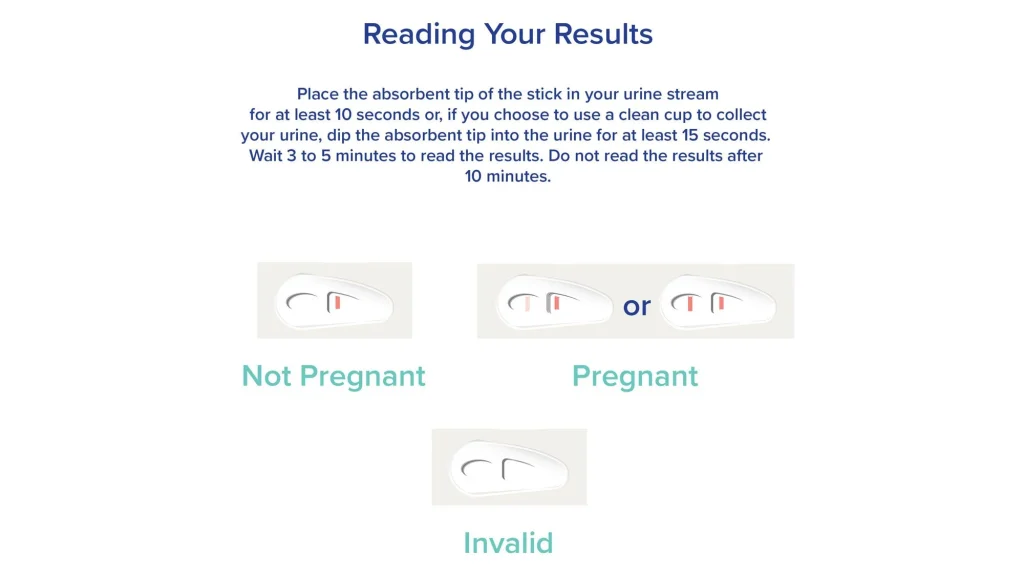
    Instructions for reading pregnancy test results with visual indicators for "Not Pregnant," "Pregnant," and "Invalid.

    Cervical Mucus: The Unsung Hero of Assisted Reproductive Techniques

    Cervical Mucus and Fertility Monitoring

    Cervical mucus can also be used as a tool for tracking fertility and determining the most fertile days for natural conception. By observing the changes in cervical mucus throughout the menstrual cycle, women can identify their most fertile days and time intercourse accordingly. This method, known as the cervical mucus method, can be used alone or in conjunction with other fertility tracking methods, such as basal body temperature charting and ovulation predictor kits.

    Abnormal Cervical Mucus and Infertility

    Issues with cervical mucus can also be a factor in infertility. For some women, the production of cervical mucus may be insufficient or of poor quality, making it difficult for sperm to reach the egg. This can be due to hormonal imbalances, certain medications, or medical conditions such as endometriosis or polycystic ovary syndrome (PCOS). In these cases, assisted reproductive techniques may be necessary to bypass the cervix and increase the chances of conception.

    Improving Cervical Mucus for Assisted Reproductive Techniques

    For women struggling with infertility due to issues with cervical mucus, there are ways to improve its quality and production. One method is to take medications that stimulate the production of cervical mucus, such as Clomid or letrozole. Another option is to use a synthetic form of cervical mucus, such as Pre-Seed, which can provide a sperm-friendly environment for natural conception or IUI.

    In addition, lifestyle changes such as quitting smoking, reducing stress, and maintaining a healthy weight can also improve the quality of cervical mucus. Working closely with a fertility specialist can help determine the best course of action for improving cervical mucus and increasing the chances of success with assisted reproductive techniques.

    In conclusion, cervical mucus may not get the recognition it deserves, but it plays a critical role in assisted reproductive techniques. From natural conception to IVF and IUI, cervical mucus is a vital component that can greatly impact the success of these techniques. By understanding its role and ways to improve its quality, we can give cervical mucus the recognition and attention it deserves as the “unsung hero” of assisted reproductive techniques.

    Summary:

    Cervical mucus, also known as cervical fluid, is a clear or slightly whitish fluid produced by the cervix that plays a crucial role in assisted reproductive techniques such as IVF and IUI. It helps to create a hospitable environment for sperm to survive and travel through the female reproductive tract. Cervical mucus also serves as a tool for fertility tracking and can be affected by various factors such as hormones, age, and overall health. Issues with cervical mucus can contribute to infertility, but there are ways to improve its quality and production. By understanding the importance of cervical mucus, we can give it the recognition and attention it deserves as the “unsung hero” of assisted reproductive techniques.

  • Beyond Ovulation: How Cervical Mucus Affects Fertility Treatments

    Blog Post:

    When it comes to fertility treatments, there are many factors that can affect the success of the treatments. One important factor that is often overlooked is cervical mucus. Cervical mucus is a fluid produced by the cervix that plays a vital role in fertility and conception. In this blog post, we will explore the role of cervical mucus in fertility treatments and how it can impact the success of these treatments.

    Understanding Cervical Mucus:

    Before we dive into the connection between cervical mucus and fertility treatments, it is important to understand what cervical mucus is and its purpose in the reproductive system. Cervical mucus, also known as cervical fluid, is a clear or white fluid that is produced by the cervix. It plays a crucial role in the reproductive process by helping sperm reach and fertilize the egg. Cervical mucus also provides a protective and nourishing environment for sperm as they make their journey through the female reproductive tract.

    The consistency and quality of cervical mucus change throughout a woman’s menstrual cycle, and it is a good indicator of fertility. During the beginning of the menstrual cycle, cervical mucus is thick and sticky, which makes it difficult for sperm to travel through. As ovulation approaches, the cervical mucus becomes thinner, clearer, and more stretchy, resembling the consistency of egg whites. This type of cervical mucus, known as fertile cervical mucus, is ideal for sperm to swim through and reach the egg. After ovulation, the cervical mucus becomes thicker again, creating a barrier that prevents sperm from entering the uterus.

    Cervical Mucus and Fertility Treatments:

    Now that we understand the role of cervical mucus in the reproductive process, let’s explore how it affects fertility treatments. Cervical mucus can have a significant impact on the success of fertility treatments, such as intrauterine insemination (IUI) and in vitro fertilization (IVF).

    Intrauterine Insemination (IUI):

    home insemination kit components: a syringe and a collection container against a blue background.

    Beyond Ovulation: How Cervical Mucus Affects Fertility Treatments

    IUI is a fertility treatment that involves placing sperm directly into the uterus, bypassing the cervix and cervical mucus. However, the quality of cervical mucus can still affect the success of IUI. Thick and sticky cervical mucus can make it difficult for the sperm to reach the egg, even with the help of IUI. This is why doctors often recommend taking fertility medications, such as Clomid or letrozole, to thin out the cervical mucus and increase the chances of success with IUI.

    In Vitro Fertilization (IVF):

    In vitro fertilization, or IVF, is a more complex fertility treatment that involves fertilizing the egg with sperm in a laboratory and then transferring the embryo into the uterus. Cervical mucus plays a significant role in the success of IVF, as it is the first barrier that the embryo must pass through before implanting in the uterus. If the cervical mucus is too thick, it can prevent the embryo from reaching the uterus and decrease the chances of a successful pregnancy. This is why doctors often prescribe fertility medications to thin out the cervical mucus before an IVF procedure.

    Tips for Improving Cervical Mucus:

    If you are undergoing fertility treatments and have been struggling with thick or hostile cervical mucus, there are some natural ways to improve its quality. Staying hydrated and consuming a healthy diet rich in fruits and vegetables can help thin out cervical mucus. Avoiding foods that are high in sugar and caffeine can also improve the quality of cervical mucus. Additionally, taking certain supplements, such as evening primrose oil or guaifenesin, can also help thin out cervical mucus and increase the chances of conception.

    In some cases, underlying health conditions, such as hormonal imbalances or infections, can affect the quality of cervical mucus. If you are experiencing persistent issues with cervical mucus, it is essential to consult with your doctor to address any underlying health concerns.

    Summary:

    Cervical mucus is a crucial factor that can impact the success of fertility treatments. Its quality and consistency change throughout the menstrual cycle and can either help or hinder sperm from reaching and fertilizing the egg. For IUI and IVF procedures, it is important to have fertile cervical mucus to increase the chances of success. While it is a natural process, there are ways to improve the quality of cervical mucus through diet, hydration, and supplements. Consulting with a doctor can also help address any underlying health issues that may be affecting cervical mucus.

  • Uncovering the Role of Cervical Mucus in IVF Success Rates

    Summary:

    In-vitro fertilization (IVF) is a popular assisted reproductive technology used by couples who struggle with infertility. While the success rates of IVF have significantly increased over the years, there are still many factors that can affect its success. One often overlooked factor is the role of cervical mucus in IVF success rates.

    Cervical mucus is a fluid secreted by the cervix that plays a crucial role in fertility and the natural process of conception. It serves as a protective barrier, aids in sperm transport, and provides nourishment for the sperm. In IVF, the role of cervical mucus is often replaced by fertility medications and procedures, but it still plays a significant role in the success of the treatment.

    The quality and quantity of cervical mucus can have a significant impact on IVF success rates. Inadequate or poor quality cervical mucus can impede the movement and survival of sperm, making it difficult for them to reach and fertilize the egg. This can result in a failed IVF cycle or a lower chance of pregnancy.

    One study found that women with high-quality cervical mucus had a higher chance of successful embryo implantation and pregnancy compared to those with low-quality mucus. Another study showed that women with a thin endometrial lining, which can be caused by inadequate cervical mucus, had a lower chance of successful implantation and pregnancy.

    sperm-ready insemination kit with a syringe and container, featuring a screw top lid and non-tip safety wall

    Uncovering the Role of Cervical Mucus in IVF Success Rates

    So, how can one improve the quality and quantity of cervical mucus for better IVF success rates? The first step is to understand the factors that can affect cervical mucus production. These include hormonal imbalances, certain medications, age, and underlying health conditions such as endometriosis or polycystic ovary syndrome (PCOS). Addressing these factors through lifestyle changes, fertility treatments, and medications can help improve cervical mucus quality and quantity.

    In some cases, cervical mucus production may not be sufficient even after addressing these factors. In such cases, fertility doctors may recommend using artificial cervical mucus or lubricants specifically designed for IVF procedures. These products mimic the natural properties of cervical mucus and can help improve sperm movement and survival.

    Another factor to consider is the timing of IVF procedures. It is essential to ensure that the cervical mucus is optimal during the time of ovulation and egg retrieval. This can be achieved by closely monitoring cervical mucus changes and timing IVF procedures accordingly.

    In conclusion, cervical mucus plays a crucial role in IVF success rates, and its quality and quantity should not be overlooked. By understanding and addressing the factors that can affect cervical mucus production, one can improve the chances of successful IVF treatment. It is vital to work closely with a fertility specialist to monitor and optimize cervical mucus for better IVF outcomes.

    SEO metadata:

  • The Role of Cervical Mucus in Artificial Insemination and IVF Procedures

    Cervical mucus plays a crucial role in our reproductive health and can greatly impact fertility and conception. This is especially true for those undergoing assisted reproductive procedures such as artificial insemination and in vitro fertilization (IVF). In this blog post, we will delve into the role of cervical mucus in these procedures and how it can affect the chances of successful conception.

    Firstly, let’s understand what cervical mucus is and why it is important. Cervical mucus is a fluid produced by the cervix, the lower part of the uterus, and plays a vital role in the female reproductive system. It acts as a protective barrier and helps to keep the reproductive organs clean and free from infections. Additionally, cervical mucus also aids in the transport and survival of sperm towards the egg for fertilization.

    In artificial insemination, the goal is to introduce sperm directly into the uterus to increase the chances of fertilization. The quality and quantity of cervical mucus can greatly impact the success of this procedure. Cervical mucus helps to keep the sperm alive and provides a conducive environment for them to swim towards the egg. Without enough cervical mucus, the sperm may not survive long enough to reach the egg, reducing the chances of conception.

    Furthermore, the quality of cervical mucus can also affect the success of artificial insemination. The consistency and texture of cervical mucus change throughout a woman’s menstrual cycle, and this is controlled by the hormone estrogen. During ovulation, when the chances of conception are highest, cervical mucus becomes thinner and more stretchy, creating a hospitable environment for sperm to travel through. This is known as fertile cervical mucus and is crucial for successful artificial insemination.

    Baby with blue eyes wearing a light blue onesie that says "made with Love" on a soft white background.

    The Role of Cervical Mucus in Artificial Insemination and IVF Procedures

    In vitro fertilization (IVF) is another assisted reproductive procedure that relies on the quality of cervical mucus. In this procedure, the egg is fertilized outside the body and then implanted into the uterus. However, before this can happen, the sperm needs to be washed and prepared for fertilization. This process involves separating the sperm from the seminal fluid and any dead or abnormal sperm. In this case, the quality of cervical mucus is crucial as it helps to keep the sperm alive and healthy during the washing process. Without sufficient and good quality cervical mucus, the chances of successful fertilization may be reduced.

    Furthermore, the presence of cervical mucus can also affect the implantation of the fertilized egg in the IVF procedure. Good quality cervical mucus provides a hospitable environment for the embryo to implant and grow. Without enough cervical mucus, the embryo may not be able to attach to the uterine lining, leading to a failed IVF cycle.

    Additionally, for those undergoing hormonal treatments as part of their IVF procedure, cervical mucus can play a critical role. Some fertility medications can cause changes in cervical mucus, making it thicker and less conducive for sperm to travel through. In such cases, doctors may recommend using artificial lubricants to help sperm reach the egg. However, these lubricants may contain substances that can harm sperm, so it is essential to consult with a doctor before using them.

    In conclusion, cervical mucus plays a significant role in artificial insemination and IVF procedures. It not only helps to keep sperm alive and healthy, but it also creates a suitable environment for fertilization and implantation. For those undergoing assisted reproductive procedures, it is crucial to monitor and track their cervical mucus to optimize their chances of successful conception. Additionally, maintaining good reproductive health and addressing any issues with cervical mucus can greatly improve the success rates of these procedures.

    In summary, cervical mucus is a crucial factor in artificial insemination and IVF procedures. It helps to keep sperm alive, provides a hospitable environment for fertilization and implantation, and can be affected by hormonal treatments. Monitoring and addressing any issues with cervical mucus can greatly increase the chances of successful conception in assisted reproductive procedures.