Syringe Insemination vs. Traditional Methods: Which is More Effective?
In the world of assisted reproductive technology, there are various methods available for couples struggling with infertility to conceive. One of the most common methods used is intrauterine insemination or IUI, which involves placing washed sperm directly into the uterus to increase the chances of fertilization. However, with advancements in technology and methods, another option has emerged – syringe insemination. This method involves using a syringe to directly deposit sperm into the cervix or vagina. Both methods have their own set of benefits and drawbacks, but the question remains – which one is more effective? In this blog post, we will dive deep into the world of syringe insemination vs. traditional methods to determine which one is more effective in helping couples achieve their dream of parenthood.
Understanding the Process of Syringe Insemination
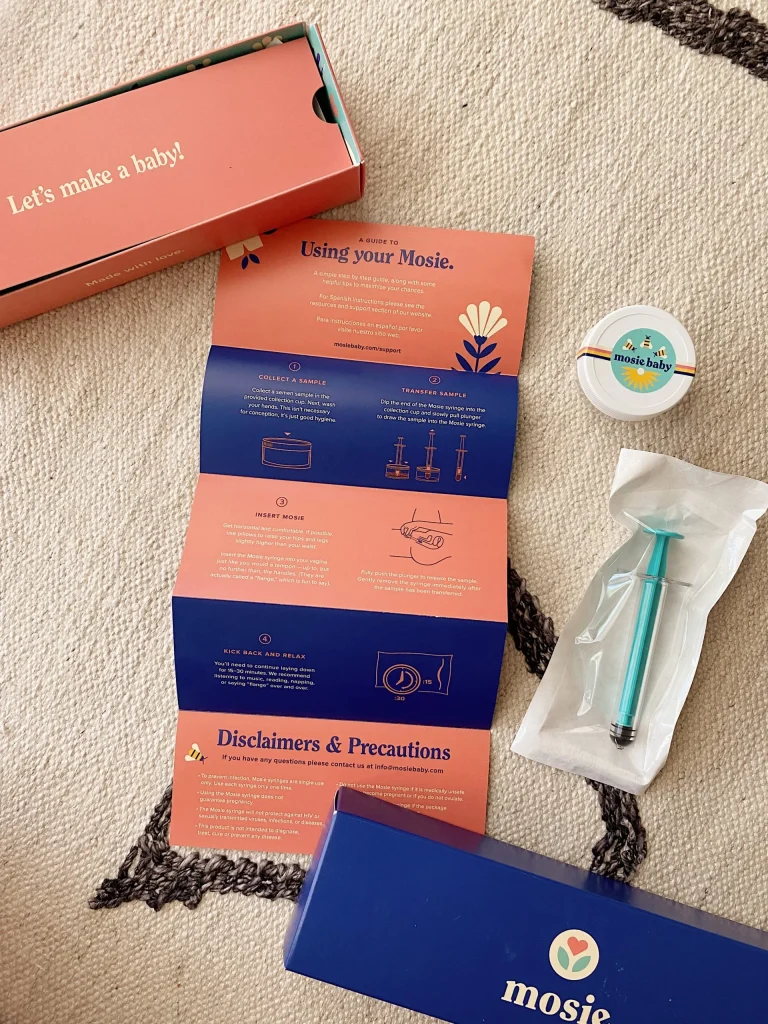
Syringe insemination, also known as intracervical insemination (ICI), involves using a syringe to directly deposit sperm into the cervix or vagina. This method is often preferred by couples who are trying to conceive at home, without the assistance of a medical professional. The process begins by collecting the semen sample in a sterile container, which is then transferred into a syringe with a sterile catheter attached to it. The catheter is then inserted into the cervix or vagina, and the sperm is released into the reproductive tract. This method can also be performed by a healthcare professional in a clinical setting.
Advantages of Syringe Insemination
One of the biggest advantages of syringe insemination is that it can be done at home, which is more convenient for couples who do not want to go through the hassle of visiting a clinic. This method also allows couples to have more control over the process, as they can choose the timing and frequency of insemination. Additionally, syringe insemination is a more affordable option compared to traditional methods, making it accessible to a wider range of couples.
Another advantage of syringe insemination is that it eliminates the need for the sperm to travel through the cervix, which can act as a barrier for some couples. By directly depositing the sperm into the reproductive tract, the chances of fertilization are increased, especially for couples with low sperm count or motility. This method also eliminates the risk of contamination or damage to the sperm, as the process is done in a controlled and sterile environment.
Limitations of Syringe Insemination
While syringe insemination has its advantages, it also has some limitations that couples should be aware of. One of the main limitations is that it requires precise timing and technique, which can be challenging for couples to achieve at home. If the timing is off, the chances of fertilization decrease significantly. This method also does not allow for sperm washing, which is a process that separates healthy sperm from other components in the semen. Sperm washing is often recommended for couples with male factor infertility, and not having this option with syringe insemination can reduce its effectiveness.

Syringe Insemination vs. Traditional Methods: Which is More Effective?
Understanding the Process of Traditional Methods
Traditional methods of insemination, such as intrauterine insemination (IUI), involve placing washed sperm directly into the uterus through the cervix. This method is typically performed by a healthcare professional in a clinical setting. The process begins by collecting a semen sample, which is then washed to separate healthy sperm from other components. The washed sperm is then placed into a catheter and inserted into the uterus, increasing the chances of fertilization.
Advantages of Traditional Methods
One of the main advantages of traditional methods is that they are performed by a healthcare professional, ensuring proper timing and technique. This method also allows for sperm washing, which increases the chances of fertilization for couples with male factor infertility. Additionally, traditional methods can be used in conjunction with other fertility treatments, such as ovulation induction, to further increase the chances of conception.
Limitations of Traditional Methods
The main limitation of traditional methods is the cost, as they are more expensive compared to syringe insemination. This may make it inaccessible to some couples, especially if multiple cycles are needed. Traditional methods also require multiple visits to the clinic, which can be time-consuming and inconvenient for couples with busy schedules.
Which Method is More Effective?
When it comes to effectiveness, it is difficult to determine which method is better as it depends on various factors such as the couple’s age, fertility status, and underlying medical conditions. However, studies have shown that both methods have similar success rates when performed under optimal conditions. Syringe insemination may have a slightly lower success rate compared to traditional methods, but it is a more affordable and convenient option for couples who prefer to do the process at home.
Summary
In conclusion, both syringe insemination and traditional methods have their own set of benefits and limitations. Syringe insemination is a more affordable and convenient option for couples, but it requires precise timing and does not allow for sperm washing. Traditional methods, on the other hand, are more expensive but offer better success rates and the option for sperm washing. Ultimately, the choice between the two methods depends on the couple’s preferences and medical conditions.