Tag: Reproductive Technology

  • Breaking Barriers: The Syringe Kit Revolutionizing Insemination

    Summary:
    Insemination, the process of introducing sperm into the female reproductive tract to achieve pregnancy, has been around for centuries. However, traditional insemination methods have several limitations, including low success rates and the risk of introducing harmful bacteria. This has led to the development of a revolutionary tool – the syringe kit – which has broken barriers in the field of insemination. In this blog post, we will explore the history of insemination, the limitations of traditional methods, and how the syringe kit has revolutionized the process. We will also discuss the benefits of using a syringe kit, its impact on the industry, and the future of insemination.

    In the past, insemination was primarily done through natural methods, such as intercourse or using a turkey baster-like device. However, these methods were not efficient, especially for couples struggling with infertility. In the 18th and 19th centuries, scientists began experimenting with artificial insemination, using various devices such as glass syringes and rubber bulbs. These methods, while more effective than natural methods, still had drawbacks, including the risk of introducing bacteria and low success rates.

    Fast forward to modern times, and the development of the syringe kit has revolutionized the process of insemination. The syringe kit consists of a specially designed syringe, a catheter, and a vial containing the sperm. This kit allows for more precise and controlled delivery of sperm into the female reproductive tract, increasing the chances of successful conception.

    One of the primary benefits of using a syringe kit is its ability to bypass the cervix, which can act as a barrier to sperm. The syringe’s narrow tip allows for the sperm to be deposited directly into the uterus, minimizing the distance it needs to travel to reach the egg. This increases the chances of fertilization and pregnancy.

    two teal and clear syringes positioned on a white background

    Breaking Barriers: The Syringe Kit Revolutionizing Insemination

    Moreover, the syringe kit also eliminates the risk of contamination from bacteria or other harmful substances. The sterile packaging and disposable components of the kit ensure a safe and hygienic process. This is especially crucial for couples using donor sperm, as it eliminates the risk of transmitting infections or diseases.

    The syringe kit has also had a significant impact on the fertility industry. It has made the process of insemination more accessible and affordable for couples struggling with infertility. Previously, couples had to rely on expensive and often invasive procedures such as intrauterine insemination (IUI) or in vitro fertilization (IVF). With the syringe kit, couples can now perform insemination at home, reducing the cost and stress associated with these procedures.

    Furthermore, the syringe kit has also allowed for more inclusivity in the fertility industry. Same-sex couples and single women can now also utilize the kit to achieve pregnancy without the need for a male partner. This has opened up new possibilities for individuals and couples who were previously unable to conceive through traditional methods.

    The future of insemination looks bright with the syringe kit. As technology and research continue to advance, we can expect to see even more improvements in the kit’s design and functionality. There is also ongoing research into the use of the syringe kit for other reproductive procedures, such as intrauterine insemination and embryo transfer.

    In conclusion, the syringe kit has broken barriers in the field of insemination, providing a safer, more accessible, and efficient method for couples and individuals looking to start a family. Its impact on the fertility industry and the possibilities it has opened up for individuals and couples are truly revolutionary. With its continued development and use, the syringe kit is set to play a crucial role in helping individuals and couples achieve their dream of parenthood.


  • Innovating Parenthood: The Impact of Mosie Brand Insemination System

    Innovating Parenthood: The Impact of Mosie Brand Insemination System

    Parenthood is one of the greatest joys in life, but for many couples struggling with infertility, it can also be a source of frustration and heartache. In recent years, there have been significant advancements in the field of reproductive technology, giving hope to those struggling to conceive. One such innovation is the Mosie Brand Insemination System, a revolutionary at-home insemination kit that has been making waves in the parenting world. In this blog post, we will explore the impact of the Mosie Brand Insemination System and how it is changing the game for couples looking to start a family.

    The Mosie Brand Insemination System was created by a husband and wife team, Marc and Maureen Brown, who faced their own struggles with fertility. After trying various methods and treatments, they realized that the process of insemination can be intimidating and uncomfortable, especially when done at a clinic. This led them to develop a more user-friendly and discreet option for at-home insemination.

    The Mosie kit includes everything needed for the insemination process, including syringes, sperm-friendly lubricant, and easy-to-follow instructions. The syringes are designed specifically for insemination, with a rounded tip and a longer length for easier insertion. The lubricant is also specifically formulated to be sperm-friendly, increasing the chances of successful conception. The kit is also FDA-cleared, ensuring its safety and effectiveness.

    One of the key benefits of the Mosie Brand Insemination System is that it can be done in the comfort and privacy of one’s own home. This eliminates the stress and discomfort of going to a clinic for insemination, which can also be costly and time-consuming. The Mosie kit allows couples to have more control over the process and can make it feel more intimate and personal.

    Hands holding a syringe and a small container against a blue background.

    Innovating Parenthood: The Impact of Mosie Brand Insemination System

    Additionally, the Mosie kit is designed to be used by all types of couples, regardless of sexual orientation or gender identity. This inclusivity is a crucial aspect of the brand, as it aims to provide a solution for all individuals and couples who are trying to conceive. It also eliminates the need for expensive and invasive medical procedures, making it a more accessible option for those on a tight budget.

    The Mosie Brand Insemination System has also received positive feedback from medical professionals. Dr. Aimee Eyvazzadeh, a fertility specialist and advocate for LGBTQ+ family building, has endorsed the product, stating that it is a safe and effective option for those trying to conceive. Many other doctors have also praised the Mosie kit for its simplicity and effectiveness.

    The impact of the Mosie Brand Insemination System goes beyond just providing a user-friendly and accessible solution for couples. It is also changing the conversation around fertility and normalizing the use of at-home insemination. In the past, there has been a stigma around assisted reproduction, but with innovations like Mosie, it is becoming more widely accepted and talked about.

    The Mosie Brand Insemination System has also created a community for those struggling with fertility. The Mosie Baby Facebook group has over 16,000 members, where individuals can share their experiences, ask questions, and offer support to others. This community has become a safe space for individuals to connect and find comfort in knowing that they are not alone in their journey towards parenthood.

    Moreover, the Mosie Brand Insemination System has also been a game-changer for those facing fertility challenges due to medical conditions or treatments. For example, individuals with endometriosis or undergoing cancer treatments may have difficulty conceiving through traditional methods. The Mosie kit offers a less invasive and more gentle option for these individuals, giving them hope for starting a family.

    In conclusion, the Mosie Brand Insemination System is a game-changing innovation in the world of parenting. It is making the process of conceiving more accessible, comfortable, and inclusive. By providing a user-friendly and discreet at-home insemination option, it is empowering couples to take control of their journey towards parenthood. The Mosie kit has not only impacted the lives of those trying to conceive but has also sparked important conversations around fertility and created a supportive community. With its effectiveness and positive reviews from medical professionals, it is clear that the Mosie Brand Insemination System is here to stay and will continue to impact the lives of many in their journey towards parenthood.

  • The Future of Fertility: Insemination Syringe Kits and Advancements in Reproductive Technology

    Blog Post:

    The idea of starting a family is a dream for many individuals and couples, but for some, it may not be as easy as they had hoped. Infertility affects approximately 12% of couples worldwide, making it a common issue that many people face. However, with advancements in reproductive technology, the future of fertility is looking brighter than ever. Insemination syringe kits are one of these advancements that are revolutionizing the way individuals and couples approach fertility. In this blog post, we will explore the future of fertility and the role of insemination syringe kits in helping people achieve their dream of starting a family.

    What are Insemination Syringe Kits?

    Insemination syringe kits, also known as at-home insemination kits, are designed to make the process of artificial insemination more accessible and convenient for individuals and couples who are trying to conceive. These kits typically include a syringe, sperm-friendly lubricant, and instructions on how to perform the procedure at home. They are a less invasive and more affordable option compared to traditional fertility treatments, such as intrauterine insemination (IUI) or in vitro fertilization (IVF).

    The Popularity of Insemination Syringe Kits

    Insemination syringe kits have been gaining popularity in recent years, and for a good reason. They provide individuals and couples with a more private and comfortable way to try and conceive, without the added stress and cost of medical procedures. These kits also allow people to have more control over the timing of insemination, which can be crucial for those with busy schedules or who are trying to plan around ovulation.

    Advancements in Reproductive Technology

    While insemination syringe kits are a game-changer for many, they are just one of the many advancements in reproductive technology that are shaping the future of fertility. One of the most significant advancements is the development of pre-implantation genetic testing (PGT). PGT allows for the screening of embryos for genetic disorders before they are implanted into the uterus, reducing the risk of passing on certain genetic conditions to the baby.

    hand holding a syringe with a blue plunger against a solid blue background

    The Future of Fertility: Insemination Syringe Kits and Advancements in Reproductive Technology

    Another exciting development is the use of artificial intelligence (AI) in fertility treatments. AI technology can analyze large amounts of data from a patient’s medical history and provide doctors with more accurate predictions and treatment plans. This can significantly improve the success rates of fertility treatments and help doctors tailor treatments to each patient’s specific needs.

    The Role of Insemination Syringe Kits in the Future of Fertility

    Insemination syringe kits are likely to play a significant role in the future of fertility. As more people turn to at-home insemination as a more accessible and affordable option, the demand for these kits will continue to grow. This will also lead to further advancements in the technology used in these kits, making them even more effective and user-friendly.

    Furthermore, as the use of AI in fertility treatments becomes more prevalent, it is possible that we will see the integration of this technology into insemination syringe kits. This could allow individuals and couples to track their fertility journey and receive personalized recommendations for their specific needs, making the process even more successful.

    Challenges and Considerations

    While the future of fertility looks promising, there are still some challenges and considerations that must be addressed. One of the main concerns is the ethical implications of using AI technology in fertility treatments. There are also concerns about the potential for misuse or abuse of this technology, as well as the cost and accessibility of these advanced treatments for lower-income individuals and couples.

    Additionally, there is a need for more research and regulation in the use of at-home insemination kits. While these kits are generally safe and effective, there is a lack of standardized guidelines and oversight, which could lead to potential risks for those using them.

    Summary:

    The future of fertility is full of exciting advancements and possibilities, with insemination syringe kits being one of the key players in this field. These kits offer a more accessible and affordable option for individuals and couples trying to conceive, and as technology continues to advance, their effectiveness and usability will only increase. However, there are also challenges and considerations that must be addressed, such as ethical concerns and the need for more research and regulation.

  • The New Normal: Insemination Syringe Kits and the Changing Face of Parenthood

    It’s no secret that the face of parenthood is constantly evolving. From same-sex couples to single parents by choice, the traditional nuclear family is no longer the only norm. And with advancements in reproductive technology, the options for starting a family have expanded even further. One such innovation is the Insemination Syringe Kit, a DIY solution for at-home insemination that is changing the way many people approach parenthood.

    In this blog post, we will explore the rise of Insemination Syringe Kits and how they are reshaping the concept of parenthood. We will delve into the history of this revolutionary tool, its benefits and drawbacks, and the impact it is having on the modern family structure.

    The History of Insemination Syringe Kits

    The concept of at-home insemination using a syringe is not a new one. In the past, couples struggling with fertility issues would often turn to this method as a more affordable alternative to expensive fertility treatments. However, the use of syringes for at-home insemination was primarily limited to heterosexual couples, as sperm banks required a doctor’s prescription for sperm donation.

    With the rise of the LGBTQ+ community and the legalization of same-sex marriage, the demand for alternative methods of conception grew. This led to the development of Insemination Syringe Kits, which are specifically designed for at-home use by individuals or couples looking to conceive.

    Benefits of Insemination Syringe Kits

    One of the main benefits of Insemination Syringe Kits is the convenience they offer. Unlike traditional fertility treatments, which often require multiple doctor’s visits and can be costly, these kits can be used in the comfort of one’s own home. This not only saves time and money but also allows for more privacy and control over the process.

    Additionally, Insemination Syringe Kits give individuals and couples more flexibility in their journey to parenthood. They can be used by anyone, regardless of sexual orientation or marital status, and are not limited to just one partner being genetically related to the child. This opens up a world of possibilities for those who may not have been able to conceive through traditional means.

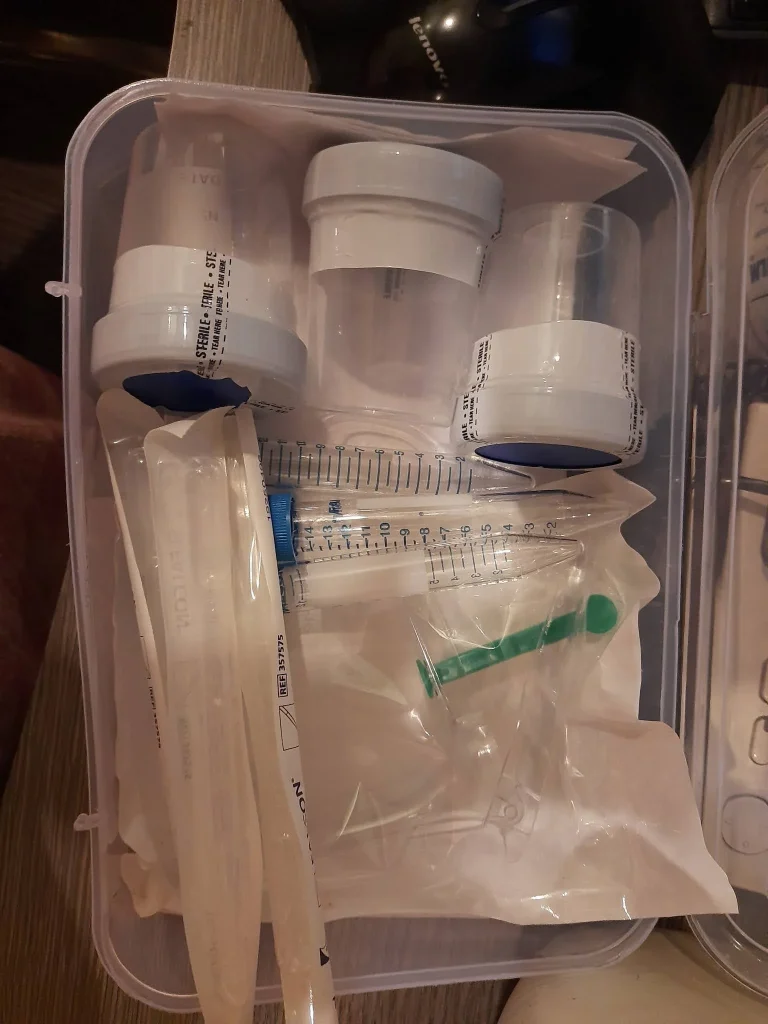
    various medical supplies and containers organized in a clear plastic box on a wooden surface

    The New Normal: Insemination Syringe Kits and the Changing Face of Parenthood

    Changing the Face of Parenthood

    The availability and accessibility of Insemination Syringe Kits have undoubtedly changed the landscape of parenthood. They have given individuals and couples the ability to take control of their reproductive journey and start a family on their own terms. This has been especially impactful for the LGBTQ+ community, who have often faced discrimination and barriers when it comes to starting a family.

    The use of Insemination Syringe Kits has also challenged traditional notions of what it means to be a parent. With the rise of single parents by choice and same-sex couples, the idea of a nuclear family unit consisting of a mother, father, and biological children is no longer the only norm. This is a positive step towards creating a more inclusive and diverse society, where all forms of family are accepted and celebrated.

    Drawbacks and Controversies

    As with any new technology or method, there are also some drawbacks and controversies surrounding Insemination Syringe Kits. One major concern is the lack of regulation and oversight in the use of these kits. While they are often marketed as a safe and easy way to conceive, there is little scientific evidence to support their effectiveness. Some experts argue that the success rates of at-home insemination may be lower than those of traditional fertility treatments.

    Another controversy surrounding Insemination Syringe Kits is the potential for misuse or abuse. Critics argue that these kits may be used by individuals or couples who are not emotionally or financially prepared to raise a child, leading to potential harm to the child.

    Moving Forward

    Despite the controversies and concerns, Insemination Syringe Kits are here to stay and will likely continue to gain popularity in the future. As society becomes more accepting of non-traditional forms of parenthood, the demand for these kits will only increase. It is crucial for medical professionals and governing bodies to carefully consider the regulations and ethical implications surrounding the use of Insemination Syringe Kits to ensure the safety and well-being of all parties involved.

    In conclusion, the rise of Insemination Syringe Kits is just one example of how the concept of parenthood is evolving. It is breaking down barriers and creating new possibilities for individuals and couples looking to start a family. While there are certainly controversies and concerns to address, it is clear that these kits are changing the face of parenthood in a positive and impactful way.

  • The Right to Parenthood: Insemination Syringe Kits and Reproductive Rights

    Blog Post:

    Parenthood is a fundamental right that many individuals strive for, but for some, the journey towards this goal can be challenging and complicated. Fortunately, advancements in reproductive technology have provided more options for individuals and couples to fulfill their dreams of becoming parents. One such option is the use of insemination syringe kits, which have sparked discussions about reproductive rights and the ethical implications of using such kits. In this blog post, we will dive deeper into the topic of the right to parenthood and how insemination syringe kits play a role in reproductive rights.

    The Right to Parenthood:

    The right to parenthood is a basic human right that is recognized by many international human rights organizations. It is the right of every individual to decide whether or not to have children, and to have access to the necessary means to fulfill this decision. However, for some individuals, this right is not easily attainable due to various reasons such as infertility, medical conditions, or financial constraints.

    Insemination Syringe Kits:

    Insemination syringe kits, also known as at-home insemination kits, have gained popularity as a more affordable and convenient method of artificial insemination. These kits contain all the necessary tools and instructions for individuals to perform insemination at home. They are mainly used by same-sex couples, single individuals, and couples with fertility issues.

    The Controversy:

    Despite the convenience and affordability of insemination syringe kits, they have sparked controversy and debate regarding reproductive rights and ethical considerations. Some argue that the use of these kits goes against the natural process of procreation and undermines the role of traditional medical professionals. Others argue that it is a form of self-empowerment and a way for individuals to take control of their reproductive choices.

    illustration comparing standard and Mosie syringe openings with text highlighting design benefits for home insemination

    The Right to Parenthood: Insemination Syringe Kits and Reproductive Rights

    Reproductive Rights:

    Reproductive rights are defined as the basic rights of individuals to make decisions about their own reproductive health, including the right to have children. These rights are not only limited to the right to access reproductive health services, but also include the right to make informed choices about family planning and the right to privacy in reproductive decision-making.

    In the case of insemination syringe kits, reproductive rights come into play as individuals have the right to choose the method of conception that best suits their needs and desires. This includes the option of using at-home insemination kits. However, it is important to note that these rights also come with responsibilities, such as ensuring the safety and well-being of the potential child.

    Ethical Considerations:

    The use of insemination syringe kits also raises ethical considerations, particularly in terms of the involvement of medical professionals. Some argue that these kits remove the need for medical supervision and can potentially put the health of both the potential parent and child at risk. Others argue that it is a personal decision and as long as the individual follows the instructions and takes necessary precautions, these kits can be a safe and effective method of conception.

    It is also worth considering the potential impact on the child conceived through insemination syringe kits. As they may not have access to information about their biological father or any potential health risks, some argue that it is a violation of the child’s rights to know their genetic background.

    Conclusion:

    The use of insemination syringe kits has sparked discussions on reproductive rights and ethical considerations. While these kits provide a more affordable and convenient option for individuals to achieve parenthood, it is important to consider the potential risks and responsibilities that come with this decision. As with any reproductive technology, it is crucial to strike a balance between individual rights and the well-being of any potential children.

    In summary, the right to parenthood is a fundamental human right that includes the right to choose the method of conception. Insemination syringe kits, while controversial, offer a more accessible option for individuals to fulfill their dreams of becoming parents. However, it is crucial to consider the ethical implications and responsibilities that come with using these kits.

  • Beyond the Clinic: The Rise of Home Insemination with Syringe Kits

    Beyond the Clinic: The Rise of Home Insemination with Syringe Kits

    Over the years, the process of conceiving a child has evolved and expanded beyond the traditional methods of visiting a fertility clinic. With advancements in technology and a growing acceptance of alternative family structures, more and more couples and individuals are turning to home insemination with syringe kits as a viable option for starting or expanding their families. In this blog post, we will explore the rise of home insemination with syringe kits and its impact on the world of fertility.

    The History of Home Insemination

    Home insemination is not a new concept. In fact, it has been around for centuries, with various methods and tools being used throughout history. In ancient times, women used a variety of objects, such as animal horns or hollow bones, to inject semen into their cervix in hopes of getting pregnant. In the 19th century, a device called the “syringe syringe” was invented, which allowed couples to inject semen into the vagina in a more controlled manner. However, it wasn’t until the 1970s that home insemination became more widely accessible and accepted, thanks to the development of syringe kits specifically designed for the purpose of insemination.

    The Rise of Home Insemination with Syringe Kits

    In recent years, there has been a significant increase in the popularity of home insemination with syringe kits. This can be attributed to a number of factors, including advancements in reproductive technology, increased awareness and acceptance of non-traditional families, and the rising costs of fertility treatments at clinics.

    One of the main reasons for the rise in popularity is the convenience and privacy that home insemination offers. Many couples and individuals prefer the comfort and intimacy of their own home instead of a clinical setting. In addition, home insemination allows for a more flexible and personalized approach to fertility, as individuals can choose their own timing and methods.

    at-home insemination kit featuring a syringe and container for fresh or donor sperm conception

    Beyond the Clinic: The Rise of Home Insemination with Syringe Kits

    Syringe kits have also become more readily available and affordable, making it easier for people to access them. These kits typically include a syringe, a vial for collecting semen, and sometimes even ovulation predictor kits and pregnancy tests. They can be purchased online or at specialized fertility stores, making it easier for individuals to discreetly acquire them.

    The Impact on the Fertility Industry

    The rise of home insemination with syringe kits has had a significant impact on the fertility industry. While traditional fertility clinics still play a crucial role in assisting couples and individuals with fertility treatments, the availability of home insemination kits has provided a more accessible and affordable option for those who may not have the means or desire to go through clinical procedures.

    Moreover, the acceptance of alternative family structures has also contributed to the growth of home insemination. Same-sex couples and single individuals, who may have faced challenges in traditional fertility clinics, now have the option to start or expand their families at home with the help of syringe kits.

    Challenges and Controversies

    Despite its growing popularity, home insemination with syringe kits is not without its challenges and controversies. One of the main concerns is the lack of medical supervision, which can lead to potential health risks and complications. Without proper guidance, individuals may not be aware of underlying fertility issues or potential infections, which can affect the success of the insemination or put their health at risk.

    There is also a debate surrounding the legality of home insemination with donor sperm. In many countries, there are strict regulations and laws surrounding sperm donation, and it is important for individuals to educate themselves and follow the proper procedures to ensure the safety and legality of their actions.

    In summary, the rise of home insemination with syringe kits has opened up new possibilities for couples and individuals looking to start or expand their families. It offers a more convenient, affordable, and private option for fertility, while also challenging societal norms and traditional practices. However, it is important for individuals to educate themselves and seek proper medical guidance to ensure the safety and legality of their actions.

  • Making Miracles Happen: The Success Stories of Mosie Brand’s Insemination Box

    Making Miracles Happen: The Success Stories of Mosie Brand’s Insemination Box

    When it comes to starting a family, there are many challenges that individuals and couples can face. For those who struggle with infertility or have difficulty conceiving through traditional methods, the journey to parenthood can be filled with frustration, disappointment, and even heartbreak. But thanks to advancements in reproductive technology, there are now more options available for those who are looking to expand their families. One such option is the Mosie Brand’s Insemination Box, a revolutionary at-home insemination kit that has helped countless individuals and couples achieve their dream of becoming parents. In this blog post, we will explore the success stories of Mosie Brand’s Insemination Box and how it has made miracles happen for so many families.

    The Story Behind Mosie Brand’s Insemination Box

    The founder of Mosie Brand, Maureen Brown, was inspired to create the Insemination Box after her own personal struggles with infertility. After trying various methods and treatments, Maureen and her husband Marc were frustrated with the lack of options available for at-home insemination. They were determined to find a solution and after much research and development, the Mosie Insemination Box was born.

    What sets Mosie Brand’s Insemination Box apart from other methods is its simplicity and effectiveness. The kit contains everything needed for at-home insemination, including a syringe, a cervical cap, and easy-to-follow instructions. It is designed to mimic the natural process of conception, making it a gentle and non-invasive option for those trying to conceive. Mosie Insemination Box is also FDA-cleared, making it a safe and reliable choice for individuals and couples.

    The Success Stories of Mosie Brand’s Insemination Box

    Mosie Brand’s Insemination Box has helped many individuals and couples achieve their dream of starting a family. Here are just a few success stories from real customers:

    – Mary and John: After trying for over 2 years to conceive, Mary and John were feeling hopeless. They had tried various fertility treatments with no success. That’s when they came across Mosie Brand’s Insemination Box. After just one cycle of using the kit, Mary became pregnant and they now have a beautiful baby girl.

    – Sarah and David: Sarah and David had been struggling with unexplained infertility for several years. They were hesitant about trying invasive fertility treatments and were looking for a more natural option. They decided to try Mosie Brand’s Insemination Box and after just 3 cycles, Sarah became pregnant with twins.

    Mosie Baby Kit features a syringe and container, highlighting safety and usability tests on a blue background.

    Making Miracles Happen: The Success Stories of Mosie Brand's Insemination Box

    – Mark and Ryan: As a same-sex couple, Mark and Ryan had always known that starting a family would involve some challenges. They were thrilled to discover Mosie Brand’s Insemination Box, which allowed them to try at-home insemination without having to go through a clinic. After just 2 cycles, they welcomed their son into the world.

    These are just a few examples of the many success stories that have been shared by Mosie Brand’s Insemination Box customers. The kit has proven to be effective for individuals and couples of all backgrounds and situations, giving hope to those who may have thought starting a family was out of reach for them.

    The Impact of Mosie Brand’s Insemination Box

    The success of Mosie Brand’s Insemination Box goes beyond just helping individuals and couples conceive. It has had a profound impact on the lives of its customers, giving them a newfound sense of hope, joy, and fulfillment. Many customers have shared how using the kit has not only helped them start a family, but has also strengthened their relationships and brought them closer as a couple. Mosie Brand’s Insemination Box has also been praised for its affordability and accessibility, making it a more inclusive option for those who may not have the means to pursue traditional fertility treatments.

    In addition to its impact on individuals and families, Mosie Brand’s Insemination Box is also making waves in the medical community. Many doctors and fertility specialists have recognized the benefits of the kit and have even started recommending it to their patients. This has helped to spread awareness of at-home insemination and has made it a more mainstream option for those struggling with fertility issues.

    Conclusion

    The success stories of Mosie Brand’s Insemination Box are a testament to its effectiveness and the positive impact it has had on so many lives. It has given hope to those who thought starting a family was out of reach and has provided a more natural and affordable option for those struggling with infertility. With its growing popularity and recognition in the medical community, Mosie Brand’s Insemination Box is truly making miracles happen for individuals and couples around the world.

    Summary:

    Mosie Brand’s Insemination Box is a revolutionary at-home insemination kit that was created by founder Maureen Brown after her own struggles with infertility. The kit is designed to mimic the natural process of conception and has helped many individuals and couples achieve their dream of starting a family. This blog post shares success stories from real customers and discusses the impact that Mosie Brand’s Insemination Box has had on their lives. From bringing hope and joy to providing a more inclusive and accessible option for those struggling with infertility, Mosie Brand’s Insemination Box is truly making miracles happen for families all over the world.

  • Syringe Insemination for Single Women: A Viable Option for Motherhood

    Becoming a mother is one of the most fulfilling experiences in a woman’s life. However, for single women, the journey towards motherhood can be a challenging one. With traditional methods of conception limited to heterosexual couples, single women often feel left out of the conversation. But with advancements in reproductive technology, there is now an option for single women to become mothers through syringe insemination.

    Syringe insemination, also known as artificial insemination, is a fertility treatment that involves the direct placement of sperm into a woman’s uterus using a syringe. This procedure has been used for decades to help couples struggling with infertility, but it is now becoming a popular option for single women who want to start a family.

    In this blog post, we will discuss the process of syringe insemination, its success rates, and the pros and cons of this method for single women. We will also address some common concerns and misconceptions surrounding this option and provide resources for those interested in pursuing syringe insemination.

    The Process of Syringe Insemination

    The first step in the syringe insemination process is to consult with a reproductive specialist. The doctor will conduct a thorough examination and run tests to determine the woman’s fertility status. They will also discuss the woman’s medical history and any potential risks or complications that may arise from the procedure.

    Once the doctor confirms that the woman is a good candidate for syringe insemination, the next step is to choose a sperm donor. This can be done through a sperm bank, where potential donors are thoroughly screened for any genetic diseases or health issues. The woman can also choose to use a known donor, such as a friend or family member, but it is important to have a legal agreement in place to protect both parties.

    After selecting a donor, the woman will undergo hormonal treatment to stimulate ovulation. This is done to increase the chances of pregnancy by releasing multiple eggs. The sperm is then collected and washed to remove any impurities or non-motile sperm. The washed sperm is then inserted into the woman’s uterus using a syringe, either by the doctor or the woman herself.

    Success Rates of Syringe Insemination

    The success rates of syringe insemination vary depending on various factors such as the woman’s age, fertility status, and the quality of the sperm used. On average, the success rate for each cycle of syringe insemination ranges from 10-20%, with higher success rates in younger women and those with no fertility issues.

    It is important to note that syringe insemination is not a guarantee of pregnancy, and multiple cycles may be required before achieving a successful pregnancy. However, with proper monitoring and guidance from a reproductive specialist, the chances of success can be increased.

    hand holding a syringe with a blue plunger against a solid blue background

    Syringe Insemination for Single Women: A Viable Option for Motherhood

    Pros and Cons of Syringe Insemination for Single Women

    One of the main advantages of syringe insemination for single women is that it allows them to become mothers without the need for a partner. It also gives them control over the process and allows them to choose a sperm donor that aligns with their preferences and values. Moreover, the procedure is minimally invasive and does not require surgery or anesthesia.

    However, syringe insemination also has its drawbacks. The cost of the procedure can be a significant barrier for many single women, as it is not usually covered by insurance. It also requires a certain level of commitment and dedication, as the woman will need to undergo hormonal treatment and undergo multiple cycles before achieving a successful pregnancy.

    Addressing Concerns and Misconceptions

    One of the most common concerns surrounding syringe insemination is the risk of passing on genetic diseases or disorders to the child. However, with proper screening and selection of a sperm donor, this risk can be significantly reduced. It is crucial for single women to work closely with their doctor and choose a reputable sperm bank to ensure the health and well-being of their future child.

    Another misconception is that children born through syringe insemination will not have a father figure in their life. While this may be true for some cases, many single mothers have a strong support system and raise happy and healthy children. It is also worth noting that not all children born into traditional families have a father figure present in their lives.

    Resources for Women Interested in Syringe Insemination

    For women who are considering syringe insemination as an option for motherhood, there are several resources available to help guide them through the process. Fertility clinics and reproductive specialists can provide information and support, and there are also online communities and support groups for single women pursuing syringe insemination.

    Summary

    Syringe insemination is a viable option for single women who want to become mothers. It involves the direct placement of sperm into the uterus using a syringe and has a success rate of 10-20% per cycle. While it has its pros and cons, with proper guidance and support, many single women have successfully achieved their dream of motherhood through syringe insemination. It is essential to address concerns and misconceptions surrounding this option and to have open and honest communication with a reproductive specialist. With advancements in reproductive technology, single women now have the opportunity to embark on the journey of motherhood and experience the joys of raising a child.

  • The Benefits of Using a Syringe Insemination Collection for Artificial Insemination

    Blog Post Title: The Benefits of Using a Syringe Insemination Collection for Artificial Insemination

    Artificial insemination (AI) is a widely used reproductive technology in the animal industry. It involves the collection of semen from a male animal and the transfer of it into the reproductive tract of a female animal. AI has many advantages, such as increasing the genetic diversity of a herd and reducing the spread of diseases. However, the success of AI largely depends on the collection and handling of semen. One method that has proven to be effective is the use of a syringe insemination collection. In this blog post, we will explore the benefits of using a syringe insemination collection for artificial insemination.

    1. Accurate semen collection
    One of the primary benefits of using a syringe insemination collection is the accuracy in collecting semen. The syringe allows for precise measurement of the semen volume, making it easier to control and monitor the amount of semen being collected. This is crucial as the correct amount of semen is vital for the success of AI. By using a syringe, the risk of over or under collecting semen is significantly reduced, ensuring the right amount is transferred to the female animal.

    2. Reduced risk of contamination
    Contamination of semen during collection can lead to poor quality and a decrease in fertility. Traditional methods of semen collection, such as using an artificial vagina or a collection cone, can increase the risk of contamination. With a syringe, the semen is collected directly from the male animal’s reproductive tract, minimizing the risk of contamination. This is especially important when dealing with valuable or endangered animals where the quality of semen is crucial.

    Mosie Baby pregnancy test kit with two tests and packaging, featuring a mint green color scheme.

    The Benefits of Using a Syringe Insemination Collection for Artificial Insemination

    3. Ease of handling and transportation
    Syringe insemination collections are also beneficial in terms of handling and transportation. The collected semen can be easily transferred into a sterile tube or straw, making it easier to store and transport to the female animal for insemination. This is particularly useful when dealing with animals that are not in close proximity to each other or in situations where immediate insemination is not possible. The syringe also allows for easier handling of the semen during thawing, ensuring its quality is maintained.

    4. Cost-effective
    Another advantage of using a syringe insemination collection is its cost-effectiveness. Compared to traditional methods, syringe collections require minimal equipment and can be performed by a single person. This reduces the cost of labor and equipment, making it a more affordable option for smaller farms or breeders. Additionally, the accuracy of the syringe collection means less wastage of semen, resulting in cost savings in the long run.

    5. Improved success rates
    The use of a syringe insemination collection has been shown to improve the success rates of AI. The accurate measurement of semen and reduced risk of contamination ensure high-quality semen is used for insemination. This, in turn, increases the chances of pregnancy and reduces the need for repeat inseminations. Improved success rates not only save time and effort but also increase the profitability of the breeding program.

    In conclusion, the use of a syringe insemination collection for artificial insemination offers many benefits. From accurate semen collection and reduced risk of contamination to cost-effectiveness and improved success rates, it is a valuable tool for breeders and farmers. With the advancements in reproductive technology, the use of syringe insemination collections is only expected to increase in the future.

    Summary:
    Syringe insemination collections offer precise semen collection, reduced risk of contamination, ease of handling and transportation, cost-effectiveness, and improved success rates. This method of semen collection is accurate, affordable, and can be performed by a single person. With its many benefits, it is a valuable tool for breeders and farmers to increase the success of artificial insemination.

  • The Syringe Insemination System and Surrogacy: A Cost-Effective Option

    The Syringe Insemination System and Surrogacy: A Cost-Effective Option

    The desire to have children is a natural and fundamental aspect of human life. However, for some individuals and couples, the journey to parenthood can be a difficult and costly one. Infertility affects approximately 10-15% of couples worldwide, and the emotional and financial toll of assisted reproductive technology (ART) can be overwhelming. In recent years, there has been a rise in the use of surrogacy as a means of achieving parenthood. And with advancements in technology, the Syringe Insemination System has emerged as a cost-effective option for those considering surrogacy.

    What is the Syringe Insemination System?

    The Syringe Insemination System (SIS) is a method of intrauterine insemination (IUI) that utilizes a special syringe designed specifically for this purpose. It allows for the direct transfer of sperm into the uterus, bypassing the cervix and increasing the chances of successful fertilization. This method is commonly used in fertility treatments, including surrogacy.

    How does Surrogacy Work?

    Surrogacy is an arrangement in which a woman carries and gives birth to a child for someone else. It can be an option for those who are unable to conceive or carry a pregnancy to term due to various reasons, such as medical conditions, same-sex couples, or single individuals. There are two main types of surrogacy: traditional and gestational.

    Traditional surrogacy involves the surrogate mother using her own eggs, which are fertilized with the sperm of the intended father or a donor through artificial insemination. This method is less common and can raise legal and ethical concerns, as the surrogate would have a genetic connection to the child.

    On the other hand, gestational surrogacy involves the implantation of an embryo created through in vitro fertilization (IVF) using the intended parent’s or donor’s eggs and sperm into the surrogate’s uterus. This method is more widely accepted and does not involve any genetic link between the surrogate and the child.

    The Cost of Surrogacy

    Surrogacy is a costly process, with the average cost ranging from $100,000 to $150,000. This includes the medical and legal fees, compensation for the surrogate, agency fees, and other expenses. The high cost of surrogacy can be a barrier for many individuals and couples who wish to start a family through this method.

    mosie baby logo featuring a heart and leaves in blue, pink, and green colors.

    The Syringe Insemination System and Surrogacy: A Cost-Effective Option

    How the Syringe Insemination System can make Surrogacy more Affordable

    The use of the Syringe Insemination System in surrogacy can significantly reduce the overall cost of the process. As mentioned earlier, the SIS allows for the direct transfer of sperm into the uterus, eliminating the need for expensive IVF procedures. This can save couples thousands of dollars in medical fees.

    In addition, the SIS also reduces the need for multiple cycles of insemination, which can further decrease the costs associated with surrogacy. With traditional surrogacy, multiple cycles of insemination may be necessary to achieve a pregnancy, whereas with the SIS, the chances of success are higher with fewer attempts.

    Furthermore, the use of the SIS eliminates the need for expensive fertility drugs, which are often used in traditional surrogacy to stimulate egg production in the surrogate mother. These drugs can have significant side effects and can add to the overall cost of the process.

    Benefits of the Syringe Insemination System and Surrogacy

    Aside from being a more affordable option, the SIS and surrogacy also offer several other benefits. For couples struggling with infertility, the SIS can increase the chances of successful fertilization and pregnancy, providing hope and a potential solution for starting a family.

    Surrogacy also allows for a genetic link between the intended parents and the child, which may be important for some families. Additionally, it offers a way for same-sex couples and single individuals to have biological children.

    Conclusion

    The journey to parenthood can be a challenging one, but thanks to advancements in reproductive technology, surrogacy has become a viable option for many individuals and couples. And with the use of the Syringe Insemination System, surrogacy can be a more affordable and accessible option for those seeking to start a family.

    In summary, surrogacy is a process in which a woman carries and gives birth to a child for someone else. The Syringe Insemination System is a cost-effective method of intrauterine insemination that can significantly reduce the overall cost of surrogacy. It eliminates the need for expensive IVF procedures, multiple cycles of insemination, and fertility drugs. With the SIS and surrogacy, individuals and couples struggling with infertility can have a chance at starting a family and fulfilling their dreams of parenthood.