Blog Post:
Pregnancy planning can be an exciting and overwhelming journey, especially for couples who are considering alternative methods of conception such as insemination. Insemination, also known as artificial insemination, is a process where sperm is inserted into a woman’s reproductive tract to facilitate pregnancy. This method is commonly used by same-sex couples, single individuals, or couples facing fertility issues. One important aspect of insemination is the collection of sperm using an insemination syringe. In this blog post, we will discuss the things your doctor wants you to know about insemination syringe collection for pregnancy planning.
1. Understanding the Insemination Syringe
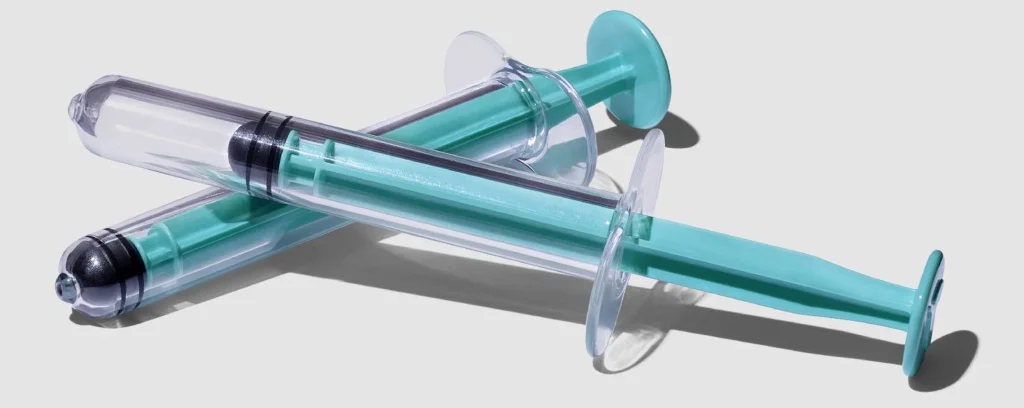
An insemination syringe is a medical device specifically designed for the collection and insertion of sperm into a woman’s reproductive tract. It is a small, flexible plastic tube with a bulb at one end and a narrow opening at the other. The bulb is used to suck up the sperm, while the narrow end is inserted into the vagina or cervix for sperm placement. It is important to note that only sterile, medical-grade syringes should be used for insemination to reduce the risk of infection and ensure the safety of both partners.
2. Preparation for Sperm Collection
Before collecting sperm for insemination, it is crucial to prepare both partners physically and emotionally. For the male partner, it is recommended to abstain from sexual activity for 2-5 days before collection to ensure a higher sperm count. It is also essential to maintain a healthy lifestyle by avoiding alcohol, drugs, and smoking, which can have a negative impact on sperm quality. For the female partner, it is recommended to track ovulation and ensure that the reproductive tract is clean and free of any infections that may interfere with conception.
3. The Collection Process
The collection of sperm using an insemination syringe can be done in the comfort of your own home or in a medical setting. If collecting at home, it is important to follow proper hygiene measures and use a sterile container. The male partner can either ejaculate directly into the container or use a clean cup to collect the sperm and then transfer it into the syringe. It is crucial to avoid any contact with the opening of the container or the syringe to maintain sterility.

Things Your Doctor Wants You to Know About Insemination Syringe Collection for Pregnancy Planning
4. Storage of Sperm
After collection, the sperm should be kept at the appropriate temperature to maintain its viability. If collected at home, the sperm should be used within an hour or kept in a cool, dark place until it is ready to be used. If collected at a medical setting, the sperm will be stored at the correct temperature until it is time for insemination.
5. Timing of Insemination
Timing is crucial when it comes to insemination. It is recommended to inseminate within 12-24 hours after ovulation to increase the chances of conception. This can be determined by tracking ovulation symptoms, using ovulation predictor kits, or through medical assistance. It is also important to note that insemination can be done at home using an insemination syringe or in a medical setting, such as a fertility clinic.
6. Possible Side Effects
While insemination is generally a safe and non-invasive procedure, there are some possible side effects that your doctor may want you to be aware of. These include mild cramping, spotting, or discomfort during or after the procedure. These side effects are usually temporary and should subside within a few hours. However, if you experience severe pain or heavy bleeding, it is important to contact your doctor immediately.
7. The Success Rate of Insemination
The success rate of insemination varies for each couple and depends on various factors such as age, overall health, and sperm quality. On average, the success rate of insemination is approximately 10-15% per cycle. However, with proper preparation and timing, the success rate can increase significantly.
In summary, insemination syringe collection is a crucial step in the process of pregnancy planning for couples using this method. Understanding the process, preparing both partners, proper timing, and following hygiene measures are all important factors for a successful insemination. It is always recommended to consult with a medical professional for personalized guidance and support throughout the process.