Tag: toxins

  • The Hidden Impact: How Toxins Affect Cervical Mucus Quality and Fertility

    Summary:

    Cervical mucus is a critical component of a woman’s reproductive system, playing a crucial role in fertility and conception. However, many people are not aware of the hidden impact of toxins on cervical mucus quality and its effect on fertility. Toxins are harmful substances found in our environment, food, and everyday products that can have a detrimental impact on our overall health, including our reproductive health.

    In this blog post, we will explore how toxins affect cervical mucus quality and fertility, and what steps can be taken to minimize their impact.

    First, we will discuss the importance of cervical mucus in the reproductive process. Cervical mucus acts as a protective barrier, helping sperm survive and reach the egg for fertilization. It also plays a crucial role in regulating the pH levels and creating a hospitable environment for sperm to thrive. Any changes in the quality or quantity of cervical mucus can significantly impact a woman’s fertility.

    Next, we will delve into the impact of toxins on cervical mucus quality. Toxins can disrupt the delicate balance of hormones and enzymes responsible for producing and maintaining healthy cervical mucus. Exposure to toxins such as pesticides, heavy metals, and chemicals found in personal care products can also lead to inflammation and damage to the cervix, resulting in poor quality cervical mucus.

    Baby with blue eyes wearing a light blue onesie that says "made with Love" on a soft white background.

    The Hidden Impact: How Toxins Affect Cervical Mucus Quality and Fertility

    Furthermore, we will discuss how toxins can affect a woman’s overall reproductive health. These harmful substances can interfere with the menstrual cycle, disrupt ovulation, and even lead to conditions such as endometriosis and polycystic ovary syndrome (PCOS). These issues can make it difficult for women to conceive and can also increase the risk of miscarriage and other pregnancy complications.

    Fortunately, there are steps that can be taken to minimize the impact of toxins on cervical mucus quality and fertility. One of the most crucial steps is to reduce exposure to toxins by making conscious choices in our daily lives. This includes choosing organic foods, using natural and non-toxic household and personal care products, and avoiding plastics and other materials that may contain harmful chemicals.

    Eating a healthy and balanced diet can also help support cervical mucus production. Foods rich in antioxidants, such as leafy greens, berries, and nuts, can help combat the damaging effects of toxins on the body. Additionally, staying hydrated is essential for maintaining healthy cervical mucus, so make sure to drink plenty of water throughout the day.

    In some cases, medical intervention may be necessary to improve cervical mucus quality. Fertility treatments such as intrauterine insemination (IUI) or in vitro fertilization (IVF) can bypass the barriers caused by poor cervical mucus quality and help women achieve pregnancy. However, it is vital to address the root cause of the issue and work towards improving cervical mucus quality naturally to increase the chances of a successful pregnancy.

    In conclusion, the hidden impact of toxins on cervical mucus quality and fertility is an often overlooked but critical issue that can affect a woman’s ability to conceive. By taking steps to reduce exposure to toxins, maintaining a healthy diet, and seeking medical intervention if necessary, women can improve their cervical mucus quality and increase their chances of achieving a healthy pregnancy.


  • The Toxin Effect: How Environmental Pollutants Interfere with Cervical Mucus Function

    The Toxin Effect: How Environmental Pollutants Interfere with Cervical Mucus Function

    Cervical mucus is an essential component of a woman’s reproductive system. It plays a crucial role in fertility and conception by providing a hospitable environment for sperm to survive and travel towards the egg. However, in recent years, there has been a growing concern about the impact of environmental pollutants on cervical mucus function. These toxins can interfere with the quality and quantity of mucus, leading to fertility issues and other health problems. In this blog post, we will explore the toxin effect on cervical mucus and how it can affect reproductive health.

    Understanding Cervical Mucus

    Cervical mucus is a fluid secreted by the cervix throughout a woman’s menstrual cycle. Its consistency, color, and amount change depending on the stage of the cycle and hormonal fluctuations. During ovulation, the mucus becomes thin, watery, and stretchy, providing an ideal environment for sperm to survive and swim towards the egg. The mucus also acts as a barrier, protecting the reproductive organs from bacteria and other pathogens. Therefore, it is crucial for mucus to be of good quality for successful conception and reproductive health.

    The Toxin Effect

    Environmental pollutants are chemicals, particles, and other substances present in the air, water, and soil that can have harmful effects on living organisms. These toxins can enter the body through various routes, such as inhalation, ingestion, and skin absorption. Some of the common environmental pollutants include heavy metals, pesticides, industrial chemicals, and air pollutants. These toxins have been linked to various health issues, including respiratory problems, cancer, and reproductive disorders.

    How Toxins Affect Cervical Mucus

    Studies have shown that environmental pollutants can have a significant impact on cervical mucus function. These toxins can disrupt the hormonal balance in the body, leading to changes in the quality and quantity of mucus. For instance, exposure to air pollutants, such as particulate matter, has been linked to decreased levels of estrogen, a hormone responsible for the production of cervical mucus. This can result in a decrease in mucus production, making it difficult for sperm to survive and reach the egg.

    Moreover, toxins can also affect the consistency of mucus, making it hostile to sperm. For example, exposure to pesticides has been linked to increased acidity in cervical mucus, which can be toxic to sperm. It can also lead to changes in the mucus’s texture, making it thicker and less conducive for sperm transport. These changes in mucus quality can significantly impact fertility and increase the risk of miscarriage.

    Other Health Effects

    pregnancy test kit with instructions, test device, and packaging on a white background

    The Toxin Effect: How Environmental Pollutants Interfere with Cervical Mucus Function

    Apart from fertility issues, the toxin effect on cervical mucus can also have other health consequences. As mentioned earlier, mucus acts as a barrier and protects the reproductive organs from harmful pathogens. However, exposure to toxins can weaken this barrier, making women more susceptible to infections and other reproductive disorders. Studies have also shown a link between environmental toxins and endometriosis, a painful condition where the tissue lining the uterus grows outside of it.

    Protecting Yourself from Environmental Toxins

    With the growing concern about the toxin effect on cervical mucus, it is essential to take steps to protect yourself from these harmful substances. Here are some ways you can reduce your exposure to environmental toxins:

    1. Avoid using products with harmful chemicals: Read labels carefully and avoid using products that contain toxic chemicals, such as parabens, phthalates, and triclosan.

    2. Eat organic and locally grown produce: Pesticides and other contaminants are often found in conventionally grown fruits and vegetables. Opt for organic produce to minimize your exposure to toxins.

    3. Filter your water: Invest in a good quality water filter to remove harmful chemicals and metals from your drinking water.

    4. Use natural cleaning products: Many household cleaning products contain harsh chemicals that can be harmful to your health. Switch to natural alternatives or make your own cleaning products using non-toxic ingredients like vinegar and baking soda.

    5. Improve indoor air quality: Indoor air can be more polluted than outdoor air. Open windows regularly to let fresh air in and consider using indoor plants to purify the air.

    6. Detox regularly: Our bodies are equipped to eliminate toxins, but with the increasing exposure to pollutants, it can be beneficial to do a detox to help rid the body of harmful substances.

    In conclusion, the toxin effect on cervical mucus is a significant concern for women’s reproductive health. Environmental pollutants can disrupt the delicate balance of hormones and affect the quality of cervical mucus, leading to fertility issues and other health problems. By taking steps to reduce your exposure to toxins, you can protect your reproductive health and improve your chances of conception.

  • Polluted Pathways: How Toxins Can Affect Cervical Mucus and Conception

    Polluted Pathways: How Toxins Can Affect Cervical Mucus and Conception

    Conceiving a child is a miraculous and complex process that involves many steps and factors. One of these factors that often goes unnoticed is cervical mucus, also known as cervical fluid. This fluid plays a crucial role in fertility and conception, as it helps sperm reach and fertilize the egg. However, recent studies have shown that environmental toxins and pollutants can affect the quality and quantity of cervical mucus, potentially impacting a woman’s ability to conceive. In this blog post, we will explore the connection between toxins and cervical mucus and how it can affect a woman’s chances of getting pregnant.

    What is Cervical Mucus?

    Before delving into the effects of toxins on cervical mucus, it is essential to understand what it is and its role in conception. Cervical mucus is a fluid produced by the cervix, the lower part of the uterus. Its primary function is to keep the reproductive system clean and healthy by flushing out bacteria and dead cells. However, during ovulation, cervical mucus changes in consistency and quantity to create a fertile environment for sperm to travel through and reach the egg. This fluid provides nutrients and protection to sperm, aiding in their journey towards fertilization. Therefore, cervical mucus is a vital component in the conception process.

    Toxins and Cervical Mucus

    Nowadays, we are exposed to a vast number of toxins and pollutants in our daily lives. These toxins can come from various sources, such as the air we breathe, the food we eat, and the products we use. They can be found in pesticides, household cleaners, plastics, and even in personal care products. Exposure to these toxins can have adverse effects on our overall health, but they can also impact our reproductive health by affecting cervical mucus.

    Research has shown that environmental toxins can harm the quality and quantity of cervical mucus, making it difficult for sperm to reach the egg. These toxins can disrupt the delicate balance of hormones in the body, leading to changes in cervical mucus production. In some cases, toxins can also damage the cells in the cervix responsible for producing mucus, resulting in a decrease in the amount of mucus produced. As a result, sperm may have a more challenging time traveling through the cervix to fertilize the egg, reducing the chances of conception.

    Effects on Fertility

    home insemination kit components: a syringe and a collection container against a blue background.

    Polluted Pathways: How Toxins Can Affect Cervical Mucus and Conception

    The impact of toxins on cervical mucus can significantly affect a woman’s fertility. As mentioned earlier, cervical mucus plays a crucial role in the conception process by aiding sperm in their journey towards the egg. If the quality and quantity of cervical mucus are compromised due to exposure to toxins, it can become a barrier for sperm, making it difficult for them to reach the egg. This can lead to a decrease in fertility and an increase in the time it takes to conceive. Additionally, toxins can also affect the quality and health of sperm, further reducing the chances of fertilization and conception.

    Preventing Exposure to Toxins

    The thought of toxins affecting our fertility can be overwhelming and scary. However, there are steps we can take to reduce our exposure to these harmful substances. One of the most effective ways is to be mindful of the products we use and the environment we live in. By choosing natural and organic products, we can limit our exposure to toxins found in conventional products. It is also essential to be aware of the air and water quality in our surroundings and take necessary precautions to avoid exposure to pollutants. Additionally, maintaining a healthy lifestyle, including a balanced diet and regular exercise, can also help reduce the negative effects of toxins on our bodies.

    Improving Cervical Mucus Quality

    If you are trying to conceive and are concerned about the quality of your cervical mucus, there are steps you can take to improve it. One way is to support your body’s natural detoxification process by eating a healthy diet rich in antioxidants and nutrients. Foods such as leafy greens, berries, and citrus fruits can help eliminate toxins from the body. Additionally, staying hydrated by drinking plenty of water can also improve cervical mucus production. Furthermore, incorporating fertility-friendly supplements, such as omega-3 fatty acids and vitamins C and E, can also help improve cervical mucus quality.

    Conclusion

    Cervical mucus may not be the first thing that comes to mind when thinking about fertility and conception. However, it plays a crucial role in the process and can be affected by environmental toxins and pollutants. These toxins can harm the quality and quantity of cervical mucus, making it more challenging for sperm to reach the egg and decreasing the chances of conception. By being aware of potential sources of toxins and taking steps to reduce exposure, we can improve our overall reproductive health and increase our chances of conceiving.

    In summary, cervical mucus is a crucial factor in fertility and conception, and environmental toxins can negatively impact its quality and quantity. By being mindful of our exposure to toxins and taking steps to improve cervical mucus production, we can increase our chances of conceiving. Prioritizing a healthy lifestyle and using natural and organic products can help support our bodies’ natural detoxification process and improve our reproductive health.

  • A Clearer Picture: Exploring the Relationship Between Toxins and Cervical Mucus Production

    Summary:

    Cervical mucus is a crucial component of a woman’s reproductive system, playing a vital role in fertility and conception. However, the production and quality of cervical mucus can be affected by various factors, including the presence of toxins in the body. In this blog post, we will explore the relationship between toxins and cervical mucus production, and how they can affect a woman’s reproductive health.

    Toxins are substances that can cause harm to the body, and they can enter our system through various means, such as the food we eat, the air we breathe, and the products we use. These toxins can disrupt the delicate balance of hormones in our bodies, affecting various bodily functions, including the production of cervical mucus.

    When toxins enter the body, they can disrupt the production of estrogen, a hormone responsible for controlling the production of cervical mucus. As a result, the cervical mucus may become thicker, more acidic, and less abundant, making it difficult for sperm to reach the egg and decreasing the chances of conception. Additionally, toxins can also alter the pH level of the vagina, creating an environment that is hostile to sperm.

    Not only can toxins affect the production and quality of cervical mucus, but they can also have a direct impact on reproductive health. Exposure to toxins in the environment, such as pesticides, herbicides, and chemicals, has been linked to various reproductive issues, including irregular menstrual cycles, reduced fertility, and even miscarriages.

    home insemination kit components: a syringe and a collection container against a blue background.

    A Clearer Picture: Exploring the Relationship Between Toxins and Cervical Mucus Production

    One common type of toxin that can have a significant impact on cervical mucus production is known as hormone disruptors. These are synthetic chemicals that mimic the natural hormones in our bodies, causing hormonal imbalances and disrupting the normal functioning of the reproductive system. Some examples of hormone disruptors include BPA, phthalates, and parabens, which can be found in everyday products such as plastic containers, cosmetics, and personal care products.

    So what can we do to reduce our exposure to toxins and improve cervical mucus production? The first step is to be aware of the toxins in our environment and take steps to minimize our exposure to them. This can include switching to organic and natural products, avoiding plastic containers and using glass or stainless steel instead, and choosing personal care products that are free from harmful chemicals.

    Another essential factor in improving cervical mucus production is maintaining a healthy and balanced diet. Consuming a diet rich in antioxidants, vitamins, and minerals can help support the detoxification process in the body and promote hormonal balance. Some foods that are beneficial for cervical mucus production include leafy greens, berries, fatty fish, and whole grains.

    In addition to dietary changes, certain herbs and supplements can also help improve cervical mucus production. These include evening primrose oil, which contains essential fatty acids that can help thin out cervical mucus, and chasteberry, which can help regulate hormone levels. It is always recommended to consult with a healthcare professional before starting any new supplement.

    In conclusion, toxins can play a significant role in the production and quality of cervical mucus, and ultimately, our reproductive health. By being aware of the toxins in our environment and making conscious choices to reduce our exposure to them, as well as incorporating healthy habits and natural remedies, we can improve cervical mucus production and increase our chances of conception.

    SEO metadata:

  • Fighting Against Pollution: How Toxins Impact Cervical Mucus and Fertility

    Title: Fighting Against Pollution: How Toxins Impact Cervical Mucus and Fertility

    Pollution is a major problem that affects our environment, health, and overall well-being. From air pollution to water pollution, our planet is constantly being exposed to harmful toxins that can have devastating effects on our health. One area that is often overlooked when it comes to the impact of pollution is reproductive health and fertility. In particular, cervical mucus, which plays a crucial role in fertility and conception, can be greatly affected by exposure to toxins. In this blog post, we will discuss the connection between pollution and cervical mucus, and how it can impact fertility. We will also explore ways to fight against pollution and protect our cervical mucus and fertility.

    The Role of Cervical Mucus in Fertility

    Before we dive into the effects of pollution on cervical mucus, it is important to understand the role that cervical mucus plays in fertility. Cervical mucus is a fluid secreted by the cervix, the lower part of the uterus, throughout a woman’s menstrual cycle. Its main function is to provide a hospitable environment for sperm to survive and reach the egg for fertilization. During ovulation, the quality and quantity of cervical mucus increase, creating a clear, slippery, and stretchy fluid that helps sperm swim through the cervix and into the uterus.

    Impact of Pollution on Cervical Mucus

    Pollution, both indoor and outdoor, can have a significant impact on the quality and quantity of cervical mucus. The most common pollutants that can affect cervical mucus include air pollution, water pollution, and chemicals found in everyday products.

    Air Pollution

    Air pollution is one of the biggest threats to our environment and health. It is a mixture of gases, particles, and chemicals that can be harmful when inhaled. Studies have shown that exposure to air pollution can affect the quality and quantity of cervical mucus. This is because the pollutants in the air can irritate the respiratory system and increase inflammation, which can then affect the mucus-producing cells in the cervix. Inflammation can also reduce the production of estrogen, a hormone that is essential for the production of cervical mucus.

    Water Pollution

    Water pollution is another major issue that affects our planet. It occurs when harmful substances, such as chemicals, microorganisms, and other pollutants, contaminate our water sources. When we consume polluted water, these toxins can enter our body and affect various systems, including our reproductive health. Studies have shown that exposure to water pollution can cause hormonal imbalances, which can affect the production of cervical mucus.

    Chemicals in Everyday Products

    From cleaning products to personal care items, our daily lives are filled with products that contain harmful chemicals. These chemicals can be absorbed through the skin and enter our bloodstream, affecting our overall health and reproductive system. Certain chemicals, such as phthalates and parabens, have been linked to hormonal imbalances and can disrupt the production of cervical mucus.

    home insemination kit components: a syringe and a collection container against a blue background.

    Fighting Against Pollution: How Toxins Impact Cervical Mucus and Fertility

    Impact of Toxins on Fertility

    The quality and quantity of cervical mucus are crucial for fertility. Without enough and healthy cervical mucus, it can be difficult for sperm to reach and fertilize the egg. Exposure to pollution and toxins can affect the quality of cervical mucus and make it difficult for couples to conceive. In addition, toxins can also affect the health of the sperm, reducing their ability to fertilize the egg.

    Fighting Against Pollution to Protect Cervical Mucus and Fertility

    Now that we understand the impact of pollution on cervical mucus and fertility, let’s explore ways to fight against pollution and protect our reproductive health.

    1. Reduce Exposure to Air Pollution

    One of the best ways to protect ourselves from air pollution is to reduce our exposure. This can be done by avoiding areas with high pollution levels, using air purifiers at home, and wearing masks when outdoors. It is also important to stay informed about the air quality in your area and take necessary precautions when the pollution levels are high.

    2. Filter Your Water

    Investing in a water filter is a great way to ensure that you are consuming clean and safe water. There are various options available, from pitcher filters to faucet filters, that can remove contaminants from your drinking water.

    3. Choose Natural and Non-Toxic Products

    When it comes to everyday products, choosing natural and non-toxic options can greatly reduce our exposure to harmful chemicals. Look for products that are free from phthalates, parabens, and other toxins. You can also make your own cleaning and personal care products using natural ingredients.

    4. Support Organizations Fighting Against Pollution

    There are many organizations that are working towards reducing pollution and protecting our environment. Supporting these organizations and their efforts can make a big difference in the fight against pollution.

    In summary, pollution and toxins can have a significant impact on cervical mucus and fertility. It is important to take steps to reduce our exposure to pollution and toxins and protect our reproductive health. By making small changes in our daily lives and supporting organizations fighting against pollution, we can create a healthier environment for ourselves and future generations.

  • The Toxin Factor: Understanding the Link Between Environmental Pollutants and Cervical Mucus

    The Toxin Factor: Understanding the Link Between Environmental Pollutants and Cervical Mucus

    The human body is a complex and intricate system, with various organs and processes working together to maintain its overall health. One of the vital components of the female reproductive system is cervical mucus, which plays a crucial role in fertility and overall reproductive health. However, with the increasing levels of environmental pollutants, the quality and quantity of cervical mucus have been affected, leading to potential health risks for women. In this blog post, we will explore the toxin factor and its impact on cervical mucus, as well as the steps women can take to protect their reproductive health.

    What is Cervical Mucus?

    Before delving into the toxin factor, it is essential to understand what cervical mucus is and its role in the female reproductive system. Cervical mucus is a fluid produced by the cervix, the lower part of the uterus that connects to the vagina. It serves as a protective barrier, keeping the cervix moist and preventing bacteria and other harmful substances from entering the uterus. This fluid also plays a crucial role in fertility, as it helps sperm travel through the cervix and into the uterus for fertilization.

    The Connection Between Toxins and Cervical Mucus

    Toxins are substances that can cause harm to the body, and they are present in various forms in our environment. These include air pollution, chemicals in personal care products and household cleaners, pesticides, and heavy metals. When these toxins enter the body, they can disrupt its natural processes and lead to various health issues, including fertility problems.

    One of the areas where toxins can have a significant impact is on cervical mucus. Studies have shown that environmental pollutants can alter the quality and quantity of cervical mucus, which can affect fertility and reproductive health. These toxins can interfere with the production of hormones that regulate the menstrual cycle and the production of cervical mucus. They can also cause inflammation in the cervix, leading to changes in the pH levels and thickness of the mucus. As a result, the mucus may become too thick, making it difficult for sperm to travel through and reach the egg for fertilization.

    Toxins can also affect the quality of cervical mucus by reducing its elasticity. This elasticity is crucial as it allows for the mucus to stretch and accommodate sperm, making it easier for fertilization to occur. When this elasticity is compromised, it can lead to difficulties in conception and increase the risk of infertility.

    Health Risks Associated with Toxins and Cervical Mucus

    The impact of environmental pollutants on cervical mucus goes beyond fertility problems. Studies have shown that these toxins can also increase the risk of various health issues for women. For instance, exposure to toxins has been linked to an increased risk of cervical dysplasia, a condition in which abnormal cells grow on the cervix. This can lead to cervical cancer if left untreated.

    Mosie Baby ovulation test kit with packaging and instructions on a pink background.

    The Toxin Factor: Understanding the Link Between Environmental Pollutants and Cervical Mucus

    Toxins may also interfere with the natural process of shedding the uterine lining during menstruation, leading to prolonged and heavier periods. This can also increase the risk of endometriosis, a condition in which the tissue that normally lines the inside of the uterus grows outside of it. Endometriosis can cause severe pain and potentially lead to infertility.

    Protecting Reproductive Health from Toxins

    While it may seem daunting to protect ourselves from the various environmental pollutants around us, there are steps we can take to minimize our exposure and protect our reproductive health. Some of these include:

    1. Choose natural and organic personal care products and household cleaners: Many conventional products contain harmful chemicals that can disrupt our hormones and affect cervical mucus. Opt for natural and organic options to reduce exposure to toxins.

    2. Eat organic foods: Pesticides used in conventional farming can contain harmful toxins, which can end up in our food. Choosing organic foods can help reduce exposure to these toxins.

    3. Use air purifiers: Air pollution is a significant source of toxins, and using air purifiers can help reduce the levels of pollutants in our homes.

    4. Get regular check-ups: Regular visits to your gynecologist can help detect any potential issues with cervical mucus and take appropriate steps to address them.

    5. Detoxify your body: Our bodies have a natural detoxification system, but it can become overwhelmed with high levels of toxins. Consider incorporating detoxifying foods and supplements to support your body’s natural detox process.

    In conclusion, environmental pollutants can have a significant impact on cervical mucus, leading to potential health risks for women. By understanding the link between toxins and cervical mucus, we can take steps to protect our reproductive health and minimize our exposure to harmful substances.

    Summary:

    Cervical mucus plays a crucial role in female reproductive health, but environmental pollutants can affect its quality and quantity. These toxins can disrupt the production of hormones and cause inflammation, leading to difficulties in conception and increased risk of health issues such as cervical dysplasia and endometriosis. To protect reproductive health, women can choose natural and organic products, eat organic foods, use air purifiers, get regular check-ups, and support the body’s natural detox process.

  • Chemical Assault: The Effects of Environmental Toxins on Cervical Mucus Health

    Chemical Assault: The Effects of Environmental Toxins on Cervical Mucus Health

    Cervical mucus is a vital part of a woman’s reproductive system. It plays a crucial role in fertility, helping to nourish and protect sperm as it travels through the female reproductive tract towards the egg. However, in recent years, there has been growing concern over the impact of environmental toxins on cervical mucus health. Chemical assault on the body can disrupt the delicate balance of hormones and affect the quality and quantity of cervical mucus, leading to potential fertility issues and other health concerns. In this blog post, we will explore the effects of environmental toxins on cervical mucus health and how we can protect ourselves from these harmful chemicals.

    What Are Environmental Toxins?

    Environmental toxins are substances that are found in the environment and can potentially harm living organisms. These toxins can be natural or man-made and can come from a variety of sources, including air pollution, water contamination, and exposure to chemicals in everyday products. Some common environmental toxins include heavy metals, pesticides, and household chemicals like cleaning products and cosmetics.

    The Effects of Environmental Toxins on Cervical Mucus

    The delicate balance of hormones in the body is essential for maintaining healthy cervical mucus. The presence of environmental toxins can disrupt this balance and have a significant impact on the quality and quantity of cervical mucus. Exposure to these toxins can lead to changes in the consistency and pH levels of cervical mucus, making it less conducive to supporting sperm and aiding in conception.

    Additionally, environmental toxins can also affect cervical mucus production, leading to a decrease in its quantity. This can make it more difficult for sperm to reach and fertilize the egg, potentially causing fertility issues. Furthermore, exposure to these toxins can also increase the risk of infections and inflammation, which can further hinder fertility and overall reproductive health.

    How Are We Exposed to Environmental Toxins?

    Exposure to environmental toxins can occur through various means, including inhalation, ingestion, and skin contact. These toxins can enter our bodies through the air we breathe, the food we eat, and the products we use on our bodies and in our homes. Unfortunately, many of these toxins are also persistent, meaning they can accumulate in our bodies over time, increasing our exposure levels and potential health risks.

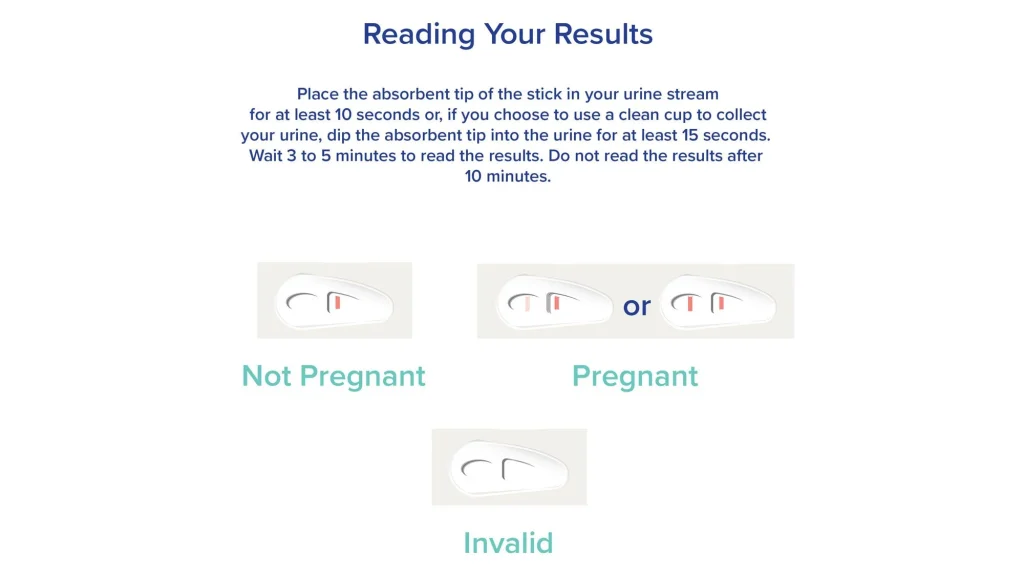
    Instructions for reading pregnancy test results with visual indicators for "Not Pregnant," "Pregnant," and "Invalid.

    Chemical Assault: The Effects of Environmental Toxins on Cervical Mucus Health

    One of the most significant sources of exposure to environmental toxins is through the use of everyday products such as cleaning supplies, cosmetics, and personal care products. These products often contain harmful chemicals like phthalates, parabens, and synthetic fragrances that can disrupt hormone balance and affect cervical mucus health. Additionally, exposure to indoor air pollution, which can come from household items like furniture, carpets, and paint, can also contribute to our exposure to environmental toxins.

    Protecting Ourselves from Environmental Toxins

    While it may seem overwhelming to think about the potential health risks posed by environmental toxins, there are steps we can take to protect ourselves and our cervical mucus health. First and foremost, it is essential to be mindful of the products we use in our homes and on our bodies. Opting for natural and organic options can help reduce our exposure to harmful chemicals.

    Additionally, it is crucial to be aware of our surroundings and limit our exposure to air pollution and other environmental toxins. This may involve making simple changes like opening windows for ventilation, avoiding areas with high levels of pollution, and using air purifiers in our homes.

    In terms of personal care, it is important to pay attention to the ingredients in the products we use. Avoiding products with harsh chemicals and opting for natural or organic alternatives can help reduce our exposure to harmful toxins. It is also essential to properly dispose of household chemicals and be cautious when handling them to avoid exposure.

    Lastly, supporting our bodies’ natural detoxification processes can also help reduce the impact of environmental toxins on our cervical mucus health. This can include staying hydrated, eating a healthy and balanced diet, and incorporating detoxifying foods and supplements such as leafy greens, antioxidants, and probiotics.

    In conclusion, the effects of environmental toxins on cervical mucus health are a growing concern. These toxins can disrupt the delicate balance of hormones and affect the quality and quantity of cervical mucus, leading to potential fertility issues and other health concerns. By being mindful of the products we use, limiting our exposure to pollution, and supporting our bodies’ natural detoxification processes, we can protect our cervical mucus health and overall well-being.

    Summary:

    Cervical mucus is an essential part of a woman’s reproductive system, but environmental toxins can disrupt its health and function. Exposure to these toxins can lead to changes in consistency and production, making it more challenging for sperm to reach and fertilize the egg. We are exposed to environmental toxins through various means, including everyday products and indoor air pollution. To protect ourselves, we can choose natural and organic products, limit exposure to pollution, and support our body’s natural detoxification processes.

  • Clearing the Air: How Minimizing Toxin Exposure Can Improve Cervical Mucus Production

    Summary:

    Cervical mucus is a critical factor in a woman’s fertility and overall reproductive health. It plays a crucial role in the conception process by nourishing and protecting sperm, allowing them to reach the egg. However, many women struggle with inadequate cervical mucus production, leading to difficulty in conceiving. One often overlooked factor that can significantly impact cervical mucus production is exposure to toxins. In this blog post, we will explore the relationship between toxins and cervical mucus production and discuss ways to minimize toxin exposure to improve fertility.

    Toxins and their impact on cervical mucus production:

    Toxins are substances that can harm the human body and its functions. They can come from various sources, including pollution, household products, and certain foods. When these toxins enter the body, they can disrupt the delicate balance of hormones and other bodily processes, leading to various health issues, including fertility problems.

    One of the main ways toxins can affect fertility is by disrupting cervical mucus production. The quality and quantity of cervical mucus are directly linked to hormone levels, particularly estrogen. Toxins can interfere with estrogen production and regulation, leading to changes in cervical mucus production. For example, some toxins can mimic estrogen in the body, leading to estrogen dominance, which can result in a decrease in cervical mucus production.

    Additionally, toxins can also damage the cells in the cervix responsible for producing mucus, leading to a decrease in mucus production. This can result in dry or sticky cervical mucus, making it difficult for sperm to survive and reach the egg.

    Ways to minimize toxin exposure for improved cervical mucus production:

    1. Switch to natural and organic household products:

    Many household products, such as cleaning supplies, detergents, and air fresheners, contain harmful toxins. These toxins can enter the body through inhalation or skin contact, leading to adverse health effects, including disruptions in cervical mucus production. Switching to natural and organic household products can significantly reduce toxin exposure and improve fertility.

    at-home insemination kit with syringes, collection cups, and instructions on a pink background

    Clearing the Air: How Minimizing Toxin Exposure Can Improve Cervical Mucus Production

    2. Choose organic foods:

    Pesticides and herbicides used in conventional farming can be harmful to our health. These chemicals can disrupt the endocrine system, leading to hormonal imbalances and fertility issues. Choosing organic foods can minimize exposure to these toxins and provide the body with essential nutrients to support hormone balance and cervical mucus production.

    3. Avoid plastic containers and food packaging:

    Plastics contain chemicals called phthalates, which can disrupt hormone production and have been linked to fertility problems. To minimize exposure to these toxins, avoid using plastic containers for food storage or heating and opt for glass or stainless steel options instead. Also, try to choose fresh foods over processed ones, as processed foods often come in plastic packaging.

    4. Use natural beauty and personal care products:

    Many beauty and personal care products contain harmful toxins, such as parabens, phthalates, and formaldehyde. These toxins can enter the body through the skin and disrupt hormone balance, affecting cervical mucus production. Switching to natural and organic beauty and personal care products can significantly reduce toxin exposure and improve overall reproductive health.

    5. Detoxify regularly:

    Detoxifying the body can help eliminate toxins and support the body’s natural detoxification processes. This can be done through methods such as sauna sessions, dry brushing, and consuming detoxifying foods and drinks. Regular detoxification can help reduce toxin build-up in the body and improve hormonal balance, leading to improved cervical mucus production.

    In conclusion, minimizing toxin exposure is crucial for improving cervical mucus production and overall reproductive health. By making simple lifestyle changes and choosing natural and organic products, women can support their bodies in producing healthy and abundant cervical mucus, increasing their chances of conceiving. Taking care of our bodies and minimizing toxin exposure is not only beneficial for fertility but also for our overall health and well-being.

  • The Price of Pollution: How Toxins Affect Cervical Mucus Balance

    The Price of Pollution: How Toxins Affect Cervical Mucus Balance

    Cervical mucus plays a crucial role in a woman’s reproductive health, helping to nourish and protect sperm as they travel through the cervix to fertilize an egg. However, many women are unaware that their cervical mucus balance can be affected by exposure to toxins in the environment. In this blog post, we will explore the connection between pollution and cervical mucus balance, and what women can do to protect their reproductive health.

    The Impact of Toxins on Cervical Mucus

    Toxins in the environment can disrupt the delicate balance of cervical mucus, making it more difficult for sperm to reach and fertilize an egg. One of the main ways that toxins affect cervical mucus is by altering its pH level. Cervical mucus is naturally slightly acidic, which helps to protect against harmful bacteria and viruses. However, exposure to toxins can make the mucus more alkaline, creating an environment that is more hospitable to harmful microorganisms.

    Additionally, toxins can also affect the quantity and quality of cervical mucus. Exposure to certain chemicals, such as phthalates and bisphenol A (BPA), can reduce the amount of mucus produced, making it harder for sperm to travel through the cervix. These chemicals can also make the mucus thicker and stickier, hindering sperm movement and reducing their chances of reaching an egg.

    Hormonal Imbalance and Cervical Mucus

    Toxins can also disrupt hormonal balance in the body, which can have a significant impact on cervical mucus. Hormones play a crucial role in regulating the production and quality of cervical mucus. Exposure to environmental toxins can disrupt this delicate balance, leading to changes in the consistency and quantity of mucus.

    For example, exposure to xenoestrogens, which are synthetic chemicals that mimic estrogen in the body, can disrupt the production of the hormone progesterone. Progesterone is responsible for creating the thick, stretchy mucus that is essential for sperm to travel through the cervix. When progesterone levels are low, the mucus may become thin and watery, making it harder for sperm to survive and reach an egg.

    The Link Between Pollution and Fertility

    The impact of pollution on cervical mucus balance is not just limited to its effects on reproductive health. Studies have shown that exposure to toxins in the environment can also affect fertility. One study found that women living in areas with high levels of air pollution were more likely to experience fertility issues, such as irregular menstrual cycles and difficulty conceiving. Another study found that exposure to pollutants in drinking water was associated with a higher risk of miscarriage.

    Mosie Baby Kit with a syringe and container, highlighting safety and usability features on a blue background.

    The Price of Pollution: How Toxins Affect Cervical Mucus Balance

    Protecting Your Reproductive Health

    The effects of pollution on cervical mucus balance and overall reproductive health are concerning, but there are steps that women can take to protect themselves.

    1. Avoid Exposure to Environmental Toxins

    The first and most important step is to limit exposure to toxins in the environment. This includes avoiding products that contain harmful chemicals, such as phthalates and BPA, and opting for natural and organic alternatives when possible. It is also essential to be mindful of the air quality in your area and take measures to reduce exposure to air pollution, such as avoiding busy roads and using air purifiers in your home.

    2. Support Your Body’s Natural Detoxification Process

    Our bodies have natural detoxification mechanisms that help to eliminate toxins from our system. Eating a healthy, balanced diet and staying hydrated are essential for supporting these processes. Additionally, incorporating foods that are rich in antioxidants, such as leafy greens and berries, can help to protect against the damaging effects of toxins.

    3. Consider Fertility-Friendly Supplements

    Certain supplements can also help to support cervical mucus balance and improve fertility. These include omega-3 fatty acids, which have been shown to reduce inflammation and support hormonal balance, and probiotics, which can help to maintain a healthy balance of bacteria in the reproductive tract.

    4. Seek Help from a Fertility Specialist

    If you are experiencing fertility issues, it is essential to seek help from a fertility specialist who can evaluate your overall health and environmental exposures. They can also provide personalized recommendations for improving your cervical mucus balance and optimizing your chances of conceiving.

    In conclusion, pollution and environmental toxins can have a significant impact on cervical mucus balance and fertility. By taking steps to reduce exposure to toxins and support your body’s natural detoxification processes, you can help to protect your reproductive health and increase your chances of conceiving.

  • The Battle for Balance: How Toxins Disrupt Cervical Mucus Production

    The Battle for Balance: How Toxins Disrupt Cervical Mucus Production

    Cervical mucus is a vital component of a woman’s reproductive system. It plays a crucial role in fertility by providing the perfect environment for sperm to survive and travel through the cervix to reach the egg. However, many women struggle with infertility and are unable to conceive due to low levels or poor quality of cervical mucus. While there are various reasons for this, one major factor that often goes overlooked is the presence of toxins in our environment and daily lives. These toxins can disrupt the delicate balance of hormones and disrupt cervical mucus production, making it difficult for women to conceive. In this blog post, we will explore the battle for balance and how toxins can disrupt cervical mucus production, as well as provide tips on how to reduce exposure to these harmful substances and restore the body’s natural balance for optimal reproductive health.

    Understanding Cervical Mucus Production

    Before we dive into how toxins can affect cervical mucus production, let’s first understand what it is and why it is important for fertility. Cervical mucus is a fluid produced by the cervix, the lower part of the uterus, during a woman’s menstrual cycle. It serves as a protective barrier for the reproductive organs and also helps sperm to survive and swim through the cervix to reach the egg. The consistency, quantity, and quality of cervical mucus change throughout a woman’s cycle, with the most fertile mucus being thin, clear, and stretchy. This type of mucus, known as “egg white cervical mucus,” is essential for helping sperm to travel through the cervix and fertilize the egg.

    The Battle for Balance

    While the production of cervical mucus is a natural and essential process, it can be disrupted by various factors, including toxins. Toxins are substances that can harm our bodies by disrupting the normal functioning of cells, tissues, and organs. These toxins can come from various sources, such as environmental pollution, pesticides, chemicals in personal care products, and even certain foods. When these toxins enter our bodies, they can affect the balance of hormones and disrupt the production of cervical mucus, leading to fertility issues.

    How Toxins Disrupt Cervical Mucus Production

    Toxins can affect cervical mucus production in several ways. One of the main ways is through endocrine disruption. Endocrine disruptors are chemicals that can mimic or interfere with the body’s hormones, leading to hormonal imbalances. These imbalances can affect the production of cervical mucus and make it less fertile. Endocrine disruptors can also cause oxidative stress, which can damage the cells responsible for producing cervical mucus, leading to a decrease in quantity and quality.

    Another way toxins can disrupt cervical mucus production is by affecting the immune system. The immune system plays a crucial role in maintaining the health of the reproductive organs. When toxins enter the body, they can weaken the immune system, making it difficult for the body to fight off infections that can cause inflammation in the reproductive organs. Inflammation can affect the quality of cervical mucus and make it less hospitable to sperm.

    Reducing Exposure to Toxins

    To reduce the impact of toxins on cervical mucus production and overall reproductive health, it is essential to reduce exposure to these harmful substances. Here are some tips on how to do so:

    1. Choose organic and natural products: When it comes to personal care products, choose organic and natural options that are free from harmful chemicals. This includes items such as makeup, skincare, and cleaning products. Look for labels that say “paraben-free,” “phthalate-free,” and “fragrance-free.”

    Instructions for reading pregnancy test results with visual indicators for "Not Pregnant," "Pregnant," and "Invalid.

    The Battle for Balance: How Toxins Disrupt Cervical Mucus Production

    2. Eat a healthy and balanced diet: Consuming a diet rich in whole foods, fruits, and vegetables can help to reduce exposure to toxins found in processed foods. Choose organic produce when possible to avoid pesticides and chemicals.

    3. Use non-toxic household products: Many household cleaners and detergents contain harmful chemicals that can affect the body’s hormone balance. Switch to natural, non-toxic alternatives to reduce exposure to these toxins.

    4. Avoid plastics: Plastics contain chemicals such as bisphenol A (BPA) and phthalates, which can disrupt hormone balance. Avoid using plastic containers for food and drink storage and opt for glass, stainless steel, or silicone alternatives instead.

    5. Detox regularly: To help eliminate toxins from the body, it is essential to support the body’s natural detoxification processes. This can be done through practices such as drinking plenty of water, exercising regularly, and incorporating liver-supporting foods and supplements into your diet.

    Restoring Balance for Optimal Reproductive Health

    In addition to reducing exposure to toxins, there are other ways to restore balance and promote optimal reproductive health. These include:

    1. Fertility-friendly diet: A diet rich in nutrients that support hormonal balance and reproductive health can help improve cervical mucus production. This includes foods high in vitamins C, E, and B6, as well as zinc, magnesium, and omega-3 fatty acids.

    2. Herbal supplements: Certain herbs, such as red clover, evening primrose oil, and maca root, have been shown to support cervical mucus production and overall fertility.

    3. Acupuncture: Acupuncture can help to regulate hormones and improve blood flow to the reproductive organs, which can improve cervical mucus production.

    4. Stress management: Chronic stress can disrupt hormone balance and affect cervical mucus production. Finding ways to manage stress, such as through yoga, meditation, or counseling, can be beneficial for reproductive health.

    In Summary

    Cervical mucus is a vital component of a woman’s reproductive system, playing a crucial role in fertility. However, toxins in our environment and daily lives can disrupt the delicate balance of hormones and affect cervical mucus production, leading to fertility issues. By reducing exposure to toxins and implementing strategies to restore balance, women can improve their reproductive health and increase their chances of conceiving.