Tag: hope

  • The Psychological Impact of Infertility: How Insemination Syringe Kits Offer Hope

    Blog post:

    Infertility is a heartbreaking and challenging journey for many couples. It can take a toll on their emotional, physical, and psychological well-being. The inability to conceive can cause feelings of frustration, guilt, shame, and isolation. It can also cause strain on relationships and lead to depression and anxiety.

    According to the Centers for Disease Control and Prevention, about 12% of women in the United States struggle with infertility. This number may seem small, but for those affected, it is a significant and life-changing issue. Infertility can have a profound psychological impact on individuals and couples, and it is essential to understand the emotional toll it takes.

    The Psychological Impact of Infertility:

    Infertility can cause a range of emotions, and it affects both men and women. For women, the inability to get pregnant can lead to feelings of inadequacy, failure, and loss of femininity. They may feel like they are not fulfilling their role as a woman and struggle with their sense of self-worth. Women may also experience intense grief and sadness over the loss of the dream of having a biological child. The constant pressure to get pregnant and the never-ending cycle of hope and disappointment can be emotionally draining and lead to anxiety and depression.

    Men also experience a range of emotions when dealing with infertility. They may feel a sense of inadequacy and failure, especially if their partner is diagnosed with a fertility issue. Men may also feel a loss of control and struggle with the inability to “fix” the problem. The pressure to provide and fulfill their role as a provider and father can also add to the emotional burden. Additionally, men may feel overlooked and unsupported, as infertility is often seen as a “woman’s issue.”

    Infertility can also cause strain on relationships. Couples may experience feelings of resentment, blame, and frustration towards each other. The pressure and stress of trying to conceive can put a strain on communication and intimacy. The inability to have a baby can also lead to a sense of loss and disappointment in the relationship. This strain can ultimately lead to conflicts and possibly even separation or divorce.

    blue box with "mosie" logo, syringes, and informational pamphlet on a pink background

    The Psychological Impact of Infertility: How Insemination Syringe Kits Offer Hope

    The Psychological Benefits of Insemination Syringe Kits:

    Insemination syringe kits are a new and innovative solution for those struggling with infertility. These kits, also known as “at-home insemination” or “turkey baster” kits, allow couples to perform insemination in the comfort of their own home without the need for expensive fertility treatments. While these kits may not be suitable for everyone, they offer a glimmer of hope for those who cannot afford or do not want to pursue more invasive and costly options.

    One of the main psychological benefits of insemination syringe kits is the sense of control and empowerment they provide. For many couples, the inability to conceive can leave them feeling helpless and out of control. Insemination syringe kits allow individuals to take charge of their fertility journey and perform the insemination process themselves. This process can give them a sense of control and hope, which can be crucial in coping with the emotional toll of infertility.

    These kits also offer couples a more intimate and personal experience. Many couples find fertility treatments to be impersonal and clinical, which can add to the emotional burden. Insemination syringe kits allow couples to experience the process together in the privacy of their own home. This can help strengthen their bond and improve their communication and intimacy, which can positively impact their relationship.

    Another psychological benefit of these kits is the convenience and affordability they offer. Fertility treatments can be expensive and time-consuming, which can add to the stress and pressure of trying to conceive. Insemination syringe kits are a more affordable option, and they can be done at home, saving couples time and money. This can help reduce the financial burden and stress, allowing couples to focus on their emotional well-being.

    Insemination syringe kits also offer a sense of hope and optimism for those struggling with infertility. The constant disappointment and negative pregnancy tests can take a toll on one’s mental health. Insemination kits offer a new and potentially successful method of conception, giving couples a renewed sense of hope and possibility. This hope can help individuals cope with the emotional impact of infertility and keep them motivated to continue their journey towards parenthood.

    In summary, infertility can have a profound psychological impact on individuals and couples. It can cause a range of emotions and strain on relationships. Insemination syringe kits offer a more affordable, intimate, and empowering option for those struggling with infertility. They provide a sense of control, intimacy, convenience, and hope, which can positively impact one’s emotional well-being and help them cope with the challenges of infertility.


  • The Emotional Impact of Infertility and How a Syringe Kit Can Provide Hope

    Blog Post: The Emotional Impact of Infertility and How a Syringe Kit Can Provide Hope

    Infertility is a deeply personal and challenging experience that affects millions of couples around the world. The inability to conceive a child can take a significant toll on a person’s emotional well-being, causing feelings of shame, guilt, and inadequacy. In addition to the physical and financial strain of fertility treatments, the emotional impact of infertility can be overwhelming. However, with the advancements in medical technology, there is now renewed hope for couples struggling with infertility. One such solution is the use of a syringe kit, which has helped many couples fulfill their dream of starting a family. In this blog post, we will explore the emotional impact of infertility and how a syringe kit can provide hope for those trying to conceive.

    The Emotional Toll of Infertility

    Infertility is a complex issue that can have a profound effect on a person’s mental health. The inability to conceive a child can trigger a range of emotions, such as sadness, anger, and frustration. Many couples also experience feelings of isolation, as they may feel like they are the only ones going through this struggle. This can lead to a sense of shame and inadequacy, as society often places a strong emphasis on the ability to have children. Moreover, the constant pressure from family and friends to have a baby can add to the emotional burden.

    Infertility can also take a toll on a couple’s relationship. The stress and disappointment of failed attempts to conceive can strain even the strongest of relationships. Couples may find themselves arguing more frequently, feeling distant from each other, and experiencing a loss of intimacy. This can further compound the emotional impact of infertility, as the one person they should be able to turn to for support is also struggling with their own feelings.

    The Role of Hope in Infertility

    Despite the emotional challenges of infertility, there is one thing that keeps many couples going – hope. The hope of one day becoming parents and starting a family is a powerful driving force that can help couples navigate the ups and downs of fertility treatments. It provides them with a glimmer of light in an otherwise dark and overwhelming situation. However, hope can also be a double-edged sword. While it can provide motivation and strength, it can also lead to disappointment and heartache when treatments are unsuccessful.

    two teal and clear syringes positioned on a white background

    The Emotional Impact of Infertility and How a Syringe Kit Can Provide Hope

    The Importance of a Syringe Kit

    In recent years, the use of a syringe kit has become a popular method for couples struggling with infertility. This kit contains all the necessary tools for self-injection, making it a convenient and cost-effective option for fertility treatments. But more than that, a syringe kit can also provide hope for couples trying to conceive.

    One of the key benefits of using a syringe kit is the sense of control it gives to the person undergoing treatment. Fertility treatments can often feel like a loss of control, with doctors and medications dictating the process. However, with a syringe kit, couples can take an active role in their treatment, injecting themselves at home and feeling more in control of the process.

    Moreover, the use of a syringe kit can also provide a sense of privacy and intimacy for couples. For many, fertility treatments can be a very personal and private matter. The ability to administer injections at home can help alleviate some of the stress and discomfort that comes with having to go to a clinic for treatments. This can also help couples maintain a sense of normalcy in their daily lives, without having to constantly visit a fertility clinic.

    Finally, a syringe kit can also provide hope by increasing the chances of conception. The kit contains a specialized needle that is designed to deliver medication directly into the subcutaneous tissue, making it more effective than traditional injections. This can be especially beneficial for couples who have been unsuccessful with other forms of fertility treatments.

    In conclusion, the emotional impact of infertility is a significant and often overlooked aspect of the struggle to conceive. The feelings of sadness, isolation, and loss of control can take a toll on a person’s mental health and their relationship with their partner. However, with the use of a syringe kit, there is renewed hope for couples trying to conceive. The convenience, privacy, and increased chances of conception provided by a syringe kit can help alleviate the emotional burden of infertility and provide a much-needed sense of hope for those on their journey to parenthood.

    Summary:

    Infertility can have a profound impact on a person’s emotional well-being, causing feelings of shame, guilt, and inadequacy. In addition to the physical and financial strain, the emotional toll of infertility can be overwhelming. However, with the use of a syringe kit, there is renewed hope for couples struggling with infertility. The convenience, privacy, and increased chances of conception provided by a syringe kit can help alleviate the emotional burden of infertility and provide a much-needed sense of hope for those on their journey to parenthood.

  • Non-Invasive Insemination Success Stories

    Non-Invasive Insemination Success Stories: A Hopeful Journey Towards Parenthood

    Parenthood is a dream for many individuals and couples. However, for some, conceiving a child may not come as easily as they had hoped. In such cases, non-invasive insemination can be a ray of hope for those who are struggling to start or expand their family. Non-invasive insemination, also known as artificial insemination, is a fertility treatment that involves placing sperm directly into the uterus to increase the chances of fertilization. This method has been successful for many couples and individuals, and their stories are a testament to the power of non-invasive insemination. In this blog post, we will explore some heartwarming success stories of non-invasive insemination and share the inspiring journeys of those who have become parents through this procedure.

    The Journey to Parenthood: A Story of Hope and Resilience

    For many couples, the journey towards parenthood can be a rollercoaster ride, filled with ups and downs. This was the case for Sarah and John, who had been trying to conceive for over three years without any success. After being diagnosed with unexplained infertility, they were feeling hopeless and lost. However, they decided to give non-invasive insemination a try, and to their surprise, they were blessed with a beautiful baby girl after just two cycles of the procedure. Sarah and John’s story is a reminder that even when things seem impossible, there is always hope.

    Overcoming Obstacles: Non-Invasive Insemination and PCOS

    Polycystic Ovary Syndrome (PCOS) is a common hormonal disorder that affects many women of reproductive age. For women with PCOS, getting pregnant can be a challenge. This was the case for Emily, who had been diagnosed with PCOS at a young age. After struggling to conceive naturally, she turned to non-invasive insemination and was overjoyed when she found out she was pregnant after just one cycle. Emily’s story shows that non-invasive insemination can be a successful option for women with PCOS who are trying to conceive.

    Love Knows No Boundaries: A Same-Sex Couple’s Journey to Parenthood

    logo of mosie baby featuring a heart and leaf design in blue, pink, and green colors

    Non-Invasive Insemination Success Stories

    Non-invasive insemination has also been a blessing for same-sex couples who want to start a family. David and Michael had always dreamed of having children, and they decided to explore non-invasive insemination as an option. After several cycles of the procedure, they were thrilled to welcome their twin daughters into the world. Their story is a beautiful example of how love knows no boundaries, and non-invasive insemination has made it possible for them to become loving parents.

    The Power of Donor Insemination: A Single Mother’s Story

    For many single women, starting a family can seem like a distant dream. However, non-invasive insemination has allowed them to fulfill their desire to have a child. This was the case for Samantha, who always knew she wanted to be a mother, but didn’t have a partner. She chose to undergo donor insemination through non-invasive means, and after just one cycle, she became pregnant with her son. Samantha’s story is a powerful reminder that parenthood is possible for anyone who has the determination and courage to pursue it.

    A Second Chance at Parenthood: A Couple’s Journey with Non-Invasive Insemination After a Miscarriage

    Miscarriages can be devastating for couples who are trying to conceive. After experiencing a miscarriage, Jane and Mark were heartbroken, but they didn’t give up on their dream of having a child. They decided to try non-invasive insemination, and after a few cycles, they were blessed with a healthy baby boy. Jane and Mark’s story is a testimony to the fact that non-invasive insemination can be a second chance at parenthood for those who have experienced loss and heartache.

    In Conclusion

    Non-invasive insemination has brought hope and happiness to many couples and individuals who were struggling to conceive. These success stories show that this procedure can be a viable option for those who are trying to start or expand their family. It is a reminder that parenthood is a journey filled with ups and downs, but with determination and the right treatment, anything is possible. If you are considering non-invasive insemination, remember that you are not alone, and there is always hope.

  • and Hopeful: Using Syringe Starter Kits for a Positive Pregnancy Test

    Blog Post:

    Pregnancy is a life-changing experience for any woman, and finding out that you are pregnant can be both exciting and nerve-wracking. The traditional method of using a urine-based pregnancy test has been the go-to method for many years, but it may not always be the most accurate or reliable option. This is where the use of syringe starter kits for a positive pregnancy test comes into play.

    Syringe starter kits for a positive pregnancy test have been gaining popularity in recent years, and for good reason. These kits offer a more accurate and reliable way of testing for pregnancy, giving women more confidence in their results. In this blog post, we will discuss the benefits and importance of using syringe starter kits for a positive pregnancy test, and how it can bring hope and positivity to a woman’s journey towards motherhood.

    The Traditional Pregnancy Test Method
    The traditional pregnancy test method involves using a urine sample to detect the presence of the human chorionic gonadotropin (hCG) hormone in a woman’s body. This hormone is produced by the placenta after a fertilized egg attaches to the uterine wall. However, the accuracy of this method relies heavily on the timing of the test and the concentration of hCG in the urine sample.

    For some women, the hCG hormone may not be present in detectable levels early on in the pregnancy, leading to a false negative result. This can cause unnecessary stress and confusion, especially for women who are trying to conceive. Moreover, there is also a chance of getting a false positive result due to certain medications or medical conditions that can affect hCG levels in the body.

    The Need for a More Accurate and Reliable Option
    With the increasing demand for more accurate and reliable pregnancy testing, syringe starter kits have emerged as a game-changer. These kits work by drawing blood from the fingertip and using it to detect hCG levels through a process called lateral flow immunoassay. This method is more sensitive and can detect the presence of hCG in the blood earlier than a traditional urine test, giving women a more accurate result.

    At-home insemination kit with syringes and collection cups on a teal background.

    and Hopeful: Using Syringe Starter Kits for a Positive Pregnancy Test

    Moreover, syringe starter kits also eliminate the possibility of a false positive result due to hCG levels being affected by medications or medical conditions. It offers a more definitive answer, reducing the stress and anxiety that comes with the uncertainty of a traditional pregnancy test.

    Empowering Women with Hope and Positivity
    The journey towards motherhood can be filled with mixed emotions, and the uncertainty of a traditional pregnancy test can add to the stress and anxiety. Syringe starter kits offer a more accurate and reliable option, giving women a sense of control and empowerment in their pregnancy journey. It allows them to take charge of their own health and make informed decisions about their pregnancy.

    Furthermore, syringe starter kits also offer a way for women to share the good news with their partners and loved ones in a more creative and personalized way. The process of using a syringe starter kit can be a bonding experience for couples, adding a sense of hope and positivity to the pregnancy journey.

    The Importance of Seeking Medical Advice
    While syringe starter kits offer a more accurate and reliable option for pregnancy testing, it is still important to seek medical advice and confirmation from a healthcare professional. A positive result from a syringe starter kit should be followed up with a visit to the doctor for further tests and confirmation of the pregnancy.

    Moreover, it is crucial to consult with a healthcare professional throughout the pregnancy journey for proper prenatal care and monitoring. They can also provide guidance on the use of syringe starter kits and ensure that the process is done correctly for accurate results.

    In conclusion, the use of syringe starter kits for a positive pregnancy test offers a more accurate and reliable option for women, bringing hope and positivity to their pregnancy journey. It empowers women to take control of their health and make informed decisions, and also adds a personalized touch to sharing the good news with loved ones. However, it is important to remember to seek medical advice and confirmation from a healthcare professional for proper prenatal care and monitoring.

    Summary: Syringe starter kits for a positive pregnancy test offer a more accurate and reliable option compared to traditional urine-based tests. It works by drawing blood from the fingertip and detecting the hCG hormone, providing women with a more definitive answer early on in their pregnancy journey. This method also eliminates the possibility of false positive results and can be a bonding experience for couples. However, it is important to seek medical advice and confirmation from a healthcare professional for proper prenatal care and monitoring.

  • Weeks of Hope: Fertility Support Syringe Starter Kits

    Weeks of Hope: Fertility Support Syringe Starter Kits – Giving Hope to Couples Struggling with Infertility

    Infertility is a difficult and often emotionally draining journey for couples who are trying to conceive. It is a journey filled with uncertainty, frustration, and heartache. Many couples turn to expensive and invasive fertility treatments, but not all can afford them. This is where Weeks of Hope comes in, a company that offers affordable and effective fertility support syringe starter kits. These kits are designed to give couples hope and increase their chances of successful conception. In this blog post, we will dive into the details of Weeks of Hope and how their syringe starter kits are changing the lives of couples struggling with infertility.

    The Beginnings of Weeks of Hope

    Weeks of Hope was founded by a couple who themselves faced the challenges of infertility. After undergoing multiple failed fertility treatments, they were determined to find a more affordable and accessible solution. They realized that many couples were in the same situation as them and wanted to offer something that could help. Thus, Weeks of Hope was born, with a mission to provide hope to those struggling with infertility.

    What are Fertility Support Syringe Starter Kits?

    Fertility support syringe starter kits are a combination of fertility supplements and medical supplies that are designed to support natural conception. These kits contain ovulation predictors, pre-seed lubricant, and syringes for artificial insemination. They are formulated to mimic the natural process of sperm reaching the egg, making it easier for couples to conceive.

    How Do Weeks of Hope Kits Work?

    The Weeks of Hope kits are designed to be used in conjunction with the woman’s natural ovulation cycle. The ovulation predictor helps to identify the most fertile days, while the pre-seed lubricant provides a sperm-friendly environment for the sperm to travel through. The syringes are used to deposit the sperm close to the cervix, mimicking the natural process of conception. By providing the necessary tools and support, Weeks of Hope kits increase the chances of successful conception for couples struggling with infertility.

    Home insemination kit by Mosie Baby with instructions and colorful packaging.

    Weeks of Hope: Fertility Support Syringe Starter Kits

    Affordable and Accessible

    One of the main reasons why Weeks of Hope kits have gained popularity is because of their affordability and accessibility. Traditional fertility treatments can cost thousands of dollars, making it unattainable for many couples. Weeks of Hope kits, on the other hand, are significantly more affordable and can be purchased online, making it accessible to couples worldwide. This is especially beneficial for those who do not have access to fertility clinics or live in areas with limited resources.

    Success Stories

    The impact of Weeks of Hope kits can be seen through the numerous success stories shared by couples who have used them. Many couples have reported successful pregnancies after using the kits, some of whom had been trying to conceive for years. These success stories not only bring hope to other couples struggling with infertility but also reinforce the effectiveness of Weeks of Hope kits.

    Support and Community

    Couples struggling with infertility often feel isolated and alone in their journey. Weeks of Hope not only provides physical support through their kits but also emotional support through their online community. This community allows couples to connect with others who are going through a similar experience, providing a sense of understanding and comfort. The founders of Weeks of Hope are also actively involved in the community, offering support and guidance to those who need it.

    Making a Difference

    Weeks of Hope is not just a company; it is a movement that is making a difference in the lives of couples struggling with infertility. By providing affordable and accessible fertility support syringe starter kits, they are giving hope to those who thought they had run out of options. They are breaking down barriers and changing the narrative around fertility treatments, making it more inclusive and accessible for all.

    In conclusion, Weeks of Hope is a company that is giving hope to couples struggling with infertility. Their fertility support syringe starter kits offer an affordable and accessible solution for those who cannot afford expensive fertility treatments. With their mission to provide hope and support, Weeks of Hope is changing the lives of couples all over the world. If you or someone you know is struggling with infertility, Weeks of Hope may just be the answer you have been looking for.

  • The Emotional Impact of Non-Invasive Insemination on Couples in Their 30s

    Blog post:

    Couples in their 30s often face the decision of starting a family and for many, this can be an emotional journey. With advances in technology, non-invasive insemination (NII) has become a popular option for couples struggling with fertility issues. While it may seem like a straightforward process, the emotional impact of NII on couples in their 30s cannot be overlooked. In this blog post, we will explore the different emotions and challenges that couples may face when considering NII and how they can navigate through this process together.

    Before delving into the emotional impact, it is important to understand what NII is and how it differs from traditional insemination methods. NII involves the placement of sperm directly into the woman’s reproductive tract without the need for surgery or anesthesia. This can be done through methods such as intrauterine insemination (IUI) or intracervical insemination (ICI). Unlike other fertility treatments, NII is a less invasive and more affordable option, making it a popular choice for couples in their 30s.

    One of the first emotions that couples may experience when considering NII is hope. For couples who have been struggling with fertility issues, NII offers a glimmer of hope that they may finally be able to conceive and start a family. This hope can bring a sense of relief and excitement, but it can also be accompanied by anxiety and fear of the unknown. Couples may wonder if NII will be successful, and if not, what their next steps will be.

    Another emotion that couples may experience is disappointment. NII does not guarantee success and couples may have to undergo multiple cycles before achieving a successful pregnancy. This can be emotionally draining and can take a toll on the couple’s relationship. Disappointment can also arise if the couple has to face the reality that they may not be able to conceive through NII and will have to explore other options such as adoption or surrogacy.

    One of the biggest challenges that couples in their 30s face when considering NII is the pressure of time. As women age, their fertility declines and the window for conception becomes smaller. This can create a sense of urgency and added stress for couples, especially if they have been trying to conceive for a while. The fear of running out of time may cause couples to rush into decisions and can strain their relationship.

    illustration comparing standard and Mosie syringe openings with text highlighting design benefits for home insemination

    The Emotional Impact of Non-Invasive Insemination on Couples in Their 30s

    In addition to the emotional impact on the couple, NII can also have an impact on their support system. Friends and family may not fully understand the complexities of NII and may offer unsolicited advice or insensitive comments, adding to the emotional burden that the couple is already facing. This can lead to feelings of isolation and can further strain relationships with loved ones.

    Communication is key when it comes to navigating through the emotional impact of NII. It is important for couples to openly discuss their expectations, fears, and concerns with each other. This can help them to feel supported and united in their decision. Couples may also find it helpful to seek support from a therapist or join a support group specifically for couples going through NII. These resources can provide a safe space for couples to express their emotions and receive guidance on how to cope with the challenges they may face.

    It is also important for couples to take care of their mental and emotional well-being during this process. NII can be physically and emotionally demanding, and it is crucial for couples to prioritize self-care. This can include practicing relaxation techniques, finding healthy outlets for stress, and taking breaks from the fertility journey when needed.

    In conclusion, the emotional impact of NII on couples in their 30s is complex and cannot be overlooked. Hope, disappointment, time pressure, and the strain on relationships are just some of the emotions and challenges that couples may face. It is important for couples to openly communicate and seek support from each other and from professionals in order to navigate through this journey together. While NII may not be a guarantee for success, with the right support and mindset, couples can overcome the emotional impact and emerge stronger, no matter the outcome.

    Summary:

    Non-invasive insemination (NII) has become a popular option for couples in their 30s struggling with fertility issues. However, the emotional impact of NII cannot be overlooked. Couples may experience hope, disappointment, time pressure, and strain on their relationships. It is important for couples to openly communicate and prioritize self-care during this process. Seeking support from professionals and each other can help couples navigate through the emotional challenges of NII.

  • and Infertile? Non-Invasive Insemination Offers Hope

    Summary:

    Infertility is a condition that affects millions of individuals and couples worldwide. For those struggling with infertility, the journey to parenthood can be emotionally and physically exhausting. However, advancements in medical technology have provided new options and hope for those facing infertility. One such option is non-invasive insemination, a fertility treatment that offers a less invasive and more affordable alternative to traditional IVF methods. This blog post will explore the concept of non-invasive insemination, its benefits and drawbacks, and how it can provide hope for those struggling with infertility.

    Non-Invasive Insemination: An Overview
    Non-invasive insemination, also known as intrauterine insemination (IUI), is a fertility treatment that involves placing sperm directly into the uterus during ovulation. This procedure can be done using a partner’s sperm or donor sperm and is a less invasive and more cost-effective option compared to traditional IVF methods. IUI is typically recommended for couples with unexplained infertility, mild male factor infertility, or women with ovulation issues.

    The Process of Non-Invasive Insemination
    The procedure for non-invasive insemination is relatively simple and can be done in a doctor’s office. First, the woman will undergo a series of fertility tests to determine the best time for insemination. Then, the sperm sample is collected and prepared in the lab before being inserted into the uterus using a thin catheter. The entire process takes only a few minutes and is relatively painless.

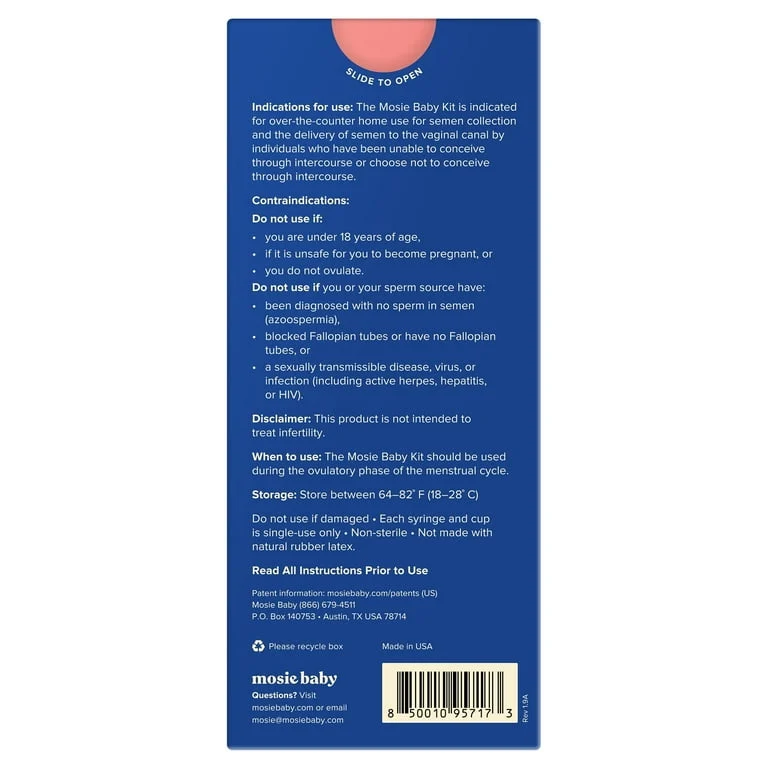
    Mosie Baby At-Home Insemination Kit instructions and storage guidelines on a blue background.

    and Infertile? Non-Invasive Insemination Offers Hope

    Benefits of Non-Invasive Insemination
    One of the significant benefits of non-invasive insemination is its affordability. Compared to traditional IVF methods, IUI is significantly less expensive, making it a more accessible option for many couples. Additionally, the procedure is less invasive, with minimal discomfort and a faster recovery time. It also has a lower risk of complications compared to other fertility treatments.

    Non-Invasive Insemination: A Promising Option for Infertility
    For individuals and couples struggling with infertility, non-invasive insemination offers a promising solution. It is a less invasive and more affordable option compared to traditional IVF methods, making it a more accessible option for many. Additionally, IUI has a higher success rate for couples with mild fertility issues, giving hope to those who have been unsuccessful with other fertility treatments.

    Drawbacks of Non-Invasive Insemination
    While non-invasive insemination offers many benefits, it is not without its drawbacks. One of the most significant risks is the potential for multiple pregnancies, which can lead to complications for both the mother and babies. Additionally, IUI is not always successful, and couples may need to undergo multiple cycles before achieving a pregnancy.

    Other Factors to Consider
    Before deciding on non-invasive insemination, it is essential to consider other factors that may affect its success. These include the age and overall health of the woman, the quality of the sperm, and any underlying medical conditions that may affect fertility. It is crucial to discuss these factors with a fertility specialist to determine if non-invasive insemination is the best option for your specific situation.

    In Conclusion
    For those struggling with infertility, non-invasive insemination offers a glimmer of hope. It is a more affordable and less invasive option compared to traditional IVF methods, making it a viable choice for many couples. However, it is essential to consider all factors and consult with a fertility specialist before deciding on this treatment option. With advancements in medical technology, there is hope for individuals and couples to overcome infertility and fulfill their dreams of becoming parents.

  • Ways to Stay Positive During the Non-Invasive Insemination Process

    Blog Post:

    The process of non-invasive insemination, also known as artificial insemination, can be a challenging and emotional journey for many individuals and couples. It involves a series of medical procedures and can create a lot of stress and anxiety. However, it is important to stay positive throughout this process in order to increase the chances of success and maintain your overall well-being. In this blog post, we will discuss some ways to stay positive during the non-invasive insemination process.

    1. Educate yourself

    One of the best ways to stay positive during the non-invasive insemination process is to educate yourself about the procedure, its success rates, and potential challenges. This will help you understand what to expect and make informed decisions. You can attend informational sessions at your fertility clinic, read books or articles, and consult with your doctor. Having a good understanding of the process can help alleviate fears and uncertainties.

    2. Find a support system

    Going through the non-invasive insemination process alone can be overwhelming and isolating. It is important to have a support system in place to lean on during this time. This can include your partner, family members, friends, or a support group of individuals going through a similar experience. Talking to others who understand what you are going through can provide comfort, encouragement, and a sense of community.

    3. Practice self-care

    During the non-invasive insemination process, it is crucial to take care of your physical, emotional, and mental well-being. This can include getting enough rest, eating a healthy diet, exercising regularly, and engaging in activities that bring you joy and relaxation. It is also important to prioritize your mental health and seek professional help if needed. Taking care of yourself can help reduce stress and anxiety, and promote a positive mindset.

    4. Stay hopeful but realistic

    logo featuring a pink heart above two teal leaves on a blue circular background

    Ways to Stay Positive During the Non-Invasive Insemination Process

    It is natural to feel anxious and worried during the non-invasive insemination process, but it is important to balance those emotions with hope and positivity. While it is important to stay hopeful, it is also important to be realistic about the outcome. Not every attempt will be successful, and it is important to prepare yourself for that possibility. However, remember that each attempt brings you one step closer to your goal of starting a family.

    5. Communicate with your partner

    The non-invasive insemination process can also take a toll on your relationship with your partner. It is important to communicate openly and honestly with each other about your feelings, fears, and expectations. This can help strengthen your bond and provide much-needed support during this journey. It is also important to take breaks from talking about the process and focus on other aspects of your relationship.

    6. Practice relaxation techniques

    Dealing with fertility treatments can be stressful, and it is important to find ways to relax and reduce stress. This can include practicing meditation, deep breathing, yoga, or other relaxation techniques. These activities can help you stay calm and centered during the process and manage any negative emotions that may arise.

    7. Celebrate small victories

    While the ultimate goal may be to conceive, it is important to celebrate small victories along the way. This can include completing a procedure, receiving good news from your doctor, or simply making it through a difficult day. These small victories can help boost your mood and keep you motivated on your journey.

    Summary:

    The non-invasive insemination process can be a challenging and emotional journey, but it is important to stay positive throughout the process. Some ways to do so include educating yourself, finding a support system, practicing self-care, staying hopeful but realistic, communicating with your partner, practicing relaxation techniques, and celebrating small victories. These strategies can help you maintain a positive mindset and increase your chances of success.

  • Overcoming Infertility: Real Stories and Inspirational Advice

    Infertility is a challenging and often heartbreaking journey that many couples face. It can bring about feelings of isolation, disappointment, and even guilt. However, it is important to remember that you are not alone in this struggle and that there is hope. In this blog post, we will share real stories of individuals who have overcome infertility and offer inspirational advice to those currently on their own journey.

    Infertility affects 1 in 8 couples and is defined as the inability to conceive after one year of trying. While there are various reasons for infertility, it can often feel like a personal failure for couples who are unable to conceive. This can lead to feelings of shame and inadequacy, but it is important to remember that infertility is a medical condition and not something to be ashamed of.

    Real Stories of Overcoming Infertility:

    1. The Power of Persistence: Sarah and John had been trying to conceive for over three years with no success. After multiple rounds of fertility treatments, including intrauterine insemination (IUI) and in vitro fertilization (IVF), they were exhausted physically, emotionally, and financially. However, they decided to give it one last try and were blessed with a successful IVF cycle, resulting in the birth of their son. Sarah and John’s story shows the power of persistence and not giving up hope, even when it feels like all odds are against you.

    2. The Strength of Support: Lisa and Mark had been trying to conceive for five years before they decided to seek help from a fertility specialist. After multiple failed IVF cycles, they were on the verge of giving up. However, their family and friends rallied around them, providing emotional support and encouragement. This gave Lisa and Mark the strength to try one more time, and they were finally able to conceive their daughter. Their story highlights the importance of having a strong support system during the difficult journey of infertility.

    3. The Miracle of Adoption: For some couples, adoption becomes their path to parenthood after struggling with infertility. This was the case for Jenny and Michael, who had been trying to conceive for six years before deciding to adopt. Although they initially felt like they had failed, they soon realized that adoption was their calling. After a long and emotional adoption process, they were finally able to bring their son home. Jenny and Michael’s story shows that there are many paths to parenthood, and adoption can be a beautiful and fulfilling option for those facing infertility.

    Mosie Baby At-Home Insemination Kit instructions and storage guidelines on a blue background.

    Overcoming Infertility: Real Stories and Inspirational Advice

    Inspirational Advice for Those Overcoming Infertility:

    1. Take Care of Yourself: Going through infertility can be physically and emotionally draining. It is important to take care of yourself during this time. This can include practicing self-care activities such as exercise, yoga, or meditation, as well as seeking therapy or joining a support group to process your feelings.

    2. Communicate with Your Partner: Infertility can put a strain on even the strongest relationships. It is important to communicate openly with your partner and lean on each other for support. Remember that you are in this journey together and that you need each other’s love and understanding now more than ever.

    3. Educate Yourself: Knowledge is power, and this is especially true when it comes to infertility. Educate yourself about the different fertility treatments available, their success rates, and their potential side effects. This will help you make informed decisions and feel more in control of your journey.

    4. Don’t Be Afraid to Seek Help: Infertility can be a complex and overwhelming issue to deal with. Don’t be afraid to seek help from a fertility specialist or therapist. These professionals can provide you with the support, guidance, and resources you need to navigate this journey.

    5. Have Hope: While it may be difficult to stay positive during the ups and downs of infertility, it is important to hold onto hope. Many couples have overcome infertility and have gone on to have successful pregnancies. Keep believing that your dreams of becoming parents will come true, and never give up.

    In conclusion, overcoming infertility is a challenging and emotional journey, but it is possible. Real stories of individuals who have overcome infertility and inspirational advice from those who have been through it offer hope and encouragement to those currently on this journey. Remember that you are not alone, and with perseverance and a strong support system, you can overcome infertility and achieve your dream of becoming a parent.

  • Fertility Support for Women with Unexplained Infertility: A Starter Pack for Hope

    Blog Post Title: Fertility Support for Women with Unexplained Infertility: A Starter Pack for Hope

    Summary:

    Unexplained infertility affects 10-30% of couples struggling with fertility issues. It is a frustrating and emotionally draining experience for women who are unable to conceive without any known medical cause. However, there is hope for those facing unexplained infertility. With the right support and resources, women can navigate this challenging journey and increase their chances of conceiving. In this blog post, we will discuss the various ways women can find fertility support and tools to help them on their path to motherhood.

    Firstly, it is essential to understand the emotional toll that unexplained infertility can have on women. The inability to conceive can lead to feelings of inadequacy, shame, and guilt. It is crucial to acknowledge these emotions and seek support from a therapist, counselor, or support group. These professionals can provide a safe space to express feelings and offer coping strategies to manage the stress and anxiety that often accompany unexplained infertility.

    Next, it is vital to seek medical support from a fertility specialist. While unexplained infertility does not have a specific cause, it is still a medical condition that requires attention. A fertility specialist can perform various tests to rule out any underlying issues and provide a personalized treatment plan. They can also offer advice on lifestyle changes, such as diet and exercise, which can improve overall health and increase fertility.

    Mosie Baby pregnancy test kit with two tests and packaging, featuring a mint green color scheme.

    Fertility Support for Women with Unexplained Infertility: A Starter Pack for Hope

    In addition to medical support, there are also alternative therapies that can complement traditional fertility treatments. Acupuncture, for example, has been shown to improve fertility outcomes by reducing stress levels and regulating hormones. It can also help women cope with the side effects of fertility medications. Other alternative therapies, such as massage, yoga, and meditation, can also provide relaxation and stress relief, which can be beneficial for women dealing with unexplained infertility.

    One of the most significant challenges for women with unexplained infertility is the financial burden of fertility treatments. Many insurance plans do not cover fertility treatments, making it a costly endeavor. However, there are resources available to help women manage the financial aspect of fertility treatments. Some fertility clinics offer financing options, and there are also grants and scholarships available for those who qualify. It is essential to research and explore all available options to alleviate the financial stress and make fertility treatments more accessible.

    In addition to seeking support and resources outside of themselves, women can also take steps to support their own fertility. This includes making lifestyle changes, such as maintaining a healthy weight, quitting smoking, and reducing alcohol and caffeine intake. It is also crucial to educate oneself about fertility and the various treatment options available. This can help women feel more in control of their journey and make informed decisions about their treatment.

    One valuable resource for women with unexplained infertility is online communities and forums. These platforms provide a sense of community and support for women going through similar experiences. It is a safe space to share thoughts, ask questions, and find encouragement. It is essential to be cautious and discerning when seeking information online, as not all sources may be reputable. However, these online communities can be a great source of emotional support and advice.

    Lastly, it is crucial to stay positive and maintain hope throughout the journey. The road to motherhood may be different for women with unexplained infertility, but it is still possible. It is essential to surround oneself with a supportive network of family and friends and to practice self-care. This can include engaging in hobbies, taking breaks from fertility treatments when needed, and celebrating small victories along the way. Remember that everyone’s journey is unique, and there is no one-size-fits-all solution.

    In conclusion, while unexplained infertility can be a challenging and uncertain road, there is hope for women who dream of becoming mothers. Seeking emotional and medical support, exploring alternative therapies, managing the financial burden, taking care of oneself, and staying positive can all contribute to a more successful fertility journey. Remember to be patient and kind to oneself throughout the process, and never lose hope.