Tag: Reproductive Health

  • Cervical Mucus and Endometriosis: What You Need to Know About Ovulation

    Cervical mucus and endometriosis are two important factors that play a crucial role in a woman’s reproductive health. While they may seem like separate topics, they are actually closely linked, especially when it comes to ovulation. In this blog post, we will explore the connection between cervical mucus and endometriosis and how they can affect ovulation.

    Firstly, let’s understand what cervical mucus is. Cervical mucus is a fluid produced by the cervix that helps to keep the reproductive organs healthy and functioning properly. It is also known as cervical fluid or vaginal discharge. Cervical mucus is made up of water, proteins, enzymes, and electrolytes, and its consistency and color can change throughout a woman’s menstrual cycle.

    Now, let’s talk about endometriosis. Endometriosis is a condition in which the tissue that lines the uterus, known as the endometrium, grows outside of the uterus. This tissue can grow on the ovaries, fallopian tubes, and other organs in the pelvic area. Endometriosis can cause symptoms such as pelvic pain, heavy periods, and infertility.

    So, what is the connection between cervical mucus and endometriosis? One of the primary functions of cervical mucus is to help sperm travel through the cervix and into the uterus. It creates a hospitable environment for sperm, providing them with nourishment and protection. However, in women with endometriosis, the quality and quantity of cervical mucus may be affected due to inflammation in the reproductive organs. This can make it difficult for sperm to reach the egg, leading to infertility.

    Another important aspect of cervical mucus is its role in ovulation. Ovulation is the process in which a mature egg is released from the ovary and travels down the fallopian tube, where it can potentially be fertilized by sperm. Cervical mucus plays a vital role in ovulation by helping to determine the most fertile time of a woman’s menstrual cycle. As a woman approaches ovulation, her cervical mucus becomes thinner, clearer, and more slippery, making it easier for sperm to swim through. This type of mucus is often referred to as “egg white cervical mucus” due to its appearance.

    In women with endometriosis, ovulation may be affected due to the presence of scar tissue or adhesions in the reproductive organs. This can make it more difficult for the egg to be released from the ovary, leading to irregular or absent ovulation. In some cases, endometriosis can also cause changes in the quality of cervical mucus, making it harder for sperm to reach the egg.

    Mosie Baby Kit features a syringe and container, highlighting safety and usability tests on a blue background.

    Cervical Mucus and Endometriosis: What You Need to Know About Ovulation

    It is important for women with endometriosis to track their cervical mucus and ovulation to increase their chances of conceiving. This can be done by monitoring the changes in cervical mucus throughout the menstrual cycle, as well as using ovulation predictor kits or tracking basal body temperature.

    In addition to affecting fertility, endometriosis can also have an impact on the menstrual cycle. Women with endometriosis may experience changes in their cervical mucus during their period. This can result in a heavier or longer period, as well as changes in the color and consistency of menstrual blood.

    In some cases, endometriosis can also cause abnormal bleeding or spotting between periods, known as breakthrough bleeding. This can be a result of hormonal imbalances or abnormal growth of endometrial tissue in the uterus.

    So, what can be done to manage the effects of endometriosis on cervical mucus and ovulation? Firstly, it is important to seek medical treatment for endometriosis, as this can help to reduce inflammation and improve overall reproductive health. Additionally, maintaining a healthy diet and lifestyle can also have a positive impact on cervical mucus and ovulation. It is also recommended to speak with a fertility specialist if you are trying to conceive.

    In conclusion, cervical mucus and endometriosis are closely linked and can have a significant impact on a woman’s ovulation and fertility. It is important for women with endometriosis to be aware of these factors and to seek proper medical treatment and support to manage their condition. By understanding the connection between cervical mucus and endometriosis, women can take necessary steps to improve their reproductive health and increase their chances of conception.

    Summary:

    Cervical mucus and endometriosis are two important factors that are closely linked and play a crucial role in a woman’s reproductive health. Endometriosis can affect the quality and quantity of cervical mucus, making it difficult for sperm to reach the egg and leading to infertility. It can also have an impact on ovulation and the menstrual cycle. Seeking medical treatment and maintaining a healthy lifestyle can help to manage the effects of endometriosis on cervical mucus and ovulation. It is essential for women with endometriosis to be aware of these factors and to seek proper support to improve their chances of conception.


  • Cervical Mucus and Endometriosis: How to Interpret Your Symptoms

    Blog Post: Cervical Mucus and Endometriosis: How to Interpret Your Symptoms

    Cervical mucus is a natural fluid produced by the cervix that plays an important role in female fertility. It not only helps to keep the reproductive tract lubricated, but it also serves as a medium for sperm to travel through to reach the egg for fertilization. However, changes in the consistency and amount of cervical mucus can also be an indicator of various reproductive health issues, including endometriosis.

    Endometriosis is a condition where the tissue lining the uterus, known as the endometrium, grows outside of the uterus. This can result in inflammation, scarring, and adhesions in the pelvic area, causing symptoms such as severe pelvic pain, heavy periods, and fertility problems. While there is no definitive link between cervical mucus and endometriosis, changes in cervical mucus can often be a sign of underlying issues, including endometriosis.

    Understanding Cervical Mucus

    Before we dive into how cervical mucus can be an indicator of endometriosis, it is important to understand the types of cervical mucus and how they change throughout a woman’s menstrual cycle.

    – Dry: After menstruation, the cervical mucus is typically dry due to the low levels of estrogen in the body.
    – Sticky: As estrogen levels begin to rise, the cervical mucus becomes sticky and cloudy in appearance. It is not as conducive for sperm to travel through but can still provide some protection for the cervix.
    – Creamy: As ovulation approaches, the cervical mucus becomes creamy and less sticky. This type of mucus is more sperm-friendly and helps to nourish and protect the sperm as they travel through the reproductive tract.
    – Egg White: This is the most fertile type of cervical mucus and is characterized by its stretchy and slippery texture, similar to egg whites. It is highly conducive for sperm to travel through and can increase the chances of conception.
    – Watery: After ovulation, the cervical mucus becomes watery and less conducive for sperm. It is a sign that ovulation has occurred and that the fertile window has passed.
    – Dry: As the menstrual cycle comes to an end, the cervical mucus becomes dry once again.

    Cervical Mucus and Endometriosis

    In women with endometriosis, the changes in cervical mucus can be more significant and may occur at different times in the menstrual cycle. For example, some women may experience dry, sticky mucus throughout their entire cycle, while others may experience a lack of egg white cervical mucus during ovulation.

    Additionally, endometriosis can also cause changes in the consistency and amount of cervical mucus. Many women with endometriosis report having thicker, more clumpy mucus that is more difficult for sperm to travel through. This can make it more challenging to conceive.

    Furthermore, endometriosis can also cause hormonal imbalances, which can affect the production of cervical mucus. For example, women with endometriosis may have higher levels of progesterone, which can result in a decrease in fertile cervical mucus during ovulation.

    hands using a blue syringe to extract contents from a clear container for a home insemination kit

    Cervical Mucus and Endometriosis: How to Interpret Your Symptoms

    How to Interpret Your Symptoms

    If you suspect you may have endometriosis, it is important to pay attention to changes in your cervical mucus and track them throughout your menstrual cycle. This can help you to identify any patterns or abnormalities that may indicate an underlying issue.

    If you notice that your cervical mucus is consistently dry or sticky, or if you experience a lack of egg white mucus during ovulation, it is advisable to speak with your doctor. They may recommend further testing, such as a pelvic exam or ultrasound, to determine if endometriosis is the cause of these changes.

    It is also important to note that changes in cervical mucus alone are not a definitive diagnosis for endometriosis. However, it can be a helpful tool in identifying potential issues and seeking further medical advice.

    Managing Endometriosis

    If you are diagnosed with endometriosis, there are various treatment options available, depending on the severity of your condition. These may include medication, hormonal therapy, or surgery.

    In addition to medical treatment, lifestyle changes such as maintaining a healthy diet, regular exercise, and reducing stress can also help to manage symptoms of endometriosis. It is also essential to keep track of your menstrual cycle and any changes in your cervical mucus, as this can help you and your doctor to monitor the effectiveness of your treatment.

    In conclusion, while changes in cervical mucus may not be a definitive indication of endometriosis, they can be a helpful tool in identifying potential issues and seeking medical advice. If you experience any abnormal changes in your cervical mucus, it is important to speak with your doctor for further evaluation and treatment options.

    Summary:

    Cervical mucus is a natural fluid produced by the cervix that can indicate changes in reproductive health. Endometriosis, a condition where the tissue lining the uterus grows outside of the uterus, can cause changes in cervical mucus. Understanding the types of cervical mucus and tracking changes throughout the menstrual cycle can help identify potential issues. If abnormal changes are noticed, it is important to speak with a doctor for further evaluation and management options.

  • The Impact of Cervical Mucus on Endometriosis-Related Fatigue

    Cervical mucus is a natural substance secreted by the cervix that plays a crucial role in the female reproductive system. It helps sperm travel to the egg for fertilization and also serves as a protective barrier against infection. However, in women with endometriosis, cervical mucus can have a significant impact on their health, specifically in relation to fatigue. Endometriosis is a chronic and often painful condition where the tissue that lines the uterus grows outside of it, causing a range of symptoms including fatigue. In this blog post, we will explore the link between cervical mucus and endometriosis-related fatigue, and how understanding this connection can help manage the symptoms of this condition.

    Cervical mucus and its role in the female reproductive system

    Before we dive into the impact of cervical mucus on endometriosis-related fatigue, it’s essential to understand its role in the female reproductive system. The cervix, which is the lower part of the uterus, produces cervical mucus in response to the hormones estrogen and progesterone. The consistency and amount of mucus vary throughout the menstrual cycle and are influenced by factors such as age, medication, and overall health.

    Cervical mucus and its connection to endometriosis

    Endometriosis is a condition where the tissue that lines the inside of the uterus (endometrium) grows outside of it, typically in the pelvic area. This abnormal growth can cause inflammation, scarring, and adhesions, leading to a range of symptoms, including fatigue. While the exact cause of endometriosis is still unknown, researchers have found a link between cervical mucus and this condition.

    Studies have shown that women with endometriosis have lower levels of fertile-quality cervical mucus compared to those without the condition. Fertile-quality mucus is essential for conception as it creates a favorable environment for sperm to travel and survive. In women with endometriosis, the changes in cervical mucus can make it harder for sperm to reach the egg, reducing their chances of getting pregnant.

    The impact of cervical mucus on endometriosis-related fatigue

    One of the most common symptoms of endometriosis is fatigue, which is often described as a constant feeling of exhaustion, even after getting enough rest. While the exact cause of this fatigue is still unknown, researchers believe that it may be linked to the changes in cervical mucus.

    In a study published in The Journal of Clinical Endocrinology & Metabolism, researchers found that women with endometriosis had lower levels of progesterone in their cervical mucus. Progesterone is a hormone that plays a crucial role in the menstrual cycle and is responsible for thickening the lining of the uterus to support a potential pregnancy. Low levels of progesterone in cervical mucus can lead to hormonal imbalances, which can contribute to fatigue and other symptoms of endometriosis.

    Hands holding a syringe and a small container against a blue background.

    The Impact of Cervical Mucus on Endometriosis-Related Fatigue

    Another study published in The Journal of Obstetrics and Gynaecology Research found that women with endometriosis had higher levels of inflammatory markers in their cervical mucus. This inflammation can lead to fatigue and other symptoms of endometriosis, as the body tries to fight off the abnormal growth of endometrial tissue.

    Managing endometriosis-related fatigue

    While there is no cure for endometriosis, there are ways to manage its symptoms, including fatigue. Understanding the impact of cervical mucus on endometriosis-related fatigue can help women with this condition better manage their symptoms and improve their quality of life. Here are some tips that may help:

    1. Track your menstrual cycle and cervical mucus: By tracking your menstrual cycle and cervical mucus, you can better understand how they fluctuate throughout the month and how they may be affecting your fatigue levels. There are many apps available that can help you track your cycle and mucus.

    2. Seek treatment for endometriosis: If you suspect you have endometriosis, it’s essential to seek medical treatment. Treatment options may include medications, hormone therapy, or surgery, depending on the severity of your symptoms.

    3. Consider fertility treatments: If you are trying to get pregnant, working with a fertility specialist can help increase your chances. Fertility treatments such as intrauterine insemination (IUI) or in vitro fertilization (IVF) can bypass the cervical mucus and improve your chances of conceiving.

    4. Practice self-care: Fatigue can be debilitating, so it’s crucial to take care of yourself. Make sure you are getting enough rest, eating a balanced diet, and engaging in activities that bring you joy and relaxation.

    5. Seek support: Endometriosis can be a challenging condition to manage, both physically and emotionally. Seek support from friends, family, or a support group to help you cope with the symptoms and challenges of this condition.

    In summary, cervical mucus plays a crucial role in the female reproductive system and can have a significant impact on women with endometriosis. Changes in the quality and amount of cervical mucus can contribute to endometriosis-related fatigue, making it essential for women with this condition to understand and manage their cervical mucus levels. By tracking their menstrual cycle and mucus, seeking proper treatment, and practicing self-care, women with endometriosis can better manage their symptoms and improve their overall quality of life.

  • Cervical Mucus and Endometriosis: What You Need to Know About Your Body

    Cervical mucus and endometriosis are two important aspects of a woman’s reproductive health that are often overlooked or misunderstood. However, understanding their functions and how they can be affected by endometriosis is crucial for women’s overall well-being. In this blog post, we will delve into the topic of cervical mucus and endometriosis, and discuss what women need to know about their bodies.

    Cervical mucus is a fluid produced by the cervix, the lower part of the uterus, throughout a woman’s menstrual cycle. Its consistency, texture, and color can vary depending on the stage of the cycle and hormonal changes. The main function of cervical mucus is to create a hospitable environment for sperm to survive and travel through to reach the egg for fertilization. It also acts as a barrier to prevent bacteria and other foreign substances from entering the uterus.

    Endometriosis, on the other hand, is a condition in which the tissue that normally lines the inside of the uterus grows outside of it, often on the ovaries, fallopian tubes, and other pelvic organs. This tissue, just like the lining of the uterus, responds to hormonal changes during the menstrual cycle, leading to inflammation, scarring, and adhesions in the affected areas. This can cause a range of symptoms, including pelvic pain, heavy and irregular periods, and infertility.

    Now, let’s explore the relationship between cervical mucus and endometriosis. Endometriosis can have a significant impact on the production and quality of cervical mucus. The inflammation and scarring caused by endometriosis can affect the function of the cervix, leading to changes in the consistency and amount of cervical mucus. Women with endometriosis may experience a decrease in cervical mucus production or a change in its texture, making it more difficult for sperm to travel through and fertilize the egg.

    Moreover, endometriosis can also affect the quality of cervical mucus, making it less hospitable for sperm. The presence of inflammatory cells and chemicals in the mucus can damage or immobilize sperm, reducing their chances of reaching the egg. This can contribute to difficulties in conceiving for women with endometriosis.

    home insemination kit components: a syringe and a collection container against a blue background.

    Cervical Mucus and Endometriosis: What You Need to Know About Your Body

    It’s important to note that the changes in cervical mucus caused by endometriosis can also affect the results of fertility tracking methods that rely on observing cervical mucus, such as the Billings Ovulation Method. Women with endometriosis may have difficulty accurately identifying their fertile window, making it more challenging to achieve pregnancy.

    In addition to fertility issues, endometriosis can also affect cervical mucus in other ways. Some women with endometriosis may experience an increase in cervical mucus production, leading to discomfort and vaginal discharge. This can also make them more susceptible to infections, as the excess mucus can create a breeding ground for bacteria.

    So, what can women with endometriosis do to manage the impact of this condition on their cervical mucus? The first step is to seek proper medical treatment to manage the symptoms and slow down the progression of endometriosis. Hormonal birth control, pain medication, and surgery are some of the options available. It’s also essential to maintain a healthy lifestyle, including a balanced diet, regular exercise, and stress management, as these can help reduce inflammation and improve overall fertility.

    Using fertility tracking methods that do not rely solely on cervical mucus, such as basal body temperature tracking, can also be helpful for women with endometriosis. These methods can provide a more accurate picture of ovulation and improve the chances of conception.

    In conclusion, cervical mucus and endometriosis are two crucial factors that play a significant role in a woman’s reproductive health. Women with endometriosis may experience changes in their cervical mucus, which can affect their fertility and overall well-being. Seeking proper medical treatment and adopting a healthy lifestyle can help manage the impact of endometriosis on cervical mucus and improve the chances of conception.

    In summary, cervical mucus and endometriosis are important aspects of a woman’s reproductive health. Endometriosis can affect the production and quality of cervical mucus, leading to difficulties in conception and other symptoms. Proper treatment and a healthy lifestyle can help manage these effects and improve overall fertility.

  • Cervical Mucus and Endometriosis: What You Need to Know About Fertility

    Cervical mucus and endometriosis are two important factors that can impact a woman’s fertility. Although they may seem like unrelated topics, understanding their relationship is crucial for women who are trying to conceive. In this blog post, we will discuss what cervical mucus is, how it relates to endometriosis, and what you need to know about fertility.

    What is Cervical Mucus?

    Cervical mucus, also known as cervical fluid, is a natural substance produced by the cervix. It plays a vital role in the female reproductive system by helping sperm travel to the egg for fertilization. The consistency and amount of cervical mucus in a woman’s body change throughout her menstrual cycle, with the most fertile mucus being produced around the time of ovulation.

    Cervical mucus is categorized into different types based on its appearance and consistency. The most fertile type of mucus is known as egg white cervical mucus (EWCM) due to its clear, stretchy, and slippery texture. This type of mucus is ideal for sperm to swim through and can increase the chances of fertilization.

    How Does Endometriosis Affect Cervical Mucus?

    Endometriosis is a condition in which the tissue that lines the inside of the uterus grows outside of it, often affecting the ovaries, fallopian tubes, and pelvic lining. This abnormal tissue growth can cause inflammation, scarring, and adhesions in the reproductive organs, leading to fertility problems.

    One of the ways endometriosis can impact fertility is by affecting the quality and quantity of cervical mucus. Women with endometriosis may have lower levels of fertile mucus, making it more challenging for sperm to reach the egg. Additionally, inflammation caused by endometriosis can alter the pH levels in the cervical mucus, making it hostile to sperm.

    sperm-ready insemination kit with a syringe and container, featuring a screw top lid and non-tip safety wall

    Cervical Mucus and Endometriosis: What You Need to Know About Fertility

    Furthermore, endometrial tissue can also grow in the fallopian tubes, making it difficult for the egg and sperm to meet, and in severe cases, can block the tubes entirely. This can prevent sperm from reaching the egg, resulting in infertility.

    What You Need to Know About Fertility and Endometriosis

    1. Early detection and treatment of endometriosis can improve fertility: If you have been diagnosed with endometriosis and are trying to conceive, it is crucial to work closely with your healthcare provider to manage the condition. Treatment options such as medications, hormones, or surgery can help reduce the impact of endometriosis on your fertility.

    2. Tracking your cervical mucus can help identify fertility issues: Monitoring changes in your cervical mucus can be an essential tool for understanding your fertility. If you notice a lack of fertile mucus or changes in its consistency, it could be a sign of an underlying issue such as endometriosis.

    3. Certain lifestyle changes can improve fertility in women with endometriosis: Maintaining a healthy weight, reducing stress, and avoiding smoking can improve fertility in women with endometriosis. Additionally, certain dietary changes, such as limiting processed foods and increasing intake of fruits, vegetables, and healthy fats, can also be beneficial.

    4. Fertility treatments may be necessary: In some cases, natural conception may not be possible for women with endometriosis. In such situations, fertility treatments such as intrauterine insemination (IUI) or in vitro fertilization (IVF) may be recommended.

    5. Endometriosis can affect fertility even after pregnancy: While becoming pregnant may temporarily relieve endometriosis symptoms, it is essential to continue managing the condition after giving birth. Endometriosis can still affect fertility in future pregnancies, so it is crucial to work with your healthcare provider to ensure proper management.

    In summary, cervical mucus and endometriosis are two significant factors that can impact a woman’s fertility. Understanding their relationship and how endometriosis can affect cervical mucus is crucial for women who are trying to conceive. Early detection and treatment of endometriosis, tracking cervical mucus changes, and making healthy lifestyle choices can all help improve fertility in women with endometriosis.

  • Exploring the Relationship Between Cervical Mucus and Endometriosis Risk

    Blog Post Title: Exploring the Relationship Between Cervical Mucus and Endometriosis Risk

    Summary:

    Endometriosis is a common and often painful condition that affects millions of women worldwide. It occurs when the tissue that lines the uterus grows outside of the uterus, leading to inflammation, scarring, and pain. While the exact cause of endometriosis is still unknown, there is evidence to suggest that certain factors, such as hormonal imbalances and genetics, may play a role. In recent years, researchers have also begun to explore the potential link between cervical mucus and endometriosis risk.

    Cervical mucus is the fluid produced by the cervix that helps to keep the vagina clean and healthy. It also plays a crucial role in the fertilization process by providing a hospitable environment for sperm to travel through. However, studies have shown that changes in cervical mucus production and composition may be associated with an increased risk of endometriosis.

    One study published in the Journal of Obstetrics and Gynaecology Canada found that women with endometriosis had significantly lower levels of cervical mucus compared to women without the condition. This decrease in cervical mucus production may be due to hormonal imbalances that are common in women with endometriosis. The hormonal changes can lead to a reduction in estrogen, which is responsible for thickening the cervical mucus.

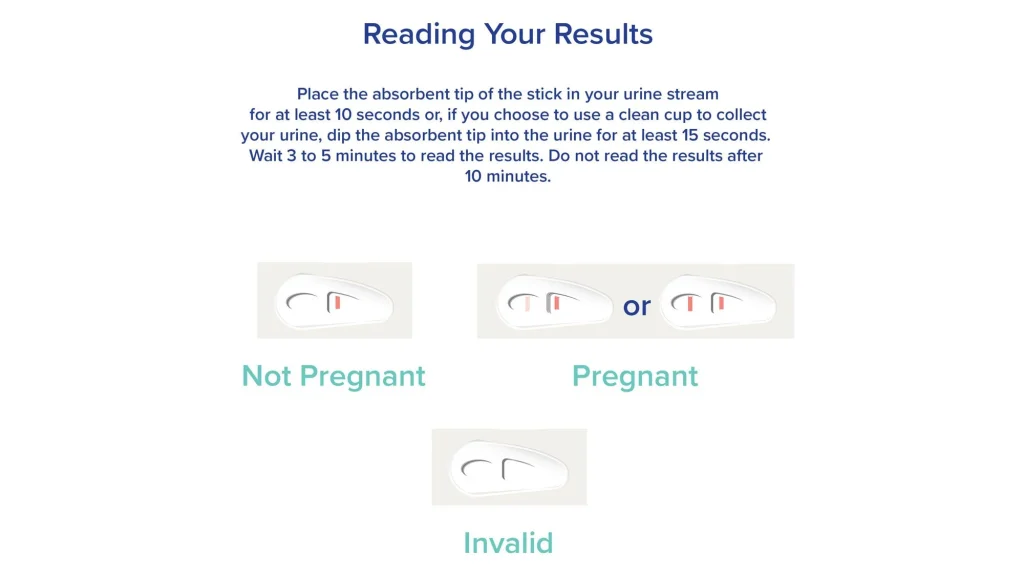
    Instructions for reading pregnancy test results with visual indicators for "Not Pregnant," "Pregnant," and "Invalid.

    Exploring the Relationship Between Cervical Mucus and Endometriosis Risk

    Additionally, research has also shown that the composition of cervical mucus may be altered in women with endometriosis. A study published in the Journal of Obstetrics and Gynaecology Research found that women with endometriosis had higher levels of a specific protein in their cervical mucus called macrophage migration inhibitory factor (MIF). This protein is known to play a role in the inflammatory response, and its presence in cervical mucus may contribute to the inflammation and scarring associated with endometriosis.

    Another factor that may be involved in the relationship between cervical mucus and endometriosis risk is the ability of sperm to penetrate the mucus. A study published in the journal Fertility and Sterility found that sperm from infertile women with endometriosis had a reduced ability to penetrate cervical mucus compared to sperm from fertile women. This could potentially lead to difficulties with fertilization and increase the risk of endometriosis.

    While more research is needed to fully understand the link between cervical mucus and endometriosis risk, there are some steps that women can take to help maintain healthy cervical mucus levels. One important factor is maintaining a healthy hormonal balance. This can be achieved through a well-balanced diet, regular exercise, and managing stress levels.

    In addition, women with endometriosis may benefit from using fertility-friendly lubricants during intercourse. These lubricants are specifically designed to mimic the natural properties of cervical mucus and can help to create a more hospitable environment for sperm to travel through.

    It is also essential for women to track their menstrual cycles and pay attention to any changes in their cervical mucus. Changes in the amount, consistency, or color of cervical mucus may be an indication of hormonal imbalances or other underlying health issues.

    In conclusion, there is a growing body of evidence to suggest that there is a relationship between cervical mucus and endometriosis risk. While more research is needed to fully understand this connection, it is clear that maintaining healthy cervical mucus levels is crucial for overall reproductive health. By paying attention to changes in cervical mucus and taking steps to maintain hormonal balance, women may be able to reduce their risk of developing endometriosis and its associated symptoms.

  • The Role of Cervical Mucus in Endometriosis Diagnosis and Treatment

    Blog Post:

    Endometriosis is a common gynecological disorder that affects millions of women worldwide. It occurs when the tissue that lines the uterus, known as the endometrium, grows outside of the uterus, causing inflammation and pain in the reproductive organs. It is estimated that 1 in 10 women of reproductive age have endometriosis, but unfortunately, many cases go undiagnosed or misdiagnosed for years. This is because endometriosis symptoms can vary greatly and are often attributed to other conditions. However, one crucial factor in the diagnosis and treatment of endometriosis is the role of cervical mucus.

    Cervical mucus, also known as cervical fluid, is a clear or white fluid produced by the cervix, the lower part of the uterus that connects to the vagina. It plays a significant role in the female reproductive system, helping sperm reach the egg for fertilization and providing an ideal environment for the embryo to implant in the uterus. But cervical mucus also plays a crucial role in the diagnosis and treatment of endometriosis.

    The Role of Cervical Mucus in Endometriosis Diagnosis:

    One of the most challenging aspects of endometriosis is its diagnosis. The only way to definitively diagnose endometriosis is through a laparoscopy, a surgical procedure where a small camera is inserted into the abdomen to look for endometrial tissue outside of the uterus. However, before resorting to surgery, doctors will often use other tools to help diagnose endometriosis, and cervical mucus is one of them.

    During a woman’s menstrual cycle, the consistency and amount of cervical mucus change. At the beginning of the cycle, there is little to no cervical mucus, but as ovulation approaches, the cervical mucus becomes thinner and more abundant. This is known as fertile cervical mucus and is crucial for sperm to reach the egg for fertilization. However, in women with endometriosis, the cervical mucus may be thicker and more hostile to sperm, making it difficult for conception to occur.

    home insemination kit components: a syringe and a collection container against a blue background.

    The Role of Cervical Mucus in Endometriosis Diagnosis and Treatment

    In addition to changes in consistency, the cervical mucus of women with endometriosis may also contain inflammatory markers. These markers can be detected through a cervical mucus sample and can help doctors identify the presence of endometriosis. In a study published in the Journal of Assisted Reproduction and Genetics, researchers found that women with endometriosis had higher levels of inflammatory markers in their cervical mucus compared to women without the condition. This suggests that analyzing cervical mucus can be a useful tool in the diagnosis of endometriosis.

    The Role of Cervical Mucus in Endometriosis Treatment:

    In addition to diagnosing endometriosis, cervical mucus also plays a crucial role in its treatment. One of the primary treatments for endometriosis is hormonal birth control, which aims to suppress ovulation and reduce the amount of estrogen in the body, as estrogen can fuel the growth of endometrial tissue. However, birth control can also have an impact on cervical mucus.

    Hormonal birth control can change the consistency and amount of cervical mucus, making it more difficult for sperm to reach the egg. This can be especially beneficial for women with endometriosis, as it can help prevent conception and give their bodies a break from the constant inflammation and pain caused by the condition. In some cases, doctors may also prescribe fertility medications to help regulate ovulation and improve the quality of cervical mucus in women with endometriosis who are trying to conceive.

    Another treatment option for endometriosis is surgery, where the endometrial tissue is removed from the reproductive organs. This can also have an impact on cervical mucus, as the removal of endometrial tissue can create a healthier environment for sperm to reach the egg. In some cases, surgery may even improve the quality of cervical mucus, making conception more likely.

    In summary, cervical mucus plays a vital role in the diagnosis and treatment of endometriosis. Changes in the consistency and amount of cervical mucus can provide valuable information for doctors in identifying the condition, and hormonal treatments or surgery can also impact the quality of cervical mucus. By understanding the role of cervical mucus in endometriosis, women and their doctors can work together to manage the condition and improve their overall reproductive health.

  • The Link Between Endometriosis and Abnormal Cervical Mucus

    Blog Post: The Link Between Endometriosis and Abnormal Cervical Mucus

    Endometriosis is a common and often painful reproductive disorder that affects 1 in 10 women of reproductive age. It is characterized by the abnormal growth of endometrial tissue outside of the uterus, causing symptoms such as pelvic pain, heavy menstrual bleeding, and infertility. While the exact cause of endometriosis is unknown, there is evidence to suggest that abnormal cervical mucus may play a role in the development and progression of this condition.

    Cervical mucus is a fluid that is produced by the cervix and plays a crucial role in fertility and conception. It helps to nourish and protect sperm, allowing them to survive and swim towards the egg for fertilization. In women with endometriosis, there are changes in the composition and consistency of cervical mucus, which can impact fertility and contribute to the development of this disorder.

    One of the main ways in which abnormal cervical mucus may be linked to endometriosis is through its effect on sperm. Studies have shown that women with endometriosis have a higher percentage of sperm with abnormal morphology (shape) and decreased motility (movement) compared to women without endometriosis. This is likely due to the hostile environment created by the abnormal cervical mucus, which can hinder the sperm’s ability to reach and fertilize the egg.

    Moreover, the quality of cervical mucus can also affect the success of assisted reproductive techniques such as intrauterine insemination (IUI) and in vitro fertilization (IVF). In a study of women undergoing IVF, those with endometriosis had lower levels of fertile cervical mucus, leading to a decrease in the number of eggs retrieved and a lower pregnancy rate compared to women without endometriosis.

    In addition to its impact on fertility, abnormal cervical mucus can also contribute to the development and progression of endometriosis. The endometrial tissue that grows outside of the uterus can become trapped in the cervix, leading to inflammation and scarring. This can further disrupt the production and function of cervical mucus, creating a vicious cycle that worsens the symptoms of endometriosis.

    Furthermore, studies have shown that women with endometriosis have higher levels of inflammatory cytokines in their cervical mucus. These cytokines are signaling molecules that play a role in the body’s immune response and can contribute to the growth and spread of endometriosis. This suggests that the abnormal cervical mucus in women with endometriosis may create a pro-inflammatory environment that promotes the development and progression of this disorder.

    at-home insemination kit by Mosie Baby, featuring syringes and containers for comfort and convenience.

    The Link Between Endometriosis and Abnormal Cervical Mucus

    So, what can be done to address the link between endometriosis and abnormal cervical mucus? While there is no one-size-fits-all solution, there are some steps that can be taken to improve the quality of cervical mucus and potentially reduce the symptoms of endometriosis. These include:

    1. Hormonal therapy: Hormonal birth control methods such as the pill, patch, or hormonal IUD can help regulate the menstrual cycle and reduce the production of endometrial tissue. This, in turn, can improve the quality of cervical mucus and decrease inflammation in the reproductive organs.

    2. Surgical intervention: In severe cases of endometriosis, surgery may be necessary to remove the abnormal tissue and improve fertility. This can also help to clear any trapped endometrial tissue in the cervix, improving the quality of cervical mucus.

    3. Lifestyle changes: Maintaining a healthy weight, reducing alcohol and caffeine consumption, and managing stress levels can all have a positive impact on hormonal balance and cervical mucus production.

    4. Fertility treatments: For women struggling with infertility due to endometriosis, fertility treatments such as IUI or IVF may be recommended to bypass the hostile cervical mucus and increase the chances of conception.

    In conclusion, there is a clear link between endometriosis and abnormal cervical mucus. The changes in cervical mucus composition and function can contribute to the development and progression of this disorder, as well as impact fertility and reproductive outcomes. By addressing the quality of cervical mucus, it may be possible to improve symptoms and increase the chances of conception for women with endometriosis.

    Summary:

    Endometriosis is a common reproductive disorder that affects 1 in 10 women of reproductive age. Abnormal cervical mucus has been found to play a role in the development and progression of this condition. Changes in cervical mucus composition and function can impact fertility, sperm quality, and contribute to inflammation that promotes the growth of endometriosis. Treatment options include hormonal therapy, surgical intervention, lifestyle changes, and fertility treatments to address the link between endometriosis and abnormal cervical mucus.

  • Cervical Mucus and Endometriosis: The Role of Estrogen

    Cervical Mucus and Endometriosis: The Role of Estrogen

    Estrogen is a hormone that plays a critical role in the female reproductive system. It is responsible for regulating the menstrual cycle, maintaining bone health, and promoting the development of secondary sexual characteristics. However, estrogen levels can also have a significant impact on the cervical mucus and endometriosis. In this blog post, we will explore the relationship between estrogen and these two conditions and how they can affect a woman’s overall reproductive health.

    Understanding Cervical Mucus

    Cervical mucus is a fluid secreted by the cells of the cervix. It plays a vital role in the fertility cycle by providing a pathway for sperm to reach the egg. The consistency and quality of cervical mucus are influenced by estrogen levels in the body. During the first half of the menstrual cycle, estrogen levels rise, causing the cervical mucus to become thin, clear, and stretchy. This type of mucus is known as “fertile” mucus as it helps sperm travel through the cervix and into the uterus more easily. As a woman approaches ovulation, her body produces even more estrogen, leading to an increase in the amount of fertile mucus. This helps to create an optimal environment for fertilization.

    In contrast, during the second half of the menstrual cycle, estrogen levels drop, causing the cervical mucus to become thicker and less favorable for sperm. This change in mucus consistency serves as a natural barrier to protect the uterus from infection and prevent sperm from entering during a non-fertile period.

    The Role of Estrogen in Endometriosis

    Endometriosis is a condition in which tissue similar to the lining of the uterus grows outside of the uterus, often leading to painful and heavy periods, infertility, and other complications. Estrogen plays a critical role in the development and progression of this condition. The endometrial tissue outside of the uterus responds to estrogen in the same way that the tissue inside the uterus does, thickening and breaking down during the menstrual cycle. This can cause severe inflammation and scarring, leading to pain and other symptoms associated with endometriosis.

    Estrogen also contributes to the growth and spread of endometriosis by promoting the growth of blood vessels that supply the endometrial tissue. As a result, the tissue can continue to grow and spread, causing more damage and pain. Additionally, high levels of estrogen can also impact the immune system’s ability to fight off endometrial tissue growth and prevent it from attaching to other organs outside the uterus.

    Baby wearing a blue shirt with "made with Love" text, surrounded by colorful floral and butterfly designs.

    Cervical Mucus and Endometriosis: The Role of Estrogen

    Possible Treatment Options

    Due to the significant role that estrogen plays in cervical mucus and endometriosis, treatment options often focus on regulating estrogen levels in the body. For women with endometriosis, hormonal birth control is a common treatment that can help to balance estrogen levels and reduce the growth of endometrial tissue. In some cases, doctors may also prescribe medications that suppress estrogen production in the body, such as Gonadotropin-releasing hormone (GnRH) agonists.

    For women trying to conceive, monitoring cervical mucus can be a useful tool. By tracking changes in the consistency and amount of cervical mucus, women can determine when they are most fertile and increase their chances of getting pregnant. On the other hand, women with endometriosis may experience difficulty getting pregnant due to the impact of estrogen on the endometrial tissue. In these cases, fertility treatments such as in vitro fertilization (IVF) may be recommended.

    The Importance of Balancing Estrogen Levels

    Maintaining a healthy balance of estrogen in the body is crucial for overall reproductive health. Too much or too little estrogen can lead to various issues, including abnormal cervical mucus and endometriosis. Therefore, it is essential to understand the signs and symptoms of hormonal imbalances and seek medical advice if necessary. Making healthy lifestyle choices, such as maintaining a healthy weight and managing stress, can also help regulate estrogen levels and promote a healthy menstrual cycle.

    In conclusion, estrogen plays a crucial role in the production and quality of cervical mucus and the development of endometriosis. By understanding the impact of estrogen on these conditions, women can take proactive steps to manage their reproductive health and seek appropriate treatment if needed. Maintaining a healthy balance of estrogen is essential for overall reproductive health, and it is vital to pay attention to any changes in cervical mucus or symptoms of endometriosis. By working closely with a healthcare provider, women can navigate these conditions and promote optimal reproductive health.

    Summary:

    Estrogen is a hormone that plays a critical role in the female reproductive system. It affects the production and quality of cervical mucus, which is important for fertility. During the first half of the menstrual cycle, estrogen levels rise, causing fertile mucus to aid sperm in reaching the egg. In contrast, during the second half of the cycle, estrogen levels drop, leading to thicker and less favorable mucus. Estrogen also plays a significant role in endometriosis, a condition in which tissue similar to the lining of the uterus grows outside of the uterus. High levels of estrogen can contribute to the growth and spread of endometriosis, making it a significant factor in treatment options. Balancing estrogen levels in the body is crucial for overall reproductive health, and women should pay attention to any changes in cervical mucus or symptoms of endometriosis.

  • The Importance of Cervical Mucus Observations for Women with Endometriosis

    Summary:

    Endometriosis is a chronic disorder that affects millions of women worldwide and can cause severe pain and fertility issues. While there is no cure for endometriosis, there are ways to manage symptoms and improve overall quality of life. One important aspect of managing endometriosis is through cervical mucus observations. Cervical mucus is a natural and important fluid produced by the cervix that can provide valuable insights into a woman’s reproductive health. In this blog post, we will discuss the importance of cervical mucus observations for women with endometriosis and how it can help in managing this condition.

    Firstly, it is essential to understand what cervical mucus is and how it is related to endometriosis. Cervical mucus is a clear or white fluid produced by the cervix that serves as a protective barrier for sperm to reach the egg. It also changes in consistency and amount throughout the menstrual cycle, indicating when a woman is most fertile. In women with endometriosis, the quality and quantity of cervical mucus can be affected due to inflammation and scarring caused by the condition. This can make it difficult for sperm to reach the egg and result in fertility issues.

    By regularly observing and tracking changes in cervical mucus, women with endometriosis can gain valuable insights into their menstrual cycle and fertility. It can help them identify the most fertile days of their cycle and increase their chances of conception. Additionally, changes in cervical mucus can also provide important clues about the progression of endometriosis. For example, if a woman notices a decrease in the amount of cervical mucus or a change in its consistency, it could indicate a flare-up of endometriosis. This information can be shared with a healthcare provider, who can then adjust treatment accordingly.

    pregnancy test kit with instructions, test device, and packaging on a white background

    The Importance of Cervical Mucus Observations for Women with Endometriosis

    Another crucial aspect of cervical mucus observations for women with endometriosis is its role in tracking ovulation. Ovulation is the process of releasing an egg from the ovary, and it is essential for pregnancy. However, due to the irregularities in the menstrual cycle caused by endometriosis, it can be challenging to track ovulation. By observing changes in cervical mucus, women can identify when they are most likely to ovulate and plan their pregnancy journey accordingly.

    Moreover, cervical mucus observations can also provide insights into hormone levels and the overall health of the reproductive system. The consistency and amount of cervical mucus are affected by estrogen and progesterone levels, which are essential hormones for a healthy menstrual cycle. By tracking changes in cervical mucus, women with endometriosis can identify any imbalances in their hormone levels and work with their healthcare provider to address them.

    Apart from fertility and hormone levels, cervical mucus observations can also help in monitoring the effectiveness of treatment for endometriosis. Many treatment options for endometriosis, such as hormonal birth control and surgery, can affect cervical mucus production and quality. By regularly tracking changes in cervical mucus, women can determine if their treatment is working and if any adjustments need to be made.

    In conclusion, cervical mucus observations are a valuable tool for women with endometriosis. It can provide insights into fertility, ovulation, hormone levels, and treatment effectiveness. By understanding the importance of cervical mucus and how it relates to endometriosis, women can take an active role in managing their condition and improving their reproductive health.