Tag: aging

  • Exploring the Connection Between Age and Cervical Mucus Production

    Blog Post:

    As women, our bodies go through many changes as we age. One aspect of our reproductive health that often goes unnoticed is the production and quality of cervical mucus. Cervical mucus, also known as cervical fluid, plays a crucial role in fertility and overall vaginal health. In this blog post, we will explore the connection between age and cervical mucus production, and how it can impact our reproductive health.

    What is Cervical Mucus?

    Cervical mucus is a fluid produced by the cervix, the opening of the uterus, and is secreted by the cells lining the cervix. It serves as a protective barrier for the uterus, preventing bacteria and other harmful substances from entering. Additionally, cervical mucus plays a crucial role in fertility by helping sperm travel through the cervix and into the uterus.

    Cervical Mucus and Age

    The production and quality of cervical mucus can vary greatly throughout a woman’s lifetime. In general, women tend to produce less cervical mucus as they age. This is due to the natural decline in estrogen levels that occurs as women approach menopause. Estrogen is responsible for stimulating the production of cervical mucus, so a decrease in this hormone can lead to less mucus production.

    In addition to quantity, the quality of cervical mucus also changes with age. In younger women, cervical mucus tends to be more abundant, thin, and stretchy, resembling raw egg whites. This type of mucus is ideal for sperm to swim through and reach the egg. As women age, their cervical mucus may become thicker and more hostile to sperm, making it more difficult for fertilization to occur.

    Impact on Fertility

    The production and quality of cervical mucus can have a significant impact on a woman’s fertility. In younger women, the presence of fertile cervical mucus indicates that ovulation is approaching and that it is an optimal time for conception. As women age and produce less cervical mucus, it can become more challenging to track ovulation and time intercourse for optimal fertility.

    Furthermore, changes in cervical mucus can also impact the success of fertility treatments. For example, during in vitro fertilization (IVF), doctors rely on cervical mucus to help sperm travel through the cervix and into the uterus. If a woman’s cervical mucus is too thick or hostile, it can impede the success of the procedure.

    Vaginal Health
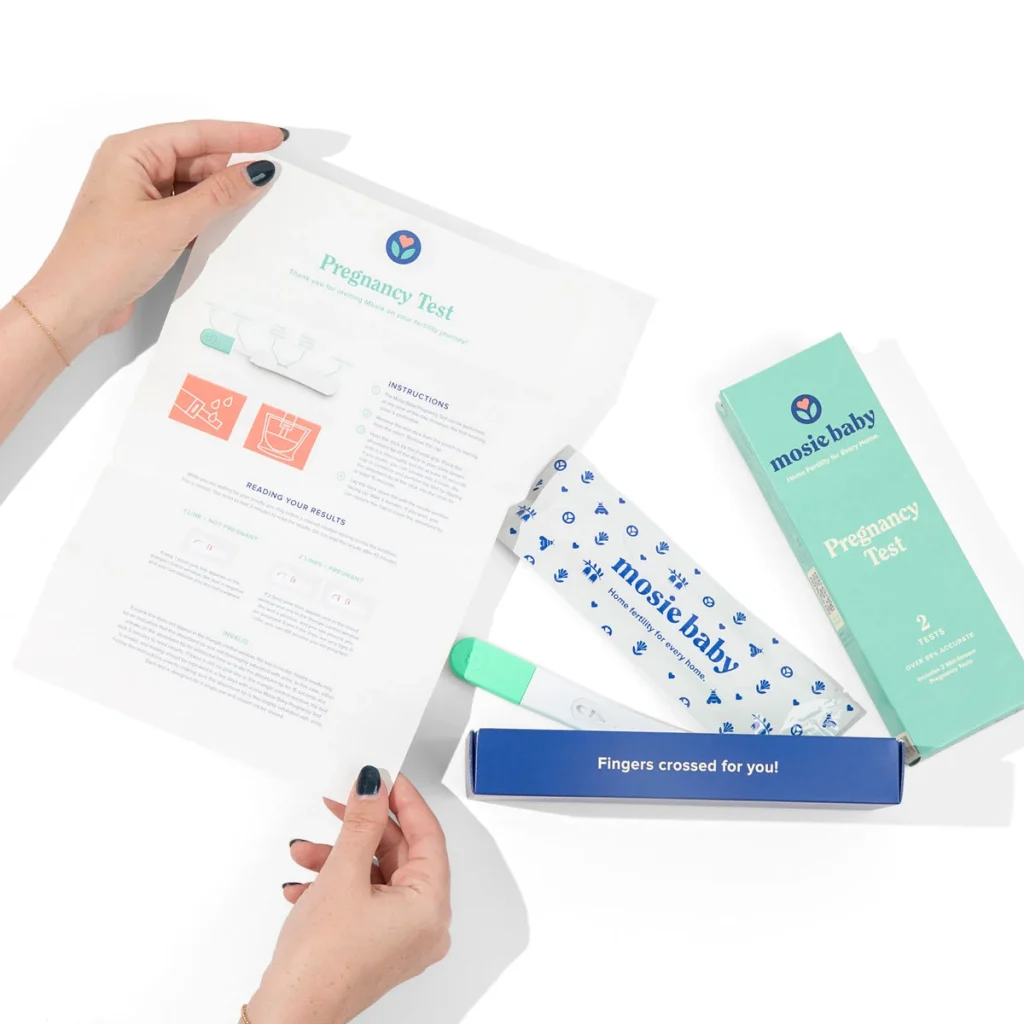
    pregnancy test kit with instructions, test device, and packaging on a white background

    Exploring the Connection Between Age and Cervical Mucus Production

    Cervical mucus is also essential for maintaining vaginal health. It serves as a natural lubricant and helps to maintain the pH balance of the vagina. As women age and produce less cervical mucus, they may experience vaginal dryness, which can lead to discomfort and even pain during intercourse. It can also increase the risk of vaginal infections and urinary tract infections.

    Ways to Improve Cervical Mucus Production

    While the production and quality of cervical mucus may decline with age, there are ways to improve it and maintain overall vaginal health. Here are a few tips to consider:

    1. Stay hydrated: Drinking plenty of water can help keep cervical mucus thin and more hospitable to sperm.

    2. Take a fertility supplement: There are many supplements on the market that claim to improve cervical mucus production. Look for ingredients like evening primrose oil, which can help thin out mucus.

    3. Use fertility-friendly lubricants: If you experience vaginal dryness, consider using fertility-friendly lubricants that do not interfere with sperm motility.

    4. Consider fertility treatments: If you are struggling with infertility, your doctor may prescribe medications or procedures to help improve cervical mucus production.

    5. Avoid medications that can dry out mucus: Certain medications, such as antihistamines and decongestants, can dry out cervical mucus. If trying to conceive, it may be best to avoid these medications.

    Maintaining overall vaginal health is also crucial for optimal cervical mucus production. This includes keeping the vagina clean and avoiding irritants such as douches and scented products.

    In conclusion, the connection between age and cervical mucus production is undeniable. As women age, their bodies go through many changes, including a natural decline in estrogen levels, which can impact cervical mucus production and quality. By understanding this connection and taking steps to improve cervical mucus, women can maintain their reproductive health and increase their chances of conception.

    Summary:

    Cervical mucus, the fluid produced by the cervix, plays a crucial role in fertility and vaginal health. As women age, their production and quality of cervical mucus can decline due to a decrease in estrogen levels. This can impact fertility and overall reproductive health. However, there are ways to improve cervical mucus production, such as staying hydrated, taking fertility supplements, and considering fertility treatments. Maintaining overall vaginal health is also essential for optimal cervical mucus production.

  • Cervical Mucus and Age: How It Changes as You Get Older

    Cervical mucus is a natural fluid produced by the cervix that plays an important role in fertility and overall reproductive health. It serves as a protective barrier for the reproductive organs and helps to facilitate the movement of sperm towards the egg. However, as women age, the composition and quantity of cervical mucus can change, which can have a significant impact on their ability to conceive and maintain a healthy pregnancy. In this blog post, we will explore how cervical mucus changes as a woman gets older, and what implications these changes may have on fertility and overall reproductive health.

    Cervical mucus is produced by the cells lining the cervix and is influenced by hormones, particularly estrogen and progesterone. The consistency, color, and amount of cervical mucus can vary throughout a woman’s menstrual cycle, and these changes are closely linked to fertility. In general, cervical mucus can be classified into four main types: dry, sticky, creamy, and egg white.

    In the early stages of a woman’s reproductive years, typically from puberty to her late 20s, cervical mucus is usually abundant, thin, and stretchy, resembling raw egg whites. This type of mucus is known as fertile cervical mucus and is considered optimal for sperm survival and movement. It also helps to create a favorable environment for fertilization by providing the sperm with a pathway to reach the egg.

    As a woman enters her 30s and 40s, her fertility begins to decline, and this is reflected in changes in cervical mucus. The levels of estrogen and progesterone decline, leading to less fertile mucus. This is because the cervix produces less mucus during this time, and the quality of mucus changes. It may become thicker, stickier, and less stretchy, making it difficult for sperm to survive and reach the egg.

    Furthermore, as women enter perimenopause and eventually menopause, the production of cervical mucus decreases significantly. This is due to a decline in estrogen levels, which is a natural part of the aging process. As a result, women in this stage may experience a dry or sticky sensation in the vaginal area, and there may be little to no cervical mucus present.

    at-home insemination kit by Mosie Baby, featuring syringes, collection cups, and instructions on a pink background.

    Cervical Mucus and Age: How It Changes as You Get Older

    These changes in cervical mucus can have a significant impact on a woman’s fertility. Fertile cervical mucus is crucial for conception as it helps to keep sperm alive and facilitate their journey to the egg. Without this fertile mucus, the chances of sperm survival and fertilization decrease. Therefore, as a woman ages and enters perimenopause and menopause, her fertility declines due in part to changes in cervical mucus.

    In addition to fertility, cervical mucus also plays a role in overall reproductive health. It serves as a protective barrier against bacteria and infections, and its consistency can provide valuable insights into a woman’s menstrual cycle and health. Changes in cervical mucus, such as an increase in discharge or a foul odor, may indicate an underlying issue that requires medical attention.

    While it is natural for cervical mucus to change as a woman ages, there are ways to support and maintain healthy cervical mucus. Staying hydrated and maintaining a well-balanced diet can help to keep cervical mucus at optimal levels. Additionally, certain supplements, such as vitamin B6 and evening primrose oil, may also help to improve the quality and quantity of cervical mucus.

    In conclusion, cervical mucus is an essential aspect of a woman’s reproductive health that can change significantly as she ages. From the abundance of fertile mucus in her early reproductive years to the decline in production during perimenopause and menopause, these changes can have a significant impact on fertility and overall reproductive health. It is essential for women to be aware of these changes and take steps to support and maintain healthy cervical mucus as they age.

    Summary:

    Cervical mucus is a natural fluid produced by the cervix that plays a crucial role in fertility and overall reproductive health. As women age, the composition and quantity of cervical mucus can change, which can have a significant impact on their ability to conceive and maintain a healthy pregnancy. In the early reproductive years, cervical mucus is usually abundant, thin, and stretchy, but as a woman enters her 30s and 40s, the levels of estrogen and progesterone decline, leading to less fertile mucus. This decline continues into perimenopause and menopause, where the production of cervical mucus decreases significantly. These changes can have a significant impact on fertility and overall reproductive health, making it essential for women to be aware of these changes and take steps to support and maintain healthy cervical mucus as they age.