Tag: Hormonal Imbalance

  • The Surprising Ways Cervical Mucus Can Affect Endometriosis

    Blog Post: The Surprising Ways Cervical Mucus Can Affect Endometriosis

    Endometriosis is a chronic condition that affects millions of women worldwide. It occurs when the tissue that lines the uterus grows outside of it, causing pain, inflammation, and other symptoms. While the exact cause of endometriosis is unknown, researchers have uncovered a surprising link between cervical mucus and this condition. In this blog post, we will explore the various ways in which cervical mucus can affect endometriosis and what you can do to manage it.

    Understanding Cervical Mucus

    Before we dive into the connection between cervical mucus and endometriosis, it’s essential to understand what cervical mucus is and its role in the female reproductive system. Cervical mucus is a natural fluid produced by the cervix, the lower part of the uterus. It plays a crucial role in fertility as it helps sperm travel through the cervix and into the uterus to fertilize an egg.

    Cervical Mucus and Endometriosis

    One of the most surprising ways that cervical mucus can affect endometriosis is through its impact on fertility. Women with endometriosis often have abnormal cervical mucus, which can make it difficult for sperm to reach the egg. This can result in difficulties conceiving and infertility. Studies have shown that women with endometriosis have a higher concentration of white blood cells in their cervical mucus, which can kill sperm and prevent fertilization.

    Additionally, the consistency and quality of cervical mucus can also affect endometriosis symptoms. Women with endometriosis tend to have thicker and stickier cervical mucus, making it harder for sperm to penetrate. This can also make it difficult for menstrual blood to flow out of the uterus, causing it to back up and contribute to the development of endometriosis lesions.

    Hormonal Imbalance and Cervical Mucus

    Hormonal imbalance is another common factor in both endometriosis and cervical mucus abnormalities. Women with endometriosis often have higher levels of estrogen, which can cause the cervix to produce more mucus. This excess mucus can make it difficult for sperm to travel through the cervix and reach the egg, affecting fertility.

    various medical supplies and containers organized in a clear plastic box on a wooden surface

    The Surprising Ways Cervical Mucus Can Affect Endometriosis

    Moreover, hormonal fluctuations throughout the menstrual cycle can also impact the quality and quantity of cervical mucus. During ovulation, cervical mucus becomes thinner and more watery, making it easier for sperm to swim through. However, women with endometriosis may have irregular ovulation, leading to abnormal cervical mucus production and further affecting fertility.

    Managing Cervical Mucus and Endometriosis

    While there is no cure for endometriosis, there are ways to manage its symptoms. When it comes to cervical mucus, there are several lifestyle changes and treatments that can help improve its quality and quantity.

    1. Stay Hydrated: Drinking plenty of water can help thin out cervical mucus, making it easier for sperm to travel through.

    2. Avoid Irritating Products: Certain products, such as douches and scented tampons, can disrupt the pH balance of the vagina and affect cervical mucus production. Stick to unscented and gentle products to avoid irritation.

    3. Consider Fertility Treatments: If you are struggling with infertility due to endometriosis, fertility treatments like intrauterine insemination (IUI) or in vitro fertilization (IVF) can help bypass cervical mucus and increase your chances of conceiving.

    4. Hormonal Birth Control: Hormonal birth control can help regulate hormonal imbalances and reduce the production of cervical mucus. This can also help alleviate endometriosis symptoms.

    5. Natural Remedies: Some natural remedies, such as herbal supplements and acupuncture, can help regulate hormones and improve cervical mucus quality. However, always consult with your doctor before trying any alternative treatments.

    In conclusion, the connection between cervical mucus and endometriosis may be surprising, but it is crucial to understand for those affected by this condition. By managing cervical mucus production, you can potentially improve fertility and alleviate endometriosis symptoms. As always, consult with your doctor for personalized treatment options and advice.

    Summary: Endometriosis is a chronic condition that can cause pain, inflammation, and infertility in women. Recent research has shown a link between cervical mucus and endometriosis. Women with endometriosis often have abnormal cervical mucus, which can affect fertility and contribute to the development of endometriosis lesions. Hormonal imbalances and irregular ovulation can also impact cervical mucus production. To manage the symptoms of endometriosis, it is essential to stay hydrated, avoid irritating products, consider fertility treatments, and explore natural remedies. Consult with your doctor for personalized treatment options.


  • Progesterone and Cervical Mucus: Understanding the Hormonal Dance for Conception

    Progesterone and Cervical Mucus: Understanding the Hormonal Dance for Conception

    Conception, the process of fertilization and implantation of an embryo in the uterus, is a natural and beautiful part of life. However, for some individuals or couples, it may not come as easily as they had hoped. This can be a difficult and emotional journey, but understanding the role of hormones, specifically progesterone and cervical mucus, in the fertility cycle can help increase the chances of successful conception. In this blog post, we will dive into the world of progesterone and cervical mucus, and how they work together in the body to create the ideal environment for conception.

    Progesterone is a hormone that plays a crucial role in the menstrual cycle and pregnancy. It is primarily produced by the ovaries after ovulation and is responsible for preparing the uterus for potential pregnancy. Its main job is to thicken the lining of the uterus, making it easier for an embryo to implant and grow. Progesterone also helps regulate the menstrual cycle, preventing ovulation from occurring again while a fertilized egg is present.

    On the other hand, cervical mucus is a fluid produced by the cervix that changes in consistency throughout the menstrual cycle. It is essential for conception as it helps the sperm reach and fertilize the egg. During the fertile window, which is typically around 5 days before ovulation, cervical mucus becomes thin, slippery, and stretchy, creating a hospitable environment for the sperm to swim through. After ovulation, the mucus becomes thicker, creating a barrier that prevents sperm from entering the cervix.

    Now that we understand the basic functions of progesterone and cervical mucus, let’s take a deeper dive into how they work together to support conception.

    The Hormonal Dance for Conception

    The menstrual cycle is divided into two phases: the follicular phase and the luteal phase. The follicular phase begins on the first day of menstruation and lasts until ovulation occurs. During this phase, the pituitary gland releases follicle-stimulating hormone (FSH), which stimulates the ovaries to produce follicles, each containing an egg. As these follicles grow, they also produce estrogen, which thickens the uterine lining and causes the cervical mucus to become thin and watery.

    Around day 14 of a typical 28-day cycle, a surge of luteinizing hormone (LH) is released, triggering ovulation. This surge also causes the follicle to rupture, releasing the egg into the fallopian tube. After ovulation, the luteal phase begins, which is when the ovaries start producing progesterone. This hormone helps prepare the uterus for implantation and maintains a healthy environment for the embryo to grow.

    During the luteal phase, cervical mucus becomes thicker, creating a barrier that helps prevent bacteria and other foreign substances from entering the uterus. This thicker mucus also helps support the uterus’s lining, keeping it in place for potential implantation. If fertilization does not occur, progesterone levels drop, signaling the body to shed the uterine lining, resulting in menstruation.

    However, if fertilization does occur, progesterone levels will continue to rise, maintaining the uterine lining and supporting the growing embryo. As the pregnancy progresses, the placenta will take over the production of progesterone, and the cervix will produce a thick plug of mucus to protect the growing baby.

    The Effect of Hormonal Imbalances on Conception

    various medical supplies and containers organized in a clear plastic box on a wooden surface

    Progesterone and Cervical Mucus: Understanding the Hormonal Dance for Conception

    When it comes to conception, hormonal imbalances can significantly impact the chances of success. For example, if there is not enough progesterone present during the luteal phase, the uterine lining may not thicken enough, making it difficult for an embryo to implant. This can lead to early miscarriage or difficulty getting pregnant.

    On the other hand, too much progesterone can also be problematic. It can cause the cervix to produce too much mucus, creating a barrier that is too thick for sperm to pass through, making it challenging for fertilization to occur. Additionally, hormonal imbalances can also affect the consistency of cervical mucus, making it difficult for sperm to swim through and reach the egg.

    How to Promote a Healthy Hormonal Balance for Conception

    Maintaining a healthy hormonal balance is crucial for conception. If you are trying to get pregnant, there are several things you can do to support this delicate dance of hormones:

    1. Track Your Menstrual Cycle: Understanding your menstrual cycle and tracking your fertile window can help you time intercourse during the most fertile days. This can increase the chances of sperm reaching the egg and fertilizing it.

    2. Eat a Balanced Diet: Nutrition plays a vital role in hormone production and balance. Make sure to eat a diet rich in healthy fats, proteins, and complex carbohydrates to support proper hormone function.

    3. Manage Stress: Stress can significantly impact hormone levels and disrupt the menstrual cycle. Finding healthy ways to manage stress, such as yoga, meditation, or therapy, can help support a healthy hormonal balance.

    4. Consider Natural Supplements: Certain supplements, like vitamin B6, can help promote healthy progesterone levels. However, it is essential to consult with a healthcare provider before adding any supplements to your routine.

    5. Seek Medical Help: If you have been trying to conceive for over a year without success, it may be time to seek medical help. A fertility specialist can help identify any underlying hormonal imbalances and provide appropriate treatment options.

    In conclusion, progesterone and cervical mucus play a crucial role in the hormonal dance for conception. By understanding their functions and how they work together, individuals and couples can take the necessary steps to promote a healthy hormonal balance and increase their chances of successful conception. Remember, every body is different, and it is essential to listen to your body and seek medical help if needed. With patience, perseverance, and the right information, the journey to conception can be a fulfilling and rewarding one.

    Summary:

    Conception is a natural and beautiful part of life, but for some, it may not come easily. Understanding the role of hormones, specifically progesterone and cervical mucus, in the fertility cycle can increase the chances of successful conception. Progesterone helps prepare the uterus for pregnancy, while cervical mucus creates a hospitable environment for sperm. The menstrual cycle is divided into two phases, and hormonal imbalances can significantly impact conception. To promote a healthy hormonal balance, individuals can track their cycle, manage stress, eat a balanced diet, consider supplements, and seek medical help if needed.

  • Boosting Progesterone for Optimal Cervical Mucus and Fertility

    Boosting Progesterone for Optimal Cervical Mucus and Fertility: A Comprehensive Guide

    Cervical mucus is a crucial component of the female reproductive system. It plays a vital role in fertility and conception by providing a hospitable environment for sperm to survive and swim through to reach the egg. However, several factors can affect the quality and quantity of cervical mucus, including hormonal imbalances. One hormone that plays a significant role in cervical mucus production is progesterone. In this blog post, we will discuss the importance of progesterone in cervical mucus and fertility, and ways to boost its levels for optimal reproductive health.

    What is Progesterone?
    Progesterone is a hormone produced by the ovaries in the second half of the menstrual cycle, also known as the luteal phase. Its primary function is to prepare the uterus for a potential pregnancy by thickening the uterine lining and increasing cervical mucus production. If pregnancy does not occur, progesterone levels drop, and the menstrual cycle begins again.

    The Importance of Progesterone in Cervical Mucus
    Progesterone is essential for the production of fertile-quality cervical mucus. It works in conjunction with estrogen to create a balance in the cervical mucus production. Estrogen is responsible for thinning the mucus, while progesterone thickens it. This thick, creamy cervical mucus provides a conducive environment for sperm survival and transportation to the egg.

    Progesterone also plays a crucial role in the timing of ovulation. As progesterone levels rise, it suppresses the release of follicle-stimulating hormone (FSH) and luteinizing hormone (LH), which are responsible for ovulation. This suppression prevents the release of multiple eggs and ensures that ovulation occurs at the right time for optimal chances of conception.

    Low Progesterone and its Effects on Cervical Mucus and Fertility
    Low levels of progesterone can negatively impact cervical mucus production and fertility. When progesterone levels are low, the cervix produces insufficient amounts of mucus, which can make it difficult for sperm to survive and swim through to reach the egg. This can lead to difficulties in conceiving and increase the risk of miscarriage.

    Low progesterone levels can also affect the timing of ovulation, leading to irregular menstrual cycles and making it challenging to predict the fertile window accurately. Additionally, low progesterone levels can cause other symptoms such as mood swings, bloating, and breast tenderness, which can affect a woman’s overall health and well-being.

    Mosie Baby pregnancy test kit with two tests and packaging, featuring a mint green color scheme.

    Boosting Progesterone for Optimal Cervical Mucus and Fertility

    Boosting Progesterone for Optimal Cervical Mucus and Fertility
    There are various ways to boost progesterone levels to improve cervical mucus production and enhance fertility. Here are some natural methods to consider:

    1. Nutrition and Supplements
    A healthy and balanced diet is crucial for maintaining optimal hormone levels. Foods rich in zinc, magnesium, and vitamin B6 can help boost progesterone production. Some supplements, such as vitex, can also help stimulate progesterone production.

    2. Reduce Stress
    Stress can wreak havoc on hormonal balance, including progesterone. Engaging in stress-reducing activities such as yoga, meditation, or regular exercise can help improve progesterone levels.

    3. Manage Insulin Levels
    Insulin and progesterone have a close relationship. High insulin levels can lead to low progesterone production. Managing insulin levels through a healthy diet and regular exercise can help improve progesterone levels.

    4. Consider Natural Progesterone Cream
    Natural progesterone cream can be applied topically to the skin to help boost progesterone levels. It is essential to consult with a healthcare provider before starting any hormone therapy.

    5. Seek Medical Help
    If natural methods do not seem to improve progesterone levels, it is crucial to seek medical help. A healthcare provider can perform blood tests to determine progesterone levels and recommend appropriate treatment options, such as progesterone supplementation.

    In conclusion, progesterone plays a critical role in cervical mucus production and fertility. Low progesterone levels can negatively impact these factors, making it challenging to conceive. By implementing natural methods and seeking medical help when needed, it is possible to boost progesterone levels for optimal cervical mucus and fertility.

  • Understanding the Connection Between Cervical Mucus and Sperm Motility

    Understanding the Connection Between Cervical Mucus and Sperm Motility

    When it comes to trying to conceive, many couples focus solely on the timing of intercourse and monitoring ovulation. However, there is another crucial factor that plays a significant role in the success of conception – cervical mucus. Cervical mucus is a natural substance produced by the cervix that helps sperm travel through the female reproductive system. In this blog post, we will dive deeper into the connection between cervical mucus and sperm motility and how understanding this link can increase your chances of getting pregnant.

    The Role of Cervical Mucus in Fertility

    Before we discuss the connection between cervical mucus and sperm motility, let’s first understand the role of cervical mucus in fertility. Cervical mucus is a fluid secreted by the cervix that acts as a protective barrier for the female reproductive system. It helps keep the reproductive organs clean and free of any harmful bacteria. Additionally, cervical mucus also plays a crucial role in fertilization.

    Throughout a woman’s menstrual cycle, the consistency and amount of cervical mucus change. During the beginning of the cycle, right after menstruation, the mucus is typically thick and sticky, making it difficult for sperm to penetrate. As ovulation approaches, the mucus becomes thinner and more watery, creating a more hospitable environment for sperm to travel through.

    The Connection Between Cervical Mucus and Sperm Motility

    Now that we have a basic understanding of cervical mucus and its role in fertility, let’s explore how it affects sperm motility. Sperm motility refers to the sperm’s ability to swim and move effectively. In order for conception to occur, sperm must successfully travel through the cervix, into the uterus, and up to the fallopian tubes where fertilization takes place.

    The consistency and quality of cervical mucus can greatly impact sperm motility. The thinner and more watery the mucus, the easier it is for sperm to move through and reach the egg. On the other hand, thick and sticky mucus can hinder sperm movement and decrease the chances of fertilization. This is why timing intercourse around ovulation is crucial, as it ensures that the cervical mucus is in its optimal state for sperm to travel through.

    hand holding a syringe with a blue plunger against a solid blue background

    Understanding the Connection Between Cervical Mucus and Sperm Motility

    Factors That Affect Cervical Mucus and Sperm Motility

    Several factors can affect the quality and quantity of cervical mucus and, in turn, impact sperm motility. One of the main factors is hormonal imbalance. Hormones play a significant role in regulating the production of cervical mucus. Any disruptions in hormone levels can lead to changes in the mucus consistency, making it difficult for sperm to travel through.

    Additionally, certain lifestyle habits such as smoking, excessive alcohol consumption, and drug use can also affect cervical mucus and sperm motility. These substances can alter hormone levels and decrease sperm quality, making it harder for them to travel through the cervix.

    Improving Cervical Mucus and Sperm Motility

    If you are trying to conceive, there are several things you can do to improve cervical mucus and sperm motility. The first step is to ensure that you are ovulating regularly. If you have irregular cycles, speak to your doctor about potential underlying issues and ways to regulate your ovulation.

    Maintaining a healthy lifestyle is also crucial. This includes maintaining a healthy weight, exercising regularly, and avoiding harmful substances such as smoking and excessive alcohol consumption. Good nutrition is also key; make sure to include foods rich in vitamins and minerals that promote fertility, such as leafy greens, fruits, and whole grains.

    In some cases, your doctor may recommend fertility treatments to improve cervical mucus and sperm motility. These treatments may include medications to regulate ovulation or procedures such as intrauterine insemination (IUI) or in vitro fertilization (IVF).

    In summary, cervical mucus and sperm motility are closely connected and play a vital role in the process of conception. Understanding the changes in cervical mucus throughout your cycle and taking steps to improve its quality can greatly increase your chances of getting pregnant. Additionally, maintaining a healthy lifestyle and seeking medical assistance if needed can also help improve fertility.

  • The Link Between Dehydration and Changes in Cervical Mucus Consistency

    Blog Post:

    Dehydration is a common condition that occurs when the body loses more fluid than it takes in. It can be caused by various factors such as excessive sweating, vomiting, diarrhea, or not drinking enough water. While most people are aware of the physical symptoms of dehydration, such as thirst, fatigue, and dry skin, many are not aware of the impact it can have on their reproductive health. Specifically, dehydration can lead to changes in cervical mucus consistency, which can have a significant impact on fertility and overall reproductive health.

    The cervix is a small, narrow passageway that connects the uterus to the vagina. It plays a crucial role in the reproductive process as it allows sperm to travel through to fertilize an egg. Cervical mucus is the fluid produced by the cervix, and it plays a critical role in fertility by providing a hospitable environment for sperm. The consistency of cervical mucus changes throughout a woman’s menstrual cycle, and these changes are influenced by various factors, including hydration levels.

    When a woman is hydrated, her cervical mucus is typically clear, thin, and stretchy, resembling raw egg whites. This type of cervical mucus, known as fertile mucus, is essential for conception as it helps the sperm to swim freely and survive in the reproductive tract. On the other hand, when a woman is dehydrated, her cervical mucus becomes thick, sticky, and cloudy, making it difficult for sperm to reach the egg. This type of mucus is known as infertile mucus, and it can significantly reduce the chances of conception.

    One of the main reasons for the link between dehydration and changes in cervical mucus consistency is the role of water in the body. Water is essential for the production of cervical mucus, and when the body is dehydrated, it cannot produce an adequate amount of mucus. As a result, the cervical mucus becomes thick and sticky, making it difficult for sperm to travel through the cervix. Additionally, dehydration can also affect the pH balance of the reproductive tract, making it less hospitable for sperm.

    comparison of Mosie syringe opening versus standard syringe opening with text highlighting benefits

    The Link Between Dehydration and Changes in Cervical Mucus Consistency

    Another factor that contributes to changes in cervical mucus consistency is the hormone levels in the body. Dehydration can disrupt the delicate balance of hormones and affect the production of estrogen, which is responsible for the changes in cervical mucus consistency. When a woman is dehydrated, her estrogen levels decrease, leading to a decrease in fertile cervical mucus production. This can result in a shorter window of fertility during the menstrual cycle, making it more challenging to conceive.

    Dehydration can also have a long-term impact on reproductive health. Chronic dehydration can lead to hormonal imbalances, irregular menstrual cycles, and even fertility issues. Studies have shown that women who are dehydrated are more likely to experience difficulties in conceiving and have a higher risk of pregnancy complications. Additionally, dehydration can also contribute to the development of cervical infections, which can further affect fertility.

    So, what can be done to prevent dehydration and its impact on cervical mucus consistency? The most obvious solution is to stay hydrated by drinking enough water throughout the day. The recommended daily water intake for women is about 2.7 liters, which can vary depending on factors such as activity level, environment, and overall health. It is also essential to avoid drinks that can dehydrate the body, such as alcohol and caffeinated beverages.

    In addition to staying hydrated, there are also other measures that women can take to improve cervical mucus consistency. These include taking fertility supplements that contain ingredients such as vitamin C, zinc, and evening primrose oil, which can help in the production of fertile cervical mucus. Maintaining a healthy diet and managing stress levels can also have a positive impact on hormone balance and cervical mucus production.

    In summary, dehydration can lead to changes in cervical mucus consistency, which can have a significant impact on fertility and overall reproductive health. Staying hydrated and maintaining a healthy lifestyle can help prevent these changes and improve the chances of conception. Consulting with a healthcare provider is also crucial for women who are struggling with infertility or experiencing irregularities in their menstrual cycle.

    In conclusion, while dehydration is commonly known to cause physical symptoms, it is crucial to understand its impact on reproductive health. By staying hydrated and taking necessary precautions, women can improve their chances of conception and maintain their reproductive health.

  • Understanding the Link Between Alcohol and Cervical Mucus Changes

    Understanding the Link Between Alcohol and Cervical Mucus Changes

    Alcohol consumption is a common and socially accepted activity, but it can also have significant effects on our bodies. One area that is often overlooked is the link between alcohol and cervical mucus changes. Cervical mucus plays a crucial role in female reproductive health, and any changes to it can have an impact on fertility and overall health. In this blog post, we will dive deeper into the connection between alcohol consumption and cervical mucus changes and discuss the potential implications for women’s reproductive health.

    Cervical mucus is a fluid produced by the cervix that helps to keep the reproductive system functioning properly. Its primary role is to facilitate the movement of sperm towards the egg during ovulation, and it also acts as a protective barrier against infections. The texture, color, and amount of cervical mucus can change throughout a woman’s menstrual cycle, and these changes are closely tied to her fertility.

    One of the main ways alcohol consumption affects cervical mucus is by altering its texture and consistency. Normally, cervical mucus is thin and watery, making it easier for sperm to swim through. However, alcohol can cause it to become thicker and stickier, making it more difficult for sperm to reach the egg. This can lower a woman’s chances of conception, even if she is actively trying to get pregnant.

    Moreover, alcohol can also have an impact on the amount of cervical mucus produced. Excessive alcohol consumption can lead to dehydration, which can result in a decrease in overall cervical mucus production. This can further hinder sperm movement and reduce the chances of fertilization.

    In addition to changes in texture and quantity, alcohol can also affect the pH balance of cervical mucus. A healthy pH balance is crucial for maintaining a favorable environment for sperm survival and movement. However, alcohol consumption can alter the pH of cervical mucus, making it more acidic. This can make it difficult for sperm to survive and reach the egg, reducing the chances of pregnancy.

    two teal and clear syringes positioned on a white background

    Understanding the Link Between Alcohol and Cervical Mucus Changes

    Furthermore, alcohol can also impair the function of the cervix, which can have a direct impact on cervical mucus. The cervix plays a vital role in regulating the flow of cervical mucus and is responsible for releasing it during ovulation. Alcohol consumption can cause the cervix to become less responsive, leading to inadequate production and release of cervical mucus. This can significantly decrease a woman’s chances of conceiving.

    It is not just the texture and production of cervical mucus that can be affected by alcohol consumption. The timing of ovulation can also be impacted. Alcohol can disrupt the hormonal balance in the body, causing irregularities in ovulation. This can lead to a delay or absence of ovulation, making it difficult for women to accurately track their fertile window and plan for conception.

    Moreover, excessive alcohol consumption has been linked to several reproductive health issues in women, such as irregular menstrual cycles, hormonal imbalances, and even infertility. These issues can all have a direct impact on cervical mucus and its ability to support fertilization.

    It is essential to note that the effects of alcohol on cervical mucus can vary from person to person. Factors such as the amount and frequency of alcohol consumption, overall health, and genetics can all play a role. However, it is crucial to understand that even moderate alcohol consumption can have adverse effects on cervical mucus and fertility.

    So, what can women do to minimize the impact of alcohol on cervical mucus and fertility? The most obvious solution is to limit or eliminate alcohol consumption altogether. This is especially important for women who are actively trying to conceive or are experiencing fertility issues.

    In addition to reducing alcohol consumption, maintaining a healthy lifestyle can also positively impact cervical mucus. This includes staying hydrated, eating a balanced diet, and exercising regularly. These habits can help regulate hormones and promote the production of healthy cervical mucus.

    In summary, there is a clear link between alcohol consumption and cervical mucus changes. Alcohol can alter the texture, quantity, pH balance, and timing of ovulation, all of which can have a significant impact on fertility. It is crucial for women to be aware of these effects and make informed decisions about their alcohol consumption to maintain optimal reproductive health.

  • The Impact of Exercise on Cervical Mucus Quality: What You Need to Know

    Summary:

    Cervical mucus is a crucial aspect of a woman’s fertility and overall reproductive health. It plays a vital role in facilitating sperm transport and increasing the chances of conception. However, many women may not be aware of the impact that exercise can have on their cervical mucus quality. In this blog post, we will explore the relationship between exercise and cervical mucus quality, and what women need to know to optimize their fertility.

    First, we will discuss the basics of cervical mucus and its role in fertility. Cervical mucus is a fluid produced by the cervix that changes in consistency and quality throughout a woman’s menstrual cycle. It serves as a protective barrier for sperm, providing them with a conducive environment to survive and swim towards the egg. The quality and quantity of cervical mucus can vary depending on factors such as hormonal fluctuations, diet, and lifestyle.

    Next, we will dive into the impact of exercise on cervical mucus quality. Exercise has numerous benefits for overall health, including improved cardiovascular health, weight management, and stress reduction. However, certain types and intensities of exercise can affect cervical mucus production and quality. High-intensity exercises, such as marathon running or intense weightlifting, can lead to dehydration and a decrease in cervical mucus production. On the other hand, moderate exercise, such as brisk walking or yoga, can improve blood flow and hormone balance, leading to better cervical mucus quality.

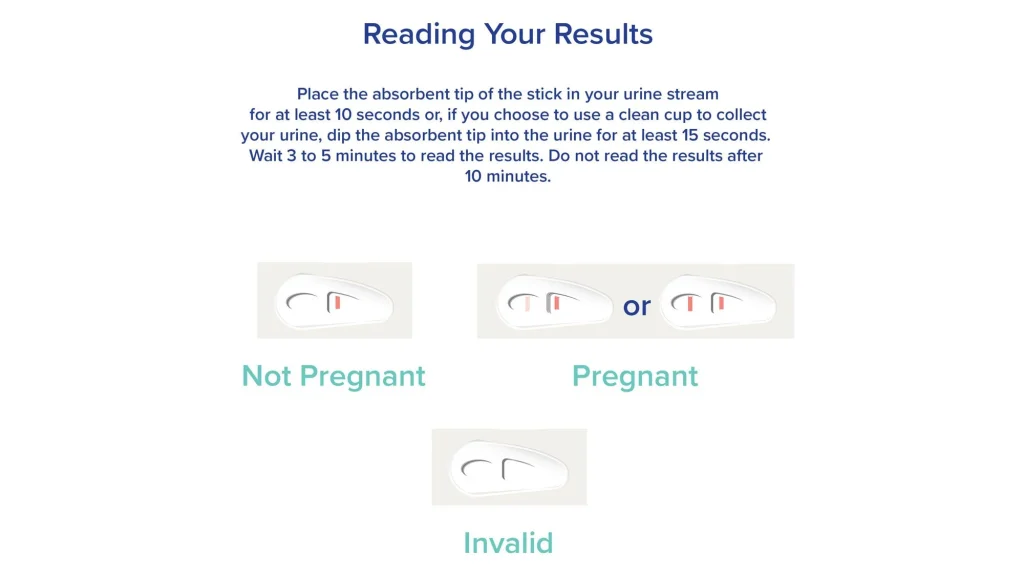
    Instructions for reading pregnancy test results with visual indicators for "Not Pregnant," "Pregnant," and "Invalid.

    The Impact of Exercise on Cervical Mucus Quality: What You Need to Know

    We will also explore the importance of hydration and its impact on cervical mucus. Dehydration can lead to thicker and less abundant cervical mucus, making it more difficult for sperm to reach the egg. It is crucial to drink enough water and electrolyte-rich fluids before and after exercise to maintain proper hydration levels. Additionally, we will discuss the role of nutrition in cervical mucus quality, and how a balanced and healthy diet can positively impact fertility and cervical mucus production.

    Furthermore, we will address the potential negative effects of over-exercising on fertility. While exercise is generally beneficial for reproductive health, excessive and intense exercise can lead to hormonal imbalances, irregular menstrual cycles, and even amenorrhea (absence of periods). These can all have a detrimental effect on cervical mucus quality and decrease the chances of conceiving.

    Lastly, we will provide tips on how to balance exercise and fertility. The key is to find a balance between maintaining a healthy and active lifestyle while also optimizing cervical mucus production and quality. This can be achieved by incorporating moderate exercise into your routine, staying hydrated, and listening to your body. It is also essential to consult with a healthcare professional if you have any concerns or underlying health conditions that may affect your fertility.

    In conclusion, exercise can have a significant impact on cervical mucus quality, and it is essential for women to be aware of this relationship. By understanding the effects of exercise on cervical mucus and implementing strategies to optimize its production and quality, women can improve their chances of conceiving and maintaining a healthy reproductive system.

  • The Connection Between Cervical Mucus and Your Menstrual Flow

    Blog Post:

    The menstrual cycle is a natural process that every woman goes through on a monthly basis. However, many women are not aware of the intricacies and connections between different aspects of their menstrual cycle. One such connection is between cervical mucus and menstrual flow. Cervical mucus is a fluid produced by the cervix that plays a crucial role in fertility and menstruation. In this blog post, we will explore the connection between cervical mucus and menstrual flow and how understanding it can help women better understand their bodies and their menstrual cycles.

    Understanding Cervical Mucus
    Cervical mucus is a fluid that is produced by the cells in the cervix. It is a clear or white, slippery, and stretchy fluid that can change in consistency and color throughout the menstrual cycle. The production of cervical mucus is regulated by the hormone estrogen, which increases during the follicular phase of the menstrual cycle. As a result, the amount and consistency of cervical mucus also changes during this phase.

    The Role of Cervical Mucus in Fertility
    One of the main functions of cervical mucus is to facilitate the process of fertilization. During ovulation, when an egg is released from the ovary, cervical mucus becomes thin and stretchy, resembling the consistency of egg whites. This type of cervical mucus, known as fertile cervical mucus, helps sperm travel through the cervix and into the uterus, increasing the chances of fertilization.

    On the other hand, outside of the fertile window, cervical mucus becomes thicker and more acidic, making it difficult for sperm to survive. This is nature’s way of preventing fertilization during times when the egg is not available for fertilization.

    The Connection Between Cervical Mucus and Menstrual Flow
    The changes in cervical mucus throughout the menstrual cycle also have a direct impact on menstrual flow. A woman’s menstrual flow is influenced by the levels of estrogen and progesterone in her body. During the follicular phase, when estrogen levels are high, the cervix produces more watery and elastic mucus. This type of mucus helps to keep the vagina lubricated and can also help to dilate the cervix, making it easier for menstrual blood to pass through.

    Two transparent syringes with teal accents positioned diagonally on a light gray background.

    The Connection Between Cervical Mucus and Your Menstrual Flow

    As the menstrual cycle progresses and estrogen levels decrease, cervical mucus becomes thicker and less elastic, making it harder for menstrual blood to pass through. This is why many women experience heavier menstrual flow during the first few days of their period, when cervical mucus is thicker and more acidic.

    Additionally, cervical mucus can also affect the length of a woman’s menstrual cycle. If a woman has a lot of fertile cervical mucus, it can make it easier for sperm to survive and fertilize an egg, resulting in a shorter menstrual cycle. On the other hand, if a woman has less fertile cervical mucus, it can make it harder for sperm to reach the egg, resulting in a longer menstrual cycle.

    Abnormalities in Cervical Mucus and Menstrual Flow
    Changes in cervical mucus and menstrual flow can also be an indication of underlying health issues. For example, if a woman experiences a sudden change in cervical mucus, such as a decrease in fertile mucus or an increase in thick, sticky mucus, it could be a sign of an infection or hormonal imbalance. Similarly, changes in menstrual flow, such as extremely heavy or light periods, can also be a sign of a health issue.

    It is important for women to pay attention to their cervical mucus and menstrual flow and track any changes or abnormalities. This information can be valuable in identifying potential health concerns and seeking appropriate medical treatment.

    How to Track Cervical Mucus and Menstrual Flow
    Tracking cervical mucus and menstrual flow can be done in various ways, including using a menstrual cup, keeping a menstrual diary, or using fertility tracking apps. By tracking these changes, women can better understand their menstrual cycles and their bodies, and be more in tune with their fertility.

    Summarization:
    Cervical mucus is a fluid produced by the cervix that plays a crucial role in fertility and menstruation. Its consistency and amount change throughout the menstrual cycle and can affect menstrual flow. Understanding this connection can help women better understand their bodies and identify any potential health issues. It is important to track changes in cervical mucus and menstrual flow to be more in tune with fertility and overall health.

  • The Connection Between Smoking and Cervical Mucus Changes Throughout the Menstrual Cycle

    Blog Post:

    Cervical mucus is an important aspect of a woman’s menstrual cycle, as it plays a vital role in fertility and overall reproductive health. But did you know that smoking can greatly impact the quality and quantity of cervical mucus throughout the menstrual cycle? In this blog post, we will explore the connection between smoking and cervical mucus changes, and how it can impact a woman’s fertility and overall health.

    Understanding Cervical Mucus:
    Before we dive into the effects of smoking on cervical mucus, let’s first understand what cervical mucus is and its role in the menstrual cycle. Cervical mucus is a fluid secreted by the cervix, the lower part of the uterus, and it plays a crucial role in the process of conception. The quality and quantity of cervical mucus change throughout the menstrual cycle, under the influence of the hormones estrogen and progesterone.

    In the first half of the menstrual cycle, known as the follicular phase, estrogen levels rise, and this leads to the production of cervical mucus. This mucus is usually thin, watery, and stretchy, making it easier for sperm to swim through and reach the egg. As ovulation approaches, estrogen levels peak, and the cervical mucus becomes even thinner, clearer, and more stretchy, creating an optimal environment for sperm to fertilize the egg.

    After ovulation, during the luteal phase, progesterone levels rise, and this causes the cervical mucus to become thicker and more acidic, creating a barrier to sperm and preventing fertilization. If fertilization does not occur, the cervical mucus will dry up, and a new menstrual cycle will begin.

    The Effects of Smoking on Cervical Mucus:
    Now that we understand the role of cervical mucus in the menstrual cycle, let’s explore how smoking can impact it. Research has shown that smoking can have a significant effect on the quality and quantity of cervical mucus, thus affecting a woman’s fertility.

    logo of mosie baby featuring a heart and leaf design in blue, pink, and green colors

    The Connection Between Smoking and Cervical Mucus Changes Throughout the Menstrual Cycle

    1. Decreased Quantity:
    One of the main ways smoking affects cervical mucus is by decreasing its quantity. Studies have shown that smoking can reduce the amount of cervical mucus produced during the fertile window, making it harder for sperm to reach the egg. This decrease in mucus can also make it challenging for sperm to survive in the vagina, further reducing the chances of fertilization.

    2. Changes in Consistency:
    Smoking can also alter the consistency of cervical mucus, making it thicker and less stretchy. This can create a barrier for sperm, making it difficult for them to swim through and reach the egg. Additionally, the acidic environment created by smoking can also make it harder for sperm to survive and fertilize the egg.

    3. Hormonal Imbalance:
    Smoking has been linked to hormonal imbalances in women, specifically affecting the levels of estrogen and progesterone. As we know, these hormones play a crucial role in the production and quality of cervical mucus. Therefore, any imbalance can greatly impact the cervical mucus’s composition, making it less fertile and less conducive to conception.

    4. Increased Risk of Cervical Cancer:
    Aside from affecting fertility, smoking has also been linked to an increased risk of cervical cancer. The chemicals in cigarettes can damage the cells of the cervix, leading to abnormal cell growth, which can eventually develop into cancer. Additionally, smoking also weakens the immune system, making it harder for the body to fight off HPV (human papillomavirus), a known cause of cervical cancer.

    5. Effects on IVF:
    For couples undergoing IVF (in-vitro fertilization), smoking can greatly impact the success rates. As mentioned, smoking can reduce the quantity and quality of cervical mucus, making it harder for sperm to fertilize the egg. This can significantly decrease the chances of success during IVF, making it important for women to quit smoking before undergoing the procedure.

    The Bottom Line:
    It is no secret that smoking has numerous negative effects on overall health, but its impact on cervical mucus and fertility is often overlooked. If you are trying to conceive, it is essential to quit smoking to improve your chances of getting pregnant. Not only does smoking affect cervical mucus, but it can also lead to various other fertility issues, such as irregular periods, hormonal imbalances, and even early menopause.

    Summary:
    Cervical mucus plays a crucial role in a woman’s menstrual cycle and fertility. However, smoking can greatly impact its quality and quantity, making it harder for sperm to reach the egg and leading to various fertility issues. Smoking can decrease the amount of cervical mucus, alter its consistency, and cause hormonal imbalances, all of which can affect a woman’s chances of getting pregnant. Additionally, smoking also increases the risk of cervical cancer and can decrease the success rates of IVF. Quitting smoking is crucial for women trying to conceive, as it can greatly improve their overall reproductive health and chances of getting pregnant.

  • Cervical Mucus Changes in Smokers: What to Expect

    Cervical Mucus Changes in Smokers: What to Expect

    Cervical mucus is a natural fluid produced by the cervix that plays a crucial role in fertility and overall reproductive health. It is responsible for keeping the reproductive system clean, nourishing sperm, and helping them reach the egg. However, many factors can affect the quality and quantity of cervical mucus, including smoking. In this blog post, we will explore how smoking can impact cervical mucus production and what to expect if you are a smoker.

    How Does Smoking Affect Cervical Mucus?

    Smoking has numerous negative effects on the body, and the reproductive system is no exception. When it comes to cervical mucus, smoking can cause several changes that can impact fertility and overall reproductive health. Some of the ways smoking affects cervical mucus include:

    1. Reduction in Quantity

    One of the main ways smoking affects cervical mucus is by reducing its quantity. The chemicals in cigarettes, such as nicotine and tar, can damage the cervical glands responsible for producing mucus, leading to a decrease in production. This can result in a dry or thick mucus consistency, making it difficult for sperm to swim through and reach the egg.

    2. Changes in Consistency

    In addition to reducing the quantity, smoking can also alter the consistency of cervical mucus. Instead of the usual clear and stretchy texture, smokers may experience thicker, stickier mucus that is less conducive to sperm survival. This can further decrease the chances of fertilization and conception.

    3. pH Imbalance

    Smoking can also cause a pH imbalance in the vagina, which can impact the quality of cervical mucus. Normally, the vagina has a slightly acidic environment to protect against harmful bacteria. However, smoking can increase the pH level, making it more alkaline. This can affect the natural balance of bacteria and lead to an increase in infections and inflammation, which can further disrupt cervical mucus production.

    home insemination kit components: a syringe and a collection container against a blue background.

    Cervical Mucus Changes in Smokers: What to Expect

    4. Hormonal Imbalance

    Smoking has been linked to hormonal imbalances in both men and women, which can affect cervical mucus production. In women, smoking can lead to a decrease in estrogen levels, disrupting the menstrual cycle and inhibiting the production of cervical mucus. In men, smoking can affect testosterone levels, leading to a decrease in sperm production and quality.

    What to Expect: Cervical Mucus Changes in Smokers

    If you are a smoker, it is essential to understand the potential changes in cervical mucus and how it can impact fertility. Some of the common symptoms smokers may experience include:

    – Dry or thick cervical mucus
    – Sticky consistency
    – Yellow or green discharge
    – Irregular periods
    – Difficulty conceiving

    These symptoms may vary from person to person, and some may not experience any noticeable changes. However, it is essential to monitor your cervical mucus and seek medical advice if you have concerns about your fertility.

    Improving Cervical Mucus Production in Smokers

    The good news is that quitting smoking can reverse the negative effects on cervical mucus production. Within a few weeks of quitting, the cervical glands can start to heal and produce healthy mucus again. Additionally, quitting smoking can improve overall reproductive health and increase the chances of conceiving.

    If quitting smoking is not an option, there are other ways to improve cervical mucus production in smokers, such as:

    – Staying hydrated: Drinking plenty of water can help thin out cervical mucus and make it easier for sperm to swim through.
    – Using fertility-friendly lubricants: Some lubricants can mimic the texture and pH of cervical mucus, making it easier for sperm to survive and reach the egg.
    – Increasing intake of vitamin C: Vitamin C can help improve the quality of cervical mucus and promote a healthy reproductive system.
    – Seeking medical advice: If you are having trouble conceiving, it is essential to consult a doctor for a thorough evaluation and personalized recommendations.

    In summary, smoking can have a significant impact on cervical mucus production and overall reproductive health. It can lead to a decrease in quantity and quality of mucus, making it difficult for sperm to reach the egg and increasing the risk of infertility. However, quitting smoking and making some lifestyle changes can help improve cervical mucus production and increase the chances of conceiving.