Tag: Influencer Marketing

  • The Surprising Stories Behind the Most Watched YouTube Channels

    The rise of YouTube has revolutionized the entertainment industry, providing a platform for creators to share their content with the world. With over 2 billion monthly active users, YouTube has become a powerhouse in the digital world, with thousands of channels amassing millions of subscribers and views. While some of these channels are run by established media companies or celebrities, many of the most watched YouTube channels are run by regular people who have found success through their unique and surprising stories. In this blog post, we will explore the stories behind some of the most watched YouTube channels and how they have captured the hearts and attention of millions of viewers.

    1. PewDiePie
    With over 109 million subscribers, PewDiePie (real name Felix Kjellberg) is the most subscribed individual creator on YouTube. He rose to fame by posting videos of himself playing video games and providing humorous commentary. What started as a hobby turned into a full-time career for Kjellberg, who dropped out of college to focus on his YouTube channel. His relatable personality and entertaining content have attracted a massive following, making him one of the most influential and highest-earning YouTubers.

    2. T-Series
    T-Series, a music label and film production company based in India, holds the title of the most subscribed YouTube channel with over 168 million subscribers. The channel primarily posts music videos and trailers from popular Bollywood films, catering to the large Indian population on YouTube. T-Series’ success on the platform is a testament to the global reach of YouTube and the power of bringing diverse content to a global audience.

    3. Ryan’s World
    Ryan’s World, formerly known as Ryan ToysReview, is a channel run by an 8-year-old boy named Ryan Kaji. The channel was started by Ryan’s parents in 2015, and it quickly gained popularity for its videos of Ryan unboxing and playing with toys. Today, the channel has over 28 million subscribers and has evolved to include educational and family-friendly content. The success of Ryan’s World has sparked a trend of children becoming YouTube stars, with many young creators gaining millions of followers and lucrative sponsorships.

    4. Dude Perfect
    Dude Perfect is a sports and comedy channel run by five friends from Texas. The channel started with the group posting videos of trick shots, and it has now grown to include a variety of sports-related content, such as challenges and competitions. Their creative and entertaining videos have attracted over 54 million subscribers, making them one of the most popular channels on YouTube. Dude Perfect’s success shows that a group of friends with a passion for creating content can turn it into a successful career.

    5. Jenna Marbles
    Jenna Marbles (real name Jenna Mourey) is one of the OG YouTubers, starting her channel in 2010. Her videos, which range from comedy skits to beauty tutorials, have garnered over 20 million subscribers. Marbles’ quirky and relatable personality has made her a beloved figure on the platform, and she has used her platform to raise awareness for important issues such as mental health and animal welfare. Despite taking a break from YouTube in 2020, Marbles’ impact on the platform and her loyal fanbase are a testament to her success as a content creator.

    Hands holding a syringe and a small container against a blue background.

    The Surprising Stories Behind the Most Watched YouTube Channels

    6. MrBeast
    MrBeast (real name Jimmy Donaldson) is a YouTube philanthropist who has gained popularity for his over-the-top and generous stunts. From giving away thousands of dollars to strangers to planting millions of trees, MrBeast’s videos often have a philanthropic angle, which has garnered him over 63 million subscribers. His unique and charitable content has made him one of the most watched and influential creators on YouTube, using his platform for good and inspiring others to do the same.

    7. Zoella
    Zoella (real name Zoe Sugg) is a beauty and lifestyle vlogger who has amassed over 11 million subscribers. Sugg started her channel in 2009, and her relatable and authentic content has attracted a loyal fanbase. She has also written multiple best-selling books and launched her own beauty brand, showing the influence and reach of YouTube creators beyond the platform. Sugg’s success has paved the way for many other beauty and lifestyle YouTubers, making her a pioneer in the industry.

    8. Shane Dawson
    Shane Dawson is a YouTube veteran, starting his channel in 2008. He gained a large following for his comedy sketches and parodies, but it was his series of documentary-style videos that skyrocketed his popularity. In these videos, Dawson delves into controversial and taboo topics, often featuring other popular YouTubers. With over 23 million subscribers, Dawson has become a prominent figure on the platform, and his videos have sparked important conversations and debates.

    9. The Slow Mo Guys
    The Slow Mo Guys, run by Gavin Free and Daniel Gruchy, is a channel that showcases slow-motion footage of various experiments and stunts. Their content is visually stunning and has attracted over 13 million subscribers. What started as a hobby for the two friends has turned into a successful career, with their videos now featured on TV shows and commercials. The Slow Mo Guys’ channel is a prime example of how passion and creativity can lead to unexpected success on YouTube.

    10. Bon Appétit
    Bon Appétit is a food and cooking channel owned by Condé Nast, a media company known for its magazines. The channel features a variety of cooking shows and tutorials, with each video showcasing a different chef or food expert. With over 6 million subscribers, Bon Appétit has become a go-to destination for food lovers on YouTube. The success of the channel goes to show that traditional media companies can also find success on the platform by adapting to the digital landscape.

    In conclusion, the stories behind the most watched YouTube channels are as diverse and surprising as the creators themselves. From individuals who turned their hobbies into successful careers to media companies leveraging the power of YouTube, these channels have captured the attention of millions of viewers with their unique and relatable content. As YouTube continues to grow and evolve, we can only imagine what other surprising stories will emerge from the platform in the future.


  • The Power of Engagement: How These 33 Channels Keep Audiences Hooked

    Blog Post Title: The Power of Engagement: How These 33 Channels Keep Audiences Hooked

    In today’s fast-paced digital world, capturing and retaining audience attention is more challenging than ever. With the constant influx of information and distractions, it’s crucial for businesses and content creators to find ways to engage their audience and keep them hooked. This is where the power of engagement comes in.

    Engagement is not just about getting likes or comments on social media posts. It’s about creating a meaningful connection with your audience and building a loyal following. In this blog post, we will explore the different channels that are key to creating and maintaining audience engagement.

    1. Social Media Platforms
    Social media has become a vital tool for businesses and content creators to engage with their audience. With billions of active users, platforms like Facebook, Instagram, Twitter, and LinkedIn offer a wide reach and a variety of engagement tools. From likes and comments to polls and live videos, these platforms provide multiple ways to connect and interact with your audience.

    2. Email Marketing
    Despite the rise of social media, email marketing remains one of the most effective ways to engage with your audience. With personalized and targeted emails, businesses can create a more personal connection with their audience. Email newsletters, promotions, and exclusive content are great ways to keep your audience engaged and interested in your brand.

    3. Blogs
    Blogs are an excellent medium for businesses to share valuable and informative content with their audience. With the ability to comment and share blog posts, readers can engage in discussions and spread the word about your brand. Additionally, blogs can improve your website’s SEO and drive more traffic to your site, resulting in more engagement.

    4. Webinars
    Webinars are an effective way to engage with your audience in a more interactive and personal setting. By hosting webinars, businesses can share knowledge, answer questions, and build a stronger relationship with their audience. The live Q&A sessions and discussions during webinars allow for real-time engagement and feedback.

    5. Podcasts
    The popularity of podcasts has grown immensely in recent years, making it a great channel for audience engagement. With podcasts, businesses can share their expertise, entertain, and engage with their audience on a more personal level. Listeners can also leave comments and reviews, providing valuable feedback and creating a sense of community.

    6. User-Generated Content
    User-generated content (UGC) is content created by your audience, such as reviews, testimonials, and social media posts. UGC is a powerful way to engage with your audience as it allows them to be a part of your brand’s storytelling. It also builds trust and credibility as potential customers see real people using and enjoying your products or services.

    7. Influencer Marketing
    Collaborating with influencers has become a popular way for businesses to reach and engage with a larger audience. By partnering with influencers, businesses can tap into their followers’ trust and loyalty, and create authentic and engaging content for their brand.

    8. Gamification
    Gamification is the use of game mechanics and design elements to engage and motivate people to achieve a goal. It can be applied to various channels, such as social media, websites, and apps, to make the experience more enjoyable and interactive for users. By incorporating gamification into their marketing strategy, businesses can increase engagement and create a sense of fun and competition.

    9. Virtual and Augmented Reality
    Virtual and augmented reality technologies offer immersive and interactive experiences for audiences. They allow businesses to create virtual events, product demos, or games that engage and entertain their audience in a whole new way.

    10. Online Communities
    Online communities, such as forums and Facebook groups, provide a platform for like-minded individuals to connect and engage with each other. They can be a great way for businesses to build a community around their brand and engage with their audience on a deeper level.

    11. Live Streaming
    Live streaming has become a popular way for businesses to engage with their audience in real-time. It allows for direct interaction through live chats and comments, making it a more personal and engaging experience for viewers.

    12. Interactive Content
    Interactive content, such as quizzes, polls, and surveys, is a great way to engage with your audience while also gathering valuable insights. It encourages participation and can help businesses understand their audience’s preferences and behaviors better.

    13. Mobile Apps
    With the majority of internet users accessing content through their mobile devices, having a mobile app can be a powerful tool for engagement. Apps can offer personalized and interactive experiences for users, making them more likely to engage with your brand.

    14. Chatbots
    Chatbots use artificial intelligence to have conversations with users, providing a more interactive and personalized experience. They can be used on various channels, such as websites and social media, to engage with customers, answer questions, and provide recommendations.

    15. Push Notifications
    Push notifications are messages sent directly to a user’s device, providing real-time updates and information. They are a great way to keep your audience engaged and informed about your brand, promotions, and new content.

    sperm-ready insemination kit with a syringe and container, featuring a screw top lid and non-tip safety wall

    The Power of Engagement: How These 33 Channels Keep Audiences Hooked

    16. Contests and Giveaways
    Contests and giveaways are a great way to engage with your audience and create excitement around your brand. By offering valuable prizes, businesses can encourage participation and social sharing, resulting in more engagement and brand awareness.

    17. Surveys and Feedback Forms
    Surveys and feedback forms are valuable tools for businesses to gather insights and feedback from their audience. By involving your audience in the decision-making process, you can make them feel heard and valued, resulting in a stronger connection and engagement.

    18. Virtual Events
    With the rise of remote work, virtual events have become a popular way for businesses to engage with their audience. From webinars and conferences to concerts and trade shows, virtual events offer a great way to connect with people from all over the world.

    19. Personalization
    Personalization is crucial for engaging with your audience. By tailoring your content and messaging to their interests and needs, you can create a more meaningful and relevant experience for them.

    20. Storytelling
    Storytelling is an effective way to engage and connect with your audience on an emotional level. By sharing authentic and relatable stories, businesses can create a stronger bond with their audience and leave a lasting impression.

    21. Visual Content
    Visual content, such as images, videos, and infographics, is more engaging and shareable than plain text. It can help businesses convey their message more effectively and leave a lasting impression on their audience.

    22. Brand Advocacy
    Brand advocacy is the promotion of a brand by its customers, employees, or partners. By turning your audience into advocates, you can create a sense of community and loyalty, resulting in more engagement and brand awareness.

    23. Micro-Influencers
    Micro-influencers are individuals with a smaller but highly engaged following. By collaborating with micro-influencers, businesses can tap into their loyal and niche audience and create authentic and engaging content.

    24. Emotional Marketing
    Emotional marketing seeks to evoke an emotional response from the audience, making them more likely to engage with the brand. By connecting with your audience’s emotions, you can create a more meaningful and memorable experience for them.

    25. User Experience
    User experience (UX) refers to the overall experience a user has while interacting with a product or service. By focusing on creating a positive and seamless user experience, businesses can keep their audience engaged and satisfied.

    26. Accessibility
    Making your content and channels accessible to everyone is crucial for engaging with a diverse audience. By accommodating people with disabilities, you can create a more inclusive and engaging experience for all.

    27. Humanizing Your Brand
    In today’s digital world, people crave human connection more than ever. By humanizing your brand and showing the people behind it, you can create a more personal and relatable experience for your audience.

    28. Cause Marketing
    Cause marketing involves supporting a social or environmental cause as part of a brand’s marketing strategy. By aligning with a cause that resonates with your audience, you can create a more meaningful and engaging experience for them.

    29. Emotional Intelligence
    Emotional intelligence is the ability to understand and manage one’s emotions and those of others. By developing emotional intelligence, businesses can better connect and engage with their audience and build stronger relationships.

    30. Authenticity
    In today’s world of social media filters and influencers, authenticity is more important than ever. By being genuine and transparent in your messaging and actions, you can build trust and create a more engaged audience.

    31. Co-Creation
    Co-creation involves involving your audience in the creation of your product or brand. By giving them a voice and making them a part of the process, you can create a stronger connection and loyalty with your audience.

    32. AI-Powered Personalization
    Artificial intelligence (AI) can be used to personalize content and messaging based on individual preferences and behaviors. By utilizing AI, businesses can create a more engaging and relevant experience for their audience.

    33. Data-Driven Marketing
    Data-driven marketing involves using data to understand your audience’s preferences and behaviors and tailor your messaging accordingly. By analyzing data, businesses can create more targeted and engaging campaigns that resonate with their audience.

    In conclusion, engagement is the key to building a loyal and dedicated audience. By utilizing these 33 channels, businesses and content creators can create meaningful and long-lasting relationships with their audience. With the right combination of channels and strategies, you can keep your audience hooked and grow your brand.

  • The Business of Influence: How 27 Fashion Influencers Monetize Their Platforms

    Blog Post Title: The Business of Influence: How 27 Fashion Influencers Monetize Their Platforms

    In today’s digital age, social media has become a powerful tool for businesses and brands to reach a wider audience. With the rise of social media influencers, fashion has become one of the most popular industries for collaborations and partnerships. These influencers have built a strong following on their platforms, and brands are now recognizing the potential of influencer marketing.

    But how do fashion influencers monetize their platforms? In this blog post, we will dive into the business of influence and explore the various ways in which 27 fashion influencers are making money from their social media platforms.

    1. Sponsored Content and Brand Collaborations

    One of the most popular ways for fashion influencers to monetize their platforms is through sponsored content and brand collaborations. Brands approach influencers to promote their products or services in exchange for a fee or free products. These collaborations can range from a simple Instagram post to a more elaborate campaign, depending on the influencer’s following and engagement.

    For example, Negin Mirsalehi, a popular fashion influencer with over 6 million followers on Instagram, has collaborated with luxury brands such as Dior, Louis Vuitton, and Valentino. She often features these brands’ products in her posts and stories, effectively promoting them to her followers.

    2. Affiliate Marketing

    Affiliate marketing is another popular way for fashion influencers to make money. In this model, influencers promote products or services and earn a commission for each sale made through their unique affiliate link or code. This allows influencers to earn a passive income while promoting products they genuinely love and use.

    Chriselle Lim, a fashion influencer and founder of The Chriselle Factor, has successfully used affiliate marketing to monetize her platform. She shares her favorite products and links to them on her blog and social media, earning a commission for each sale made through her links.

    3. Brand Ambassadorships

    Brand ambassadorships are a long-term collaboration between an influencer and a brand. In this arrangement, the influencer becomes the face of the brand and promotes their products or services on a regular basis. This can include attending events, creating sponsored content, and representing the brand on their social media platforms.

    Aimee Song, a fashion influencer and founder of the blog Song of Style, has been a brand ambassador for numerous fashion brands, including Dior, Revolve, and Tory Burch. She often features these brands’ products in her posts and stories, effectively promoting them to her followers.

    4. Launching Their Own Products

    Another way for fashion influencers to monetize their platforms is by launching their own products. This can include clothing lines, beauty products, or even digital products such as e-books and online courses. By leveraging their influence and reach, influencers can successfully launch and sell products to their loyal followers.

    Chiara Ferragni, one of the most successful fashion influencers, has her own fashion brand, Chiara Ferragni Collection. She also has a successful beauty line, Chiara Ferragni Beauty, which she promotes on her social media platforms. Her loyal followers often purchase these products, resulting in a significant source of income for the influencer.

    comparison of Mosie syringe opening versus standard syringe opening with text highlighting benefits

    The Business of Influence: How 27 Fashion Influencers Monetize Their Platforms

    5. Events and Workshops

    Fashion influencers can also monetize their platforms by hosting events and workshops. These can range from meet and greets to styling workshops and even influencer-led trips and retreats. These events not only bring in revenue but also allow influencers to connect with their followers in person and build a stronger relationship with them.

    Camila Coelho, a fashion influencer with over 9 million followers on Instagram, hosts her own annual event, Camila Coelho Collection, where her followers can meet her and shop her clothing line. She also hosts styling workshops and influencer-led trips, which are popular among her followers.

    6. Advertisements

    Advertisements are another source of income for fashion influencers. These can include display ads on their blogs, YouTube videos, or sponsored posts on their social media platforms. These ads can be placed directly by brands or through influencer marketing platforms.

    Wendy Nguyen, a fashion influencer and founder of the blog Wendy’s Lookbook, has successfully used advertisements to monetize her platform. She often includes display ads on her blog and YouTube videos, earning a steady income from them.

    7. Consulting and Brand Collaborations

    With their extensive knowledge and experience in the fashion industry, fashion influencers can also monetize their platforms by offering consulting services to brands. This can include styling, content creation, and social media strategy. Brands often seek out influencers to help them reach a wider audience and improve their brand image.

    Blair Eadie, a fashion influencer and founder of the blog Atlantic-Pacific, has collaborated with numerous fashion brands, including Tory Burch, Nordstrom, and Club Monaco. She also offers consulting services to brands looking to improve their social media presence and reach.

    8. Donations and Merchandise

    Lastly, fashion influencers can also monetize their platforms through donations and merchandise. Some influencers use their platform to raise awareness and funds for a cause they are passionate about, while others sell branded merchandise such as t-shirts, mugs, and phone cases to their followers.

    Ava Jules, a fashion influencer and YouTuber with over 1 million subscribers, often promotes her merchandise on her social media platforms and donates a portion of the proceeds to various charities.

    In conclusion, the business of influence has become a lucrative industry for fashion influencers. By leveraging their platforms and building a strong following, these influencers have successfully monetized their passion for fashion and turned it into a profitable business. From sponsored content and brand collaborations to launching their own products, there are various ways for fashion influencers to make money and sustain their influence in the ever-evolving digital world.

    Summary:

    In today’s digital age, fashion influencers are using their social media platforms to monetize their passion for fashion. They do this through various means such as sponsored content and brand collaborations, affiliate marketing, brand ambassadorships, launching their own products, hosting events and workshops, advertisements, consulting, and donations and merchandise. These influencers have built a strong following on their platforms, and brands are now recognizing the potential of influencer marketing. Through their influence, they are able to promote products and services to their loyal followers, resulting in a significant source of income for both the influencer and the brand.

  • Behind the Brand: How 27 Fashion Influencers Collaborate with Designers and Brands

    Behind the Brand: How 27 Fashion Influencers Collaborate with Designers and Brands

    In today’s world of fashion, there is no doubt that social media influencers play a huge role in shaping trends and influencing consumer behavior. With their large followings and impact on the digital landscape, fashion influencers have become an integral part of the industry, collaborating with designers and brands to create successful and mutually beneficial partnerships.

    In this blog post, we will take a closer look at how 27 fashion influencers have collaborated with designers and brands, and the impact these collaborations have had on the industry as a whole.

    1. Building a Strong Personal Brand

    Before we dive into the specifics of collaborations, it’s important to understand the significance of a strong personal brand for fashion influencers. With millions of influencers on social media, it can be challenging to stand out and establish a unique identity. However, successful fashion influencers have managed to do just that, by consistently curating their content and showcasing their personal style. This has not only gained them a loyal following but has also made them attractive to designers and brands looking for authentic and relatable voices to represent their products.

    2. Collaborating with Designers

    One of the most common ways fashion influencers collaborate with designers is through sponsored posts on social media. This involves the influencer promoting a designer’s product or collection on their platforms, in exchange for compensation. This type of collaboration allows designers to reach a wider audience and tap into the influencer’s loyal followers, while also providing the influencer with an opportunity to showcase their personal style and promote a brand they align with.

    Another form of collaboration is through product or collection collaborations, where designers and influencers work together to create a limited edition product or collection. This type of collaboration not only generates buzz and excitement among consumers but also allows the influencer to showcase their creativity and design skills. A recent example of this is the collaboration between designer Tommy Hilfiger and influencer Gigi Hadid, which resulted in a highly successful collection that sold out within hours of its release.

    3. Brand Ambassador Programs

    Brand ambassador programs are long-term partnerships between influencers and brands, where the influencer represents the brand and its products over an extended period of time. This type of collaboration is beneficial for both parties as it allows the influencer to build a deeper connection with the brand and its audience, while also providing the brand with a consistent and recognizable face to represent them. For example, fashion influencer Chiara Ferragni has been a brand ambassador for luxury brand Dior for several years, showcasing their products and attending their events, solidifying her status as a fashion icon.

    Mosie Baby ovulation test kit with packaging and instructions on a pink background.

    Behind the Brand: How 27 Fashion Influencers Collaborate with Designers and Brands

    4. Fashion Events and Campaigns

    Fashion influencers are also highly sought after for events and campaigns by designers and brands. These collaborations can range from attending fashion shows and events, to being featured in advertising campaigns. This not only provides exposure for the influencer, but also adds an element of authenticity and relatability to the brand’s marketing efforts. For example, designer Marc Jacobs enlisted the help of fashion influencer Emily Ratajkowski for his spring/summer 2019 campaign, resulting in a successful and buzz-worthy collaboration.

    5. Impact on Sales and Brand Awareness

    The collaborations between fashion influencers and designers/brands have proven to be highly successful, with a significant impact on sales and brand awareness. With their large and engaged followings, fashion influencers are able to reach a wider and more diverse audience, increasing the exposure of the brands they collaborate with. This has resulted in a boost in sales and heightened brand awareness, making influencer collaborations a valuable marketing strategy for designers and brands.

    6. Authenticity and Diversity

    One of the reasons why collaborations with fashion influencers have been so successful is the authenticity and diversity they bring to the table. Influencers are known for being relatable and authentic, and consumers today are looking for that personal connection with the brands they support. By collaborating with influencers who have a strong personal brand and a genuine following, designers and brands are able to tap into this desire for authenticity and create a deeper connection with their target audience.

    In addition, fashion influencers also bring diversity to the industry, with their unique styles and perspectives. This allows designers and brands to reach a wider audience and cater to a more diverse range of consumers, making their collaborations more impactful and inclusive.

    7. The Future of Fashion Collaborations

    As the importance of social media and influencer marketing continues to grow, it is safe to say that collaborations between fashion influencers and designers/brands will continue to be a significant aspect of the industry. With the power and influence of social media, these collaborations have the potential to drive trends, increase brand awareness, and boost sales for both parties involved.

    In conclusion, the collaborations between fashion influencers and designers/brands have become a crucial part of the fashion industry, with a significant impact on sales, brand awareness, and diversity. By understanding the value of a strong personal brand and the power of social media, fashion influencers have become integral players in shaping the industry and its future.

  • The Influence of Celebrity Endorsements on Best-Selling Car Models

    Blog Post: The Influence of Celebrity Endorsements on Best-Selling Car Models

    Celebrity endorsements have been a popular marketing strategy for decades, and the automotive industry is no exception. In fact, celebrity endorsements have played a significant role in the success of some of the best-selling car models in the market. From luxury brands to budget-friendly options, celebrities have been seen driving and promoting various car models, creating a strong association between the brand and their personal image. In this blog post, we will explore the influence of celebrity endorsements on best-selling car models and how it impacts consumer behavior.

    Celebrity endorsements have proven to be successful in increasing brand awareness and sales for car manufacturers. A study by Nielsen found that nearly 20% of car buyers were influenced by celebrity endorsements in their car purchase decisions. This is because celebrities are seen as trendsetters and influencers, and their endorsement of a particular car model can sway the opinions of their followers and fans.

    One of the most notable examples of celebrity endorsements in the automotive industry is the long-standing partnership between luxury car brand Mercedes-Benz and tennis superstar Roger Federer. Federer has been the brand ambassador for Mercedes-Benz since 2008, and his association with the brand has helped establish Mercedes-Benz as a symbol of luxury and success. In fact, Mercedes-Benz saw a significant increase in sales in the years following the partnership, with a 14% increase in sales in 2009 alone.

    Another example of the impact of celebrity endorsements on car sales is the collaboration between rapper Jay-Z and luxury car brand Cadillac. Jay-Z’s song “On to the Next One” featured lyrics that referenced Cadillac, and the company saw a 40% increase in sales the following year. This success prompted Cadillac to continue their partnership with Jay-Z, featuring him in their “Dare Greatly” campaign and launching a limited-edition Cadillac XTS Platinum sedan with his signature.

    But it’s not just luxury brands that benefit from celebrity endorsements. Budget-friendly car brands have also seen a boost in sales due to celebrity endorsements. In 2012, Kia Motors enlisted NBA player Blake Griffin as their brand ambassador, and their sales increased by 6.6% that year. Griffin’s humorous and relatable persona made him a perfect fit for Kia’s “Hamsters” campaign, which helped the brand appeal to a younger and more diverse audience.

    pregnancy test kit features labeled for comfort and confidence on a teal background

    The Influence of Celebrity Endorsements on Best-Selling Car Models

    The impact of celebrity endorsements can also be seen on specific car models. The Fiat 500, a subcompact car, saw a 120% increase in sales in the US after singer Jennifer Lopez appeared in a commercial for the brand. Similarly, the Volkswagen Beetle saw a 100% increase in sales in the US after being featured in the movie “Herbie: Fully Loaded” with Lindsay Lohan.

    But why do celebrity endorsements have such a strong influence on car sales? One reason is that it helps create a strong emotional connection between the consumer and the brand. When a celebrity endorses a particular car model, their fans and followers start associating that car with the celebrity’s image and lifestyle. This can create a sense of aspiration and desire among consumers, leading them to purchase the car to feel closer to their favorite celebrity.

    Moreover, celebrity endorsements also help to establish credibility for the car brand. When a well-known and respected celebrity endorses a car model, it can increase the brand’s credibility and reputation. This is especially important for new and lesser-known brands that are trying to establish themselves in the market.

    In addition to increasing sales and brand awareness, celebrity endorsements also provide valuable exposure for car manufacturers. With the rise of social media, celebrities have become powerful influencers, and their endorsement of a car brand can reach millions of people worldwide. This type of exposure is difficult to achieve through traditional advertising methods, making celebrity endorsements a valuable marketing strategy for car manufacturers.

    In conclusion, celebrity endorsements play a significant role in the success of best-selling car models. From luxury brands to budget-friendly options, the influence of celebrity endorsements can be seen in the increased sales and brand awareness for car manufacturers. By creating an emotional connection, establishing credibility, and providing valuable exposure, celebrities help to shape consumer behavior and drive car sales.

    Summary:

    Celebrity endorsements have been a popular marketing strategy for car manufacturers for decades. These endorsements have proven to be successful in increasing brand awareness and sales for both luxury and budget-friendly car brands. Celebrities create an emotional connection between consumers and the brand, establish credibility, and provide valuable exposure, which can significantly impact consumer behavior and drive car sales.

  • The Influencer Economy: The Economic Impact of Instagram’s Most Followed Users

    The Influencer Economy: The Economic Impact of Instagram’s Most Followed Users

    In recent years, social media has become a powerful tool for businesses and individuals alike. With the rise of influencer marketing, Instagram has become one of the most popular platforms for brands to reach their target audience. The platform’s most followed users, also known as influencers, have become a dominant force in the influencer economy, with their ability to drive sales and impact consumer behavior. In this blog post, we will explore the economic impact of Instagram’s most followed users and how they have shaped the influencer economy.

    The Rise of the Influencer Economy

    Influencers are individuals who have a significant following on social media platforms and have the ability to sway their followers’ opinions and purchasing decisions. With the rapid growth of social media, influencer marketing has become a billion-dollar industry, and Instagram has emerged as the go-to platform for influencer collaborations. The platform’s visual nature and highly engaged community make it the perfect platform for influencers to showcase products and promote brands.

    The Economic Impact of Instagram’s Most Followed Users

    With over one billion active users on Instagram, the platform has become a lucrative space for influencers to monetize their content. According to research, Instagram influencer marketing is expected to reach $9.7 billion by the end of 2020, with top influencers earning millions of dollars annually. The economic impact of Instagram’s most followed users extends beyond their own income, as they also contribute significantly to the success of brands and businesses they collaborate with.

    Driving Sales and Brand Awareness

    One of the main reasons why brands turn to influencers is their ability to drive sales and increase brand awareness. With a highly engaged audience, influencers have the power to reach a large number of potential customers with just one post. In fact, studies have shown that 49% of consumers rely on influencer recommendations when making purchasing decisions. This has a direct impact on the sales of products and services promoted by influencers, making them valuable partners for brands looking to boost their revenue.

    at-home insemination kit by Mosie Baby, featuring syringes and containers for comfort and convenience.

    The Influencer Economy: The Economic Impact of Instagram's Most Followed Users

    Shaping Consumer Behavior and Trends

    Influencers not only have the ability to drive sales but also have a significant impact on consumer behavior and trends. With their curated and aspirational content, influencers have the power to shape what their followers perceive as desirable and trendy. From fashion and beauty to travel and lifestyle, influencers have the power to influence their followers’ choices and purchasing decisions. This has led to the rise of “influencer culture,” where consumers look to influencers for inspiration and guidance on what to buy and how to live their lives.

    Creating Job Opportunities

    The influencer economy has also created job opportunities for many individuals, from influencers themselves to content creators, photographers, and managers. With the demand for influencer collaborations, many businesses have emerged to support this industry, such as influencer marketing agencies and influencer management platforms. This has not only created employment opportunities but has also boosted the economy by generating revenue and taxes for governments.

    The Dark Side of the Influencer Economy

    While Instagram’s most followed users have a significant economic impact, there is also a darker side to the influencer economy. With the rise of sponsored content and collaborations, some influencers have been criticized for promoting products solely for financial gain, without genuine belief in the products. This has led to the rise of authenticity concerns and has caused some followers to lose trust in influencers and their recommendations. Additionally, the pressure to maintain a certain image and lifestyle on social media can also take a toll on influencers’ mental health, leading to burnout and anxiety.

    In conclusion, Instagram’s most followed users have a significant economic impact on the influencer economy, from driving sales and shaping consumer behavior to creating job opportunities. However, as with any industry, there are also challenges that come with this fast-growing sector. As the influencer economy continues to evolve, it is important for both influencers and brands to maintain authenticity and transparency to ensure the continued success and sustainability of this industry.

    Summary: The influencer economy has become a dominant force in the world of social media, with Instagram’s most followed users having a significant economic impact. These influencers not only drive sales and brand awareness but also shape consumer behavior and create job opportunities. However, there are also challenges, such as authenticity concerns and the pressure on influencers’ mental health. As this industry continues to grow, it is important for both influencers and brands to maintain authenticity and transparency for its sustainability.

  • The Future of Influence: Predictions for Instagram’s Most Followed in the Next Decade

    Summary:

    In the fast-paced world of social media, Instagram has emerged as one of the most influential platforms for content creators and brands alike. With over 1 billion active users and a constantly evolving algorithm, Instagram’s impact on our daily lives is undeniable. As the platform continues to grow and evolve, it’s natural to wonder what the future holds for its most followed users. In this blog post, we will explore some predictions for the future of influence on Instagram and what it may mean for the most followed accounts in the next decade.

    Firstly, the rise of micro-influencers is expected to continue in the coming years. These are users with smaller but highly engaged followings who have the ability to connect with their audience on a more personal level. As brands shift towards more authentic and relatable content, micro-influencers will become a valuable asset for marketing campaigns. This means that the most followed accounts on Instagram may not necessarily be the ones with the highest number of followers, but rather those with the most engaged and loyal fan base.

    Another trend we can expect to see in the future is the diversification of content on Instagram. While the platform was originally known for its visually appealing photos, it has now expanded to include videos, reels, and IGTV. As technology continues to advance, we can expect to see even more forms of content emerge, such as virtual and augmented reality. This will open up new opportunities for content creators and allow them to reach a wider audience.

    at-home insemination kit by Mosie Baby, featuring syringes and containers for comfort and convenience.

    The Future of Influence: Predictions for Instagram's Most Followed in the Next Decade

    Influencer marketing is also expected to become more regulated in the future. With the rise of influencer fraud and fake followers, brands are becoming more cautious about who they choose to partner with. This has led to the development of influencer marketing platforms and tools that help brands verify the authenticity of an influencer’s following. In the next decade, we can expect stricter regulations and guidelines for influencers, which may affect the way brands collaborate with them.

    The future of Instagram’s most followed may also see a shift towards niche and specialized content. As the platform becomes more saturated with content, it will become harder for creators to stand out. This means that accounts with a specific niche or expertise will have a higher chance of gaining a loyal following. Whether it’s cooking, fashion, or travel, users will be drawn to accounts that provide valuable and unique content in a specific area.

    With the rise of technology, we can also expect to see more collaborations between influencers and artificial intelligence (AI). AI can help influencers streamline their content creation process, from editing photos to generating captions. This will not only save time for creators but also help them produce more high-quality content. Additionally, AI-powered tools can also help influencers analyze their data and make more informed decisions on their content and collaborations.

    One potential challenge for Instagram’s most followed in the future is the possibility of a new and emerging platform. Just like how Instagram took over from Facebook and Snapchat, there is always the possibility of a new platform becoming the next big thing. This may affect the current most followed accounts and their influence, as they will have to adapt to a new platform and build their following from scratch. It will be interesting to see how influencers navigate this potential challenge and maintain their influence in the next decade.

    In conclusion, the future of influence on Instagram is exciting and full of possibilities. From the rise of micro-influencers to the use of AI and the potential for new platforms, the landscape of influencer marketing is constantly changing. The most followed accounts on Instagram may not necessarily be the ones with the highest number of followers, but rather those who are able to adapt and stay ahead of the game. It will be interesting to see how these predictions unfold in the next decade and what it means for the future of influence on Instagram.

  • The Rise of Micro-Influencers: How These 6 Users Gained a Massive Following on Instagram

    Summary:

    home insemination kit components: a syringe and a collection container against a blue background.

    The Rise of Micro-Influencers: How These 6 Users Gained a Massive Following on Instagram

    In recent years, there has been a significant shift in the world of influencer marketing. While celebrities and macro-influencers used to dominate the space, a new breed of influencers has emerged – the micro-influencers. These are individuals with a smaller but highly engaged following on social media platforms like Instagram. They have become a powerful force in the world of marketing, with many brands turning to them for partnerships and collaborations. In this blog post, we will explore the rise of micro-influencers and the success stories of six individuals who have gained a massive following on Instagram.

  • The Ultimate Guide to Partnering with Instagram’s Most Followed Influencers

    The use of social media influencers has become an integral part of marketing strategies for many businesses. With over 1 billion active users, Instagram has become one of the most popular platforms for influencer marketing. And with the rise of Instagram’s most followed influencers, partnering with them has become an effective way for businesses to reach a larger audience and increase brand awareness. However, working with these influencers can be a daunting task, especially for those who are new to the world of influencer marketing. In this ultimate guide, we will walk you through the process of partnering with Instagram’s most followed influencers and help you maximize the benefits of this powerful marketing strategy.

    First and foremost, it is important to understand who these influencers are and why they are so valuable to businesses. Instagram’s most followed influencers are individuals who have built a massive following on the platform through their engaging content and strong personal brand. They have a loyal and engaged audience who trust and value their opinions and recommendations. This makes them the perfect partners for businesses looking to tap into their audience and promote their products or services.

    Now, let’s dive into the ultimate guide to partnering with Instagram’s most followed influencers:

    1. Research and Identify the Right Influencers
    The first step in partnering with Instagram’s most followed influencers is to do your research and identify the right influencers for your brand. Look for influencers who align with your brand’s values and target audience. You can use influencer marketing platforms or search hashtags and keywords related to your industry to find potential influencers. It is also important to consider the influencer’s engagement rate and the authenticity of their followers.

    2. Reach Out and Build a Relationship
    Once you have identified potential influencers, it is time to reach out to them and start building a relationship. You can send them a direct message on Instagram or reach out through their email if it is available. In your message, introduce your brand and explain why you think they would be a great partner. It is also important to personalize your message and show genuine interest in their content.

    3. Negotiate the Partnership
    After establishing a relationship with the influencer, it is time to negotiate the terms of the partnership. This includes discussing the type of content they will create, the timeline for posting, and the compensation. It is important to be clear about your expectations and budget from the beginning to avoid any misunderstandings later on.

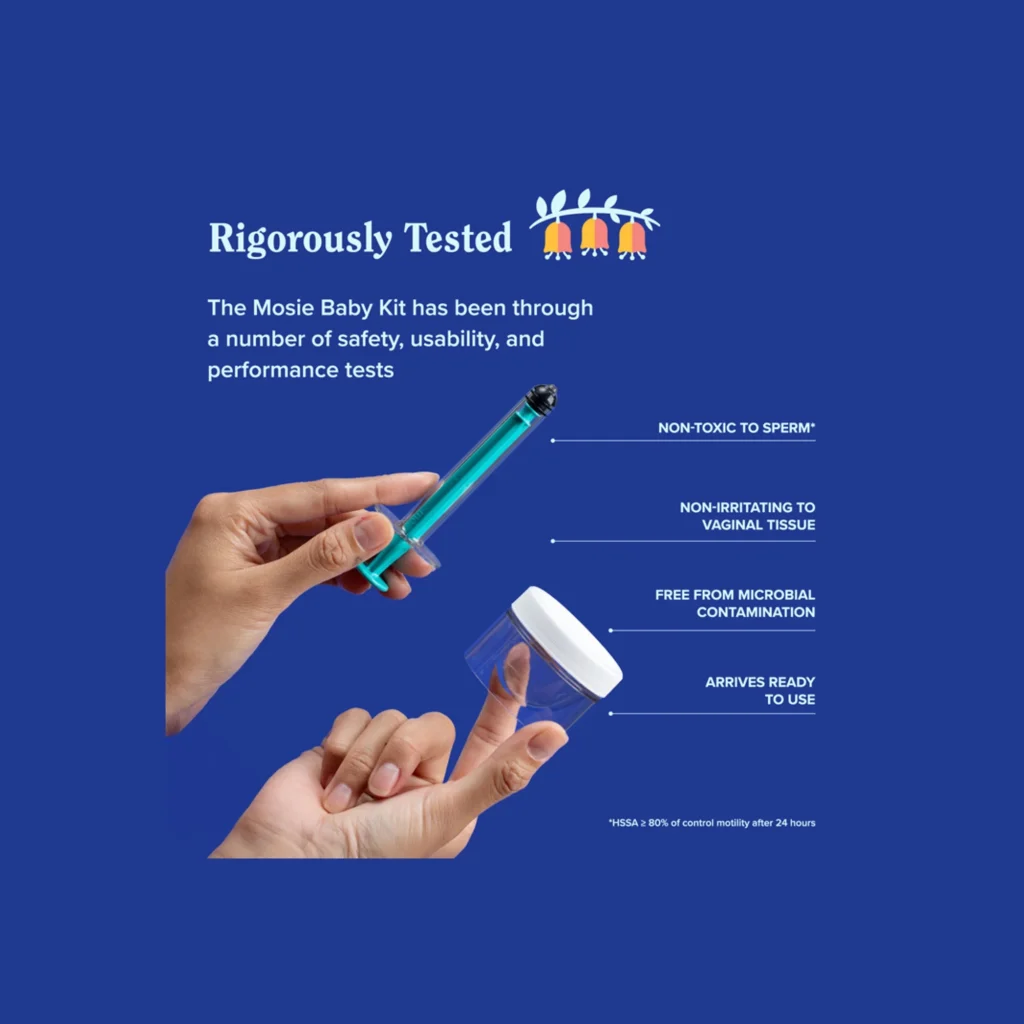
    Mosie Baby Kit features a syringe and container, highlighting safety and usability tests on a blue background.

    The Ultimate Guide to Partnering with Instagram's Most Followed Influencers

    4. Create Engaging and Authentic Content
    Instagram’s most followed influencers have built their following by creating high-quality and engaging content. It is important to trust the influencer’s creativity and allow them to create content that resonates with their audience. The key is to ensure that the content is authentic and aligns with your brand’s message and values.

    5. Track and Measure Results
    As with any marketing strategy, it is important to track and measure the results of your partnership with the influencer. This will help you determine the success of the campaign and make necessary adjustments for future partnerships. You can track metrics such as reach, engagement, and conversions to evaluate the effectiveness of the partnership.

    6. Build a Long-Term Relationship
    Partnering with an influencer should not be a one-time thing. Building a long-term relationship with an influencer can be beneficial for both parties. It allows for consistent and authentic promotion of your brand and products, and it also helps the influencer build trust and credibility with their audience. Additionally, long-term partnerships can often lead to better deals and discounts for businesses.

    7. Follow FTC Guidelines
    It is important to follow the Federal Trade Commission (FTC) guidelines when partnering with influencers. This includes requiring the influencer to disclose their partnership with your brand in their posts. This ensures transparency and honesty with their audience, and also protects your brand from any legal issues.

    In conclusion, partnering with Instagram’s most followed influencers can be a valuable marketing strategy for businesses of all sizes. It allows for reaching a larger and more targeted audience, building brand awareness, and increasing conversions. By following these steps, businesses can ensure a successful partnership with influencers and reap the benefits of this powerful marketing strategy.

    Summary:
    Partnering with Instagram’s most followed influencers can be a highly effective marketing strategy for businesses. These influencers have a large and engaged following, making them valuable partners for promoting products and services. The ultimate guide to partnering with these influencers includes steps such as researching and identifying the right influencers, building a relationship, negotiating the partnership, creating engaging content, tracking results, and building a long-term relationship. It is also important to follow FTC guidelines for transparency and legality. By following these steps, businesses can successfully tap into the power of influencer marketing on Instagram.

  • Influencer Marketing 101: Learning from Instagram’s Most Followed Users

    Influencer Marketing 101: Learning from Instagram’s Most Followed Users

    In today’s digital age, social media has become a powerful tool for businesses to reach their target audience and promote their products or services. One of the most popular social media platforms for marketing is Instagram, with over 1 billion active users, making it a prime platform for influencer marketing. Influencer marketing is a type of marketing where businesses collaborate with popular social media users (influencers) to promote their products or services to their large following. This strategy has become increasingly popular in recent years as influencers have become an integral part of social media marketing. In this blog post, we will delve into the basics of influencer marketing and learn from Instagram’s most followed users to understand how businesses can utilize this strategy effectively.

    What is Influencer Marketing?

    Influencer marketing is a type of marketing where businesses partner with popular social media influencers to promote their products or services to their audience. These influencers have a large following and a strong influence on their audience’s purchasing decisions. They are typically experts in their niche and have built a loyal and engaged following through their content. By collaborating with these influencers, businesses can tap into their audience and reach potential customers in a more organic and authentic way.

    Why is Influencer Marketing Effective?

    Influencer marketing has proven to be an effective strategy for businesses for several reasons. First and foremost, collaborating with influencers gives businesses access to their large and engaged following. This allows businesses to reach their target audience more effectively and promote their products or services to people who are more likely to be interested in them. Additionally, influencer marketing is more authentic and relatable than traditional advertising methods. As influencers have built a strong relationship with their audience, their recommendations and endorsements are seen as more trustworthy, making it easier for businesses to build trust and credibility with potential customers.

    Learning from Instagram’s Most Followed Users

    Instagram has become a hub for influencer marketing, with many of the platform’s most followed users collaborating with brands for sponsored posts and partnerships. These users have mastered the art of influencer marketing and have built a strong personal brand that attracts millions of followers. Let’s take a look at some of Instagram’s most followed users and what we can learn from them about influencer marketing.

    1. Kylie Jenner (@kyliejenner)

    With over 250 million followers, Kylie Jenner is one of Instagram’s most followed users and a powerhouse in the world of influencer marketing. She has built a successful business empire through her personal brand, Kylie Cosmetics, and has collaborated with numerous brands for sponsored posts. One of the key takeaways from Kylie’s influencer marketing strategy is her use of visual content. She consistently posts high-quality and visually appealing photos that showcase her products, making her followers eager to try them out. Additionally, she leverages her personal brand and authenticity to promote her products, making her followers feel like they are getting a glimpse into her personal life.

    hand holding a syringe with a blue plunger against a solid blue background

    Influencer Marketing 101: Learning from Instagram's Most Followed Users

    2. Cristiano Ronaldo (@cristiano)

    Cristiano Ronaldo, one of the world’s most popular football players, has also become a major influencer on Instagram with over 270 million followers. He has collaborated with brands such as Nike, Herbalife, and Tag Heuer for sponsored posts and endorsements. One of the key strategies that Ronaldo utilizes in influencer marketing is his focus on his audience’s interests. He posts a mix of content, including personal photos, workout videos, and promotional posts, to keep his audience engaged and interested. Additionally, he leverages his status as a global sports icon to promote products that align with his personal brand and interests.

    3. Selena Gomez (@selenagomez)

    Selena Gomez is not only one of the most followed users on Instagram, but she is also a successful singer and actress. With over 274 million followers, she has built a strong personal brand and has collaborated with brands such as Puma, Coach, and Coca-Cola for sponsored posts. One of the key takeaways from Selena’s influencer marketing strategy is her focus on authenticity and transparency. She often shares personal stories and struggles with her audience, making her more relatable and approachable. This has helped her build a strong connection with her followers and has made her endorsements more trustworthy and effective.

    4. Dwayne Johnson (@therock)

    Dwayne Johnson, also known as “The Rock,” is not only a successful actor and wrestler, but he is also a top influencer on Instagram with over 251 million followers. He has collaborated with brands such as Under Armour, Ford, and Apple for sponsored posts and endorsements. One of the key strategies that Dwayne utilizes in influencer marketing is his consistent and relatable content. He shares a mix of personal and promotional content, but always maintains his authentic and humorous personality in all his posts. This has helped him build a strong personal brand and a loyal following, making him a valuable influencer for brands.

    5. Kim Kardashian (@kimkardashian)

    Kim Kardashian, a reality TV star and businesswoman, has also become a major influencer on Instagram with over 237 million followers. She has collaborated with brands such as SKIMS, KKW Beauty, and Airbnb for sponsored posts and partnerships. One of the key takeaways from Kim’s influencer marketing strategy is her use of storytelling. She often shares personal stories and experiences with her audience, making her more relatable and creating an emotional connection with her followers. This has helped her build a strong personal brand and has made her endorsements more effective.

    Summary

    Influencer marketing has become a popular and effective strategy for businesses to reach their target audience and promote their products or services on social media platforms such as Instagram. By collaborating with popular influencers, businesses can tap into their large and engaged following and promote their offerings in a more authentic and relatable way. Instagram’s most followed users, such as Kylie Jenner, Cristiano Ronaldo, Selena Gomez, Dwayne Johnson, and Kim Kardashian, have mastered the art of influencer marketing and provide valuable insights for businesses looking to utilize this strategy successfully. By learning from these influencers, businesses can create effective influencer marketing campaigns that will help them reach their marketing goals and drive business growth.