Tag: ovulation prediction

  • Things You Didn’t Know About Using an At-Home Conception Aid Kit

    Title: Things You Didn’t Know About Using an At-Home Conception Aid Kit

    Have you and your partner been trying to conceive but have been unsuccessful? While there may be several factors at play, an at-home conception aid kit is one option that many couples turn to. These kits promise to increase your chances of getting pregnant by providing a more controlled and optimized environment for sperm to fertilize an egg. However, there are many things about these kits that people may not be aware of. In this blog post, we will explore some of the lesser-known aspects of using an at-home conception aid kit and how it may impact your fertility journey.

    1. Not all at-home conception aid kits are the same

    While there are several brands and types of at-home conception aid kits available in the market, not all of them are created equal. Some kits may only contain ovulation prediction tests, while others may include sperm-friendly lubricants, vitamins, and supplements. It is essential to research and read reviews before choosing a kit to ensure that it aligns with your needs and preferences.

    2. Timing is crucial

    One of the most critical factors for successful conception using an at-home aid kit is timing. These kits usually come with ovulation prediction tests that help you identify the most fertile days in your menstrual cycle. It is crucial to follow the instructions carefully and test at the right time to increase your chances of getting pregnant.

    3. They can be expensive

    At-home conception aid kits can be a significant investment, with some costing over $100. While they may seem expensive, it is essential to consider the cost of fertility treatments and other options if you are struggling to conceive. It may be worth it to invest in a kit that could potentially increase your chances of getting pregnant without additional medical intervention.

    4. They may not be suitable for everyone

    At-home conception aid kits are not a one-size-fits-all solution. They may not be suitable for everyone, especially if you have underlying fertility issues. It is essential to consult with your doctor before using these kits, especially if you have been trying to conceive for an extended period without success. Your doctor can help you determine if an at-home kit is the right option for you or if you should explore other options.

    5. They may not work for certain medical conditions

    at-home insemination kit by Mosie Baby, featuring syringes and containers for comfort and convenience.

    Things You Didn't Know About Using an At-Home Conception Aid Kit

    Certain medical conditions, such as polycystic ovary syndrome (PCOS) or endometriosis, can affect fertility and may not be compatible with at-home conception aid kits. These conditions can impact ovulation and may require medical intervention to improve your chances of getting pregnant. It is crucial to discuss any underlying medical conditions with your doctor before using an at-home kit.

    6. They can be used alongside medical fertility treatments

    If you are undergoing medical fertility treatments, such as in vitro fertilization (IVF), you may still be able to use an at-home conception aid kit. These kits can be used in conjunction with medical treatments to increase your chances of getting pregnant. However, it is essential to consult with your doctor before using an at-home kit while undergoing medical fertility treatments.

    7. They do not guarantee pregnancy

    While at-home conception aid kits may increase your chances of getting pregnant, they do not guarantee pregnancy. Several factors play a role in successful conception, and these kits cannot account for all of them. It is essential to manage your expectations and understand that these kits are not a guaranteed solution for fertility issues.

    8. They may not be suitable for same-sex couples

    At-home conception aid kits are designed to help heterosexual couples conceive. They may not be suitable for same-sex couples, as they rely on sperm and egg fertilization. These couples may want to explore other options, such as sperm donors or fertility treatments, to achieve pregnancy.

    9. They can be used for natural family planning

    At-home conception aid kits can also be used for natural family planning. By tracking your ovulation and fertile days, you can use these kits to avoid pregnancy if you are not ready to conceive. However, it is essential to note that these kits are not as reliable as other forms of birth control and may not be suitable for everyone.

    10. They can be a helpful tool for couples struggling with conception

    For couples struggling with conception, an at-home conception aid kit can be a helpful tool. It can provide a more controlled and optimized environment for sperm to fertilize an egg, increasing the chances of pregnancy. These kits can also help with tracking ovulation and identifying any potential issues or irregularities in your cycle that may need medical attention.

    In summary, at-home conception aid kits are not a one-size-fits-all solution for couples trying to conceive. It is essential to research and consult with a doctor before using these kits, as they may not be suitable for everyone. While they may help increase your chances of getting pregnant, they do not guarantee pregnancy and should not be relied upon as the only solution for fertility issues.

  • The DIY Baby-Making Trend: How Syringe Kits Are Changing the Game

    Summary:

    Over the past few years, the DIY baby-making trend has gained popularity among couples struggling with infertility or those who simply want to have a child without medical intervention. This trend involves using syringe kits, also known as at-home insemination kits, to artificially inseminate at home. These kits have revolutionized the way people approach conception, making it more accessible, affordable, and private. In this blog post, we will explore the growing popularity of DIY baby-making, the benefits and risks of using syringe kits, and how they are changing the game for couples looking to start a family.

    Firstly, we will delve into the reasons behind the rise of DIY baby-making. With the increasing costs of fertility treatments and the stigma surrounding assisted reproduction, many couples are turning to alternative methods. Syringe kits provide a discreet and affordable option for those who may not be comfortable with traditional methods or cannot afford pricey medical procedures. Additionally, these kits can be used by same-sex couples and single individuals who may not have access to sperm banks or fertility clinics.

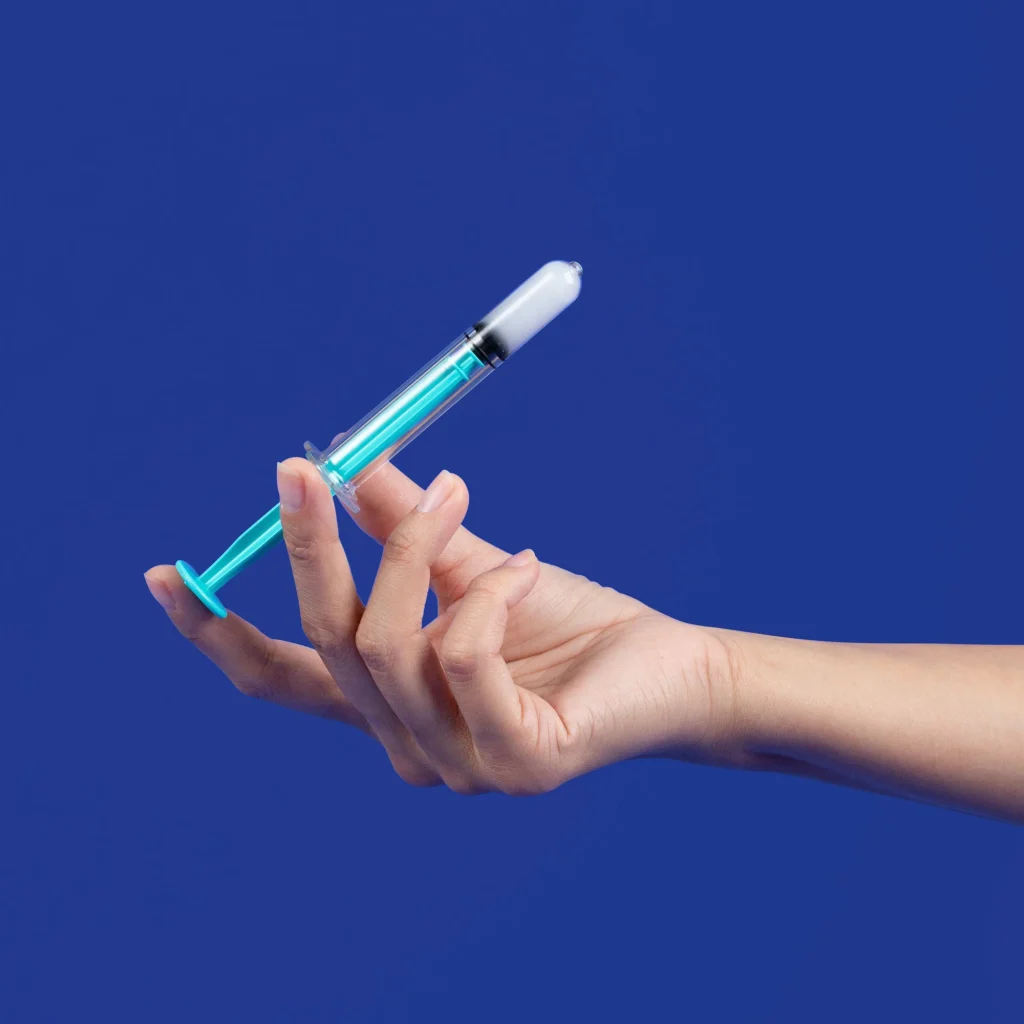
    Next, we will discuss the process of using a syringe kit for at-home insemination. The kits typically include a syringe, a specimen cup, and fertility-friendly lubricant. The process involves collecting semen from a male partner or a donor, placing it into the syringe, and inserting it into the vagina during the woman’s ovulation window. Many couples have reported success with this method, and it has become a popular choice for those trying to conceive.

    hand holding a syringe with a blue plunger against a solid blue background

    The DIY Baby-Making Trend: How Syringe Kits Are Changing the Game

    One of the main benefits of using a syringe kit is the privacy it offers. Many people prefer to keep their fertility struggles private and avoid the invasive procedures and appointments that come with medical fertility treatments. With a syringe kit, the entire process can be done in the comfort of one’s home, without the need for doctor visits or medical personnel.

    Another advantage of using a syringe kit is the cost. Fertility treatments can be very expensive, and insurance often does not cover them. On the other hand, at-home insemination kits can cost as little as $50, making it a more affordable option for couples who cannot afford medical procedures. This also allows couples to try multiple times without breaking the bank, increasing their chances of success.

    However, there are also some risks associated with DIY baby-making using syringe kits. One of the main concerns is the lack of medical supervision. Without a doctor’s guidance, there is a risk of improper insemination, which can lead to infections or other complications. It is crucial to carefully follow the instructions provided with the kit and to ensure that all equipment is sterile to minimize any potential risks.

    Another risk is the accuracy of ovulation prediction. While many couples use ovulation predictor kits to determine the most fertile days, these kits are not always accurate. This can result in missed ovulation, leading to unsuccessful attempts at conception. It is essential to track ovulation using multiple methods and consult with a doctor if necessary to increase the chances of success.

    In conclusion, the DIY baby-making trend has gained popularity in recent years, with syringe kits being a game-changer for couples looking to conceive. These kits offer a discreet, affordable, and accessible option for those struggling with infertility or wanting to start a family without medical intervention. While there are potential risks involved, proper precautions and careful following of instructions can make this method a successful option for many. Ultimately, the use of syringe kits is a personal choice, and couples should carefully consider all factors before deciding if it is the right option for them.

  • The Perfect Pair: Combining Traditional Methods and an At-Home Conception Support Kit

    The process of conceiving a child can be both exciting and overwhelming for many couples. While traditional methods of conception involve timed intercourse and fertility treatments, there are also at-home conception support kits that claim to increase the chances of getting pregnant. In this blog post, we will explore the benefits of combining traditional methods with an at-home conception support kit to create the perfect pair for those looking to start a family.

    Traditional methods of conception involve tracking ovulation and having intercourse during the most fertile days of a woman’s menstrual cycle. While this method has been proven to be effective, it can also be stressful and put pressure on both partners. On the other hand, at-home conception support kits provide a more relaxed and natural approach to conception. These kits typically include supplements, fertility-friendly lubricants, and ovulation prediction tools.

    Combining these two methods can provide a well-rounded and holistic approach to conception. Here are some reasons why the perfect pair of traditional methods and an at-home conception support kit can increase the chances of getting pregnant:

    1. Tracking Ovulation and Using Ovulation Prediction Tools
    One of the key components of traditional methods of conception is tracking ovulation. This involves monitoring changes in cervical mucus, body temperature, and using ovulation prediction kits. By combining this with an at-home conception support kit, couples can have a more accurate and stress-free way of tracking ovulation. The kit may include ovulation prediction tools such as basal body temperature thermometers and ovulation predictor kits, which can provide more precise results.

    various medical supplies and containers organized in a clear plastic box on a wooden surface

    The Perfect Pair: Combining Traditional Methods and an At-Home Conception Support Kit

    2. Fertility-Friendly Lubricants
    Many couples struggle with vaginal dryness during intercourse, which can hinder sperm from reaching the egg. At-home conception support kits often include fertility-friendly lubricants that mimic the natural cervical mucus and create a more welcoming environment for sperm. This can be especially helpful for couples who are trying to conceive naturally or through insemination.

    3. Boosting Fertility with Supplements
    Another significant component of at-home conception support kits is the supplements they provide. These supplements are specifically designed to boost fertility by providing essential vitamins and minerals that may be lacking in a person’s diet. They can also help regulate hormones and improve overall reproductive health. By combining these supplements with traditional methods of conception, couples can increase their chances of getting pregnant.

    4. Relaxation and Reducing Stress
    Trying to conceive can be a stressful and emotional journey for many couples. Traditional methods of conception can put pressure on both partners and cause stress, which can negatively impact fertility. At-home conception support kits often include relaxation techniques such as meditation, yoga, and breathing exercises, which can help reduce stress and create a more relaxed environment for conception.

    5. Personalized Approach
    Every person’s body is different, and what works for one couple may not work for another. By combining traditional methods with an at-home conception support kit, couples can personalize their approach to conception. They can track their ovulation using traditional methods and use the supplements and techniques provided in the kit to cater to their specific needs.

    In conclusion, combining traditional methods of conception with an at-home conception support kit can create the perfect pair for those looking to start a family. By tracking ovulation, using fertility-friendly lubricants, taking supplements, and reducing stress, couples can increase their chances of getting pregnant naturally. It is essential to keep in mind that every person’s body is different, and what works for one couple may not work for another. It is always best to consult with a healthcare professional before trying any new methods or supplements.

  • Taking the Next Step: How an At-Home Conception Kit Can Aid in Your Journey

    Blog Post:

    Deciding to start a family is a huge step in anyone’s life. It is a journey that is filled with excitement, hope, and sometimes even challenges. While some couples may conceive easily, others may face difficulties in the process. In today’s modern world, there are various options available for couples who are trying to conceive, and one of them is using an at-home conception kit. In this blog post, we will explore how an at-home conception kit can aid in your journey of starting a family.

    What is an At-Home Conception Kit?

    An at-home conception kit is a fertility kit that is designed to help couples who are trying to conceive. These kits typically come with ovulation prediction tools, pregnancy tests, and other helpful items that can increase the chances of getting pregnant. They are easily available over the counter at pharmacies and can also be purchased online. These kits are designed to be used in the comfort of your own home, making it a convenient and private option for couples.

    How Can an At-Home Conception Kit Help?

    1. Ovulation Prediction Tools

    One of the key components of an at-home conception kit is the ovulation prediction tool. This tool helps women track their ovulation cycle, which is crucial for getting pregnant. By tracking their ovulation, women can determine the most fertile days of their cycle and increase their chances of conceiving. The kit may include ovulation predictor strips, which are used to detect the surge in luteinizing hormone (LH) that occurs before ovulation. It may also include a basal body temperature thermometer, which is used to track subtle changes in body temperature that can indicate ovulation.

    2. Pregnancy Tests

    Another important tool included in an at-home conception kit is the pregnancy test. These tests are used to determine if a woman has conceived. They work by detecting the presence of human chorionic gonadotropin (hCG) in the urine, which is a hormone produced during pregnancy. These tests are highly accurate and can provide results in just a few minutes, making it easier for couples to know if they are pregnant.

    Mosie Baby kit with two jars, a syringe, and a supportive message card inside a colorful box.

    Taking the Next Step: How an At-Home Conception Kit Can Aid in Your Journey

    3. Privacy and Convenience

    Using an at-home conception kit provides couples with privacy and convenience. Many couples may find it uncomfortable to talk about their fertility struggles with others, and using an at-home kit allows them to keep this journey private. These kits also eliminate the need for frequent appointments at a fertility clinic, making it a more convenient option for couples.

    4. Cost-effective

    Going through fertility treatments can be expensive, and not everyone can afford it. At-home conception kits are a more affordable option for couples who are trying to conceive. These kits are much more cost-effective than fertility treatments, making it a viable option for couples who may not have the financial means to seek medical help.

    5. Reducing Stress and Anxiety

    The journey of trying to conceive can be stressful and emotionally draining for couples, especially if they are facing difficulties in the process. Using an at-home conception kit can help reduce stress and anxiety as it provides couples with a sense of control over their fertility journey. By tracking their ovulation and using pregnancy tests, couples can feel more in tune with their bodies and have a better understanding of their chances of conceiving.

    In conclusion, an at-home conception kit can be a valuable tool in your journey of starting a family. It provides couples with privacy, convenience, and a cost-effective option for trying to conceive. By using the tools included in the kit, couples can increase their chances of getting pregnant and feel more in control of their fertility journey. If you are considering starting a family, an at-home conception kit may be a helpful aid in your efforts.

    Summary:

    Starting a family is a significant decision, and the journey can be filled with excitement, hope, and challenges. For couples who may face difficulties in conceiving, using an at-home conception kit can be a helpful aid. These fertility kits include ovulation prediction tools, pregnancy tests, and other items to increase the chances of getting pregnant. They offer privacy, convenience, and cost-effectiveness, making it a viable option for couples. Additionally, using these kits can help reduce stress and anxiety associated with trying to conceive. Overall, an at-home conception kit can be a valuable tool in your journey of starting a family.

  • The Role of Ovulation Tracking in Home Insemination

    Blog Post: The Role of Ovulation Tracking in Home Insemination

    When it comes to starting a family, many couples struggle with fertility issues that can make conception a difficult and stressful process. In recent years, more and more couples have turned to home insemination as a way to bypass traditional fertility treatments and have more control over the conception process. However, for home insemination to be successful, it is crucial to have a good understanding of ovulation and to track it effectively. In this blog post, we will explore the role of ovulation tracking in home insemination and how it can increase the chances of a successful pregnancy.

    What is Ovulation Tracking?

    Ovulation tracking, also known as ovulation monitoring or ovulation prediction, is the process of monitoring a woman’s menstrual cycle to determine when she is most likely to ovulate. Ovulation is the release of an egg from the ovary, which occurs once a month in most women. This egg can then be fertilized by sperm, leading to pregnancy. However, the window for fertilization is relatively short, with the egg only being viable for 12-24 hours after ovulation. Therefore, tracking ovulation is crucial for couples who are trying to conceive.

    Methods of Ovulation Tracking

    There are various methods of ovulation tracking, and the most commonly used one is tracking changes in the woman’s basal body temperature (BBT). BBT is the body’s resting temperature, and it rises slightly at ovulation due to an increase in the hormone progesterone. By tracking BBT over several months, a woman can determine when she is most likely to ovulate. Another method is using ovulation predictor kits (OPKs), which detect the presence of luteinizing hormone (LH) in urine. LH levels surge 24-48 hours before ovulation, making OPKs an accurate way to predict ovulation. Other methods include tracking cervical mucus changes and using fertility tracking apps that use algorithms to predict ovulation based on previous menstrual cycle data.

    The Importance of Ovulation Tracking in Home Insemination

    Couples who are using home insemination as a method of conception must have accurate timing to increase their chances of success. Unlike traditional methods, where the sperm is introduced into the woman’s body by a medical professional, home insemination requires couples to time the insemination themselves. Therefore, having a good understanding of ovulation and tracking it effectively is crucial. By knowing when ovulation is expected to occur, couples can ensure that the sperm is introduced into the woman’s body at the optimal time for fertilization.

    Ovulation tracking can also help couples identify any fertility issues that may be hindering conception. For example, if a woman has an irregular menstrual cycle or does not ovulate regularly, ovulation tracking can help identify these issues and guide couples towards seeking medical assistance. Additionally, by tracking ovulation, couples can also determine if there are any underlying health issues that may be affecting fertility, such as hormonal imbalances or thyroid problems.

    Smiling baby in a blue onesie with "made with Love" text, lying on a light blue crocheted blanket.

    The Role of Ovulation Tracking in Home Insemination

    Tips for Effective Ovulation Tracking

    To ensure the most accurate ovulation tracking, here are a few tips to keep in mind:

    1. Start tracking early: It is best to begin tracking your menstrual cycle a few months before you plan to start trying to conceive. This will give you a better understanding of your cycle and help you identify patterns.

    2. Use multiple tracking methods: While BBT and OPKs are the most commonly used methods, it is helpful to use multiple methods to confirm ovulation. This can include tracking cervical mucus changes, using fertility tracking apps, and monitoring changes in the cervix.

    3. Be consistent: To get the most accurate results, it is crucial to be consistent with your tracking. Take your BBT at the same time every morning and use OPKs at the same time each day.

    4. Seek medical assistance if needed: If you have been tracking ovulation for several months and have not been able to conceive, it may be time to seek medical assistance. A fertility specialist can help identify any underlying issues and provide treatment options.

    In conclusion, ovulation tracking plays a significant role in home insemination by providing couples with the necessary information to time the insemination correctly. By tracking ovulation, couples can increase their chances of a successful pregnancy and also identify any fertility issues that may need medical intervention. With the help of accurate ovulation tracking, couples can take control of their fertility journey and start their journey to parenthood.

    Summary:

    Home insemination has become a popular choice for couples struggling with fertility issues. However, for it to be successful, understanding ovulation and tracking it effectively is crucial. Ovulation tracking is the process of monitoring a woman’s menstrual cycle to determine when she is most likely to ovulate. It can be done through various methods such as tracking basal body temperature, using ovulation predictor kits, and fertility tracking apps. Ovulation tracking is essential in home insemination as it helps couples time the insemination correctly and identify any underlying fertility issues. By following these tips for effective ovulation tracking, couples can increase their chances of a successful pregnancy and take control of their fertility journey.

  • The Conception Companion Syringe Kit: Bringing Hope to TTC Couples

    Summary:

    For many couples struggling with infertility, the journey to conceive can be a long and emotional one. The process of tracking ovulation, timing intercourse, and undergoing fertility treatments can be overwhelming and exhausting. That’s why the Conception Companion Syringe Kit was created – to provide a simple and effective solution for TTC (trying-to-conceive) couples. This kit includes all the necessary tools and information to help couples on their journey to parenthood. From ovulation prediction to intrauterine insemination (IUI), the Conception Companion Syringe Kit offers hope and convenience to those struggling to conceive.

    The Challenges of TTC:

    For many couples, the decision to start a family is an exciting one. However, when months go by without a positive pregnancy test, that excitement can quickly turn into frustration and disappointment. Infertility affects approximately 1 in 8 couples, and the emotional toll it takes on individuals and relationships can be significant. The process of trying to conceive can also be physically and financially taxing, with multiple doctor’s appointments, fertility treatments, and medications.

    The Conception Companion Syringe Kit: A Comprehensive Solution

    The Conception Companion Syringe Kit aims to simplify the process of trying to conceive by offering a comprehensive solution for TTC couples. The kit includes all the necessary tools and information needed to increase the chances of conception. The first component is the ovulation prediction kit, which includes ovulation tests and a basal body temperature (BBT) chart to track the most fertile days in a woman’s cycle. This takes the guesswork out of timing intercourse and increases the chances of conception.

    various medical supplies and containers organized in a clear plastic box on a wooden surface

    The Conception Companion Syringe Kit: Bringing Hope to TTC Couples

    The second component of the kit is the IUI syringe. Intrauterine insemination (IUI) is a common fertility treatment that involves placing sperm directly into the uterus, bypassing the cervix. The Conception Companion Syringe Kit provides a sterile and easy-to-use syringe for this procedure. This eliminates the need for couples to purchase separate syringes or rely on potentially unsanitary alternatives.

    The kit also comes with a step-by-step guide on how to perform an IUI at home, making it more convenient and less expensive for couples. This guide provides detailed instructions on how to prepare the sperm sample, how to insert the syringe, and how to prepare the body for conception. It also includes tips on how to increase sperm count and improve overall fertility.

    Bringing Hope to TTC Couples

    The Conception Companion Syringe Kit not only provides convenience and simplicity but also offers hope to TTC couples. Many couples struggle with the emotional toll of infertility, and the added pressure of scheduled doctor’s appointments and costly treatments can add to the stress. The kit allows couples to take control of their fertility journey and perform an IUI at home, without the added stress and expense of medical procedures.

    Additionally, the kit offers a sense of privacy for couples who may not feel comfortable discussing their struggles with others or going to a medical facility for treatment. It also allows for a more intimate and natural approach to conception, as couples can perform the IUI in the comfort of their own home.

    The Conception Companion Syringe Kit has already helped many couples on their journey to parenthood. Numerous success stories from couples who have used the kit and successfully conceived have been shared, bringing hope to others going through similar struggles.

    In conclusion, the Conception Companion Syringe Kit offers a comprehensive solution for TTC couples, providing all the necessary tools and information to increase the chances of conception. It offers convenience, privacy, and hope to those struggling with infertility. With its easy-to-use syringe, ovulation prediction kit, and step-by-step guide, the kit is a game-changer for couples on their journey to parenthood.

