Tag: Reproductive Rights

  • A New Era of Conception: How the Kit is Shifting the Conversation

    Summary:

    Conception, the process of creating a new life, has been an important topic of conversation for centuries. However, with the advancement of technology and shifting societal norms, the conversation around conception has also evolved. In recent years, there has been a growing interest in at-home fertility kits, also known as conception kits, which offer a more accessible and convenient way for individuals and couples to track and monitor their fertility.

    This blog post will explore the new era of conception and how the introduction of at-home fertility kits is shifting the conversation around fertility and family planning. We will discuss the benefits and limitations of these kits, as well as the impact they are having on individuals, couples, and society as a whole. Additionally, we will address the controversies surrounding these kits and the role they play in the larger conversation around reproductive rights and autonomy.

    The traditional methods of tracking fertility, such as charting menstrual cycles and monitoring ovulation, have been around for decades. However, these methods can be time-consuming, require a lot of effort and may not always provide accurate results. With the introduction of at-home fertility kits, individuals and couples now have access to a more modern and convenient way of tracking their fertility.

    One of the main benefits of at-home fertility kits is the ease and convenience they offer. These kits typically include ovulation predictor tests, basal body temperature thermometers, and other tools to help track fertility. They also often come with instructions and resources to help users better understand their cycles and increase their chances of conception. With these kits, individuals and couples can track their fertility in the comfort of their own homes, without having to make frequent trips to the doctor’s office or rely on costly fertility treatments.

    hand holding a syringe with a blue plunger against a solid blue background

    A New Era of Conception: How the Kit is Shifting the Conversation

    Moreover, at-home fertility kits are also helping to break the stigma around fertility and conception. For many years, fertility issues were considered taboo and rarely discussed openly. However, with the rise of at-home fertility kits, more people are starting to talk about their struggles with fertility and seek support and advice from others who may be going through similar experiences. This has led to a shift in the conversation around fertility and has helped to normalize the topic, making it less of a taboo and more of a natural aspect of life.

    In addition to breaking stigma, at-home fertility kits are also empowering individuals and couples to take control of their own fertility and family planning. By providing easy access to tools and information, these kits give individuals the opportunity to understand their bodies and make informed decisions about when and how they want to conceive. This is especially beneficial for those who may face barriers to healthcare or have limited access to fertility resources.

    However, it is important to acknowledge the limitations of at-home fertility kits. While they can be a useful tool for tracking fertility, they are not a substitute for medical advice and should not be relied upon as a sole method of family planning. It is crucial for individuals and couples to consult with a healthcare professional for a comprehensive understanding of their fertility and any potential underlying issues.

    Another important aspect to consider is the potential impact of at-home fertility kits on the larger conversation around reproductive rights and autonomy. With these kits, individuals and couples have more control over their fertility and can make decisions about their own bodies without the need for medical intervention. This raises questions about the role of healthcare providers in the conversation around fertility and whether individuals should have the right to make their own choices about their reproductive health without judgment or interference.

    There have also been concerns about the accuracy and effectiveness of at-home fertility kits. While these kits have been shown to be reliable for tracking ovulation, there is still debate over their accuracy in predicting fertility and conception. This has led to a debate among experts and healthcare professionals about the reliability of these kits and the need for further research and regulation to ensure their accuracy and safety.

    In conclusion, the introduction of at-home fertility kits has brought about a new era of conception, shifting the conversation around fertility and family planning. These kits offer convenience, accessibility, and empowerment for individuals and couples, but also raise important questions about reproductive rights and the role of healthcare professionals in the conversation. As technology continues to advance and societal norms evolve, it is important to continue discussing and evaluating the implications of these kits on the larger conversation around conception and reproductive health.
  • Syringe Method for At-Home Insemination: A Step Towards Gender Equality in Reproductive Rights

    Blog Post:

    In a world where reproductive rights are still heavily skewed towards cisgender heterosexual couples, the Syringe Method for At-Home Insemination offers a glimmer of hope for gender equality. This method allows individuals or couples to perform insemination at home, without the need for expensive medical procedures or the involvement of a third-party donor. By reclaiming control over their reproductive choices, individuals and couples can take a step towards equal access to reproductive rights.

    The Syringe Method, also known as the “Turkey Baster Method,” involves using a sterile syringe to deposit semen into the vagina or cervix. This can be done with fresh or frozen sperm, either from a known donor or a sperm bank. While it may sound simple, there are important steps that need to be followed to ensure the best chances of success.

    Step 1: Understanding Ovulation

    The first step in the Syringe Method is to understand the ovulation cycle. Ovulation is the release of an egg from the ovary, which typically occurs around day 14 of a 28-day menstrual cycle. However, ovulation can vary from person to person, and tracking one’s ovulation using methods such as basal body temperature or ovulation predictor kits can help determine the best time for insemination.

    Step 2: Preparing the Sperm

    Before insemination, the sperm needs to be prepared for optimal motility. This can be done by thawing frozen sperm or obtaining fresh semen from a donor. If using frozen sperm, it is important to follow the instructions provided by the sperm bank for thawing and preparing the sample.

    Step 3: Preparing the Syringe

    The syringe used for insemination should be sterile and free of any air bubbles. It is important to choose the correct size of the syringe, as a larger syringe may cause discomfort during insertion. The syringe should also be filled with sperm and kept at room temperature for about 20 minutes to allow the sperm to adjust to the temperature of the body.

    Step 4: Insertion

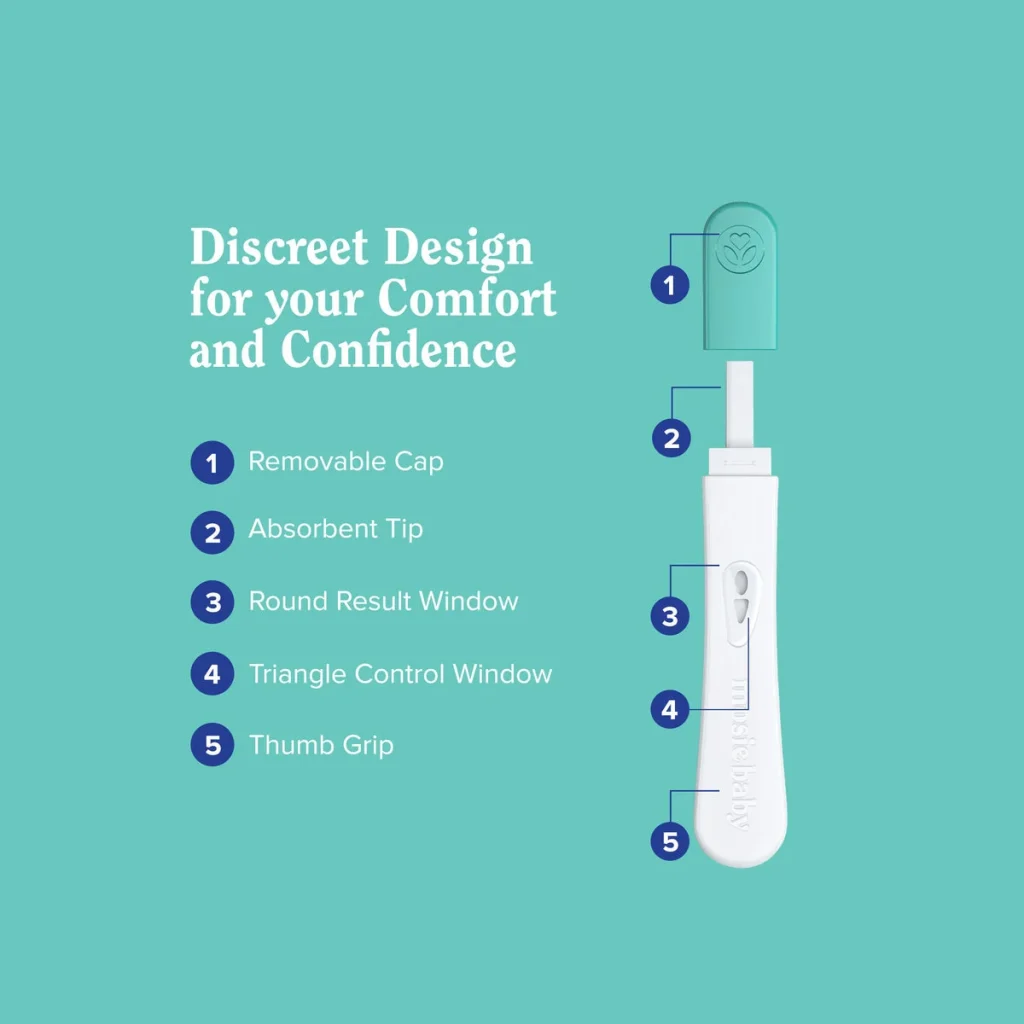
    pregnancy test kit features labeled for comfort and confidence on a teal background

    Syringe Method for At-Home Insemination: A Step Towards Gender Equality in Reproductive Rights

    Once the syringe and sperm are prepared, it is time for insertion. The person receiving the insemination can choose whether to insert the syringe into the vagina or directly into the cervix. It is recommended to do this in a comfortable position, such as lying down with the hips elevated. The syringe should be inserted slowly and gently, and the sperm should be released slowly to avoid any discomfort.

    Step 5: Post-Insemination Care

    After insemination, it is important to remain lying down for at least 15 minutes to allow the sperm to reach the cervix. It is also recommended to use a menstrual cup or soft cup to keep the sperm close to the cervix for a longer period of time. Some people also choose to use a fertility-friendly lubricant to aid in the process. It is important to avoid any activities that may cause the sperm to leak out, such as standing, walking, or using the bathroom.

    Success Rates and Considerations

    While the Syringe Method has been shown to be successful for many individuals and couples, it is important to note that success rates may vary. Factors such as age, fertility status, and timing of insemination can all play a role in the success of the method. It is also important to keep in mind that the Syringe Method does not offer the same level of medical support and monitoring as a clinical insemination, and it may not be suitable for everyone.

    The Syringe Method and Gender Equality

    One of the most significant benefits of the Syringe Method is the control it gives individuals and couples over their reproductive choices. By performing insemination at home, they can avoid the costly and often invasive procedures involved in clinical insemination. This method also eliminates the need for a third-party donor, allowing individuals and couples to use the sperm of their choosing.

    Moreover, the Syringe Method can be particularly empowering for LGBTQ+ individuals and couples who may face discrimination or barriers when seeking reproductive assistance. It offers a more accessible and affordable option for those who want to start or expand their families.

    In conclusion, the Syringe Method for At-Home Insemination is a step towards gender equality in reproductive rights. It allows individuals and couples to reclaim control over their reproductive choices and offers a more accessible and affordable option for starting or expanding their families. While it may not be suitable for everyone, this method offers hope for a more inclusive and equal future in the realm of reproductive rights.

    Summary:

    The Syringe Method for At-Home Insemination, also known as the “Turkey Baster Method,” is a simple and affordable way for individuals and couples to perform insemination at home. It involves using a sterile syringe to deposit sperm into the vagina or cervix, and it has been shown to be successful for many people. By understanding ovulation, preparing the sperm and syringe, and following post-insemination care, individuals and couples can increase their chances of success. This method also offers a more accessible and empowering option for LGBTQ+ individuals and couples, and it is a step towards gender equality in reproductive rights.