Tag: syringe insemination

  • The Role of the Male Partner in Syringe Insemination

    Blog Post:

    Syringe insemination, also known as artificial insemination, is a process where sperm is inserted into the reproductive tract of a female in order to achieve pregnancy. While it is commonly associated with fertility clinics and medical professionals, many couples are opting for a more intimate and personal approach by performing syringe insemination at home. This method involves the use of a syringe to deposit the sperm directly into the vagina, bypassing the need for sexual intercourse. And in this process, the role of the male partner is vital.

    Traditionally, the male partner’s role in conception has been limited to providing sperm through sexual intercourse. However, with the rise of alternative methods of insemination, the male partner’s role has evolved and expanded. In syringe insemination, the male partner plays an active role in the process, from the selection of the donor sperm to the actual insemination itself.

    One of the main responsibilities of the male partner in syringe insemination is selecting the donor sperm. This is a crucial step as the quality of the sperm can greatly affect the success of the insemination. The male partner can either choose to use his own sperm or opt for donor sperm from a sperm bank. If using donor sperm, the male partner must carefully consider factors such as the donor’s health, physical characteristics, and medical history to ensure the best chance of success.

    Once the donor sperm has been selected, the male partner is responsible for preparing the syringe for the insemination. This involves carefully drawing the sperm into the syringe and preparing the syringe for insertion. It is important for the male partner to follow proper hygiene and sterilization techniques to ensure the safety and effectiveness of the insemination.

    During the insemination process, the male partner’s role is crucial in terms of timing and technique. Timing is important as the sperm needs to be inserted into the vagina as close to the time of ovulation as possible in order to increase the chances of conception. The male partner must also have a good understanding of the female partner’s menstrual cycle and be able to identify signs of ovulation to ensure accurate timing.

    pregnancy test kit with instructions, test device, and packaging on a white background

    The Role of the Male Partner in Syringe Insemination

    In terms of technique, the male partner must be able to insert the syringe into the vagina at the correct angle and depth to deposit the sperm near the cervix. This requires good communication and cooperation between the couple as well as patience and practice. It is recommended to have multiple insemination attempts during the fertile window in order to increase the chances of success.

    Aside from the physical aspects, the male partner also plays a crucial role in providing emotional support throughout the syringe insemination process. This method of conception can be emotionally taxing for both partners, and it is important for the male partner to be understanding and supportive. This can involve being there for the female partner during the insemination, offering words of encouragement and reassurance, and being prepared to handle any potential challenges or setbacks.

    In addition, the male partner can also provide emotional support by being involved in the planning and decision-making process. This can include researching and discussing different sperm donors, discussing options and preferences for insemination, and creating a supportive and comfortable environment for the procedure.

    In conclusion, the role of the male partner in syringe insemination is far more than just providing sperm. From selecting the donor sperm to providing emotional support, the male partner plays an integral role in the success of the insemination process. Syringe insemination allows for a more intimate and personal approach to conception, and the involvement of the male partner can make the experience even more meaningful and special for both partners.


    Summary:

    Syringe insemination, also known as artificial insemination, is a method of conception where sperm is inserted directly into the vagina using a syringe. While traditionally the male partner’s role in conception has been limited to providing sperm through sexual intercourse, in syringe insemination, the male partner plays an active and vital role. This includes selecting the donor sperm, preparing the syringe, timing and performing the insemination, and providing emotional support throughout the process. Syringe insemination allows for a more intimate and personal approach to conception, and the involvement of the male partner can make the experience even more meaningful and special for both partners.

  • Syringe Insemination Success Stories: Real-Life Experiences

    Syringe Insemination Success Stories: Real-Life Experiences

    In recent years, syringe insemination has become a popular method for individuals and couples looking to conceive. This simple and affordable technique involves using a syringe to directly deposit sperm into the cervix, bypassing any potential obstacles in the reproductive system. While there is still a lot of stigma and misconceptions surrounding syringe insemination, many people have had successful outcomes and are eager to share their experiences. In this blog post, we will explore some real-life success stories of syringe insemination and shed light on the process and its potential for success.

    Sarah’s Story

    Sarah and her partner had been trying to conceive for over a year with no success. After undergoing various fertility tests and treatments, they decided to try syringe insemination at home. They purchased a sterile syringe and sperm from a reputable sperm bank, and Sarah used an ovulation predictor kit to determine the best time for insemination. To their surprise, Sarah became pregnant after just two cycles of syringe insemination. She gave birth to a healthy baby girl and credits syringe insemination for making their dream of parenthood a reality.

    John and Lisa’s Journey

    John and Lisa had been trying to conceive for several years with no luck. After multiple failed attempts with intrauterine insemination (IUI), they decided to give syringe insemination a try. They were initially skeptical about the effectiveness of this method, but they were willing to try anything. To their amazement, Lisa became pregnant after just one cycle of syringe insemination. They welcomed a baby boy into their lives, and they are grateful for the simplicity and affordability of syringe insemination.

    Maggie’s Miracle

    pregnancy test kit with instructions, test device, and packaging on a white background

    Syringe Insemination Success Stories: Real-Life Experiences

    Maggie had been trying to conceive for over five years with no success. She and her partner had undergone several rounds of expensive fertility treatments, all of which had failed. Feeling defeated, they turned to syringe insemination as a last resort. Despite having low sperm count and motility, Maggie became pregnant after just one cycle of syringe insemination. She gave birth to a healthy baby girl, and she believes that syringe insemination was the key to their success.

    Syringe Insemination vs. Other Fertility Treatments

    Many people wonder how syringe insemination compares to other fertility treatments such as IUI and in vitro fertilization (IVF). While every person’s experience is different, there are some notable differences between these methods. Syringe insemination is a less invasive and more affordable option compared to IUI and IVF. It can also be done at home, making it more convenient for those who do not live near a fertility clinic or have a busy schedule. However, syringe insemination may not be suitable for everyone, especially those with certain medical conditions or fertility issues. It is essential to consult with a healthcare provider before attempting syringe insemination.

    Factors That Contribute to Success

    The success of syringe insemination can depend on various factors, including timing, sperm quality, and the health of the person receiving the insemination. It is crucial to track ovulation accurately and use high-quality sperm from a reputable sperm bank. Additionally, maintaining a healthy lifestyle and taking care of one’s overall reproductive health can also increase the chances of success.

    The Importance of Support and Education

    For individuals and couples considering syringe insemination, it is essential to have a support system and access to accurate information. The internet is full of misinformation and negative views about this method, which can be discouraging for those who are trying it for the first time. It is crucial to connect with others who have had successful outcomes with syringe insemination and seek guidance from healthcare professionals who are knowledgeable about this technique.

    In conclusion, syringe insemination may not be a conventional or widely recognized method of conceiving, but it has proven to be a successful option for many individuals and couples. Real-life experiences like those shared in this blog post show that syringe insemination can be a game-changer for those struggling to conceive. With the right information, support, and timing, syringe insemination can be a simple and effective way to start or expand a family.

  • Transforming the Baby-Making Process with Syringe Insemination

    Blog Post Title: Transforming the Baby-Making Process with Syringe Insemination

    Introduction:
    The journey towards parenthood can be a long and challenging one, especially for couples struggling with fertility issues. In the past, the only options for conceiving a child were natural intercourse or expensive and invasive procedures like in vitro fertilization (IVF). However, with the advancement of medical technology, a new method known as syringe insemination has emerged as a simple and cost-effective alternative. In this blog post, we will explore what syringe insemination is, how it works, and how it is transforming the baby-making process for couples all over the world.

    What is Syringe Insemination?
    Syringe insemination, also known as intracervical insemination (ICI), is a method of artificial insemination that involves inserting semen directly into the cervix using a syringe. This process is often used by couples who are trying to conceive at home without the help of a medical professional. However, it can also be performed in a fertility clinic under the supervision of a doctor.

    How Does It Work?
    The first step in syringe insemination is to collect semen from the male partner. This can be done through masturbation or with the help of a special condom that collects semen during intercourse. Next, the semen is placed into a syringe and inserted into the vagina, directing the tip towards the cervix. The semen is then slowly released into the cervix, where it can travel up to the fallopian tubes to fertilize the egg.

    Why is Syringe Insemination Gaining Popularity?
    There are several reasons why syringe insemination is becoming a popular choice for couples trying to conceive. Firstly, it is a simple and non-invasive procedure that can be performed at home, making it a more comfortable and private option for many couples. It also eliminates the need for expensive and time-consuming visits to a fertility clinic.

    sperm-ready insemination kit with a syringe and container, featuring a screw top lid and non-tip safety wall

    Transforming the Baby-Making Process with Syringe Insemination

    Moreover, syringe insemination has a higher success rate compared to natural intercourse. This is because the semen is placed directly into the cervix, making it easier for the sperm to reach the egg. Additionally, syringe insemination can be timed according to a woman’s ovulation cycle, increasing the chances of conception.

    Cost is another factor that makes syringe insemination an attractive option. Traditional methods of fertility treatments like IVF can cost upwards of $10,000, while syringe insemination can cost as little as a few hundred dollars, making it a more affordable option for many couples.

    Risks and Considerations:
    While syringe insemination is generally a safe and effective method, there are a few risks and considerations to keep in mind. One of the main concerns is the risk of infection if proper hygiene is not maintained during the procedure. It is essential to use sterile equipment and follow all instructions carefully to reduce this risk.

    Another consideration is the success rate of syringe insemination, which can vary depending on factors such as the quality of the semen and the timing of the procedure. It is essential to consult with a doctor or fertility specialist before attempting syringe insemination to ensure that it is the right option for you and your partner.

    Conclusion:
    The baby-making process has been revolutionized by syringe insemination, offering couples a simple, affordable, and effective method of conceiving. With its higher success rates, privacy, and cost-effectiveness, it is no wonder that more and more couples are turning to this method to start their families.

    Syringe insemination is a game-changer for couples struggling with fertility issues. With its non-invasive nature, low cost, and higher success rates, it is transforming the baby-making process and helping couples achieve their dream of parenthood.

  • Syringe Insemination and LGBTQ+ Parenthood: An All-Inclusive Option

    Blog Post: Syringe Insemination and LGBTQ+ Parenthood: An All-Inclusive Option

    Parenthood is a deeply personal and cherished experience for many individuals and couples. However, for members of the LGBTQ+ community, starting a family can present unique challenges and obstacles. While adoption and surrogacy are often popular options for LGBTQ+ individuals and couples, there is another method that is gaining recognition and popularity – syringe insemination.

    Syringe insemination, also known as intracervical insemination (ICI), is a simple and affordable method of artificial insemination that can be done at home or in a clinical setting. It involves the insertion of donor sperm into the cervix using a syringe, without the need for medical equipment or invasive procedures. This option is becoming increasingly popular among same-sex female couples, as well as single individuals and transgender men who wish to conceive.

    In this blog post, we will explore the process of syringe insemination and how it offers an all-inclusive option for LGBTQ+ individuals and couples who wish to start a family.

    The Process of Syringe Insemination

    Syringe insemination involves the use of donor sperm, which can be obtained from a sperm bank or a known donor. The process begins with the selection of a donor, who can be chosen based on physical characteristics, medical history, and other personal preferences. Once a donor is chosen, the sperm can be purchased and delivered to the individual’s or couple’s home or a fertility clinic.

    Before the insemination process, the individual or couple will need to track their ovulation cycle through methods such as ovulation predictor kits or basal body temperature tracking. This is important because the sperm needs to be inserted into the cervix during the most fertile window, which is typically around the time of ovulation.

    On the day of insemination, the donor sperm is thawed and prepared for insertion. The individual or couple can choose to perform the insemination at home or have it done at a fertility clinic by a healthcare professional. If done at home, the sperm is placed into a syringe and then inserted into the cervix. The process is painless and can be done quickly and discreetly.

    After the insemination, it is recommended to lie down for 20-30 minutes to allow the sperm to reach the cervix and increase the chances of conception. The individual or couple can then resume their normal activities. A pregnancy test can be taken two weeks after the insemination to determine if conception was successful.

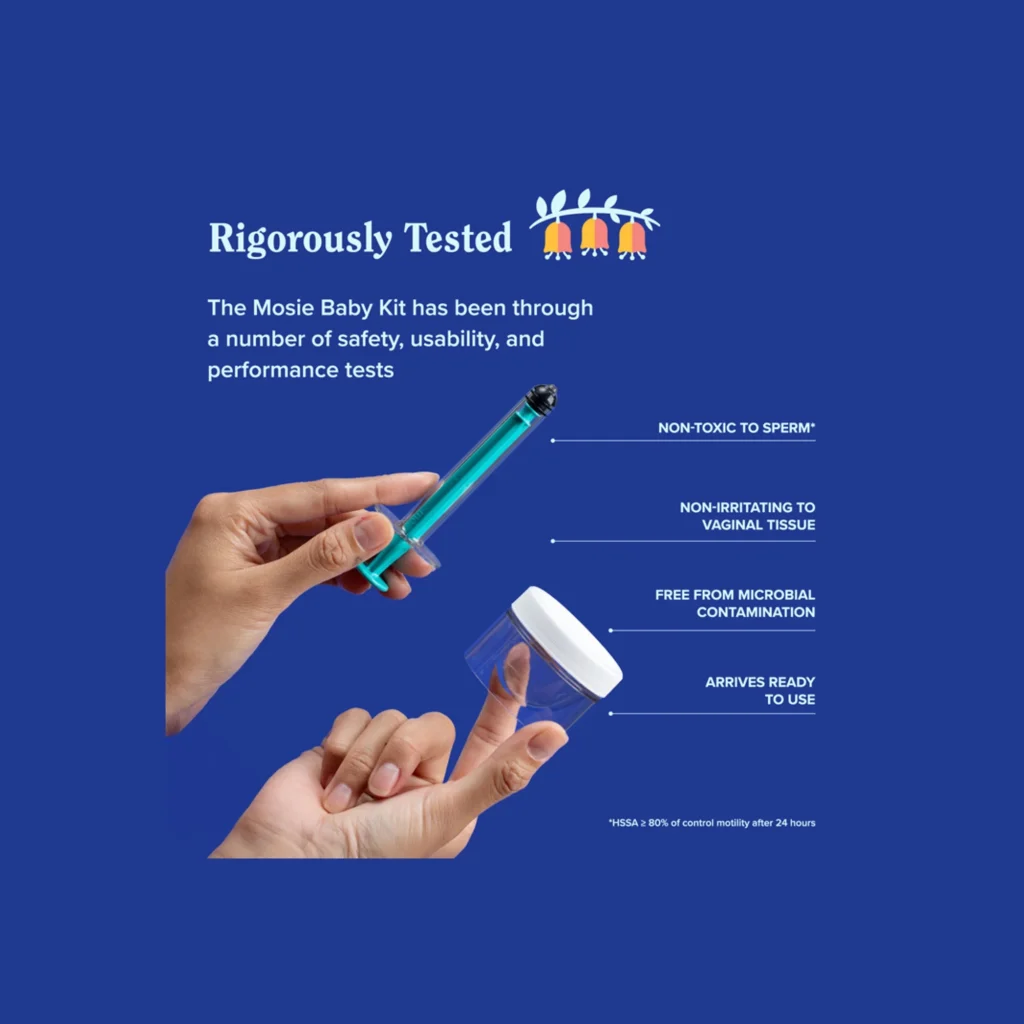
    Mosie Baby Kit with a syringe and container, highlighting safety and usability features on a blue background.

    Syringe Insemination and LGBTQ+ Parenthood: An All-Inclusive Option

    Benefits of Syringe Insemination for LGBTQ+ Individuals and Couples

    Syringe insemination offers several benefits for LGBTQ+ individuals and couples who wish to start a family. One of the main advantages is that it is a simple and affordable method of conception. Unlike other assisted reproductive techniques such as in vitro fertilization (IVF), syringe insemination does not require expensive medical equipment or procedures. This makes it a more accessible option for individuals and couples who may not have the financial means for other methods.

    Moreover, syringe insemination allows LGBTQ+ individuals and couples to have more control over the process of conception. They can choose a donor that aligns with their preferences and values, rather than relying on a sperm bank’s limited selection. The process can also be done in the comfort and privacy of their own home, avoiding the potentially uncomfortable and invasive procedures involved with other methods.

    Another significant benefit is that syringe insemination offers a more inclusive option for LGBTQ+ individuals and couples. In the past, same-sex female couples or transgender men who wished to conceive had limited options, such as using a known donor or undergoing costly and invasive procedures. Syringe insemination provides a safe, simple, and effective method for these individuals and couples to start a family.

    Challenges and Considerations

    While syringe insemination offers many benefits, there are also some challenges and considerations to keep in mind. One of the main challenges is the success rate, which can vary from person to person. Factors such as age, fertility, and timing of insemination can all impact the chances of conception. Therefore, it may take multiple attempts before pregnancy is achieved.

    There are also legal considerations to keep in mind, as the laws around sperm donation and parental rights can be complex and vary from state to state. It is essential to seek legal advice and have a written agreement in place with the donor to avoid any potential legal issues in the future.

    Summary

    Syringe insemination is a simple and affordable method of artificial insemination that offers an all-inclusive option for LGBTQ+ individuals and couples who wish to start a family. It involves the insertion of donor sperm into the cervix using a syringe, without the need for medical equipment or invasive procedures. This method allows individuals and couples to have more control over the process of conception and offers a safer and more inclusive option for LGBTQ+ individuals and couples.

    While there are challenges and considerations, syringe insemination provides a more accessible and affordable option for LGBTQ+ individuals and couples who wish to fulfill their dream of parenthood.

  • Breaking the Taboo: The Truth About Syringe Insemination

    Breaking the Taboo: The Truth About Syringe Insemination

    Taboos are often created by society to restrict or discourage certain behaviors or practices. However, when it comes to reproductive health and family planning, some taboos can have detrimental effects. One such taboo is the topic of syringe insemination, also known as artificial insemination without a doctor’s intervention. This practice has long been stigmatized and shrouded in secrecy, leading to misconceptions and myths surrounding it. In this blog post, we will break the taboo and uncover the truth about syringe insemination.

    What is Syringe Insemination?

    Syringe insemination, also known as self-insemination or self-insemination with a syringe, is a method of artificial insemination that involves using a syringe to deposit semen into the vagina, cervix, or uterus. This can be done at home without the assistance of a medical professional, making it a more accessible and affordable option for those seeking to conceive.

    Why is it Considered Taboo?

    The taboo surrounding syringe insemination stems from the belief that it is a dangerous and unethical practice. Many people view it as a form of “back-alley” or “DIY” insemination, and therefore, not a legitimate or safe method of conception. Additionally, there is a misconception that syringe insemination is only used by individuals or couples who are unable to conceive naturally, further stigmatizing those who choose this method.

    The Truth About Syringe Insemination

    Contrary to popular belief, syringe insemination is a safe and effective method of conception when done correctly. It is often used by same-sex couples, single individuals, or couples with fertility issues, who may not have access to or cannot afford traditional medical interventions. In fact, studies have shown that syringe insemination has a success rate of up to 25%, which is comparable to other fertility treatments such as intrauterine insemination (IUI).

    Moreover, syringe insemination does not pose any significant health risks if proper hygiene and sterile equipment are used. It is essential to use a sterile syringe and to clean the genital area before the insemination to reduce the risk of infection. Additionally, it is recommended to use sperm from a known donor who has undergone screening for sexually transmitted infections (STIs) to further minimize any potential risks.

    Colorful promotional image for Mosie Baby, featuring home insemination kit and encouraging text.

    Breaking the Taboo: The Truth About Syringe Insemination

    Breaking the Stigma

    The stigma surrounding syringe insemination largely stems from the lack of education and understanding about the process. It is often associated with shame and secrecy, leading to misinformation and negative perceptions. However, by openly discussing and normalizing syringe insemination, we can break the stigma and empower individuals and couples to make informed decisions about their reproductive health.

    Legal Considerations

    In some countries, syringe insemination may be subject to legal restrictions or regulations. For example, in the United States, some states have laws that prohibit the use of syringe insemination outside of a licensed medical facility. It is crucial to research and understand the laws and regulations in your area before considering syringe insemination as a method of conception.

    Alternative Options

    While syringe insemination can be a viable option for many, it is not suitable for everyone. It is essential to consider all factors, including individual health, fertility, and legal considerations, before deciding on a method of conception. Some alternative options include traditional medical interventions such as in vitro fertilization (IVF) or adoption. Consulting with a healthcare professional can also provide valuable insights and guidance in selecting the best option for you.

    In conclusion, syringe insemination is a legitimate and safe method of conception that should not be shrouded in secrecy or stigmatized. By breaking the taboo and educating ourselves and others about this practice, we can empower individuals and couples to make informed decisions about their reproductive health. While it may not be suitable for everyone, syringe insemination can provide a more accessible and affordable option for those seeking to start a family.

    Summary:

    Syringe insemination, also known as self-insemination, is a method of artificial insemination that involves using a syringe to deposit semen into the vagina, cervix, or uterus. It is often stigmatized as a dangerous and unethical practice, but in reality, it is a safe and effective method of conception with a success rate of up to 25%. The stigma surrounding syringe insemination is largely due to a lack of understanding and education about the process. It is essential to break the taboo and discuss this practice openly to empower individuals and couples to make informed decisions about their reproductive health. It is also crucial to research and understand the legal considerations in your area before considering syringe insemination as a method of conception. Alternative options such as traditional medical interventions or adoption should also be considered. By breaking the taboo and normalizing syringe insemination, we can provide more accessible and affordable options for those seeking to start a family.

  • Syringe Insemination vs. Traditional Insemination: Which is Better?

    In the world of reproductive health and fertility treatments, there are various methods available to help individuals and couples conceive. One popular method is artificial insemination, where sperm is introduced into the reproductive tract to fertilize an egg. However, there are different techniques within artificial insemination, including syringe insemination and traditional insemination. In this blog post, we will explore the differences between these two methods and which one may be better for individuals or couples seeking fertility treatment.

    Syringe insemination, also known as intrauterine insemination (IUI), involves the use of a syringe to introduce washed and concentrated sperm directly into the uterus. This method is typically used for couples with unexplained infertility or male factor fertility issues. On the other hand, traditional insemination, also known as intra-cervical insemination (ICI), involves placing a sample of washed sperm into the cervix using a catheter or syringe. This method is often used for individuals or couples with ovulation disorders or cervical factor fertility issues.

    One of the main differences between syringe insemination and traditional insemination is the location where the sperm is deposited. With syringe insemination, the sperm is placed directly into the uterus, which is closer to the fallopian tubes where fertilization occurs. This allows for a shorter distance for the sperm to travel and increases the chances of fertilization. With traditional insemination, the sperm is placed in the cervix, and then must travel through the uterus and into the fallopian tubes to reach the egg. This can decrease the chances of fertilization as the sperm may not survive the journey.

    Another difference between these two methods is the preparation of the sperm. In syringe insemination, the sperm is washed and concentrated, which removes any debris or dead sperm and increases the concentration of healthy sperm. This helps to ensure that only the healthiest sperm are being introduced into the reproductive tract. With traditional insemination, the sperm is not washed, which means there may be debris or dead sperm present, decreasing the chances of fertilization.

    The success rates of syringe insemination and traditional insemination also differ. According to the American Pregnancy Association, the success rates of syringe insemination range from 10-20% per cycle, while traditional insemination has a success rate of 5-15% per cycle. This is due to the factors mentioned above, such as the location of sperm placement and the preparation of the sperm. However, it is important to note that success rates may vary depending on the individual or couple’s specific fertility issues.

    mosie baby logo featuring a heart and leaves in blue, pink, and green colors.

    Syringe Insemination vs. Traditional Insemination: Which is Better?

    In terms of cost, syringe insemination is generally more expensive than traditional insemination. This is because syringe insemination requires more preparation of the sperm and is a more involved procedure. Traditional insemination is a simpler process and may be more cost-effective for individuals or couples seeking fertility treatment.

    There are also some potential risks associated with both syringe insemination and traditional insemination. With syringe insemination, there is a small risk of infection, as the procedure involves inserting a catheter or syringe into the uterus. There is also a risk of multiple pregnancies with both methods, as more than one egg may be fertilized. However, this risk can be managed by monitoring the number of eggs being released during ovulation and adjusting the amount of sperm being used accordingly.

    In conclusion, both syringe insemination and traditional insemination are effective methods of artificial insemination that can help individuals and couples conceive. Syringe insemination may be more beneficial for individuals or couples with male factor fertility issues or unexplained infertility, while traditional insemination may be more suitable for those with ovulation disorders or cervical factor fertility issues. It is important to consult with a fertility specialist to determine which method is best for your specific needs and to discuss any potential risks or concerns.

    Summary:

    Syringe insemination, also known as intrauterine insemination (IUI), involves placing washed and concentrated sperm directly into the uterus. On the other hand, traditional insemination, also known as intra-cervical insemination (ICI), involves placing a sample of unwashed sperm into the cervix. The main differences between these methods include the location of sperm placement, preparation of the sperm, success rates, and cost. Syringe insemination may be more suitable for individuals or couples with male factor fertility issues or unexplained infertility, while traditional insemination may be more beneficial for those with ovulation disorders or cervical factor fertility issues. It is important to consult with a fertility specialist to determine the best method for your specific needs and to discuss any potential risks or concerns.

  • Maximizing Your Chances of Pregnancy with Syringe Insemination

    Blog Post Title: Maximizing Your Chances of Pregnancy with Syringe Insemination

    Summary:

    For many couples struggling with infertility, the process of trying to conceive can be emotionally and financially draining. In recent years, more and more couples have turned to alternative methods of insemination, such as syringe insemination, to increase their chances of pregnancy. While traditional methods of assisted reproduction, like intrauterine insemination (IUI) and in vitro fertilization (IVF), can be expensive and invasive, syringe insemination is a more affordable and less invasive option that can be done in the comfort of your own home. In this blog post, we will discuss what syringe insemination is, how it works, and how you can maximize your chances of pregnancy using this method.

    What is Syringe Insemination?

    Syringe insemination, also known as intracervical insemination (ICI), is a method of insemination that involves using a syringe to insert sperm into the cervix. This method is often used by couples who are trying to conceive at home without the assistance of a fertility clinic. The process is similar to a pap smear, where a small amount of sperm is drawn into a syringe and then inserted into the cervix using a catheter or syringe without a needle.

    How Does it Work?

    Syringe insemination works by placing the sperm closer to the cervix, making it easier for the sperm to travel to the uterus and fertilize an egg. This method also bypasses any potential cervical mucus barriers that may make it difficult for sperm to reach the egg. The timing of syringe insemination is crucial, as it needs to be done during the woman’s ovulation window when the egg is most likely to be released.

    Maximizing Your Chances of Pregnancy with Syringe Insemination

    At-home insemination kit with syringes and collection cups on a teal background.

    Maximizing Your Chances of Pregnancy with Syringe Insemination

    While syringe insemination can be a more affordable and convenient option for couples trying to conceive, there are steps you can take to maximize your chances of pregnancy.

    1. Track Your Ovulation: As mentioned earlier, timing is crucial when it comes to syringe insemination. You can increase your chances of success by tracking your ovulation using methods such as ovulation predictor kits, tracking your basal body temperature, or monitoring your cervical mucus. This will help you determine the best time to inseminate.

    2. Prepare the Sperm: It is essential to make sure that the sperm being used for syringe insemination is of good quality. If you are using a sperm donor, ensure that the sperm has been tested and meets the necessary requirements. If you are using your partner’s sperm, encourage them to abstain from ejaculation for 2-3 days before insemination to increase sperm count and motility.

    3. Create a Comfortable Environment: Syringe insemination should be done in a relaxed and comfortable environment. This will help both partners feel more at ease and increase the chances of success. You can dim the lights, play some soothing music, and use pillows to elevate the hips after insemination to help the sperm reach the cervix more easily.

    4. Use Pre-Seed Lubricant: When using a syringe for insemination, it is crucial to use a sperm-friendly lubricant like Pre-Seed. Regular lubricants can harm sperm and decrease their chances of survival, whereas Pre-Seed mimics the body’s natural cervical mucus and helps sperm reach the egg.

    5. Consider Supplements: Certain supplements have been shown to improve sperm count and quality, such as Coenzyme Q10, zinc, and folic acid. Consult with your doctor before taking any supplements to ensure they are safe for you and your partner.

    6. Stay Positive: Trying to conceive can be emotionally challenging, and it is essential to stay positive and reduce stress as much as possible. Stress can negatively impact fertility, so try to find ways to relax and take care of yourself and your partner during this process.

    In conclusion, syringe insemination is a viable option for couples trying to conceive, and by following these tips, you can increase your chances of pregnancy. Remember to stay patient and keep trying, as it may take multiple attempts before achieving success. If you have been trying to conceive for over a year without success, it may be time to consult with a fertility specialist to explore other options.

    SEO Metadata:

  • Say Goodbye to Expensive Fertility Treatments with Syringe Insemination

    Say Goodbye to Expensive Fertility Treatments with Syringe Insemination

    Infertility is a common struggle for many couples around the world. According to the Centers for Disease Control and Prevention, about 10% of women in the United States aged 15-44 have difficulty getting pregnant or staying pregnant. This can be a physically and emotionally taxing journey, especially when it comes to the financial burden of fertility treatments. Traditional methods such as in vitro fertilization (IVF) can cost upwards of $12,000 per cycle, making it unaffordable for many couples. However, there is a more cost-effective and less invasive alternative that is gaining popularity – syringe insemination.

    Syringe insemination, also known as the turkey baster method, is a simple and affordable way to get pregnant without the use of expensive fertility treatments. It involves using a sterile syringe to deposit semen into the vagina, close to the cervix, during ovulation. This method has been around for decades and has been used by many couples to conceive successfully. In this blog post, we will explore the benefits, process, and success rates of syringe insemination, and how it can be a game-changer for couples struggling with infertility.

    Benefits of Syringe Insemination

    The most significant benefit of syringe insemination is its affordability. The cost of one cycle can be as low as $20, compared to the thousands of dollars that couples have to spend on other fertility treatments. This makes it a viable option for couples who cannot afford expensive procedures or do not have insurance coverage for fertility treatments.

    Another benefit of syringe insemination is that it is a non-invasive procedure. Unlike IVF, which involves retrieving eggs from the ovaries and fertilizing them in a lab, syringe insemination does not require any medical procedures. It can be done at home, making it a more comfortable and less stressful experience for many couples.

    The Process of Syringe Insemination

    Mosie Baby Kit features a syringe and container, highlighting safety and usability tests on a blue background.

    Say Goodbye to Expensive Fertility Treatments with Syringe Insemination

    Syringe insemination is a straightforward process that can be done at home with the help of your partner. It is essential to track your ovulation cycle and have intercourse on the days leading up to ovulation. Once you have confirmed that you are ovulating, you will need a sterile syringe and a sample of semen. You can either use a fresh sample or purchase a frozen one from a sperm bank.

    To begin the process, the semen is drawn into the syringe and the air is expelled from it. Then, the woman lies down with her hips elevated, and the syringe is inserted into the vagina, close to the cervix. The semen is then gently released into the cervix, and the syringe is removed. It is recommended to lie down for about 15-20 minutes after the procedure to allow the sperm to travel through the cervix and increase the chances of conception.

    Success Rates of Syringe Insemination

    The success rates of syringe insemination vary depending on factors such as age, overall health, and the quality of the semen used. According to a study published in the Journal of Obstetrics and Gynaecology Canada, the pregnancy rate for couples using syringe insemination was 22.1% per cycle, which is comparable to IVF success rates. However, it is essential to note that the success rates decrease with age, and couples over 35 may need to try multiple cycles before achieving pregnancy.

    Tips for a Successful Syringe Insemination

    While syringe insemination is a simple process, there are a few tips that can increase its success rates. Firstly, timing is crucial, and it is essential to track ovulation accurately. It is recommended to use an ovulation predictor kit or track your basal body temperature to determine your most fertile days. Secondly, it is important to use a clean and sterile syringe to avoid any infections. Lastly, maintaining a healthy lifestyle and taking prenatal vitamins can also improve your chances of conception.

    In conclusion, syringe insemination is a cost-effective and less invasive alternative to expensive fertility treatments. It can be a game-changer for couples struggling with infertility, offering them a more affordable and comfortable option to conceive. With proper timing and precautions, syringe insemination can be a successful method of achieving pregnancy for many couples.

  • Syringe Insemination for Women with Tubal Factor Infertility: A Promising Solution

    Syringe Insemination for Women with Tubal Factor Infertility: A Promising Solution

    Infertility affects millions of couples worldwide, and it can be a devastating experience for those hoping to start a family. Among the various causes of infertility, tubal factor infertility is one of the most common, accounting for around 25% of all cases. This condition occurs when there is a blockage or damage in the fallopian tubes, preventing the egg from reaching the uterus for fertilization.

    For many years, the only option for women with tubal factor infertility was in vitro fertilization (IVF), a costly and invasive procedure. However, advancements in technology have led to the development of a promising solution – syringe insemination. In this blog post, we will explore what syringe insemination is, how it works, and its potential benefits for women with tubal factor infertility.

    What is Syringe Insemination?

    Syringe insemination, also known as intrauterine insemination (IUI), is a fertility treatment that involves placing sperm directly into the uterus using a syringe. This technique is often used in combination with ovulation induction, where medication is used to stimulate the ovaries to produce more eggs. The goal of syringe insemination is to increase the chances of fertilization by placing a higher concentration of sperm closer to the egg.

    How Does Syringe Insemination Work?

    The first step in syringe insemination is to determine the best time for insemination, which is usually around the time of ovulation. This can be done through ultrasound monitoring or ovulation predictor kits. Once the timing is confirmed, the male partner will provide a semen sample, which is then washed and prepared in the laboratory to remove any impurities.

    The next step is the actual insemination process, which is relatively simple and painless. A doctor or nurse will insert a speculum into the vagina to keep the vaginal walls open. Then, a thin catheter is inserted through the cervix and into the uterus. The prepared sperm sample is then injected into the uterus using a syringe. After the procedure, the woman can resume normal activities and will be instructed to take a pregnancy test after a couple of weeks.

    Benefits of Syringe Insemination for Women with Tubal Factor Infertility

    1. Non-Invasive and Less Expensive Alternative to IVF

    at-home insemination kit with syringes, collection cups, and instructions on a pink background

    Syringe Insemination for Women with Tubal Factor Infertility: A Promising Solution

    One of the most significant advantages of syringe insemination is that it is a non-invasive procedure, unlike IVF, which involves retrieving eggs from the ovaries and fertilizing them in a laboratory. This means less discomfort for the woman and a shorter recovery time. Additionally, syringe insemination is significantly less expensive than IVF, making it a more accessible option for couples struggling with infertility.

    2. Increased Sperm Concentration and Motility

    Because the sperm is placed directly into the uterus, syringe insemination can increase the concentration and motility of the sperm, improving the chances of fertilization. This is especially beneficial for couples where the male partner has a low sperm count or poor sperm motility.

    3. Closer Proximity to the Egg

    In traditional conception, sperm has to travel through the cervix and up the fallopian tubes to reach the egg. However, in syringe insemination, the sperm is placed directly into the uterus, bypassing the cervix and bringing it closer to the egg. This can be beneficial for women with tubal factor infertility, as it eliminates the need for the sperm to travel through damaged or blocked tubes.

    4. Increased Control and Monitoring

    With syringe insemination, doctors have more control over the timing of insemination, allowing for better monitoring of the process. This can be particularly useful for women with irregular menstrual cycles or those who have trouble tracking ovulation. The procedure also allows for the monitoring of the number and quality of eggs produced, which can help identify any underlying fertility issues.

    5. Low Risk of Multiple Pregnancies

    IVF is associated with a higher risk of multiple pregnancies, which can be dangerous for both the mother and the babies. In contrast, syringe insemination has a lower risk of multiple pregnancies, making it a safer option for couples trying to conceive.

    In conclusion, syringe insemination is a promising solution for women with tubal factor infertility. It is a non-invasive, cost-effective, and relatively simple procedure that can increase the chances of fertilization and pregnancy. However, it is essential to consult with a fertility specialist to determine if syringe insemination is the best option for your specific case.

    SEO Metadata:

  • The Role of Timing and Frequency in Syringe Insemination for Infertility

    Blog Post:

    Infertility affects millions of couples worldwide, with approximately 10-15% of couples struggling to conceive. For couples facing this challenge, there are various methods available to assist with conception, including syringe insemination. This method involves injecting semen into the cervix using a syringe, bypassing any potential barriers in the reproductive system. However, the success of syringe insemination relies heavily on the timing and frequency of the procedure. In this blog post, we will delve into the role of timing and frequency in syringe insemination for infertility and how it can increase the chances of a successful conception.

    Timing in Syringe Insemination:

    Timing is a crucial factor in syringe insemination as it directly impacts the viability of the sperm and the receptivity of the female reproductive system. The fertile window for a woman typically occurs around the time of ovulation, when the egg is released from the ovary. This window usually lasts for 12-24 hours, and it is during this time that the sperm needs to reach the egg for fertilization to occur. Therefore, timing the syringe insemination procedure to coincide with the fertile window is crucial for maximizing the chances of conception.

    To determine the best time for syringe insemination, couples can use various methods such as tracking basal body temperature, monitoring cervical mucus, and using ovulation predictor kits. Basal body temperature refers to the body’s temperature at rest, which slightly increases during ovulation. Monitoring changes in cervical mucus can also help determine the fertile window as it becomes thinner and clearer during ovulation, allowing sperm to swim through more easily. Ovulation predictor kits, which detect the surge of luteinizing hormone (LH) in the body, can also help pinpoint the fertile window.

    Frequency in Syringe Insemination:

    Along with timing, the frequency of syringe insemination is another crucial factor that can increase the chances of a successful conception. The recommendation is to have syringe insemination every 24-48 hours during the fertile window. This frequency ensures that there is a constant supply of sperm in the reproductive system, increasing the chances of one of them reaching the egg for fertilization.

    Having syringe insemination too frequently, for example, every 12 hours, can decrease sperm count and quality. This is because the sperm needs time to replenish and mature before each insemination. On the other hand, having syringe insemination less frequently, for example, once every 72 hours, may not provide enough sperm to reach the egg during the fertile window. Therefore, it is essential to find a balance and stick to the recommended frequency of every 24-48 hours.

    Instructions for reading pregnancy test results with visual indicators for "Not Pregnant," "Pregnant," and "Invalid.

    The Role of Timing and Frequency in Syringe Insemination for Infertility

    The Importance of Sperm Quality in Syringe Insemination:

    Apart from timing and frequency, the quality of sperm also plays a significant role in the success of syringe insemination. When using this method, the sperm needs to travel a shorter distance to reach the egg compared to natural conception. Therefore, it is crucial to ensure that the sperm is healthy and of good quality to increase the chances of fertilization.

    Certain lifestyle factors can affect sperm quality, such as smoking, excessive alcohol consumption, and poor diet. It is recommended for both partners to adopt a healthy lifestyle before undergoing syringe insemination. This includes maintaining a healthy weight, exercising regularly, and avoiding harmful substances like tobacco and drugs. Additionally, taking a multivitamin supplement that includes folic acid, zinc, and selenium can also improve sperm quality.

    Other Factors Affecting Syringe Insemination Success:

    Apart from timing, frequency, and sperm quality, there are other factors that can affect the success of syringe insemination. These include the age of the woman, underlying medical conditions, and the use of fertility medications. As a woman ages, the quality and quantity of her eggs decrease, making it more challenging to conceive. Certain medical conditions such as polycystic ovary syndrome (PCOS) or endometriosis can also affect fertility. In such cases, it is crucial to address these issues before attempting syringe insemination. Additionally, fertility medications can be used to stimulate ovulation and increase the chances of conception.

    In conclusion, timing and frequency play a crucial role in the success of syringe insemination for infertility. By accurately determining the fertile window and following the recommended frequency, couples can increase their chances of a successful conception. It is also important to maintain a healthy lifestyle and address any underlying medical conditions to improve the quality of sperm and eggs. With the right approach, syringe insemination can be an effective method for couples struggling with infertility.

    Summary:

    Syringe insemination is a method used to assist with conception in couples facing infertility. The success of this method relies heavily on the timing and frequency of the procedure. Timing is crucial as it determines the fertile window, and frequency ensures a constant supply of sperm. Sperm quality is also essential, and maintaining a healthy lifestyle and addressing any medical conditions can improve the chances of success. Other factors such as age and fertility medications can also affect the success of syringe insemination.