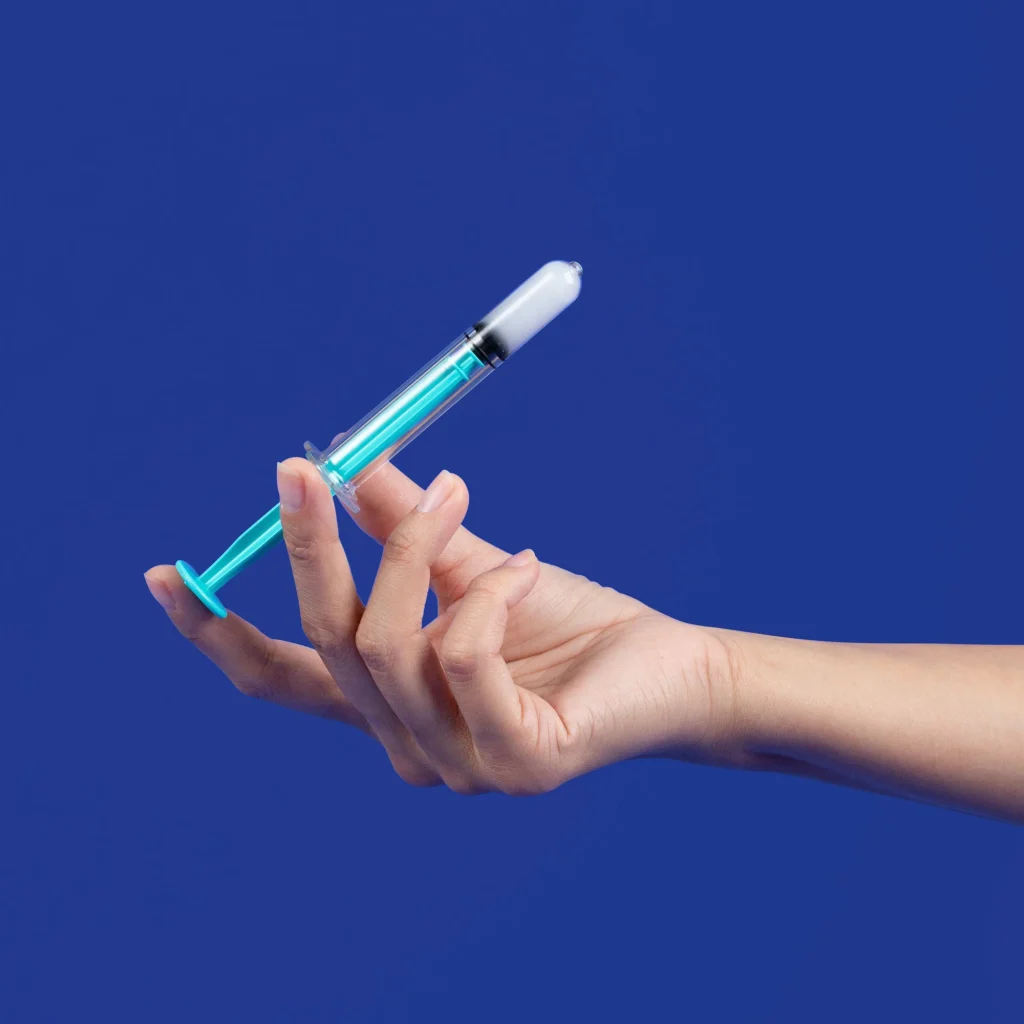
Blog Post: The Role of Insemination Syringe Systems in Overcoming Male Infertility
Infertility is a common issue that affects many couples around the world. According to the World Health Organization (WHO), approximately 15% of couples worldwide experience infertility, with male infertility being a factor in about 20-30% of cases. This means that even though infertility is often thought of as a female issue, men also play a significant role in the fertility journey.
When it comes to male infertility, there are various causes, including hormonal imbalances, genetic disorders, and lifestyle factors such as smoking and excessive alcohol consumption. However, one of the primary causes of male infertility is the inability of sperm to reach and fertilize the female egg. This can be due to problems with sperm quality, quantity, or motility. But thanks to advancements in medical technology, there are now various tools and techniques available to overcome this issue, one of them being insemination syringe systems.
Insemination syringe systems, also known as artificial insemination kits, are specially designed tools that aid in the transfer of sperm directly into the female reproductive tract. They consist of a syringe, a catheter, and a collection cup. The process involves collecting sperm from the male partner, placing it in the syringe, and then inserting the catheter into the cervix or uterus to deposit the sperm. This method is often used in fertility treatments such as intrauterine insemination (IUI) and in vitro fertilization (IVF).
So, how do insemination syringe systems help in overcoming male infertility?
1. Overcoming low sperm count and poor sperm quality
One of the main reasons for male infertility is a low sperm count or poor sperm quality. Insemination syringe systems can help overcome this issue by directly depositing a concentrated amount of sperm into the female reproductive tract. This increases the chances of fertilization, as the sperm doesn’t have to travel a long distance to reach the egg. Additionally, the collection cup used in these systems is designed to filter out any dead or abnormal sperm, ensuring that only healthy and motile sperm are used for insemination.
2. Bypassing semen abnormalities
Semen abnormalities, such as retrograde ejaculation or obstructive azoospermia, can also lead to male infertility. Insemination syringe systems can help overcome these abnormalities by bypassing them and delivering the sperm directly into the female reproductive tract. This method increases the chances of fertilization, as the sperm doesn’t have to travel through the abnormality, which may hinder its movement or viability.

The Role of Insemination Syringe Systems in Overcoming Male Infertility
3. Reducing the risk of infection
Insemination syringe systems provide a safer option for sperm transfer compared to natural intercourse. During intercourse, sperm is exposed to the acidic environment of the vagina, which can damage or kill the sperm. Additionally, the vaginal environment also contains bacteria, which can lead to infections. With insemination syringe systems, the sperm is protected and delivered directly into the female reproductive tract, reducing the risk of infection.
4. Increasing success rates in fertility treatments
Insemination syringe systems are commonly used in fertility treatments such as IUI and IVF. These methods involve the use of medication to stimulate ovulation and increase the chances of fertilization. Insemination syringe systems aid in the precise delivery of sperm, increasing the success rates of these treatments. They also make the process more convenient and less invasive for both the patient and the doctor.
5. Giving control to the couple
Finally, insemination syringe systems give the couple more control over the fertility process. Instead of relying on natural intercourse, which may not always result in pregnancy, couples can use the syringe system at home during the most fertile days of the woman’s cycle. This not only increases the chances of fertilization but also allows the couple to be more involved in the process and have a sense of control over their fertility journey.
In conclusion, insemination syringe systems play a crucial role in overcoming male infertility. They provide a safe, effective, and convenient method for sperm transfer, increasing the chances of fertilization and ultimately, pregnancy. With the advancements in medical technology, these systems continue to improve and evolve, providing hope for couples struggling with male infertility.
Summary:
Male infertility is a common issue that affects many couples worldwide, with sperm quality, quantity, and motility being major contributing factors. Insemination syringe systems, also known as artificial insemination kits, are specially designed tools that aid in the transfer of sperm directly into the female reproductive tract. They help overcome male infertility by increasing the chances of fertilization, bypassing semen abnormalities, reducing the risk of infection, and increasing success rates in fertility treatments. These systems also give the couple more control over the fertility process.