Tag: Boundaries

  • Embracing Self-Care: 22 Ways to Prioritize Your Needs

    Self-care has become a buzzword in recent years, but what does it actually mean? At its core, self-care is about prioritizing your own needs and taking care of yourself physically, mentally, and emotionally. It is not selfish or indulgent, but rather a necessary practice for maintaining overall well-being. In a world that is constantly demanding our time and energy, it is important to take a step back and make self-care a priority. In this blog post, we will delve into 22 ways to embrace self-care and make it a regular part of our lives.

    1. Identify your needs and boundaries
    The first step in embracing self-care is to identify your needs and set boundaries. This means taking the time to reflect on what makes you feel happy, fulfilled, and at peace. It also means recognizing what drains your energy and setting boundaries to protect your well-being.

    2. Prioritize rest and sleep
    In today’s fast-paced world, rest and sleep are often overlooked. However, getting enough rest and quality sleep is crucial for our physical and mental health. Make it a priority to get at least 7-8 hours of sleep each night and take breaks throughout the day to rest and recharge.

    3. Nourish your body
    Self-care also includes taking care of our physical health. This means nourishing our bodies with nutritious food, staying hydrated, and engaging in regular physical activity. Treat your body with love and respect by fueling it with healthy choices.

    4. Practice mindfulness
    Mindfulness is the practice of being present in the moment and paying attention to our thoughts and feelings without judgment. It can help reduce stress and anxiety and improve overall well-being. Incorporate mindfulness into your daily routine by taking a few minutes to focus on your breath or engaging in a mindful activity like yoga or meditation.

    5. Set realistic goals
    Setting unrealistic goals can lead to burnout and feelings of failure. Instead, set realistic and achievable goals for yourself. This will not only help you stay motivated, but also prevent unnecessary stress and pressure.

    6. Say no
    Learning to say no is an important part of self-care. It is okay to decline invitations or requests that do not align with your needs or priorities. Saying no does not make you selfish, but rather shows that you value your time and energy.

    7. Learn to delegate
    Similarly, it is important to recognize when you need help and learn to delegate tasks. Trying to do everything on your own can lead to exhaustion and burnout. Delegate tasks at work or at home to free up some time for self-care activities.

    8. Unplug from technology
    In today’s digital age, it can be hard to disconnect from technology. However, constantly being plugged in can be draining and overwhelming. Take breaks from your phone, computer, and social media to give your mind a rest.

    9. Find a creative outlet
    Engaging in a creative activity can be a great form of self-care. Whether it’s painting, writing, or playing an instrument, finding a creative outlet can help reduce stress and improve overall well-being.

    10. Spend time in nature
    Spending time in nature has been proven to have numerous benefits for our mental and physical health. Take a walk in the park, go for a hike, or simply sit outside and enjoy the fresh air. Connecting with nature can be a powerful form of self-care.

    11. Journal
    Writing down your thoughts and feelings can be a therapeutic form of self-care. Set aside some time each day to journal and reflect on your experiences, emotions, and goals.

    at-home insemination kit by Mosie Baby, featuring syringes, collection cups, and instructions on a pink background.

    Embracing Self-Care: 22 Ways to Prioritize Your Needs

    12. Connect with loved ones
    Spending time with loved ones and building strong relationships is an important aspect of self-care. Make time for friends and family, and prioritize nurturing these connections.

    13. Set aside time for yourself
    It is easy to get caught up in the hustle and bustle of daily life, but it is important to set aside time for yourself. Schedule in some “me time” each week to do something that you enjoy and helps you relax.

    14. Practice self-compassion
    We are often our own harshest critics, but it is important to practice self-compassion. Treat yourself with kindness, understanding, and forgiveness. Remember that you are only human and it is okay to make mistakes.

    15. Learn to manage stress
    Stress is a part of life, but it is important to find healthy ways to manage it. This could include exercise, meditation, or talking to a therapist. Find what works best for you and make it a regular part of your self-care routine.

    16. Get enough sunlight
    Sunlight is a natural source of Vitamin D, which plays a crucial role in our mental and physical health. Make an effort to spend some time outside each day to soak up some sunlight.

    17. Celebrate your accomplishments
    We often focus on our failures and shortcomings, but it is equally important to celebrate our accomplishments. Take time to acknowledge and celebrate your successes, no matter how small they may seem.

    18. Take breaks
    It is important to take breaks throughout the day, especially when you are feeling overwhelmed or stressed. Use this time to relax, recharge, and refocus your energy.

    19. Learn to say positive affirmations
    Positive affirmations are statements that can help challenge and overcome negative thoughts. Incorporate them into your daily routine to boost self-confidence and promote a more positive mindset.

    20. Seek support when needed
    Self-care does not mean doing everything on your own. It is important to seek support when needed, whether it be from friends, family, or a therapist. Remember that it is okay to ask for help.

    21. Embrace imperfection
    Perfectionism can be a roadblock to self-care. Instead of striving for perfection, embrace imperfection and focus on progress rather than perfection.

    22. Be patient with yourself
    Lastly, be patient with yourself. Self-care is a journey and it takes time to develop healthy habits. Be kind and patient with yourself as you navigate this process.

    In summary, self-care is not just about bubble baths and face masks. It is about prioritizing your needs, setting boundaries, and taking care of yourself physically, mentally, and emotionally. By incorporating these 22 ways to embrace self-care into your daily routine, you can improve your overall well-being and lead a more fulfilling life.

  • The Power of 22: Self-Care Practices for a Better Mind, Body, and Soul

    Blog Post Title: The Power of 22: Self-Care Practices for a Better Mind, Body, and Soul

    Summary:

    Self-care is an essential aspect of our overall well-being, yet it is often neglected in our fast-paced and busy lives. We often prioritize taking care of others and meeting responsibilities, leaving little time and energy for ourselves. However, neglecting self-care can lead to burnout, stress, and a decline in mental, emotional, and physical health.

    In this blog post, we will explore the power of 22 self-care practices to help you create a better mind, body, and soul. These practices are simple, easy to incorporate into your daily routine, and have numerous benefits for your overall well-being.

    1. Practice Gratitude: Gratitude is a powerful tool that can shift your mindset and bring positivity into your life. Take a few moments each day to reflect on what you are grateful for, whether it’s a loving family, a job you enjoy, or the little things in life.

    2. Prioritize Sleep: Getting enough quality sleep is crucial for our physical and mental health. Aim for 7-9 hours of sleep each night, and establish a relaxing bedtime routine to help you unwind and fall asleep faster.

    3. Move Your Body: Regular physical activity not only benefits our physical health but also has a positive impact on our mental and emotional well-being. Find an activity you enjoy, whether it’s yoga, dancing, or going for a walk, and make it a part of your daily routine.

    4. Eat Nourishing Foods: The food we eat has a direct impact on our physical and mental health. Make sure to fuel your body with nourishing, whole foods that will provide you with the energy and nutrients you need to thrive.

    5. Set Boundaries: Learning to say no and setting boundaries is an essential part of self-care. It’s okay to prioritize your needs and say no to things that don’t align with your values or goals.

    6. Practice Mindfulness: Mindfulness is the practice of being present in the moment without judgment. It can help reduce stress, anxiety, and improve overall well-being. Incorporate mindfulness into your daily life through activities such as meditation, breathing exercises, or mindful walks.

    7. Disconnect from Technology: In today’s digital age, we are constantly connected to technology, which can be overwhelming and draining. Take regular breaks from your devices to disconnect and recharge.

    8. Spend Time in Nature: Being in nature has numerous benefits for our mental and emotional well-being. Take a walk in the park, go for a hike, or simply sit outside and enjoy the fresh air and sunlight.

    9. Learn to Say No: Saying no can be difficult, but it’s necessary to prioritize our well-being. Don’t feel guilty for turning down invitations or commitments that don’t align with your needs or values.

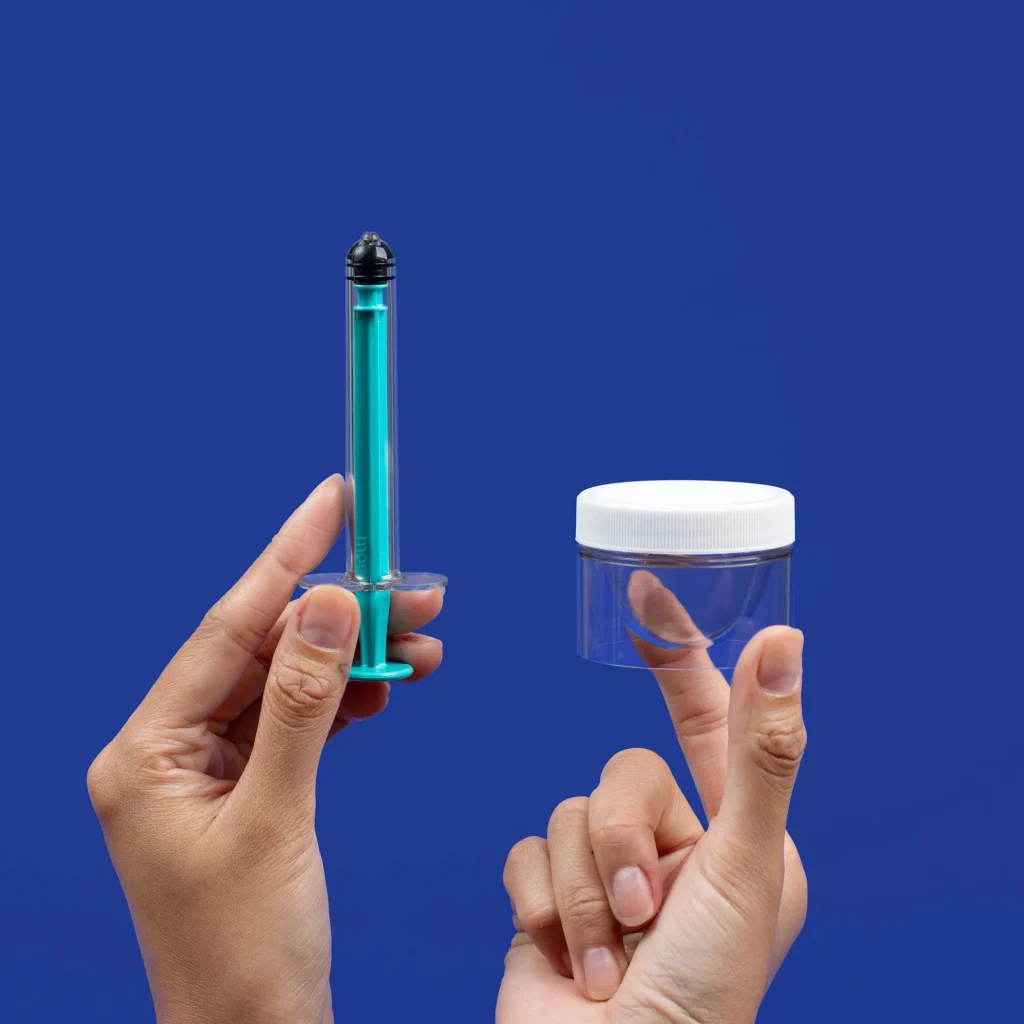
    Hands holding a syringe and a small container against a blue background.

    The Power of 22: Self-Care Practices for a Better Mind, Body, and Soul

    10. Cultivate Positive Relationships: Our relationships have a significant impact on our overall well-being. Surround yourself with positive and supportive people who uplift and inspire you.

    11. Practice Self-Compassion: We are often our harshest critics, but practicing self-compassion can help us be kinder and more understanding towards ourselves. Treat yourself with the same kindness and compassion you would show a friend.

    12. Take Breaks: It’s essential to take breaks throughout the day to rest and recharge. Stepping away from work or other responsibilities can help us come back with renewed energy and focus.

    13. Schedule “Me Time”: Set aside some time each day to do something you enjoy, whether it’s reading a book, taking a bath, or listening to music. This dedicated “me time” can help you relax, recharge, and do something that brings you joy.

    14. Learn a New Skill: Learning something new can be a great form of self-care. It can boost our confidence, provide a sense of accomplishment, and help us expand our knowledge and skills.

    15. Keep a Journal: Writing in a journal can be a therapeutic practice that allows us to reflect, process our thoughts and emotions, and gain clarity.

    16. Declutter Your Space: A cluttered environment can contribute to feelings of stress and overwhelm. Take some time to declutter and organize your space, which can help create a sense of calm and improve your overall well-being.

    17. Take Care of Your Skin: Our skin is our largest organ, and taking care of it is essential for our overall health. Establish a skincare routine that works for you and makes you feel good.

    18. Set Realistic Goals: Setting goals can help us stay motivated and focused, but it’s crucial to set realistic and achievable goals. This can help prevent feelings of disappointment or failure.

    19. Engage in Creative Activities: Engaging in creative activities such as painting, writing, or cooking can be a form of self-care that allows us to express ourselves and tap into our creativity.

    20. Take a Digital Detox: In addition to taking regular breaks from technology, consider taking a longer digital detox. Disconnecting from social media and other digital platforms can help reduce stress and improve your mental well-being.

    21. Seek Support: It’s okay to ask for help and seek support when needed. Whether it’s from a friend, family member, or professional, reaching out for support can be a crucial part of self-care.

    22. Celebrate Your Accomplishments: We often focus on our mistakes and shortcomings, but it’s essential to celebrate our accomplishments, no matter how small they may seem. This can help boost our self-esteem and confidence.

    Incorporating these 22 self-care practices into your daily life can have a significant impact on your overall well-being. Remember, self-care is not selfish but necessary for a healthy and fulfilling life. So take some time for yourself, prioritize your needs, and watch as your mind, body, and soul thrive.

  • Discovering 22 Self-Care Practices That Will Change Your Life

    Title: Discovering 22 Self-Care Practices That Will Change Your Life

    Self-care has become a buzzword in recent years, but what does it really mean? Simply put, self-care is taking care of ourselves physically, mentally, and emotionally. It is about prioritizing our well-being and making sure that we are nurturing ourselves in all aspects of our lives. Many people may think that self-care is selfish or indulgent, but in reality, it is essential for our overall health and happiness. In this blog post, we will explore 22 self-care practices that can truly change your life.

    1. Practice Mindfulness
    Mindfulness is the act of being present in the moment and fully aware of your thoughts and feelings. It can help reduce stress and anxiety, improve focus, and increase self-awareness. You can practice mindfulness through meditation, deep breathing, or simply taking a few minutes to be still and focus on your surroundings.

    2. Get Enough Sleep
    Sleep is crucial for our physical and mental well-being. It allows our bodies to rest and recharge, and it is essential for proper brain function. Make sure to get at least 7-9 hours of sleep each night to feel rejuvenated and ready to take on the day.

    3. Set Boundaries
    Setting boundaries is an important part of self-care. It means knowing your limits and being able to communicate them to others. This can include saying no to things that don’t align with your values, taking breaks when needed, and not overextending yourself.

    4. Practice Gratitude
    Gratitude is a powerful tool for improving our overall well-being. By focusing on the things we are thankful for, we can shift our mindset to a more positive one. Make a habit of writing down three things you are grateful for each day to cultivate a grateful mindset.

    5. Move Your Body
    Exercise is not only beneficial for our physical health but also our mental health. It can boost our mood, reduce stress, and improve sleep. Find a form of movement that you enjoy, whether it’s going for a walk, dancing, or practicing yoga.

    6. Eat Nourishing Foods
    The food we put into our bodies has a significant impact on how we feel. Make sure to nourish yourself with whole, nutritious foods that will fuel your body and mind. Eating a well-balanced diet can help improve energy levels, mood, and overall health.

    7. Connect with Nature
    Spending time in nature has been shown to reduce stress, improve mood, and increase creativity. Take a walk in a park, go for a hike, or simply sit outside and enjoy the fresh air. Disconnecting from technology and connecting with nature can be incredibly therapeutic.

    8. Learn to Say No
    Saying yes to things we don’t want to do or don’t have time for can lead to burnout and resentment. Learning to say no can be challenging but is an essential part of self-care. Remember that it is okay to prioritize your needs and say no to things that don’t align with them.

    9. Take Breaks
    In our fast-paced world, it can be easy to feel like we always need to be doing something. However, taking breaks is essential for our well-being. Allow yourself to take breaks throughout the day to rest and recharge.

    10. Unplug from Technology
    Technology is a significant part of our lives, but it can also be a source of stress and anxiety. Make a conscious effort to unplug from technology for a set amount of time each day. This can help reduce distractions and allow you to be more present in the moment.

    home insemination kit components: a syringe and a collection container against a blue background.

    Discovering 22 Self-Care Practices That Will Change Your Life

    11. Learn to Manage Stress
    Stress is a part of life, but it is essential to learn how to manage it effectively. This can include deep breathing, exercise, journaling, or talking to a trusted friend or therapist. Find what works best for you and incorporate it into your routine.

    12. Find a Creative Outlet
    Engaging in a creative activity, such as painting, writing, or playing an instrument, can be an excellent way to express yourself and relieve stress. It allows you to disconnect from the outside world and focus on something that brings you joy.

    13. Practice Self-Compassion
    We are often our harshest critics, which can take a toll on our self-esteem and well-being. Practicing self-compassion means treating yourself with kindness and understanding, just as you would a friend. Be gentle with yourself and remember that it is okay to make mistakes.

    14. Surround Yourself with Positive People
    The people we surround ourselves with can have a significant impact on our well-being. Make sure to spend time with people who uplift and support you. Distance yourself from those who bring negativity into your life.

    15. Take a Mental Health Day
    Just like we take sick days when we are physically unwell, it is essential to take a mental health day when needed. This can be a day to rest, do activities that bring you joy, and recharge.

    16. Set Realistic Goals
    Setting goals is essential for personal growth, but they must be realistic. Unrealistic goals can lead to disappointment and a feeling of failure. Set smaller, achievable goals that will help you reach your bigger goals over time.

    17. Learn to Manage Your Finances
    Financial stress can take a toll on our mental and emotional well-being. Take the time to learn how to manage your finances effectively, create a budget, and save for the future. This can help reduce stress and allow you to feel more in control of your life.

    18. Practice Self-Care Rituals
    Self-care rituals are small acts that we can incorporate into our daily routine to nourish ourselves. This can include taking a bath, reading a book, or listening to calming music. Find what brings you peace and make it a part of your daily routine.

    19. Set Realistic Expectations
    Having unrealistic expectations for ourselves can lead to feelings of overwhelm and burnout. Set realistic expectations and know that it is okay to take breaks and not be perfect.

    20. Practice Forgiveness
    Holding onto grudges and past mistakes can weigh us down and prevent us from moving forward. Practice forgiveness, both for yourself and others, to let go of negative feelings and make room for positivity.

    21. Seek Help When Needed
    Remember that it is okay to ask for help when you need it. Seeking therapy or talking to a trusted friend or family member can be beneficial for our mental health. Don’t be afraid to reach out for support when you need it.

    22. Celebrate Your Achievements
    Finally, take the time to celebrate your achievements, big or small. Acknowledge your hard work and be proud of what you have accomplished. This can boost your self-confidence and motivate you to keep moving forward.

    In conclusion, self-care is crucial for our overall well-being. By incorporating these 22 self-care practices into your life, you can improve your physical, mental, and emotional health. Remember to prioritize yourself and make self-care a part of your daily routine.

  • Self-Care Habits to Incorporate into Your Daily Routine

    Self-care has become a hot topic in recent years, and for good reason. In today’s fast-paced world, it’s easy to get caught up in the hustle and bustle, neglecting our own well-being in the process. However, taking care of ourselves should be a top priority, as it allows us to better handle the challenges and demands of daily life. Incorporating self-care habits into our daily routine is essential for maintaining both physical and mental health. In this blog post, we will discuss 10 self-care habits that you can easily incorporate into your daily routine and reap the benefits of a healthier and happier you.

    1. Start Your Day with Mindfulness
    The way we start our day sets the tone for the rest of it. Instead of rushing through your morning routine, take a few moments to practice mindfulness. This can involve deep breathing, meditation, or simply focusing on the present moment. Starting your day with a calm and positive mindset can help you stay centered and focused throughout the day.

    2. Get Moving
    Exercise is not only beneficial for our physical health but also for our mental well-being. Incorporating some form of physical activity into your daily routine, whether it’s going for a walk, hitting the gym, or practicing yoga, can significantly improve your mood and reduce stress and anxiety levels. Plus, exercise releases endorphins, also known as the “feel-good” hormones, making you feel happier and more energized.

    3. Prioritize Sleep
    In today’s society, sleep is often seen as a luxury rather than a necessity. However, getting enough quality sleep is crucial for our overall well-being. Lack of sleep can lead to a range of issues, including fatigue, irritability, and a weakened immune system. Make it a priority to get 7-9 hours of sleep each night, and establish a bedtime routine to help you relax and unwind before hitting the pillow.

    4. Unplug and Disconnect
    In the age of technology, it’s easy to constantly be connected and plugged in. However, this can be overwhelming and draining for our minds and bodies. Make it a habit to unplug and disconnect for at least an hour each day. Put your phone on silent, turn off the TV, and engage in activities that don’t involve screens, such as reading, journaling, or spending time in nature.

    5. Nourish Your Body
    The food we put into our bodies plays a significant role in our physical and mental health. Incorporate nourishing and healthy foods into your daily routine, such as fruits, vegetables, whole grains, and lean proteins. Avoid processed and sugary foods, as they can negatively impact our mood and energy levels. Don’t forget to stay hydrated by drinking plenty of water throughout the day.

    Baby wearing a blue shirt with "made with Love" text, surrounded by colorful floral and butterfly designs.

    Self-Care Habits to Incorporate into Your Daily Routine

    6. Practice Gratitude
    It’s easy to get caught up in the negativity and stress of daily life. Taking a few moments each day to practice gratitude can shift our mindset and help us appreciate the good things in our lives. This can be as simple as writing down three things you are grateful for each day or expressing gratitude to others.

    7. Set Boundaries
    In today’s society, it’s common to feel pressure to constantly be available and say yes to everything. However, this can lead to burnout and neglecting our own needs. It’s important to set boundaries and learn to say no when necessary. This will help you prioritize your well-being and prevent feelings of overwhelm and exhaustion.

    8. Engage in Hobbies
    Having hobbies and activities that we enjoy is essential for our mental health. Make time each day for activities that bring you joy, whether it’s painting, playing an instrument, or simply reading a book. Engaging in these activities can help reduce stress and boost creativity and overall happiness.

    9. Connect with Others
    Human connection is a fundamental need, and it’s important to make time for it in our daily routines. This can involve spending quality time with friends and family, joining a club or group with similar interests, or volunteering in your community. These interactions can help boost our mood, reduce stress, and provide a sense of belonging.

    10. Practice Self-Compassion
    Lastly, it’s crucial to be kind to ourselves and practice self-compassion. We are often our own worst critic, which can lead to negative self-talk and feelings of inadequacy. Instead, practice speaking to yourself with kindness and understanding, and forgive yourself for mistakes or setbacks. This will help improve self-esteem and overall well-being.

    Incorporating these self-care habits into your daily routine may seem overwhelming at first, but remember that self-care is not a one-size-fits-all approach. Find what works for you and make it a priority to take care of yourself each day. By doing so, you will not only improve your own well-being but also be better equipped to handle the challenges and demands of daily life.

    Summary: Self-care is essential for maintaining physical and mental health in today’s fast-paced world. In this blog post, we discussed 10 self-care habits that can easily be incorporated into daily routines, including mindfulness, exercise, prioritizing sleep, unplugging and disconnecting, nourishing the body, practicing gratitude, setting boundaries, engaging in hobbies, connecting with others, and practicing self-compassion.

  • Most Played Video Games That Pushed Boundaries and Broke Records

    Blog Post Title: Most Played Video Games That Pushed Boundaries and Broke Records

    Video games have come a long way since their inception in the 1950s. From simple arcade games to highly advanced virtual reality experiences, video games have evolved into a popular form of entertainment for people of all ages. But some games have gone beyond just being a form of entertainment, they have pushed boundaries and broken records, setting new standards for the gaming industry. In this blog post, we will take a look at some of the most played video games that have pushed boundaries and broke records, and how they have impacted the gaming world.

    1. Minecraft

    Minecraft is a sandbox video game that was originally created by Markus “Notch” Persson in 2009. The game allows players to build and explore virtual worlds, using blocks to create structures and items. It quickly became a sensation, with millions of players worldwide, and has been played by over 126 million people as of 2021. Minecraft has not only broken records in terms of its player count, but it has also pushed boundaries with its open-world gameplay and endless possibilities for creativity. It has also been praised for its educational value, as it encourages problem-solving, creativity, and collaboration among players.

    2. Fortnite

    Fortnite is a battle royale game developed by Epic Games in 2017. The game gained immense popularity due to its free-to-play model, colorful graphics, and unique building mechanics. It has broken records for the most concurrent players in a single game, with a peak of 12.3 million players in 2018. Fortnite has also pushed the boundaries of traditional shooting games by introducing cross-platform play, where players from different gaming platforms can play together. It has also become a cultural phenomenon, with its iconic dances and collaborations with popular brands and celebrities.

    3. League of Legends

    League of Legends (LoL) is a multiplayer online battle arena (MOBA) game developed by Riot Games in 2009. It has a player base of over 115 million, making it one of the most played video games in the world. LoL has pushed boundaries in the competitive gaming scene, with its annual World Championship event attracting millions of viewers and offering millions of dollars in prize money. It has also revolutionized the gaming industry with its free-to-play model and in-game purchases, which has become a common business model for many other games.

    4. Grand Theft Auto V

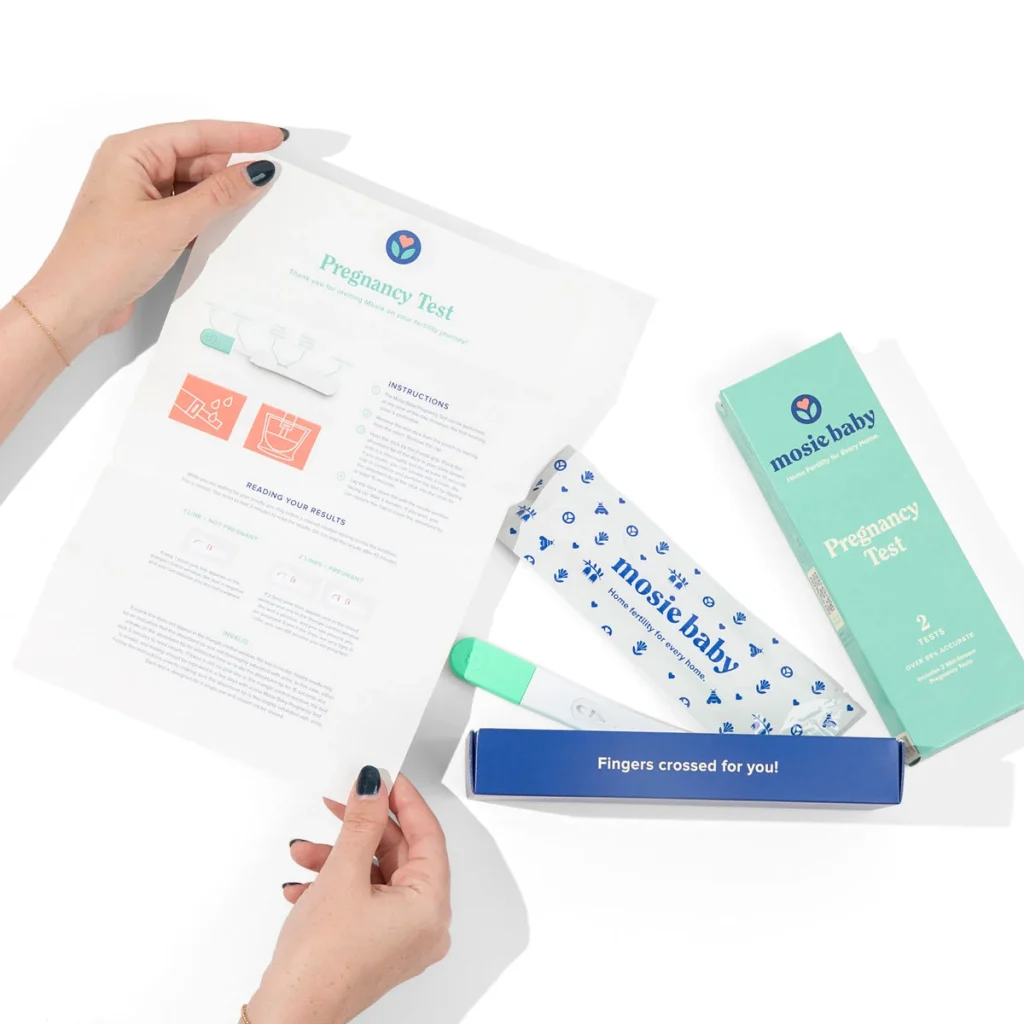
    pregnancy test kit with instructions, test device, and packaging on a white background

    Most Played Video Games That Pushed Boundaries and Broke Records

    Grand Theft Auto V (GTA V) is an action-adventure game developed by Rockstar Games in 2013. It has sold over 150 million copies, making it one of the best-selling video games of all time. GTA V has pushed boundaries in terms of its open-world gameplay, where players can freely roam and interact with the game’s environment. It has also faced controversy for its depiction of violence and crime, but it has also been praised for its immersive storytelling and realistic graphics. GTA V also broke records with its online mode, where players can team up and complete missions together in a massive virtual world.

    5. World of Warcraft

    World of Warcraft (WoW) is a massively multiplayer online role-playing game (MMORPG) developed by Blizzard Entertainment in 2004. It has a player base of over 100 million, making it one of the most played MMORPGs in the world. WoW has pushed boundaries in terms of its vast and immersive virtual world, where players can create their own characters and embark on epic quests. It has also broken records with its subscriber count, with a peak of over 12 million subscribers in 2010. WoW has also had a significant impact on the gaming industry, popularizing the subscription-based model for online games.

    6. The Sims

    The Sims is a life simulation game developed by Maxis and published by Electronic Arts in 2000. It has sold over 200 million copies, making it one of the best-selling video game franchises of all time. The Sims has pushed boundaries by allowing players to control and simulate the lives of virtual characters, with endless possibilities for customization and storytelling. It has also been praised for its inclusivity and diversity, with the option to create same-sex relationships and characters of different ethnicities. The Sims has also been a pioneer in the expansion pack model, offering additional content and gameplay features for players to enhance their gaming experience.

    7. Call of Duty: Modern Warfare

    Call of Duty: Modern Warfare (MW) is a first-person shooter game developed by Infinity Ward and published by Activision in 2019. It has sold over 30 million copies and has become one of the most played games in the Call of Duty franchise. MW has pushed boundaries with its realistic and immersive gameplay, offering a different perspective on modern warfare. It has also broken records with its cross-platform play and its battle royale mode, Warzone, which has attracted over 75 million players in its first year of release. MW has also been praised for its gripping single-player campaign, which tackles heavy and controversial topics such as war crimes and terrorism.

    These are just some of the most played video games that have pushed boundaries and broke records. Each game has its own unique features and has made a significant impact on the gaming industry. These games have not only provided endless hours of entertainment for players, but they have also paved the way for innovation and creativity in the gaming world. As technology continues to advance, we can only imagine what new boundaries these games will push and records they will break in the future.

    Summary:

    In this blog post, we explored some of the most played video games that have pushed boundaries and broke records. These games include Minecraft, Fortnite, League of Legends, Grand Theft Auto V, World of Warcraft, The Sims, and Call of Duty: Modern Warfare. Each game has its own unique features and has made a significant impact on the gaming industry. These games have not only provided endless hours of entertainment for players, but they have also paved the way for innovation and creativity in the gaming world.

  • Love Knows No Boundaries: Rachel and Sam’s Story with Mosiebaby

    Love Knows No Boundaries: Rachel and Sam’s Story with Mosiebaby

    Love is a powerful emotion that knows no boundaries. It can conquer all obstacles and bring people from different backgrounds and experiences together. This is the story of Rachel and Sam, a couple who defied the odds and found love with the help of Mosiebaby.

    Rachel and Sam first met in college. They were both studying biology and shared a love for science. They quickly became good friends, spending long hours in the lab together. As they got to know each other, they realized they had a lot in common and their friendship soon turned into a romantic relationship.

    However, their love was not without its challenges. Rachel came from a conservative family and Sam was from a more liberal background. This caused friction between their families and they faced disapproval and judgment from their loved ones. Despite this, Rachel and Sam were determined to make their relationship work.

    One of the biggest challenges they faced was their struggle with fertility. They both wanted to start a family, but after years of trying, they were unable to conceive. They consulted with multiple doctors and tried various fertility treatments, but nothing seemed to work. This put a strain on their relationship and they began to question if they were meant to have a family together.

    That’s when they discovered Mosiebaby, a revolutionary at-home insemination kit designed by a same-sex couple, Maureen and Marc, who also faced fertility challenges. Mosiebaby was created to help couples like Rachel and Sam, who were trying to conceive without the high costs and side effects of traditional fertility treatments.

    at-home insemination kit by Mosie Baby, featuring syringes, collection cups, and instructions on a pink background.

    Love Knows No Boundaries: Rachel and Sam's Story with Mosiebaby

    Rachel and Sam were hesitant at first, but after reading about Mosiebaby’s success stories and learning more about the product, they decided to give it a try. The process was simple and private, which was important to them as they wanted to keep their fertility struggles between the two of them. They followed the instructions and used Mosiebaby for a few months, hoping for a positive result.

    Their persistence paid off when Rachel finally got pregnant. They were overjoyed and couldn’t believe that they were going to start a family together. Throughout the pregnancy, they documented their journey and shared it on social media, hoping to inspire and spread awareness about Mosiebaby and its effectiveness for couples like them.

    As they welcomed their baby girl into the world, Rachel and Sam couldn’t help but feel grateful for Mosiebaby and the role it played in their journey to parenthood. They also felt grateful for their love, which had brought them together despite all the challenges they faced. Their families also came around and fully supported them, realizing that love knows no boundaries and that all that mattered was their happiness and the love they shared for each other and their new family.

    Today, Rachel and Sam are proud parents to a beautiful daughter and they continue to use Mosiebaby as they plan to grow their family. They are also advocates for the product and highly recommend it to anyone struggling with fertility. They believe that Mosiebaby not only helped them conceive, but it also brought them even closer together as a couple.

    The story of Rachel and Sam is a testament to the power of love and how it can overcome any obstacle. It is also a reminder that families come in all shapes and forms, and that love knows no boundaries. Mosiebaby played a crucial role in their journey, and it continues to be a valuable tool for many other couples who are trying to conceive.

    In conclusion, Rachel and Sam’s story with Mosiebaby is a heartwarming example of how love truly knows no boundaries. It is a reminder that love can conquer all challenges and bring people together from different backgrounds and experiences. With the help of Mosiebaby, Rachel and Sam were able to start their family and their love only continues to grow stronger every day.

  • Love Knows No Boundaries: How Mosiebaby Helped Thomas and William Become Dads

    Love Knows No Boundaries: How Mosiebaby Helped Thomas and William Become Dads

    Love is a powerful force that knows no boundaries. It has the ability to bring people together, to overcome obstacles, and to create families in unexpected ways. This is exactly what happened for Thomas and William, a couple who had been dreaming of becoming parents for years. After facing numerous challenges and setbacks in their journey to parenthood, they finally found hope and success with the help of Mosiebaby, a revolutionary at-home insemination kit designed for same-sex couples and single women. In this blog post, we will explore Thomas and William’s heartwarming story and how Mosiebaby played a crucial role in their journey to becoming dads.

    The Beginning of Thomas and William’s Journey

    Thomas and William had been together for over a decade and always knew they wanted to start a family. However, as a same-sex couple, they were well aware of the challenges and limitations they would face in their journey to parenthood. They explored various options, from adoption to surrogacy, but none of them felt quite right for them. That is until they discovered Mosiebaby.

    Thomas and William came across Mosiebaby while researching at-home insemination options online. They were immediately drawn to the product’s mission of helping same-sex couples and single women conceive in the comfort of their own homes. After reading about Mosiebaby’s success rates and ease of use, they decided to give it a try.

    The Mosiebaby Journey

    The Mosiebaby journey began with the couple ordering their first kit and watching the instructional videos provided on the website. Thomas and William were impressed by how simple and user-friendly the process seemed. They also appreciated the fact that Mosiebaby was designed specifically for same-sex couples, taking into consideration the unique needs and challenges they may face in the conception process.

    at-home insemination kit with syringes, collection cups, and instructions on a pink background

    Love Knows No Boundaries: How Mosiebaby Helped Thomas and William Become Dads

    The first month of using Mosiebaby was a rollercoaster of emotions for Thomas and William. They were excited about the possibility of finally becoming parents, but also nervous about the outcome. However, their anxieties were quickly put to rest when they received the news that they were pregnant. They couldn’t believe it had worked on their first try! Thomas and William credit the success to Mosiebaby and the fact that they were able to complete the insemination process in the comfort and privacy of their own home.

    The Mosiebaby community also played a significant role in Thomas and William’s journey. They found comfort and support in connecting with other same-sex couples and single women who were also using Mosiebaby to conceive. The online community provided a safe and understanding space for them to share their experiences, ask questions, and receive encouragement.

    Becoming Dads

    Nine months later, Thomas and William welcomed their beautiful daughter into the world. They were overjoyed to finally become parents and couldn’t thank Mosiebaby enough for making their dream a reality. They also appreciated the fact that Mosiebaby allowed them to have a more intimate and hands-on role in the conception process, rather than feeling like they were just going through the motions of medical procedures.

    Thomas and William’s journey with Mosiebaby didn’t end with the birth of their daughter. They were so impressed and grateful for the product that they decided to use it again to expand their family. This time, it took a few more tries, but eventually, they were blessed with a son. Mosiebaby had once again helped them achieve their dream of becoming parents.

    A Message for Other Same-Sex Couples and Single Women

    Thomas and William’s story is a testament to the fact that love knows no boundaries. With the help of Mosiebaby, they were able to overcome the challenges and limitations they faced as a same-sex couple and create the family they had always dreamed of. They want to share their story to encourage and inspire other same-sex couples and single women who may be struggling to conceive. They want them to know that there is hope and a solution out there, and Mosiebaby could be the answer they’ve been searching for.

    In conclusion, Mosiebaby has helped countless same-sex couples and single women become parents and create families. Thomas and William’s story is just one example of the many success stories that have been made possible with the help of Mosiebaby. Love truly knows no boundaries, and with the right tools and support, anything is possible.

  • The Importance of Self-Care During Insemination on Your Own Terms

    Self-care is often seen as a luxury or something that can be put on hold, especially during important life events such as trying to conceive through insemination. However, in reality, taking care of oneself during this process is crucial for both physical and emotional well-being. Insemination can be a stressful and emotionally charged experience, and self-care is essential for maintaining a healthy mindset and optimizing the chances of success.

    In this blog post, we will discuss the importance of self-care during insemination and how to incorporate it into your journey on your own terms.

    Why is Self-Care Important During Insemination?

    Insemination, whether through intrauterine insemination (IUI) or in vitro fertilization (IVF), is a physically and emotionally demanding process. It involves multiple doctor’s appointments, tests, injections, and procedures. On top of that, there is the added pressure of trying to conceive and the fear of failure. All of these factors can take a toll on one’s mental health and well-being.

    Self-care is essential during this time because it allows you to take a break from the stress and focus on your physical and emotional needs. It helps you recharge, relax, and maintain a positive mindset, which are all crucial for a successful insemination journey.

    Insemination on Your Own Terms

    Insemination can be an overwhelming experience, and it is essential to remember that it is your journey, and you have the right to make decisions on your own terms. This means taking control of your insemination process and incorporating self-care in a way that works for you.

    Here are some ways to practice self-care during insemination on your own terms:

    comparison of Mosie syringe opening versus standard syringe opening with text highlighting benefits

    The Importance of Self-Care During Insemination on Your Own Terms

    1. Set Boundaries: It is crucial to set boundaries and communicate them to your partner, family, and friends. This may mean saying no to certain social engagements or taking a break from discussing insemination with others. It is important to prioritize your mental and emotional well-being during this time.

    2. Practice Mindfulness: During insemination, it is easy to get caught up in the stress and anxiety of the process. Practicing mindfulness, such as meditation or deep breathing, can help you stay present and calm your mind. This can also help you process any negative emotions that may arise during the journey.

    3. Listen to Your Body: Insemination can take a toll on your physical health, and it is essential to listen to your body’s needs. This may mean taking breaks when needed, getting enough rest, and nourishing your body with healthy foods. It is also important to communicate any discomfort or side effects to your doctor.

    4. Engage in Activities You Enjoy: Insemination can consume a lot of time and energy, but it is important to make time for activities that bring you joy and relaxation. This could be anything from reading a book, taking a bath, or going for a walk. Engaging in activities that you enjoy can help reduce stress and improve your overall well-being.

    5. Seek Support: Going through insemination can feel isolating, but it is important to remember that you are not alone. Seek support from your partner, family, and friends, and consider joining a support group for individuals going through a similar journey. Talking to others who understand can be incredibly helpful and can provide a sense of comfort and community.

    The Importance of Self-Care for Success

    In addition to the benefits of self-care for mental and emotional well-being, it is also crucial for the success of insemination. Stress and anxiety can have a significant impact on hormones and can affect the body’s ability to conceive. By incorporating self-care into your journey, you are increasing your chances of success by reducing stress levels and creating a more positive environment for conception.

    Moreover, taking care of yourself during insemination can help you feel more in control and empowered. This can have a positive impact on your mindset and approach to the process. By prioritizing your needs and well-being, you are giving yourself the best possible chance of success.

    In conclusion, self-care is not a luxury during insemination, but a necessary and important aspect of the journey. It is essential to remember that you have the right to make decisions on your own terms and to prioritize your well-being during this time. By incorporating self-care into your insemination journey, you are not only taking care of yourself but also increasing your chances of success.

  • Navigating Infertility: DIY Support Tools for Couples

    Navigating Infertility: DIY Support Tools for Couples

    Infertility can be a difficult and emotionally taxing journey for couples. It can take a toll on their relationship, mental health, and overall well-being. While seeking professional help is important, there are also DIY support tools and techniques that couples can use to navigate this challenging experience together. In this blog post, we will discuss some of these tools and how they can help couples cope with infertility.

    1. Communication is Key
    One of the most important aspects of any relationship is communication, and this becomes even more crucial when dealing with infertility. It is important for couples to openly communicate with each other about their feelings, fears, and concerns regarding infertility. This can help them to better understand each other’s perspective and provide much-needed support and comfort. It is also important for couples to communicate their needs and boundaries when it comes to infertility treatments and decisions. This open and honest communication can help to strengthen the bond between partners and make the journey of infertility a little less daunting.

    2. Journaling
    Infertility can bring about a rollercoaster of emotions for couples, and it can be overwhelming to try and process all of these feelings. Journaling can be a helpful tool for couples to express their emotions, thoughts, and experiences in a safe and private space. It allows them to reflect on their journey and identify patterns or triggers that may be causing them distress. Couples can also use journaling as a way to communicate with each other by writing letters to each other or sharing their journals with one another. This can help to foster a deeper understanding and connection between partners during this difficult time.

    3. Mindfulness and Meditation
    The stress and anxiety surrounding infertility can take a toll on both physical and mental health. Mindfulness and meditation can be powerful tools for couples to manage their stress levels and promote a sense of calm. These techniques involve focusing on the present moment and being aware of one’s thoughts and emotions without judgment. By practicing mindfulness and meditation, couples can learn to let go of negative thoughts and emotions and find inner peace and acceptance.

    comparison of Mosie syringe opening versus standard syringe opening with text highlighting benefits

    Navigating Infertility: DIY Support Tools for Couples

    4. Exercise and Self-Care
    Taking care of one’s physical health is just as important as taking care of mental health during the infertility journey. Engaging in regular exercise can help to reduce stress and improve overall well-being. Couples can also use exercise as a way to bond and support each other. Self-care activities such as taking a relaxing bath, getting a massage, or going for a walk can also help to alleviate stress and promote self-love and self-compassion during this difficult time.

    5. Support Groups
    Feeling isolated and alone is a common experience for couples going through infertility. Joining a support group can provide a sense of community and understanding as couples connect with others who are going through a similar experience. These groups can offer valuable emotional support and practical advice, as well as a safe space for couples to share their feelings and experiences without fear of judgment. This sense of belonging and support can help couples to feel less alone and more empowered to navigate their infertility journey.

    6. Creative Outlets
    Art therapy, music therapy, and other creative outlets can be beneficial for couples dealing with infertility. These activities allow couples to express themselves and their emotions in a non-verbal way, which can be especially helpful for those who struggle to communicate their feelings. Creating art or music together can also be a fun and bonding experience for couples and provide a much-needed distraction from the stress of infertility.

    7. Setting Boundaries
    It is important for couples to set boundaries and know when to take a break from the infertility journey. This can include setting limits on the number of treatments or appointments, taking breaks from discussing infertility, or setting aside specific times to focus on their relationship and other aspects of their lives. This can help to prevent burnout and allow couples to prioritize their mental and emotional well-being.

    8. Celebrating Non-Traditional Milestones
    While the end goal of infertility treatment is often to have a baby, it is important for couples to celebrate non-traditional milestones as well. This can include celebrating a negative pregnancy test as a sign of progress, or celebrating the strength and resilience that the couple has shown throughout their journey. These milestones may not be what couples initially hoped for, but they are still worth acknowledging and celebrating.

    In conclusion, navigating infertility can be a difficult and overwhelming experience for couples. However, by utilizing these DIY support tools and techniques, couples can strengthen their relationship and cope with the challenges of infertility together. It is important for couples to remember that they are not alone and that there are resources and support available to help them through this journey.

  • Navigating Family Dynamics in Home Insemination

    Navigating Family Dynamics in Home Insemination: A Comprehensive Guide

    Home insemination, also known as at-home insemination, is a method of conceiving a child without the use of medical intervention. This alternative to traditional methods has gained popularity over the years as it allows individuals and couples to have more control over their fertility journey. However, navigating the complexities of family dynamics can be challenging in home insemination. In this blog post, we will discuss the importance of communication, setting boundaries, and involving family members in the process, as well as provide tips for successfully navigating family dynamics in home insemination.

    Communication is Key

    One of the most crucial aspects of navigating family dynamics in home insemination is communication. It is essential to communicate openly and honestly with all family members involved in the process. This includes your partner, if applicable, as well as any potential donors or surrogates. Discussing expectations, boundaries, and concerns can help avoid misunderstandings and conflicts down the line.

    It is also crucial to communicate with your family members who may not be directly involved in the home insemination process. This can include parents, siblings, and extended family members. While it may be uncomfortable, it is essential to have open and honest conversations about your decision to pursue home insemination and address any potential concerns they may have.

    Set Boundaries

    Setting boundaries is essential in any family dynamic, and it becomes even more critical in the context of home insemination. Boundaries can include deciding who will be involved in the process, how much information will be shared with family members, and what role they will play in the child’s life.

    For example, if you are using a known donor, it is crucial to establish boundaries and expectations with them before starting the insemination process. This can include discussing any potential involvement they may have in the child’s life and how you will handle any future disagreements or conflicts.

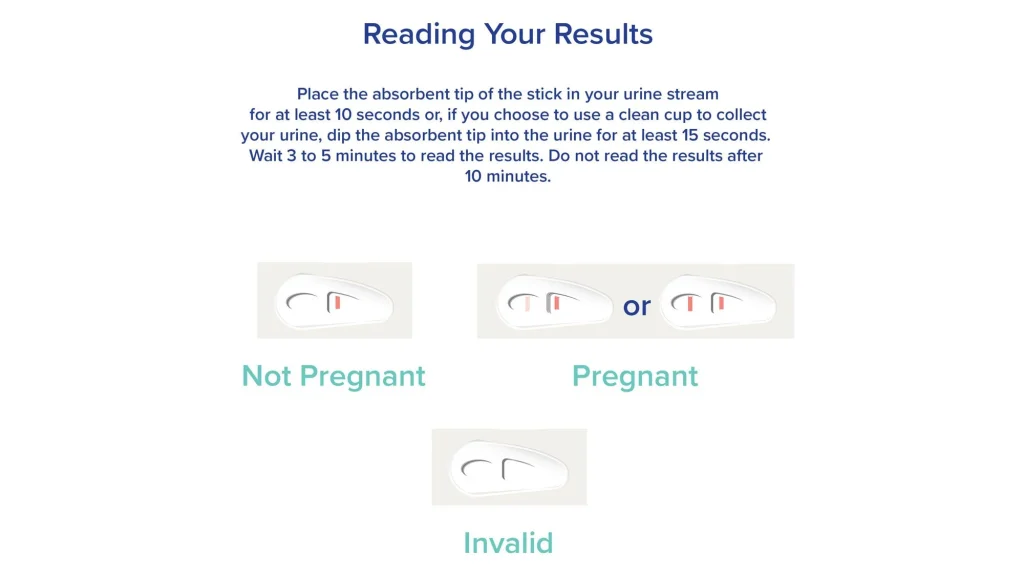
    Instructions for reading pregnancy test results with visual indicators for "Not Pregnant," "Pregnant," and "Invalid.

    Navigating Family Dynamics in Home Insemination

    Involving Family Members

    Some individuals or couples may choose to involve their family members in the home insemination process. This can include having a family member present during the insemination procedure or involving them in the decision-making process. While involving family members can provide emotional support, it is essential to consider how this may affect the dynamic and set clear boundaries and expectations.

    Tips for Navigating Family Dynamics in Home Insemination

    1. Educate your family members about home insemination: Many family members may not be familiar with the concept of home insemination and may have misconceptions or concerns. Take the time to educate them about the process, and address any questions or concerns they may have.

    2. Keep an open mind: It is essential to listen to your family members’ perspectives and be open to their opinions. They may have valid concerns or fears that you may not have considered. By keeping an open mind, you can address these concerns and work towards finding a solution that works for everyone.

    3. Consider involving a therapist: If you are struggling to navigate family dynamics in home insemination, involving a therapist can be beneficial. A therapist can provide a safe and neutral space for family members to express their thoughts and feelings and help facilitate productive communication.

    4. Be patient: Navigating family dynamics is not easy, and it may take time for your family members to come to terms with your decision. Be patient and understanding, and give them the time and space they need to process their emotions.

    5. Focus on the ultimate goal: It is essential to remember why you have chosen home insemination and focus on the ultimate goal – starting or growing your family. Remind your family members of this goal and how their support can make a positive impact on your journey.

    In summary, navigating family dynamics in home insemination requires open and honest communication, setting boundaries, and involving family members in a respectful and considerate manner. By following these tips and strategies, you can create a supportive and welcoming environment for all family members involved in the process.