Tag: DIY baby making

  • DIY Baby-Making: Essential Supplements for Boosting Fertility

    Blog Post Title: DIY Baby-Making: Essential Supplements for Boosting Fertility

    Introduction:

    Starting a family is one of the most exciting and rewarding experiences in life. However, for some couples, conceiving a child may not come as easily as they had hoped. Infertility is a common issue that affects many couples worldwide, with approximately 12% of women in the United States struggling to get pregnant. While there are various factors that can contribute to infertility, one aspect that is often overlooked is the role of nutrition and supplementation in promoting fertility.

    In this blog post, we will discuss the essential supplements that can help boost fertility and increase your chances of conceiving naturally. These supplements are not only beneficial for women but also for men, as they can improve sperm quality and increase sperm count. So, if you are trying to conceive and looking for natural ways to boost your fertility, keep reading to find out more!

    1. Folic Acid:

    Folic acid, also known as folate, is a B vitamin that is crucial for fetal development and preventing birth defects. It is recommended that women who are trying to conceive take a daily supplement of 400-800 micrograms of folic acid. This essential vitamin helps the body produce and maintain new cells and DNA, making it an important nutrient for pregnancy. Studies have also shown that folic acid can improve ovulation and increase the chances of getting pregnant.

    2. Vitamin D:

    Vitamin D is an essential nutrient that is vital for overall health and well-being. It plays a crucial role in the regulation of hormones, including estrogen and progesterone, which are essential for fertility. Studies have shown that women with vitamin D deficiency may have a lower chance of conceiving and a higher risk of pregnancy complications. Therefore, it is recommended to maintain adequate levels of vitamin D, either through sun exposure or supplementation, to enhance fertility and promote a healthy pregnancy.

    3. Coenzyme Q10 (CoQ10):

    Coenzyme Q10, or CoQ10, is a powerful antioxidant that is naturally produced by the body. It plays a crucial role in energy production and is essential for egg and sperm health. As we age, our CoQ10 levels naturally decline, which can affect fertility. Supplementing with CoQ10 can improve egg quality and increase the chances of fertilization. It is also beneficial for men as it can improve sperm motility and DNA integrity.

    4. Omega-3 Fatty Acids:

    at-home insemination kit by Mosie Baby, featuring syringes and containers for comfort and convenience.

    DIY Baby-Making: Essential Supplements for Boosting Fertility

    Omega-3 fatty acids, particularly EPA and DHA, are essential for reproductive health. They help regulate hormones, improve blood flow to reproductive organs, and promote healthy ovulation. Studies have also shown that omega-3 fatty acids can improve sperm quality and increase sperm count in men. Adding a fish oil supplement to your daily routine can be beneficial for both men and women trying to conceive.

    5. Zinc:

    Zinc is an essential mineral that plays a vital role in fertility and pregnancy. It is involved in the production of hormones, egg and sperm development, and DNA synthesis. Low levels of zinc have been linked to fertility issues in both men and women. Supplementing with zinc can help improve sperm quality, increase sperm count, and regulate ovulation. It is recommended to take a daily dose of 15-30 milligrams of zinc to boost fertility.

    6. Maca Root:

    Maca root is a popular herbal supplement that has been used for centuries to enhance fertility and libido. It is rich in antioxidants and important nutrients like iron, iodine, and vitamin C, which are essential for reproductive health. Studies have shown that maca root can improve sperm quality and increase sperm count in men. It is also beneficial for women as it can regulate hormones and improve ovulation.

    7. L-arginine:

    L-arginine is an amino acid that plays a crucial role in fertility. It is involved in the production of nitric oxide, which helps improve blood flow to the reproductive organs. This can enhance egg quality and promote healthy sperm production. L-arginine is also beneficial for women with polycystic ovary syndrome (PCOS) as it can help regulate menstrual cycles and improve ovulation.

    Conclusion:

    In conclusion, taking the right supplements can be a natural and effective way to boost fertility and increase your chances of conceiving. From essential vitamins like folic acid and vitamin D to powerful antioxidants like CoQ10 and maca root, these supplements can improve egg and sperm quality, regulate hormones, and enhance reproductive health in both men and women. However, it is essential to consult with your doctor before starting any new supplements, as they may interact with any medications you are currently taking.

    Remember, while supplements can be beneficial, they should not be used as a replacement for a healthy diet and lifestyle. Eating a well-balanced diet, staying physically active, and managing stress are also crucial for promoting fertility. By incorporating these supplements into your daily routine and making healthy lifestyle choices, you can increase your chances of conceiving and start your journey towards parenthood.

    SEO Metadata:

  • The Mind-Body Connection in DIY Baby-Making: Essential Practices for a Positive Pregnancy Experience

    Blog Post Title: The Mind-Body Connection in DIY Baby-Making: Essential Practices for a Positive Pregnancy Experience

    Summary:

    The journey of pregnancy can be both exciting and overwhelming for expectant parents. While the focus is often on the physical changes and preparations for the baby’s arrival, it is crucial not to neglect the mind-body connection during this transformative time. In this blog post, we will discuss the importance of the mind-body connection in DIY baby-making and share essential practices for a positive pregnancy experience.

    The Mind-Body Connection:

    The mind-body connection refers to the link between our thoughts, emotions, and physical health. It is believed that our mental and emotional state can affect our physical well-being, and vice versa. For couples trying to conceive, nurturing the mind-body connection is crucial as it can impact their fertility and pregnancy experience.

    Practices for a Positive Pregnancy Experience:

    1. Cultivate a Positive Mindset: The journey of pregnancy can bring about many emotions, from joy and excitement to fear and anxiety. It is essential to cultivate a positive mindset and focus on the present moment. Practicing mindfulness and gratitude can help in reducing stress and promoting relaxation.

    hand holding a syringe with a blue plunger against a solid blue background

    The Mind-Body Connection in DIY Baby-Making: Essential Practices for a Positive Pregnancy Experience

    2. Address Any Emotional Blocks: Unresolved emotional issues can impact fertility and pregnancy. It is crucial to address any emotional blocks and seek support from a therapist or counselor if needed. Clearing emotional baggage can create a healthy space for conception and a positive pregnancy experience.

    3. Nourish Your Body: A healthy body is essential for a healthy pregnancy. It is crucial to nourish your body with a balanced diet, regular exercise, and plenty of rest. Focus on incorporating nutrient-dense foods, staying hydrated, and getting enough sleep to support your body’s needs during pregnancy.

    4. Incorporate Relaxation Techniques: Pregnancy can be a stressful time, and it is vital to take time to relax and recharge. Incorporating relaxation techniques like deep breathing, meditation, yoga, or massage can help in reducing stress levels and promoting a sense of calm.

    5. Connect with Your Partner: Pregnancy can also bring about changes in the relationship dynamic between partners. It is crucial to stay connected with your partner and communicate openly about your feelings, fears, and expectations. This can strengthen your bond and create a supportive environment for the pregnancy journey.

    6. Surround Yourself with Support: During pregnancy, it is essential to surround yourself with a supportive network of family and friends. Seek out those who can provide emotional support, practical help, and positive energy. Joining a pregnancy support group or connecting with other expectant parents can also be beneficial.

    7. Practice Self-Care: Taking care of yourself is crucial during pregnancy. Make time for activities that bring you joy and relaxation, whether it’s reading, gardening, or taking a warm bath. Practicing self-care can help in reducing stress and promoting a positive mindset.

    In conclusion, the mind-body connection plays a significant role in DIY baby-making and the pregnancy experience. Nurturing this connection and incorporating essential practices can help in reducing stress, promoting a positive mindset, and creating a supportive environment for conception and a healthy pregnancy. Remember to take care of yourself, address any emotional blocks, and connect with your partner and support network. With a holistic approach, you can have a positive and fulfilling pregnancy journey.

  • DIY Baby-Making for Busy Couples: Essential Tips for Balancing Work and Fertility

    DIY Baby-Making for Busy Couples: Essential Tips for Balancing Work and Fertility

    For many couples, the desire to have a baby is a dream that comes with its fair share of challenges. In today’s fast-paced world, where work and career demands often take center stage, finding the time and energy to focus on starting a family can be overwhelming. However, with the right approach and some essential tips, it is possible for busy couples to balance work and fertility, and make their dream of having a baby a reality. In this blog post, we will discuss DIY baby-making for busy couples, and provide some essential tips to help them navigate this journey.

    Tip #1: Prioritize Your Health and Well-Being
    The first and most crucial step in DIY baby-making for busy couples is prioritizing their health and well-being. With the demands of work and everyday life, it’s easy to neglect self-care and put it on the back burner. However, taking care of your physical and mental health is essential for fertility. Making healthy lifestyle choices, such as eating a balanced diet, exercising regularly, and getting enough rest, can significantly impact your fertility. Couples should also prioritize stress management techniques, such as meditation, yoga, or therapy, to help them cope with the stress of trying to conceive while juggling busy schedules.

    Tip #2: Understand Your Menstrual Cycle
    Understanding your menstrual cycle is crucial for any couple trying to conceive. It is essential to track your ovulation to know when you are most fertile. Many factors can impact the length and regularity of a woman’s menstrual cycle, such as stress, diet, and exercise. Therefore, it’s essential to track your cycle for a few months to get a better understanding of your body’s patterns. Several apps and tools can help with this, making it easier for busy couples to keep track of their fertility window.

    Tip #3: Utilize At-Home Fertility Tests
    For busy couples, finding the time to visit a fertility clinic for tests can be a challenge. However, with the rise of at-home fertility tests, couples can now monitor their fertility from the comfort of their own home. These tests can help identify potential issues that may be impacting fertility, such as low sperm count or ovulation disorders. Having this information can help couples make informed decisions about their next steps and when to seek professional help.

    comparison of Mosie syringe opening versus standard syringe opening with text highlighting benefits

    DIY Baby-Making for Busy Couples: Essential Tips for Balancing Work and Fertility

    Tip #4: Consider Natural Fertility Boosters
    In addition to tracking your cycle and utilizing at-home fertility tests, there are also natural fertility boosters that couples can incorporate into their daily routine. These include dietary supplements, such as folic acid, CoQ10, and omega-3 fatty acids, that have been shown to improve fertility in both men and women. Couples can also explore alternative therapies, such as acupuncture and herbal remedies, which have been known to enhance fertility.

    Tip #5: Plan Intimacy Around Your Fertility Window
    Timing is everything when it comes to trying to conceive. With busy schedules, it can be challenging to find time for intimacy regularly. However, planning intimacy around the woman’s fertile window can significantly increase the chances of conception. As mentioned earlier, tracking your cycle can help determine the best time for intimacy. Additionally, couples can also explore other ways to keep the spark alive and maintain a healthy and fulfilling sex life, such as scheduling date nights and communicating openly about their needs and desires.

    Tip #6: Be Open to Alternative Methods
    While many couples hope to conceive naturally, it’s essential to be open to alternative methods if things don’t go as planned. This can include exploring options like intrauterine insemination (IUI) or in vitro fertilization (IVF) if conception doesn’t happen naturally. These methods may require more time and effort, but they can help couples achieve their dream of starting a family.

    Tip #7: Seek Professional Help When Needed
    Finally, it’s essential to seek professional help when needed. Trying to conceive can be an emotionally and physically draining process, and it’s crucial to have a support system in place. Couples can consult with a fertility specialist who can provide guidance and support throughout their journey. Additionally, seeking therapy or joining support groups can also be beneficial in coping with the challenges of trying to conceive.

    In conclusion, DIY baby-making for busy couples is possible with the right approach and essential tips. Prioritizing health and well-being, understanding the menstrual cycle, utilizing at-home fertility tests, considering natural fertility boosters, planning intimacy around the fertility window, being open to alternative methods, and seeking professional help when needed are all crucial steps in balancing work and fertility. With patience and determination, busy couples can achieve their dream of starting a family.

  • The Role of Nutrition in DIY Baby-Making: Essential Foods for Fertility

    The decision to start a family and embark on the journey of parenthood is an exciting and life-changing one. Many couples choose to take a more natural and DIY approach to conceiving, and nutrition plays a crucial role in this process. A well-balanced and nutrient-rich diet can greatly improve fertility and increase the chances of a healthy pregnancy. In this blog post, we will explore the essential foods for fertility and how they can help in DIY baby-making.

    First and foremost, it is important to note that both partners’ diets are vital in the baby-making process. A healthy and balanced diet for both the man and the woman can greatly impact their fertility and increase the chances of conception.

    1. Leafy Greens

    Leafy greens such as spinach, kale, and broccoli are packed with essential nutrients that are beneficial for fertility. These vegetables are high in folate, a B vitamin that is crucial for reproductive health and the development of a healthy baby. Folate also helps prevent birth defects and reduces the risk of miscarriage.

    Leafy greens are also rich in iron, which is essential for healthy ovulation and sperm production. They also contain antioxidants that help protect the reproductive cells from damage and promote a healthy pregnancy.

    2. Healthy Fats

    Healthy fats are crucial for hormone production, which is essential for fertility. Foods such as avocados, nuts, and olive oil are rich in monounsaturated and polyunsaturated fats, which can help regulate hormone levels and improve fertility.

    Omega-3 fatty acids, found in fatty fish like salmon and sardines, are also essential for fertility. They help regulate ovulation and improve the quality of sperm. Including these healthy fats in your diet can greatly improve your chances of conception.

    3. Whole Grains

    Whole grains such as quinoa, brown rice, and oats are excellent sources of complex carbohydrates. These carbohydrates release energy slowly, preventing spikes in blood sugar levels, which can have a negative impact on fertility.

    Whole grains are also rich in B vitamins, which help regulate hormone levels and aid in the production of healthy eggs and sperm. They also contain fiber, which helps with digestion and the removal of excess hormones from the body.

    4. Protein-Rich Foods

    Protein is crucial for fertility as it helps with the development of healthy eggs and sperm. Lean sources of protein such as chicken, fish, and tofu are great options for those trying to conceive.

    at-home insemination kit by Mosie Baby, featuring syringes, collection cups, and instructions on a pink background.

    The Role of Nutrition in DIY Baby-Making: Essential Foods for Fertility

    Eggs, in particular, are a great source of protein and are also rich in choline, which is essential for the development of the baby’s brain and spinal cord. Including protein-rich foods in your diet can greatly improve fertility and increase the chances of a healthy pregnancy.

    5. Colorful Fruits and Vegetables

    Colorful fruits and vegetables are packed with essential nutrients that are beneficial for fertility. Fruits such as berries, oranges, and pomegranates are rich in antioxidants, which help protect the reproductive cells from damage.

    Vegetables like carrots, sweet potatoes, and bell peppers are rich in beta-carotene, which is converted to vitamin A in the body. Vitamin A is essential for the production of healthy sperm and can also help regulate ovulation.

    6. Dairy Products

    Dairy products are a great source of calcium, which is essential for reproductive health. Calcium helps with the development of healthy bones and teeth in the baby and also aids in muscle and nerve function.

    Yogurt, in particular, is also rich in probiotics, which can help improve gut health. A healthy gut is crucial for the absorption of nutrients and can greatly impact fertility.

    7. Water

    Staying hydrated is crucial for overall health and fertility. Water helps with the production of cervical mucus, which is important for sperm to travel through the reproductive tract. It also helps with the development and maturation of eggs.

    It is recommended to drink at least 8-10 glasses of water a day, and even more if you are trying to conceive. You can also incorporate hydrating foods such as watermelon, cucumbers, and celery into your diet.

    In addition to incorporating these essential foods into your diet, it is also important to avoid certain foods and habits that can negatively impact fertility. These include processed foods, excessive alcohol consumption, and smoking.

    In conclusion, nutrition plays a crucial role in DIY baby-making. A well-balanced and nutrient-rich diet can greatly improve fertility and increase the chances of a healthy pregnancy. Incorporating leafy greens, healthy fats, whole grains, protein-rich foods, colorful fruits and vegetables, dairy products, and water into your diet can greatly improve your chances of conceiving. Remember to also avoid unhealthy foods and habits that can negatively impact fertility. With the right nutrition and healthy lifestyle choices, you can increase your chances of a successful DIY baby-making journey.

    Summary: In this blog post, we discussed the essential foods for fertility and how they can help in DIY baby-making. A well-balanced and nutrient-rich diet can greatly improve fertility and increase the chances of a healthy pregnancy. Incorporating leafy greens, healthy fats, whole grains, protein-rich foods, colorful fruits and vegetables, dairy products, and water into your diet can greatly improve your chances of conceiving. Remember to also avoid unhealthy foods and habits that can negatively impact fertility. With the right nutrition and healthy lifestyle choices, you can increase your chances of a successful DIY baby-making journey.

  • DIY Baby-Making: Essential Strategies for Conceiving After Miscarriage

    Blog Post Title: DIY Baby-Making: Essential Strategies for Conceiving After Miscarriage

    Summary:

    Experiencing a miscarriage can be a devastating and heartbreaking experience for any couple trying to conceive. The physical and emotional toll it takes can make the thought of trying to conceive again overwhelming. However, with the right strategies and mindset, it is possible to conceive after a miscarriage. In this blog post, we will discuss essential DIY strategies for couples to increase their chances of conceiving after a miscarriage.

    1. Understand the Physical and Emotional Impact of Miscarriage

    Before attempting to conceive again, it is important for couples to understand the physical and emotional impact of a miscarriage. Physically, it may take some time for the body to recover and prepare for another pregnancy. Emotionally, it is essential to allow yourself time to grieve and heal from the loss. Seek support from loved ones or a therapist if needed.

    2. Track Your Menstrual Cycle

    Tracking your menstrual cycle is crucial for determining the best time to conceive. Use a fertility tracking app or a calendar to keep track of your cycle. After a miscarriage, your cycle may be irregular for a few months, so it is important to monitor it closely for changes.

    3. Implement a Healthy Lifestyle

    Maintaining a healthy lifestyle is key for increasing fertility. This includes eating a well-balanced diet, staying physically active, and avoiding harmful substances like alcohol and tobacco. Additionally, certain supplements and vitamins may also aid in fertility, such as folic acid and vitamin D.

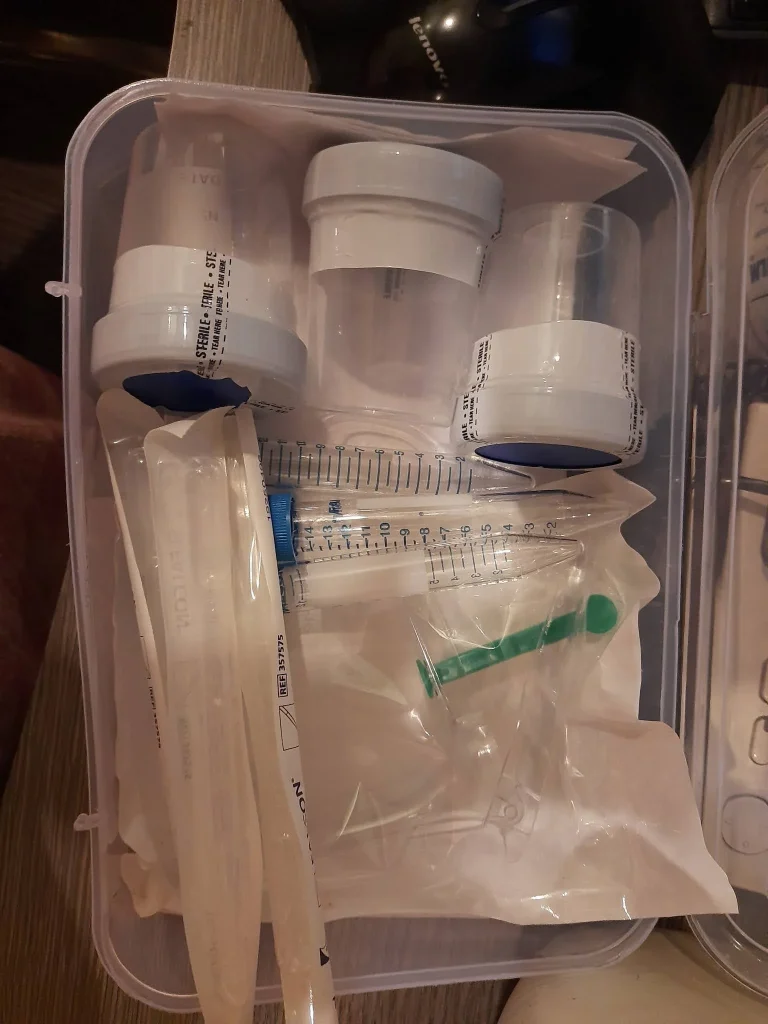
    various medical supplies and containers organized in a clear plastic box on a wooden surface

    DIY Baby-Making: Essential Strategies for Conceiving After Miscarriage

    4. Focus on Stress Management

    Stress can greatly impact fertility, so it is important to find ways to manage it. This can include practicing relaxation techniques like yoga or meditation, engaging in a hobby, or seeking counseling. It is also important to communicate openly with your partner and support each other during this stressful time.

    5. Consider Alternative Therapies

    Alternative therapies such as acupuncture, massage, and chiropractic care have been shown to improve fertility and increase the chances of conception. These therapies can help reduce stress, improve blood flow to the reproductive organs, and balance hormones.

    6. Try Natural Fertility Boosters

    There are several natural fertility boosters that can improve your chances of conceiving after a miscarriage. These include herbs like maca root, red raspberry leaf, and chasteberry. It is important to consult with a healthcare professional before trying any new supplements, especially if you are taking any medication.

    7. Consult with a Fertility Specialist

    If you have been trying to conceive for over a year without success, it may be time to consult with a fertility specialist. They can help identify any underlying issues that may be hindering your chances of conception and provide you with personalized treatment options.

    In conclusion, conceiving after a miscarriage can be a challenging and emotional journey. It is important to take care of your physical and emotional well-being and implement these essential DIY strategies to increase your chances of conceiving. Remember to be patient and kind to yourself, and with perseverance and determination, you can achieve your dream of having a baby.

  • DIY Baby-Making: Essential Strategies for Same-Sex Couples

    DIY Baby-Making: Essential Strategies for Same-Sex Couples

    For same-sex couples, starting a family can be a daunting and challenging process. Unlike heterosexual couples, they do not have the option of conceiving a child naturally. However, with advancements in technology and changing social norms, there are now multiple options available for same-sex couples to fulfill their dream of becoming parents. One of the most popular and cost-effective options is DIY baby-making, where couples can use at-home methods to conceive a child. In this blog post, we will discuss the essential strategies for DIY baby-making for same-sex couples, including the different methods available, legal considerations, and tips for a successful journey.

    Types of DIY Baby-Making Methods:

    1. Donor Insemination: This method involves using a donor’s sperm to fertilize the egg of one of the partners. It can be done at home using a syringe or a menstrual cup. The sperm can be obtained from a sperm bank or from a known donor. It is essential to have a legal agreement in place with the donor to avoid any future complications.

    2. Reciprocal IVF: This is a popular method for lesbian couples, where one partner’s egg is fertilized with donor sperm and then transferred to the other partner’s uterus for pregnancy. This allows both partners to have a biological connection to the child.

    3. Surrogacy: In this method, a woman carries and gives birth to a child for a same-sex couple. The egg and sperm can be from the couple or from donors, depending on the couple’s preference. Surrogacy can be done through a traditional surrogacy, where the surrogate’s egg is used, or gestational surrogacy, where the surrogate carries a child conceived through IVF.

    Legal Considerations:

    at-home insemination kit featuring a syringe and container for fresh or donor sperm conception

    DIY Baby-Making: Essential Strategies for Same-Sex Couples

    Before embarking on the journey of DIY baby-making, it is crucial for same-sex couples to understand the legal considerations involved. The laws surrounding same-sex parenting vary from state to state, and it is essential to consult with a lawyer who specializes in family and reproductive law. It is vital to have a legal agreement in place with the donor or surrogate to ensure that all parties’ rights and responsibilities are clearly defined.

    Tips for a Successful DIY Baby-Making Journey:

    1. Understand the Process: Before starting the DIY baby-making journey, it is essential to educate yourself on the process, including the methods available, success rates, and potential risks involved.

    2. Seek Professional Help: While DIY baby-making can be done at home, it is recommended to seek the help of a fertility specialist. They can provide guidance on the best method for your situation, conduct necessary tests, and monitor the process for a successful outcome.

    3. Consider Emotional Support: The journey of DIY baby-making can be emotionally taxing, with its ups and downs. It is essential to have a support system in place, whether it is through a support group, therapist, or friends and family.

    4. Be Patient: Conceiving a child through DIY baby-making may take time and patience. It is essential to keep a positive attitude and not get discouraged if the process takes longer than expected.

    5. Take Care of Your Health: Maintaining good physical and mental health is crucial for a successful DIY baby-making journey. Eat a healthy diet, exercise regularly, and manage stress to increase your chances of conception.

    In summary, DIY baby-making is a viable option for same-sex couples who wish to start a family. With the right knowledge, legal considerations, and support, this journey can be a fulfilling and rewarding experience. Whether you choose donor insemination, reciprocal IVF, or surrogacy, it is crucial to understand the process, seek professional help, and take care of your physical and emotional well-being. With determination and perseverance, same-sex couples can fulfill their dream of becoming parents through DIY baby-making.

  • DIY Baby-Making for Beginners: Essential Steps to Get You Started

    DIY Baby-Making for Beginners: Essential Steps to Get You Started

    Bringing a new life into the world is a magical experience, and for some couples, it may require a little extra effort. Whether you are struggling with fertility issues or simply want to take a more hands-on approach to starting a family, DIY baby-making can be an empowering and fulfilling journey. While the process may seem overwhelming at first, with the right knowledge and resources, anyone can successfully embark on this path. In this blog post, we will guide you through the essential steps to get you started on your DIY baby-making journey.

    Step 1: Understand Your Fertility

    Before you begin your DIY baby-making journey, it is crucial to have a thorough understanding of your fertility. This includes knowing your menstrual cycle, ovulation patterns, and any potential fertility issues. Tracking your menstrual cycle can give you a better understanding of your fertility window, which is the time when you are most likely to conceive. There are various methods for tracking your cycle, including using an ovulation calculator or monitoring your basal body temperature. It is also essential to consult with a healthcare provider to identify any potential fertility issues and address them accordingly.

    Step 2: Create a Healthy Lifestyle

    A healthy lifestyle is key to increasing your chances of conception. This includes maintaining a well-balanced diet, exercising regularly, and reducing stress levels. Eating a nutritious diet rich in fruits, vegetables, whole grains, and lean protein can help improve your overall health and reproductive system. Regular exercise can also boost fertility by reducing stress levels and maintaining a healthy weight. Additionally, reducing stress levels is crucial, as high levels of stress can negatively impact fertility. Consider incorporating relaxation techniques such as yoga or meditation into your daily routine.

    Step 3: Consider Supplements and Natural Remedies

    Many couples turn to supplements and natural remedies to boost their fertility. While there is no guarantee that these methods will work, they may be worth trying. Some common supplements that can aid in fertility include folic acid, zinc, and vitamin D. You can also consider incorporating natural remedies such as acupuncture, herbal supplements, or essential oils. It is essential to consult with a healthcare provider before trying any supplements or natural remedies to ensure they are safe for you.

    Step 4: Understand DIY Baby-Making Methods

    logo featuring a pink heart above two teal leaves on a blue circular background

    DIY Baby-Making for Beginners: Essential Steps to Get You Started

    When it comes to DIY baby-making, there are different methods to consider. The two most common methods are artificial insemination and at-home insemination. Artificial insemination involves using a medical procedure to place sperm directly into the uterus, while at-home insemination involves using a home insemination kit to insert sperm into the vagina. Both methods have their own advantages and disadvantages, and it is crucial to research and understand them before deciding which one is right for you.

    Step 5: Choose a Sperm Donor

    If you are opting for at-home insemination, choosing a sperm donor is a crucial step. You can choose to use a known donor, such as a friend or family member, or purchase donor sperm from a sperm bank. When choosing a donor, it is essential to consider important factors such as genetics, medical history, and personal preferences. It is also crucial to have open and honest communication with the donor to ensure everyone is on the same page.

    Step 6: Gather Supplies and Prepare for Insemination

    Once you have chosen a method and sperm donor, it is time to gather your supplies and prepare for insemination. If you are using a home insemination kit, ensure that you have all the necessary items, such as a syringe, collection cup, and ovulation predictor kit. If you are using artificial insemination, schedule an appointment with a fertility specialist. It is also crucial to have a supportive partner or friend with you during the process to provide emotional support.

    Step 7: Insemination and Follow-up

    The day of insemination is an exciting and nerve-wracking time. If you are using artificial insemination, the procedure will be performed by a healthcare professional. If you are using at-home insemination, follow the instructions provided in your kit carefully. After the insemination, it is essential to give your body time to rest and recover. You can also track your ovulation and take a pregnancy test after two weeks to determine if the insemination was successful. If the first attempt is not successful, do not get discouraged as it may take multiple tries before achieving a pregnancy.

    DIY baby-making can be a rewarding and fulfilling journey, but it is essential to remember that it is not a guarantee. It is crucial to have patience, communicate openly with your partner, and seek professional help if needed. With these essential steps, you can confidently embark on your DIY baby-making journey and start growing your family.

    In summary, DIY baby-making can be an empowering and fulfilling experience for couples looking to start a family. By understanding your fertility, maintaining a healthy lifestyle, considering supplements and natural remedies, and choosing the right method and sperm donor, you can successfully embark on this journey. Remember to have patience and seek professional help if needed, and most importantly, enjoy the process of bringing a new life into the world.

  • The Science of DIY Baby-Making: Essential Knowledge for Parents-to-Be

    Summary:

    The process of creating a baby may seem like a simple concept, but there is actually a lot of science behind it. From understanding ovulation and fertility to the role of genetics and hormones in conception, there are many factors that contribute to successful baby-making. In this blog post, we will explore the essential knowledge that parents-to-be should know about the science of DIY baby-making.

    Firstly, it is important to understand the basics of ovulation and fertility. Ovulation is the process where a mature egg is released from the ovary and travels down the fallopian tube, ready to be fertilized by a sperm. Fertility, on the other hand, refers to a person’s ability to conceive a child. Understanding when ovulation occurs and tracking fertility can greatly increase the chances of successful conception.

    Next, knowing the role of genetics in baby-making can also be crucial. Our genes determine many aspects of our physical and mental characteristics, including our fertility. Some people may be genetically predisposed to have a harder time conceiving, while others may have a higher chance of conceiving fraternal twins. Understanding the genetic components of fertility can help parents make informed decisions about their baby-making journey.

    Hands holding a syringe and a small container against a blue background.

    The Science of DIY Baby-Making: Essential Knowledge for Parents-to-Be

    Hormones also play a significant role in the process of DIY baby-making. In women, hormones like estrogen and progesterone regulate the menstrual cycle and influence ovulation. In men, testosterone is responsible for sperm production. Any hormonal imbalances can affect fertility and make it harder to conceive. Consulting with a doctor and getting hormone levels checked can help identify any potential issues and improve the chances of conception.

    Another important aspect of the science of DIY baby-making is understanding the menstrual cycle. The menstrual cycle is the series of changes that occur in a woman’s body to prepare for pregnancy. It is divided into three phases: the follicular phase, ovulation, and the luteal phase. By tracking the menstrual cycle, couples can identify the most fertile days and time intercourse accordingly.

    In addition to these factors, lifestyle and environmental factors can also impact fertility. Factors like diet, exercise, stress levels, and exposure to toxins can all affect a person’s ability to conceive. Making healthy lifestyle choices and reducing exposure to harmful substances can improve fertility and increase the chances of successful baby-making.

    Finally, it is essential to address any potential fertility issues or concerns early on. If a couple has been trying to conceive for over a year with no success, it is recommended to consult with a fertility specialist. They can help identify any underlying issues and provide guidance on the best course of action, whether it be through fertility treatments or other options.

    In conclusion, the science of DIY baby-making is a complex and intricate process that requires knowledge and understanding of various factors. By understanding ovulation and fertility, genetics, hormones, the menstrual cycle, and lifestyle factors, couples can increase their chances of successful conception. And for those who may be facing fertility challenges, it is crucial to seek professional help and support early on. With this essential knowledge, parents-to-be can embark on their baby-making journey with confidence and excitement.

  • DIY Baby Making: Exploring the Home Insemination Solution

    As more and more couples start to explore alternative methods of conceiving a child, DIY baby making has become a popular option. One of the methods gaining attention is home insemination, where couples can perform the insemination process in the comfort of their own home. In this blog post, we will dive into the details of DIY baby making through home insemination and explore the steps, benefits, and precautions to take when considering this option.

    Home insemination involves a couple using a syringe or a menstrual cup to insert the semen into the woman’s cervix or vagina. This process is similar to the traditional method of intrauterine insemination (IUI) done in a fertility clinic, but with home insemination, the couple has more control over the procedure.

    The first step in home insemination is to collect the semen from the male partner. This can be done through masturbation or using a special collection device, such as a cervical cap or a soft cup. It is important to ensure that the semen is collected in a sterile container and kept at room temperature until ready to use.

    Next, the woman needs to prepare her body for insemination. This includes tracking her ovulation cycle using a fertility tracker or an ovulation predictor kit. It is crucial to inseminate during the woman’s fertile window, which is typically around 12-24 hours after ovulation. This increases the chances of conception.

    Once the semen is collected and the woman’s fertile window is identified, the couple can begin the insemination process. The woman can either insert the semen into her vagina using a syringe or a menstrual cup, or the male partner can perform the insemination using a soft cup. It is important to follow the instructions carefully and to ensure that the semen is deposited near the cervix for the best chance of conception.

    Mosie Baby kit with two jars, a syringe, and a supportive message card inside a colorful box.

    DIY Baby Making: Exploring the Home Insemination Solution

    One of the main benefits of home insemination is the cost savings compared to traditional fertility treatments. Intrauterine insemination (IUI) can cost thousands of dollars, whereas home insemination can be done at a fraction of the cost. Additionally, couples who choose home insemination have more control over the process and can do it in the comfort and privacy of their own home.

    Another benefit of home insemination is that it can be a more intimate and personal experience for the couple. Many couples who struggle with fertility issues often feel a lack of control and a sense of detachment from the conception process. Home insemination allows them to take a more active role in the journey towards parenthood.

    However, there are also precautions and risks to consider when choosing home insemination. One of the biggest concerns is the risk of contracting sexually transmitted infections (STIs). It is important for both partners to get tested for STIs and to ensure that the semen used for insemination is clean and free from any infections.

    Another risk is the potential for human error. The process of home insemination involves precise timing and proper technique, and any mistake can significantly decrease the chances of conception. It is crucial to educate oneself and carefully follow the instructions to avoid any mishaps.

    It is also essential to have realistic expectations when it comes to home insemination. While it has been successful for many couples, it is not a guaranteed method of conception. Factors such as age, fertility issues, and overall health can still affect the chances of pregnancy.

    In conclusion, DIY baby making through home insemination is a viable option for couples looking to conceive. It offers a more affordable, intimate, and convenient alternative to traditional fertility treatments. However, it is essential to take necessary precautions and to have realistic expectations when choosing this method. With proper education and careful execution, home insemination can be an effective solution for couples on their journey towards parenthood.

  • DIY Baby Making: The Natural and Holistic Way to Start a Family

    DIY Baby Making: The Natural and Holistic Way to Start a Family

    Starting a family is a dream for many couples, but the traditional methods of conceiving a child may not be the best option for everyone. In-vitro fertilization (IVF) and other fertility treatments can be expensive and invasive, and may not align with personal beliefs or values. Fortunately, there is a natural and holistic approach to baby making that can be both effective and fulfilling. In this blog post, we will explore DIY baby making and how it can be a beautiful and empowering journey towards starting a family.

    What is DIY Baby Making?

    DIY baby making, also known as natural or holistic baby making, is the process of conceiving a child without medical interventions or procedures. It involves using natural methods and lifestyle changes to promote fertility and increase the chances of a successful pregnancy.

    The Benefits of DIY Baby Making

    One of the main benefits of DIY baby making is that it is cost-effective. Fertility treatments can be incredibly expensive, with the average cost of IVF ranging from $12,000 to $15,000 per cycle. For many couples, this is simply not a feasible option. DIY baby making, on the other hand, only requires a small investment in natural supplements and lifestyle changes, making it a more accessible option for those on a budget.

    Another advantage of DIY baby making is that it can be a more natural and gentle approach to starting a family. Fertility treatments often involve medications and procedures that can have side effects and may not align with personal beliefs or values. DIY baby making, on the other hand, focuses on natural and holistic methods that work with the body rather than against it.

    Additionally, DIY baby making can be a more empowering experience for couples. It allows them to take control of their fertility journey and actively participate in the process of conceiving a child. This can lead to a stronger sense of connection and bond between partners, making the journey towards starting a family even more meaningful.

    Natural Methods and Lifestyle Changes for DIY Baby Making

    There are many natural methods and lifestyle changes that can increase fertility and improve the chances of a successful pregnancy. These include:

    1. Eating a healthy diet: A well-balanced diet that includes plenty of fruits, vegetables, whole grains, and lean proteins can help improve fertility. Certain foods, such as leafy greens, avocados, and nuts, are known to boost fertility and should be incorporated into the diet.

    2. Maintaining a healthy weight: Being underweight or overweight can affect fertility and make it more difficult to conceive. Maintaining a healthy weight can help regulate hormones and increase the chances of a successful pregnancy.

    at-home insemination kit featuring a syringe and container for fresh or donor sperm conception

    DIY Baby Making: The Natural and Holistic Way to Start a Family

    3. Reducing stress: Stress can have a negative impact on fertility, so it is important to find ways to relax and manage stress. This can include practicing yoga or meditation, going for walks in nature, or engaging in a favorite hobby.

    4. Tracking ovulation: Knowing when ovulation occurs can significantly increase the chances of getting pregnant. There are various methods for tracking ovulation, such as using ovulation predictor kits or monitoring basal body temperature.

    5. Using natural supplements: Certain supplements, such as folic acid, vitamin D, and CoQ10, can help improve fertility and increase the chances of conception. It is important to consult with a healthcare professional before starting any new supplements.

    6. Avoiding toxins: Exposure to toxins, such as alcohol, tobacco, and environmental pollutants, can have a negative impact on fertility. It is important to avoid these substances when trying to conceive.

    The Role of Traditional Medicine in DIY Baby Making

    While DIY baby making focuses on natural and holistic methods, it is important to note that traditional medicine can still play a role in the process. Consulting with a healthcare professional, such as a naturopathic doctor or fertility specialist, can provide valuable insights and guidance on how to optimize fertility and increase the chances of a successful pregnancy. In some cases, traditional medicine may also be necessary to address underlying health issues that may be affecting fertility.

    The Emotional Aspect of DIY Baby Making

    The journey towards starting a family can be an emotional rollercoaster. It is important for couples to acknowledge and address any emotions that may arise during the DIY baby making process. This can include feelings of frustration, disappointment, and even jealousy towards other couples who may have conceived more easily. It is crucial to communicate openly and support each other throughout the journey, and to seek professional help if needed.

    Challenges of DIY Baby Making

    While DIY baby making can be a beautiful and empowering journey, it is not without its challenges. It requires patience, dedication, and a willingness to make lifestyle changes. It may also involve facing fertility issues and the possibility of not being able to conceive naturally. It is important for couples to be prepared for these challenges and to have a support system in place.

    In conclusion, DIY baby making offers an alternative to traditional methods of conceiving a child that can be more natural, cost-effective, and empowering. By making simple lifestyle changes and incorporating natural methods, couples can increase their chances of starting a family in a way that aligns with their beliefs and values. While it may not be the right choice for everyone, DIY baby making can be a beautiful and fulfilling journey towards parenthood.

    Summary: DIY baby making, also known as natural or holistic baby making, is the process of conceiving a child without medical interventions or procedures. It is a cost-effective, natural, and empowering approach to starting a family that involves making lifestyle changes and incorporating natural methods such as eating a healthy diet, reducing stress, and tracking ovulation. Traditional medicine can also play a role in the process, and it is important for couples to address the emotional challenges that may arise. While it may not be the right choice for everyone, DIY baby making can be a beautiful and fulfilling journey towards parenthood.