Tag: Emotional Journey

  • The Emotional Journey of Non-Invasive Insemination: What to Expect

    Non-invasive insemination, also known as artificial insemination, is a common fertility treatment option for couples struggling to conceive. Unlike invasive procedures, such as in vitro fertilization (IVF), non-invasive insemination is a less invasive and more affordable option that many couples turn to in hopes of starting a family. However, while it may seem like a straightforward process, the emotional journey of non-invasive insemination can be complex and overwhelming. In this blog post, we will explore the emotional aspects of non-invasive insemination and what one can expect throughout the process.

    Before delving into the emotional journey, it’s important to understand the basics of non-invasive insemination. This procedure involves placing sperm directly into a woman’s uterus to increase the chances of fertilization. It can be done with the partner’s sperm or donor sperm, depending on the couple’s specific needs. The procedure is typically done during a woman’s ovulation period to increase the chances of conception.

    Now, let’s discuss the emotional journey of non-invasive insemination and what to expect at each stage.

    1. Excitement and Hope
    As with any fertility treatment, the journey begins with excitement and hope. Couples who have been struggling to conceive may see non-invasive insemination as a ray of hope and a chance to finally start a family. They may feel excited about the possibilities and have high expectations for the procedure.

    2. Anxiety and Fear
    As the procedure date approaches, many couples may start to experience anxiety and fear. The fear of the unknown, the fear of failure, and the fear of potential complications can all contribute to these emotions. It’s essential to acknowledge and address these feelings, as they can have a significant impact on the overall experience.

    3. Discomfort and Inconvenience
    During the procedure itself, women may experience some discomfort and inconvenience. The insertion of the catheter can cause cramping or discomfort, and the preparation beforehand can be time-consuming. It’s crucial to communicate any discomfort or concerns with the medical team to ensure a comfortable and successful procedure.

    At-home insemination kit with ovulation and pregnancy tests, promoting fertility and family planning.

    The Emotional Journey of Non-Invasive Insemination: What to Expect

    4. Waiting Game
    After the procedure, the next emotional hurdle is the waiting game. The two-week wait until the pregnancy test can be incredibly stressful and emotionally draining. Couples may experience a rollercoaster of emotions during this time, from hope and excitement to fear and disappointment.

    5. Disappointment and Grief
    If the procedure is unsuccessful, many couples may experience disappointment and grief. It’s essential to acknowledge and allow oneself to grieve this loss and seek support from loved ones or a therapist if needed. It’s also important to remember that non-invasive insemination may not work the first time, and it’s okay to try again.

    6. Joy and Relief
    On the other hand, if the procedure is successful, couples may experience overwhelming joy and relief. The months of emotional and physical preparation, the discomfort during the procedure, and the stress of the waiting game all become worth it when they see a positive pregnancy test. This moment can bring immense happiness and a sense of accomplishment for the couple.

    7. Fear and Anxiety (Again)
    Even after a successful non-invasive insemination, fear and anxiety may still linger. The fear of miscarriage or complications during pregnancy can be overwhelming and may affect the couple’s emotional well-being. It’s essential to address these fears and seek support from a healthcare provider or therapist to manage them effectively.

    8. Acceptance and Gratitude
    As the pregnancy progresses, couples may start to feel a sense of acceptance and gratitude for their journey. They may also reflect on their emotions and experiences throughout non-invasive insemination and feel grateful for the medical technology that made their dreams of starting a family a reality.

    Non-invasive insemination may not be a physically invasive procedure, but it can have a significant emotional impact on couples. It’s crucial to understand and acknowledge these emotions and seek support when needed. Whether it’s talking to a healthcare provider, a therapist, or a support group, having a strong support system can make a significant difference in the emotional journey of non-invasive insemination.

    In summary, non-invasive insemination is a fertility treatment option that can bring a rollercoaster of emotions for couples. From excitement and hope to fear and anxiety, the journey can be emotionally challenging. However, with support and understanding, couples can navigate through this journey and potentially achieve their dream of starting a family.


  • Insemination Demystified: A 40-Year-Old’s Guide to Starting a Family with the Starter Pack

    Summary:

    Starting a family can be an exciting and fulfilling journey, but for 40-year-olds who may be considering insemination as a way to conceive, it can also be a daunting and overwhelming process. In this blog post, we will demystify the world of insemination and provide a comprehensive guide for those who are looking to start a family with the help of a starter pack.

    We will begin by discussing what insemination is and how it differs from other fertility treatments. We will also explore the different types of insemination, including intrauterine insemination (IUI) and in vitro fertilization (IVF), and the pros and cons of each. Next, we will delve into the steps involved in the insemination process, from choosing a donor to timing the procedure.

    at-home insemination kit by Mosie Baby, featuring syringes, collection cups, and instructions on a pink background.

    Insemination Demystified: A 40-Year-Old's Guide to Starting a Family with the Starter Pack

    One of the most important aspects of insemination is selecting a donor, and we will provide tips and advice on how to choose the right one for you. We will also discuss the legal and ethical considerations that come with using a donor, including the importance of having a legally binding contract in place.

    In addition to the medical and legal aspects of insemination, we will also touch on the emotional journey that comes with starting a family through insemination. From managing expectations to dealing with potential setbacks, we will offer guidance and support for navigating the emotional rollercoaster that can come with trying to conceive.

    Finally, we will talk about the financial aspect of insemination and provide tips on how to manage the costs associated with the process. We will also offer advice on how to prepare for the arrival of your new family member and the changes that may come with parenthood.

    Insemination may seem like a daunting and complex process, but with the right information and support, it can be a rewarding and fulfilling journey towards starting a family. We hope this guide will provide a helpful starting point for 40-year-olds who are considering insemination as a way to conceive.

  • The Physical and Emotional Process of Insemination on Your Own Terms

    Blog Post:

    Insemination, or the process of inserting sperm into the uterus to fertilize an egg, is a common method used by individuals and couples who are trying to conceive. While it is often associated with traditional methods such as sexual intercourse or intrauterine insemination (IUI), many people are now choosing to take control of their own reproductive journey and inseminate on their own terms. This empowering decision allows individuals to have more agency over their bodies and the process of conception. In this blog post, we will delve into the physical and emotional process of insemination on your own terms, and how it can be a powerful and fulfilling experience.

    Physical Process of Insemination:

    The physical process of insemination on your own terms involves a few key steps. First, you will need to purchase a sperm donor kit, which typically includes a syringe, a sterile cup for collecting the sperm, and instructions for use. You can also choose to use fresh sperm from a known donor, but it is important to discuss and plan for potential risks and legal considerations beforehand.

    Once you have your kit, the next step is to track your ovulation cycle. This can be done through various methods such as tracking your basal body temperature or using ovulation predictor kits. It is important to inseminate around the time of ovulation to increase the chances of fertilization.

    When it is time to inseminate, you will need to prepare the sperm by thawing it if using frozen sperm, or collecting it in the sterile cup if using fresh sperm. Next, you will insert the sperm into the vagina with the syringe, and then use the syringe to gently push the sperm into the cervix. It is recommended to remain lying down for 10-15 minutes after insemination to allow the sperm to reach the cervix.

    Emotional Process of Insemination:

    While the physical process of insemination may seem straightforward, the emotional process can be more complex. For many individuals, the decision to inseminate on their own terms is a deeply personal and meaningful one. It allows them to take control of their reproductive journey and reclaim their bodies from societal expectations and pressures.

    Baby wearing a blue shirt with "made with Love" text, surrounded by colorful floral and butterfly designs.

    The Physical and Emotional Process of Insemination on Your Own Terms

    However, insemination can also bring up a range of emotions such as fear, anxiety, and excitement. It is important to acknowledge and process these emotions, as they are a natural part of the journey. Seeking support from friends, family, or a therapist can be helpful in navigating these emotions.

    In addition, the journey of insemination may also involve disappointment and grief. It is important to recognize that it may take multiple attempts before a successful pregnancy occurs, and to give yourself time and space to grieve if needed. It is also important to celebrate small victories and milestones along the way, such as tracking ovulation correctly or successfully inseminating on your own.

    Benefits of Insemination on Your Own Terms:

    Insemination on your own terms offers many benefits, both physical and emotional. It allows individuals to have more control over their reproductive journey and to make decisions that align with their values and beliefs. It also eliminates the need for a partner or third party involvement, which can be a barrier for some individuals.

    Insemination on your own terms also allows for a more intimate and personal experience. Many individuals report feeling a deeper connection to their bodies and the process of conception when they inseminate on their own. It also allows for a more flexible and individualized approach, as individuals can choose the timing and location of insemination that works best for them.

    Moreover, insemination on your own terms can also be a more affordable option compared to traditional methods. It eliminates the need for costly fertility treatments and allows individuals to save money by using at-home insemination kits.

    Summary:

    Insemination on your own terms is a powerful and empowering decision that allows individuals to have more control over their reproductive journey. The physical process involves tracking ovulation and using a sperm donor kit to inseminate at home. The emotional process can be complex, but seeking support and acknowledging emotions can help navigate the journey. Insemination on your own terms offers many benefits such as increased control, a more personal experience, and affordability.

  • The Emotional Journey of Non-Invasive Insemination: Real Stories from Real Couples

    The Emotional Journey of Non-Invasive Insemination: Real Stories from Real Couples

    The journey to parenthood can be an emotional rollercoaster, filled with joy, hope, and sometimes, disappointment. For couples who struggle with infertility, the path to starting a family can be even more challenging. In recent years, non-invasive insemination has emerged as an alternative to traditional methods of assisted reproduction, offering a less invasive and more affordable option for couples. But what is the emotional journey of non-invasive insemination like? In this blog post, we will explore the real stories of couples who have gone through non-invasive insemination and the emotional ups and downs that come with it.

    Understanding Non-Invasive Insemination

    Before we dive into the emotional aspect, let’s first understand what non-invasive insemination (NII) is. Also known as artificial insemination, NII is a form of assisted reproduction that involves placing sperm directly into the female reproductive tract. Unlike traditional methods of assisted reproduction, such as in vitro fertilization (IVF), NII does not require surgical procedures or hormone treatments. Instead, it is a simple and painless process that can be done in a doctor’s office or at home.

    Real Stories from Real Couples

    Each couple’s experience with NII is unique, and the emotional journey can differ from person to person. To give you an insight into what it’s like, we’ve gathered real stories from couples who have gone through NII.

    1. The Excitement of Starting a Family

    For many couples, the decision to start a family is an exciting one. This was the case for Sarah and Mark, who had been trying to conceive for over a year without success. After consulting with a fertility specialist, they decided to try NII. “We were both filled with excitement and hope,” says Sarah. “We couldn’t wait to finally have a baby of our own.”

    2. The Fear of the Unknown

    While starting a family is exciting, the fear of the unknown can also be overwhelming. This was the case for Rachel and Michael, who had been trying to conceive for five years. “We were so scared that NII wouldn’t work for us,” says Rachel. “We had been through so much disappointment already, and we didn’t know if we could handle another one.”

    3. The Disappointment of Failed Attempts

    Unfortunately, NII is not a guaranteed success, and many couples go through multiple attempts before achieving pregnancy. This was the case for Lisa and David, who had been trying NII for over a year with no success. “Each month, we would get our hopes up, and then we would be devastated when it didn’t work,” says Lisa. “It was emotionally draining, and we started to lose hope.”

    4. The Support of Loved Ones

    During the emotional journey of NII, having a strong support system can make all the difference. This was the case for Emily and John, who had been trying NII for six months. “We were lucky to have such supportive friends and family,” says Emily. “They were there for us through all the ups and downs and reminded us that we were not alone.”

    Instructions for reading pregnancy test results with visual indicators for "Not Pregnant," "Pregnant," and "Invalid.

    The Emotional Journey of Non-Invasive Insemination: Real Stories from Real Couples

    5. The Joy of Success

    For couples who are successful with NII, the joy and happiness that come with it are unparalleled. This was the case for Maria and Peter, who had been trying NII for two years before finally becoming pregnant. “The moment we found out we were pregnant, we were overjoyed,” says Maria. “All the struggles and heartache were worth it, and we couldn’t wait to meet our little miracle.”

    The Emotional Impact of Non-Invasive Insemination

    The emotional journey of NII is a mix of hope, fear, disappointment, and joy. It can take a toll on a couple’s mental and emotional well-being. Many couples experience feelings of inadequacy, guilt, and frustration during the process. And for those who are not successful, it can be a heartbreaking experience.

    Coping with the Emotional Rollercoaster

    Going through NII can be a rollercoaster of emotions, but there are ways to cope with the ups and downs. Here are some tips that can help:

    1. Communicate with your partner: It’s essential to have open and honest communication with your partner throughout the process. Share your feelings and support each other through the highs and lows.

    2. Seek support: Whether it’s from friends, family, or a support group, it’s crucial to have a strong support system during this emotional journey.

    3. Take care of yourself: It’s easy to get consumed by the process, but it’s essential to take care of yourself physically and emotionally. Make time for self-care activities and find healthy ways to cope with stress.

    4. Stay positive: It’s natural to feel overwhelmed and discouraged, but try to stay positive and have hope. Remember that every couple’s journey is different, and your time will come.

    Summarizing the Emotional Journey of Non-Invasive Insemination

    Non-invasive insemination offers a less invasive and more affordable option for couples struggling with infertility. However, the emotional journey can be a rollercoaster of hope, fear, disappointment, and joy. Each couple’s experience is unique, but having a strong support system and practicing self-care can help cope with the ups and downs. For those who are successful, the joy and happiness of finally starting a family are immeasurable.

    In conclusion, the emotional journey of non-invasive insemination is a challenging but rewarding one. It requires strength, patience, and support, but in the end, it can lead to the ultimate joy of parenthood.

    Meta Description:

    Read the real stories of couples who have gone through non-invasive insemination and the emotional ups and downs that come with it. Discover coping strategies for the emotional rollercoaster and the joy of finally starting a family.

  • The Emotional Side of DIY Baby-Making Assistance

    Parenthood is a dream for many couples, and for those who struggle with fertility, the journey to have a baby can be emotionally draining. In recent years, the rise of do-it-yourself (DIY) baby-making assistance has gained popularity as a more affordable and accessible alternative to traditional fertility treatments. While DIY methods may seem like a practical solution on the surface, the emotional toll it takes on couples should not be overlooked.

    The decision to seek help in conceiving a child can be a difficult one, as it often comes with feelings of shame, disappointment, and even guilt. For some, turning to DIY methods may alleviate some of these emotions, as it allows them to take control of their fertility journey. However, the emotional rollercoaster of DIY baby-making assistance can still be overwhelming, especially when faced with challenges and setbacks.

    One of the most significant emotional factors in DIY baby-making is the lack of medical support and guidance. Unlike traditional fertility treatments, where couples have the support of medical professionals throughout the process, DIY methods involve self-administering treatments and relying on online resources for guidance. This can cause added stress and anxiety, as couples are left to navigate the process on their own.

    Another crucial aspect of the emotional side of DIY baby-making assistance is the financial burden it can bring. While DIY methods may be more affordable compared to traditional treatments, the costs can still add up quickly. From purchasing ovulation kits and fertility supplements to paying for shipping fees for donor sperm or fertility drugs, the financial strain can further add to the pressure and stress of trying to conceive.

    Moreover, DIY baby-making assistance also brings with it a unique set of challenges for couples. In traditional fertility treatments, couples have access to a network of support, including doctors, nurses, and support groups, who understand the emotional journey of trying to conceive. With DIY methods, couples may not have the same level of support, making it more challenging to find a sense of community and understanding.

    Mosie Baby pregnancy test kit with two tests and packaging, featuring a mint green color scheme.

    The Emotional Side of DIY Baby-Making Assistance

    DIY methods can also lead to feelings of isolation, as couples may feel like they have to keep their journey a secret from others. The stigma surrounding fertility struggles can make it challenging for couples to open up to family and friends, leading to feelings of loneliness and isolation. This lack of support can be emotionally taxing, especially during a time when couples need it the most.

    Furthermore, the success rates of DIY baby-making assistance are often lower compared to traditional fertility treatments. This can be devastating for couples who have invested time, money, and emotional energy into the process. The constant disappointment and uncertainty of whether their efforts will result in a successful pregnancy can take a toll on their mental well-being, leading to feelings of hopelessness and despair.

    On the other hand, DIY baby-making assistance can also bring a sense of empowerment and hope for couples. The ability to take control of their fertility journey and try various methods and techniques can give couples a sense of hope and optimism. It can also be a way for couples to bond and strengthen their relationship as they work together towards a common goal.

    In conclusion, the emotional side of DIY baby-making assistance should not be overlooked. While it may seem like a practical and affordable option, the lack of support, financial burden, and challenges can take a toll on couples. It is essential for couples to acknowledge and address these emotions and seek support when needed. Whether it be through online communities, support groups, or counseling, having a support system can make a significant difference in the emotional journey of DIY baby-making assistance.

    In summary, DIY baby-making assistance has gained popularity as a more accessible and affordable option for couples struggling with fertility. However, the emotional side of this journey should not be underestimated. The lack of medical support, financial burden, challenges, and isolation can take a toll on couples, making it essential to seek support and address these emotions. With proper support and guidance, couples can navigate the emotional journey of DIY baby-making assistance and hopefully achieve their dream of becoming parents.

  • Exploring the Emotional Side of Conception: Coping with Disappointment and Frustration

    Exploring the Emotional Side of Conception: Coping with Disappointment and Frustration

    Conception is a deeply emotional journey for couples hoping to start a family. It is a time filled with excitement, hope, and anticipation. However, for many couples, it can also be a challenging and emotional rollercoaster. The journey towards conception is not always smooth, and many couples may face disappointment and frustration along the way. In this blog post, we will explore the emotional side of conception and provide tips and strategies for coping with disappointment and frustration.

    The Emotional Impact of Infertility

    Infertility is a common cause of disappointment and frustration for couples trying to conceive. It is defined as the inability to conceive after one year of trying for couples under 35, or six months for couples over 35. Infertility can be caused by a variety of factors, including hormonal imbalances, ovulation disorders, blocked fallopian tubes, or low sperm count. The emotional impact of infertility can be significant, as it can affect a couple’s sense of self-worth, their relationship, and their future plans.

    One of the most challenging aspects of infertility is the feeling of loss and grief. Couples may feel a sense of loss for the child they have been unable to conceive, or the life they had envisioned for themselves. This can lead to feelings of sadness, anger, and guilt. It is essential for couples to acknowledge and validate these emotions, as they are a natural part of the grieving process.

    Coping with Disappointment and Frustration

    Dealing with disappointment and frustration is a crucial aspect of the emotional journey towards conception. Here are some tips and strategies for coping with these emotions:

    1. Allow yourself to grieve: It is essential to give yourself permission to grieve the loss of the pregnancy or the plans you had made for the future. This can help you process your emotions and move forward.

    2. Communicate with your partner: Infertility can put a strain on a couple’s relationship. It is vital to communicate openly and honestly with your partner about your feelings. This can help strengthen your bond and provide much-needed support during a difficult time.

    3. Seek support: Infertility can be isolating, and it is crucial to seek support from friends, family, or a support group. Talking to others who have gone or are going through a similar experience can be very comforting and validating.

    at-home insemination kit featuring a syringe and container for fresh or donor sperm conception

    Exploring the Emotional Side of Conception: Coping with Disappointment and Frustration

    4. Practice self-care: Taking care of yourself is essential during this emotional journey. Make time for activities that bring you joy and help you relax. This can include exercise, meditation, or hobbies.

    5. Seek professional help: If you are struggling to cope with your emotions, do not hesitate to seek professional help. A therapist can provide you with the tools and support you need to manage your emotions effectively.

    Dealing with Pregnancy Loss

    Unfortunately, pregnancy loss is also a common experience for couples trying to conceive. It can be devastating and can bring up a range of emotions, including grief, sadness, and anger. Here are some tips for coping with pregnancy loss:

    1. Allow yourself to grieve: Just like with infertility, it is crucial to give yourself permission to grieve the loss of your pregnancy. This can help you process your emotions and move forward.

    2. Lean on your support system: Surround yourself with loved ones who can provide you with emotional support during this difficult time. Do not be afraid to ask for help or talk about your feelings.

    3. Take time to heal: Allow yourself time to heal both physically and emotionally after a pregnancy loss. Do not feel pressure to rush back into trying to conceive until you are ready.

    4. Seek professional help: If you are struggling to cope with your emotions, do not hesitate to seek professional help. A therapist can provide you with the support and tools you need to navigate through this challenging time.

    Moving Forward

    Dealing with disappointment and frustration can be challenging, but it is essential to remember that it is a part of the journey towards conception. It is crucial to allow yourself to feel your emotions and seek support when needed. While it may be a difficult and emotional journey, it is important to stay positive and keep trying.

    In conclusion, the emotional side of conception can be a challenging and often overlooked aspect of starting a family. Couples may face disappointment and frustration along the way, but it is essential to acknowledge and cope with these emotions effectively. By allowing yourself to grieve, seeking support, and practicing self-care, you can navigate through this emotional journey and move forward towards your goal of starting a family.

  • Navigating the Emotional Aspects of Insemination with a Starter Pack

    Navigating the Emotional Aspects of Insemination with a Starter Pack

    Insemination, also known as artificial insemination, is a method of assisted reproductive technology where sperm is inserted into a woman’s reproductive tract to facilitate pregnancy. While the physical aspect of insemination may seem straightforward, the emotional journey that accompanies it can be complex and overwhelming. For couples and individuals who have decided to pursue insemination, it’s essential to navigate the emotional aspects of the process with care and support. One way to do this is by utilizing a “starter pack” that includes resources and tools to help manage the emotional rollercoaster of insemination. In this blog post, we will discuss the emotional aspects of insemination and how a starter pack can be beneficial in navigating them.

    Understanding the Emotional Aspects of Insemination

    Making the decision to pursue insemination can bring up a range of emotions for both partners. For some, it can be a time of excitement and hope, while for others, it may be a source of anxiety and fear. It’s essential to understand that these emotions are valid and normal. The process of insemination can bring up feelings of inadequacy, disappointment, and even grief if previous attempts have been unsuccessful. It’s crucial to acknowledge and address these emotions to ensure a healthy and positive experience.

    Managing Stress and Anxiety

    The process of insemination can be stressful and anxiety-inducing for many people. The pressure to conceive can be overwhelming, and the fear of not being successful can be all-consuming. It’s essential to find healthy ways to manage stress and anxiety during this time. This can include regular exercise, meditation, therapy, or talking to a trusted friend or family member. It’s also helpful to remember that insemination is a process, and it may take more than one attempt to achieve pregnancy.

    Dealing with Disappointment and Grief

    Unfortunately, not every attempt at insemination will result in pregnancy. This can bring up feelings of disappointment and grief for both partners. It’s vital to allow yourself to feel these emotions and process them in a healthy way. It’s okay to take a break from trying if needed and seek support from your partner, friends, or a therapist. It’s also essential to communicate openly and honestly with your partner about your emotions and how you can support each other during this time.

    The Benefits of a Starter Pack

    A starter pack for insemination is a collection of resources and tools designed to help individuals and couples navigate the emotional aspects of the process. It can include items such as books, journals, relaxation tools, and self-care products. The purpose of a starter pack is to provide support and tools to manage stress, anxiety, and disappointment during insemination. Here are some of the benefits of utilizing a starter pack:

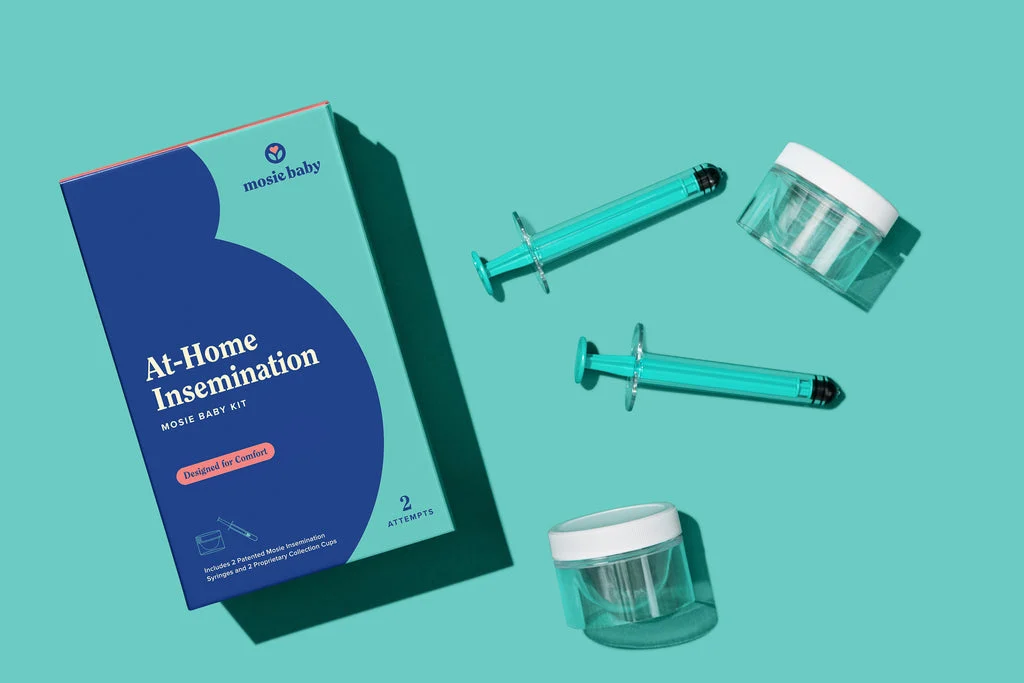
    At-home insemination kit with syringes and collection cups on a teal background.

    Navigating the Emotional Aspects of Insemination with a Starter Pack

    1. Provides a Sense of Control

    The process of insemination can feel overwhelming and out of your control. A starter pack can give you a sense of control by providing you with tools and resources that you can use to support yourself through the process. It’s a tangible way to take ownership of your emotional well-being during this time.

    2. Encourages Self-Care

    Self-care is essential during any emotionally challenging experience, and insemination is no exception. A starter pack can include items such as candles, bath salts, and journals to encourage self-care practices. These tools can help you relax, de-stress, and focus on your emotional well-being.

    3. Offers Support and Validation

    Going through the process of insemination can feel isolating, especially if you don’t know anyone else who has gone through it. A starter pack can include books and journals written by individuals who have gone through the same experience, providing support and validation for your emotions. It can be comforting to know that you are not alone in your journey.

    4. Provides Coping Strategies

    Insemination can bring up a range of emotions, and it’s essential to have coping strategies in place to deal with them. A starter pack can include tools such as stress balls, fidget toys, or breathing exercises to help manage stress and anxiety. These coping strategies can also be useful during the insemination process itself, as it can be a physically and emotionally intense experience.

    5. Facilitates Communication

    Communication is key during any fertility journey, and a starter pack can help facilitate open and honest communication between partners. The items in the pack can serve as conversation starters and ways to check in with each other’s emotional well-being. It can also be a tangible way to show support and care for your partner during this time.

    In conclusion, navigating the emotional aspects of insemination can be challenging, but utilizing a starter pack can be beneficial in managing the rollercoaster of emotions. It provides support, validation, and tools to help individuals and couples cope with stress, anxiety, disappointment, and grief. It’s essential to remember that insemination is a journey, and it’s okay to take care of your emotional well-being along the way.

  • From Fertility Struggles to Success: How the Syringe Method Helped Us Conceive Naturally

    Summary:

    Conceiving a child is often seen as a natural process, but for many couples, it can be a long and difficult journey. Fertility struggles can take a toll on both physical and emotional well-being, and many couples turn to medical interventions such as in vitro fertilization (IVF) to try and conceive. However, there is a natural method that has been gaining attention and success in helping couples conceive – the syringe method. This blog post will explore the syringe method and how it has helped couples overcome fertility struggles and successfully conceive naturally.

    In this post, we will first delve into the causes of fertility struggles, including factors such as age, lifestyle habits, and medical conditions. We will then discuss the syringe method in detail, including how it works, its success rates, and the potential benefits and risks. Additionally, we will share personal stories from couples who have used the syringe method and successfully conceived, providing real-life examples of its effectiveness.

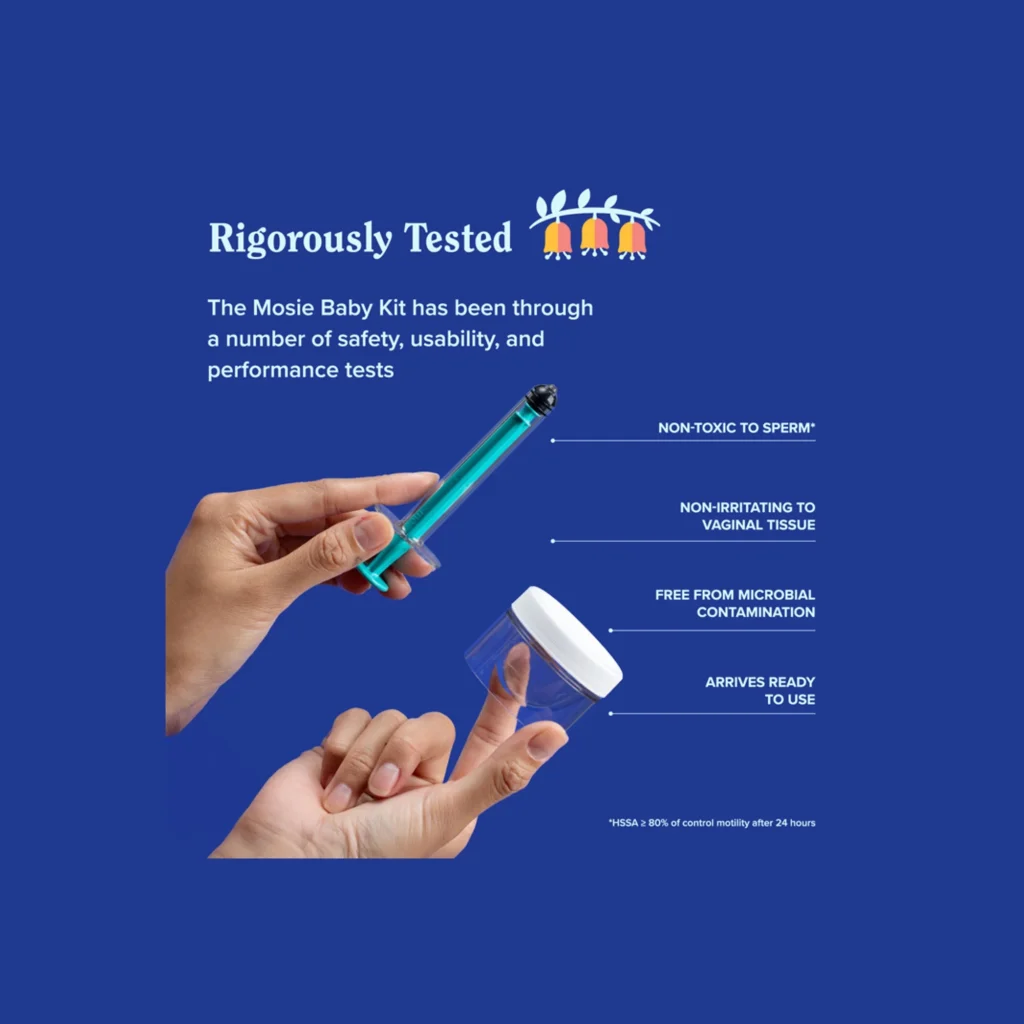
    Mosie Baby Kit features a syringe and container, highlighting safety and usability tests on a blue background.

    From Fertility Struggles to Success: How the Syringe Method Helped Us Conceive Naturally

    Furthermore, we will discuss the importance of a healthy lifestyle and self-care during the process of trying to conceive. This includes tips on maintaining a balanced diet, exercising, and managing stress levels. We will also provide resources and support for those struggling with fertility, including advice on seeking professional help and connecting with others going through similar experiences.

    Lastly, we will touch upon the emotional aspect of fertility struggles and how the syringe method can offer hope and empowerment to couples who may feel hopeless or overwhelmed. We will share the emotional journey of couples who have used this method and the impact it has had on their lives.

    In conclusion, fertility struggles can be a challenging and emotional journey for couples, but the syringe method offers a natural and effective solution. By educating ourselves on the causes of fertility issues, exploring alternative methods like the syringe method, and prioritizing self-care, we can increase our chances of conceiving and fulfill our dreams of starting a family.

  • The Emotional Journey of Home Insemination: A Starter Pack for Coping

    Summary:

    Home insemination is a process that allows individuals or couples to conceive a child without the assistance of a medical professional. While this method can be empowering and exciting, it can also be emotionally challenging. The emotional journey of home insemination involves a rollercoaster of emotions, from hope and excitement to disappointment and frustration. This blog post will serve as a starter pack for coping with the emotional journey of home insemination, providing tips and strategies to navigate this process.

    The Emotional Journey of Home Insemination: A Starter Pack for Coping

    Home insemination involves using a donor’s sperm to fertilize an egg, either through artificial insemination or self-insemination. This method can be chosen by individuals or couples for various reasons, such as same-sex couples, single individuals, or those facing fertility issues. While it offers a more intimate and cost-effective option for conceiving a child, it also comes with its own set of emotional challenges.

    The Emotional Rollercoaster:

    The decision to embark on the journey of home insemination can be filled with hope and excitement. It is a step towards starting or expanding a family, and the idea of bringing a new life into the world can be overwhelming. However, as the process begins, the emotional rollercoaster can take over. The anticipation of each cycle, the waiting game, and the fear of failure can trigger a range of emotions, including anxiety, fear, sadness, and frustration.

    Managing Expectations:

    One of the essential steps in coping with the emotional journey of home insemination is managing expectations. It is crucial to understand that this process may not result in pregnancy right away, and it may take multiple cycles to be successful. It is essential to have realistic expectations and not put too much pressure on oneself. It is also vital to remember that home insemination is not a guaranteed method of conception, and it is okay to seek medical assistance if needed.

    Communication and Support:

    illustration of Mosie Baby home insemination kit highlighting seamless transfer and size features

    The Emotional Journey of Home Insemination: A Starter Pack for Coping

    Home insemination can be a very personal and intimate process, and it is essential to have open communication with your partner or support system. This journey can be physically and emotionally taxing, and it is crucial to have a strong support system to lean on. Communicating your feelings, fears, and frustrations can help alleviate some of the emotional burden and bring you closer to your partner or support system.

    Self-Care:

    The emotional journey of home insemination can be all-consuming, and it is essential to take care of oneself during this process. Engaging in activities that bring joy and relaxation can help manage stress and anxiety. It is also crucial to prioritize one’s physical health by eating well, getting enough rest, and exercising regularly. Taking care of oneself is crucial to maintain emotional stability and resilience during this journey.

    Coping Strategies:

    There will be ups and downs throughout the process of home insemination, and it is essential to have coping strategies in place to navigate the emotions that come with it. These strategies may include seeking therapy or counseling, journaling, practicing mindfulness and meditation, or finding a support group of individuals going through a similar journey. These coping strategies can help process emotions and provide a sense of control during a time that may feel uncertain.

    Dealing with Disappointment:

    One of the most challenging aspects of the emotional journey of home insemination is dealing with disappointment. Each cycle that does not result in pregnancy can bring a sense of failure and sadness. It is essential to acknowledge and process these feelings, but also to remind oneself that it is not a personal failure. It is also crucial to give oneself time to grieve and then focus on the next steps.

    Celebrating Success:

    Amidst the emotional challenges, it is essential to celebrate the successes along the way. Each cycle that results in a pregnancy, no matter how many attempts it may have taken, is a significant achievement. It is essential to take the time to celebrate and appreciate the journey, regardless of how it ends.

    In conclusion, the emotional journey of home insemination can be a challenging and overwhelming experience. It is crucial to have realistic expectations, open communication, and self-care practices in place to cope with the emotions that come with this process. Remember to lean on your support system, utilize coping strategies, and celebrate successes along the way. This journey may be challenging, but it can also be a beautiful and rewarding experience.

  • The Emotional Journey of At-Home Insemination: What to Expect

    Blog Post:

    At-home insemination, also known as self-insemination, is a method of trying to conceive without medical assistance. It involves using donor sperm to fertilize an egg at home, through techniques such as artificial insemination or intracervical insemination. This process can be an emotional journey for individuals and couples who are trying to start a family. From the initial decision to embark on this path to the potential challenges and joys along the way, the emotional journey of at-home insemination is unique and should be understood by anyone considering this route to parenthood.

    Making the Decision to Try At-Home Insemination

    The decision to try at-home insemination is not one that should be taken lightly. It requires a lot of thought, research, and emotional preparation. For some individuals or couples, this may be the only option available to them due to financial or medical reasons. For others, it may be a personal choice to have a more intimate experience in trying to conceive.

    Regardless of the reason, it is important to discuss and come to a mutual decision with your partner, if you have one, before embarking on this journey. It is also important to have open and honest conversations about expectations, fears, and concerns. This decision may also involve discussing and choosing a sperm donor, which can bring up its own set of emotions.

    The Rollercoaster of Emotions During the Process

    Once the decision has been made, the actual process of at-home insemination can be an emotional rollercoaster. It involves tracking ovulation, timing the insemination, and waiting for the pregnancy test results. This process can be filled with hope, anxiety, and disappointment. It is important to acknowledge and process these emotions as they come up.

    For some individuals, the process may be straightforward and successful on the first try. However, for others, it may take multiple attempts, which can be emotionally draining. It is important to have a support system in place, whether it be a partner, family, or friends, who can provide comfort and understanding during this time.

    Dealing with the Unknown

    Instructions for reading pregnancy test results with visual indicators for "Not Pregnant," "Pregnant," and "Invalid.

    The Emotional Journey of At-Home Insemination: What to Expect

    One of the biggest emotional challenges of at-home insemination is dealing with the unknown. Unlike medical procedures, there is no guarantee of success. This can be a source of anxiety and stress for individuals and couples. It is important to manage expectations and be prepared for the possibility of not getting pregnant on the first try or at all.

    It is also important to mentally and emotionally prepare for the possibility of a multiple pregnancy if using fertility medications or a sperm donor who has had multiple successful pregnancies. This can bring up a whole new set of emotions and challenges.

    Coping with Setbacks and Disappointments

    Unfortunately, setbacks and disappointments are a part of the at-home insemination process for many individuals and couples. It is common for attempts to not result in a pregnancy, which can be emotionally difficult to handle. It is important to find healthy ways to cope with these disappointments, such as talking to a therapist, joining a support group, or practicing self-care activities.

    It is also important to remember that at-home insemination is not a reflection of one’s worth as a person or their ability to be a parent. It is a challenging journey, but it does not define an individual or couple.

    The Joy of Success

    Despite the potential challenges and setbacks, the joy of success in at-home insemination is unparalleled. The moment when a positive pregnancy test is received is one filled with happiness, relief, and excitement. It is a validation of all the hard work, emotions, and sacrifices that went into the process.

    The journey does not end there, as there will be more emotions to navigate throughout the pregnancy and parenting journey. But the success of at-home insemination is a reminder of the strength, resilience, and love that individuals and couples have on this path to parenthood.

    In Summary:

    At-home insemination is a unique and emotional journey for individuals and couples who are trying to start a family. It involves making the decision to try this method, navigating the rollercoaster of emotions during the process, dealing with the unknown, coping with setbacks and disappointments, and experiencing the joy of success. It is important to have a support system in place, manage expectations, and find healthy ways to cope with the challenges along the way. The success of at-home insemination is a reminder of the strength and love that individuals and couples have on this journey to parenthood.