Tag: fertility specialist.

  • Fertility on the Go: Using the Syringe Method for Busy Lifestyles

    Blog Post:

    In today’s fast-paced world, many people are juggling busy schedules and constantly on the go. This can pose a challenge for those trying to conceive, as fertility treatments often require regular appointments and monitoring. However, with the advancements in fertility technology, there is now a method that caters to busy lifestyles – the syringe method.

    The syringe method, also known as the at-home insemination method, involves using a syringe to deposit sperm into the vagina near the cervix. This can be done at home, eliminating the need for frequent clinic visits and allowing for more flexibility in busy schedules. Let’s take a closer look at how this method works and why it may be a great option for those with busy lifestyles.

    How does the syringe method work?

    The first step in using the syringe method is to obtain sperm. This can be done through a sperm bank or through a known donor. Once you have the sperm, you will need to prepare it for insemination by allowing it to liquefy at room temperature for about 30 minutes.

    Next, you will need to gather the necessary materials – a sterile syringe, a sterile cup or container, and a sterile speculum (optional). It is important to use sterile equipment to minimize the risk of infection.

    To begin, the person trying to conceive will lay down with their hips slightly elevated, either by propping up their legs or using a pillow. If using a speculum, it can be inserted to help visualize the cervix. The sperm will then be drawn up into the syringe, and the tip of the syringe will be placed near the cervix. Slowly and gently, the sperm will be deposited into the vagina near the cervix.

    After the sperm has been deposited, it is recommended to remain lying down for about 15-20 minutes to allow the sperm to travel towards the cervix. This is known as the “post-insemination rest” and is believed to increase the chances of conception.

    Why is the syringe method a good option for busy lifestyles?

    The syringe method offers several benefits for those with busy lifestyles. Here are some of the key reasons why this method may be a great option for you:

    Mosie Baby Kit features a syringe and container, highlighting safety and usability tests on a blue background.

    Fertility on the Go: Using the Syringe Method for Busy Lifestyles

    1. Flexibility in timing: With the syringe method, you have more control over when the insemination takes place. This means you can schedule it at a time that is convenient for you, without having to worry about fitting it into your work or travel schedule.

    2. Minimal clinic visits: Fertility treatments often require frequent clinic visits, which can be challenging for those with busy schedules. With the syringe method, you can perform the insemination at home, eliminating the need for frequent appointments.

    3. Cost-effective: Fertility treatments can be expensive, and the cost can add up with frequent clinic visits. The syringe method is a more cost-effective option, as it does not require as many appointments or medical procedures.

    4. Privacy: For some, the thought of undergoing fertility treatments at a clinic can be daunting. The syringe method allows for more privacy, as the insemination can be done in the comfort of your own home.

    5. Less stress: The syringe method eliminates the stress of having to rush to appointments or worry about missing them due to work or travel. This can be especially beneficial for those who already have high levels of stress due to their busy lifestyles.

    Is the syringe method right for you?

    While the syringe method may be a convenient option for those with busy lifestyles, it may not be suitable for everyone. It is important to consult with a fertility specialist to determine if this method is a good fit for your individual situation.

    Factors that may make the syringe method less suitable include certain medical conditions, such as blocked fallopian tubes or endometriosis, and certain fertility issues, such as low sperm count or motility. Your doctor can help you assess your fertility and determine if the syringe method is a viable option for you.

    In conclusion, the syringe method offers a convenient and flexible option for those trying to conceive while leading busy lifestyles. With its ease of use and potential cost savings, it may be worth considering for those who are looking for a more personalized and convenient approach to fertility treatments.

    Summary:

    The syringe method, also known as the at-home insemination method, is a convenient fertility treatment option for those with busy lifestyles. This method involves using a syringe to deposit sperm into the vagina near the cervix, eliminating the need for frequent clinic visits. The flexibility in timing, cost-effectiveness, privacy, and reduced stress make it an attractive option for those trying to conceive. However, it is important to consult with a fertility specialist to determine if this method is suitable for individual situations.

  • Fertility Hacks: DIY Tools for Boosting Your Chances of Conception

    Blog Post: Fertility Hacks: DIY Tools for Boosting Your Chances of Conception

    Infertility affects millions of couples around the world, and it can be a heartbreaking and frustrating journey. While medical interventions and fertility treatments are available, they can be expensive and may not always guarantee success. But did you know that there are DIY tools and lifestyle changes you can make to boost your chances of conception? In this blog post, we will explore some fertility hacks that you can incorporate into your daily routine to improve your fertility and increase your chances of conceiving.

    1. Keep Track of Your Menstrual Cycle

    The first step in boosting your fertility is knowing your menstrual cycle. This means understanding when you ovulate, as this is the most fertile time in your cycle. Ovulation typically occurs around day 14 of a 28-day cycle, but it can vary from woman to woman. To make sure you are accurately tracking your ovulation, you can use an ovulation predictor kit or a basal body temperature thermometer. These DIY tools can help you determine the best time to try for a baby.

    2. Improve Your Diet

    What you eat can have a significant impact on your fertility. A healthy and balanced diet is essential for both men and women who are trying to conceive. Women should focus on consuming foods that are rich in antioxidants, such as fruits, vegetables, and whole grains. These help to protect the eggs from damage and improve overall reproductive health. Men, on the other hand, should incorporate foods that are rich in zinc, such as oysters, pumpkin seeds, and lean meats, as zinc is vital for sperm production.

    3. Exercise Regularly

    Aside from promoting overall health and well-being, regular exercise can also boost fertility. Studies have shown that women who engage in moderate exercise have a higher chance of conceiving compared to those who are sedentary. Exercise helps to regulate hormones, promote blood flow to the reproductive organs, and reduce stress levels – all of which can improve fertility. However, it is essential to note that excessive exercise can have the opposite effect and may even lead to irregular periods and ovulation.

    4. Reduce Stress

    Stress is a common factor in infertility, as it can disrupt hormonal balance and interfere with ovulation. Therefore, it is crucial to find ways to manage stress and relax. Some effective stress-reducing activities include yoga, meditation, deep breathing exercises, and regular massages. You can also try acupuncture, which has been shown to improve fertility by reducing stress and promoting blood flow to the reproductive organs.

    5. Use Essential Oils

    Essential oils are natural remedies that can help boost fertility. Clary sage, for example, is known to regulate hormones and promote ovulation. Geranium oil can also help balance hormones and reduce stress, while rose oil can improve libido and enhance the mood. However, it is essential to dilute essential oils properly and use them with caution, as some may not be safe for use during pregnancy.

    hand holding a syringe with a blue plunger against a solid blue background

    Fertility Hacks: DIY Tools for Boosting Your Chances of Conception

    6. Try Acupressure

    Similar to acupuncture, acupressure can also help improve your chances of conceiving. This traditional Chinese medicine technique involves applying pressure to specific points on the body to stimulate energy flow and promote healing. Studies have shown that acupressure can help regulate menstrual cycles, improve ovulation, and increase blood flow to the reproductive organs. You can either learn how to perform acupressure on yourself or seek the help of a trained acupressure therapist.

    7. Consider Herbal Remedies

    Herbal remedies have been used for centuries to address various health issues, including infertility. Some commonly used herbs for boosting fertility include red raspberry leaf, nettle leaf, and red clover. These herbs are believed to improve overall reproductive health and regulate menstrual cycles. However, it is crucial to consult a healthcare professional before incorporating any herbal remedies into your fertility regimen.

    8. Use Fertility Apps

    In this digital age, there are numerous fertility apps available that can help you track your menstrual cycle, monitor ovulation, and even predict your most fertile days. These apps use algorithms and data input by the user to provide personalized insights and recommendations. They can also help you keep track of your fertility journey, including any changes in your cycle or symptoms.

    9. Practice Good Sleep Habits

    Getting enough quality sleep is crucial for fertility. Studies have shown that women who have irregular sleep patterns or get less than seven hours of sleep per night have a higher risk of infertility. Poor sleep can disrupt hormone production and affect ovulation, so it is essential to prioritize good sleep hygiene. This includes setting a regular bedtime, avoiding screens before bed, and creating a comfortable sleep environment.

    10. Consult a Fertility Specialist

    If you have been trying to conceive for more than a year without success, it may be time to consult a fertility specialist. They can run tests to identify any underlying issues and provide personalized recommendations for improving your chances of conception. They may also suggest medical interventions such as fertility treatments or assisted reproductive technology if necessary.

    In conclusion, while there is no guarantee when it comes to fertility, incorporating these DIY tools and lifestyle changes into your routine can help boost your chances of conception. Remember to be patient and kind to yourself, and always consult a healthcare professional before making any significant changes to your fertility regimen.

    Summary:

    Infertility can be a difficult journey for couples, and while medical interventions are available, they may not always guarantee success. However, there are DIY tools and lifestyle changes that you can incorporate into your routine to improve your fertility and increase your chances of conceiving. These include keeping track of your menstrual cycle, improving your diet, exercising regularly, reducing stress, using essential oils and acupressure, considering herbal remedies, using fertility apps, practicing good sleep habits, and consulting a fertility specialist if necessary.

  • The Connection Between Fertility and Insemination Sets

    Blog Post:

    Fertility and insemination sets are two crucial components in the process of trying to conceive. While fertility refers to the ability to reproduce and conceive a child, insemination sets are the tools used to facilitate the fertilization process. In this blog post, we will explore the connection between fertility and insemination sets, the different types of sets available, and how they can help individuals and couples struggling with fertility.

    Fertility is a complex process that involves both the male and female reproductive systems. For a woman to become pregnant, she must produce a viable egg, and the male partner must provide healthy sperm that can fertilize the egg. However, various factors can affect fertility, including age, health conditions, and lifestyle choices. Insemination sets can help bridge the gap in cases where natural fertilization is not possible.

    There are several types of insemination sets available, including intrauterine insemination (IUI) sets, intracervical insemination (ICI) sets, and intravaginal insemination (IVI) sets. Each of these sets includes different tools and techniques for facilitating fertilization. IUI sets involve placing washed sperm directly into the uterus, while ICI sets involve depositing sperm in the cervical canal. IVI sets, on the other hand, involve placing sperm near the cervix, allowing them to swim towards the uterus naturally.

    The type of insemination set used depends on various factors, such as the underlying cause of infertility, the couple’s preferences, and the doctor’s recommendation. For instance, IUI sets are often recommended for couples with male factor infertility, while ICI sets may be more suitable for couples with unexplained infertility. IVI sets are often used in cases where the woman has cervical issues that may affect natural sperm motility.

    Insemination sets can also be used in conjunction with fertility treatments such as in vitro fertilization (IVF) or fertility medications. For instance, in IVF, insemination sets are used to deposit the fertilized embryo directly into the uterus, increasing the chances of successful implantation. Insemination sets can also be used with fertility medications to stimulate ovulation and increase the number of viable eggs available for fertilization.

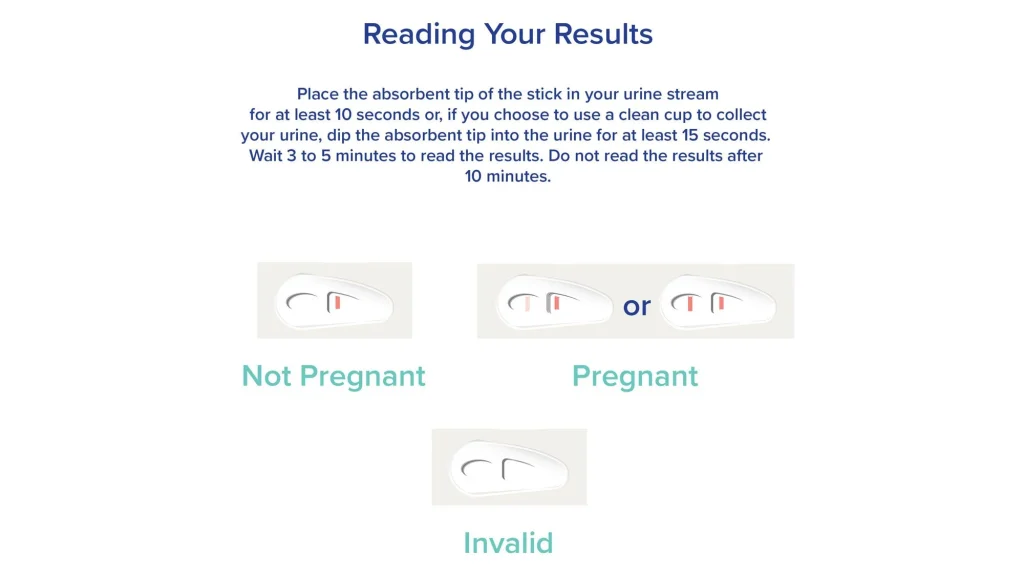
    Instructions for reading pregnancy test results with visual indicators for "Not Pregnant," "Pregnant," and "Invalid.

    The Connection Between Fertility and Insemination Sets

    One of the significant advantages of using insemination sets is that they allow for a more controlled and targeted approach to fertilization. By placing the sperm directly into the reproductive tract, the chances of fertilization are increased, especially in cases where there may be issues with sperm motility or cervical mucus.

    Moreover, insemination sets can also be used in cases where couples are using donor sperm. This method is commonly used by same-sex couples or individuals who may not have a male partner. By using insemination sets, the sperm can be deposited directly into the reproductive tract, bypassing any potential barriers that may prevent natural fertilization.

    Insemination sets can also be used in cases of male factor infertility, where the male partner may have a low sperm count, poor sperm motility, or other issues that may affect natural fertilization. By using IUI sets, for example, the sperm can be washed and concentrated, increasing the chances of successful fertilization.

    It is essential to note that the success rates of insemination sets vary depending on various factors, such as the cause of infertility, the type of set used, and the timing of the procedure. It is crucial to work closely with a fertility specialist to determine the best course of action and increase the chances of success.

    In conclusion, fertility and insemination sets are closely intertwined and play a crucial role in the process of trying to conceive. These sets provide a targeted and controlled approach to fertilization, increasing the chances of success in cases where natural conception may not be possible. With advancements in technology and medicine, more and more individuals and couples struggling with fertility are turning to insemination sets as a viable option for starting or expanding their families.

    Summary:

    Fertility and insemination sets are both essential components in the process of trying to conceive. Fertility refers to the ability to reproduce, while insemination sets are the tools used to facilitate the fertilization process. There are various types of insemination sets available, including IUI, ICI, and IVI sets, each with its own techniques and purposes. These sets can be used in conjunction with fertility treatments or medications, and they offer a more controlled and targeted approach to fertilization. They can also be helpful in cases of male factor infertility or when using donor sperm. However, the success rates of insemination sets vary and depend on factors such as the cause of infertility and the type of set used. Working closely with a fertility specialist is crucial in determining the best approach for each individual or couple.

  • Fertility Boosting Insemination Sets: What You Need to Know

    Blog Post:

    Fertility Boosting Insemination Sets: What You Need to Know

    For many couples struggling with infertility, the journey to parenthood can be a challenging and emotional one. In recent years, there has been a rise in the use of fertility boosting insemination sets as a method of conception. These sets, also known as at-home insemination kits, allow individuals and couples to perform insemination in the comfort of their own home. But what exactly are these sets, and how do they work? In this blog post, we will explore the basics of fertility boosting insemination sets, including their benefits, how to use them, and important considerations to keep in mind.

    Understanding Fertility Boosting Insemination Sets

    Fertility boosting insemination sets are kits that contain all the necessary tools and supplies to perform insemination at home. They typically include a syringe, a collection cup, a speculum, and sometimes a pregnancy test. The most important component of these sets is the syringe, which is used to transfer the sperm to the cervix. The syringe is often designed specifically for insemination, with a longer and thinner tip to make the process easier.

    Benefits of Using Fertility Boosting Insemination Sets

    One of the main benefits of using fertility boosting insemination sets is that they provide a more affordable and convenient alternative to traditional fertility treatments. Insemination procedures at a fertility clinic can cost thousands of dollars, making it out of reach for many couples. With at-home insemination kits, couples can significantly reduce the cost while still having a high chance of success.

    Moreover, these sets provide a sense of privacy and control over the conception process. For couples who may feel uncomfortable or embarrassed with the idea of undergoing fertility treatments in a clinical setting, using a fertility boosting insemination set at home can be a more comfortable and intimate experience.

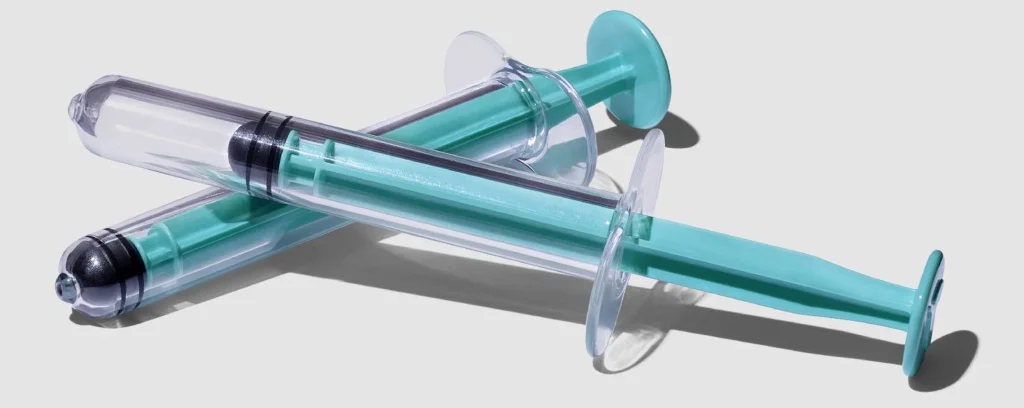
    Two transparent syringes with teal accents positioned diagonally on a light gray background.

    Fertility Boosting Insemination Sets: What You Need to Know

    How to Use Fertility Boosting Insemination Sets

    Using a fertility boosting insemination set may seem intimidating at first, but with proper preparation and following the instructions carefully, it can be a straightforward process. The first step is to collect the sperm sample, either from a sperm donor or from the male partner. The sperm is then placed in the collection cup provided in the kit.

    Next, the female partner should position herself comfortably, either lying down with her hips elevated or standing with one foot on a chair. Using the speculum included in the kit, the cervix is gently opened and the sperm is transferred using the syringe. After insemination, it is recommended to remain in the same position for about 20 minutes to allow the sperm to reach the cervix.

    Important Considerations

    While fertility boosting insemination sets offer a more affordable and convenient option for conception, it is essential to keep in mind that they may not be suitable for everyone. These sets work best for individuals or couples with no underlying fertility issues. If you have been diagnosed with a fertility condition, it is best to seek medical advice and guidance from a fertility specialist.

    It is also crucial to note that fertility boosting insemination sets do not guarantee success and may take multiple attempts before achieving a pregnancy. It is essential to have realistic expectations and not get discouraged if conception does not occur on the first try.

    In addition, it is crucial to follow the instructions provided in the kit carefully and to ensure that all the equipment is sterile to avoid any potential risks of infection. It is also recommended to track ovulation and use the kit during the most fertile days of the menstrual cycle for the best chances of success.

    In summary, fertility boosting insemination sets offer an affordable and convenient option for couples struggling with infertility. They provide a sense of privacy and control over the conception process, but it is essential to keep in mind that they may not be suitable for everyone and do not guarantee success. It is always best to consult with a fertility specialist for personalized advice and guidance.

    SEO metadata:

  • From Theory to Practice: How to Use a Fertility Boosting Insemination Set Effectively

    From Theory to Practice: How to Use a Fertility Boosting Insemination Set Effectively

    Fertility is a complex and sensitive subject for many individuals and couples. For those struggling to conceive, the process can be emotionally and physically taxing. Insemination sets have become a popular method for boosting fertility, as they offer a more affordable and less invasive option compared to other fertility treatments. However, using an insemination set effectively requires proper understanding and application. In this blog post, we will discuss the theory behind fertility boosting insemination sets and provide practical tips for using them effectively.

    Understanding Fertility Boosting Insemination Sets

    Before diving into the practical aspects, it is essential to understand the theory behind fertility boosting insemination sets. These sets are designed to help increase the chances of conception by placing sperm directly into the uterus, bypassing any potential barriers in the reproductive system. This method is known as intrauterine insemination (IUI) and has been found to be effective in various fertility cases, including male fertility issues, unexplained infertility, and same-sex couples.

    Fertility boosting insemination sets typically include a syringe, a catheter, and a collection cup. The process involves collecting the sperm sample, preparing it, and then using the syringe and catheter to insert it into the uterus. The goal is to get the sperm as close as possible to the fallopian tubes, where fertilization takes place.

    Tips for Using a Fertility Boosting Insemination Set Effectively

    Now that we have a basic understanding of fertility boosting insemination sets, let’s explore some practical tips for using them effectively.

    1. Consult with a Fertility Specialist

    Before using an insemination set, it is crucial to consult with a fertility specialist. They can evaluate your individual case and determine if insemination is the right option for you. They can also provide guidance on the best time to use the insemination set, as timing is crucial for successful conception.

    2. Prepare the Sperm Sample Correctly

    two teal and clear syringes positioned on a white background

    From Theory to Practice: How to Use a Fertility Boosting Insemination Set Effectively

    The quality of the sperm sample is crucial for successful insemination. It is recommended to abstain from ejaculation for 2-3 days before collecting the sample, as this can improve sperm count and motility. The sample should also be collected in a clean, sterile container and kept at room temperature until use.

    3. Follow the Instructions Carefully

    Each insemination set may have slightly different instructions, so it is essential to read and follow them carefully. The syringe and catheter should be properly assembled, and the sperm sample should be loaded into the syringe according to the instructions. It is also essential to sanitize the catheter before use.

    4. Find a Comfortable Position

    Using an insemination set can be uncomfortable, but finding a comfortable position can make the process easier. Lying on your back with your legs elevated or standing with one leg on a stool are common positions recommended by fertility specialists. Find what works best for you and try to stay relaxed during the insemination process.

    5. Be Patient and Stay Positive

    The process of using an insemination set can feel overwhelming and stressful, but it is crucial to remain patient and positive. It may take several attempts before successful conception occurs, so it is essential to stay optimistic and not give up.

    In Conclusion

    Fertility boosting insemination sets can be a helpful tool for individuals and couples struggling to conceive. However, it is crucial to understand the theory behind them and follow practical tips for using them effectively. Consulting with a fertility specialist, preparing the sperm sample correctly, following instructions carefully, finding a comfortable position, and staying patient and positive are all key factors in using an insemination set successfully.

    In summary, fertility boosting insemination sets can be an effective method for increasing the chances of conception. By understanding the theory behind them and following practical tips, individuals and couples can use these sets effectively to achieve their goal of starting a family.

  • DIY Baby-Making 101: Why a Syringe Kit is Your Best Bet

    DIY Baby-Making 101: Why a Syringe Kit is Your Best Bet

    In recent years, more and more people are turning to alternative methods for conceiving a child. Whether it’s due to infertility, same-sex couples, or simply choosing to be single parents, the DIY baby-making trend has become increasingly popular. And while there are many options available, one of the most effective and cost-efficient methods is using a syringe kit. In this blog post, we will explore why a syringe kit is your best bet for DIY baby-making and provide a comprehensive guide on how to use it.

    What is a Syringe Kit?

    A syringe kit, also known as an artificial insemination kit, is a simple and easy-to-use tool that assists in the process of at-home insemination. It typically includes a sterile syringe, a vial of sperm, and instructions on how to use it. Syringe kits can be purchased online or from a fertility clinic, making them easily accessible to anyone looking to conceive.

    Why Choose a Syringe Kit?

    1. Cost-Effective

    One of the main reasons why a syringe kit is the best option for DIY baby-making is its affordability. Unlike other methods, such as IVF or surrogacy, which can cost thousands of dollars, a syringe kit is relatively inexpensive. This is especially beneficial for those on a tight budget, as it eliminates the need for expensive fertility treatments.

    2. Convenience

    Using a syringe kit allows you to perform insemination in the comfort and privacy of your own home. This eliminates the need for frequent doctor appointments and invasive procedures. Additionally, since kits can be easily purchased online, it saves you time and effort from having to visit a fertility clinic.

    3. Increased Control and Privacy

    For many people, the idea of going through a fertility clinic and having a doctor involved in the process can be intimidating and overwhelming. By using a syringe kit, you have more control over the process and can maintain your privacy. This can be especially important for those who are single and looking to become parents, as it allows them to keep their journey private if they choose to do so.

    4. Safe and Effective

    Syringe kits have been proven to be safe and effective for at-home insemination. They are designed specifically for this purpose and come with detailed instructions, making them easy to use. The risk of infection is also significantly reduced as the kit is sterile and single-use.

    How to Use a Syringe Kit for DIY Baby-Making

    Instructions for reading pregnancy test results with visual indicators for "Not Pregnant," "Pregnant," and "Invalid.

    DIY Baby-Making 101: Why a Syringe Kit is Your Best Bet

    1. Consult with a Fertility Specialist

    Before using a syringe kit, it’s important to consult with a fertility specialist to ensure that you are a good candidate for at-home insemination. They can also provide guidance and answer any questions you may have about the process.

    2. Purchase a Syringe Kit

    Once you have determined that using a syringe kit is the right option for you, it’s time to purchase one. You can purchase kits online or from a fertility clinic. Make sure to follow the instructions carefully when selecting a kit to ensure that it is suitable for at-home insemination.

    3. Collect Sperm

    If you are using donor sperm, you can purchase it from a sperm bank or ask a known donor. If you are using sperm from a known donor, make sure to have them tested for any sexually transmitted infections beforehand. Alternatively, you can also use a sperm collection kit, which allows for the collection of sperm at home.

    4. Prepare the Syringe

    Before using the syringe, make sure to read the instructions carefully. Typically, the sperm vial will need to be attached to the syringe and the plunger pulled back to draw the sperm into the syringe.

    5. Prepare for Insemination

    To prepare for insemination, you will need to lie down with your hips elevated, making it easier for the sperm to reach the cervix. You can also use a pillow or cushion to prop up your hips. Make sure to relax and remain in this position for at least 20 minutes after insemination.

    6. Perform Insemination

    Insert the syringe into the vagina and gently push the plunger to release the sperm near the cervix. Make sure to follow the instructions provided with your kit for the best results.

    7. Rest and Monitor

    After insemination, it’s important to take it easy and avoid any strenuous activities. You can also use an ovulation tracker to monitor your cycle and increase your chances of conception. It’s recommended to perform insemination during your most fertile days.

    In summary, using a syringe kit is a cost-effective, convenient, and safe option for DIY baby-making. It provides increased control and privacy while also being proven to be effective in helping individuals and couples conceive. By following the simple steps outlined above, you can successfully use a syringe kit for at-home insemination and start your journey towards parenthood.

  • and Dealing with Male Infertility? Non-Invasive Insemination Offers a Solution

    Blog Post:

    Male infertility is a common issue that affects approximately 8-12% of couples trying to conceive. While there are many different factors that can contribute to male infertility, one of the most common is a low sperm count or poor sperm quality. For many couples, this can be a devastating diagnosis, as it can greatly reduce their chances of conceiving naturally. However, thanks to advancements in reproductive technology, there are now solutions available for male infertility, including non-invasive insemination.

    What is Male Infertility?

    Male infertility is defined as the inability to impregnate a female partner after one year of unprotected sexual intercourse. This can be caused by a variety of factors, including low sperm count, poor sperm motility (movement), or abnormal sperm morphology (shape). Other potential causes of male infertility include hormonal imbalances, genetic disorders, and physical blockages in the reproductive tract.

    Dealing with Male Infertility

    Being diagnosed with male infertility can be a difficult and emotional experience for both partners. Many men may feel a sense of shame or inadequacy, while women may struggle with feelings of guilt or disappointment. However, it’s important to remember that male infertility is a medical condition and there are solutions available to help couples conceive.

    The first step in dealing with male infertility is to seek out a professional evaluation from a fertility specialist. The specialist will conduct a thorough physical examination and take a detailed medical history to determine the cause of the infertility. They may also order additional tests, such as a semen analysis, to assess sperm count, motility, and morphology.

    Non-Invasive Insemination

    For couples struggling with male infertility, non-invasive insemination offers a less invasive and more affordable option compared to other fertility treatments such as in vitro fertilization (IVF). Non-invasive insemination involves placing washed and concentrated sperm into the female partner’s uterus near the time of ovulation. This can be done through intrauterine insemination (IUI) or intracervical insemination (ICI) methods.

    Mosie Baby pregnancy test kit with two tests and packaging, featuring a mint green color scheme.

    and Dealing with Male Infertility? Non-Invasive Insemination Offers a Solution

    IUI is the most common form of non-invasive insemination and involves inserting a thin catheter through the cervix and into the uterus to deposit the sperm. This method is often recommended for couples with male infertility due to low sperm count or poor sperm motility. On the other hand, ICI involves placing the sperm near the cervix, allowing it to swim into the uterus on its own. This method is typically used for couples with unexplained infertility or mild male infertility.

    Benefits of Non-Invasive Insemination

    Non-invasive insemination offers several benefits for couples struggling with male infertility. Firstly, it is a less invasive and less expensive treatment option compared to other fertility treatments. IUI and ICI can be done in a doctor’s office without the need for anesthesia or surgery, making it a more comfortable experience for both partners.

    Additionally, non-invasive insemination can be combined with fertility drugs to increase the chances of success. These drugs can help stimulate ovulation and thicken the lining of the uterus, providing a more favorable environment for the sperm to fertilize the egg.

    Success Rates of Non-Invasive Insemination

    The success rates of non-invasive insemination vary depending on the cause of male infertility and other factors such as age and overall health. On average, IUI has a success rate of 10-20% per cycle, while ICI has a success rate of 5-10% per cycle. However, the success rates can increase significantly when combined with fertility drugs and multiple cycles of insemination.

    In cases where non-invasive insemination is not successful, couples can explore other options such as IVF or donor sperm. However, non-invasive insemination can be a great starting point for couples with male infertility, as it is less invasive and less expensive.

    In conclusion, male infertility can be a challenging and emotional experience for couples trying to conceive. However, non-invasive insemination offers a solution that is less invasive, more affordable, and can greatly increase the chances of pregnancy. If you are struggling with male infertility, don’t lose hope. Seek professional help and explore the option of non-invasive insemination.

    Summary:

    Male infertility affects 8-12% of couples trying to conceive and is often caused by low sperm count, poor sperm quality, or physical blockages. Dealing with this diagnosis can be emotional, but non-invasive insemination offers a solution that is less invasive, more affordable, and can greatly increase the chances of pregnancy. This method involves placing washed and concentrated sperm into the female partner’s uterus through IUI or ICI. Non-invasive insemination can be combined with fertility drugs and has a success rate of 10-20% per cycle. If this method is not successful, couples can explore other options such as IVF or donor sperm.

  • Non-Invasive Insemination: A Breakthrough for Couples Facing Male Infertility

    Non-Invasive Insemination: A Breakthrough for Couples Facing Male Infertility

    Infertility is a deeply personal and often emotionally challenging experience for couples who are struggling to conceive. While there are various causes of infertility, male factor infertility accounts for about 40% of all infertility cases. Male infertility can be caused by a variety of factors such as low sperm count, poor sperm motility, or abnormal sperm function. In the past, these issues were often treated with invasive and expensive procedures, but with advancements in technology, there is now a breakthrough solution for couples facing male infertility – non-invasive insemination.

    Non-invasive insemination, also known as intracervical insemination or ICI, is a fertility treatment that involves placing washed and concentrated sperm directly into the cervix, bypassing the cervix and uterus. This method is less invasive and less expensive than other forms of assisted reproduction techniques, making it an attractive option for couples struggling with male factor infertility.

    How Non-Invasive Insemination Works

    Non-invasive insemination is a simple and painless procedure that can be completed in the comfort of a doctor’s office or at home with the use of a home insemination kit. Before the insemination, the male partner will provide a semen sample, which is then washed and concentrated to remove any impurities and to increase the number of healthy sperm. The sperm is then placed into a soft, flexible catheter, which is inserted into the woman’s vagina and guided through the cervix to deposit the sperm near the opening of the fallopian tubes. This process mimics the natural process of conception, where sperm travels through the cervix and uterus to reach the egg in the fallopian tubes.

    Benefits of Non-Invasive Insemination

    Mosie Baby ovulation test kit with packaging and instructions on a pink background.

    Non-Invasive Insemination: A Breakthrough for Couples Facing Male Infertility

    One of the main benefits of non-invasive insemination is that it is a simple and low-risk procedure. Unlike other assisted reproduction techniques, there is no need for anesthesia or surgical procedures. This makes it a more accessible option for couples, as it does not require a visit to a specialized fertility clinic. Non-invasive insemination is also less expensive compared to other fertility treatments, which is a significant factor for many couples who are already facing financial stress due to infertility.

    Another advantage of non-invasive insemination is that it can be done at home with a home insemination kit. This provides couples with a more private and intimate experience, which can be more comfortable for some. Home insemination kits are also more convenient, as they do not require multiple visits to a doctor’s office. However, it is essential to consult with a fertility specialist before attempting home insemination to ensure that it is the right option for you and your partner.

    Is Non-Invasive Insemination Right for You?

    Non-invasive insemination may be a suitable option for couples facing male factor infertility, but it is not suitable for everyone. It is essential to consult with a fertility specialist to determine the underlying cause of infertility and to discuss the best treatment options for you and your partner. If male factor infertility is the only issue, and the female partner has no other fertility concerns, non-invasive insemination may be a viable solution. However, if there are additional fertility issues, such as blocked fallopian tubes or ovulation problems, other fertility treatments may be recommended.

    In conclusion, non-invasive insemination is a breakthrough fertility treatment that offers hope to couples facing male factor infertility. It is a simple, low-risk, and less expensive option compared to other assisted reproduction techniques. With advancements in technology, non-invasive insemination has become a more accessible and convenient option for couples, whether done in a doctor’s office or at home with a home insemination kit. However, it is crucial to consult with a fertility specialist to determine if non-invasive insemination is the right option for you and your partner.

    SEO Metadata:

  • Ways to Prepare for Non-Invasive Insemination

    Blog Post: Ways to Prepare for Non-Invasive Insemination

    Non-invasive insemination, also known as artificial insemination, is a medical procedure that helps couples struggling with infertility to conceive a child. It involves the introduction of sperm into the female reproductive tract, bypassing the cervix and allowing for a higher chance of fertilization. This method is less invasive and more affordable compared to other fertility treatments, making it a popular choice for many couples. If you and your partner have decided to undergo non-invasive insemination, here are some ways to help you prepare for the procedure and increase your chances of success.

    1. Consult with a Fertility Specialist

    The first step in preparing for non-invasive insemination is to consult with a fertility specialist. This medical professional will assess your overall health, review your medical history, and perform necessary tests to determine the best course of action for your specific situation. They will also educate you about the procedure and address any concerns or questions you may have. It is essential to choose a reputable and experienced fertility specialist to ensure the success of your insemination.

    2. Understand the Process

    It is crucial to have a thorough understanding of the non-invasive insemination process and what to expect before, during, and after the procedure. This will help you prepare mentally and emotionally and make informed decisions. Your fertility specialist will walk you through the process, including timing of ovulation, preparation of sperm, and the actual insemination procedure. They will also discuss the success rates and potential risks associated with the procedure.

    3. Track Your Ovulation Cycle

    Timing is crucial when it comes to non-invasive insemination. The procedure is most successful when done during the ovulation period, when the egg is released from the ovary and travels down the fallopian tube. To increase your chances of success, it is essential to track your ovulation cycle. This can be done through methods such as charting basal body temperature, monitoring cervical mucus, or using ovulation predictor kits. Your fertility specialist may also perform ultrasounds and blood tests to determine the best timing for your insemination.

    4. Make Lifestyle Changes

    Making certain lifestyle changes can also help prepare your body for non-invasive insemination. This includes quitting smoking, limiting alcohol consumption, and maintaining a healthy weight. Smoking can negatively impact fertility, and excessive alcohol consumption can affect hormone levels, making it harder to conceive. Maintaining a healthy weight can also improve fertility and increase the chances of a successful insemination. Consult with your fertility specialist for personalized recommendations on lifestyle changes that can benefit your specific situation.

    blue box with "mosie" logo, syringes, and informational pamphlet on a pink background

    Ways to Prepare for Non-Invasive Insemination

    5. Consider Fertility Medications

    In some cases, your fertility specialist may recommend using fertility medications to stimulate ovulation and increase the chances of successful insemination. These medications can help regulate hormones and improve the quality and quantity of your eggs. They may also be used to trigger ovulation at the optimal time for insemination. Your fertility specialist will determine if fertility medications are necessary for your situation and prescribe the appropriate ones.

    6. Choose a Sperm Donor

    If you and your partner are using donor sperm for non-invasive insemination, it is essential to choose a sperm donor from a reputable sperm bank. The donor should undergo thorough screening and testing to ensure the safety and quality of the sperm. You can choose a donor based on characteristics such as physical appearance, education, and medical history. Your fertility specialist can also provide guidance on selecting a sperm donor.

    7. Prepare Emotionally and Mentally

    Undergoing any fertility treatment can be emotionally and mentally taxing. It is essential to prepare yourself and your partner for the emotional journey that comes with non-invasive insemination. Talk to your partner about your expectations and any fears or concerns you may have. Consider seeking support from a therapist or joining a support group to help you cope with the emotional rollercoaster of fertility treatments.

    8. Follow Post-Insemination Instructions

    After the insemination procedure, it is crucial to follow your fertility specialist’s instructions to increase the chances of success. This may include avoiding strenuous activities, abstaining from sexual intercourse, and taking any prescribed medications. Your fertility specialist may also recommend certain dietary and lifestyle changes during the two-week wait period before taking a pregnancy test.

    In conclusion, non-invasive insemination can be a viable option for couples struggling with infertility. By following these ways to prepare for the procedure, you can increase your chances of success and make the process smoother and less stressful. Remember to consult with a fertility specialist, track your ovulation cycle, make necessary lifestyle changes, consider fertility medications, choose a sperm donor, prepare emotionally and mentally, and follow post-insemination instructions. With patience, determination, and proper preparation, you and your partner can achieve your dream of starting a family.

    Summary: Non-invasive insemination, also known as artificial insemination, is a medical procedure that helps couples struggling with infertility to conceive a child. To prepare for the procedure and increase the chances of success, it is essential to consult with a fertility specialist, understand the process, track your ovulation cycle, make lifestyle changes, consider fertility medications, choose a sperm donor, prepare emotionally and mentally, and follow post-insemination instructions.

  • Non-Invasive Insemination: A Safe and Effective Alternative to Traditional Methods

    Non-Invasive Insemination: A Safe and Effective Alternative to Traditional Methods

    In the world of fertility treatments, traditional methods such as in vitro fertilization (IVF) and intrauterine insemination (IUI) have been widely used for decades. However, advancements in medical technology have led to the development of a less invasive and equally effective method – non-invasive insemination (NII). This procedure has gained popularity in recent years as a safer and more affordable alternative to traditional methods. In this blog post, we will explore the concept of non-invasive insemination and its benefits.

    What is Non-Invasive Insemination?

    Non-Invasive Insemination, also known as natural cycle insemination or at-home insemination, is a fertility treatment that involves the insertion of sperm into the woman’s reproductive tract without the use of any medical instruments. This method is preferred by many couples as it mimics the natural process of conception, making it less stressful and more comfortable.

    Unlike traditional methods, NII does not require the use of fertility drugs or extensive medical procedures. It can be performed at home or in a clinical setting, depending on the preference of the couple. This procedure can be used by same-sex couples, single women, or heterosexual couples who are unable to conceive through intercourse.

    How Does Non-Invasive Insemination Work?

    Non-Invasive Insemination involves the collection of sperm from the male partner or a sperm donor. The collected sperm is then inserted into the woman’s cervix or vagina using a syringe, needleless dropper, or cervical cap. This is usually done during the woman’s ovulation period to increase the chances of conception.

    In some cases, a fertility specialist may use ultrasound guidance to ensure that the sperm is deposited in the correct location. After the procedure, the woman may be advised to remain lying down for a short period to allow the sperm to reach the cervix and increase the chances of fertilization.

    Benefits of Non-Invasive Insemination

    1. Less Invasive and More Comfortable

    One of the main advantages of NII is that it is a less invasive procedure compared to traditional methods. It does not require any medical instruments or drugs, making it a more comfortable option for couples.

    sperm-ready insemination kit with a syringe and container, featuring a screw top lid and non-tip safety wall

    Non-Invasive Insemination: A Safe and Effective Alternative to Traditional Methods

    2. Lower Cost

    Another benefit of NII is its lower cost. Traditional methods such as IVF and IUI can be expensive, with multiple rounds of treatment required. NII, on the other hand, is a more affordable option and can be repeated without significant financial strain.

    3. Natural Process

    NII mimics the natural process of conception, making it a popular choice among couples who prefer a more natural approach to fertility treatments. It also eliminates the need for fertility drugs, which can have side effects.

    4. Increased Privacy

    Non-Invasive Insemination can be done at home, providing couples with increased privacy and comfort. This is especially beneficial for same-sex couples or single women who may not want to go through the process in a clinical setting.

    5. No Risk of Infection

    Since NII does not involve any medical instruments, there is a lower risk of infection compared to traditional methods. This makes it a safer option for couples who are concerned about potential health risks.

    Is Non-Invasive Insemination Right for You?

    Non-Invasive Insemination may not be the best option for everyone. It is important to consult a fertility specialist to determine if this method is suitable for your specific situation. Factors such as age, fertility history, and underlying medical conditions may affect the success rate of NII. Your doctor will be able to guide you and recommend the best course of action for your individual needs.

    In conclusion, Non-Invasive Insemination is a safe and effective alternative to traditional methods of fertility treatment. It offers couples a less invasive, more affordable, and natural option for conception. With proper guidance from a fertility specialist, NII can be a successful method for couples looking to start a family.