Tag: lifestyle

  • DIY Conception: Essential Tools for Making a Baby at Home

    DIY Conception: Essential Tools for Making a Baby at Home

    The journey to parenthood is a beautiful and exciting one, but for some couples, it may not come as easily as expected. With the rise of medical advancements, assisted reproductive technology has become a popular option for couples struggling with infertility. However, for those who prefer a more natural approach or have financial constraints, DIY conception at home has become a viable alternative. In this blog post, we will discuss the essential tools and techniques for making a baby at home through DIY conception.

    Understanding Your Fertility

    The first step towards DIY conception is understanding your fertility. Tracking your menstrual cycle, ovulation, and basal body temperature can help determine your most fertile days. Several tools and methods can assist in this process, such as ovulation predictor kits, fertility apps, and fertility monitors. These tools can accurately predict the best time to try for a baby, increasing your chances of success.

    Improving Sperm Quality

    For DIY conception, it takes two to tango, and sperm quality plays a crucial role in the process. Factors such as diet, lifestyle, and age can affect sperm quality. To increase the chances of conception, men should maintain a healthy diet, exercise regularly, and avoid harmful substances like alcohol and tobacco. Supplements like zinc, selenium, and vitamin C have shown to improve sperm count, motility, and morphology.

    Natural Fertility Supplements

    In addition to improving sperm quality, women can also take natural fertility supplements to boost their chances of conception. Some popular supplements include folic acid, vitamin D, and Coenzyme Q10. These supplements can help regulate hormones, improve egg quality, and increase the chances of implantation. However, it is essential to consult with a healthcare provider before starting any new supplements, especially if you have underlying medical conditions or take other medications.

    at-home insemination kit by Mosie Baby, featuring syringes and containers for comfort and convenience.

    DIY Conception: Essential Tools for Making a Baby at Home

    DIY Conception Techniques

    There are several DIY conception techniques that couples can try at home. These include timed intercourse, cervical mucus monitoring, and the sperm meets egg plan. Timed intercourse involves having sex during the woman’s most fertile days. Cervical mucus monitoring involves tracking changes in the cervical mucus, which can indicate ovulation. The sperm meets egg plan is a method where couples have sex every other day during the woman’s most fertile window.

    Alternative Conception Methods

    Aside from traditional DIY conception techniques, there are also alternative methods that couples can try at home. These include using a cervical cap or soft cup to collect and insert sperm near the cervix, using a turkey baster or needleless syringe to deposit sperm near the cervix, and using a menstrual cup to collect sperm and insert it near the cervix. These methods may be helpful for couples with male factor infertility or women with hostile cervical mucus.

    Maintaining a Healthy Lifestyle

    In addition to using various tools and techniques, maintaining a healthy lifestyle is crucial for DIY conception. Eating a nutritious and balanced diet, exercising regularly, managing stress, and avoiding harmful substances can all contribute to a healthy reproductive system. It is also essential to maintain a healthy weight, as being overweight or underweight can affect fertility.

    Seeking Professional Help

    Although DIY conception can be a viable option for some couples, it is crucial to seek professional help if you are struggling to conceive. A fertility specialist can help identify any underlying issues and provide guidance and treatment options. They can also monitor your progress and provide support throughout the process.

    In conclusion, DIY conception is a natural and inexpensive alternative for couples who want to start a family at home. By understanding your fertility, improving sperm quality, taking natural supplements, and using various techniques, you can increase your chances of conception. Maintaining a healthy lifestyle and seeking professional help when needed is also crucial for a successful DIY conception journey. Remember to be patient and stay positive, as it may take a few cycles to achieve a successful pregnancy. With the right tools, techniques, and mindset, you can make your dream of starting a family a reality.

  • The Role of Nutrition and Lifestyle in Home Insemination Success

    Blog Post:

    When it comes to home insemination, there are many factors that can influence the success of the process. While factors such as timing, ovulation, and sperm quality are important, the role of nutrition and lifestyle cannot be ignored. In this blog post, we will explore the impact of nutrition and lifestyle on home insemination success and provide tips for optimizing these factors.

    Nutrition plays a crucial role in fertility and conception. A balanced and nutritious diet helps to regulate hormones, support the reproductive system, and promote overall health. In the context of home insemination, proper nutrition can increase the chances of a successful pregnancy. Here are some important nutrients and foods to consider:

    1. Folate: This B vitamin is essential for healthy egg and sperm production. It also helps prevent birth defects in the developing fetus. Foods rich in folate include leafy greens, legumes, and fortified cereals.

    2. Omega-3 fatty acids: These healthy fats help to regulate hormones and improve the quality of cervical mucus, making it easier for sperm to reach the egg. Good sources of omega-3s include salmon, chia seeds, and walnuts.

    3. Antioxidants: These compounds help to protect the reproductive cells from damage caused by free radicals. Foods rich in antioxidants include berries, dark leafy greens, and nuts.

    4. Iron: Iron deficiency has been linked to ovulatory disorders and other fertility issues. Make sure to include iron-rich foods such as lean meats, leafy greens, and fortified cereals in your diet.

    5. Vitamin D: This vitamin is crucial for both male and female fertility. It helps to regulate hormone levels and improve the quality of sperm and eggs. Sunlight is the best source of vitamin D, but you can also find it in fatty fish, fortified milk, and eggs.

    In addition to these important nutrients, it is also important to maintain a healthy weight. Being underweight or overweight can negatively impact fertility and increase the risk of complications during pregnancy. Make sure to consult with a healthcare professional to determine a healthy weight range for your body.

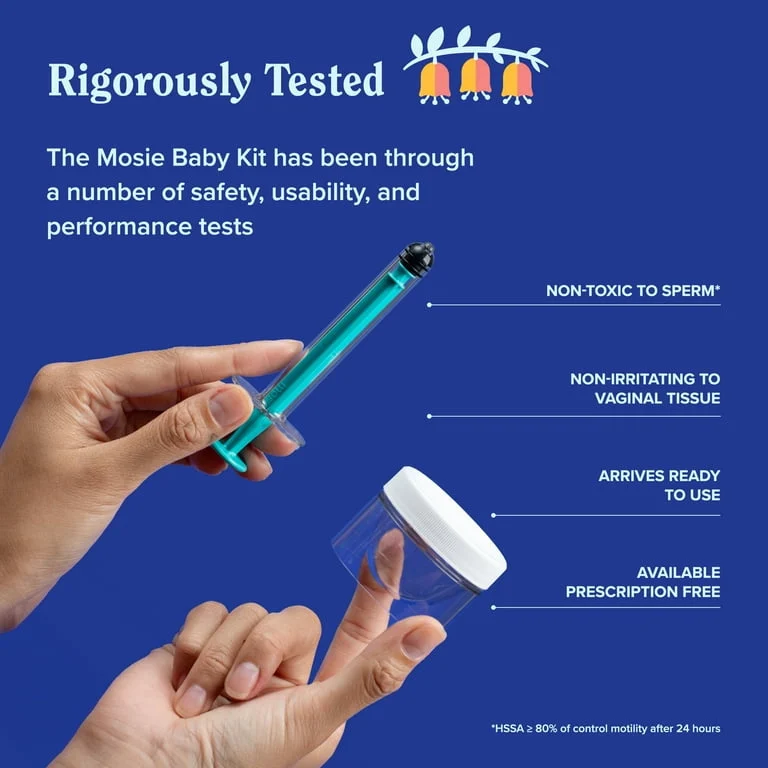
    Mosie Baby Kit with a syringe and container, highlighting safety and usability features on a blue background.

    The Role of Nutrition and Lifestyle in Home Insemination Success

    Along with proper nutrition, lifestyle factors also play a significant role in home insemination success. Here are some tips for optimizing your lifestyle for a successful pregnancy:

    1. Quit smoking: Smoking can decrease fertility in both men and women. It can also increase the risk of pregnancy complications and birth defects. If you smoke, consider quitting before attempting home insemination.

    2. Limit alcohol consumption: Excessive alcohol consumption has been linked to fertility issues and an increased risk of miscarriage. It is best to avoid alcohol altogether when trying to conceive.

    3. Manage stress: Stress can negatively impact fertility and decrease the chances of successful conception. Find healthy ways to manage stress, such as yoga, meditation, or talking to a therapist.

    4. Exercise regularly: Regular exercise can help regulate hormones and improve overall health, which can increase the chances of a successful pregnancy. Just make sure not to overdo it, as excessive exercise can actually harm fertility.

    5. Get enough sleep: Sleep is crucial for the body to function properly and maintain hormone balance. Aim for 7-9 hours of sleep each night to optimize your chances of conception.

    In addition to these lifestyle factors, it is also important to follow the instructions and guidelines for home insemination carefully. This includes tracking ovulation, using sterile equipment, and following proper hygiene practices.

    In conclusion, nutrition and lifestyle play a crucial role in home insemination success. By following a balanced diet, maintaining a healthy weight, and adopting healthy lifestyle habits, you can optimize your chances of a successful pregnancy. Make sure to consult with a healthcare professional for personalized advice and to address any underlying fertility issues. With the right approach, home insemination can be a successful option for starting or expanding your family.

    Summary:

    In this blog post, we discussed the role of nutrition and lifestyle in home insemination success. Proper nutrition, including nutrients such as folate, omega-3 fatty acids, and antioxidants, can increase the chances of a successful pregnancy. Maintaining a healthy weight and following healthy lifestyle habits, such as quitting smoking and managing stress, can also optimize fertility. It is important to consult with a healthcare professional for personalized advice and to address any underlying fertility issues. By following these tips and guidelines, home insemination can be a successful option for starting or expanding your family.

  • Fertility Boosting Foods: Incorporating the Syringe Method into Your Diet

    Blog Post Title: Fertility Boosting Foods: Incorporating the Syringe Method into Your Diet

    Summary:

    Infertility is a growing concern for many couples, with approximately 1 in 8 couples struggling with fertility issues. While there are various medical treatments and interventions available, diet and lifestyle factors can also play a significant role in improving fertility. In recent years, the “syringe method” has gained popularity as a natural and effective way to boost fertility. This method involves incorporating specific fertility-boosting foods into your diet, which can help regulate hormones, improve egg and sperm health, and increase the chances of conception. In this blog post, we will discuss the syringe method and some of the top fertility-boosting foods that you can incorporate into your diet to enhance your fertility and increase your chances of getting pregnant.

    The Syringe Method:

    The syringe method is a dietary approach that focuses on consuming specific foods that are rich in essential nutrients and antioxidants that support fertility. The name “syringe method” comes from the idea that these foods act as a “syringe” to deliver essential nutrients to the reproductive system, boosting fertility. This method is based on the concept of “food as medicine,” where the right foods can have a powerful impact on our health and well-being.

    Top Fertility Boosting Foods:

    1. Leafy Greens:

    Leafy greens, such as spinach, kale, and broccoli, are rich in folate, a crucial nutrient for reproductive health. Folate helps with the production of red blood cells, which transport oxygen and nutrients to the reproductive organs. It also aids in the development of a healthy baby during pregnancy.

    2. Avocados:

    Avocados are an excellent source of healthy fats and vitamin E, which can help improve sperm quality and motility. Vitamin E also acts as an antioxidant, protecting sperm and egg cells from damage.

    3. Nuts and Seeds:

    Nuts and seeds, such as almonds, walnuts, and pumpkin seeds, are rich in omega-3 fatty acids, which are essential for hormonal balance. They also contain zinc, a mineral that helps with sperm production and testosterone levels in men and aids in ovulation in women.

    Informative card introducing the Mosie Baby Kit and its mission for at-home insemination.

    Fertility Boosting Foods: Incorporating the Syringe Method into Your Diet

    4. Berries:

    Berries, such as blueberries, strawberries, and raspberries, are loaded with antioxidants that help protect eggs and sperm from oxidative stress. They are also rich in vitamin C, which plays a role in regulating hormone levels and improving sperm quality.

    5. Whole Grains:

    Whole grains, such as quinoa, brown rice, and oats, are a good source of complex carbohydrates, which can help regulate insulin levels. Insulin resistance is a common cause of polycystic ovary syndrome (PCOS) in women, which can affect fertility. Consuming whole grains can help improve insulin sensitivity and, in turn, improve fertility.

    6. Eggs:

    Eggs are a great source of protein and contain choline, a nutrient that helps with fetal brain development during pregnancy. They are also rich in vitamin D, which plays a role in hormone production and can help improve fertility in both men and women.

    7. Wild-Caught Salmon:

    Salmon is an excellent source of omega-3 fatty acids, which are essential for hormonal balance and can help improve fertility. It also contains vitamin D, selenium, and zinc, which are all crucial for reproductive health.

    Incorporating the Syringe Method into Your Diet:

    To incorporate the syringe method into your diet, start by making small changes to your diet, such as adding more leafy greens, berries, and healthy fats like avocados and nuts. You can also try incorporating fertility-boosting foods into your meals, such as adding berries to your breakfast or snacking on nuts and seeds during the day. It’s essential to have a balanced and varied diet, so make sure to include a variety of fertility-boosting foods in your meals.

    In addition to incorporating these foods into your diet, it’s also crucial to maintain a healthy weight and exercise regularly. Being overweight or underweight can affect fertility, so it’s essential to maintain a healthy weight. Regular exercise can also help improve fertility by reducing stress and regulating hormones.

    Conclusion:

    The syringe method is a natural and effective way to boost fertility by incorporating specific fertility-boosting foods into your diet. These foods are rich in essential nutrients and antioxidants that support reproductive health and can increase your chances of conceiving. Along with a healthy diet, it’s essential to maintain a healthy weight and exercise regularly to improve fertility. By making these dietary and lifestyle changes, you can optimize your chances of getting pregnant and start your journey towards parenthood.

  • DIY Baby-Making Assistance for Busy Couples: How to Make it Work

    Blog Post Title: DIY Baby-Making Assistance for Busy Couples: How to Make it Work

    Becoming parents is a dream for many couples, but with the busy and hectic lifestyles of today, it can be challenging to find the time and energy to conceive. The good news is that there are various do-it-yourself (DIY) baby-making assistance methods that can help busy couples achieve their goal of starting a family. In this blog post, we will explore some effective ways for busy couples to make DIY baby-making assistance work for them.

    1. Understand Your Fertility Window:

    The first step to successful DIY baby-making is to know your fertility window. This is the time in your menstrual cycle when you are most likely to conceive. For most women, this is around the 14th day of their cycle, counting from the first day of their last menstrual period. However, every woman’s body is different, and it’s essential to track your ovulation to determine your exact fertility window. This can be done through ovulation predictor kits, fertility tracking apps, or by keeping track of your basal body temperature.

    Once you have identified your fertility window, make sure to plan your baby-making activities around this time to increase your chances of conception.

    2. Optimize Your Lifestyle:

    A healthy lifestyle is crucial for successful conception. Busy couples often have unhealthy habits such as irregular sleep patterns, high stress levels, and poor diet, which can negatively impact their fertility. To optimize your chances of conceiving, it’s essential to make some lifestyle changes. Get enough sleep, reduce stress through relaxation techniques, and maintain a healthy and balanced diet. Incorporate foods that are rich in folic acid, iron, and zinc, as these are essential for fertility. Additionally, avoid alcohol, smoking, and excessive caffeine as they can reduce your chances of conceiving.

    3. Try Natural Fertility Supplements:

    In addition to a healthy lifestyle, natural fertility supplements can also assist in boosting fertility. Some popular supplements include maca root, evening primrose oil, and royal jelly. These supplements are known to improve overall reproductive health, regulate hormones, and increase sperm count and quality. However, it’s essential to consult with your doctor before taking any supplements, as they may interact with any medications you may be taking.

    Informative card introducing the Mosie Baby Kit and its mission for at-home insemination.

    DIY Baby-Making Assistance for Busy Couples: How to Make it Work

    4. Consider DIY Insemination:

    For couples who may have fertility issues, DIY insemination is a viable option. This method involves using a syringe to deposit semen into the vagina during the woman’s fertile window. It can be done at home, and kits are available for purchase online. However, it’s crucial to do thorough research and follow instructions carefully before attempting DIY insemination.

    5. Use Ovulation Induction Kits:

    Ovulation induction kits are another DIY option for busy couples. These kits contain medications that stimulate egg production and increase the chances of conception. They are available over-the-counter and can be used at home. However, it’s essential to consult with your doctor before using these kits, as they may have some side effects.

    6. Try Home Remedies:

    There are many home remedies that are believed to increase fertility and boost the chances of conception. Some popular options include eating a spoonful of honey daily, drinking fertility teas, and using essential oils such as lavender, rose, and geranium. These remedies may not have scientific evidence, but they are worth trying for couples hoping to conceive.

    7. Seek Professional Help:

    If DIY methods do not work, it’s essential to seek professional help. There may be underlying fertility issues that need to be addressed, and a fertility specialist can provide guidance and necessary treatments. It’s also important to remember that fertility is a journey, and it may take time and patience. Seeking professional help can help couples navigate this journey and increase their chances of success.

    In conclusion, while the journey to parenthood can be challenging for busy couples, there are several DIY baby-making assistance methods that can help make the process easier. By understanding your fertility window, optimizing your lifestyle, trying natural supplements, and considering DIY insemination or ovulation induction kits, you can increase your chances of conceiving. And if these methods do not work, do not hesitate to seek professional help. With determination and perseverance, busy couples can make DIY baby-making assistance work for them and achieve their dream of starting a family.

  • DIY Baby-Making Assistance: Tips and Tricks

    Blog Post: DIY Baby-Making Assistance: Tips and Tricks

    Becoming a parent is an exciting and life-changing experience, but for some couples, conceiving a baby may not come as easily as they had hoped. This is where DIY baby-making assistance comes into play. With the advancement of technology and the availability of information, there are various methods and techniques that couples can try at home to increase their chances of getting pregnant. In this blog post, we will discuss some DIY baby-making assistance tips and tricks that can help you on your journey to parenthood.

    Tip 1: Understand Your Fertile Window

    The key to successful baby-making is knowing when you are most fertile. The fertile window is the time during your menstrual cycle when you are most likely to get pregnant. It usually lasts for about 6 days, starting from 5 days before ovulation and ending on the day of ovulation. Tracking your menstrual cycle and monitoring your body’s ovulation signs can help you determine your fertile window. You can use ovulation predictor kits, fertility apps, or simply track your basal body temperature to identify your fertile days.

    Tip 2: Have Regular Sexual Intercourse

    Once you have identified your fertile window, the next step is to have regular sexual intercourse during this time. Experts recommend having sex every other day during your fertile window to increase your chances of conception. This ensures that sperm is present in the fallopian tubes when the egg is released. It’s also essential to keep in mind that having too much or too little sex can affect sperm quality and quantity, so finding the right balance is crucial.

    Tip 3: Optimize Your Diet and Lifestyle

    The food you eat and the lifestyle you lead can have a significant impact on your fertility. A healthy, balanced diet that includes fruits, vegetables, whole grains, and lean proteins can improve your overall health and fertility. Avoiding excessive alcohol consumption, smoking, and recreational drugs can also help improve fertility. Engaging in moderate exercise can also positively impact your fertility by reducing stress and maintaining a healthy weight.

    Tip 4: Consider Trying Natural Remedies and Supplements

    pregnancy test kit with instructions, test device, and packaging on a white background

    DIY Baby-Making Assistance: Tips and Tricks

    There are several natural remedies and supplements that have been linked to improved fertility. Some couples have reported success with herbs like chasteberry, maca, and red raspberry leaf. Others have found success with supplements like Coenzyme Q10, Omega-3 fatty acids, and folic acid. However, it’s essential to consult with a healthcare professional before trying any natural remedies or supplements to ensure they are safe for you.

    Tip 5: Use DIY Baby-Making Assistance Tools

    In addition to tracking your fertile window and having regular intercourse, there are several tools and techniques you can try at home to aid in baby-making. These include using a fertility-friendly lubricant, elevating your hips after intercourse, and using ovulation prediction kits. You can also try using fertility massage techniques or trying different sexual positions that can help sperm reach the cervix more easily.

    Tip 6: Seek Professional Help When Needed

    If you have been trying to conceive for over a year without success, it may be time to seek professional help. A fertility specialist can help identify any underlying issues that may be affecting your ability to conceive and provide appropriate treatment. This could include fertility medications, intrauterine insemination (IUI), or in vitro fertilization (IVF). Seeking professional help does not mean that you have failed in your DIY baby-making efforts; it simply means that you may need a little extra assistance to achieve your dream of becoming a parent.

    Tip 7: Take Care of Your Mental and Emotional Well-Being

    Trying to conceive can be a stressful and emotionally taxing experience. It’s essential to take care of your mental and emotional well-being during this time. Talk to your partner, family, or friends about your feelings and seek support when needed. Engage in activities that bring you joy, practice stress-reducing techniques like yoga or meditation, and most importantly, be patient with yourself and your partner.

    In conclusion, while the journey to parenthood may not be the same for every couple, there are several DIY baby-making assistance tips and tricks that can help increase your chances of getting pregnant. Understanding your fertile window, maintaining a healthy lifestyle, and trying natural remedies can all aid in your baby-making journey. Remember to seek professional help when needed, take care of your mental and emotional well-being, and most importantly, have patience and faith in your journey to parenthood.

    Summary:

    Conceiving a baby may not be an easy journey for some couples, but with the availability of information and technology, there are various DIY baby-making assistance tips and tricks that couples can try at home. These include understanding your fertile window, having regular intercourse, optimizing your diet and lifestyle, trying natural remedies and supplements, using DIY baby-making assistance tools, seeking professional help when needed, and taking care of your mental and emotional well-being. Remember to be patient and have faith in your journey to parenthood.

  • DIY Tools for Boosting Fertility and Enhancing Conception

    Blog Post: DIY Tools for Boosting Fertility and Enhancing Conception

    Trying to conceive can be a challenging and emotional journey for many couples. While there are medical interventions available, some couples prefer to take a more natural and holistic approach towards boosting their fertility and enhancing conception. This is where DIY tools come in handy. By making small changes to your lifestyle and using certain tools, you can increase your chances of getting pregnant. In this blog post, we will discuss some DIY tools that can help boost fertility and enhance conception.

    1. Fertility Tracking Apps

    One of the first steps towards boosting fertility is understanding your menstrual cycle. Fertility tracking apps like Clue, Flo, and Glow can assist you in keeping track of your menstrual cycle, fertile window, and ovulation. These apps use algorithms and data inputted by the user to predict the most fertile days of the month. By knowing your fertile window, you can time intercourse accordingly to increase your chances of conception.

    2. Ovulation Predictor Kits

    Ovulation predictor kits (OPKs) are another useful tool for tracking ovulation. These kits detect the surge of luteinizing hormone (LH), which occurs 24-48 hours before ovulation. The kits are easy to use and can be purchased over the counter at most drugstores. By using an OPK, you can pinpoint the exact day of ovulation and plan intercourse accordingly.

    3. Fertility-Friendly Lubricants

    Regular lubricants can be harmful to sperm and can hinder their movement. This is where fertility-friendly lubricants like Pre-Seed and Conceive Plus come in. These lubricants are specially designed to mimic the natural cervical mucus, creating a sperm-friendly environment. They also do not contain any harmful chemicals that can affect sperm quality.

    4. Acupuncture

    Acupuncture is an ancient Chinese practice that involves inserting thin needles into specific points on the body. It is believed to help regulate hormones, improve blood flow to the reproductive organs, and reduce stress, all of which can contribute to infertility. Studies have shown that acupuncture can increase the chances of conception and reduce the risk of miscarriage.

    5. Yoga and Meditation

    Stress is a major factor that can affect fertility. Practicing yoga and meditation can help reduce stress levels and promote relaxation. Certain yoga poses, like the butterfly pose and the legs-up-the-wall pose, can also improve blood flow to the reproductive organs. Regular meditation can also help regulate hormones and improve overall well-being, making it easier to conceive.

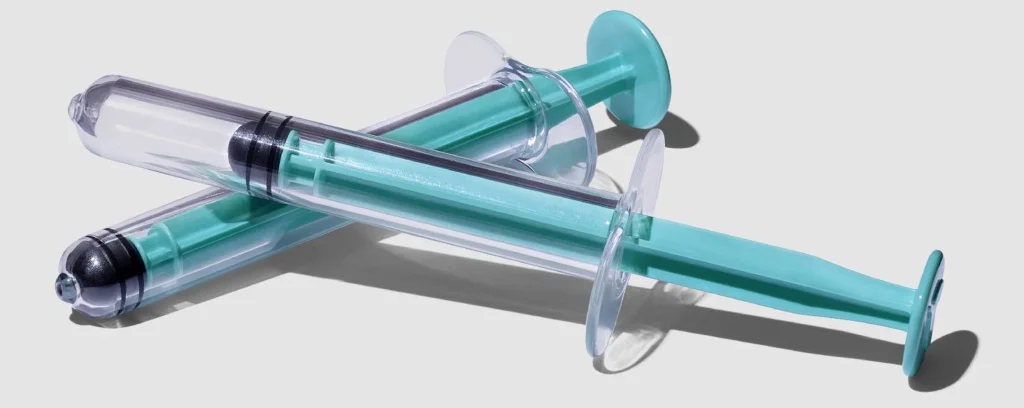
    Two transparent syringes with teal accents positioned diagonally on a light gray background.

    DIY Tools for Boosting Fertility and Enhancing Conception

    6. Supplements

    There are various supplements available in the market that claim to boost fertility. These include CoQ10, Vitamin D, and folic acid. CoQ10 is said to improve egg quality, while vitamin D can help regulate hormones. Folic acid is essential for preventing birth defects and is recommended for women who are trying to conceive. It is important to consult with a doctor before taking any supplements to ensure they are suitable for you.

    7. Diet Changes

    Making dietary changes can also help boost fertility. Eating a diet rich in fruits, vegetables, whole grains, and lean proteins can provide the body with essential vitamins and minerals needed for optimal fertility. Cutting back on processed foods, alcohol, and caffeine can also be beneficial.

    8. Exercise

    Regular exercise can help regulate hormones, reduce stress, and improve overall health. However, excessive exercise can have the opposite effect and can interfere with ovulation. It is important to find a balance and engage in moderate exercise for optimal fertility.

    9. Massage Therapy

    Massage therapy can be beneficial for couples trying to conceive. It can help reduce stress, improve blood flow, and regulate hormones. Fertility massage, in particular, focuses on the reproductive organs and can help improve their function.

    10. Mind-Body Techniques

    Mind-body techniques like visualization, positive affirmations, and journaling can help reduce stress and promote relaxation. They can also help create a positive mindset, which is essential for couples trying to conceive.

    In conclusion, while there is no guarantee that these DIY tools will result in pregnancy, they can certainly increase your chances. It is important to remember that every couple’s journey to conception is unique, and what works for one may not work for another. It is essential to consult with a doctor and make lifestyle changes in conjunction with these tools for the best results.

    Summary:

    Boosting fertility and enhancing conception can be achieved with the help of DIY tools. These tools include fertility tracking apps, ovulation predictor kits, fertility-friendly lubricants, acupuncture, yoga and meditation, supplements, diet changes, exercise, massage therapy, and mind-body techniques. While there is no guarantee of pregnancy, these tools can increase your chances and should be used in conjunction with lifestyle changes and guidance from a doctor.

  • Unlocking the Secrets to Fertility: A Comprehensive Starter Pack

    Blog Post Title: Unlocking the Secrets to Fertility: A Comprehensive Starter Pack

    Summary:

    Fertility is a complex and often misunderstood topic. Whether you are just beginning your fertility journey or have been trying for months or even years without success, it can be overwhelming and frustrating. However, there are many factors that can impact fertility and several steps you can take to improve your chances of conception. In this blog post, we will delve into the secrets of fertility and provide a comprehensive starter pack to help you on your path to parenthood.

    First, we will discuss the basics of fertility, including what it is and how it works. Understanding the menstrual cycle and the role of hormones in fertility is crucial to improving your chances of conception. We will also cover common fertility issues, such as ovulation disorders and male factor infertility, and how to identify and address them.

    Next, we will discuss the importance of a healthy lifestyle in fertility. From diet and exercise to managing stress and avoiding harmful substances, small lifestyle changes can have a big impact on fertility. We will also explore the role of supplements and alternative treatments in boosting fertility.

    Hands holding a syringe and a small container against a blue background.

    Unlocking the Secrets to Fertility: A Comprehensive Starter Pack

    One of the key secrets to fertility is knowing when you are most fertile. We will provide an overview of the different methods of tracking ovulation, including basal body temperature charting, ovulation predictor kits, and fertility tracking apps. Additionally, we will discuss the benefits and drawbacks of each method and how to choose the one that best fits your lifestyle.

    In addition to understanding your own fertility, it is important to know your partner’s as well. We will cover the basics of male fertility, including factors that can affect sperm count and quality. We will also discuss how to improve male fertility through lifestyle changes and medical treatments.

    Infertility can be a difficult and emotional journey, but it is important to know that you are not alone. We will provide tips on how to cope with the emotional challenges of fertility struggles and how to seek support from loved ones and professionals.

    Finally, we will dive into the various fertility treatment options available. From simple lifestyle changes and medications to assisted reproductive technologies such as intrauterine insemination (IUI) and in vitro fertilization (IVF), we will discuss the different options and how to choose the one that is right for you.

    In conclusion, fertility is a complex and multifaceted topic, but by understanding the basics, making healthy lifestyle choices, and seeking proper medical guidance, you can increase your chances of conceiving. Remember to be patient and kind to yourself throughout this process and know that with the right tools and support, you can unlock the secrets to fertility and achieve your dream of starting a family.

  • Nurturing Your Body for DIY Fertility Solutions

    Nurturing Your Body for DIY Fertility Solutions: A Comprehensive Guide to Improving Your Chances of Conceiving

    Struggling with infertility can be a difficult and emotional experience for individuals and couples who are trying to start a family. While there are various medical treatments available for those seeking fertility assistance, some may choose to explore natural or DIY methods first. In this blog post, we will discuss the importance of nurturing your body for DIY fertility solutions and provide practical tips for improving your chances of conceiving.

    Understanding Your Body and Fertility

    Before diving into DIY fertility solutions, it’s essential to have a basic understanding of how your body and fertility work. Fertility is the ability to conceive and carry a baby to full term. It is influenced by various factors, including age, overall health, and lifestyle choices. Women are born with a finite number of eggs, and as they age, the quantity and quality of their eggs decrease. Men also experience a decline in fertility as they age, but it is not as drastic as women’s.

    Factors Affecting Fertility

    Several factors can impact fertility, including:

    – Age: As mentioned earlier, age plays a significant role in fertility. Women are most fertile between the ages of 20-35, and their fertility begins to decline after the age of 35.
    – Weight: Being underweight or overweight can affect hormone levels and ovulation, making it harder to conceive.
    – Diet and exercise: A balanced diet and regular exercise can help maintain a healthy weight and improve overall health, which can positively impact fertility.
    – Smoking, alcohol, and drugs: These substances can decrease fertility in both men and women and increase the risk of miscarriage.
    – Stress: Chronic stress can impact hormone levels and interfere with ovulation.
    – Medical conditions: Certain medical conditions such as polycystic ovary syndrome (PCOS) and endometriosis can affect fertility.
    – Environmental factors: Exposure to toxins, radiation, and chemicals can interfere with fertility.

    Tips for Nurturing Your Body for DIY Fertility Solutions

    1. Focus on a Healthy Diet

    Maintaining a healthy and balanced diet is crucial for overall health and fertility. Eating a variety of nutrient-dense foods can help regulate hormones, improve egg quality, and increase sperm count. Some fertility-boosting foods include leafy greens, whole grains, healthy fats, and lean proteins. On the other hand, it would be best to limit or avoid processed foods, sugary foods, and trans fats, as they can negatively affect fertility.

    2. Stay Active

    Regular exercise is not only beneficial for maintaining a healthy weight but can also improve fertility. Moderate exercise, such as brisk walking, swimming, or yoga, can help regulate hormones and reduce stress levels. However, over-exercising can have the opposite effect, so it’s essential to find a balance and avoid intense workouts.

    logo featuring a pink heart above two teal leaves on a blue circular background

    Nurturing Your Body for DIY Fertility Solutions

    3. Manage Stress

    Chronic stress can have a significant impact on fertility, so it’s crucial to find healthy ways to manage stress. Some effective stress-management techniques include meditation, yoga, journaling, and talking to a therapist. It’s also essential to prioritize self-care and make time for activities that bring joy and relaxation.

    4. Quit Smoking, Alcohol, and Drugs

    Smoking, alcohol, and drug use can harm fertility in both men and women. Quitting these habits can improve overall health and increase the chances of conceiving. If you need help quitting, don’t be afraid to reach out to a support group or seek professional help.

    5. Consider Supplements

    Certain supplements, such as folic acid, vitamin D, and CoQ10, can support fertility and improve the chances of conception. It’s best to consult with a healthcare provider before starting any supplements to ensure they are safe and appropriate for you.

    6. Track Your Menstrual Cycle

    Understanding your menstrual cycle can help you identify your fertile window and increase the chances of conception. There are various methods for tracking your cycle, including using an ovulation predictor kit, tracking basal body temperature, and monitoring cervical mucus changes.

    7. Explore Alternative Therapies

    Some alternative therapies, such as acupuncture, may help with fertility by reducing stress, regulating hormones, and improving blood flow to the reproductive organs. However, it’s essential to consult with a licensed practitioner and ensure that these therapies are safe for you.

    Conclusion

    Nurturing your body is crucial for improving your chances of conceiving, whether you are trying DIY fertility solutions or seeking medical assistance. By making healthy lifestyle choices, managing stress, and understanding your body and menstrual cycle, you can increase your chances of conception. However, if you are struggling with infertility, it’s essential to seek professional help and not hesitate to explore medical treatments.

    In summary, nurturing your body for DIY fertility solutions involves making healthy lifestyle choices, managing stress, and understanding your body and menstrual cycle. By focusing on a healthy diet, staying active, managing stress, and quitting harmful habits, you can increase your chances of conceiving. Additionally, exploring alternative therapies and tracking your menstrual cycle can also support fertility. Remember to consult with a healthcare provider before making any significant changes to your lifestyle or starting any supplements or alternative therapies.

  • At-Home Conception 101: Understanding the Process

    At-Home Conception 101: Understanding the Process

    Conceiving a child is a natural and exciting part of life for many couples. However, for some, the process may not come as easily as expected. In such cases, couples may turn to assisted reproductive technologies or fertility treatments. But before jumping into these options, it is essential to understand the basics of at-home conception.

    In this blog post, we will dive into the process of at-home conception, including the steps involved, factors that can affect fertility, and tips for increasing the chances of conception.

    Step 1: Understanding the Menstrual Cycle

    The menstrual cycle is a crucial factor in at-home conception. It is the monthly process that prepares a woman’s body for pregnancy. The cycle begins on the first day of a woman’s period and lasts until the first day of her next period. On average, a woman’s menstrual cycle is 28 days, but it can vary between 21 to 35 days.

    During the menstrual cycle, the body goes through several changes, including the release of an egg from the ovaries, thickening of the uterine lining, and a rise in hormones. These changes are essential for successful conception.

    Step 2: Tracking Ovulation

    Ovulation is the process of an egg being released from the ovaries, making it available for fertilization. It usually occurs in the middle of the menstrual cycle, around day 14 for women with a 28-day cycle. However, it can vary from woman to woman.

    Tracking ovulation is crucial for at-home conception, as it helps determine the most fertile days for a woman. Some methods for tracking ovulation include using ovulation predictor kits, tracking basal body temperature, or monitoring changes in cervical mucus.

    Step 3: Timing Intercourse

    pregnancy test kit features labeled for comfort and confidence on a teal background

    At-Home Conception 101: Understanding the Process

    The key to at-home conception is timing intercourse around the ovulation period. The most fertile days for a woman are the two days leading up to ovulation and the day of ovulation itself. Sperm can survive in a woman’s body for up to five days, so having intercourse before ovulation increases the chances of conception.

    Step 4: Understanding Fertility Factors

    Several factors can affect fertility and make it challenging to conceive at home. These include age, health conditions, lifestyle habits, and environmental factors.

    Age plays a significant role in fertility, as a woman’s egg quantity and quality decline with age. Health conditions such as polycystic ovary syndrome (PCOS), endometriosis, and thyroid disorders can also affect fertility. Lifestyle habits like smoking, excessive alcohol consumption, and being overweight can also reduce the chances of conception.

    Environmental factors such as exposure to toxins and radiation can also harm fertility. It is crucial to discuss any concerns about these factors with a healthcare provider to take the necessary precautions.

    Step 5: Tips for Increasing the Chances of Conception

    While there is no foolproof method for at-home conception, some steps can help increase the chances of conceiving. These include maintaining a healthy weight, quitting smoking, reducing alcohol consumption, and managing stress levels.

    Eating a balanced diet, including foods rich in folic acid, iron, and antioxidants, can also improve fertility. Additionally, taking prenatal vitamins can help prepare the body for pregnancy.

    Summary:

    At-home conception is a natural and exciting process for many couples looking to start a family. Understanding the menstrual cycle, tracking ovulation, timing intercourse, and considering fertility factors are crucial steps in the process. It is also essential to maintain a healthy lifestyle and discuss any concerns with a healthcare provider. By following these steps, couples can increase their chances of successful at-home conception.

  • From Diet to Exercise: The Lifestyle Changes to Incorporate in Your Natural Kit

    From Diet to Exercise: The Lifestyle Changes to Incorporate in Your Natural Kit

    In today’s society, there is a constant pressure to look a certain way and maintain a certain weight. This often leads to people trying out different diets and exercise routines in hopes of achieving their desired body. However, instead of focusing on fad diets and intense workout regimens, it is important to shift our focus towards making lifestyle changes that can contribute to a healthy and sustainable overall well-being. In this blog post, we will discuss the lifestyle changes that you can incorporate into your daily routine to achieve a balanced and natural kit, from diet to exercise.

    First and foremost, it is important to understand the significance of a healthy and balanced diet. Our bodies require a variety of nutrients to function properly, and it is crucial to incorporate these nutrients into our daily meals. This means including a variety of fruits, vegetables, whole grains, lean proteins, and healthy fats in our diet. Instead of restricting ourselves to a specific type of diet, such as low-carb or high-protein, it is important to focus on eating a wide range of nutritious foods. This not only provides our bodies with the necessary nutrients but also helps in maintaining a healthy weight.

    In addition to a balanced diet, it is also important to pay attention to portion control. Often, we tend to overeat without realizing it, which can lead to weight gain and other health issues. By practicing portion control, we can ensure that we are consuming the right amount of food for our bodies. This can be achieved by using smaller plates, measuring out serving sizes, and being mindful of our hunger and fullness cues.

    Along with diet, incorporating exercise into our daily routine is essential for a healthy lifestyle. However, this does not mean that we have to spend hours at the gym every day. Instead, focus on finding physical activities that you enjoy and can incorporate into your daily routine. This can include walking, jogging, yoga, or any other form of physical activity that gets your heart rate up and makes you feel good.

    hand holding a pregnancy test with instructions on a colorful background

    From Diet to Exercise: The Lifestyle Changes to Incorporate in Your Natural Kit

    It is also important to remember that exercise is not just about physical fitness, but it also has a positive impact on our mental health. Regular exercise can help reduce stress, anxiety, and improve overall mood and well-being. So, make sure to prioritize making time for physical activity in your daily schedule.

    Aside from diet and exercise, incorporating other healthy habits into our lifestyle can also contribute to a natural and balanced kit. Getting enough sleep is crucial for our overall well-being and can help with weight management. Aim for 7-9 hours of sleep each night and try to establish a consistent sleep schedule. Additionally, staying hydrated by drinking enough water throughout the day is essential for maintaining a healthy body and mind.

    Another important aspect to consider is managing stress levels. Chronic stress can have a negative impact on our health, leading to weight gain, digestive issues, and other health problems. Finding healthy ways to cope with stress, such as meditation, yoga, or spending time in nature, can greatly improve our overall well-being.

    Incorporating self-care practices into our daily routine is also crucial for a natural kit. This can include taking time for ourselves to relax, pamper our bodies, and engage in activities that bring us joy and happiness. Self-care not only helps in reducing stress and improving mental health, but it also reminds us to prioritize our own well-being.

    Finally, it is important to remember that everyone’s journey towards a healthy and natural kit will be different. It is essential to listen to our bodies and find what works best for us. Instead of following strict diets and intense workout routines, focus on making small and sustainable lifestyle changes that will have a long-lasting impact on your overall well-being.

    In summary, achieving a natural and balanced kit involves making lifestyle changes that incorporate a balanced diet, portion control, regular exercise, good sleep habits, stress management techniques, and self-care practices. By prioritizing these aspects, we can achieve a healthy and sustainable lifestyle that not only improves our physical health but also our mental and emotional well-being.