Tag: male fertility

  • Fertility Support for Men: Essential Items for Your Starter Pack

    Blog Post Title: Fertility Support for Men: Essential Items for Your Starter Pack

    Summary:

    When it comes to fertility, most of the focus is often on women and their journey towards motherhood. However, the fact is that fertility struggles can affect both men and women equally. In recent years, there has been a growing awareness about male infertility and the need for men to take an active role in their fertility journey. This is where a fertility starter pack for men can come in handy. In this blog post, we will discuss the essential items that every man should have in their fertility starter pack to support their fertility journey.

    1. Multivitamins for Men: Just like women, men also need specific nutrients to support their reproductive health. A good quality multivitamin for men can help ensure that your body has all the necessary vitamins and minerals for optimal sperm production and function. Look for multivitamins that contain key nutrients such as zinc, selenium, vitamin C, and vitamin E, which have been linked to improved sperm quality.

    2. Fertility-Friendly Lubricant: Many couples trying to conceive may use lubricants during intercourse to enhance their experience. However, not all lubricants are sperm-friendly. Some can even harm sperm and make it harder for them to reach the egg. It is essential to choose a fertility-friendly lubricant that is free of harmful ingredients such as parabens, glycerin, and oils. Look for lubricants specifically designed for couples trying to conceive, such as Pre-Seed or Conceive Plus.

    sperm-ready insemination kit with a syringe and container, featuring a screw top lid and non-tip safety wall

    Fertility Support for Men: Essential Items for Your Starter Pack

    3. Sperm Counting Kit: Knowing your sperm count is crucial when trying to conceive. A low sperm count can be a significant factor in male infertility. A sperm counting kit, also known as a home sperm test, can help you track your sperm count in the comfort of your own home. These kits are easy to use and can give you a general idea of your sperm count, although they are not as accurate as a lab test.

    4. Fertility Tracker App: Keeping track of your fertility cycle is essential when trying to conceive. Fertility tracker apps can help you monitor your ovulation and fertile window, making it easier to plan intercourse during the most fertile days. These apps also allow you to track other factors that can affect fertility, such as diet, exercise, and stress levels.

    5. Male Fertility Supplements: In addition to a multivitamin, there are specific supplements designed to support male fertility. These supplements can contain a combination of vitamins, minerals, and herbs that have been shown to improve sperm count, motility, and morphology. Some popular ingredients to look for in male fertility supplements include maca root, ashwagandha, and CoQ10.

    6. Underwear and Clothing: Believe it or not, the type of underwear and clothing you wear can affect your fertility. Tight underwear, such as briefs, can increase scrotal temperature, which can harm sperm production. Opt for loose-fitting underwear, such as boxers, to keep your testicles at a lower temperature. Additionally, avoid hot tubs, saunas, and other sources of heat that can also negatively impact sperm production.

    7. Stress-Relief Items: Stress can have a significant impact on fertility, and it is essential to find ways to reduce stress in your life. Your fertility starter pack should include items that can help you relax and unwind, such as a meditation app, a journal, or a stress ball. It is also important to find healthy ways to cope with stress, such as exercise, counseling, or spending time with loved ones.

    In conclusion, male fertility is just as important as female fertility when it comes to trying to conceive. By having a fertility starter pack with these essential items, men can actively support their fertility journey and increase their chances of successful conception. Remember, it is crucial to consult with a healthcare professional if you have any concerns about your fertility. With the right support and tools, you and your partner can work towards achieving your dream of starting a family.

  • Fertility Support for Him: A Starter Pack for Boosting Male Fertility

    Summary:

    Male fertility is a crucial factor in the journey of starting a family. However, many couples struggle with fertility issues and often overlook the importance of male fertility. In this blog post, we will discuss the basics of male fertility and provide a starter pack of tips and practices to boost male fertility.

    We will start by understanding the factors that can affect male fertility, such as age, lifestyle choices, and medical conditions. We will also discuss the role of nutrition and exercise in maintaining good reproductive health. Additionally, we will explore some natural remedies and supplements that can improve male fertility.

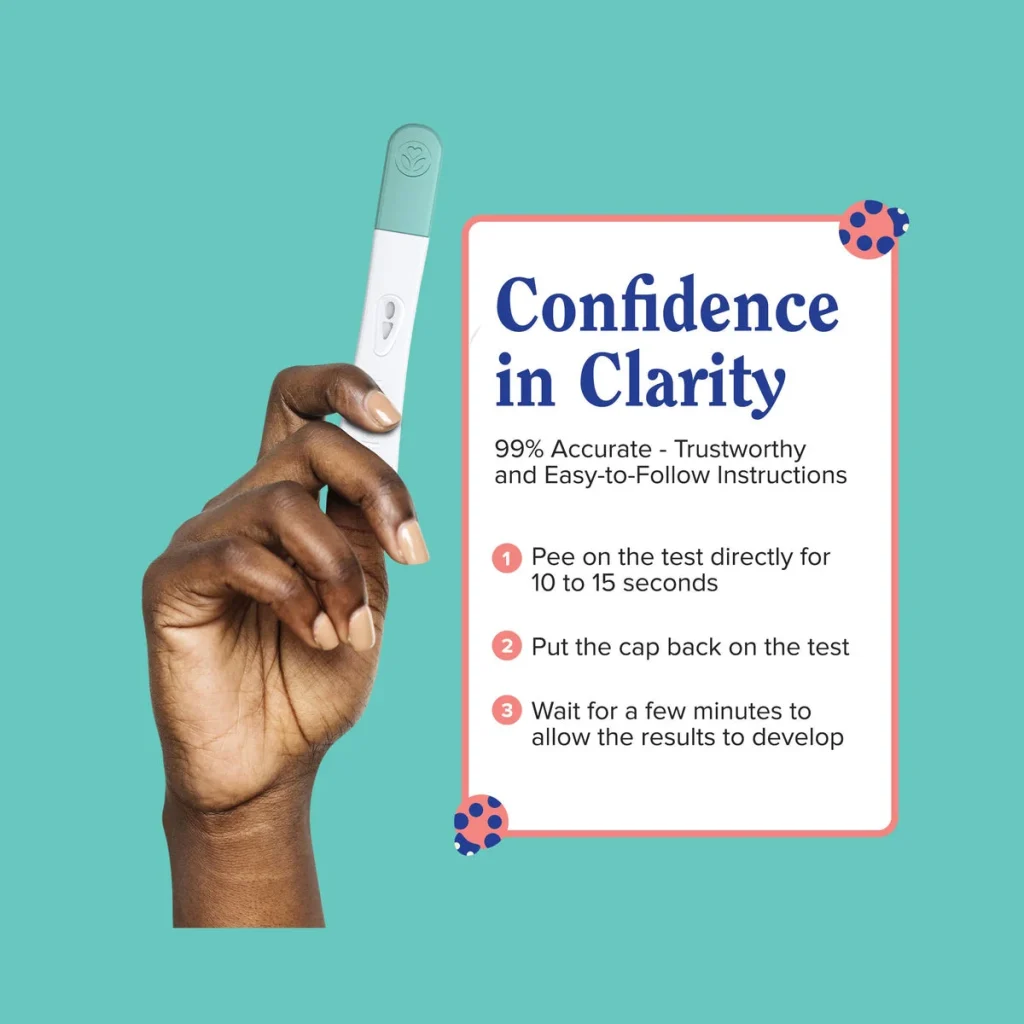
    hand holding a pregnancy test with instructions on a colorful background

    Fertility Support for Him: A Starter Pack for Boosting Male Fertility

    Next, we will dive into the importance of stress management and mental health in male fertility. Stress can have a significant impact on male reproductive health, and we will provide some tips and techniques to reduce stress and improve overall well-being.

    Furthermore, we will discuss the role of regular check-ups and screenings in maintaining male fertility. Many underlying medical conditions can affect male fertility, and early detection is crucial for effective treatment.

    Lastly, we will touch upon the importance of communication and support in the journey of boosting male fertility. This includes seeking professional help and involving partners in the process.

    By following this starter pack for boosting male fertility, couples can improve their chances of conceiving and start their journey towards parenthood.

  • The Role of Male Fertility in Home Insemination Success

    Blog Post Title: The Importance of Male Fertility in Successful Home Insemination

    Summary:

    In recent years, home insemination has become a popular method for couples and individuals to conceive a child. This process involves using a donor’s sperm to fertilize an egg at home, rather than in a fertility clinic. While there are many factors that can affect the success of home insemination, one of the most crucial aspects is the fertility of the male donor. In this blog post, we will explore the role of male fertility in home insemination success and provide tips for maximizing the chances of a successful conception.

    Firstly, it is important to understand the basics of male fertility. Male fertility is determined by the quality and quantity of sperm produced. A man’s sperm count, motility (ability to swim), and morphology (shape and size) all play a crucial role in fertility. Low sperm count, poor motility, or abnormal sperm morphology can all significantly decrease the chances of conception.

    When it comes to home insemination, the quality of the sperm is even more crucial. Unlike in a fertility clinic, where the sperm is washed and prepared for insemination, home insemination relies on the natural abilities of the sperm to fertilize an egg. This means that the sperm must be of the highest quality to successfully reach and fertilize the egg.

    logo featuring a pink heart above two teal leaves on a blue circular background

    The Role of Male Fertility in Home Insemination Success

    So, what can affect male fertility? There are several factors that can impact the quality of sperm, including age, lifestyle habits, and underlying medical conditions. As men age, their sperm quality can decline, making it more difficult to conceive. Additionally, lifestyle habits such as smoking, excessive alcohol consumption, and drug use can all have a negative impact on sperm quality. Medical conditions like untreated STDs, hormonal imbalances, and genetic disorders can also affect male fertility.

    To maximize the chances of success with home insemination, it is essential to ensure that the male donor has optimal sperm quality. This can be achieved through various methods, such as getting a semen analysis to check sperm count and motility, making healthy lifestyle choices, and addressing any underlying medical issues. In some cases, fertility treatments such as medication or surgeries may also be necessary to improve sperm quality.

    Another crucial factor to consider is timing. Insemination must occur during the woman’s ovulation period, which is when the egg is released from the ovary. This is typically around day 14 of a 28-day menstrual cycle. It is recommended to perform home insemination on the day of ovulation or a few days before to increase the chances of success. Additionally, the sperm must be able to survive in the woman’s body for several days until ovulation occurs. Therefore, it is essential to ensure that the sperm is of excellent quality and has a good chance of surviving in the reproductive tract.

    Aside from the quality of sperm, the method of home insemination can also play a role in the success of conception. There are various home insemination kits available, including syringe and cervical cap methods. The syringe method involves directly inserting the sperm into the cervix, while the cervical cap method involves placing the sperm in a cap and then inserting it into the cervix. Studies have shown that the syringe method may be more effective, as it allows for better placement of the sperm into the cervix.

    It is also crucial to consider the emotional and psychological aspects of home insemination. The process can be stressful and emotionally taxing, especially for couples struggling with infertility. It is important to communicate openly and support each other throughout the process. Seeking professional counseling or joining support groups can also be beneficial.

    In conclusion, male fertility plays a significant role in the success of home insemination. It is essential to ensure that the sperm used is of the highest quality and that the timing and method of insemination are optimal. Additionally, addressing any underlying medical conditions and maintaining a healthy lifestyle can also improve the chances of a successful conception. With proper planning and preparation, home insemination can be a viable option for couples and individuals looking to start a family.

  • At-Home Conception and Male Fertility: What Men Need to Know

    At-Home Conception and Male Fertility: What Men Need to Know

    When it comes to starting a family, there is often a lot of focus on the woman’s role in conception and pregnancy. However, it takes two to tango, and male fertility is just as important in the process. In recent years, there has been an increasing trend towards at-home conception methods, such as tracking ovulation and using fertility kits. But what do men need to know about at-home conception and their own fertility? In this blog post, we will explore the basics of male fertility and how men can take an active role in optimizing their chances of conception.

    Understanding Male Fertility

    Before we dive into at-home conception methods, it’s important to understand the basics of male fertility. A man’s fertility is determined by the quality and quantity of his sperm. Sperm health can be affected by various factors such as age, lifestyle habits, and underlying medical conditions. As men age, the quality and quantity of their sperm may decrease, making it more challenging to conceive. Lifestyle habits, such as smoking, excessive alcohol consumption, and drug use, can also have a negative impact on sperm health. Underlying medical conditions, such as hormonal imbalances, infections, and genetic disorders, can also affect fertility.

    At-Home Conception Methods for Men

    While there are various medical interventions available for couples struggling with fertility, many are turning to at-home methods to increase their chances of conceiving. Here are some at-home conception methods that men can consider:

    1. Ovulation Tracking: Ovulation is when a woman’s body releases an egg, making it the prime time for conception. It’s important for men to track their partner’s ovulation cycle to know the best time to try and conceive. This can be done through methods such as tracking basal body temperature, monitoring cervical mucus, or using ovulation predictor kits.

    2. Fertility Kits: There are various fertility kits available on the market that can help men assess their sperm health. These kits measure sperm count, motility and morphology (shape). They can be used at home, making it convenient for couples to monitor their fertility levels.

    home insemination kit components: a syringe and a collection container against a blue background.

    At-Home Conception and Male Fertility: What Men Need to Know

    3. Healthy Lifestyle Habits: As mentioned earlier, lifestyle habits can play a significant role in sperm health. Men can take charge of their fertility by making healthy lifestyle choices such as quitting smoking, limiting alcohol consumption, and maintaining a healthy weight.

    4. Nutritional Supplements: Certain nutrients, such as zinc, folic acid, and vitamin C, have been linked to improved sperm health. Men can consider taking nutritional supplements to ensure they are getting enough of these essential nutrients.

    5. Stress Management: Stress can have a negative impact on fertility for both men and women. It’s important for men to find ways to manage stress, whether it’s through exercise, meditation, or therapy.

    6. Seek Medical Help: If a couple has been trying to conceive for a year without success, it’s recommended to seek medical help. A fertility specialist can assess both partners and provide guidance on the best course of action.

    The Role of Men in At-Home Conception

    At-home conception methods not only provide men with the tools to track and enhance their fertility, but it also plays a crucial role in their partner’s fertility journey. By taking an active role in at-home conception, men can show their support and commitment to starting a family. It also allows men to be more involved in the process and understand the challenges their partner may be facing.

    Conclusion

    At-home conception methods can be a helpful tool for couples trying to conceive. By understanding the basics of male fertility and utilizing at-home methods, men can take an active role in their fertility journey. It’s important to remember that fertility is a team effort, and both partners play an equally important role in the process.

    SEO Metadata:

  • The Syringe Kit and Male Fertility: A Comprehensive Guide

    Blog Post: The Syringe Kit and Male Fertility: A Comprehensive Guide

    Male fertility is a complex topic that is often overlooked or stigmatized, but it is an important aspect of reproductive health. In recent years, there has been a growing interest in alternative methods for managing male fertility, and one such method is the use of syringe kits. In this blog post, we will take a closer look at the syringe kit and its potential impact on male fertility.

    Understanding Male Fertility

    Before delving into the specifics of the syringe kit, it is essential to have a basic understanding of male fertility. Male fertility is determined by the quantity and quality of sperm produced by the testes. Sperm production is regulated by hormones, and any disruption in this process can lead to fertility issues.

    Common causes of male fertility issues include hormonal imbalances, genetic factors, infections, and lifestyle choices such as smoking, excessive alcohol consumption, and drug use. Age can also play a role, as sperm quality and quantity tend to decline with age.

    The traditional method for managing male fertility is through the use of barrier methods, such as condoms, or through vasectomy. However, these methods may not be suitable for everyone, and that’s where the syringe kit comes in.

    What is a Syringe Kit?

    A syringe kit, also known as a fertility kit or insemination kit, is a device that allows for the collection, storage, and injection of sperm for fertility purposes. The kit typically includes a syringe, a collection cup, and a specimen container. Some kits may also include a sperm-friendly lubricant and instructions for use.

    The concept of using a syringe for fertility purposes is not new. In fact, it has been used by healthcare professionals in assisted reproductive techniques such as intrauterine insemination (IUI) and in-vitro fertilization (IVF). However, with the rise of at-home fertility kits, more individuals and couples are turning to syringe kits as an alternative for managing male fertility.

    How Does the Syringe Kit Work?

    The syringe kit works by allowing for the collection and injection of sperm into the female reproductive system. The sperm can be collected through masturbation or during intercourse using a condom with a hole at the tip. The collected sperm is then placed into the specimen container and inserted into the syringe.

    Colorful promotional image for Mosie Baby, featuring home insemination kit and encouraging text.

    The Syringe Kit and Male Fertility: A Comprehensive Guide

    The syringe is then inserted into the vagina, and the sperm is released near the cervix, mimicking the natural process of conception. Some kits may also come with intrauterine insemination (IUI) catheters, which can be used to place the sperm directly into the uterus for a more targeted approach.

    Benefits of Using a Syringe Kit for Male Fertility

    One of the main benefits of using a syringe kit for male fertility is its convenience. The kit allows individuals and couples to collect and use sperm in the comfort of their own home, without the need for a healthcare professional. This can be especially beneficial for those who may feel uncomfortable or embarrassed about discussing their fertility issues with a doctor.

    Moreover, syringe kits are more affordable compared to traditional assisted reproductive techniques, such as IUI and IVF. This makes it a more accessible option for those who may not be able to afford expensive fertility treatments.

    Additionally, syringe kits allow for more control over the timing of insemination, which can be crucial for couples trying to conceive. It also eliminates the need for a partner to be present during the process, making it a viable option for individuals or same-sex couples.

    Potential Risks and Precautions

    While syringe kits may offer some benefits, it is essential to be aware of potential risks and take necessary precautions. First and foremost, it is crucial to ensure the cleanliness and sterility of the kit to avoid any potential infections.

    It is also vital to follow the instructions provided with the kit carefully and to seek guidance from a healthcare professional if there are any concerns. It is recommended to undergo a semen analysis before using a syringe kit to ensure that the sperm is of adequate quality and quantity for successful insemination.

    Moreover, syringe kits may not be suitable for everyone. For example, individuals with certain medical conditions, such as blood disorders, may not be able to use the kit safely. It is always best to consult with a doctor before using any alternative fertility methods.

    In Summary

    The syringe kit is an alternative method for managing male fertility that offers convenience, affordability, and more control over the timing of insemination. While it may not be suitable for everyone, it can be a viable option for those who are unable or unwilling to undergo traditional assisted reproductive techniques.

    However, it is essential to understand the potential risks and precautions associated with using a syringe kit and to seek guidance from a healthcare professional if needed. With proper usage and precautions, the syringe kit can be a valuable tool for individuals and couples on their journey towards parenthood.

  • The Role of Male Fertility: How the Fertility Friend Insemination Kit Involves Both Partners

    The Role of Male Fertility: How the Fertility Friend Insemination Kit Involves Both Partners

    When it comes to starting a family, couples often focus on the woman’s fertility and reproductive health. However, the role of male fertility is just as important and should not be overlooked. In fact, studies have shown that male infertility is the primary or contributing factor in up to 50% of couple’s fertility struggles. This highlights the need for both partners to be involved in the fertility journey and for solutions that involve both male and female fertility.

    One such solution is the Fertility Friend Insemination Kit, which is designed to involve both partners in the process of conception. This innovative kit not only helps to improve the success rate of at-home insemination, but also encourages communication and collaboration between partners. In this blog post, we will explore the role of male fertility and how the Fertility Friend Insemination Kit involves both partners in the journey towards starting a family.

    Understanding Male Fertility

    Before delving into the role of male fertility, it is important to understand what it entails. Male fertility refers to a man’s ability to impregnate a woman, and is dependent on the production, quality, and motility of sperm. Factors that can affect male fertility include age, lifestyle choices, medical conditions, and genetics. It is also important to note that male fertility can fluctuate, depending on various factors such as stress, illness, and medication.

    The Importance of Involving Both Partners

    Traditionally, the responsibility of fertility and conception has been placed solely on the woman. However, it takes two to make a baby and both partners should be actively involved in the process. By involving both partners, it not only increases the chances of success, but also strengthens the bond and communication between the couple. It also allows both partners to understand and support each other throughout the journey.

    The Role of the Fertility Friend Insemination Kit

    The Fertility Friend Insemination Kit is a comprehensive at-home insemination solution that involves both partners in the process. It includes various components such as ovulation tests, sperm-friendly lubricant, and an insemination device, making it a one-stop-shop for couples trying to conceive. But how does this kit involve both partners?

    1. Ovulation Tracking and Testing

    The first step in the Fertility Friend Insemination Kit is monitoring ovulation. This involves both partners as the woman tracks her ovulation using the included ovulation tests, while the man provides a sperm sample for analysis. This process allows both partners to actively participate in the fertility journey and understand the importance of timing for conception.

    2. Sperm-Friendly Lubricant

    Many couples use lubricants during intercourse, but not all lubricants are sperm-friendly. The Fertility Friend Insemination Kit includes a sperm-friendly lubricant that is specifically designed to support sperm motility and survival. By using this lubricant, both partners are actively involved in creating the best environment for sperm to reach and fertilize the egg.

    3. Insemination Device

    Informative card introducing the Mosie Baby Kit and its mission for at-home insemination.

    The Role of Male Fertility: How the Fertility Friend Insemination Kit Involves Both Partners

    The insemination device included in the kit is a key component in involving both partners in the process. This device is used to deliver the sperm sample directly to the cervix, increasing the chances of conception. By using this device, both partners are actively involved in the insemination process, creating a more intimate and connected experience.

    The Benefits of Involving Both Partners

    There are numerous benefits to involving both partners in the fertility journey, especially when using the Fertility Friend Insemination Kit. These include:

    1. Increased Communication and Support

    By involving both partners, there is an open line of communication and support throughout the process. This allows for a deeper understanding of each other’s roles and emotions, creating a stronger bond and sense of teamwork.

    2. Improved Chances of Success

    As mentioned earlier, male fertility plays a significant role in conception. By involving both partners and addressing any potential issues, the chances of successful conception are increased.

    3. A More Intimate Experience

    The Fertility Friend Insemination Kit encourages a more intimate and connected experience for both partners. By working together towards a shared goal, it can strengthen the relationship and bring partners closer together.

    4. Cost-Effective Option

    In vitro fertilization (IVF) and other assisted reproductive techniques can be costly and may not be feasible for all couples. The Fertility Friend Insemination Kit offers a cost-effective at-home option that involves both partners and has a high success rate.

    In Conclusion

    The role of male fertility is crucial in the journey towards starting a family. By involving both partners and using solutions like the Fertility Friend Insemination Kit, couples can increase their chances of success and strengthen their relationship. It is important to remember that starting a family is a joint effort and both partners have an equally important role to play.

    Summary:

    The Fertility Friend Insemination Kit is an innovative solution that involves both partners in the conception process. It addresses the importance of male fertility and encourages communication and collaboration between partners. The kit includes components such as ovulation tests, sperm-friendly lubricant, and an insemination device, making it a comprehensive at-home solution. Involving both partners has numerous benefits, including improved communication and support, increased chances of success, and a more intimate experience. The Fertility Friend Insemination Kit is a cost-effective alternative to assisted reproductive techniques and highlights the need for both partners to be actively involved in the journey towards starting a family.


