Tag: natural methods

  • Taking Control of Your Fertility: The Power of an At-Home Conception Aid Kit

    Taking Control of Your Fertility: The Power of an At-Home Conception Aid Kit

    For many people, starting a family is a dream come true. However, for others, conceiving a child can be a difficult and often frustrating journey. Infertility affects approximately 12% of women in the United States and can be caused by a variety of factors such as age, health conditions, and lifestyle choices. While some couples turn to expensive fertility treatments, others are seeking more natural and affordable methods to improve their chances of conceiving. This is where an at-home conception aid kit comes in, offering a powerful tool for taking control of your fertility and increasing your chances of getting pregnant without breaking the bank.

    What is an At-Home Conception Aid Kit?
    An at-home conception aid kit is a collection of products that are designed to aid and optimize natural conception. These kits typically include ovulation tests, pregnancy tests, fertility supplements, and other tools that can help couples track their ovulation and maximize their chances of getting pregnant.

    Ovulation Tests
    One of the key components of an at-home conception aid kit is an ovulation test. This tool helps women determine when they are most fertile by detecting the surge in luteinizing hormone (LH) that occurs right before ovulation. Ovulation tests are easy to use and provide accurate results, allowing women to track their ovulation and plan intercourse accordingly.

    Pregnancy Tests
    Another important component of an at-home conception aid kit is a pregnancy test. These tests can help women determine if they have successfully conceived, often even before a missed period. With the convenience of being able to take a pregnancy test in the comfort of their own home, women can avoid the stress and anxiety of waiting for a doctor’s appointment or going to a clinic for a test.

    Fertility Supplements
    Many at-home conception aid kits also include fertility supplements. These supplements often contain a combination of vitamins, minerals, and herbs that are known to support reproductive health and increase fertility. Some of the most common ingredients found in these supplements include folic acid, vitamin D, and CoQ10, all of which have been linked to improved fertility.

    Other Tools
    Besides the main components mentioned above, at-home conception aid kits may also include other tools such as a basal body thermometer, a fertility chart, and a cervical mucus monitoring kit. These tools can provide valuable information about a woman’s menstrual cycle and help her determine when she is most fertile.

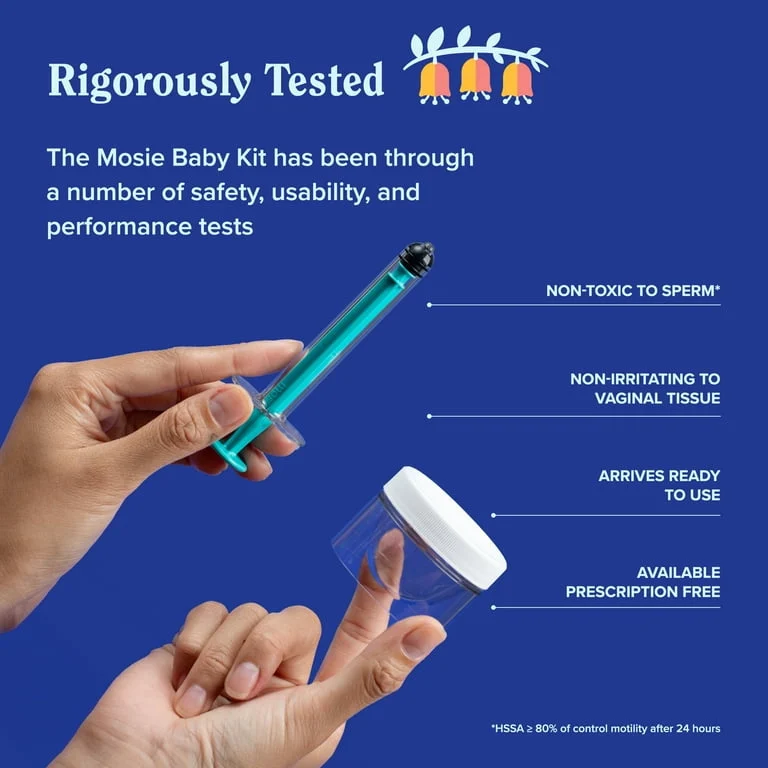
    Mosie Baby Kit features a syringe and container, highlighting safety and usability tests on a blue background.

    Taking Control of Your Fertility: The Power of an At-Home Conception Aid Kit

    The Power of an At-Home Conception Aid Kit
    Now that we know what an at-home conception aid kit is and what it typically includes, let’s explore the power of this tool for taking control of your fertility.

    Affordability
    One of the most significant advantages of an at-home conception aid kit is its affordability. Fertility treatments, such as in vitro fertilization (IVF), can cost tens of thousands of dollars and may not be covered by insurance. On the other hand, an at-home conception aid kit can cost a fraction of that amount and provide a more natural and less invasive approach to improving fertility.

    Convenience
    Having an at-home conception aid kit also offers convenience and privacy. Many people may feel uncomfortable discussing their fertility struggles with others, and an at-home kit allows them to track their ovulation and pregnancy without having to involve anyone else. Additionally, the convenience of being able to take ovulation and pregnancy tests at home means less time spent at doctor’s appointments or clinics, giving couples more time to focus on their journey to conceive.

    Empowerment
    Using an at-home conception aid kit can also give women a sense of empowerment and control over their fertility. By tracking ovulation and using fertility supplements, women can take an active role in improving their chances of getting pregnant. This can be a significant boost to their emotional well-being and give them a sense of hope during a potentially frustrating time.

    Accuracy and Effectiveness
    At-home conception aid kits have been proven to be accurate and effective in helping couples conceive. By tracking ovulation and providing essential supplements, these kits can optimize a woman’s fertility and increase her chances of getting pregnant. Additionally, using these kits can help identify any potential issues with ovulation or fertility, allowing couples to seek professional help if needed.

    In Summary
    Taking control of your fertility is a powerful step towards starting a family. An at-home conception aid kit can provide a natural, affordable, and convenient way to improve your chances of conceiving. With the right tools, such as ovulation and pregnancy tests, fertility supplements, and other tracking tools, you can empower yourself and take an active role in your journey to starting a family.

    In conclusion, an at-home conception aid kit can be a game-changer for couples struggling with infertility. It offers affordability, convenience, and empowerment, while also being accurate and effective in helping couples conceive. With the power of an at-home conception aid kit, you can take control of your fertility and increase your chances of starting the family of your dreams.

  • The Science Behind Insemination on Your Own Terms

    Blog Post:

    Insemination, also known as artificial insemination, is a fertility treatment that has been around for many years. Traditionally, it has been performed in a medical setting with the assistance of healthcare professionals. However, with advancements in technology and the increasing desire for people to take control of their own fertility journey, there has been a rise in self-insemination, also known as at-home insemination. This method allows individuals or couples to perform insemination on their own terms, in the comfort of their own home. But what exactly is the science behind insemination on your own terms? How does it work, and is it a safe and effective option? Let’s dive into the science behind insemination on your own terms.

    First, let’s understand what insemination is. Insemination is a process in which sperm is introduced into the female reproductive tract to fertilize an egg. In traditional medical settings, this is done through intrauterine insemination (IUI) or in-vitro fertilization (IVF). However, with self-insemination, the sperm is introduced into the cervix or vagina using a syringe or other tools.

    One of the key factors in successful self-insemination is timing. Insemination should be performed during the ovulation period, which is when the egg is released from the ovary and is most likely to be fertilized. Ovulation typically occurs around day 14 of a 28-day menstrual cycle, but this can vary from person to person. There are various ways to track ovulation, such as using ovulation predictor kits, tracking basal body temperature, or monitoring changes in cervical mucus.

    Another crucial factor in self-insemination is the quality of the sperm. Sperm quality can be affected by various factors, such as age, lifestyle, and underlying health conditions. It is essential to use fresh sperm for self-insemination, as frozen sperm may have a lower success rate. This is because frozen sperm may lose some of their mobility and viability during the freezing and thawing process. It is recommended to use sperm from a known donor, such as a partner or friend, to ensure the highest quality and safety.

    Now, let’s explore the different methods of self-insemination. The most common method is using a syringe to insert the sperm into the cervix or vagina. The syringe should be sterile and free of any air bubbles, and the sperm should be placed in the syringe immediately before use. Another method is using a menstrual cup, which is inserted into the vagina and holds the sperm near the cervix. This method can be more comfortable for some individuals and allows for the sperm to stay in the vaginal canal for a longer period. Some people also choose to use a softcup, which is a flexible cup inserted into the vagina after intercourse, to hold the sperm closer to the cervix.

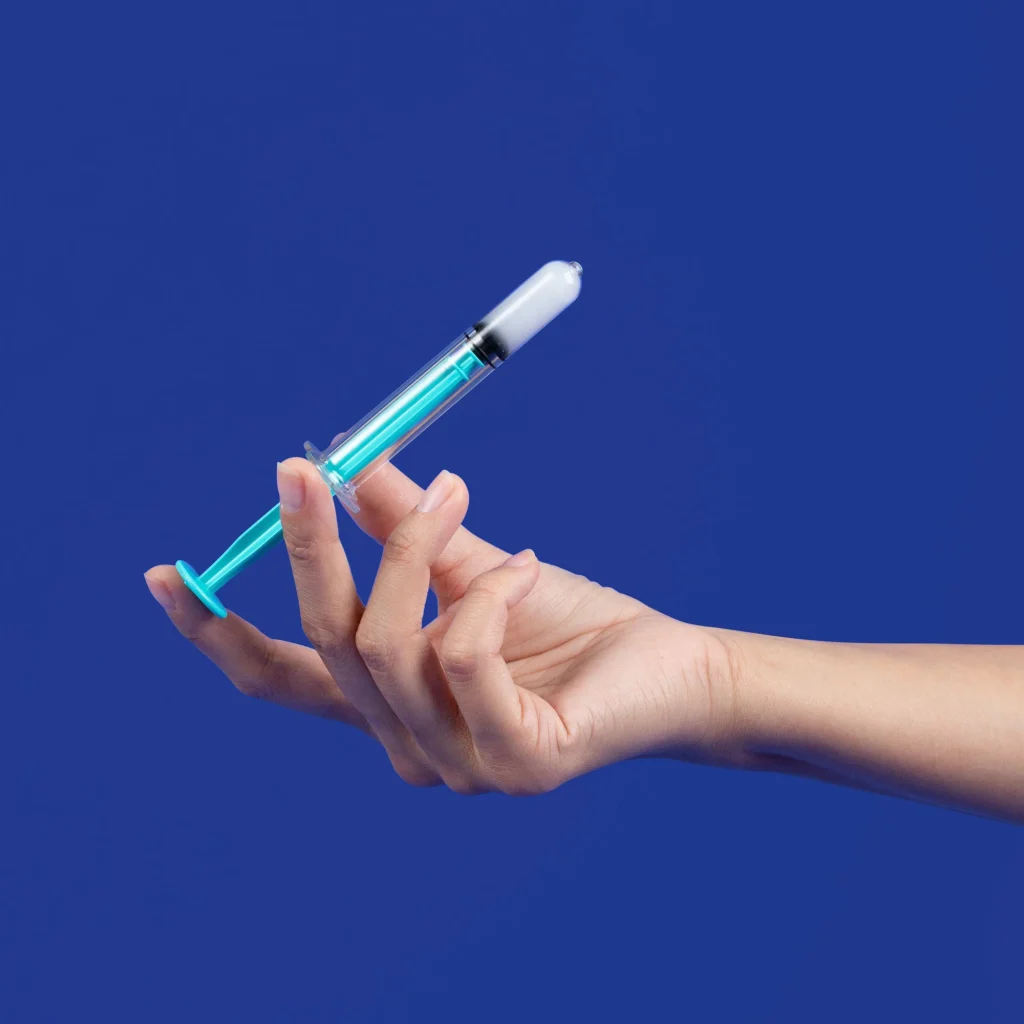
    hand holding a syringe with a blue plunger against a solid blue background

    The Science Behind Insemination on Your Own Terms

    One of the advantages of self-insemination is the ability to use natural methods to increase the chances of conception. For example, some people may choose to use a fertility-friendly lubricant or elevate their hips after insemination to help the sperm reach the cervix more easily. There are also supplements and herbs that can be taken to improve sperm quality and increase chances of conception.

    But is self-insemination a safe and effective option? While there are no guarantees, self-insemination can be a successful method for individuals or couples who are struggling with fertility. However, it is crucial to understand the potential risks and limitations of this method. One risk is the possibility of introducing bacteria into the reproductive tract, which can lead to infections. To minimize this risk, it is crucial to use sterile equipment and to follow proper hygiene practices. It is also essential to have regular check-ups with a healthcare provider to monitor the pregnancy and ensure everything is progressing as it should.

    In terms of effectiveness, self-insemination can have a success rate of around 10-15% per cycle, which is similar to the success rate of IUI. However, this success rate can vary depending on various factors, such as age, sperm quality, and timing. It is essential to have realistic expectations and understand that it may take multiple cycles to achieve pregnancy.

    In conclusion, self-insemination is a viable option for individuals or couples who want to take control of their fertility journey. However, it is crucial to understand the science behind it and the potential risks and limitations. Proper timing, quality of sperm, and using natural methods to increase the chances of conception are all crucial factors in successful self-insemination. It is also essential to have regular check-ups with a healthcare provider and to follow proper hygiene practices to ensure a safe and healthy pregnancy.

    Summary:

    Insemination on your own terms, also known as self-insemination, is a fertility treatment that allows individuals or couples to perform insemination at home. The process involves introducing sperm into the cervix or vagina during the ovulation period. Timing and sperm quality are crucial factors in successful self-insemination. Methods such as using a syringe or menstrual cup can be used to insert the sperm. Natural methods, such as using fertility-friendly lubricants and supplements, can also increase the chances of conception. However, there are potential risks, such as the introduction of bacteria, and the effectiveness can vary depending on various factors. It is essential to have realistic expectations and regular check-ups with a healthcare provider.

  • DIY Fertility: Homemade Tools for Fertility Support

    Blog Post:

    Fertility is a topic that is often shrouded in mystery and misconceptions. Many people struggle with fertility issues and often turn to expensive and invasive medical procedures for help. However, there are also natural and DIY methods that can support fertility and increase the chances of conception. In this blog post, we will discuss homemade tools for fertility support and how they can benefit both men and women on their fertility journey.

    1. Fertility Massage

    Fertility massage is a gentle and non-invasive technique that can help improve reproductive health. It involves massaging the abdominal and pelvic area to stimulate blood flow, reduce inflammation, and break down scar tissue. This can help with issues such as endometriosis, PCOS, and blocked fallopian tubes. You can easily do fertility massage at home with the help of instructional videos or a trained fertility massage therapist.

    2. Castor Oil Packs

    Castor oil packs are another DIY tool for fertility support. They involve applying a cloth soaked in castor oil to the lower abdomen to improve blood circulation, reduce inflammation, and detoxify the reproductive organs. It is believed that castor oil packs can help with issues such as fibroids, ovarian cysts, and blocked fallopian tubes. You can make your own castor oil pack at home by following simple instructions, and it is recommended to use them a few times a week for best results.

    3. Herbal Remedies

    There are many herbs that have been used for centuries to support fertility. Some popular ones include red raspberry leaf, nettle leaf, and maca root. Red raspberry leaf is known for its toning effect on the uterus and can help regulate the menstrual cycle. Nettle leaf is rich in vitamins and minerals that are essential for reproductive health. Maca root is known for its hormone-balancing properties and can help improve sperm quality in men. You can easily make herbal teas or incorporate these herbs into your meals for their fertility benefits.

    4. Acupuncture

    Acupuncture is an ancient Chinese practice that involves inserting thin needles into specific points on the body to improve energy flow. It has been found to be beneficial for fertility by reducing stress, improving blood flow to the reproductive organs, and balancing hormones. You can find an acupuncturist who specializes in fertility or learn how to do basic acupuncture on yourself at home.

    5. Yoga and Meditation

    logo of mosie baby featuring a heart and leaf design in blue, pink, and green colors

    DIY Fertility: Homemade Tools for Fertility Support

    Stress is known to have a negative impact on fertility, and yoga and meditation are great ways to reduce stress levels. Yoga poses such as the butterfly pose, camel pose, and pigeon pose can help improve blood flow to the pelvic area and balance hormones. Meditation can also help you relax and focus on your fertility journey. You can find many fertility-specific yoga and meditation videos online or attend a class in person.

    6. Nutrition

    A healthy and balanced diet is crucial for fertility. Eating a variety of whole foods, including fruits, vegetables, whole grains, and lean proteins, can provide your body with the necessary nutrients for reproductive health. You may also want to consider adding fertility-boosting foods such as avocados, nuts, and leafy greens to your diet. It is also important to stay hydrated by drinking plenty of water and avoiding excessive caffeine and alcohol.

    7. Tracking Your Cycle

    Tracking your menstrual cycle can help you understand your body better and pinpoint your most fertile days. You can use a fertility tracking app or a simple calendar to track your period, ovulation, and any other symptoms you may experience. This can also help you identify any potential issues with your cycle and provide useful information for your healthcare provider.

    8. Fertility Supplements

    There are many supplements available that claim to boost fertility. However, it is important to consult with a healthcare professional before taking any supplements, as they can interact with medications and have potential side effects. Some common supplements for fertility include CoQ10, vitamin D, and omega-3 fatty acids. These supplements can help improve egg and sperm quality and increase chances of conception.

    9. DIY Fertility Tests

    In addition to tracking your menstrual cycle, you can also use DIY fertility tests to get a better understanding of your fertility. These tests can measure hormone levels, ovulation, and sperm count, giving you valuable information to share with your doctor. While they may not be as accurate as medical tests, they can still provide useful insights into your fertility.

    In conclusion, there are many DIY tools for fertility support that can be easily incorporated into your daily routine. However, it is important to remember that everyone’s fertility journey is unique and what works for one person may not work for another. It is always recommended to consult with a healthcare professional before trying any new methods or supplements.

    Summary:

    Fertility issues are common, and many people turn to expensive and invasive medical procedures for help. However, there are DIY methods that can support fertility and increase the chances of conception. Some of these homemade tools include fertility massage, castor oil packs, herbal remedies, acupuncture, yoga and meditation, proper nutrition, tracking your cycle, fertility supplements, and DIY fertility tests. It is important to remember that everyone’s fertility journey is unique, and consulting with a healthcare professional is always recommended.

  • The Ultimate Guide to Conceiving at Home with the Right Support Kit

    Summary:

    Conceiving a baby is a beautiful and exciting journey, but it can also be a daunting and stressful process. Many couples struggle with fertility issues and often turn to medical interventions, but there are also natural ways to increase your chances of conceiving at home. With the right support kit, you can create a healthy and conducive environment for conception and increase your chances of getting pregnant. In this ultimate guide, we will discuss the essential elements of a support kit and how they can aid in your journey to conception.

    Key Elements of a Support Kit:

    1. Tracking Ovulation: The first step in conceiving at home is understanding your menstrual cycle and tracking your ovulation. This can be done through various methods such as tracking basal body temperature, cervical mucus, or using ovulation predictor kits. By knowing when you are most fertile, you can time intercourse accordingly and increase your chances of conception.

    2. Supplements and Vitamins: A balanced and healthy diet is crucial for fertility, but certain supplements and vitamins can also aid in the process. Folic acid, zinc, and iron are essential nutrients for both men and women trying to conceive. These supplements can help regulate hormones, improve sperm and egg quality, and increase fertility.

    3. Stress Management: Stress can have a significant impact on fertility, so it’s crucial to find ways to manage it. Incorporating relaxation techniques such as yoga, meditation, or deep breathing into your daily routine can help reduce stress levels and increase your chances of conception.

    Hands holding a syringe and a small container against a blue background.

    The Ultimate Guide to Conceiving at Home with the Right Support Kit

    4. Fertility-friendly Lubricants: Many couples use lubricants during intercourse, but not all lubricants are sperm-friendly. Some lubricants can harm sperm and decrease their motility, making it harder to conceive. It’s essential to choose a fertility-friendly lubricant or use natural alternatives such as coconut oil.

    5. Healthy Lifestyle Changes: Making healthy lifestyle changes can significantly improve your chances of conceiving. Avoiding alcohol, smoking, and excessive caffeine intake can have a positive impact on fertility. It’s also essential to maintain a healthy weight, as being overweight or underweight can affect hormone levels and ovulation.

    6. Acupuncture: Acupuncture has been used for centuries to treat various health conditions, including infertility. It can help regulate hormones, improve blood flow to the reproductive organs, and reduce stress levels. Many couples have found success in conceiving with the help of acupuncture.

    7. Emotional Support: Going through the journey of conception can be emotionally taxing, and having the right support is crucial. Talk to your partner, family, and friends about your struggles and seek the help of a therapist if needed. Joining support groups or online communities can also provide a sense of belonging and support during this journey.

    Conclusion:

    Conceiving at home with the right support kit can increase your chances of getting pregnant and make the journey to parenthood a more positive and fulfilling experience. By incorporating the essential elements mentioned above into your routine, you can create a healthy and conducive environment for conception. Remember to stay positive, be patient, and seek professional help if needed. With the right support and a positive mindset, you can increase your chances of conceiving and start your journey to parenthood.

  • DIY Baby-Making Assistance: An Alternative Approach to Starting a Family

    DIY Baby-Making Assistance: An Alternative Approach to Starting a Family

    The traditional method of starting a family is often seen as a linear path – meet someone, fall in love, get married, and then have children. But for many couples and individuals, this path may not be possible or desirable. Fortunately, there are alternative options available, including adoption, surrogacy, and fertility treatments. However, these options can be expensive and often come with their own set of challenges and limitations. This is where DIY baby-making assistance comes in as a viable and alternative approach to starting a family.

    DIY baby-making assistance refers to the use of at-home methods and techniques to conceive, without the need for expensive medical interventions. This approach empowers individuals and couples to take control of their own reproductive journey and provides a more cost-effective and accessible way to start a family. In this blog post, we will explore the different methods and techniques of DIY baby-making assistance and the benefits and considerations that come with this alternative approach.

    The Benefits of DIY Baby-Making Assistance

    One of the main benefits of DIY baby-making assistance is the cost savings. Fertility treatments and adoption processes can cost tens of thousands of dollars, making it out of reach for many individuals and couples. DIY methods, on the other hand, are significantly more affordable and can be done in the comfort and privacy of one’s own home.

    Another advantage of DIY baby-making assistance is the level of control and involvement individuals and couples have in the process. With medical interventions, the process is often controlled by doctors and fertility specialists, leaving little room for personal preferences and decisions. DIY methods allow individuals and couples to tailor the process to their specific needs and desires, creating a more personalized and intimate experience.

    Additionally, DIY baby-making assistance can also be a more natural and holistic approach. Fertility treatments often involve the use of medications and invasive procedures, which can have side effects and risks. DIY methods, on the other hand, focus on natural techniques and methods, which can be gentler and more in line with the body’s natural processes.

    Methods of DIY Baby-Making Assistance

    There are various methods and techniques that fall under the umbrella of DIY baby-making assistance. These include tracking ovulation, using natural supplements, and practicing fertility awareness.

    Mosie Baby Kit features a syringe and container, highlighting safety and usability tests on a blue background.

    DIY Baby-Making Assistance: An Alternative Approach to Starting a Family

    Tracking ovulation is a key step in DIY baby-making assistance. It involves monitoring the body’s natural fertility signs, such as changes in cervical mucus and basal body temperature, to determine the most fertile days of the menstrual cycle. This method can be done through various apps, charts, and ovulation predictor kits, making it easily accessible to anyone.

    Natural supplements, such as maca root, red raspberry leaf, and evening primrose oil, have also been shown to improve fertility and increase chances of conception. These supplements can be taken in various forms, including capsules, teas, and tinctures, and can be easily incorporated into one’s daily routine.

    Fertility awareness is another important aspect of DIY baby-making assistance. This involves understanding and tracking one’s own fertility signs and making lifestyle adjustments, such as maintaining a healthy diet and reducing stress, to optimize fertility. Additionally, fertility awareness also includes techniques such as timed intercourse and sperm-friendly lubricants to increase the chances of conception.

    Considerations for DIY Baby-Making Assistance

    While DIY baby-making assistance may seem like an ideal option for starting a family, there are a few considerations to keep in mind. First and foremost, it is important to consult with a healthcare provider and fertility specialist before embarking on any DIY methods. They can provide guidance and ensure that the chosen methods are safe and suitable for individual circumstances.

    It is also essential to manage expectations and understand that DIY methods may not work for everyone. As with any fertility journey, there is no guarantee of success, and it is important to be mentally and emotionally prepared for any outcome.

    Another consideration is the potential risks and limitations of DIY methods. While they may be more natural and less invasive, they may not be suitable for individuals with underlying medical conditions or fertility issues. It is crucial to prioritize one’s health and safety when considering DIY baby-making assistance.

    In conclusion, DIY baby-making assistance offers a more accessible, affordable, and personalized approach to starting a family. It empowers individuals and couples to take control of their own reproductive journey and provides a more natural and holistic alternative to traditional methods. However, it is important to approach DIY methods with caution and seek professional guidance to ensure a safe and successful experience.

    Summary:

    Starting a family through traditional methods may not be possible or desirable for everyone. DIY baby-making assistance offers an alternative approach to starting a family that is more affordable, personalized, and natural. This method involves tracking ovulation, using natural supplements, and practicing fertility awareness. However, it is essential to consult with a healthcare provider and manage expectations, as there are risks and limitations to DIY methods. Overall, DIY baby-making assistance can be a viable and empowering option for those looking to start a family.

  • DIY Baby-Making Assistance: The Benefits for Both Partners

    Blog Post Title: DIY Baby-Making Assistance: The Benefits for Both Partners

    Having a baby is a life-changing experience that many couples dream of. However, for some, conceiving a child may not be as easy as it seems. Fortunately, there are now various DIY baby-making assistance methods that couples can try at home. These methods not only offer convenience and privacy but also come with many benefits for both partners.

    In this blog post, we will explore the different types of DIY baby-making assistance, their benefits, and how they can bring couples closer together in their journey to parenthood.

    Types of DIY Baby-Making Assistance

    1. Ovulation Tracking

    One of the simplest and most natural ways of trying to conceive is by tracking a woman’s ovulation. Ovulation tracking involves monitoring a woman’s menstrual cycle and identifying the most fertile days for conception. This can be done through various methods such as tracking basal body temperature, cervical mucus, or using ovulation predictor kits.

    The benefit of ovulation tracking is that it helps couples understand the woman’s fertility window, increasing their chances of conception. It also allows couples to plan and time intercourse accordingly, making the process more efficient and stress-free.

    2. Fertility Supplements

    Fertility supplements are becoming increasingly popular among couples who are trying to conceive. These supplements contain a mix of essential vitamins, minerals, and herbs that are known to improve fertility and reproductive health in both men and women.

    For women, fertility supplements can help regulate their menstrual cycle and improve the quality of their eggs. For men, these supplements can improve sperm count, motility, and morphology. Taking fertility supplements together can not only boost the couple’s chances of conceiving but also improve their overall health and well-being.

    3. Natural Fertility Boosting Foods

    Another DIY baby-making assistance method is incorporating natural fertility-boosting foods into one’s diet. These include foods rich in antioxidants, healthy fats, and essential vitamins and minerals. Some examples of these foods are leafy greens, berries, avocados, nuts, and seeds.

    Eating a well-balanced and nutrient-rich diet can improve reproductive health in both men and women, making it easier to conceive. It also promotes a healthy pregnancy and can even reduce the risk of certain pregnancy complications.

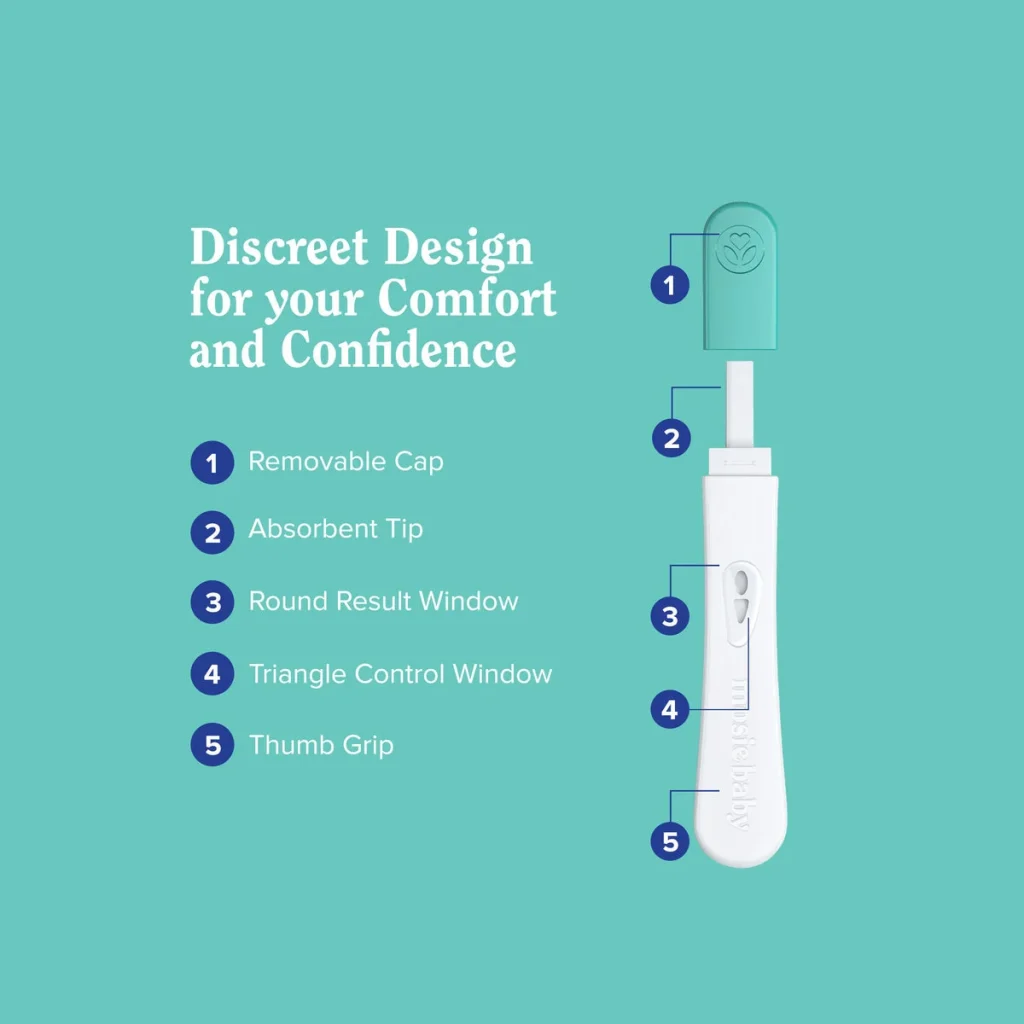
    pregnancy test kit features labeled for comfort and confidence on a teal background

    DIY Baby-Making Assistance: The Benefits for Both Partners

    4. Home Insemination Kits

    Home insemination kits are a popular choice for couples who are trying to conceive at home. These kits come with all the necessary tools for artificial insemination, including a syringe, collection cup, and instructions.

    The benefit of using home insemination kits is that it allows couples to replicate the process of intrauterine insemination (IUI) without having to visit a fertility clinic. It also provides a more intimate and less clinical setting for the couple, making the experience more enjoyable.

    Benefits of DIY Baby-Making Assistance for Both Partners

    1. Increased Communication and Bonding

    Trying to conceive can be a stressful and emotional journey for couples. However, by engaging in DIY baby-making assistance methods together, couples can communicate and bond with each other in a more intimate way. This can strengthen their relationship and bring them closer together as they work towards their goal of starting a family.

    2. Cost-Effective

    Fertility treatments and procedures can be expensive, and not all couples can afford them. DIY baby-making assistance methods, on the other hand, are more cost-effective and can save couples a significant amount of money. This allows couples to continue trying to conceive without breaking the bank.

    3. Privacy and Comfort

    Many couples prefer to keep their fertility journey private and may feel uncomfortable discussing it with others, including medical professionals. DIY baby-making assistance methods provide couples with the privacy and comfort they need as they try to conceive in the comfort of their own home.

    4. Empowerment and Control

    Some couples may feel powerless and out of control when they are unable to conceive on their own. DIY baby-making assistance methods can give them a sense of empowerment and control over their fertility journey. It allows them to take charge of their own reproductive health and make decisions that are best for them.

    In summary, DIY baby-making assistance methods such as ovulation tracking, fertility supplements, natural fertility-boosting foods, and home insemination kits offer many benefits for both partners. They promote communication, bonding, and empowerment while being cost-effective, private, and comfortable. These methods also allow couples to take a more active role in their fertility journey, making the experience more meaningful and rewarding.

    By trying these DIY methods, couples can increase their chances of conceiving and bring themselves one step closer to fulfilling their dream of starting a family.

  • DIY Baby-Making Assistance: A Natural Alternative to IVF

    Blog Post Title: DIY Baby-Making Assistance: A Natural Alternative to IVF

    Summary:

    Many couples struggle with fertility issues and turn to expensive and invasive methods such as in-vitro fertilization (IVF) to conceive a child. However, there is a natural and more affordable alternative that many are not aware of – DIY baby-making assistance.

    DIY baby-making assistance involves using natural methods to increase fertility and increase the chances of conception. This method focuses on improving overall health and addressing any underlying issues that may be causing fertility problems.

    In this blog post, we will explore the benefits of DIY baby-making assistance, the various natural methods that can be used, and how it compares to IVF. We will also provide tips on how to get started and success stories from couples who have successfully conceived using this method.

    Key Points:

    1. The Benefits of DIY Baby-Making Assistance

    – It is a natural and non-invasive method, making it safer for both the mother and baby.
    – It is more affordable compared to IVF, which can cost thousands of dollars.
    – It focuses on improving overall health and addressing underlying issues that may be causing fertility problems.
    – It can be done in the comfort of your own home, eliminating the stress and discomfort of medical procedures.
    – It can be used by both men and women, making it a more inclusive method for couples struggling with fertility.

    Mosie Baby Kit with a syringe and container, highlighting safety and usability features on a blue background.

    DIY Baby-Making Assistance: A Natural Alternative to IVF

    2. Natural Methods for DIY Baby-Making Assistance

    – Eating a fertility-boosting diet: Consuming a diet rich in nutrients and antioxidants can improve the quality of sperm and eggs, increasing the chances of conception.
    – Herbal supplements: Certain herbs and supplements, such as maca root and chasteberry, have been known to improve fertility in both men and women.
    – Acupuncture: This traditional Chinese medicine technique can help balance hormones and improve blood flow to the reproductive organs.
    – Yoga and meditation: Stress can have a negative impact on fertility, and practicing yoga and meditation can help reduce stress and promote relaxation.
    – Fertility massage: This type of massage focuses on improving blood flow to the reproductive organs and can help address any blockages or scar tissue that may be hindering conception.

    3. DIY Baby-Making Assistance vs. IVF

    – Cost: As mentioned earlier, IVF can cost thousands of dollars, while DIY baby-making assistance is more affordable.
    – Invasiveness: IVF involves medical procedures such as egg retrieval and implantation, while DIY baby-making assistance is non-invasive.
    – Success rates: While IVF has a higher success rate, DIY baby-making assistance has been successful for many couples and can improve the chances of conception.
    – Side effects: IVF can have side effects such as mood swings and bloating, while DIY baby-making assistance has little to no side effects.

    4. Tips for Getting Started with DIY Baby-Making Assistance

    – Consult with a healthcare provider: Before starting any natural methods, it is important to consult with a healthcare provider to address any underlying health issues.
    – Do your research: Educate yourself on the various natural methods and choose the ones that best suit your needs and preferences.
    – Be patient: Unlike IVF, which can have immediate results, DIY baby-making assistance may take longer to show results. It is important to be patient and consistent with the chosen methods.

    5. Success Stories

    – There are numerous success stories of couples who have successfully conceived using DIY baby-making assistance. These couples have shared their stories and tips on various online platforms, providing inspiration and hope for others struggling with fertility issues.

    In conclusion, DIY baby-making assistance is a natural and affordable alternative to IVF. It focuses on improving overall health and addressing underlying issues that may be causing fertility problems. While IVF may still be necessary for some couples, DIY baby-making assistance is a great option to consider before turning to more invasive and expensive methods.

  • DIY Baby-Making Assistance: The Role of Nutrition and Exercise

    Blog Post: DIY Baby-Making Assistance: The Role of Nutrition and Exercise

    Becoming a parent is one of the greatest joys in life, and for many couples, the journey to parenthood may not come as easily as they had hoped. While there are various medical interventions available to assist with conception, there are also natural methods that can be utilized to increase the chances of getting pregnant. Nutrition and exercise play a crucial role in fertility and can be powerful tools for those looking to conceive. In this blog post, we will explore the role of nutrition and exercise in DIY baby-making assistance and how they can help you on your journey to parenthood.

    The Connection Between Nutrition and Fertility

    It is a well-known fact that a healthy and balanced diet is essential for overall health and well-being. However, when it comes to fertility, the impact of nutrition cannot be overstated. Studies have shown that certain nutrients can affect reproductive health and increase the chances of conception. Let’s take a closer look at some of these nutrients and how they can help with DIY baby-making assistance.

    1. Folic Acid

    Folic acid is a B-vitamin that is crucial for cell growth and development. It is recommended for women who are trying to conceive to take a daily supplement of 400-800 mcg of folic acid. This vitamin is essential for the development of the baby’s neural tube, which forms in the first few weeks of pregnancy. Adequate folic acid intake can also help prevent birth defects such as spina bifida and anencephaly.

    2. Iron

    Iron is another important nutrient for fertility. It helps in the formation of red blood cells and is essential for the transportation of oxygen to the cells in the body. For women who are trying to conceive, it is recommended to consume at least 18 mg of iron daily. Iron can be found in foods such as red meat, beans, leafy greens, and fortified cereals.

    3. Omega-3 Fatty Acids

    Omega-3 fatty acids are healthy fats that are found in fish, nuts, and seeds. These fatty acids help regulate hormones, improve egg quality, and increase blood flow to the reproductive organs. A study published in the Journal of Lipid Research found that women who consumed higher amounts of omega-3 fatty acids had a higher chance of getting pregnant through fertility treatments.

    4. Antioxidants

    Antioxidants are compounds that protect the cells from damage caused by free radicals. Free radicals can cause harm to sperm and eggs, leading to fertility issues. Consuming a diet rich in antioxidants can help reduce this damage and increase the chances of conception. Some foods that are high in antioxidants include berries, dark leafy greens, and nuts.

    The Role of Exercise in Fertility

    Mosie Baby Kit with a syringe and container, highlighting safety and usability features on a blue background.

    DIY Baby-Making Assistance: The Role of Nutrition and Exercise

    Exercise is not only beneficial for physical health but can also have a positive impact on fertility. Studies have shown that regular exercise can improve reproductive function, regulate hormones, and help maintain a healthy weight, all of which can assist in DIY baby-making. Let’s take a look at some exercises that can be helpful for fertility.

    1. Yoga

    Yoga is a low-impact exercise that can help reduce stress and improve blood flow to the reproductive organs. Certain yoga poses, such as the cobra pose and the seated forward bend, can specifically target the reproductive organs and help improve their function.

    2. Cardiovascular Exercises

    Regular cardiovascular exercises such as walking, running, or cycling can help maintain a healthy weight and improve blood flow to the reproductive organs. Aim for at least 30 minutes of moderate-intensity exercise, five days a week.

    3. Strength Training

    Incorporating strength training into your exercise routine can help improve muscle mass and regulate hormones. Aim for two to three strength training sessions per week, focusing on all major muscle groups.

    4. Mind-Body Exercises

    Mind-body exercises such as tai chi and qigong have been found to reduce stress and improve overall well-being. These exercises can also help regulate hormones and improve fertility.

    The Importance of a Healthy Lifestyle

    In addition to proper nutrition and exercise, it is essential to maintain a healthy lifestyle when trying to conceive. This includes avoiding smoking, excessive alcohol consumption, and managing stress levels. Smoking has been linked to fertility issues in both men and women, and excessive alcohol consumption has been found to affect sperm quality. Stress can also have a negative impact on fertility by disrupting hormone levels. It is important to find healthy ways to manage stress, such as through exercise, meditation, or talking to a therapist.

    In conclusion, nutrition and exercise play a crucial role in DIY baby-making assistance. By incorporating a healthy and balanced diet and regular exercise into your lifestyle, you can increase your chances of conceiving naturally. It is important to consult with a healthcare professional before making any significant changes to your diet or exercise routine. Remember, every body is different, and what works for one person may not work for another. With patience, perseverance, and a healthy lifestyle, you can increase your chances of achieving your dream of becoming a parent.

    Summary:

    DIY baby-making assistance is a natural and holistic approach to increase the chances of conception. Nutrition and exercise play a crucial role in fertility and can be powerful tools for couples looking to start a family. Adequate intake of nutrients such as folic acid, iron, omega-3 fatty acids, and antioxidants can help improve reproductive health. Regular exercise, including yoga, cardiovascular exercises, strength training, and mind-body exercises, can also enhance fertility. Maintaining a healthy lifestyle by avoiding smoking, excessive alcohol consumption, and managing stress levels is equally important. Consulting with a healthcare professional is recommended before making any significant changes to your diet or exercise routine. With patience, perseverance, and a healthy lifestyle, DIY baby-making assistance can help couples achieve their dream of parenthood.

  • DIY Methods to Improve Your Odds of Getting Pregnant

    Blog Post:

    Trying to conceive can be a challenging and emotional journey for many couples. While some may have success right away, others may struggle for months or even years. If you’re looking to improve your odds of getting pregnant, there are some DIY methods you can try at home. These methods may not guarantee pregnancy, but they can certainly increase your chances. In this blog post, we will discuss some natural and cost-effective ways to improve your odds of getting pregnant.

    1. Know Your Fertile Window
    The first step in improving your odds of getting pregnant is knowing your fertile window. This is the time during your menstrual cycle when you are most likely to conceive. It usually occurs around the time of ovulation, which is when a mature egg is released from the ovary. To determine your fertile window, you can use an ovulation predictor kit or track your basal body temperature. Ovulation predictor kits detect the surge of luteinizing hormone (LH) in your urine, which happens 12-36 hours before ovulation. Tracking your basal body temperature involves taking your temperature every morning before getting out of bed. A slight increase in temperature indicates that ovulation has occurred.

    2. Optimize Your Diet
    A healthy and balanced diet is crucial for overall health, including fertility. Certain nutrients and vitamins can improve your chances of getting pregnant. These include folic acid, iron, and vitamin D. Folic acid is essential for fetal development and can reduce the risk of birth defects. Iron helps in the production of healthy eggs and sperm, and vitamin D is crucial for regulating hormones. Make sure to include foods like leafy greens, whole grains, lean proteins, and fruits and vegetables in your diet.

    3. Reduce Stress
    Stress can have a significant impact on your fertility. When you are stressed, your body produces higher levels of cortisol, which can interfere with ovulation and sperm production. It’s essential to find ways to manage stress, such as practicing yoga, meditation, or deep breathing exercises. You can also try acupuncture, which has been shown to reduce stress and improve fertility.

    4. Maintain a Healthy Weight
    Being underweight or overweight can affect your fertility. Women who are underweight may have irregular periods or stop ovulating altogether. On the other hand, being overweight can lead to hormonal imbalances and interfere with ovulation. Maintaining a healthy weight can improve your chances of getting pregnant. If you’re trying to conceive, speak to your doctor about a healthy weight range for your body.

    guide and materials for using Mosie Baby fertility kit on a textured surface

    DIY Methods to Improve Your Odds of Getting Pregnant

    5. Quit Smoking and Limit Alcohol
    Smoking and excessive alcohol consumption can have a negative impact on fertility. Both can damage eggs and sperm, making it challenging to conceive. Smoking also increases the risk of miscarriage and ectopic pregnancy. If you’re trying to get pregnant, it’s best to quit smoking and limit alcohol consumption to no more than one drink per day.

    6. Try Natural Supplements
    In addition to a healthy diet, certain natural supplements can improve fertility. These include CoQ10, which helps improve egg quality, and omega-3 fatty acids, which can increase blood flow to the reproductive organs. You can also try maca root, which is believed to regulate hormones and improve fertility in both men and women.

    7. Monitor Your Cervical Mucus
    Cervical mucus plays a vital role in fertility. It helps sperm travel to the egg and creates a hospitable environment for fertilization. By monitoring your cervical mucus, you can determine when you are most fertile. During ovulation, your cervical mucus will be thin, clear, and stretchy, resembling egg whites. Tracking your cervical mucus can help you time intercourse for the best chances of getting pregnant.

    8. Have Sex Regularly
    Having sex regularly, especially during your fertile window, can increase your odds of getting pregnant. While some couples may try to time intercourse for specific days, having sex every 2-3 days throughout the month can improve your chances. This ensures that sperm is always present in the reproductive tract and increases the likelihood of fertilization.

    9. Consider Alternative Methods
    If you’ve been trying to conceive for a while without success, you may want to consider alternative methods. These include intrauterine insemination (IUI) and in vitro fertilization (IVF). IUI involves placing sperm directly into the uterus, while IVF involves fertilizing eggs with sperm in a laboratory and then transferring the embryo into the uterus. Both methods can increase your chances of getting pregnant, but they can also be costly and may require medical assistance.

    In summary, improving your odds of getting pregnant can involve making simple lifestyle changes and monitoring your body’s signals. Knowing your fertile window, maintaining a healthy diet and weight, reducing stress, and quitting smoking and limiting alcohol can all increase your chances of conceiving naturally. You can also try natural supplements, monitor your cervical mucus, and have sex regularly. If these methods do not work, consider alternative methods with the guidance of a medical professional.

  • Affordable DIY Tools for Boosting Fertility and Achieving Conception

    Blog Post:

    Are you and your partner struggling to conceive? Have you been considering expensive fertility treatments, but aren’t quite ready to take that step yet? Or maybe you just want to try some natural methods to boost your fertility and increase your chances of conception. Whatever your situation may be, there are affordable DIY tools that can help you on your journey to parenthood. In this blog post, we’ll explore some of the most effective and budget-friendly tools for boosting fertility and achieving conception.

    1. Fertility Tracking Apps

    One of the first steps in increasing your chances of conception is to track your fertility. By monitoring your menstrual cycle, ovulation, and other important factors, you can better understand your body’s natural rhythm and determine the best time to try for a baby. Fertility tracking apps, such as Clue, Flo, and Kindara, make this process easy and convenient. These apps allow you to track your cycle, record any symptoms or changes, and provide personalized insights and predictions for your fertility. Best of all, most of these apps are free or offer affordable premium options.

    2. Ovulation Predictor Kits

    For a more accurate and precise way to track your ovulation, consider using ovulation predictor kits (OPKs). These kits detect the surge in luteinizing hormone (LH) that occurs just before ovulation, allowing you to pinpoint the most fertile days of your cycle. OPKs are available at most drugstores and are relatively inexpensive. They can also be purchased in bulk online for even more savings. By using OPKs, you can time intercourse more effectively and increase your chances of conceiving.

    3. Fertility-Friendly Lubricants

    Did you know that some lubricants can actually hinder sperm movement and decrease your chances of conceiving? That’s where fertility-friendly lubricants come in. These lubricants are specially formulated to be sperm-friendly and mimic the consistency of cervical mucus. Popular brands include Pre-Seed, Conceive Plus, and Yes Baby. They are also free from harmful chemicals and hormones, making them safe to use while trying to conceive.

    4. Fertility Supplements

    In addition to a healthy diet, certain supplements can help boost your fertility. These include folic acid, vitamin D, and omega-3 fatty acids. Folic acid is essential for proper fetal development and can help prevent birth defects. Vitamin D is important for hormone balance and ovulation, while omega-3 fatty acids can improve sperm quality and motility. These supplements can easily be found at your local drugstore or health food store and are relatively inexpensive.

    Baby wearing a blue shirt with "made with Love" text, surrounded by colorful floral and butterfly designs.

    Affordable DIY Tools for Boosting Fertility and Achieving Conception

    5. Acupuncture

    Acupuncture has been used for centuries to treat various health issues, including infertility. This ancient Chinese practice involves inserting thin needles into specific points on the body to stimulate energy flow and promote healing. Studies have shown that regular acupuncture sessions can help regulate hormones, improve blood flow to the uterus, and increase the chances of conception. While acupuncture may not be the cheapest option on this list, it is still more affordable than most fertility treatments and has the added benefit of promoting overall health and relaxation.

    6. Yoga and Meditation

    Stress and anxiety can have a negative impact on fertility, so it’s important to find ways to relax and reduce stress levels. Yoga and meditation are great tools for achieving this. Not only do they help calm the mind and reduce stress, but they also improve blood flow to the reproductive organs and balance hormones. There are many free yoga and meditation resources available online, making it an affordable and accessible option for boosting fertility.

    7. DIY Fertility Massage

    Fertility massage is a gentle, non-invasive technique that can help improve blood flow to the uterus and ovaries, support hormone balance, and reduce stress. While it’s typically performed by a professional, there are plenty of tutorials and resources available to learn how to do it yourself at home. All you need is some massage oil and a few minutes of your time each day to reap the benefits of this budget-friendly fertility tool.

    8. Mind-Body Programs

    Mind-body programs, such as The Mindful Fertility Project and Circle and Bloom, combine relaxation techniques, meditation, and education to help women and couples improve their fertility. These programs can be accessed online and offer affordable options such as monthly subscriptions or one-time purchases. By incorporating mind-body techniques into your fertility journey, you can reduce stress, improve overall health, and increase your chances of conception.

    Summary:

    Achieving conception can be a challenging and sometimes expensive journey. However, there are many affordable DIY tools that can help boost fertility and increase the chances of conceiving. Fertility tracking apps, ovulation predictor kits, fertility-friendly lubricants, and supplements are all budget-friendly options for monitoring and improving fertility. Acupuncture, yoga, meditation, and fertility massage are also effective tools for reducing stress and promoting reproductive health. Additionally, mind-body programs offer a holistic approach to fertility and can be accessed online at a reasonable cost. By incorporating these tools into your fertility journey, you can increase your chances of conception without breaking the bank.