Tag: relaxation techniques

  • Preparing for Home Insemination: Physical and Mental Health

    Blog Post: Preparing for Home Insemination: Physical and Mental Health

    Bringing a new life into the world is a beautiful and exciting journey, and for some individuals or couples, home insemination may be the path they choose. Whether it be due to fertility struggles, wanting to have a child without a partner, or any other personal reason, home insemination allows individuals or couples to take control of their reproductive journey. However, before embarking on this venture, it is essential to prepare both physically and mentally for this process. In this blog post, we will discuss the necessary steps to take to ensure a successful and healthy home insemination experience.

    Physical Health Preparation

    1. Consult with a Healthcare Provider

    Before proceeding with home insemination, it is crucial to consult with a healthcare provider. They will be able to give you personalized advice and recommendations based on your medical history and any potential risk factors. They can also perform any necessary tests to ensure that you and your partner are physically ready for the insemination process.

    2. Track Your Ovulation

    Tracking your ovulation is a crucial step in the home insemination process. This involves monitoring your menstrual cycle and identifying when you are most fertile. There are various methods of tracking ovulation, including using ovulation predictor kits, tracking basal body temperature, or monitoring changes in cervical mucus. Knowing your ovulation window will help you time the insemination at the most optimal time for conception.

    3. Practice Good Hygiene

    Maintaining good hygiene is of utmost importance when preparing for home insemination. This includes washing your hands and any equipment used in the process thoroughly. It is also recommended to avoid any scented products in the genital area, as they can interfere with sperm motility.

    4. Consider Supplements and Nutrition

    comparison of Mosie syringe opening versus standard syringe opening with text highlighting benefits

    Preparing for Home Insemination: Physical and Mental Health

    Certain supplements and nutrition can help improve fertility and increase the chances of successful insemination. These include folic acid, vitamin D, and omega-3 fatty acids. It is essential to consult with a healthcare provider before starting any new supplements or making significant changes to your diet.

    Mental Health Preparation

    1. Communicate with Your Partner

    Open and honest communication with your partner is crucial when preparing for home insemination. This journey can be emotionally taxing, and it is essential to have a supportive partner by your side. Talk about your feelings, expectations, and any concerns you may have. This will help strengthen your bond and ensure that you are both on the same page.

    2. Seek Support from Friends and Family

    Having a strong support system during this journey can make a significant difference in your mental health. Reach out to friends and family who you feel comfortable sharing this experience with. They can provide emotional support and be a source of positivity and encouragement.

    3. Educate Yourself

    The more you know about the home insemination process, the more confident and prepared you will feel. Do your research and educate yourself on the various methods of insemination, potential risks, and what to expect during and after the process. You can also seek guidance from online forums or support groups of individuals who have gone through home insemination themselves.

    4. Practice Relaxation Techniques

    The home insemination process can be stressful, and it is essential to find ways to relax and manage any anxiety or tension. This can include practices such as meditation, yoga, deep breathing, or any activity that helps you destress. Relaxation techniques can also be beneficial during the actual insemination process to help you stay calm and focused.

    In summary, preparing for home insemination involves both physical and mental health preparation. It is crucial to consult with a healthcare provider, track ovulation, practice good hygiene, and consider supplements and nutrition for physical health preparation. For mental health preparation, communicate with your partner, seek support from friends and family, educate yourself, and practice relaxation techniques. By taking these steps, you can ensure a healthy and successful home insemination experience.


  • Incorporating Alternative Medicine into Home Insemination

    Incorporating Alternative Medicine into Home Insemination: A Comprehensive Guide

    In recent years, there has been a growing interest in alternative medicine, especially among those trying to conceive. With the rise in popularity of home insemination, many people are now wondering if there are alternative medicine practices that can help enhance their chances of success. While there is no guarantee that alternative medicine will lead to a successful pregnancy, incorporating certain practices and techniques into home insemination may provide some benefits. In this blog post, we will discuss the different ways to incorporate alternative medicine into home insemination and how it can potentially improve the chances of conception.

    Understanding Alternative Medicine

    Before delving into how alternative medicine can be incorporated into home insemination, it is important to understand what it is. Alternative medicine refers to any medical practice or treatment that is not considered a part of traditional medicine. It includes a wide range of practices such as acupuncture, herbal medicine, meditation, and chiropractic care. These practices are often used as a complementary or alternative approach to conventional medicine.

    Benefits of Alternative Medicine in Home Insemination

    Many people turn to alternative medicine in hopes of improving their overall health and wellbeing. When it comes to home insemination, some alternative medicine practices may have specific benefits that can aid in the process. These include:

    1. Reducing Stress and Anxiety

    Trying to conceive can be a stressful and emotional journey for many individuals. Stress and anxiety can have a negative impact on fertility by disrupting hormone levels and ovulation. Incorporating relaxation techniques such as yoga, meditation, and acupuncture into the home insemination process can help reduce stress and promote a relaxed state of mind. This, in turn, can improve the chances of successful insemination.

    2. Balancing Hormones

    Hormonal imbalances are one of the leading causes of infertility. Alternative medicine practices such as herbal remedies and acupuncture have been shown to help regulate hormone levels and improve fertility. For example, certain herbs like black cohosh and chasteberry have been used for centuries to balance hormones and promote ovulation.

    3. Improving Blood Flow to Reproductive Organs

    Proper blood flow to the reproductive organs is crucial for successful conception. Alternative medicine practices like acupuncture, massage therapy, and reflexology can help improve blood flow to the reproductive organs, thereby increasing the chances of successful insemination.

    4. Boosting the Immune System

    Mosie Baby Kit features a syringe and container, highlighting safety and usability tests on a blue background.

    Incorporating Alternative Medicine into Home Insemination

    A strong immune system is essential for a healthy pregnancy. Alternative medicine practices like herbal supplements and acupuncture can help boost the immune system, making the body more receptive to pregnancy.

    Incorporating Alternative Medicine into Home Insemination

    Now that we have discussed the potential benefits of alternative medicine in home insemination, let’s look at some specific ways to incorporate these practices into the process.

    1. Consult with a Professional

    Before incorporating any alternative medicine practices into home insemination, it is important to consult with a professional. A licensed acupuncturist or herbalist can provide guidance on which practices and remedies are safe and most beneficial for your specific situation.

    2. Use Herbal Remedies

    Certain herbs have been used for centuries to aid in fertility and conception. Some of the most commonly used herbs for home insemination include black cohosh, chasteberry, red raspberry leaf, and maca root. However, it is important to consult with a professional before using any herbal remedies, as some may have side effects or interact with other medications.

    3. Try Acupuncture

    Acupuncture is a traditional Chinese medicine practice that involves inserting thin needles into specific points on the body to promote healing. Studies have shown that acupuncture can help improve fertility by reducing stress, balancing hormones, and improving blood flow to the reproductive organs. Many acupuncturists also offer specialized treatments for those undergoing fertility treatments like home insemination.

    4. Practice Relaxation Techniques

    As mentioned earlier, stress and anxiety can have a negative impact on fertility. Incorporating relaxation techniques like yoga, meditation, and deep breathing into the home insemination process can help reduce stress and promote a relaxed state of mind.

    5. Consider Chiropractic Care

    Chiropractic care involves the manipulation of the spine and other joints to improve overall health and wellbeing. Some studies have shown that chiropractic adjustments can help improve fertility by promoting proper nerve function and balancing hormones.

    In summary, alternative medicine practices can potentially enhance the chances of successful home insemination by reducing stress, balancing hormones, improving blood flow, and boosting the immune system. However, it is important to consult with a professional before incorporating any alternative medicine practices into the process.

  • DIY Fertility Boosting: 23 Tools for a Happier and Healthier Pregnancy

    Summary:

    When it comes to fertility and pregnancy, many individuals may feel out of control and unsure of what they can do to improve their chances of conceiving and having a healthy pregnancy. However, there are numerous DIY fertility boosting tools that can help individuals take control of their fertility and increase their chances of having a happy and healthy pregnancy. In this blog post, we will cover 23 different tools that can aid in boosting fertility, including lifestyle changes, natural remedies, and medical interventions. By incorporating these tools into your daily routine, you can take proactive steps towards a happier and healthier pregnancy.

    1. Exercise: Regular physical activity can improve fertility by reducing stress, balancing hormones, and increasing blood flow to reproductive organs.

    2. Healthy Diet: A well-balanced diet rich in nutrients, antioxidants, and healthy fats can improve fertility and support a healthy pregnancy.

    3. Stress Management: Chronic stress can negatively impact fertility, so it’s important to find healthy ways to manage stress, such as meditation, yoga, or therapy.

    4. Adequate Sleep: Getting enough quality sleep is crucial for hormone balance and overall health, which can aid in fertility and pregnancy.

    5. Maintain a Healthy Weight: Being underweight or overweight can affect hormone levels and ovulation, so it’s essential to maintain a healthy weight for optimal fertility.

    6. Fertility Tracking: Tracking your menstrual cycle and ovulation can help you identify your most fertile days and increase your chances of conception.

    7. Natural Supplements: Certain supplements like folic acid, CoQ10, and omega-3 fatty acids can support fertility and a healthy pregnancy.

    8. Acupuncture: This ancient Chinese therapy can help regulate hormones, improve blood flow, and reduce stress, making it a popular fertility treatment.

    9. Chiropractic Care: Chiropractic adjustments can improve nervous system function and balance hormones, making it a useful tool for fertility and pregnancy.

    10. Essential Oils: Some essential oils, like lavender and clary sage, have been shown to balance hormones and improve fertility.

    11. Yoga for Fertility: Certain yoga poses can increase blood flow to the reproductive organs and help regulate hormones, improving fertility and pregnancy.

    Smiling baby in a blue onesie with "made with Love" text, lying on a light blue crocheted blanket.

    DIY Fertility Boosting: 23 Tools for a Happier and Healthier Pregnancy

    12. Massage: Fertility massage techniques can help stimulate blood flow to the reproductive organs and balance hormones.

    13. Herbal Remedies: Certain herbs, like red raspberry leaf and nettle, can support hormonal balance and fertility.

    14. Limit Toxins: Exposure to toxins, such as alcohol, tobacco, and environmental pollutants, can affect fertility and pregnancy, so it’s essential to limit exposure.

    15. Meditation: Regular meditation can help reduce stress, balance hormones, and increase fertility.

    16. Traditional Chinese Medicine (TCM): TCM, including acupuncture and herbal remedies, can help regulate hormones and improve fertility.

    17. Improve Male Fertility: Both partners play a role in fertility, so men can also take steps to improve their sperm health through diet, exercise, and supplements.

    18. Relaxation Techniques: Relaxation techniques like deep breathing and visualization can reduce stress and improve fertility.

    19. Fertility Diet: Some foods, like leafy greens, organic meats, and healthy fats, can support fertility and a healthy pregnancy.

    20. Homeopathy: Homeopathic remedies can help regulate hormones and improve fertility.

    21. Avoid Harmful Chemicals: Certain chemicals, like BPA and phthalates, can disrupt hormones and affect fertility, so it’s essential to avoid exposure.

    22. Medical Interventions: In some cases, medical interventions, like fertility medications or assisted reproductive technologies, may be necessary to boost fertility and achieve pregnancy.

    23. Seek Support: Fertility struggles can be emotionally and mentally taxing, so it’s crucial to seek support from loved ones, a therapist, or a support group.

    By incorporating these 23 tools into your daily routine, you can take proactive steps towards a happier and healthier pregnancy. Remember, every individual’s fertility journey is unique, so it’s essential to find what works best for you and consult with your doctor before making any significant changes.

  • The Role of Stress in At-Home Conception: Managing Your Mindset

    Blog Post Title: The Role of Stress in At-Home Conception: Managing Your Mindset

    Summary:

    Trying to conceive can be a stressful and emotional journey for many couples. With the added pressure of attempting to conceive at home, the stress levels can increase even more. However, research has shown that stress can have a significant impact on fertility and can hinder the process of conception. Managing your mindset and reducing stress levels can not only improve your overall well-being, but also increase your chances of successfully conceiving at home. In this blog post, we will discuss the role of stress in at-home conception and provide tips on how to manage your mindset for a more positive and successful conception journey.

    The Link Between Stress and Fertility:

    Stress is a natural response to challenging situations, and it can have both physical and emotional effects on the body. When the body is under stress, it produces a hormone called cortisol, which can disrupt the delicate hormonal balance needed for conception. High levels of cortisol can lead to irregular ovulation and disrupt the menstrual cycle, making it difficult to track the most fertile days. Additionally, stress can also affect sperm health and reduce the chances of fertilization.

    Furthermore, stress can also have a significant impact on a couple’s sex life. With the pressure and anxiety of trying to conceive, sex can become less enjoyable and more of a chore, leading to a decrease in sexual desire and frequency. This, in turn, can decrease the chances of successful conception.

    Tips for Managing Your Mindset:

    1. Acknowledge and Address Your Feelings:

    The first step in managing stress is to acknowledge and address your feelings. Trying to conceive can be an emotional rollercoaster, and it is entirely normal to feel anxious, frustrated, or even depressed at times. It is essential to allow yourself to feel these emotions and talk to your partner or a trusted friend about your feelings. Bottling up emotions can increase stress levels and make it more challenging to manage your mindset.

    2. Practice Relaxation Techniques:

    Incorporating relaxation techniques into your daily routine can help reduce stress and promote a more positive mindset. These can include deep breathing exercises, meditation, yoga, or even taking a warm bath. Find what works best for you and make it a daily practice to help manage stress levels.

    Baby wearing a blue shirt with "made with Love" text, surrounded by colorful floral and butterfly designs.

    The Role of Stress in At-Home Conception: Managing Your Mindset

    3. Exercise Regularly:

    Exercise is not only beneficial for your overall health but can also reduce stress levels. Physical activity releases endorphins, also known as the “feel-good” hormones, which can improve mood and reduce anxiety. Even a simple 30-minute walk can make a significant difference in managing stress and promoting a healthier mindset.

    4. Seek Professional Help:

    If you are struggling to manage your stress levels on your own, do not hesitate to seek professional help. A therapist or counselor can provide you with coping mechanisms and techniques to manage your stress and improve your mindset. It is essential to prioritize your mental health during this journey.

    5. Practice Positive Thinking:

    The power of positive thinking should not be underestimated, especially when trying to conceive. Instead of focusing on the stress and difficulties of the journey, try to shift your mindset to a more positive outlook. Visualize yourself successfully conceiving and becoming a parent, and surround yourself with positive affirmations and support from loved ones.

    6. Take Breaks:

    It is crucial to take breaks and give yourself some time to relax and recharge. Constantly thinking about trying to conceive can be overwhelming and increase stress levels. Plan a weekend getaway, go for a date night with your partner, or engage in activities that you enjoy. These breaks can help reduce stress and improve your mindset when you return to trying to conceive.

    7. Stay Connected with Your Partner:

    It is essential to maintain a strong connection with your partner during this journey. Communicate openly and support each other through the highs and lows. Try to keep the romance and intimacy alive in your relationship, even if it means taking a break from trying to conceive for a little while. This can help reduce stress and improve your chances of successfully conceiving.

    Conclusion:

    Managing your mindset and reducing stress levels are crucial factors in improving your chances of conceiving at home. The journey to parenthood can be a stressful one, but by following these tips, you can create a more positive and supportive environment for conception. Remember to prioritize your mental health and seek professional help if needed. With the right mindset, you can increase your chances of successfully conceiving and embark on the beautiful journey of parenthood.

  • The Mind-Body Connection in DIY Baby-Making: Essential Practices for a Positive Pregnancy Experience

    Blog Post Title: The Mind-Body Connection in DIY Baby-Making: Essential Practices for a Positive Pregnancy Experience

    Summary:

    The journey of pregnancy can be both exciting and overwhelming for expectant parents. While the focus is often on the physical changes and preparations for the baby’s arrival, it is crucial not to neglect the mind-body connection during this transformative time. In this blog post, we will discuss the importance of the mind-body connection in DIY baby-making and share essential practices for a positive pregnancy experience.

    The Mind-Body Connection:

    The mind-body connection refers to the link between our thoughts, emotions, and physical health. It is believed that our mental and emotional state can affect our physical well-being, and vice versa. For couples trying to conceive, nurturing the mind-body connection is crucial as it can impact their fertility and pregnancy experience.

    Practices for a Positive Pregnancy Experience:

    1. Cultivate a Positive Mindset: The journey of pregnancy can bring about many emotions, from joy and excitement to fear and anxiety. It is essential to cultivate a positive mindset and focus on the present moment. Practicing mindfulness and gratitude can help in reducing stress and promoting relaxation.

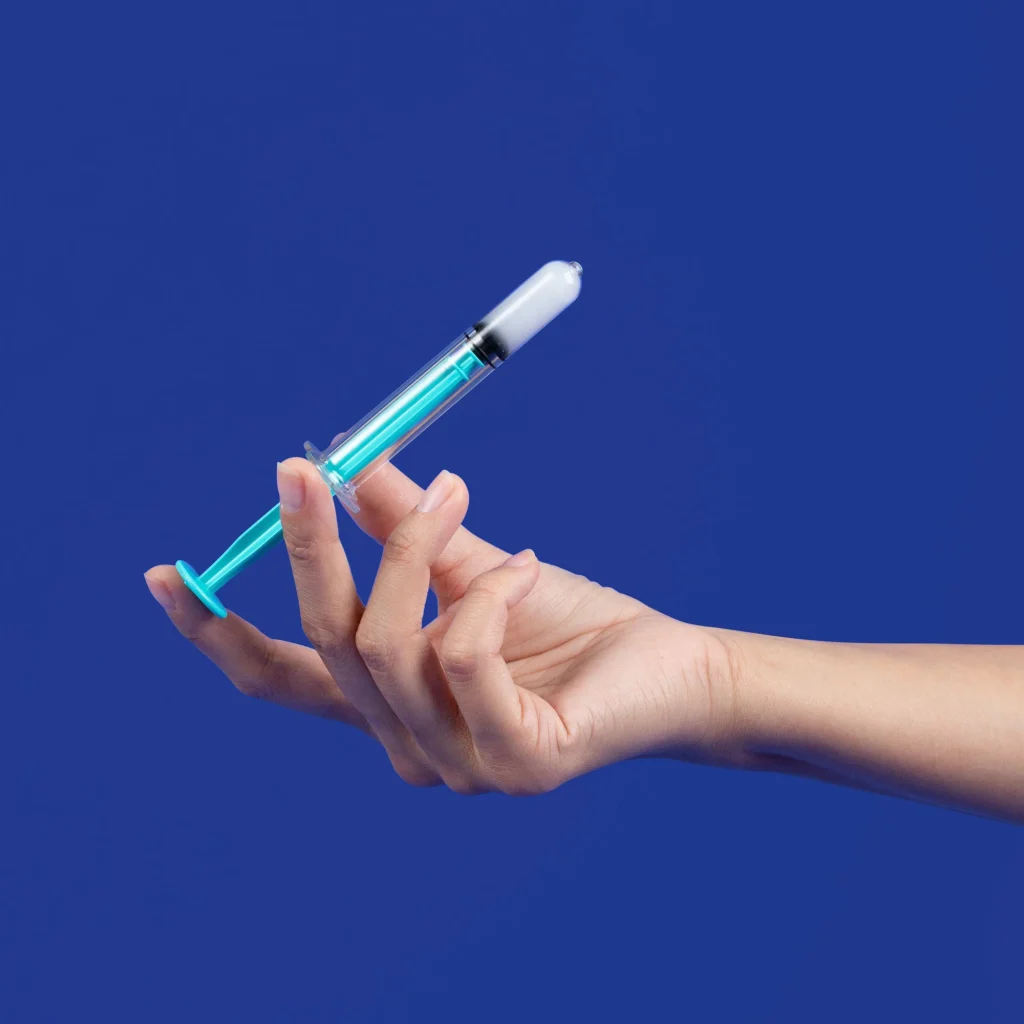
    hand holding a syringe with a blue plunger against a solid blue background

    The Mind-Body Connection in DIY Baby-Making: Essential Practices for a Positive Pregnancy Experience

    2. Address Any Emotional Blocks: Unresolved emotional issues can impact fertility and pregnancy. It is crucial to address any emotional blocks and seek support from a therapist or counselor if needed. Clearing emotional baggage can create a healthy space for conception and a positive pregnancy experience.

    3. Nourish Your Body: A healthy body is essential for a healthy pregnancy. It is crucial to nourish your body with a balanced diet, regular exercise, and plenty of rest. Focus on incorporating nutrient-dense foods, staying hydrated, and getting enough sleep to support your body’s needs during pregnancy.

    4. Incorporate Relaxation Techniques: Pregnancy can be a stressful time, and it is vital to take time to relax and recharge. Incorporating relaxation techniques like deep breathing, meditation, yoga, or massage can help in reducing stress levels and promoting a sense of calm.

    5. Connect with Your Partner: Pregnancy can also bring about changes in the relationship dynamic between partners. It is crucial to stay connected with your partner and communicate openly about your feelings, fears, and expectations. This can strengthen your bond and create a supportive environment for the pregnancy journey.

    6. Surround Yourself with Support: During pregnancy, it is essential to surround yourself with a supportive network of family and friends. Seek out those who can provide emotional support, practical help, and positive energy. Joining a pregnancy support group or connecting with other expectant parents can also be beneficial.

    7. Practice Self-Care: Taking care of yourself is crucial during pregnancy. Make time for activities that bring you joy and relaxation, whether it’s reading, gardening, or taking a warm bath. Practicing self-care can help in reducing stress and promoting a positive mindset.

    In conclusion, the mind-body connection plays a significant role in DIY baby-making and the pregnancy experience. Nurturing this connection and incorporating essential practices can help in reducing stress, promoting a positive mindset, and creating a supportive environment for conception and a healthy pregnancy. Remember to take care of yourself, address any emotional blocks, and connect with your partner and support network. With a holistic approach, you can have a positive and fulfilling pregnancy journey.

  • The Role of Relaxation Techniques in Home Insemination: A Starter Pack for Stress Relief

    Blog Post Title: The Role of Relaxation Techniques in Home Insemination: A Starter Pack for Stress Relief

    Summary:

    Home insemination is a popular method for couples and individuals who are trying to conceive. It offers a more affordable and private option compared to medical procedures. However, the process can be stressful and overwhelming, especially for those who are new to it. This is where relaxation techniques come in. In this blog post, we will explore the role of relaxation techniques in home insemination and provide a starter pack for stress relief.

    Firstly, we will discuss the importance of managing stress during the home insemination process. Stress can negatively impact fertility and increase the chances of conception difficulties. By learning to relax and manage stress, individuals and couples can improve their chances of success.

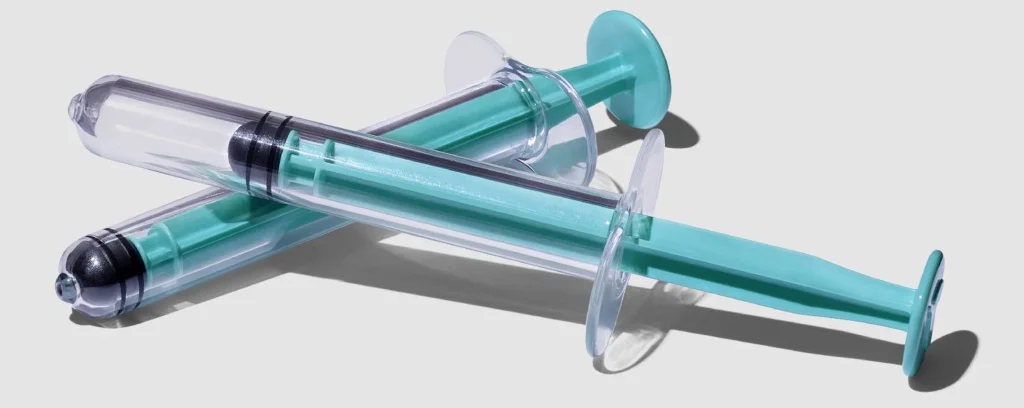
    Two transparent syringes with teal accents positioned diagonally on a light gray background.

    The Role of Relaxation Techniques in Home Insemination: A Starter Pack for Stress Relief

    Next, we will delve into the different relaxation techniques that can be used during home insemination. These include deep breathing, meditation, visualization, and yoga. We will explain how each technique works and provide tips on how to incorporate them into your routine.

    Furthermore, we will discuss the benefits of using relaxation techniques during home insemination. Apart from reducing stress, these techniques can also improve overall well-being and emotional health. They can also help to increase intimacy and connection between partners.

    Additionally, we will address common concerns and doubts surrounding the use of relaxation techniques in home insemination. Some may worry about the effectiveness of these techniques, while others may question their safety. We will address these concerns and provide evidence-based information to support the use of relaxation techniques.

    Lastly, we will provide a starter pack for stress relief during home insemination. This will include practical tips and steps on how to create a calming and relaxing environment, how to incorporate relaxation techniques into your routine, and how to stay positive and focused during the process.

    In conclusion, incorporating relaxation techniques into your home insemination journey can greatly benefit both your physical and emotional well-being. By managing stress and creating a calming environment, you can increase your chances of success and make the journey more enjoyable and less daunting.

  • Bringing Baby Home: How to Make Your Own DIY Baby Making Kit

    Blog Post Title: Bringing Baby Home: How to Make Your Own DIY Baby Making Kit

    Summary:

    Bringing a baby into your home is a joyful and exciting experience, but it can also be overwhelming and expensive. Many couples spend a lot of money on fertility treatments and expensive baby-making kits, but what if there was a way to make your own DIY baby making kit at home? In this blog post, we will discuss how you can create your own baby making kit using simple and affordable materials. From ovulation trackers to fertility-boosting foods, we have got you covered. Let’s get started!

    Introduction:

    The journey of becoming parents is a beautiful one, but it can also be filled with challenges and uncertainties. While some couples are able to conceive naturally, others may need a little help in the form of fertility treatments or assisted reproductive technologies. These options can be expensive and may not be accessible to everyone. That’s where the idea of a DIY baby making kit comes in. By creating your own kit, you not only save money but also have the freedom to customize it according to your needs. So let’s explore some essential items that you can include in your DIY baby making kit.

    Ovulation Trackers:

    The key to getting pregnant is timing. Knowing when you are ovulating can increase your chances of conceiving significantly. Ovulation trackers are a vital tool in your baby making kit. You can purchase a digital ovulation predictor kit or use a simple ovulation calculator app on your phone. However, if you want to save money, you can also make your own ovulation tracker using a basal body thermometer and a fertility chart. By tracking your basal body temperature every morning and recording it on the chart, you can determine when you are ovulating and plan intercourse accordingly.

    Fertility-Boosting Foods:

    Mosie Baby ovulation test kit with packaging and instructions on a pink background.

    Bringing Baby Home: How to Make Your Own DIY Baby Making Kit

    What you eat can also have a significant impact on your fertility. Including fertility-boosting foods in your diet can improve your chances of conceiving. Some of these foods include leafy greens, avocados, nuts, and whole grains. You can also make a fertility smoothie using ingredients like maca powder, bee pollen, and royal jelly. By incorporating these foods into your daily diet, you not only improve your fertility but also promote overall health and well-being.

    Relaxation Techniques:

    Stress and anxiety can have a negative impact on fertility. That’s why it’s essential to include relaxation techniques in your DIY baby making kit. These techniques can include yoga, meditation, and deep breathing exercises. You can also try incorporating essential oils like lavender, chamomile, and peppermint into your relaxation routine. Taking the time to de-stress and relax can not only improve your chances of conceiving but also create a calm and positive environment for your future baby.

    Fertility Supplements:

    Another essential item for your DIY baby making kit is fertility supplements. These supplements can include prenatal vitamins, folic acid, and omega-3 fatty acids. It’s crucial to consult with your doctor before taking any supplements, as they may interact with any medication you are currently taking. However, these supplements can help boost your fertility and prepare your body for a healthy pregnancy.

    DIY Baby-Making Tools:

    Apart from the items mentioned above, you can also include some DIY baby-making tools in your kit. These tools can include a fertility-friendly lubricant, a sperm-friendly cup, and a soft cup. These items can help create a more conducive environment for sperm to reach the egg and increase your chances of conceiving.

    Conclusion:

    Creating your own DIY baby making kit can not only be a fun and exciting project but also save you a lot of money. By including essential items like ovulation trackers, fertility-boosting foods, relaxation techniques, fertility supplements, and DIY baby-making tools, you can increase your chances of conceiving and make the journey to parenthood a little easier. Remember to consult with your doctor before making any changes to your diet or taking any supplements. With a little bit of planning and creativity, you can have your own personalized baby making kit that can help you bring home a bundle of joy.