Tag: Sleep

  • DIY Fertility Boosters: Essential Items for Making a Baby

    Blog Post Title: DIY Fertility Boosters: Essential Items for Making a Baby

    Becoming a parent is one of the most rewarding experiences in life, but for many couples, conceiving a child can be a challenging and emotional journey. In addition to seeking medical assistance, there are also various natural ways to boost fertility. DIY fertility boosters involve making simple lifestyle changes and using essential items that can increase the chances of conception. In this blog post, we will discuss the top DIY fertility boosters and essential items that can help you on your journey to parenthood.

    1. Fertility Diet

    Having a well-balanced and nutritious diet is crucial for overall health, but it can also improve fertility. Certain foods are known to boost fertility by providing essential vitamins and minerals. These include:

    – Leafy greens: Spinach, kale, and other leafy greens are rich in folate, a B vitamin that helps with ovulation.
    – Whole grains: Whole-grain foods like brown rice, quinoa, and oats can regulate insulin levels, which can affect fertility.
    – Protein-rich foods: Lean meats, eggs, and beans are excellent sources of protein that can improve egg quality.
    – Healthy fats: Foods like avocados, nuts, and olive oil contain healthy fats that are important for reproductive hormones.
    – Fruits and vegetables: Colorful fruits and vegetables are packed with antioxidants that can boost fertility.

    By incorporating these foods into your diet, you can increase your chances of conceiving naturally.

    2. Fertility Supplements

    In addition to a healthy diet, certain supplements can also aid in boosting fertility. These supplements contain vitamins, minerals, and herbs that can improve reproductive health. Some of the most common fertility supplements include:

    – Folic acid: This B vitamin is essential for healthy ovulation and can reduce the risk of birth defects.
    – Coenzyme Q10: This antioxidant can improve egg quality and increase the chances of a successful pregnancy.
    – Vitamin D: A deficiency in vitamin D has been linked to infertility and miscarriage.
    – Maca root: This herb is known to improve hormone balance and increase fertility in both men and women.
    – Omega-3 fatty acids: These healthy fats can improve egg quality and regulate menstrual cycles.

    Before taking any supplements, it is important to consult with a healthcare professional to ensure they are safe for you and your partner.

    3. Basal Body Thermometer

    sperm-ready insemination kit with a syringe and container, featuring a screw top lid and non-tip safety wall

    DIY Fertility Boosters: Essential Items for Making a Baby

    Tracking your basal body temperature (BBT) can help you determine when you are ovulating. Your BBT is your body’s temperature at rest, and it increases slightly during ovulation. By using a basal body thermometer, you can pinpoint your most fertile days and increase your chances of conceiving. To track your BBT accurately, you will need to take your temperature first thing in the morning before getting out of bed. There are many BBT thermometers available on the market, but make sure to choose one that is specifically designed for fertility tracking.

    4. Ovulation Predictor Kits

    Similar to tracking your BBT, ovulation predictor kits (OPKs) can help you determine when you are most fertile. These kits detect the surge of luteinizing hormone (LH) in your urine, which occurs 12-36 hours before ovulation. By using an OPK, you can identify your most fertile days and time intercourse accordingly. OPKs are available in various forms, including urine strips, digital tests, and fertility monitors. It is essential to follow the instructions carefully to get accurate results.

    5. Fertility-Friendly Lubricant

    Many couples use lubricants during intercourse to increase comfort and pleasure. However, some lubricants can be harmful to sperm and decrease fertility. If you are trying to conceive, it is recommended to use a fertility-friendly lubricant. These lubricants mimic the natural cervical mucus and help sperm reach the egg. Some examples of fertility-friendly lubricants include Pre-Seed and Conceive Plus.

    6. Yoga and Meditation

    Stress can significantly impact fertility by affecting hormone balance and ovulation. Practicing yoga and meditation can help reduce stress levels and improve fertility. Yoga poses that are beneficial for fertility include the butterfly pose, the supported bridge pose, and the legs-up-the-wall pose. Meditation can also help you relax and reduce stress. You can find many fertility-specific yoga and meditation classes online or attend in-person classes.

    7. Sleep

    Getting enough quality sleep is crucial for overall health, but it can also affect fertility. Lack of sleep can disrupt hormone balance and decrease fertility. Aim for at least seven to eight hours of sleep each night and try to maintain a consistent sleep schedule.

    8. Quit Smoking and Limit Alcohol Intake

    Smoking has been linked to fertility issues in both men and women. It can cause hormonal imbalances and damage eggs and sperm. If you are trying to conceive, it is essential to quit smoking. In addition, excessive alcohol consumption can also affect fertility. It is recommended to limit alcohol intake or avoid it altogether when trying to conceive.

    In summary, making simple lifestyle changes and using essential items can help boost fertility and increase your chances of conceiving. By following a fertility diet, taking supplements, tracking your BBT and using OPKs, using fertility-friendly lubricants, practicing yoga and meditation, getting enough sleep, and avoiding harmful substances, you can improve your reproductive health and make your dream of becoming a parent a reality.

  • Fertility Hacks: DIY Tools for Boosting Your Chances of Conception

    Blog Post: Fertility Hacks: DIY Tools for Boosting Your Chances of Conception

    Infertility affects millions of couples around the world, and it can be a heartbreaking and frustrating journey. While medical interventions and fertility treatments are available, they can be expensive and may not always guarantee success. But did you know that there are DIY tools and lifestyle changes you can make to boost your chances of conception? In this blog post, we will explore some fertility hacks that you can incorporate into your daily routine to improve your fertility and increase your chances of conceiving.

    1. Keep Track of Your Menstrual Cycle

    The first step in boosting your fertility is knowing your menstrual cycle. This means understanding when you ovulate, as this is the most fertile time in your cycle. Ovulation typically occurs around day 14 of a 28-day cycle, but it can vary from woman to woman. To make sure you are accurately tracking your ovulation, you can use an ovulation predictor kit or a basal body temperature thermometer. These DIY tools can help you determine the best time to try for a baby.

    2. Improve Your Diet

    What you eat can have a significant impact on your fertility. A healthy and balanced diet is essential for both men and women who are trying to conceive. Women should focus on consuming foods that are rich in antioxidants, such as fruits, vegetables, and whole grains. These help to protect the eggs from damage and improve overall reproductive health. Men, on the other hand, should incorporate foods that are rich in zinc, such as oysters, pumpkin seeds, and lean meats, as zinc is vital for sperm production.

    3. Exercise Regularly

    Aside from promoting overall health and well-being, regular exercise can also boost fertility. Studies have shown that women who engage in moderate exercise have a higher chance of conceiving compared to those who are sedentary. Exercise helps to regulate hormones, promote blood flow to the reproductive organs, and reduce stress levels – all of which can improve fertility. However, it is essential to note that excessive exercise can have the opposite effect and may even lead to irregular periods and ovulation.

    4. Reduce Stress

    Stress is a common factor in infertility, as it can disrupt hormonal balance and interfere with ovulation. Therefore, it is crucial to find ways to manage stress and relax. Some effective stress-reducing activities include yoga, meditation, deep breathing exercises, and regular massages. You can also try acupuncture, which has been shown to improve fertility by reducing stress and promoting blood flow to the reproductive organs.

    5. Use Essential Oils

    Essential oils are natural remedies that can help boost fertility. Clary sage, for example, is known to regulate hormones and promote ovulation. Geranium oil can also help balance hormones and reduce stress, while rose oil can improve libido and enhance the mood. However, it is essential to dilute essential oils properly and use them with caution, as some may not be safe for use during pregnancy.

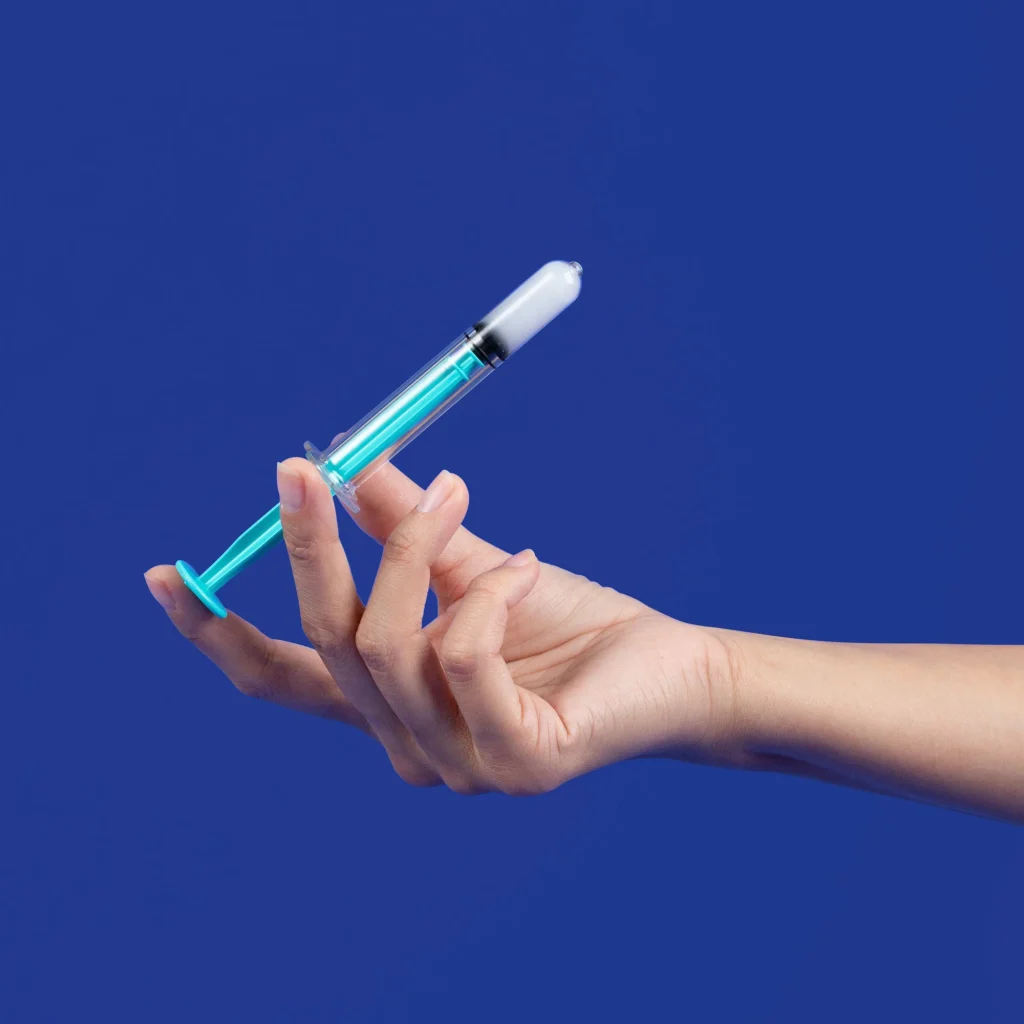
    hand holding a syringe with a blue plunger against a solid blue background

    Fertility Hacks: DIY Tools for Boosting Your Chances of Conception

    6. Try Acupressure

    Similar to acupuncture, acupressure can also help improve your chances of conceiving. This traditional Chinese medicine technique involves applying pressure to specific points on the body to stimulate energy flow and promote healing. Studies have shown that acupressure can help regulate menstrual cycles, improve ovulation, and increase blood flow to the reproductive organs. You can either learn how to perform acupressure on yourself or seek the help of a trained acupressure therapist.

    7. Consider Herbal Remedies

    Herbal remedies have been used for centuries to address various health issues, including infertility. Some commonly used herbs for boosting fertility include red raspberry leaf, nettle leaf, and red clover. These herbs are believed to improve overall reproductive health and regulate menstrual cycles. However, it is crucial to consult a healthcare professional before incorporating any herbal remedies into your fertility regimen.

    8. Use Fertility Apps

    In this digital age, there are numerous fertility apps available that can help you track your menstrual cycle, monitor ovulation, and even predict your most fertile days. These apps use algorithms and data input by the user to provide personalized insights and recommendations. They can also help you keep track of your fertility journey, including any changes in your cycle or symptoms.

    9. Practice Good Sleep Habits

    Getting enough quality sleep is crucial for fertility. Studies have shown that women who have irregular sleep patterns or get less than seven hours of sleep per night have a higher risk of infertility. Poor sleep can disrupt hormone production and affect ovulation, so it is essential to prioritize good sleep hygiene. This includes setting a regular bedtime, avoiding screens before bed, and creating a comfortable sleep environment.

    10. Consult a Fertility Specialist

    If you have been trying to conceive for more than a year without success, it may be time to consult a fertility specialist. They can run tests to identify any underlying issues and provide personalized recommendations for improving your chances of conception. They may also suggest medical interventions such as fertility treatments or assisted reproductive technology if necessary.

    In conclusion, while there is no guarantee when it comes to fertility, incorporating these DIY tools and lifestyle changes into your routine can help boost your chances of conception. Remember to be patient and kind to yourself, and always consult a healthcare professional before making any significant changes to your fertility regimen.

    Summary:

    Infertility can be a difficult journey for couples, and while medical interventions are available, they may not always guarantee success. However, there are DIY tools and lifestyle changes that you can incorporate into your routine to improve your fertility and increase your chances of conceiving. These include keeping track of your menstrual cycle, improving your diet, exercising regularly, reducing stress, using essential oils and acupressure, considering herbal remedies, using fertility apps, practicing good sleep habits, and consulting a fertility specialist if necessary.

  • DIY Fertility: Tools for Maintaining a Healthy Lifestyle

    Blog Post Title: DIY Fertility: Tools for Maintaining a Healthy Lifestyle

    Summary:

    Maintaining a healthy lifestyle is crucial for both men and women when it comes to fertility. With the rising number of couples facing fertility issues, it is important to understand the role our lifestyle plays in our reproductive health. Making some simple changes in our daily routine can have a significant impact on our fertility. In this blog post, we will discuss some important DIY tools that can help us maintain a healthy lifestyle and improve fertility.

    Firstly, we will look at the importance of a balanced and nutritious diet for fertility. A healthy and balanced diet that includes a variety of fruits, vegetables, whole grains, and lean proteins is essential for reproductive health. We will discuss the key nutrients that are crucial for fertility and the foods that contain them. We will also explore the role of supplements and how they can aid in improving fertility.

    Next, we will dive into the importance of regular exercise for fertility. Being physically active not only helps in maintaining a healthy weight but also improves hormonal balance, reduces stress, and increases blood flow to the reproductive organs. We will discuss the types of exercises that are beneficial for fertility and how much exercise is recommended for men and women trying to conceive.

    illustration comparing standard and Mosie syringe openings with text highlighting design benefits for home insemination

    DIY Fertility: Tools for Maintaining a Healthy Lifestyle

    We cannot talk about fertility without addressing the impact of stress on our reproductive health. Stress can disrupt hormonal balance, lower sperm count, and affect ovulation. We will discuss some effective stress-management techniques such as yoga, meditation, and deep breathing that can help reduce stress and improve fertility.

    Another important factor in maintaining a healthy lifestyle for fertility is getting enough sleep. Poor sleep habits can lead to hormonal imbalances and affect fertility. We will discuss the recommended hours of sleep for men and women trying to conceive and some tips for improving sleep quality.

    In addition to diet, exercise, stress-management, and sleep, we will also touch upon the importance of avoiding unhealthy habits such as smoking, excessive alcohol consumption, and drug use. These habits not only have a negative impact on overall health but also on fertility. We will discuss the effects of these habits on fertility and how to quit them.

    Lastly, we will talk about the importance of tracking ovulation and understanding your menstrual cycle for women trying to conceive. This can be done through various methods such as tracking basal body temperature, cervical mucus, and using ovulation predictor kits. We will also discuss the benefits of seeking professional help for fertility concerns and how regular check-ups can ensure a healthy reproductive system.

    In conclusion, maintaining a healthy lifestyle is crucial for both men and women when it comes to fertility. By incorporating a balanced diet, regular exercise, stress-management techniques, good sleep habits, and avoiding unhealthy habits, we can improve our reproductive health and increase our chances of conceiving. It is important to remember that fertility is a complex issue and seeking professional help is always recommended for those struggling with fertility.

  • Surprising Factors That Can Affect Your Fertility

    Surprising Factors That Can Affect Your Fertility

    Fertility is a complex topic that is affected by a variety of factors. While most people may think that fertility is solely determined by age and genetics, there are actually many other surprising factors that can affect your fertility. In this blog post, we will explore some of these unexpected factors and how they can impact your ability to conceive.

    1. Stress

    Stress is a common occurrence in our daily lives, but many people do not realize the significant impact it can have on fertility. Chronic stress can disrupt the hormonal balance in the body, making it more difficult to conceive. Stress can also affect the quality of sperm and eggs, making it more challenging to achieve a successful pregnancy. Finding ways to manage stress, such as exercise, meditation, and therapy, can be beneficial for both physical and mental well-being when trying to conceive.

    2. Weight

    Maintaining a healthy weight is crucial for overall health, but it can also play a significant role in fertility. Both being underweight and overweight can affect hormone levels and disrupt ovulation in women. In men, obesity can lead to a decrease in sperm quality and quantity. It is essential to maintain a healthy weight through a balanced diet and regular exercise to improve fertility outcomes.

    3. Environmental Toxins

    We are exposed to various environmental toxins every day, from the air we breathe to the food we eat. These toxins can have a significant impact on fertility, as they can disrupt hormone levels and damage reproductive organs. Some common environmental toxins include pesticides, phthalates, and BPA. Minimizing exposure to these toxins by choosing organic produce, using natural cleaning products, and avoiding plastic containers can help improve fertility.

    4. Smoking

    It is well known that smoking is harmful to overall health, but it can also affect fertility. Smoking can damage both egg and sperm cells, leading to a decrease in fertility and an increased risk of miscarriage. It is essential for both partners to quit smoking before trying to conceive to increase their chances of a successful pregnancy.

    5. Alcohol and Drug Use

    Excessive alcohol consumption and drug use can also have a negative impact on fertility. Alcohol can disrupt hormone levels and decrease sperm quality, while drug use can damage reproductive organs and decrease sperm production. It is crucial to limit alcohol consumption and avoid drug use when trying to conceive.

    guide and materials for using Mosie Baby fertility kit on a textured surface

    Surprising Factors That Can Affect Your Fertility

    6. Medications

    Certain medications can also affect fertility, including some antidepressants, antihistamines, and painkillers. These medications can disrupt hormone levels and affect ovulation and sperm production. It is essential to discuss any medications you are taking with your doctor when trying to conceive to determine if they may affect your fertility.

    7. Sleep

    Sleep is crucial for overall health, but it can also play a role in fertility. Lack of sleep can disrupt hormone levels and affect ovulation in women. In men, poor sleep quality can lead to a decrease in testosterone levels and sperm production. Getting enough quality sleep is essential when trying to conceive.

    8. Age of Menopause in Female Relatives

    The age of menopause in female relatives may also be an indicator of fertility. Women tend to go through menopause around the same age as their mothers and sisters, so if these relatives experienced early menopause, it could indicate a decreased fertility window for the individual. It is important to consider this factor when planning to start a family.

    9. Sexually Transmitted Infections

    Sexually transmitted infections (STIs) can have a significant impact on fertility, especially if left untreated. STIs can cause damage to the reproductive organs and lead to conditions such as pelvic inflammatory disease, which can cause scarring and blockages in the fallopian tubes. It is crucial to get tested regularly and seek treatment if necessary to protect fertility.

    10. Diet and Nutritional Deficiencies

    A balanced and healthy diet is essential for overall health, but it can also affect fertility. Deficiencies in certain nutrients, such as vitamin D, iron, and folic acid, can lead to issues with ovulation and sperm production. It is important to maintain a nutrient-rich diet and consider taking supplements if necessary when trying to conceive.

    In conclusion, fertility is a complex issue influenced by various factors that may be surprising to many. From stress and environmental toxins to diet and medication, many unexpected factors can impact fertility. It is essential to be aware of these factors and make lifestyle changes or seek medical help if necessary to improve fertility outcomes.

    SEO metadata

  • The Connection Between Conception and Sleep: How to Improve Your Sleep Habits

    Blog Post Title: The Connection Between Conception and Sleep: How to Improve Your Sleep Habits

    Sleep is a crucial aspect of our overall health and well-being. It allows our bodies to rest, repair, and rejuvenate, helping us function at our best during the day. But did you know that our sleep habits can also have an impact on our ability to conceive? In this blog post, we will explore the connection between conception and sleep and provide tips on how to improve your sleep habits for optimal fertility.

    The Link Between Sleep and Fertility

    Several studies have shown a link between sleep and fertility, particularly in women. One study found that women who slept less than 7 hours a night were more likely to have irregular menstrual cycles and take longer to conceive. Another study found that women who slept less than 6 hours a night had a 20% lower chance of getting pregnant compared to those who slept 7-9 hours.

    So, why does sleep have such a significant impact on fertility? The answer lies in our hormones. Sleep helps regulate the production of hormones like estrogen, progesterone, and luteinizing hormone, which are essential for ovulation and a healthy menstrual cycle. When we don’t get enough sleep, our hormone levels can become imbalanced, making it more challenging to conceive.

    In addition to regulating hormones, sleep also plays a role in our overall health. Chronic lack of sleep can lead to inflammation, insulin resistance, and a weakened immune system, all of which can affect fertility. It can also lead to stress, which can hinder ovulation and decrease sperm production.

    Improving Your Sleep Habits for Optimal Fertility

    Now that we understand the link between sleep and fertility, let’s explore some ways to improve our sleep habits to increase our chances of conception.

    Mosie Baby Kit with a syringe and container, highlighting safety and usability features on a blue background.

    The Connection Between Conception and Sleep: How to Improve Your Sleep Habits

    1. Stick to a Sleep Schedule: Our bodies thrive on routine, so it’s essential to establish a consistent sleep schedule. Try to go to bed and wake up at the same time every day, including weekends. This routine will help regulate your body’s internal clock and improve the quality of your sleep.

    2. Create a Relaxing Sleep Environment: Your bedroom should be a sanctuary for sleep. Make sure it’s dark, quiet, and cool. Consider using blackout curtains, a white noise machine, or a fan to block out any outside noise and light. It’s also crucial to invest in a comfortable mattress and pillows to ensure a good night’s rest.

    3. Limit Screen Time Before Bed: The blue light emitted from electronic devices such as smartphones and laptops can disrupt our body’s natural sleep-wake cycle. Try to limit screen time at least an hour before bedtime, or consider using blue light-blocking glasses.

    4. Practice Relaxation Techniques: Stress and anxiety can make it challenging to fall asleep and stay asleep. Incorporating relaxation techniques such as deep breathing, meditation, or yoga before bed can help calm the mind and promote better sleep.

    5. Avoid Stimulants: Caffeine, nicotine, and alcohol can all disrupt our sleep patterns. Avoid consuming these substances at least 4-6 hours before bedtime to ensure they don’t interfere with your sleep.

    6. Exercise Regularly: Regular exercise can improve the quality of our sleep and reduce stress and anxiety. However, avoid high-intensity workouts close to bedtime, as they can stimulate our bodies and make it harder to fall asleep.

    7. Seek Help for Sleep Disorders: If you have trouble sleeping, it’s essential to address any underlying sleep disorders. Conditions like sleep apnea, insomnia, and restless leg syndrome can all affect fertility, so it’s crucial to seek treatment if necessary.

    Summary:

    Sleep plays a vital role in our ability to conceive, as it helps regulate our hormones and overall health. Chronic lack of sleep can lead to imbalanced hormones, inflammation, and stress, all of which can hinder fertility. To improve your sleep habits for optimal fertility, stick to a sleep schedule, create a relaxing sleep environment, limit screen time before bed, practice relaxation techniques, avoid stimulants, exercise regularly, and seek help for any sleep disorders.

  • DIY Tools for Improving Fertility and Balancing Your Body

    DIY Tools for Improving Fertility and Balancing Your Body

    In today’s fast-paced world, many couples struggle with fertility issues and finding ways to balance their bodies. While medical treatments and interventions are available, some people prefer a more natural approach. That’s where DIY tools for improving fertility and balancing the body come in. These tools can range from dietary changes to lifestyle adjustments and have been proven to have positive effects on fertility and overall well-being. In this blog post, we will discuss some of the most effective DIY tools for improving fertility and balancing your body.

    1. Fertility Diet

    The first and most crucial DIY tool for improving fertility is a fertility diet. The foods we consume have a significant impact on our overall health, including our reproductive health. A fertility diet focuses on consuming whole, nutrient-dense foods that support hormonal balance, reduce inflammation, and promote fertility. Some essential foods to include in a fertility diet are leafy greens, healthy fats, lean proteins, and complex carbohydrates. It is also essential to limit or avoid processed foods, refined sugars, and unhealthy fats. A fertility diet can not only improve fertility but also contribute to overall health and well-being.

    2. Herbs and Supplements

    Another effective DIY tool for improving fertility is the use of herbs and supplements. Certain herbs and supplements have been found to support hormonal balance and increase fertility. Some of the most commonly used herbs for fertility are maca, chasteberry, and red raspberry leaf. These herbs can be consumed in capsule form, added to smoothies, or brewed as a tea. In addition to herbs, supplements such as folic acid, vitamin D, and zinc can also be beneficial for boosting fertility. However, it is essential to consult with a healthcare professional before adding any herbs or supplements to your routine.

    3. Acupuncture

    Acupuncture is an ancient Chinese practice that involves the insertion of thin needles into specific points on the body. It has been used for centuries to treat various health issues, including infertility. Acupuncture can help improve fertility by reducing stress, promoting blood flow to the reproductive organs, and balancing hormones. It is a safe and non-invasive treatment that can be done by a licensed acupuncturist. Many couples have reported success with fertility treatments after incorporating acupuncture into their routine.

    4. Yoga

    Instructions for reading pregnancy test results with visual indicators for "Not Pregnant," "Pregnant," and "Invalid.

    DIY Tools for Improving Fertility and Balancing Your Body

    Yoga is another DIY tool that can help improve fertility and balance the body. The practice of yoga has been found to reduce stress, improve blood flow, and promote relaxation. All of these factors can contribute to a healthier reproductive system. There are specific yoga poses, such as the butterfly pose, that are known to stimulate the reproductive organs and improve fertility. Additionally, yoga can also help with emotional and mental well-being, which are crucial aspects of fertility.

    5. Essential Oils

    Essential oils are concentrated plant extracts that have been used for centuries for their therapeutic properties. When it comes to fertility, certain essential oils can help balance hormones, reduce inflammation, and promote relaxation. Some of the best essential oils for fertility include lavender, clary sage, and geranium. These oils can be used topically, inhaled, or added to a warm bath. It is essential to use high-quality, pure essential oils and consult with a healthcare professional before use.

    6. Stress Management Techniques

    Stress can significantly impact fertility by disrupting hormonal balance and affecting ovulation. That’s why it is essential to incorporate stress management techniques into your routine. These can include meditation, deep breathing exercises, journaling, or spending time in nature. Finding ways to manage stress can help improve overall well-being and fertility.

    7. Exercise

    Regular exercise is crucial for maintaining a healthy weight and promoting overall health. Being overweight or underweight can significantly impact fertility. That’s why incorporating exercise into your routine can be a powerful DIY tool for improving fertility. However, it is essential to find a balance and avoid over-exercising, which can also negatively affect fertility.

    8. Sleep

    Getting enough quality sleep is essential for hormonal balance and overall health. Lack of sleep or poor sleep quality can disrupt hormones and negatively impact fertility. That’s why it is crucial to establish a consistent sleep schedule and practice good sleep hygiene habits. These can include avoiding screens before bedtime, creating a relaxing sleep environment, and limiting caffeine intake.

    In conclusion, there are many DIY tools available for improving fertility and balancing the body. These tools can be used individually or in combination to support reproductive health and overall well-being. However, it is always essential to consult with a healthcare professional before making any significant lifestyle changes or adding supplements to your routine. With patience and dedication, these DIY tools can have a positive impact on fertility and help couples achieve their dream of starting a family.

  • The Role of Sleep in DIY Fertility Solutions

    Blog Post: The Role of Sleep in DIY Fertility Solutions

    Fertility struggles are a common occurrence for many couples, and the journey to conceive can often be a long and frustrating one. In recent years, there has been a rise in popularity for DIY fertility solutions, as many individuals are seeking alternative methods to increase their chances of conception. While there are various methods and techniques that people try, one crucial aspect that often gets overlooked is the role of sleep in fertility. In this blog post, we will explore the connection between sleep and fertility and how getting enough rest can significantly impact your chances of conceiving.

    The Connection Between Sleep and Fertility

    When it comes to fertility, sleep plays a significant role in both men and women. Lack of sleep can have a significant impact on hormone levels, which are crucial for the reproductive system. In women, sleep deprivation can affect the production of estrogen and progesterone, both of which are essential for ovulation and maintaining a healthy menstrual cycle. On the other hand, men who are sleep-deprived may experience a decrease in testosterone levels, which can affect sperm production and quality.

    Furthermore, sleep also plays a crucial role in regulating the body’s stress levels. Stress can have a negative impact on fertility, as it can disrupt hormone levels and affect ovulation and sperm production. Lack of sleep can increase stress levels, making it harder for couples to conceive. Therefore, getting enough rest is vital for maintaining hormonal balance and reducing stress levels, both of which are crucial for fertility.

    The Importance of Quality Sleep

    While getting enough sleep is essential, the quality of sleep is equally crucial, if not more. The body goes through different sleep stages throughout the night, and each stage serves a specific purpose. The most critical stage for fertility is the deep sleep stage, also known as slow-wave sleep. This stage is essential for the body to restore and repair itself, and it is during this stage that the body produces and releases growth hormones. These hormones are crucial for the development of eggs and sperm and are essential for fertility.

    In addition to growth hormones, the body also produces melatonin during deep sleep. Melatonin is a hormone that regulates the body’s sleep-wake cycle, and it also has a significant impact on fertility. Studies have shown that melatonin can improve egg quality, increase sperm count, and regulate ovulation. Therefore, getting enough deep sleep is crucial for maintaining hormonal balance and increasing the chances of conception.

    Tips for Improving Sleep for Fertility

    Baby with blue eyes wearing a light blue onesie that says "made with Love" on a soft white background.

    The Role of Sleep in DIY Fertility Solutions

    If you are struggling with fertility and are looking for DIY solutions, improving your sleep may be a crucial step. Here are some tips to help you get better quality sleep to boost your chances of conception:

    1. Stick to a consistent sleep schedule: Going to bed and waking up at the same time each day can help regulate your body’s sleep-wake cycle, making it easier to fall asleep and stay asleep.

    2. Create a relaxing sleep environment: Your bedroom should be a calm and comfortable space that promotes relaxation. Consider investing in a comfortable mattress and pillows, using blackout curtains to block out light, and keeping the room at a cool temperature.

    3. Avoid caffeine and alcohol close to bedtime: Both caffeine and alcohol can disrupt sleep, so it’s best to avoid them before bedtime. Instead, try having a cup of herbal tea or warm milk to promote relaxation.

    4. Practice good sleep hygiene: This includes avoiding screens (TV, phone, laptop) at least an hour before bed, and engaging in relaxing activities such as reading or listening to soothing music.

    5. Consider natural sleep aids: If you have trouble falling asleep, you may want to try natural sleep aids such as melatonin supplements or essential oils like lavender and chamomile.

    Conclusion

    In conclusion, sleep plays a crucial role in DIY fertility solutions. It is essential to prioritize getting enough quality sleep to maintain hormonal balance, reduce stress levels, and improve egg and sperm quality. By following the tips mentioned above and making sleep a priority, you may increase your chances of conceiving naturally.

    SEO metadata:

  • Preparing for Parenthood: Building Your Own Natural Conception Kit

    Preparing for Parenthood: Building Your Own Natural Conception Kit

    Becoming a parent is one of the most exciting and fulfilling experiences in life. However, for some couples, the journey towards parenthood can be challenging. From fertility issues to complicated medical procedures, the road to conception can be a difficult and emotional one. While there are various medical interventions available, some couples may opt for a more natural approach to conceiving. Building your own natural conception kit can be a great way to support your fertility journey and increase your chances of getting pregnant. In this blog post, we will discuss the essential items and practices to include in your natural conception kit, and how they can benefit your fertility journey.

    Key Items for Your Natural Conception Kit:

    1. Fertility Supplements

    Fertility supplements are a great addition to your natural conception kit. These supplements are specially formulated to support reproductive health and can help increase the chances of conception. Supplements such as folic acid, iron, and vitamin D have been linked to improved fertility in both men and women. It is important to consult with your healthcare provider before adding any supplements to your routine, as they can recommend the most suitable ones for you and your partner.

    2. Ovulation Predictor Kits

    Ovulation predictor kits (OPKs) are an essential tool for tracking your ovulation and determining the best time to try to conceive. These kits work by detecting the surge of luteinizing hormone (LH) in your urine, which occurs a day or two before ovulation. By tracking your LH surge, you can pinpoint your most fertile days and increase your chances of conception. OPKs are readily available in most drugstores and can be used at home.

    3. Fertility-Friendly Lubricant

    Some couples may experience discomfort during intercourse, which can affect their ability to conceive. Using a fertility-friendly lubricant can help alleviate this discomfort and create a more conducive environment for sperm to reach the egg. These lubricants are specially designed to mimic the natural cervical mucus, which helps sperm travel to the egg. Look for lubricants that are free of harmful chemicals and spermicides, which can interfere with sperm motility and viability.

    4. Essential Oils

    Essential oils have been used for centuries to support reproductive health and promote relaxation. Some essential oils, such as clary sage, geranium, and lavender, have been found to have positive effects on fertility. These oils can be used in a variety of ways, such as diffusing them, adding them to a warm bath, or applying them topically with a carrier oil. It is important to do your research and consult with a certified aromatherapist before using essential oils, as some may not be safe for use during pregnancy.

    5. Herbal Tea Blends

    Herbal teas are a delicious and natural way to support your fertility journey. Some herbs, such as red raspberry leaf, nettle, and red clover, have been traditionally used to boost fertility and support the reproductive system. These herbs can be found in tea blends specifically formulated for fertility, or you can create your own blend at home. It is important to consult with a certified herbalist before consuming any herbal tea blends, as some herbs may have contraindications or interactions with certain medications.

    Practices to Include in Your Natural Conception Kit:

    at-home insemination kit featuring a syringe and container for fresh or donor sperm conception

    Preparing for Parenthood: Building Your Own Natural Conception Kit

    1. Eating a Nutrient-Dense Diet

    A healthy and balanced diet is crucial for reproductive health and fertility. Including a variety of nutrient-dense foods in your diet, such as leafy greens, whole grains, healthy fats, and lean proteins, can support hormone balance and improve fertility. It is also important to limit your intake of processed foods, sugar, and alcohol, which can negatively impact fertility.

    2. Exercise Regularly

    Regular physical activity is not only essential for overall health but can also support fertility. Exercise can help regulate hormones, reduce stress, and improve blood flow to the reproductive organs. However, it is important to find the right balance, as excessive exercise can have a negative effect on fertility. Consult with your healthcare provider to determine the best exercise routine for you and your partner.

    3. Reduce Stress

    Stress can significantly impact fertility by disrupting hormone balance and ovulation. Including stress-relieving practices in your natural conception kit, such as yoga, meditation, or deep breathing, can help reduce stress levels. It is also important to make time for self-care and relaxation, as well as seeking professional help if needed.

    4. Get Enough Sleep

    Adequate sleep is crucial for overall health and fertility. Lack of sleep can affect hormone balance, ovulation, and sperm production. Aim for 7-9 hours of quality sleep each night and establish a bedtime routine to help promote better sleep.

    5. Track Your Cycle

    Tracking your menstrual cycle can provide valuable insights into your fertility and help you determine the best time to try to conceive. This can be done using a fertility tracking app, a calendar, or a fertility chart. By tracking your cycle, you can also identify any irregularities or potential fertility issues that may need further investigation.

    Conclusion:

    Building your own natural conception kit can be a great way to support your fertility journey and increase your chances of getting pregnant. Including essential items such as fertility supplements, ovulation predictor kits, and fertility-friendly lubricants, as well as incorporating practices like a nutrient-dense diet, regular exercise, and stress management, can help create a more fertile environment for conception. It is important to remember that every couple’s fertility journey is unique, and what works for one may not work for another. It is always best to consult with your healthcare provider and do your research before adding any new items or practices to your natural conception kit.

    Summary:

    Parenthood is a fulfilling experience, but for some couples, the journey towards conception can be challenging. Building your own natural conception kit can be a great way to support your fertility journey and increase your chances of getting pregnant. Essential items to include are fertility supplements, ovulation predictor kits, fertility-friendly lubricants, essential oils, and herbal tea blends. Practices to incorporate include eating a nutrient-dense diet, exercising regularly, reducing stress, getting enough sleep, and tracking your cycle. It is important to consult with your healthcare provider and do your research before adding any new items or practices to your natural conception kit.