Tag: Sperm

  • The Science Behind Cervical Mucus and Fertility

    Blog Post: The Science Behind Cervical Mucus and Fertility

    Cervical mucus is a substance produced by the cervix that plays a crucial role in female fertility. It is a clear or white discharge that changes in consistency and amount throughout the menstrual cycle. Many women may not pay much attention to their cervical mucus, but understanding its role in fertility can be incredibly beneficial for those trying to conceive.

    In this blog post, we will delve into the science behind cervical mucus and its relationship to fertility. We will explore how it changes throughout the menstrual cycle, how it affects sperm, and how it can be used to track ovulation.

    The Menstrual Cycle and Cervical Mucus

    The menstrual cycle is controlled by hormones that cause changes in the ovaries and uterus. These changes also affect the cervical mucus. Typically, the menstrual cycle can be divided into three phases: the follicular phase, ovulation, and the luteal phase.

    During the follicular phase, which occurs in the first half of the menstrual cycle, estrogen levels rise and stimulate the cervix to produce more mucus. This mucus is usually thick and sticky, acting as a barrier to sperm. As the estrogen levels continue to rise, the mucus becomes clearer and more stretchy, allowing sperm to pass through more easily.

    Ovulation marks the transition from the follicular phase to the luteal phase. During this phase, the hormone progesterone is dominant, causing the cervical mucus to become thick and sticky again. This helps to create a barrier to prevent sperm from entering the cervix and reaching the egg.

    After ovulation, the luteal phase begins, and the mucus starts to dry up. If fertilization does not occur, the cervical mucus will continue to dry up until the start of the next menstrual cycle. However, if fertilization does occur, the mucus will remain thin and stretchy, allowing sperm to travel to the egg and facilitate fertilization.

    The Role of Cervical Mucus in Fertility

    Hands holding a syringe and a small container against a blue background.

    The Science Behind Cervical Mucus and Fertility

    Cervical mucus plays a vital role in fertility, as it can help or hinder the sperm’s journey to the egg. The mucus acts as a natural filter, selecting the healthiest and most viable sperm to reach the egg. It also provides a hospitable environment for the sperm, helping them to survive and swim towards the egg.

    Moreover, cervical mucus also helps to protect the sperm from the acidic environment of the vagina, which can be harmful to them. The sperm also needs to be able to survive in the cervical mucus for several days, as it can take up to five days for the sperm to reach the egg after ejaculation.

    Tracking Ovulation with Cervical Mucus

    Cervical mucus can also be used to track ovulation and determine the most fertile time of the menstrual cycle. As mentioned earlier, the mucus changes in consistency and amount throughout the cycle. By monitoring these changes, women can identify when they are most likely to conceive.

    The most fertile cervical mucus is clear, thin, and stretchy, resembling raw egg whites. It also feels slippery and smooth, allowing sperm to travel easily through it. This type of mucus indicates that ovulation is approaching or has just occurred, making it the best time to have intercourse for conception.

    On the other hand, dry or sticky cervical mucus indicates that ovulation has already passed, and the chances of conceiving are low. By tracking the changes in cervical mucus, women can identify their fertile window and increase their chances of conceiving.

    In addition to tracking the changes in cervical mucus, there are other methods women can use to determine ovulation, such as basal body temperature and ovulation predictor kits. However, tracking cervical mucus is a free and straightforward method that can be done by anyone.

    Conclusion

    Cervical mucus is an essential part of female fertility, and understanding its role can be beneficial for women trying to conceive. It changes in consistency and amount throughout the menstrual cycle, helping or hindering the sperm’s journey to the egg. By tracking the changes in cervical mucus, women can determine their fertile window and increase their chances of conceiving.

    In conclusion, cervical mucus is not just a random discharge but a vital part of the female reproductive system. Its complex changes and interactions with sperm make it a crucial factor in fertility. By paying attention to cervical mucus and understanding its role, women can take control of their fertility and increase their chances of conceiving.


  • Conceiving with Confidence: Our Journey with Mosiebaby and At-Home Insemination

    Conceiving a child is an exciting and life-changing journey for many couples. However, for some, the process of conception can be filled with stress and uncertainty. This was the case for my partner and I, as a same-sex couple, we knew that we would need to explore alternative options for conceiving our first child. After researching and considering various methods, we decided to try at-home insemination with the help of Mosiebaby. Our journey with Mosiebaby and at-home insemination was not only successful in helping us conceive our daughter, but it also gave us the confidence to embark on our journey towards parenthood.

    As a same-sex couple, we knew that we would need to explore alternative options for conceiving our first child. After much research and consideration, we came across Mosiebaby, a company that offers a simple and affordable at-home insemination kit. Mosiebaby was designed by a same-sex couple who were also struggling with the process of conceiving. Their story resonated with us and we felt a sense of connection to the product.

    The Mosiebaby kit includes two syringes and a detailed instruction manual, making the process of at-home insemination easy and stress-free. We were initially hesitant about self-insemination, but the step-by-step instructions and the personal stories shared on the Mosiebaby website gave us the confidence to give it a try.

    One of the biggest factors that drew us to Mosiebaby was the fact that it was designed specifically for at-home insemination. Unlike other methods, such as intrauterine insemination (IUI) or in vitro fertilization (IVF), which require medical professionals and can be costly, Mosiebaby allowed us to conceive in the comfort and privacy of our own home. This was particularly important for us as a same-sex couple, as it gave us a sense of control and autonomy in the journey towards parenthood.

    After receiving our Mosiebaby kit, we followed the instructions carefully and began the insemination process. We were both nervous and excited, but the well-designed kit and the easy-to-follow instructions put us at ease. We were also comforted by the fact that Mosiebaby uses sperm-friendly materials in their syringes, ensuring the best chance of success.

    One of the most challenging aspects of the journey towards conception is the waiting game. After insemination, we had to wait two weeks before taking a pregnancy test. Those two weeks felt like an eternity, but we were pleasantly surprised when the test showed a positive result. We couldn’t believe it, we were going to be parents!

    various medical supplies and containers organized in a clear plastic box on a wooden surface

    Conceiving with Confidence: Our Journey with Mosiebaby and At-Home Insemination

    Our journey with Mosiebaby and at-home insemination not only resulted in a successful pregnancy, but it also gave us a sense of empowerment and confidence. As a same-sex couple, the process of conceiving can be overwhelming and filled with uncertainty. Mosiebaby not only provided us with an effective method for conception, but it also gave us the confidence to take control of our journey towards parenthood.

    In addition to the physical aspects of at-home insemination, Mosiebaby also offers a supportive and inclusive community. Their website and social media platforms are filled with personal stories and testimonials from other families who have successfully conceived using Mosiebaby. This community gave us a sense of belonging and reassurance, knowing that we were not alone in our journey.

    Another aspect of Mosiebaby that we appreciated was the affordability. As mentioned earlier, other methods of assisted reproduction can be costly, making it inaccessible for many couples. Mosiebaby not only offers an affordable option, but they also provide a payment plan for those who may need it. This inclusive approach made us feel supported and valued as customers.

    Our daughter is now almost two years old, and we couldn’t be happier with our decision to use Mosiebaby and at-home insemination. Our journey towards parenthood was not without its challenges, but Mosiebaby played a significant role in helping us achieve our dream of starting a family. We are forever grateful to the founders of Mosiebaby for creating a product that not only helps couples conceive, but also empowers and supports them along the way.

    In conclusion, our journey with Mosiebaby and at-home insemination was a positive and life-changing experience. From the easy-to-use kit to the supportive community, Mosiebaby provided us with the confidence and resources to conceive our daughter. As a same-sex couple, the process of conception can be daunting, but Mosiebaby made it possible for us to take control of our journey towards parenthood. We hope that by sharing our story, we can help other couples who may be struggling with the process of conception and give them the confidence to embark on their journey with Mosiebaby.

    Metadata:

  • The Science Behind At-Home Insemination with Mosiebaby

    The Science Behind At-Home Insemination with Mosiebaby: A Comprehensive Guide

    In recent years, the concept of at-home insemination has gained popularity as a method for people to conceive a child in the comfort of their own home. One company that has spearheaded this movement is Mosiebaby, a fertility aid designed specifically for at-home insemination. But what exactly is at-home insemination, and how does Mosiebaby work? In this blog post, we will delve into the science behind at-home insemination and how Mosiebaby has revolutionized the process for couples trying to conceive.

    What is At-Home Insemination?

    At-home insemination, also known as intrauterine insemination (IUI), is a method of assisted reproduction where sperm is inserted into the cervix or uterus of a woman in order to fertilize an egg. This can be done either at a fertility clinic or at home. At-home insemination has become a popular alternative for couples who may not have access to fertility clinics or who prefer to conceive in the comfort of their own home.

    The Science Behind At-Home Insemination

    At-home insemination involves the use of a device to deliver sperm into the reproductive tract. This can be done using a syringe, a cervical cap, or a specialized device like Mosiebaby. The goal of at-home insemination is to bypass any potential obstacles that may prevent sperm from reaching the egg, such as issues with sperm motility or cervical mucus.

    Mosiebaby: The Science Behind the Device

    Mosiebaby is a patented, FDA-cleared device specifically designed for at-home insemination. The creators of Mosiebaby, Maureen and Marc Brown, recognized the need for a more effective and comfortable way to perform at-home insemination after struggling with fertility issues themselves. Their device is made of medical-grade silicone and has a unique design that allows for a smoother and more efficient delivery of sperm.

    The Science Behind the Mosiebaby Design

    pregnancy test kit with instructions, test device, and packaging on a white background

    The Science Behind At-Home Insemination with Mosiebaby

    Mosiebaby’s design is based on the concept of sperm capacitation, which is the process by which sperm become more mobile and capable of fertilizing an egg. The device has a rounded tip and a longer length, which helps to protect the sperm during the insemination process. The rounded tip also mimics the shape of the cervix, making it easier for the sperm to enter the cervical opening.

    In addition, Mosiebaby has a bulb-shaped chamber that creates a gentle suction when pressed against the cervix, helping to draw the sperm into the uterus. This eliminates the need for multiple insertions, which can be uncomfortable and decrease the chances of successful insemination.

    The Benefits of Mosiebaby

    Mosiebaby offers several benefits over other at-home insemination methods. Firstly, its unique design allows for a more comfortable and efficient delivery of sperm. This can increase the chances of successful insemination and reduce the need for multiple attempts. Additionally, Mosiebaby is made of medical-grade silicone, which is safe and gentle for use in the reproductive tract.

    Another benefit of Mosiebaby is its affordability compared to traditional fertility treatments. Many couples may not have access to fertility clinics or may not be able to afford expensive treatments, making Mosiebaby a more accessible option for achieving pregnancy.

    The Science Behind Successful At-Home Insemination

    While using Mosiebaby can increase the chances of successful at-home insemination, there are other factors that can also play a role. One of the most important factors is timing. It is crucial to have intercourse or perform insemination during the woman’s fertile window, which is typically around ovulation.

    Another important factor is the quality of the sperm. Mosiebaby can help to overcome issues with sperm motility, but it is still important to ensure that the sperm is healthy. This can be achieved through a healthy diet, exercise, and avoiding substances that can harm sperm, such as alcohol and tobacco.

    In some cases, using fertility medications or supplements can also increase the chances of successful at-home insemination. These can help to regulate ovulation and improve the quality of the sperm and the uterine lining.

    In summary, at-home insemination has become a popular option for couples trying to conceive, and Mosiebaby has made the process more accessible and efficient with its innovative design. By understanding the science behind at-home insemination and using Mosiebaby in conjunction with other factors such as timing and sperm quality, couples can increase their chances of achieving a successful pregnancy in the comfort of their own home.

  • Mosiebaby: The Game-Changer for At-Home Insemination

    Blog Post:

    In recent years, there has been a significant increase in the number of LGBTQ+ couples and single individuals who wish to start a family. However, the traditional methods of assisted reproduction, such as intrauterine insemination (IUI) or in vitro fertilization (IVF), can be expensive and time-consuming. This is where Mosiebaby comes in as a game-changer for at-home insemination.

    Mosiebaby is a simple, safe, and affordable at-home insemination kit designed specifically for individuals and couples trying to conceive. It was created by a husband and wife team, Maureen and Marc, who struggled with infertility for years and decided to take matters into their own hands. After extensive research and testing, they developed a product that has revolutionized the world of at-home insemination.

    So, what exactly is Mosiebaby and how does it work? Let’s dive in and discover why it’s a game-changer for those looking to start a family.

    What is Mosiebaby?

    Mosiebaby is a syringe-free insemination kit that uses a patented design to help people conceive at home. It consists of two parts – a sterile, medical-grade silicone syringe, and a flexible, medical-grade silicone tip. The syringe is designed to be easy to grip and depress, while the tip is designed to be inserted into the vagina, making the insemination process as comfortable as possible.

    How Does Mosiebaby Work?

    Mosiebaby is designed to mimic natural conception by depositing sperm directly into the cervical os (opening) of the cervix. This eliminates the need for a speculum or cervical cap, making the process less invasive and more comfortable. The unique, patented design of Mosiebaby also ensures that the sperm is deposited closer to the cervical os, increasing the chances of conception.

    Why is Mosiebaby a Game-Changer?

    1. Cost-Effective

    Compared to traditional methods of assisted reproduction, Mosiebaby is significantly more affordable. The average cost of one cycle of IUI can range from $500 to $4,000, while the Mosiebaby kit costs only $89. And since Mosiebaby can be reused, it can save you even more money in the long run.

    at-home insemination kit with syringes, collection cups, and instructions on a pink background

    Mosiebaby: The Game-Changer for At-Home Insemination

    2. Convenience

    One of the biggest advantages of Mosiebaby is that it can be used in the comfort and privacy of your own home. This eliminates the need for multiple visits to the doctor’s office, saving you time and making the whole process more convenient.

    3. Inclusive

    Mosiebaby is a game-changer for the LGBTQ+ community, as it allows same-sex couples and single individuals to conceive at home without the need for a sperm bank or a known donor. It also caters to those who may have difficulty conceiving through traditional methods, such as those with endometriosis or vaginismus.

    4. Safe and Easy to Use

    Mosiebaby is made from high-quality, medical-grade materials, making it safe and easy to use. The syringe-free design also eliminates the risk of air bubbles, making it more effective than traditional methods of insemination.

    5. Empowering

    For many individuals and couples, trying to conceive can be a stressful and overwhelming experience. Mosiebaby empowers people to take control of their fertility journey and gives them the tools to do so in the comfort of their own home.

    In conclusion, Mosiebaby is a game-changer for at-home insemination. It’s affordable, convenient, inclusive, safe, and empowering. It has helped countless individuals and couples conceive and start their families, making it a revolutionary product in the world of assisted reproduction.

    So, if you’re considering at-home insemination, give Mosiebaby a try and join the growing community of happy and satisfied Mosiebaby parents.

    SEO Metadata:

  • The Science Behind Mosiebaby: How It Increases Chances of Conception

    Summary:

    Mosiebaby is a revolutionary at-home insemination kit designed to increase the chances of conception for couples struggling with fertility issues. This blog post will delve into the science behind Mosiebaby and how it works to improve the likelihood of successful conception.

    At its core, Mosiebaby utilizes the concept of intrauterine insemination (IUI), a technique commonly used in fertility clinics. IUI involves placing sperm directly into the uterus, bypassing any potential obstructions in the cervix and increasing the number of sperm that reach the fallopian tubes. Mosiebaby takes this concept and simplifies it, making it accessible to couples in the comfort of their own home.

    The key to Mosiebaby’s success is its unique design. Unlike traditional syringes or turkey basters, Mosiebaby’s patented design features a soft, flexible tip that mimics the shape of the cervix. This allows for a gentle and comfortable insertion, reducing the risk of injury or discomfort. The rounded tip also prevents any damage to the sperm, ensuring their optimal mobility and viability during the insemination process.

    Furthermore, Mosiebaby’s design also takes into account the optimal amount of sperm needed for successful fertilization. Research has shown that using too much or too little sperm can decrease the chances of conception. Mosiebaby’s pre-measured vials ensure that the correct amount of sperm is used, eliminating any guesswork or potential errors.

    Another crucial factor in successful conception is timing. Sperm can only survive for a limited time in the female reproductive tract, and the window of opportunity for fertilization is relatively short. Mosiebaby’s design allows for precise and controlled timing, ensuring that the sperm is deposited at the optimal time for conception.

    at-home insemination kit by Mosie Baby, featuring syringes and containers for comfort and convenience.

    The Science Behind Mosiebaby: How It Increases Chances of Conception

    Moreover, Mosiebaby also addresses another common issue in traditional at-home insemination methods – leakage. Traditional syringes or cups can often result in leakage, reducing the number of sperm that reaches the cervix. Mosiebaby’s design eliminates this issue, resulting in a higher concentration of sperm reaching the fallopian tubes.

    Mosiebaby’s success is further supported by its use of medical-grade materials. The syringe and collection cup are made from a non-toxic, BPA-free material that is safe for both the sperm and the female reproductive system. This ensures that there are no potential harmful chemicals or materials that could interfere with the fertilization process.

    Furthermore, Mosiebaby offers a stress-free and intimate approach to insemination. For many couples struggling with fertility, the process can be emotionally and physically taxing. Mosiebaby’s design allows for a more intimate and comfortable experience, reducing any added stress or pressure.

    In addition to its design, Mosiebaby also offers a comprehensive education and support system. The Mosie Method, a step-by-step guide included in every kit, provides detailed instructions and tips for successful insemination. The Mosiebaby community also offers a platform for couples to share their experiences, ask questions, and gain support from others on their fertility journey.

    The success of Mosiebaby can be seen in the numerous positive reviews and testimonials from couples who have successfully conceived using the kit. It offers a more affordable, convenient, and less invasive alternative to traditional fertility treatments, making it an attractive option for many couples.

    In conclusion, Mosiebaby’s design, timing, materials, and support system all play a crucial role in increasing the chances of conception. Its innovative approach to at-home insemination has helped many couples achieve their dream of starting a family. By simplifying the IUI process and addressing common issues, Mosiebaby offers a promising solution for couples struggling with fertility.

  • The Unexpected Benefits of Using Mosiebaby for At-Home Insemination

    Blog post:

    At-home insemination can be an overwhelming and emotional journey for many couples and individuals who are trying to conceive. With the rise in popularity of at-home insemination kits, there is one product that stands out for its unexpected benefits – Mosiebaby. Developed by a husband and wife team who struggled with fertility themselves, Mosiebaby offers a safe, simple, and effective way to perform at-home insemination. But beyond its primary purpose, there are several unexpected benefits of using Mosiebaby that make it a game-changer for those trying to conceive. In this blog post, we will explore these unexpected benefits and how they can make a difference in your journey towards parenthood.

    1. A Comfortable and Private Option

    One of the most significant benefits of using Mosiebaby is the comfort and privacy it offers. Traditional methods of at-home insemination, such as using a syringe or a cervical cap, can be uncomfortable and invasive. Mosiebaby, on the other hand, is designed to be soft, flexible, and gentle, making it a more comfortable option for those who may feel anxious or uneasy about the process. Additionally, Mosiebaby can be used in the privacy of your own home, eliminating the need for a visit to a doctor’s office or clinic. This can be a huge relief for couples or individuals who prefer a more discreet approach to fertility treatments.

    2. No Need for Extensive Preparation

    Preparing for at-home insemination can be a time-consuming and daunting task. From tracking ovulation to purchasing and preparing supplies, it can feel like a never-ending process. However, Mosiebaby simplifies this process with its all-in-one kit. The kit includes everything you need for at-home insemination, including two syringes, a specimen collection cup, and instructions. This not only saves you time and effort but also reduces the risk of making mistakes during the process. With Mosiebaby, you can focus on the emotional aspects of trying to conceive rather than worrying about the logistics.

    Baby with blue eyes wearing a light blue onesie that says "made with Love" on a soft white background.

    The Unexpected Benefits of Using Mosiebaby for At-Home Insemination

    3. Increased Chances of Success

    Many couples and individuals who are trying to conceive struggle with low sperm count, poor sperm motility, or other fertility issues. These factors can make it more challenging to achieve pregnancy, even with at-home insemination. However, Mosiebaby’s unique design can help increase the chances of success. Unlike traditional methods that involve pushing sperm through a narrow opening, Mosiebaby’s wider opening allows for a smoother and more natural deposit of sperm. This can help sperm reach the cervix more effectively and increase the likelihood of fertilization. Additionally, Mosiebaby’s soft and gentle design reduces the risk of damaging sperm during the insemination process, giving them a better chance of survival.

    4. Affordable and Reusable

    Fertility treatments can be expensive, and at-home insemination is no exception. However, Mosiebaby offers an affordable option for those who are trying to conceive. The kit is reusable, meaning that you can use it for multiple cycles, reducing the cost in the long run. Additionally, Mosiebaby is designed to be a one-time purchase, eliminating the need for costly refills or replacements. This makes it a budget-friendly option for those who may be on a tight budget but still want to explore at-home insemination as a means of conceiving.

    5. A Supportive Community

    The journey towards parenthood can be a lonely one, especially for those who are struggling with fertility issues. Mosiebaby not only offers a physical product but also a supportive community for its users. The Mosiebaby website includes a blog, forum, and social media channels where couples and individuals can connect with others on the same journey. This community support can be a source of comfort and encouragement for those who may feel isolated or overwhelmed. Additionally, the Mosiebaby team is readily available to answer any questions or concerns, providing a sense of reassurance and guidance throughout the process.

    In summary, the unexpected benefits of using Mosiebaby for at-home insemination include increased comfort and privacy, reduced preparation time and effort, increased chances of success, affordability and reusability, and a supportive community. These benefits make Mosiebaby a valuable tool for those trying to conceive, offering not only a physical product but also emotional support and guidance. With its simple and effective design, Mosiebaby has the potential to make the journey towards parenthood a little easier and more successful for couples and individuals all over the world.

  • The Science of At-Home Insemination: Emily and James’ Mosiebaby Story

    Title: The Science of At-Home Insemination: Emily and James’ Mosiebaby Story

    At-home insemination is becoming an increasingly popular method for couples and individuals looking to start a family. With advancements in technology and the rising cost of fertility treatments, many are turning to this DIY option for a more affordable and intimate way to conceive. One couple, Emily and James, decided to embark on their journey of at-home insemination using the Mosiebaby kit. In this blog post, we will explore the science behind at-home insemination and how Emily and James’ experience with Mosiebaby helped them achieve their dream of becoming parents.

    The Basics of At-Home Insemination
    At-home insemination, also known as insemination at home, is the process of placing sperm into the reproductive tract to fertilize an egg. This can be done through various methods, including using a syringe, a cervical cap, or a specialized kit like Mosiebaby. The goal is to get the sperm as close as possible to the cervix, increasing the chances of fertilization.

    The Science Behind Fertility
    Before diving into the specifics of at-home insemination, it’s essential to understand the basics of fertility. In a typical menstrual cycle, an egg is released from the ovary and travels through the fallopian tubes, where fertilization can occur. Sperm can survive in the reproductive tract for up to five days, so timing is crucial when it comes to insemination. Ovulation usually occurs around day 14 of a 28-day cycle, but it can vary from person to person. Tracking ovulation through methods such as tracking basal body temperature and using ovulation predictor kits can help determine the best time for insemination.

    The Role of Sperm in At-Home Insemination
    Sperm is the key component in at-home insemination. To increase the chances of fertilization, it’s vital to have a healthy and sufficient supply of sperm. Mosiebaby recommends collecting sperm through masturbation, as this method provides the most concentrated and uncontaminated sample. The sperm sample is then inserted into the Mosie syringe, which has a specially designed tip for easy insertion into the vagina. The syringe is then inserted into the vagina, and the sperm is released near the cervix, mimicking natural insemination.

    illustration of Mosie Baby home insemination kit highlighting seamless transfer and size features

    The Science of At-Home Insemination: Emily and James' Mosiebaby Story

    The Importance of the Cervical Mucus
    Cervical mucus plays a vital role in fertility and at-home insemination. It is a fluid produced by the cervix that helps sperm survive and travel through the reproductive tract. Cervical mucus changes in consistency and color throughout the menstrual cycle, with the most fertile mucus resembling egg whites. Mosiebaby recommends checking cervical mucus before and after insemination to determine the best time for conception.

    The Mosiebaby Experience: Emily and James’ Story
    Emily and James had been trying to conceive for over a year when they stumbled upon Mosiebaby. They were initially hesitant about at-home insemination but decided to give it a try after researching the success stories of others. They followed the instructions provided by Mosiebaby, including tracking ovulation and checking cervical mucus. After just three cycles, Emily and James were thrilled to find out they were pregnant. They credit Mosiebaby for making their dream of starting a family a reality.

    The Benefits of Using Mosiebaby for At-Home Insemination
    Mosiebaby offers several advantages over other at-home insemination methods. The Mosie syringe’s unique design allows for easy insertion and release of sperm near the cervix, increasing the chances of fertilization. It also eliminates the need for a partner or donor to be present during the process, making it a more private and intimate experience. Mosiebaby is also FDA-cleared and made from medical-grade materials, ensuring safety and effectiveness.

    In Conclusion
    At-home insemination using Mosiebaby is a safe and effective method for couples and individuals looking to start a family. It combines the science of fertility with the convenience and affordability of DIY insemination. Emily and James’ story is just one of many success stories attributed to using Mosiebaby. With the right timing, a healthy sperm sample, and the help of Mosiebaby, anyone can have a chance at realizing their dream of becoming a parent.

    Summary:
    At-home insemination is a DIY method of conceiving using a syringe, cervical cap, or specialized kit like Mosiebaby. The process involves placing sperm near the cervix during ovulation, increasing the chances of fertilization. Understanding the basics of fertility, the role of sperm and cervical mucus, and using Mosiebaby can help couples and individuals successfully conceive at home. Emily and James’ story is a testament to the effectiveness of Mosiebaby in making their dream of starting a family a reality.

  • The Ultimate Guide to Using Mosiebaby for At-Home Insemination

    Summary:

    In recent years, there has been a rise in the popularity of at-home insemination as an alternative method for conceiving. This process involves using a tool called Mosiebaby to insert sperm into the vagina, bypassing the need for traditional intercourse. While it may seem intimidating, at-home insemination can be a safe and effective option for those struggling with fertility or looking to start a family on their own terms.

    In this ultimate guide, we will cover everything you need to know about using Mosiebaby for at-home insemination, including what it is, how it works, and tips for success. By the end of this post, you will have a thorough understanding of the process and feel confident in embarking on your own journey towards parenthood.

    What is Mosiebaby?

    Mosiebaby is a simple, syringe-like device designed specifically for at-home insemination. It is FDA-approved and made from medical-grade materials, ensuring safety and effectiveness. The device is used to collect and insert sperm into the vagina, delivering it directly to the cervix where it has the best chance of reaching the egg.

    How does it work?

    Mosiebaby works by creating a closed, sterile environment for the sperm to travel through. The device is inserted into the vaginal opening, and the sperm is collected using a collection cup or syringe. Then, the device is removed, and the sperm is placed inside, where it is pushed into the vagina using a plunger. This method helps to protect the sperm and increase the chances of successful insemination.

    Tips for Success:

    1. Timing is everything: It is crucial to time insemination correctly, as it is only possible to get pregnant during a small window of time each month. Monitoring ovulation using an ovulation predictor kit or tracking your menstrual cycle can help determine the best time for insemination.

    2. Prepare the sperm: Before using Mosiebaby, it is essential to prepare the sperm for insemination. This can be done by placing it in a warm environment, such as under a heating pad or in warm water, for 10-15 minutes. This will help to increase the mobility of the sperm, making it easier for them to reach the egg.

    3. Follow the instructions: It is crucial to follow the instructions provided by Mosiebaby carefully. This includes sterilizing the device before and after use and ensuring that the sperm is placed correctly inside the device.

    4. Be patient: It may take a few cycles of using Mosiebaby before achieving a successful pregnancy. It is important to be patient and not get discouraged if it doesn’t work right away.

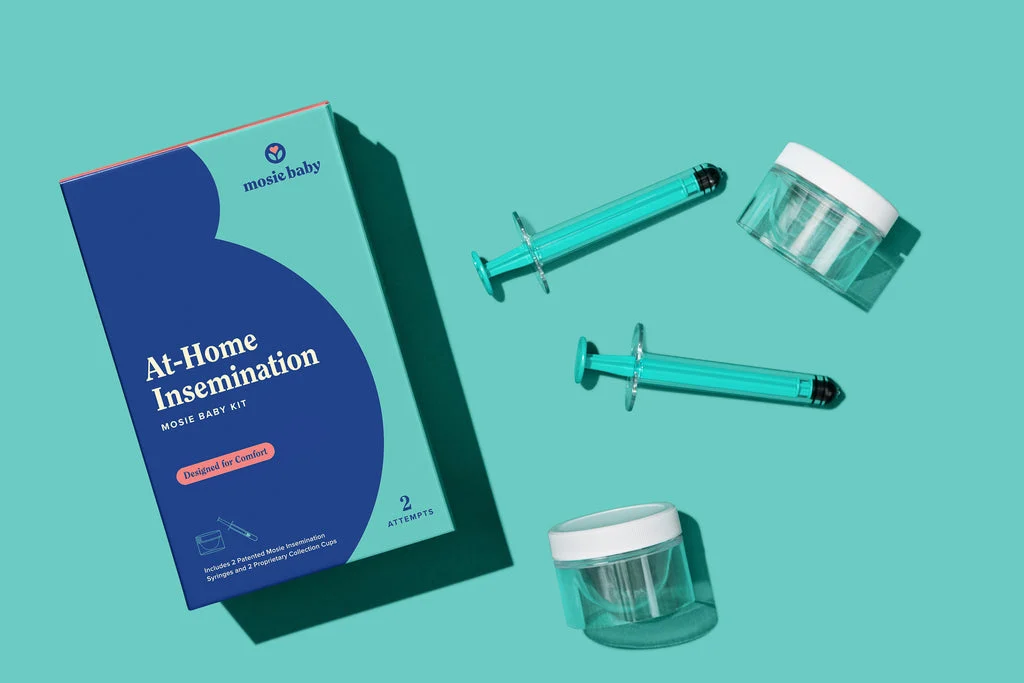
    At-home insemination kit with syringes and collection cups on a teal background.

    The Ultimate Guide to Using Mosiebaby for At-Home Insemination

    5. Seek professional help if needed: If after several attempts, at-home insemination is not successful, it may be time to seek professional help. A fertility doctor can provide guidance and assistance in achieving a pregnancy through at-home insemination or other methods.

    Benefits of Using Mosiebaby for At-Home Insemination:

    1. It is a private and comfortable option: For those who may feel uncomfortable with traditional methods of conception or are looking to start a family on their own, at-home insemination using Mosiebaby offers a private and comfortable alternative.

    2. It is affordable: In comparison to other fertility treatments, at-home insemination using Mosiebaby is a more affordable option, making it accessible to more people.

    3. It can be done in the comfort of your own home: With at-home insemination, there is no need to schedule appointments or travel to a doctor’s office. It can be done in the comfort and privacy of your own home.

    4. It gives control over the process: At-home insemination using Mosiebaby allows individuals or couples to have control over the process of conception. They can choose when and how to inseminate, giving them a sense of empowerment.

    Potential Risks and Precautions:

    While at-home insemination using Mosiebaby is generally considered safe, there are a few potential risks and precautions to keep in mind. These include:

    1. Infection: It is essential to follow the sterilization instructions provided by Mosiebaby to avoid the risk of infection.

    2. Allergic reactions: Some individuals may have an allergic reaction to the materials used in Mosiebaby. It is recommended to do a patch test before using it for insemination.

    3. Limited success: While at-home insemination can be successful, it is not guaranteed. It is essential to have realistic expectations and be prepared for the possibility of multiple attempts before achieving a pregnancy.

    In conclusion, at-home insemination using Mosiebaby is a safe and viable option for those looking to start a family. By following the tips and precautions mentioned in this guide, individuals or couples can increase their chances of success and have more control over the process. Remember to be patient and seek professional help if needed. With Mosiebaby, starting a family can be a comfortable and empowering experience.

  • The Dos and Don’ts of Using a Syringe Insemination System

    Blog Post:

    Syringe insemination systems, also known as artificial insemination, have become a popular method for couples who are struggling to conceive. This technique involves the use of a syringe to insert sperm into the female reproductive tract, bypassing any potential barriers that may prevent natural conception. While it may seem like a simple process, there are certain dos and don’ts that you need to keep in mind when using a syringe insemination system. In this blog post, we will discuss the important things to consider to ensure a successful and safe insemination.

    Dos:

    1. Do consult with a healthcare professional: The first and most important step when considering syringe insemination is to consult with a healthcare professional. They can provide valuable information on the process, assess your fertility and recommend the best approach for your specific situation.

    2. Do choose the right sperm: The success of syringe insemination greatly depends on the quality of the sperm used. It is essential to use fresh, healthy sperm from a reliable source, such as a sperm bank or a fertility clinic. Donor sperm should also be tested for any sexually transmitted infections to avoid any potential risks.

    3. Do prepare the syringe and sperm properly: Before starting the insemination process, make sure to properly prepare the syringe and sperm. The syringe should be sterile and free from any air bubbles. The sperm should be kept at room temperature and allowed to liquefy for at least 20 minutes before use.

    4. Do determine the correct time for insemination: Timing is crucial when it comes to syringe insemination. It is recommended to track ovulation using methods like basal body temperature or ovulation predictor kits, and then inseminate within 12-24 hours of ovulation for the best chances of conception.

    pregnancy test kit features labeled for comfort and confidence on a teal background

    The Dos and Don'ts of Using a Syringe Insemination System

    5. Do use the correct technique: There are different techniques for syringe insemination, and it is essential to use the correct one. The most common technique involves inserting the syringe into the vagina and pushing the plunger to release the sperm near the cervix. It is recommended to lie down with your hips slightly elevated for 15-20 minutes after insemination to allow the sperm to reach its destination.

    Don’ts:

    1. Don’t skip the fertility check: It is essential to undergo a fertility check before attempting syringe insemination. This can help identify any potential issues that may hinder the success of the procedure. Skipping this step can lead to disappointment and frustration in the long run.

    2. Don’t reuse the syringe: It is crucial to use a new, sterile syringe for each insemination attempt. Reusing a syringe can introduce bacteria and increase the risk of infection.

    3. Don’t force the sperm into the cervix: It is important to note that the cervix is a self-cleaning organ and has its own protective mucus barrier. Trying to forcefully inject sperm into the cervix can cause damage and reduce the chances of conception.

    4. Don’t rely solely on syringe insemination: While syringe insemination can be an effective method for conception, it is not a guarantee. It is essential to keep trying and explore other options, such as fertility treatments, if necessary.

    5. Don’t neglect self-care: Trying to conceive can be a stressful and emotionally taxing journey. It is important to take care of yourself, both physically and mentally. Seek support from your partner, friends, or a therapist if needed.

    In summary, using a syringe insemination system can be a helpful tool for couples struggling with fertility. However, it is crucial to follow the dos and don’ts to ensure the best chances of success. Consult with a healthcare professional, choose the right sperm, prepare properly, time the insemination correctly, and use the correct technique. On the other hand, don’t skip fertility checks, reuse the syringe, force sperm into the cervix, solely rely on syringe insemination, or neglect self-care.

  • Syringe Insemination: A Natural Alternative to IVF

    Syringe Insemination: A Natural Alternative to IVF

    In vitro fertilization (IVF) has become a popular method for couples struggling with infertility to conceive a child. However, this process can be expensive, time-consuming, and emotionally draining. As a result, many couples are opting for more natural alternatives, one of which is syringe insemination. This method has been gaining traction in recent years as a more affordable and less invasive option for those seeking to start a family. In this blog post, we will dive into the world of syringe insemination and explore its benefits, process, and success rates.

    What is Syringe Insemination?

    Syringe insemination, also known as intrauterine insemination (IUI), is a fertility treatment that involves placing sperm directly into a woman’s uterus using a syringe. This method is often used when couples have trouble conceiving due to male factor infertility, cervical issues, or unexplained infertility.

    How Does Syringe Insemination Work?

    The first step in syringe insemination is for the male partner to provide a semen sample. The sample is then washed and prepared in a laboratory to remove any dead or abnormal sperm. This process also concentrates the healthy sperm, increasing the chances of successful fertilization.

    Meanwhile, the female partner undergoes ovarian stimulation to encourage the production of multiple eggs. This is usually done through the use of fertility medications. The goal is to produce multiple eggs to increase the chances of fertilization and pregnancy.

    Once the eggs are mature, a doctor will perform an ultrasound to determine the best time for insemination. During the procedure, a thin catheter is inserted into the cervix, and the prepared sperm is injected into the uterus using a syringe. This process is painless and takes only a few minutes to complete.

    Benefits of Syringe Insemination

    at-home insemination kit by Mosie Baby, featuring syringes, collection cups, and instructions on a pink background.

    Syringe Insemination: A Natural Alternative to IVF

    1. Cost-effective: Compared to IVF, syringe insemination is a more affordable option for couples struggling with infertility. The cost of IVF can range from $12,000 to $20,000, while syringe insemination typically costs around $500-$1000 per cycle.

    2. Less invasive: Unlike IVF, syringe insemination is a minimally invasive procedure. There is no need for surgery or anesthesia, and the process is relatively quick and painless.

    3. Fewer side effects: Since syringe insemination does not involve the use of fertility drugs, there are fewer side effects compared to IVF. Fertility medications can cause bloating, mood swings, and other uncomfortable symptoms.

    4. Increased chances of success: Studies have shown that syringe insemination has a success rate of 10-20% per cycle, which is comparable to IVF. This method also has a higher success rate for couples with unexplained infertility and male factor infertility.

    5. Natural approach: Syringe insemination is a more natural approach to fertility treatment. It allows for the natural fertilization of eggs and sperm, rather than the fertilization taking place in a laboratory.

    Is Syringe Insemination Right for You?

    Syringe insemination may not be suitable for everyone. It is often recommended for couples with certain fertility issues, such as male factor infertility, low sperm count, or cervical problems. It is also a viable option for single women or same-sex couples who want to start a family.

    However, it is essential to consult with a fertility specialist to determine if syringe insemination is the right option for you. They will evaluate your medical history and perform necessary tests to determine the best course of treatment.

    In conclusion, syringe insemination is a natural and more affordable alternative to IVF. It has a good success rate and is less invasive, making it a popular choice among couples struggling with infertility. If you are considering this method, be sure to consult with a fertility specialist to determine if it is the right option for you.

    SEO Metadata: