Tag: home insemination

  • Syringe Kits and DIY Baby-Making: A Personalized Approach to Conception

    Summary:

    In today’s world, there are many different paths to starting a family. While traditional methods of conception may work for some, others may find themselves facing challenges or wanting to explore alternative options. This is where syringe kits and DIY baby-making come into play. These personalized approaches to conception offer individuals and couples the opportunity to take control of their own fertility journey and create their own unique path to parenthood.

    The concept of using syringe kits for insemination is not a new one. In fact, it has been used by many couples struggling with fertility issues or members of the LGBTQ+ community looking to start a family. However, in recent years, the DIY baby-making trend has gained popularity as more and more people are opting for a more natural, personalized and cost-effective approach to conception.

    One of the main benefits of using syringe kits for insemination is the ability to do it in the comfort of your own home. This eliminates the stress and expense of having to visit a fertility clinic and allows for a more intimate and personal experience. The kits typically include syringes, cups, and ovulation prediction kits, making it easy for individuals or couples to follow the process step by step.
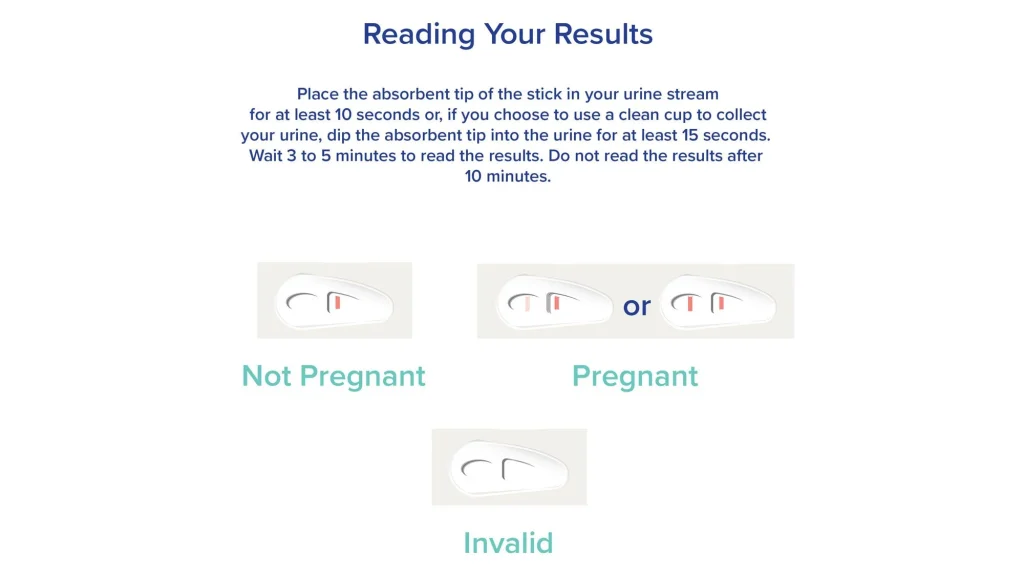
    Instructions for reading pregnancy test results with visual indicators for "Not Pregnant," "Pregnant," and "Invalid.

    Syringe Kits and DIY Baby-Making: A Personalized Approach to Conception

    Another advantage of using syringe kits is the cost. Fertility treatments and procedures can be quite expensive, and not everyone has access to insurance coverage. By using syringe kits, individuals and couples can save thousands of dollars while still having a chance at conceiving. This makes it an attractive option for those who may not have the financial means to pursue traditional fertility treatments.

    DIY baby-making also allows for a more personalized approach to conception. By tracking ovulation and using ovulation prediction kits, individuals can time insemination to increase their chances of success. This, combined with the intimate and personal setting of doing it at home, can make the experience more special and meaningful for couples.

    However, it is important to note that using syringe kits for insemination does come with its own set of challenges. It requires careful planning, patience, and a good understanding of the process. It is essential to do thorough research and consult with a healthcare professional before embarking on this journey. Additionally, it is crucial to have open and honest communication with your partner to ensure that you are both on the same page and fully committed to the process.

    For those considering DIY baby-making, it is also important to understand the legal implications. In most states, the sperm donor is legally considered the father, which could lead to potential custody and child support issues. It is crucial to seek legal advice and have a clear agreement with the sperm donor to avoid any legal complications in the future.

    In conclusion, syringe kits and DIY baby-making offer a personalized and cost-effective approach to conception for individuals and couples. It allows for a more intimate and meaningful experience, while also giving individuals the power to take control of their fertility journey. However, it is essential to do thorough research, seek professional guidance and have open communication with all parties involved to ensure a successful and legally sound process.


  • The Syringe Kit Method: A Natural Approach to DIY Baby-Making

    Blog Post Title: The Syringe Kit Method: A Natural Approach to DIY Baby-Making

    Summary:

    For many couples struggling with infertility, the cost and stress of assisted reproductive technologies can be overwhelming. As a result, more and more couples are turning to natural methods of conception, including the Syringe Kit Method. This method involves collecting semen from the male partner and using a syringe to insert it into the female partner’s reproductive tract during ovulation. In this blog post, we will discuss the ins and outs of the Syringe Kit Method, its success rates, and how to properly use it to increase your chances of conceiving naturally.

    Introduction:

    The Syringe Kit Method, also known as the “turkey baster” method or “home insemination,” has been around for decades. It involves using a syringe to deposit semen into the cervix or vagina during ovulation. This method is often used by same-sex female couples or heterosexual couples who are unable to conceive through traditional methods. While it may sound simple, there are specific steps and precautions that need to be taken to increase the chances of success.

    Step 1: Understand Your Menstrual Cycle

    The first step in using the Syringe Kit Method is to understand your menstrual cycle. Ovulation is the most critical time for conception, as this is when an egg is released from the ovary and is ready to be fertilized. The best time to use the Syringe Kit Method is right before or during ovulation. Therefore, it is crucial to track your menstrual cycle using methods such as ovulation predictor kits, basal body temperature charting, or monitoring cervical mucus.

    Step 2: Collecting Semen

    The male partner will need to collect semen either through masturbation or using a sterile cup during intercourse. It is essential to collect the semen as close to the time of insemination as possible, as sperm can survive for up to five days in the female reproductive tract. The semen should be allowed to liquefy for at least 30 minutes before use.

    Step 3: Preparing the Syringe Kit

    Once the semen is collected, it is time to prepare the syringe kit. The kit typically includes a sterile syringe, a catheter, and a vial to collect the semen. Before using the syringe, ensure that it is sterile and free from any contaminants. If the kit does not come with a catheter, a turkey baster can also be used.

    Mosie Baby pregnancy test kit with two tests and packaging, featuring a mint green color scheme.

    The Syringe Kit Method: A Natural Approach to DIY Baby-Making

    Step 4: Inserting the Semen

    The next step is to insert the semen into the female partner’s reproductive tract. This can be done either through the vagina or directly into the cervix. The female partner can either lie down with her hips elevated or stand with one foot on a stool to make it easier for the semen to travel towards the cervix. The syringe should be inserted gently, and the semen should be released slowly to prevent any discomfort.

    Step 5: Rest and Relaxation

    After the semen has been deposited, it is crucial to rest and relax for at least 15 minutes. This will allow the sperm to swim towards the egg without being disrupted. Some experts also recommend staying in a lying position for up to 30 minutes to increase the chances of conception.

    Risks and Precautions:

    While the Syringe Kit Method is generally safe, there are some risks and precautions that need to be considered. It is essential to ensure that all equipment used is sterile to prevent any infections. The female partner should also be checked for any vaginal infections before attempting the method. Additionally, it is crucial to discuss any potential risks with a healthcare provider before trying the Syringe Kit Method.

    Success Rates:

    The success rates of the Syringe Kit Method vary depending on various factors such as age, fertility status, and timing of insemination. According to a study published in the Journal of Reproductive Medicine, the success rate of home insemination using the Syringe Kit Method was 21% for women under 35 and 16% for women over 35. These rates are comparable to the success rates of other assisted reproductive technologies, making the Syringe Kit Method a viable option for couples trying to conceive naturally.

    Conclusion:

    The Syringe Kit Method is a natural and cost-effective approach to DIY baby-making. While it may not work for everyone, it is worth considering for couples struggling with infertility or for those who prefer a more natural conception method. Remember to track your menstrual cycle, use sterile equipment, and relax after insemination to increase your chances of success. And most importantly, enjoy the process and stay positive!

    SEO Metadata:

  • Non-Invasive Insemination: A Breakthrough for Couples Facing Male Infertility

    Non-Invasive Insemination: A Breakthrough for Couples Facing Male Infertility

    Infertility is a deeply personal and often emotionally challenging experience for couples who are struggling to conceive. While there are various causes of infertility, male factor infertility accounts for about 40% of all infertility cases. Male infertility can be caused by a variety of factors such as low sperm count, poor sperm motility, or abnormal sperm function. In the past, these issues were often treated with invasive and expensive procedures, but with advancements in technology, there is now a breakthrough solution for couples facing male infertility – non-invasive insemination.

    Non-invasive insemination, also known as intracervical insemination or ICI, is a fertility treatment that involves placing washed and concentrated sperm directly into the cervix, bypassing the cervix and uterus. This method is less invasive and less expensive than other forms of assisted reproduction techniques, making it an attractive option for couples struggling with male factor infertility.

    How Non-Invasive Insemination Works

    Non-invasive insemination is a simple and painless procedure that can be completed in the comfort of a doctor’s office or at home with the use of a home insemination kit. Before the insemination, the male partner will provide a semen sample, which is then washed and concentrated to remove any impurities and to increase the number of healthy sperm. The sperm is then placed into a soft, flexible catheter, which is inserted into the woman’s vagina and guided through the cervix to deposit the sperm near the opening of the fallopian tubes. This process mimics the natural process of conception, where sperm travels through the cervix and uterus to reach the egg in the fallopian tubes.

    Benefits of Non-Invasive Insemination

    Mosie Baby ovulation test kit with packaging and instructions on a pink background.

    Non-Invasive Insemination: A Breakthrough for Couples Facing Male Infertility

    One of the main benefits of non-invasive insemination is that it is a simple and low-risk procedure. Unlike other assisted reproduction techniques, there is no need for anesthesia or surgical procedures. This makes it a more accessible option for couples, as it does not require a visit to a specialized fertility clinic. Non-invasive insemination is also less expensive compared to other fertility treatments, which is a significant factor for many couples who are already facing financial stress due to infertility.

    Another advantage of non-invasive insemination is that it can be done at home with a home insemination kit. This provides couples with a more private and intimate experience, which can be more comfortable for some. Home insemination kits are also more convenient, as they do not require multiple visits to a doctor’s office. However, it is essential to consult with a fertility specialist before attempting home insemination to ensure that it is the right option for you and your partner.

    Is Non-Invasive Insemination Right for You?

    Non-invasive insemination may be a suitable option for couples facing male factor infertility, but it is not suitable for everyone. It is essential to consult with a fertility specialist to determine the underlying cause of infertility and to discuss the best treatment options for you and your partner. If male factor infertility is the only issue, and the female partner has no other fertility concerns, non-invasive insemination may be a viable solution. However, if there are additional fertility issues, such as blocked fallopian tubes or ovulation problems, other fertility treatments may be recommended.

    In conclusion, non-invasive insemination is a breakthrough fertility treatment that offers hope to couples facing male factor infertility. It is a simple, low-risk, and less expensive option compared to other assisted reproduction techniques. With advancements in technology, non-invasive insemination has become a more accessible and convenient option for couples, whether done in a doctor’s office or at home with a home insemination kit. However, it is crucial to consult with a fertility specialist to determine if non-invasive insemination is the right option for you and your partner.

    SEO Metadata:

  • Syringe Kit: Revolutionizing Fertility Support for Couples

    BLOG POST:

    In today’s world, there are many couples who struggle with fertility issues. For some, it can be a long and difficult journey to conceive a child. While there are various solutions available to assist with fertility, one option that has been gaining popularity is the use of a syringe kit. This revolutionary tool has been changing the game for couples who are trying to conceive, making the process more accessible, affordable, and comfortable. In this blog post, we will explore how the syringe kit is revolutionizing fertility support for couples.

    To understand the impact of the syringe kit, we must first understand the challenges that couples face when trying to conceive. For many, fertility treatments can be expensive and invasive, causing physical and emotional stress. Intrauterine insemination (IUI) and in vitro fertilization (IVF) are two common procedures used to assist with fertility, but they can require multiple visits to a clinic and involve a significant financial burden. Additionally, the use of needles and medical equipment can be intimidating and uncomfortable for some individuals.

    This is where the syringe kit comes in. It is a simple and discreet tool that can be used at home, eliminating the need for multiple clinic visits and reducing costs. The kit includes a syringe, a sterile cup for collecting sperm, and a cervical cap or soft cup for insemination. It also comes with detailed instructions, making it easy to use for couples who are trying to conceive at home.

    One of the biggest advantages of the syringe kit is its affordability. Compared to traditional fertility treatments, which can cost thousands of dollars, the syringe kit is a much more cost-effective option. It can be purchased online or at a pharmacy for a fraction of the cost, making it accessible to a wider range of couples. This also means that couples can try multiple attempts without breaking the bank, increasing their chances of success.

    Another benefit of the syringe kit is its convenience. With traditional fertility treatments, couples have to schedule appointments and make multiple trips to the clinic, which can be challenging for those with busy schedules or living in remote areas. The syringe kit allows couples to perform the procedure at home, at a time that is convenient for them, reducing stress and hassle.

    logo featuring a pink heart above two teal leaves on a blue circular background

    Syringe Kit: Revolutionizing Fertility Support for Couples

    But perhaps the most significant advantage of the syringe kit is the comfort it provides to couples. The use of needles and medical equipment can be intimidating and uncomfortable. With the syringe kit, couples have more control over the process, and it can be a more intimate and bonding experience for them. It also eliminates the need for a clinical setting, making it a more relaxed and comfortable environment.

    Moreover, the syringe kit can also be used by same-sex couples and single women who are trying to conceive. It provides a more inclusive option for those who may not have access to traditional fertility treatments or may not feel comfortable with them. This has opened up a new world of possibilities for couples and individuals who are on their journey to parenthood.

    Of course, as with any medical procedure, it is essential to consult with a healthcare professional before using the syringe kit. They can provide guidance and ensure that it is the right option for the couple. Additionally, it is crucial to follow the instructions carefully and use the kit correctly to increase the chances of success.

    The use of the syringe kit is also supported by scientific research. A study published in the Journal of Assisted Reproduction and Genetics found that home insemination with a syringe kit had similar success rates to in-clinic IUI, with a pregnancy rate of 18.3% per cycle. This further validates the effectiveness of the syringe kit and its potential to revolutionize fertility support for couples.

    In conclusion, the syringe kit is a game-changer for couples struggling with fertility issues. It provides a more affordable, convenient, and comfortable option for those trying to conceive. With its ability to be used at home, it gives couples more control over the process and eliminates the need for multiple clinical visits. The syringe kit has the potential to make a significant impact on the fertility industry and provide hope for couples who are on their journey to parenthood.

    SUMMARY:

    The syringe kit is a revolutionary tool that is changing the game for couples struggling with fertility issues. This simple and discreet kit can be used at home, making it more affordable, convenient, and comfortable compared to traditional fertility treatments. It is also a more inclusive option for same-sex couples and single women. Supported by scientific research, the syringe kit has the potential to revolutionize fertility support for couples and provide hope for those on their journey to parenthood.

  • The Impact of Diet on Fertility and Home Insemination

    Blog Post:

    The journey to parenthood can be a long and sometimes challenging one. Many couples struggle with fertility issues, and often turn to medical interventions such as in vitro fertilization (IVF) to help them conceive. However, what many people don’t realize is that diet plays a crucial role in fertility and can have a significant impact on a couple’s ability to conceive. In this blog post, we will explore the link between diet and fertility, specifically focusing on the impact of diet on home insemination.

    The Link Between Diet and Fertility:

    It’s no secret that a healthy diet is essential for overall health and well-being. But when it comes to fertility, diet can be a game-changer. The foods we eat can directly affect our hormones, which in turn can impact our reproductive health. For example, a diet high in sugar and processed foods can lead to insulin resistance, which can disrupt hormone levels and ultimately affect ovulation and sperm production.

    On the other hand, a diet rich in whole foods, healthy fats, and lean proteins can help regulate hormones and improve fertility. A study published in the journal Human Reproduction found that women who followed a Mediterranean-style diet had a 40% higher chance of getting pregnant through IVF compared to those who did not follow the diet.

    Impact of Diet on Home Insemination:

    Home insemination is a popular method for couples trying to conceive without medical intervention. It involves using a donor’s sperm and inseminating it at home using a syringe or a special device. While home insemination can be an effective method, diet can play a crucial role in its success.

    One of the most critical factors in home insemination is the quality of sperm. A healthy sperm count and motility are essential for successful conception. Studies have shown that diet can have a significant impact on sperm health. A diet high in antioxidants, such as vitamin C, vitamin E, and selenium, can improve sperm count and motility. On the other hand, a diet high in processed foods and trans fats can decrease sperm quality and quantity.

    Furthermore, diet also plays a role in the quality of cervical mucus, which is essential for sperm to travel through the cervix and reach the egg. A diet high in water and low in processed foods can help improve the quality of cervical mucus, making it easier for sperm to reach the egg.

    Foods to Include in Your Diet for Fertility:

    Now that we understand the link between diet and fertility let’s explore some specific foods that can help improve fertility and increase the chances of successful home insemination.

    1. Fruits and Vegetables: Fruits and vegetables are rich in antioxidants, vitamins, and minerals that can help boost fertility. Aim for a variety of colorful fruits and vegetables to get a wide range of nutrients.

    logo featuring a pink heart above two teal leaves on a blue circular background

    The Impact of Diet on Fertility and Home Insemination

    2. Whole Grains: Whole grains are an excellent source of complex carbohydrates, which can help regulate insulin levels and improve fertility. Opt for whole wheat, quinoa, brown rice, and oats.

    3. Healthy Fats: Healthy fats, such as omega-3 fatty acids, are crucial for hormone production and regulation. Include foods like salmon, avocado, nuts, and seeds in your diet.

    4. Lean Proteins: Proteins are the building blocks of our bodies, and they are essential for fertility. Choose lean proteins like skinless chicken, fish, beans, and lentils.

    5. Water: Staying hydrated is crucial for overall health and fertility. Aim for at least 8 glasses of water a day.

    Foods to Avoid for Fertility:

    Just as some foods can improve fertility, there are also some foods that can have a negative impact. These include:

    1. Processed Foods: Processed foods are often high in sugar, unhealthy fats, and preservatives, which can disrupt hormone levels and decrease fertility.

    2. Trans Fats: Trans fats are found in fried foods, processed snacks, and baked goods. They can lower sperm quality and decrease fertility.

    3. Alcohol: Excessive alcohol consumption can have a negative impact on fertility for both men and women.

    4. Caffeine: While moderate caffeine consumption is generally safe, excessive caffeine intake can disrupt hormone levels and decrease fertility.

    Conclusion:

    In conclusion, diet plays a crucial role in fertility and can have a significant impact on home insemination. Eating a nutrient-dense diet that is rich in fruits, vegetables, whole grains, healthy fats, and lean proteins can help improve overall reproductive health and increase the chances of successful home insemination. On the other hand, avoiding processed foods, trans fats, alcohol, and excessive caffeine can also benefit fertility. By making small but significant changes to your diet, you can increase your chances of conceiving and start your journey to parenthood.

    SEO Metadata:

  • Exploring Different Sperm Collection Methods for Home Insemination

    Exploring Different Sperm Collection Methods for Home Insemination

    In recent years, many couples and individuals have turned to home insemination as a means to start or expand their families. Home insemination involves using donated sperm to fertilize an egg, either through artificial insemination or self-insemination. While there are various methods for obtaining donated sperm, one of the most common concerns for those exploring home insemination is how to collect the sperm. In this blog post, we will explore different sperm collection methods for home insemination and discuss their pros and cons.

    1. Masturbation

    One of the most common and well-known methods for collecting sperm is through masturbation. This involves the person providing the sperm to stimulate themselves and ejaculate into a sterile container. This method is often preferred by sperm donors as it is the most natural and comfortable way for them to collect their sperm. It also allows for the potential donor to test their sperm quality before donating.

    Pros:
    – It is a natural and comfortable way for the donor to collect their sperm.
    – The donor can test their sperm quality before donating.
    – It allows for the donation of a large quantity of sperm.

    Cons:
    – Masturbation may not be suitable for all donors, particularly those with religious or personal beliefs against it.
    – It may not be a viable option for individuals with certain medical conditions or disabilities.
    – It can be time-consuming and may require privacy, making it difficult for donors who are not in a private setting.

    2. Using a Condom

    Another method for collecting sperm is by using a condom during sexual intercourse. This method involves placing a condom on the penis before ejaculation, then carefully removing it and collecting the sperm from the condom. The sperm can then be transferred into a sterile container for use in home insemination.

    Pros:
    – It allows for the collection of sperm during sexual intercourse, which can be a more intimate and natural experience for some couples.
    – It is a relatively easy and convenient method for sperm collection.
    – The use of a condom can reduce the risk of sexually transmitted infections.

    Cons:
    – The success rate of collecting sperm using this method may be lower compared to masturbation.
    – It may not be a suitable option for couples with fertility issues, as the sperm may not be as concentrated.
    – The sperm may be exposed to environmental factors or chemicals from the condom, which could affect its quality.

    Informative card introducing the Mosie Baby Kit and its mission for at-home insemination.

    Exploring Different Sperm Collection Methods for Home Insemination

    3. Using a Collection Kit

    There are also various sperm collection kits available on the market, specifically designed for home insemination. These kits typically contain a sterile container and a device that can be attached to the penis to collect the sperm. Some kits may also include sperm-friendly lubricant for added ease and comfort.

    Pros:
    – Sperm collection kits provide a convenient and sterile method for collecting sperm.
    – They may be suitable for individuals who are not comfortable with masturbation or using condoms.
    – The kits often come with instructions and tips for successful sperm collection.

    Cons:
    – Sperm collection kits can be expensive and may not be affordable for everyone.
    – Some kits may not be as effective in collecting a large quantity of sperm.
    – It may not be a suitable option for individuals with certain medical conditions or disabilities.

    4. Using a Fertility Clinic or Sperm Bank

    For those who prefer a more professional approach, using a fertility clinic or sperm bank may be the best option for sperm collection. These facilities have strict guidelines and procedures in place for collecting and storing sperm, ensuring the highest quality and safety for home insemination.

    Pros:
    – Using a fertility clinic or sperm bank can provide peace of mind and assurance of quality sperm.
    – The facilities often have a wide range of donor options, including anonymous and open donors.
    – They may offer additional services, such as sperm testing and screening for genetic diseases.

    Cons:
    – It can be costly, with fees for sperm collection, storage, and purchasing of sperm.
    – The process may take longer, as the donor will need to undergo screening and testing before their sperm can be used.
    – It may not be a suitable option for those who value privacy, as the donor’s identity may be revealed in open donor arrangements.

    In conclusion, there are various methods for collecting sperm for home insemination, each with its own pros and cons. It is important to carefully consider your personal preferences, budget, and fertility needs when choosing a sperm collection method. Always ensure that the sperm is collected and stored in a sterile and safe manner to increase the chances of a successful home insemination.

    Summary:

    Home insemination is a popular option for couples and individuals looking to start or expand their families. Sperm collection is a crucial step in the home insemination process, and there are various methods for doing so. These include masturbation, using a condom, using a collection kit, or using a fertility clinic or sperm bank. Each method has its own pros and cons, and it is important to carefully consider personal preferences and needs before making a decision.

  • The Importance of Open and Honest Communication in Home Insemination

    Home insemination, also known as DIY insemination or self-insemination, is becoming an increasingly popular method for individuals and couples to achieve pregnancy. This process involves using a syringe or other tool to deposit sperm into the vagina, cervix, or uterus, with the goal of fertilizing an egg and achieving pregnancy. While this method can be a cost-effective and convenient option for those seeking to start a family, it is important to recognize the crucial role that open and honest communication plays in the success of home insemination.

    In this blog post, we will explore the various aspects of open and honest communication in home insemination, including why it is important, how it can benefit both partners, and how to effectively communicate throughout the process.

    Why is Open and Honest Communication Important in Home Insemination?

    Home insemination can be a highly personal and intimate experience, as it involves a couple or individual sharing their bodies, emotions, and desires in the hopes of creating new life. This level of vulnerability and intimacy requires a strong foundation of open and honest communication in order to ensure that both partners feel safe, respected, and supported throughout the process.

    One of the main reasons why open and honest communication is crucial in home insemination is because it allows couples to discuss and address any fears, concerns, or doubts they may have. This can include discussing potential risks, success rates, and emotional challenges that may arise during the process. By having these important conversations, both partners can feel more informed and empowered to make decisions that are right for them.

    In addition, open and honest communication can also help to build trust and strengthen the relationship between partners. This is especially important for LGBTQ+ couples or individuals who may already face societal challenges and stigmas surrounding their fertility journey. By creating a safe and open space for communication, partners can feel more supported and connected, which can ultimately lead to a more positive and successful home insemination experience.

    Benefits of Open and Honest Communication in Home Insemination

    Aside from creating a stronger foundation for the relationship, open and honest communication can also have a direct impact on the success of home insemination. By openly discussing concerns, preferences, and expectations, both partners can work together to optimize the process and increase the chances of fertilization and pregnancy.

    For example, by discussing any potential fertility issues or concerns, partners can explore alternative methods or seek medical advice if necessary. In addition, open communication can also help to alleviate any stress or anxiety that may arise during the insemination process, which can have a direct impact on fertility.

    Smiling baby in a blue onesie with "made with Love" text, lying on a light blue crocheted blanket.

    The Importance of Open and Honest Communication in Home Insemination

    Furthermore, open and honest communication can also lead to a more positive and fulfilling experience for both partners. By expressing their emotions, desires, and boundaries, couples can create a more intimate and mutually satisfying experience. This can also help to foster a stronger emotional connection between partners, which can be beneficial for both the insemination process and their relationship as a whole.

    How to Effectively Communicate in Home Insemination

    Now that we have established the importance and benefits of open and honest communication in home insemination, let’s explore some practical tips for effectively communicating throughout the process.

    1. Set Aside Dedicated Time for Communication: With the busy and hectic schedules of daily life, it can be easy to let communication fall by the wayside. However, it is crucial to make time for open and honest discussions about home insemination. This can include setting aside a specific day or time each week to check in with each other, as well as regularly scheduling doctor’s appointments or insemination attempts.

    2. Use “I” Statements: When discussing sensitive topics or concerns, it is important to use “I” statements rather than “you” statements. This can help to avoid placing blame or causing defensiveness, and instead allows each partner to express their own thoughts and feelings.

    3. Listen and Validate: Effective communication is a two-way street, and it is important to not only express oneself but also to listen and validate the other person’s thoughts and feelings. This can help to foster a more empathetic and understanding dynamic between partners.

    4. Seek Professional Help if Needed: If communication becomes difficult or there are underlying issues that are causing tension, it may be beneficial to seek the help of a therapist or counselor. They can provide a neutral and supportive space for partners to work through any challenges and improve their communication skills.

    In conclusion, open and honest communication is a crucial aspect of home insemination. It not only creates a stronger foundation for the relationship but can also have a direct impact on the success and satisfaction of the insemination process. By setting aside dedicated time for communication, using “I” statements, and seeking professional help if needed, couples can effectively navigate the challenges and joys of home insemination together.

    SEO metadata:

  • Overcoming Obstacles in Home Insemination

    Blog Post: Overcoming Obstacles in Home Insemination

    Home insemination is a popular option for couples trying to conceive, especially for those facing fertility issues or same-sex couples. However, this process can come with its own set of obstacles and challenges. From navigating legal and ethical considerations to dealing with technical difficulties, there are many factors that can make home insemination seem daunting. In this blog post, we will explore the different obstacles that couples may face when attempting home insemination and provide tips and strategies for overcoming them.

    1. Legal and Ethical Considerations

    One of the biggest obstacles that couples may face when considering home insemination is the legal and ethical implications. Laws regarding home insemination vary from country to country and even within different states. It is important to research and understand the laws in your area before proceeding with home insemination.

    In some places, home insemination is not allowed unless performed by a licensed medical professional. In others, it may be permitted but with strict regulations and requirements. It is crucial to follow the laws and regulations in your area to avoid any legal issues. Seeking guidance from a legal professional specializing in fertility and reproductive rights can also be helpful in navigating this obstacle.

    2. Technical Difficulties

    Home insemination involves using a donor’s sperm and inseminating it into the female partner’s reproductive system. This process can be challenging and may require some technical knowledge and skills. For example, determining the correct timing for insemination and using the right equipment can be daunting for first-timers.

    To overcome this obstacle, it is essential to do thorough research and educate yourself on the process. There are also many online resources and support groups available for couples attempting home insemination. Seeking advice from experienced individuals or consulting with a fertility specialist can also be beneficial in navigating the technical aspects of home insemination.

    3. Finding a Suitable Donor

    comparison of Mosie syringe opening versus standard syringe opening with text highlighting benefits

    Overcoming Obstacles in Home Insemination

    Finding a suitable donor can also be an obstacle for couples attempting home insemination. While some couples may opt for known donors such as family members or friends, others may choose to use a sperm bank. However, both options come with their own set of challenges.

    Using a known donor can bring up concerns about the donor’s legal rights and responsibilities, while using a sperm bank can be expensive and time-consuming. To overcome this obstacle, it is crucial to have open and honest communication with the chosen donor and to have a legally-binding agreement in place. For those using a sperm bank, researching and comparing different banks for cost and success rates can be helpful in finding the right one.

    4. Dealing with Emotional Challenges

    Home insemination can be an emotional rollercoaster for couples, especially if they have been struggling with fertility issues. The process can be physically and emotionally draining, and the pressure to conceive can add extra stress. It is essential to have a strong support system in place and to communicate openly with your partner about your feelings and concerns.

    Seeking counseling or joining a support group for couples going through the same process can also be beneficial in dealing with the emotional challenges of home insemination. It is important to remember to take care of yourself and to not let the process consume your life. Finding ways to relax and de-stress, such as meditation or yoga, can also be helpful in managing emotions during this time.

    5. Financial Considerations

    Home insemination can be a cost-effective option for couples trying to conceive, but it still comes with financial considerations. The cost of sperm donation, medical supplies, and fertility tests can add up, especially if multiple attempts are needed. This can be a significant obstacle for couples on a tight budget.

    To overcome this challenge, it is important to create a budget and stick to it. Researching and comparing the costs of different sperm banks and fertility clinics can also help in finding more affordable options. Additionally, seeking financial assistance through programs or grants specifically for fertility treatments can alleviate some of the financial burden.

    Summary:

    Home insemination is a popular option for couples trying to conceive, but it can come with its own set of obstacles. Legal and ethical considerations, technical difficulties, finding a suitable donor, dealing with emotional challenges, and financial considerations are some of the challenges that couples may face. However, with thorough research, communication, and support, these obstacles can be overcome, and home insemination can be a successful and rewarding experience for couples.

  • Incorporating Mindfulness into Home Insemination

    Incorporating Mindfulness into Home Insemination

    Home insemination is a growing trend among couples and individuals who are trying to conceive. It involves using a donor’s sperm to fertilize the egg either through artificial insemination or natural insemination. While the process itself may seem straightforward and clinical, it can also be a stressful and emotional experience for those going through it. This is where mindfulness comes in. By incorporating mindfulness into the home insemination process, individuals and couples can approach the experience with a more positive and calm mindset, which may increase the chances of success.

    What is Mindfulness?

    Mindfulness is the practice of being fully present in the moment and paying attention to one’s thoughts, feelings, and surroundings without judgment. It involves being aware of one’s thoughts and emotions and learning to accept them without getting caught up in them. Mindfulness has been proven to reduce stress and anxiety, improve mental well-being, and promote overall health.

    Incorporating Mindfulness into the Home Insemination Process

    The home insemination process can be physically and emotionally demanding, especially for those who have been trying to conceive for a while. It is important to approach the process with a clear and calm mind to reduce stress and increase the chances of success. Here are some ways to incorporate mindfulness into the home insemination process.

    1. Set an Intention

    Before starting the insemination process, take a moment to set an intention. This can be a phrase or a few words that represent your hopes and desires for the process. It can be something like “I am open to receiving new life” or “I am grateful for this opportunity.” Setting an intention can help focus your mind and bring positive energy to the process.

    2. Practice Deep Breathing

    Deep breathing is a simple yet effective way to calm the mind and relax the body. Before, during, and after the insemination process, take a few minutes to focus on your breath. Inhale slowly and deeply through your nose, hold for a few seconds, and then exhale through your mouth. This will help you release tension and promote relaxation.

    3. Use Guided Meditations

    at-home insemination kit by Mosie Baby, featuring syringes and containers for comfort and convenience.

    Incorporating Mindfulness into Home Insemination

    Guided meditations can be a helpful tool in incorporating mindfulness into the home insemination process. There are many fertility-specific guided meditations available online that can help you relax, let go of negative thoughts, and visualize a successful insemination. You can also create your own personalized guided meditation by focusing on your intention and using positive affirmations.

    4. Create a Calming Environment

    The environment in which you perform the insemination can have a significant impact on your mindset. Make sure the room is clean, comfortable, and clutter-free. You can also add elements that promote relaxation, such as calming music, essential oils, or candles. This will help you feel more at ease and create a peaceful atmosphere for the insemination process.

    5. Practice Gratitude

    Focusing on gratitude can help shift your mindset from negative to positive. Take a moment to reflect on all the things you are grateful for in your life, including the opportunity to try home insemination. This will help you have a more positive outlook and reduce stress and anxiety.

    6. Let Go of Expectations

    One of the biggest sources of stress during the home insemination process is the fear of failure. It is important to remember that the outcome of the process is not entirely in your control. Let go of expectations and trust that whatever happens, you have done your best. This will help you approach the process with a more relaxed and open mindset.

    7. Connect with Your Partner

    If you are trying to conceive with a partner, it is essential to stay connected throughout the process. Communicate openly and honestly about your feelings and concerns. Practice mindfulness together by doing activities such as yoga, meditation, or deep breathing. This will help you feel more connected and supported during the home insemination process.

    Summary:

    Home insemination can be a stressful and emotional experience, but incorporating mindfulness into the process can help reduce stress and increase the chances of success. Mindfulness involves being fully present in the moment and accepting one’s thoughts and emotions without judgment. To incorporate mindfulness into home insemination, one can set an intention, practice deep breathing, use guided meditations, create a calming environment, practice gratitude, let go of expectations, and connect with their partner.

  • The Impact of Lifestyle Choices on Home Insemination

    Blog Post:

    Home insemination, also known as self-insemination or at-home insemination, is the process of conceiving a child without medical intervention in the comfort of one’s own home. This method has become increasingly popular among couples and individuals who are unable to conceive through traditional methods, such as natural intercourse or fertility treatments. While home insemination can be a convenient and cost-effective option for starting a family, it is important to understand the impact of lifestyle choices on the success of this method.

    In this blog post, we will explore the various lifestyle factors that can affect home insemination and provide tips on how to optimize your chances of success.

    1. Diet and Nutrition

    The food we eat plays a crucial role in our overall health and fertility. A balanced and nutritious diet is essential for both partners when attempting home insemination. A diet rich in fruits, vegetables, whole grains, and lean proteins can help regulate hormones and improve reproductive health. On the other hand, processed foods, alcohol, and caffeine can have a negative impact on fertility and should be avoided or consumed in moderation.

    2. Exercise and Body Weight

    Maintaining a healthy weight is vital for fertility, as being under or overweight can disrupt hormone balance and ovulation. Regular exercise can help regulate menstrual cycles and improve overall reproductive health. However, excessive exercise or extreme weight loss can also have a negative impact on fertility. It is essential to find a balance and avoid extreme measures when trying to conceive through home insemination.

    3. Stress Management

    Stress can affect fertility in both men and women. High levels of stress can disrupt hormone production and ovulation in women, while in men, it can lead to a decrease in sperm count and quality. When attempting home insemination, it is crucial to find ways to manage stress, such as practicing relaxation techniques, yoga, or seeking therapy. Creating a calm and peaceful environment at home can also be beneficial for reducing stress levels.

    4. Smoking, Alcohol, and Drug Use

    two teal and clear syringes positioned on a white background

    The Impact of Lifestyle Choices on Home Insemination

    Smoking, excessive alcohol consumption, and drug use can have a significant impact on fertility. For women, smoking can lead to early menopause and decrease egg quality, while in men, it can affect sperm count and quality. Alcohol and drug use can also disrupt hormone production and affect the reproductive system. It is crucial to quit smoking and limit alcohol and drug use when attempting home insemination.

    5. Timing and Frequency of Insemination

    Timing and frequency of home insemination are crucial factors in achieving success. It is essential to track ovulation through methods such as ovulation predictor kits, basal body temperature charting, or monitoring cervical mucus. This will help determine the most fertile days for insemination. Additionally, it is recommended to inseminate every other day during the fertile window to improve the chances of conception.

    6. Sperm Quality and Quantity

    For home insemination to be successful, the quality and quantity of sperm are essential. It is recommended for men to ejaculate regularly to ensure a fresh and healthy supply of sperm. Furthermore, men should avoid hot tubs, saunas, and tight-fitting underwear, as these can increase scrotal temperature and affect sperm production. It is also advisable to get a semen analysis done to ensure the sperm is of good quality and quantity.

    7. Age and Fertility

    Age is a significant factor in fertility, and this applies to both men and women. As women age, the quality and quantity of eggs decrease, making it more challenging to conceive. Similarly, men over the age of 40 may experience a decline in sperm quality and quantity. When attempting home insemination, it is essential to keep age in mind and consult with a doctor if necessary.

    In conclusion, home insemination can be a successful method for starting a family, but it requires careful consideration of lifestyle choices. A healthy diet, regular exercise, stress management, avoiding harmful substances, proper timing and frequency of insemination, and maintaining good sperm quality and quantity are all crucial factors for achieving success. It is also advisable to consult with a fertility specialist if home insemination is not successful after several attempts.

    Summary:

    Home insemination is a popular method for conceiving a child without medical intervention. However, lifestyle choices can significantly impact the success of this method. Factors such as diet and nutrition, exercise and body weight, stress management, smoking and alcohol use, timing and frequency of insemination, sperm quality and quantity, and age can all affect home insemination. It is crucial to maintain a healthy lifestyle and consult with a doctor if necessary to optimize the chances of success.