Tag: Reproductive Health

  • The Intriguing Link Between Cervical Mucus and Chromosomes

    Cervical mucus is a topic that is often discussed when it comes to fertility and reproductive health. It is a fluid produced by the cervix that plays an important role in the female reproductive system. But did you know that cervical mucus also has a fascinating connection to chromosomes? In this blog post, we will explore the intriguing link between cervical mucus and chromosomes and how it can impact fertility and overall reproductive health.

    To understand how cervical mucus and chromosomes are linked, we first need to understand what chromosomes are. Chromosomes are thread-like structures found in the nucleus of every cell in our body. They contain our genetic information and are responsible for determining our physical traits, gender, and many other characteristics. In humans, there are 23 pairs of chromosomes, with one set coming from each parent.

    The most well-known role of chromosomes is their involvement in determining the sex of a baby. Females have two X chromosomes, while males have one X and one Y chromosome. During fertilization, the sperm and egg each contribute one set of chromosomes to the embryo, determining the baby’s gender. However, chromosomes play a much bigger role in our bodies than just determining our gender.

    Now, let’s dive into the connection between cervical mucus and chromosomes. The quality and quantity of cervical mucus can provide valuable insights into a woman’s fertility and ovulation. The consistency and appearance of cervical mucus change throughout a woman’s menstrual cycle, and these changes are influenced by hormones, particularly estrogen.

    During the first half of the menstrual cycle, estrogen levels rise, causing the cervical mucus to become thin, clear, and stretchy. This type of mucus, known as “fertile” or “egg white” cervical mucus, is essential for sperm survival and movement. It also helps to create a hospitable environment for sperm to reach and fertilize the egg. As ovulation approaches, the level of estrogen peaks, and the cervical mucus becomes even more abundant and stretchy. This is the most fertile time of the menstrual cycle, and the chances of conceiving are highest during this period.

    Mosie Baby Kit features a syringe and container, highlighting safety and usability tests on a blue background.

    The Intriguing Link Between Cervical Mucus and Chromosomes

    But how does this relate to chromosomes? Well, the quality and quantity of cervical mucus can affect the sperm’s ability to reach and fertilize the egg. Sperm have to swim through the cervix and into the uterus to reach the egg. The cervical mucus acts as a barrier, filtering out abnormal or damaged sperm. It also helps to nourish and protect the sperm as they make their journey. This process is known as sperm capacitation.

    Studies have shown that sperm with abnormal chromosomes have a harder time penetrating the cervical mucus and reaching the egg. This is because the cervical mucus is more selective and resistant to these sperm. This means that the quality of cervical mucus can play a crucial role in determining which sperm can successfully fertilize the egg. This, in turn, can affect the quality of the embryo and the chances of a successful pregnancy.

    Moreover, the cervical mucus also plays a role in the selection of the sperm that will fertilize the egg. It has been found that during the fertile window, the cervical mucus is more receptive to sperm with normal chromosomes. This is because the mucus contains enzymes that can detect and remove abnormal sperm. This process, known as sperm sorting, helps to ensure that only the healthiest sperm fertilize the egg, leading to a higher chance of a healthy pregnancy.

    The link between cervical mucus and chromosomes goes beyond fertility and can also impact reproductive health. Abnormalities in chromosomes can lead to genetic disorders and birth defects. Studies have shown that the quality of cervical mucus can be affected by certain genetic disorders, such as cystic fibrosis. Women with this condition have thicker cervical mucus, making it harder for sperm to reach the egg, thus reducing their fertility.

    In conclusion, cervical mucus and chromosomes have a complex and intriguing relationship. The quality and quantity of cervical mucus can affect the selection and survival of sperm with normal chromosomes, ultimately impacting fertility and reproductive health. This highlights the importance of monitoring cervical mucus and understanding its role in the menstrual cycle for women trying to conceive. It also emphasizes the need for further research to better understand the link between cervical mucus and chromosomes and its potential impact on fertility and reproductive health.

    In summary, cervical mucus and chromosomes are closely linked, with the quality and quantity of cervical mucus playing a crucial role in sperm selection and fertilization. Abnormalities in chromosomes can impact the quality of cervical mucus, leading to fertility issues and potential genetic disorders. Monitoring cervical mucus can provide valuable insights into a woman’s fertility and overall reproductive health.


  • The Dos and Don’ts of Using Cervical Mucus for Baby Gender Prediction

    Cervical mucus is a natural secretion produced by the cervix that plays a crucial role in a woman’s fertility and reproductive health. But did you know that it can also be used for predicting the gender of a baby? This method has been around for centuries and is still popular among couples who are trying to conceive. In this blog post, we will dive into the dos and don’ts of using cervical mucus for baby gender prediction.

    Dos:

    1. Track your cervical mucus consistently: The key to using cervical mucus for gender prediction is consistency. It is essential to track your cervical mucus every day, at the same time, and in the same way. This will help you get a more accurate idea of your mucus pattern and make it easier to spot changes.

    2. Understand the different types of cervical mucus: Cervical mucus changes throughout a woman’s menstrual cycle and can be categorized into four types – dry, sticky, creamy, and egg white. The egg white cervical mucus (EWCM) is the most fertile type and is associated with ovulation. Keeping track of these changes can help you determine your most fertile days, which can increase your chances of conceiving.

    3. Use a fertility tracker or chart: To make the process of tracking your cervical mucus easier, you can use a fertility tracker or chart. These tools allow you to record your mucus observations and other fertility signs such as basal body temperature and ovulation tests. They can also help you identify patterns and predict when you are most likely to conceive.

    4. Pay attention to the color and consistency: While tracking your cervical mucus, it is crucial to pay attention to its color and consistency. EWCM is usually clear, stretchy, and slippery, similar to raw egg whites. This type of mucus is considered the most fertile and is associated with conceiving a boy. On the other hand, if your mucus is more milky and creamy, it is associated with conceiving a girl.

    5. Combine with other gender prediction methods: Although cervical mucus can give you some insight into your baby’s gender, it should not be the only method you rely on. Combining it with other gender prediction methods, such as the Chinese gender chart or the Ramzi theory, can provide a more accurate prediction.

    at-home insemination kit by Mosie Baby, featuring syringes and containers for comfort and convenience.

    The Dos and Don'ts of Using Cervical Mucus for Baby Gender Prediction

    Don’ts:

    1. Use it as the only method for gender prediction: As mentioned earlier, cervical mucus should not be the sole method for gender prediction. While it can provide some insight, it is not 100% accurate. It is essential to combine it with other methods and consult with your doctor for confirmation.

    2. Rely on it for medical decisions: Some couples may use cervical mucus for gender selection, hoping to conceive a specific gender. However, it is not advisable to rely on this method for making medical decisions. It is essential to remember that the gender of a baby is determined by the sperm, and no method can guarantee the outcome.

    3. Use it if you have irregular cycles: Cervical mucus can be a useful tool for predicting ovulation and fertility for women with regular cycles. However, if you have irregular periods, this method may not be as accurate. In such cases, it is best to consult with your doctor for more reliable methods.

    4. Confuse it with other vaginal discharge: Sometimes, vaginal discharge can be mistaken for cervical mucus. It is essential to know the difference between the two. Cervical mucus is typically stretchy and clear, while vaginal discharge can be thick, white, or yellowish. If you are unsure, consult with a doctor for clarification.

    5. Share your observations with others: Cervical mucus is a personal and intimate topic, and it is best not to share your observations with others. Not only is it a sensitive topic, but it can also lead to unwanted pressure and expectations from family and friends.

    In conclusion, using cervical mucus for baby gender prediction can be a fun and exciting way to try and conceive a specific gender. However, it is essential to remember that it is not a foolproof method and should not be relied upon for medical decisions. It is always best to consult with your doctor for accurate gender confirmation. By following the dos and don’ts listed above, you can use this method safely and effectively.

  • Cervical Mucus and Baby Gender: The Role of pH Levels

    Blog Post:

    Cervical mucus, also known as cervical fluid, is a natural substance produced by the cervix that plays a crucial role in a woman’s reproductive health. It not only helps sperm to reach and fertilize an egg but also acts as a protective barrier against bacteria and other harmful substances. But did you know that cervical mucus can also provide clues about your baby’s gender? In this blog post, we will explore the role of pH levels in cervical mucus and how it can potentially influence the gender of your baby.

    The Role of Cervical Mucus in Conception

    Before we dive into the connection between cervical mucus and baby gender, let’s first understand the role of cervical mucus in conception. During ovulation, the cervix produces a thin, slippery and stretchy mucus that helps sperm to travel through the cervix and into the fallopian tubes where fertilization takes place. This fertile cervical mucus is usually clear and watery, making it easier for sperm to swim through.

    In contrast, during the rest of the menstrual cycle, the cervical mucus is thicker and more acidic, creating a hostile environment for sperm. This protects the reproductive system from infections and also prevents sperm from reaching the egg. However, during ovulation, the pH level of cervical mucus becomes more alkaline, which helps to neutralize the acidic environment and allows sperm to survive longer.

    pH Levels and Baby Gender

    Now, let’s look at the connection between cervical mucus and baby gender. According to some theories, the pH level of cervical mucus may have an impact on the gender of the baby. The rationale behind this theory is that male sperm are more resilient and can survive longer in an alkaline environment, while female sperm prefer a more acidic environment.

    So, if a woman’s cervical mucus is more alkaline during ovulation, it may increase the chances of male sperm fertilizing the egg, resulting in a male baby. On the other hand, a more acidic environment may support the survival of female sperm, increasing the chances of having a female baby.

    Studies on Cervical Mucus and Baby Gender

    While there is no conclusive evidence to support this theory, some studies have looked at the correlation between cervical mucus pH levels and baby gender. One study published in the journal Fertility and Sterility found that women with higher levels of alkaline cervical mucus during ovulation were more likely to conceive male babies.

    Another study published in the Journal of Assisted Reproduction and Genetics also found a correlation between the pH level of cervical mucus and baby gender. The study showed that women who had higher levels of alkaline cervical mucus were more likely to have male babies, while those with more acidic cervical mucus were more likely to have female babies.

    comparison of Mosie syringe opening versus standard syringe opening with text highlighting benefits

    Cervical Mucus and Baby Gender: The Role of pH Levels

    Factors That Can Affect Cervical Mucus pH Levels

    It’s important to note that there are many factors that can affect the pH level of cervical mucus, and it may not necessarily determine the gender of your baby. These factors include:

    1. Diet: The foods we eat can affect our body’s pH levels, which can also impact the pH of cervical mucus. A diet high in acidic foods, such as citrus fruits, can make cervical mucus more acidic, while a diet high in alkaline foods, such as green leafy vegetables, can make it more alkaline.

    2. Medications: Certain medications, such as antibiotics and antihistamines, can alter the pH level of cervical mucus.

    3. Hormonal changes: Hormonal changes throughout the menstrual cycle can also affect the pH level of cervical mucus.

    4. Infections: Infections such as yeast or bacterial vaginosis can also change the pH level of cervical mucus.

    5. Supplements: Some supplements, such as Vitamin C, can make cervical mucus more acidic.

    The Bottom Line

    While the theory of cervical mucus pH levels and baby gender may be intriguing, it’s important to remember that it is not a reliable method for predicting the gender of your baby. Many factors can influence cervical mucus pH levels, and it’s impossible to control them all. The only way to determine the gender of your baby is through genetic testing or an ultrasound.

    However, tracking your cervical mucus can still be a useful tool for understanding your menstrual cycle and identifying your most fertile days. If you are trying to conceive, it’s recommended to use other methods, such as ovulation predictor kits, in combination with tracking your cervical mucus to increase your chances of conception.

    In summary, cervical mucus plays a vital role in conception and can potentially have an impact on the gender of your baby. While there is no scientific proof to support this theory, it’s still an interesting concept to consider. Remember to always consult with your healthcare provider for personalized advice about your reproductive health.

  • Why Cervical Mucus Can Be a Reliable Indicator of Baby Gender

    Blog Post Title: Why Cervical Mucus Can Be a Reliable Indicator of Baby Gender

    When it comes to predicting the gender of an unborn baby, there are countless old wives’ tales and myths floating around. From the shape of a woman’s belly to the food she craves, people have come up with all sorts of ways to try and determine whether the baby will be a boy or a girl. However, one method that has gained traction in recent years is using cervical mucus as a reliable indicator of baby gender. In this blog post, we will dive into the science behind this theory and explore how cervical mucus can be a reliable predictor of baby gender.

    First, let’s start with the basics. Cervical mucus, also known as cervical fluid, is a natural secretion produced by the cervix. It plays a crucial role in a woman’s reproductive system by protecting and nourishing sperm, helping them survive and swim towards the egg for fertilization. The amount, consistency, and quality of cervical mucus can vary throughout a woman’s menstrual cycle, and it is heavily influenced by hormones.

    Now, how does cervical mucus relate to predicting baby gender? The theory is that the type of cervical mucus a woman produces during her fertile window can indicate whether she is more likely to conceive a boy or a girl. According to this theory, the sperm carrying the Y chromosome (which produces male offspring) can survive better in certain types of cervical mucus, while the sperm carrying the X chromosome (which produces female offspring) can survive better in other types.

    So, what are the different types of cervical mucus and how do they relate to baby gender? Let’s break it down:

    1. Dry or Sticky Mucus: This type of cervical mucus is not conducive to sperm survival and is usually present in the first few days after menstruation. If a woman has dry or sticky mucus during her fertile window, it is believed that she is more likely to conceive a girl.

    2. Creamy or Milky Mucus: This type of cervical mucus is thicker than dry or sticky mucus, and it is more conducive to sperm survival. It is often present in the days leading up to ovulation and is believed to increase the chances of conceiving a boy.

    Mosie Baby Kit with a syringe and container, highlighting safety and usability features on a blue background.

    Why Cervical Mucus Can Be a Reliable Indicator of Baby Gender

    3. Watery or Egg-White Mucus: This type of cervical mucus is the most fertile and is usually present during ovulation. It has a consistency similar to raw egg whites and helps sperm travel towards the egg. It is believed that this type of mucus increases the chances of conceiving a girl.

    4. Thick and Cloudy Mucus: This type of cervical mucus is not conducive to sperm survival and is usually present after ovulation. If a woman has thick and cloudy mucus during her fertile window, it is believed that she is more likely to conceive a boy.

    While the theory behind using cervical mucus to predict baby gender may seem straightforward, it is essential to note that it is not a foolproof method. Many factors can affect the quality and consistency of cervical mucus, including age, stress, and medications. Plus, the sperm’s survival and the fertilization process itself are complex and unpredictable. Therefore, it is crucial to take this theory with a grain of salt and not rely on it as the sole method to determine baby gender.

    However, there is some scientific evidence to support the theory. A study published in the Journal of Reproductive Medicine found that women who had intercourse during their fertile window and had cervical mucus conducive to sperm survival were more likely to have male offspring. On the other hand, women who had intercourse during their fertile window but had cervical mucus that was not conducive to sperm survival were more likely to have female offspring.

    In addition, many couples have reported success in predicting their baby’s gender using cervical mucus as a guide. While anecdotal evidence should not be the sole basis for any theory, it does add to the growing body of evidence supporting this method.

    In conclusion, while there is no foolproof way to predict the gender of an unborn baby, using cervical mucus as an indicator can be a fun and exciting way for couples to try and guess their baby’s gender. However, it is crucial to remember that this method is not 100% accurate, and many other factors can influence the outcome. It is always best to consult with a medical professional for a reliable and accurate determination of baby gender.

    In summary, cervical mucus can be a reliable indicator of baby gender due to the theory that certain types of mucus can be more conducive to sperm carrying the Y or X chromosome. However, this method should not be relied upon solely and is not 100% accurate. It is essential to consult with a medical professional for a reliable determination of baby gender.

  • Is Cervical Mucus the New Gender Reveal Method?

    Cervical mucus has long been considered an indicator of fertility and reproductive health. But recently, it has gained attention as a potential method for predicting the gender of a baby. With the rise of gender reveal parties and the desire for expectant parents to know their baby’s gender as early as possible, the idea of using cervical mucus as a gender reveal method is gaining traction. But is it accurate, and what are the implications of using this method?

    To understand the potential of cervical mucus as a gender reveal method, it’s important to first understand its role in fertility and pregnancy. Cervical mucus is a fluid produced by the cervix that changes in consistency, texture, and color throughout a woman’s menstrual cycle. It serves as a protective barrier for sperm, helps them reach the egg, and also provides important nutrients for the sperm to survive. Cervical mucus also plays a crucial role in helping sperm determine the timing and location of ovulation.

    During ovulation, cervical mucus becomes clear, slippery, and stretchy, similar to the consistency of egg whites. This type of mucus is known as “fertile mucus” and indicates that a woman is at her most fertile. As the cycle progresses, the mucus becomes thicker and cloudier, making it more difficult for sperm to survive and reach the egg. This type of mucus is known as “infertile mucus” and is a sign that ovulation has passed.

    Proponents of using cervical mucus as a gender reveal method argue that the type of mucus present at the time of conception can indicate the gender of the baby. It is believed that sperm carrying the Y chromosome, which results in a male baby, can survive longer in fertile mucus, while sperm carrying the X chromosome, which results in a female baby, are more likely to survive in infertile mucus. Therefore, if a couple has intercourse during their most fertile days and the woman conceives, it is more likely that they will have a boy. On the other hand, if they have intercourse during the infertile days and the woman conceives, it is more likely that they will have a girl.

    sperm-ready insemination kit with a syringe and container, featuring a screw top lid and non-tip safety wall

    Is Cervical Mucus the New Gender Reveal Method?

    The idea of using cervical mucus as a gender reveal method is not a new concept. In fact, it has been around for centuries, with some cultures using it as a way to predict the gender of a baby. However, there is very little scientific evidence to support this method. In fact, a study published in the Journal of Obstetrics and Gynecology found that there was no significant difference in the type of cervical mucus present at the time of conception between couples who had a boy or a girl. This suggests that cervical mucus may not be a reliable method for predicting the gender of a baby.

    Furthermore, there are other factors that can affect the type of mucus present at the time of conception. For example, certain medications, hormonal imbalances, and infections can all alter cervical mucus production and consistency. Additionally, sperm carrying the Y chromosome can also survive longer in the female reproductive tract, making it possible for a couple to have a girl even if they had intercourse during their most fertile days.

    Aside from the lack of scientific evidence, there are also ethical and social implications to consider when using cervical mucus as a gender reveal method. The desire to know the gender of a baby as early as possible has led to the rise of gender reveal parties, where parents-to-be reveal the gender of their baby to friends and family in creative and sometimes extravagant ways. While these parties may seem harmless, they can perpetuate harmful gender stereotypes and put pressure on expectant parents to conform to traditional gender roles.

    In conclusion, while cervical mucus has been touted as a potential gender reveal method, there is little scientific evidence to support its accuracy. Other factors can affect the type of mucus present at the time of conception, and the desire for early gender determination may have negative effects on gender equality. Instead of relying on unproven methods, it’s important for expectant parents to focus on the health and well-being of their baby, regardless of its gender.

    In summary, cervical mucus has gained attention as a potential gender reveal method due to its role in fertility and pregnancy. However, there is little scientific evidence to support its accuracy, and other factors can affect the type of mucus present at the time of conception. The desire for early gender determination may also have negative effects on gender equality. Instead, expectant parents should prioritize the health and well-being of their baby, regardless of its gender.

  • The Surprising Benefits of Exercise on Cervical Mucus Production

    In today’s fast-paced world, it can be easy to neglect our own health and well-being. We often prioritize work, family, and other responsibilities over taking care of ourselves. However, one aspect of our health that we may not pay enough attention to is our cervical mucus production. Cervical mucus plays a crucial role in our reproductive health, and exercise has been found to have surprising benefits on its production. In this blog post, we will explore the connection between exercise and cervical mucus production and discuss how incorporating regular physical activity into our routines can have a positive impact on our reproductive health.

    First, let’s understand what cervical mucus is and why it is important. Cervical mucus is a fluid produced by the cells in the cervix, the lower part of the uterus. It plays a vital role in our reproductive system by helping sperm reach the egg for fertilization. The consistency and quality of cervical mucus also indicate where a woman is in her menstrual cycle, making it an essential factor in fertility tracking.

    Now, you may be wondering, how does exercise affect cervical mucus production? Well, it turns out that physical activity has several surprising benefits on our reproductive health, including our cervical mucus production. Let’s take a closer look at some of these benefits.

    1. Improved Blood Circulation

    Regular exercise helps improve blood circulation throughout the body, including the reproductive organs. This increased blood flow to the cervix and uterus can have a positive effect on cervical mucus production. The cervix relies on a good blood supply to produce enough mucus, and exercise can help facilitate this process.

    2. Hormonal Balance

    Hormonal balance is crucial for proper cervical mucus production. Exercise has been found to help regulate hormones, particularly estrogen and progesterone, which play a significant role in the production of cervical mucus. When these hormones are in balance, the quality and quantity of cervical mucus improve, making it easier for sperm to reach the egg.

    3. Reduced Stress and Anxiety

    Stress and anxiety can have a negative impact on our reproductive health, including cervical mucus production. Exercise has been proven to be an effective stress-reliever, as it releases endorphins, also known as “feel-good” hormones, in our bodies. Regular physical activity can help reduce stress and anxiety levels, promoting a healthier balance of hormones and improving cervical mucus production.

    Mosie Baby pregnancy test kit with two tests and packaging, featuring a mint green color scheme.

    The Surprising Benefits of Exercise on Cervical Mucus Production

    4. Weight Management

    Maintaining a healthy weight is essential for overall health, including reproductive health. Excessive body weight or obesity can lead to hormonal imbalances and reduce the quality of cervical mucus. Regular exercise can help with weight management, keeping our hormones in check and promoting healthy cervical mucus production.

    5. Detoxification

    Our bodies are exposed to various toxins every day, which can have a negative impact on our reproductive health. Exercise helps us sweat, which is one of the body’s natural ways of eliminating toxins. Regular physical activity can help detoxify our bodies, promoting a healthier environment for cervical mucus production.

    6. Improved Overall Health

    Exercise has numerous benefits for our overall health, including our reproductive health. When we are physically active, our bodies are better equipped to fight off infections and illnesses, keeping our reproductive organs healthy. This, in turn, can have a positive impact on cervical mucus production, as a healthy body is better able to produce high-quality mucus.

    7. Better Fertility Outcomes

    For couples trying to conceive, exercise can be an essential factor in improving fertility outcomes. By improving blood circulation, regulating hormones, reducing stress, managing weight, and promoting detoxification, exercise can create a more favorable environment for conception. Additionally, regular physical activity can also help regulate menstrual cycles, making it easier to track ovulation and increase the chances of pregnancy.

    In conclusion, exercise has numerous surprising benefits on cervical mucus production. By improving blood circulation, balancing hormones, reducing stress, managing weight, promoting detoxification, and improving overall health, regular physical activity can have a positive impact on our reproductive health. So, if you’re looking to improve your cervical mucus production or boost your fertility, make sure to incorporate exercise into your daily routine.

  • The Impact of Exercise on Cervical Mucus Quality: What You Need to Know

    Summary:

    Cervical mucus is a crucial aspect of a woman’s fertility and overall reproductive health. It plays a vital role in facilitating sperm transport and increasing the chances of conception. However, many women may not be aware of the impact that exercise can have on their cervical mucus quality. In this blog post, we will explore the relationship between exercise and cervical mucus quality, and what women need to know to optimize their fertility.

    First, we will discuss the basics of cervical mucus and its role in fertility. Cervical mucus is a fluid produced by the cervix that changes in consistency and quality throughout a woman’s menstrual cycle. It serves as a protective barrier for sperm, providing them with a conducive environment to survive and swim towards the egg. The quality and quantity of cervical mucus can vary depending on factors such as hormonal fluctuations, diet, and lifestyle.

    Next, we will dive into the impact of exercise on cervical mucus quality. Exercise has numerous benefits for overall health, including improved cardiovascular health, weight management, and stress reduction. However, certain types and intensities of exercise can affect cervical mucus production and quality. High-intensity exercises, such as marathon running or intense weightlifting, can lead to dehydration and a decrease in cervical mucus production. On the other hand, moderate exercise, such as brisk walking or yoga, can improve blood flow and hormone balance, leading to better cervical mucus quality.

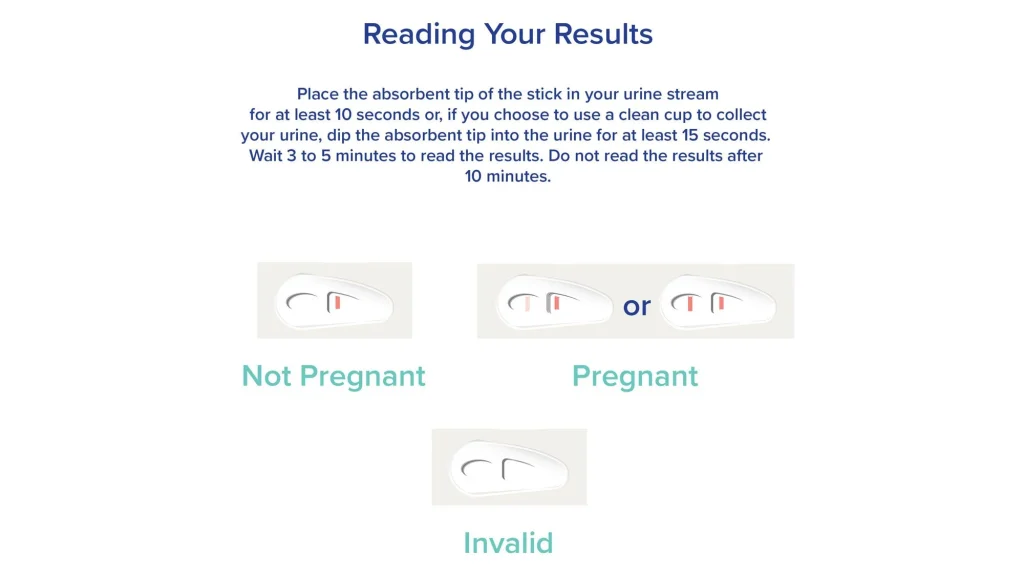
    Instructions for reading pregnancy test results with visual indicators for "Not Pregnant," "Pregnant," and "Invalid.

    The Impact of Exercise on Cervical Mucus Quality: What You Need to Know

    We will also explore the importance of hydration and its impact on cervical mucus. Dehydration can lead to thicker and less abundant cervical mucus, making it more difficult for sperm to reach the egg. It is crucial to drink enough water and electrolyte-rich fluids before and after exercise to maintain proper hydration levels. Additionally, we will discuss the role of nutrition in cervical mucus quality, and how a balanced and healthy diet can positively impact fertility and cervical mucus production.

    Furthermore, we will address the potential negative effects of over-exercising on fertility. While exercise is generally beneficial for reproductive health, excessive and intense exercise can lead to hormonal imbalances, irregular menstrual cycles, and even amenorrhea (absence of periods). These can all have a detrimental effect on cervical mucus quality and decrease the chances of conceiving.

    Lastly, we will provide tips on how to balance exercise and fertility. The key is to find a balance between maintaining a healthy and active lifestyle while also optimizing cervical mucus production and quality. This can be achieved by incorporating moderate exercise into your routine, staying hydrated, and listening to your body. It is also essential to consult with a healthcare professional if you have any concerns or underlying health conditions that may affect your fertility.

    In conclusion, exercise can have a significant impact on cervical mucus quality, and it is essential for women to be aware of this relationship. By understanding the effects of exercise on cervical mucus and implementing strategies to optimize its production and quality, women can improve their chances of conceiving and maintaining a healthy reproductive system.

  • Cervical Mucus and Exercise: Understanding the Link for Fertility

    Cervical mucus and exercise are two seemingly unrelated topics, but they actually have a significant impact on fertility. Cervical mucus, also known as cervical fluid, is a natural substance produced by the cervix that plays a crucial role in helping sperm reach and fertilize an egg. Meanwhile, exercise has numerous benefits for overall health and well-being, but it can also affect fertility in both positive and negative ways. In this blog post, we will explore the link between cervical mucus and exercise and how understanding this connection can help individuals and couples trying to conceive.

    The Connection Between Cervical Mucus and Fertility

    To understand the link between cervical mucus and fertility, it’s important to first understand the role of cervical mucus in the reproductive process. Cervical mucus serves as a protective barrier for sperm, as it helps to filter out damaged or abnormal sperm and allows healthy sperm to move freely towards the egg. The consistency and quality of cervical mucus also change throughout a woman’s menstrual cycle, becoming thinner and more watery around the time of ovulation to help sperm travel more easily.

    When it comes to fertility, the quality and quantity of cervical mucus can greatly impact a couple’s chances of conception. If there is not enough cervical mucus present, sperm may have a difficult time reaching the egg, and if the mucus is too thick or hostile, it can hinder sperm movement and survival. This is where exercise comes into play.

    How Exercise Affects Cervical Mucus

    Regular exercise has been shown to have a positive impact on overall fertility, but it can also affect cervical mucus in different ways depending on the type and intensity of exercise. In general, low to moderate intensity exercise has been found to have a positive effect on cervical mucus production. This is because exercise helps to improve blood flow to the reproductive organs, including the cervix, which can lead to an increase in cervical mucus production.

    However, high-intensity exercise or extreme endurance activities can have a negative effect on cervical mucus. This is because intense exercise can cause the body to release stress hormones, such as cortisol, which can interfere with the production of cervical mucus. Additionally, dehydration caused by excessive sweating during intense exercise can also lead to a decrease in cervical mucus production.

    Finding Balance with Exercise for Fertility

    While exercise can have both positive and negative effects on cervical mucus, the key is finding a balance that works for each individual. Moderate exercise, such as brisk walking, yoga, or swimming, has been shown to have a positive impact on fertility and can also help to regulate menstrual cycles. It’s important to listen to your body and not push yourself too hard, as excessive or intense exercise can have negative effects on fertility.

    Baby with blue eyes wearing a light blue onesie that says "made with Love" on a soft white background.

    Cervical Mucus and Exercise: Understanding the Link for Fertility

    Additionally, incorporating activities that focus on the pelvic floor, such as kegel exercises or Pilates, can help to strengthen the muscles in the pelvic area, including the cervix, which can improve cervical mucus production and quality.

    Other Factors That Can Impact Cervical Mucus

    Aside from exercise, there are other factors that can affect cervical mucus production and quality. These include hormonal imbalances, certain medications, smoking, and age. Hormonal imbalances, such as those caused by polycystic ovary syndrome (PCOS) or thyroid disorders, can disrupt the natural production of cervical mucus. Certain medications, such as antihistamines, can also have a drying effect on cervical mucus.

    Smoking has been found to decrease cervical mucus production and affect its quality, making it more difficult for sperm to reach the egg. Additionally, age can also play a role in cervical mucus production, as women over the age of 35 may experience a decrease in cervical mucus due to hormonal changes.

    Tips for Improving Cervical Mucus

    If you’re trying to conceive, there are some steps you can take to improve the quantity and quality of your cervical mucus. Staying hydrated is key, as dehydration can lead to thicker and more hostile cervical mucus. Drinking plenty of water and avoiding excessive caffeine and alcohol can help to keep your cervical mucus at a healthy consistency.

    Eating a balanced diet that includes healthy fats, such as avocados and olive oil, can also help to improve cervical mucus production. Avoiding processed and sugary foods can also have a positive impact on fertility and cervical mucus.

    Lastly, paying attention to your menstrual cycle and tracking changes in cervical mucus can help you determine the best time for conception. Around the time of ovulation, cervical mucus should be clear, thin, and stretchy, resembling raw egg whites. If you notice changes in your cervical mucus, it can be helpful to consult with a fertility specialist to address any potential issues.

    Summary:

    Cervical mucus and exercise both play important roles in fertility. Cervical mucus serves as a protective barrier for sperm and can greatly impact a couple’s chances of conception. Exercise, particularly low to moderate intensity, can have a positive effect on cervical mucus production by improving blood flow to the reproductive organs. However, intense exercise or extreme endurance activities can have a negative impact on cervical mucus production. Finding a balance with exercise, staying hydrated, and eating a healthy diet can help improve cervical mucus and overall fertility.

  • Sweating for Success: The Impact of Exercise on Cervical Mucus

    Blog Post:

    Sweating for Success: The Impact of Exercise on Cervical Mucus

    When we think about exercise, we often associate it with weight loss, muscle building, and overall physical health. However, there is one aspect of our health that is often overlooked when it comes to exercise – our reproductive health. Specifically, the impact of exercise on cervical mucus.

    Cervical mucus, also known as cervical fluid, is a natural substance produced by the cervix that plays a vital role in the fertility process. It serves as a protective barrier, filters out unhealthy sperm, and helps sperm travel through the reproductive tract. The quality and quantity of cervical mucus can greatly affect a woman’s chances of getting pregnant. And surprisingly, exercise has a significant impact on cervical mucus.

    The Connection Between Exercise and Cervical Mucus

    Exercise has been known to have positive effects on overall reproductive health, such as regulating menstrual cycles and reducing the risk of certain reproductive disorders. But what about its impact on cervical mucus?

    Studies have shown that women who engage in regular exercise have a higher quality and quantity of cervical mucus compared to those who are sedentary. This is due to the increase in blood flow to the pelvic region during exercise. The increased blood flow helps to nourish the cervix and promote the production of cervical mucus.

    Furthermore, exercise also helps to balance hormones, which can greatly affect cervical mucus production. Hormonal imbalances can lead to changes in cervical mucus consistency, making it less hospitable for sperm. By exercising regularly, women can maintain a healthy balance of hormones, leading to improved cervical mucus quality.

    The Impact of Different Types of Exercise on Cervical Mucus

    Not all types of exercise have the same impact on cervical mucus. While any form of physical activity can contribute to improved cervical mucus, some exercises have a more significant effect than others.

    Cardiovascular exercises, such as running, cycling, and swimming, have been found to have the most positive impact on cervical mucus. These types of exercises help to increase blood flow and oxygen to the reproductive organs, promoting the production of cervical mucus.

    at-home insemination kit featuring a syringe and container for fresh or donor sperm conception

    Sweating for Success: The Impact of Exercise on Cervical Mucus

    Strength training exercises, on the other hand, have not been found to have a significant impact on cervical mucus. This is because they do not increase blood flow to the pelvic region as much as cardiovascular exercises do.

    The Timing of Exercise and Its Effect on Cervical Mucus

    The timing of exercise in relation to a woman’s menstrual cycle also plays a role in the impact on cervical mucus. It is suggested that exercising during the pre-ovulation phase can help to improve the quality and quantity of cervical mucus.

    During the pre-ovulation phase, the cervical mucus changes from a thick, sticky consistency to a thin, stretchy consistency, making it easier for sperm to travel and survive. Exercising during this phase can help to enhance this process, increasing the chances of conception.

    However, it is essential to note that excessive exercise can have the opposite effect on cervical mucus. Overexertion and intense workouts can lead to hormonal imbalances and reduce cervical mucus production. It is crucial to find a balance and not overdo it when it comes to exercise and its impact on cervical mucus.

    The Importance of Staying Hydrated

    Staying hydrated is crucial for overall health, but it also plays a significant role in cervical mucus production. Dehydration can lead to thicker, stickier cervical mucus, making it difficult for sperm to travel. It is recommended to drink at least eight glasses of water a day to maintain proper hydration levels.

    Conclusion

    In conclusion, exercise has a positive impact on cervical mucus and can greatly improve a woman’s chances of getting pregnant. It helps to increase blood flow, balance hormones, and promote the production of high-quality cervical mucus. However, finding a balance and not overdoing it is key. It is also essential to stay hydrated to ensure optimal cervical mucus production.

    So, the next time you lace up your running shoes or hop on your bike, remember that you are not only working towards a healthier body but also improving your chances of success in starting a family.

    Summary:

    Exercise has a significant impact on cervical mucus, a natural substance produced by the cervix that plays a vital role in fertility. Regular exercise has been found to increase the quality and quantity of cervical mucus by promoting blood flow and balancing hormones. Cardiovascular exercises have the most positive impact, and exercising during the pre-ovulation phase can further enhance cervical mucus production. However, overexertion and dehydration can have the opposite effect. It is crucial to find a balance and stay hydrated to reap the benefits of exercise on cervical mucus.

  • Fertility and Fitness: How Exercise Affects Cervical Mucus Production

    Fertility and Fitness: How Exercise Affects Cervical Mucus Production

    For many women, the journey to starting or expanding a family can be a challenging and emotional process. While there are many factors that can impact fertility, one aspect that is often overlooked is the connection between exercise and cervical mucus production. Cervical mucus, also known as cervical fluid, plays a crucial role in fertility by creating a hospitable environment for sperm to survive and travel to the egg. In this blog post, we will explore the relationship between fertility and fitness and how exercise can affect cervical mucus production.

    Understanding Cervical Mucus

    Before diving into the impact of exercise on cervical mucus, it’s important to understand what it is and how it works. Cervical mucus is a fluid produced by the cervix that changes in consistency and appearance throughout a woman’s menstrual cycle. It is primarily made up of water, electrolytes, and proteins, and serves as a protective barrier for the sperm. During ovulation, cervical mucus becomes thinner, clearer, and more slippery, creating an ideal environment for sperm to swim through and reach the egg.

    The Connection Between Exercise and Cervical Mucus

    Exercise has numerous benefits for overall health and wellness, but it also has an impact on reproductive health. Research has shown that regular exercise can help regulate menstrual cycles and improve fertility. However, the type, intensity, and duration of exercise can also affect cervical mucus production.

    Aerobic exercise, such as running, cycling, or swimming, has been found to increase cervical mucus production. This is because aerobic exercise stimulates the production of estrogen, a hormone that plays a vital role in the menstrual cycle and cervical mucus production. As estrogen levels rise, cervical mucus becomes thinner and more abundant, making it easier for sperm to reach the egg.

    At-home insemination kit with ovulation and pregnancy tests, promoting fertility and family planning.

    Fertility and Fitness: How Exercise Affects Cervical Mucus Production

    On the other hand, high-intensity exercise, such as weightlifting or intense cardio workouts, can have the opposite effect on cervical mucus production. This type of exercise can cause the body to produce higher levels of cortisol, a stress hormone that can suppress the production of estrogen. As a result, cervical mucus may become thicker and less hospitable to sperm.

    Timing is also essential when it comes to exercise and cervical mucus production. Women who are trying to conceive should aim to exercise during the first half of their menstrual cycle. This is when estrogen levels are naturally higher, and exercise can have a positive impact on cervical mucus production. However, during the second half of the menstrual cycle, as the body prepares for menstruation, estrogen levels decrease, and exercise may not have the same effect on cervical mucus.

    Finding the Right Balance

    Like most things in life, balance is key when it comes to exercise and fertility. While regular exercise can have positive effects on cervical mucus production, it’s important not to overdo it. Too much exercise, especially high-intensity exercise, can lead to hormonal imbalances that can affect ovulation and fertility. It’s essential to listen to your body and find a balance that works for you.

    In addition to exercise, other lifestyle factors can also impact cervical mucus production. Stress, diet, and certain medications can all affect hormone levels, which can, in turn, affect cervical mucus. Maintaining a healthy and balanced lifestyle, including regular exercise, can help promote optimal cervical mucus production and improve fertility.

    Conclusion

    In conclusion, there is a clear connection between exercise and cervical mucus production. Aerobic exercise can stimulate estrogen production and improve the quality and quantity of cervical mucus, while high-intensity exercise can have the opposite effect. Finding a balance and timing exercise correctly can help improve fertility and increase the chances of conception. Remember to consult with your doctor before making any significant changes to your exercise routine, and listen to your body to find a balance that works for you.

    In summary, regular exercise plays a crucial role in reproductive health, and it can have a direct impact on cervical mucus production. Aerobic exercise can stimulate estrogen production and improve the quality and quantity of cervical mucus, while high-intensity exercise can have the opposite effect. Timing and balance are essential, and maintaining a healthy lifestyle can help promote optimal cervical mucus production and improve fertility.