Tag: home insemination

  • The Emotional Rollercoaster of Home Insemination

    Blog Post:

    Home insemination, also known as self-insemination or DIY insemination, is the process of using a donor’s sperm to conceive a child without medical intervention. While this method may seem like a simple and cost-effective option for those trying to conceive, it can also be an emotional rollercoaster. The journey of home insemination is filled with highs and lows, and it’s important to understand and prepare for the emotional impact it can have.

    The Excitement of Starting the Process

    For many couples, the decision to start the home insemination process is an exciting one. It’s the beginning of a journey towards starting or expanding their family. The process often starts with researching and finding the right donor, whether it’s a known donor or a stranger from a sperm bank. This can involve reading through donor profiles, discussing options with partners, and making a decision that feels right for everyone involved.

    The anticipation of trying to conceive can also bring about feelings of excitement and hope. It’s a time where dreams of having a child start to feel more tangible. The thought of creating a life and growing a family together can be an incredibly joyous and emotional experience.

    The Frustration of Inconsistent Results

    One of the biggest challenges of home insemination is the inconsistency of results. Unlike medical procedures, there is no guarantee of success with each attempt. This can be frustrating and disheartening for couples who are eagerly trying to conceive.

    Many factors can affect the success of home insemination, such as timing, ovulation, and sperm quality. It can take multiple attempts before achieving a positive pregnancy test, and this can be emotionally taxing. Each month, there is the anticipation and hope of a positive outcome, followed by the disappointment and sadness of a negative result. This emotional rollercoaster can take a toll on individuals and their relationships.

    The Pressure of Timing

    Timing is crucial when it comes to home insemination. Unlike natural conception, there is a limited window of opportunity for sperm to fertilize an egg. This means that couples must be diligent in tracking ovulation and planning insemination accordingly.

    The pressure of timing can add stress and anxiety to the already emotional process. Couples may feel pressure to have sex or inseminate at a specific time, which can take away from the intimacy of the experience. It can also lead to feelings of disappointment and frustration if the timing doesn’t result in a pregnancy.

    The Disappointment of Failed Attempts

    mosie baby logo featuring a heart and leaves in blue, pink, and green colors.

    The Emotional Rollercoaster of Home Insemination

    Despite the best efforts and intentions, home insemination can sometimes result in failed attempts. This can be a devastating blow for couples who have invested time, energy, and emotions into the process. Each negative result can feel like a personal failure, and it’s common for individuals to blame themselves or their bodies.

    The disappointment of failed attempts can also bring up feelings of inadequacy or self-doubt. It’s important for couples to support each other and remind themselves that it’s a normal part of the process. Even with medical assistance, conception can take time, and it’s essential to have patience and perseverance.

    The Joy of a Positive Pregnancy Test

    After weeks or even months of trying, the joy of a positive pregnancy test can be overwhelming. It’s a moment of pure happiness and excitement, knowing that all the hard work and emotional ups and downs have led to this moment. The news can bring couples closer together and solidify their bond as they prepare for the journey of parenthood.

    The anxiety and fear of the unknown can also creep in with a positive pregnancy test. It’s natural to feel nervous and overwhelmed about the responsibility of bringing a child into the world. But overall, the joy and anticipation of welcoming a new life into the world often outweigh any fears or worries.

    The Fear and Uncertainty of the Pregnancy

    Pregnancy, whether achieved through home insemination or natural conception, comes with its own set of emotional challenges. For couples who have used home insemination, there may be added fears and uncertainties, such as the lack of medical supervision or the potential for complications.

    It’s common for expectant parents to worry about the health and well-being of their unborn child, and this can be heightened for those who have used home insemination. The fear of the unknown and the what-ifs can lead to a rollercoaster of emotions throughout the pregnancy.

    The Relief and Joy of a Successful Birth

    Finally, after months of anticipation and emotional ups and downs, the arrival of a healthy baby brings a sense of relief and joy. The hard work, sacrifices, and emotional journey are all worth it when holding a precious little one in your arms.

    The birth of a child can also be a time of healing and closure for couples who have faced challenges along the way. The struggles of home insemination are now a distant memory as they embark on a new journey as parents.

    Summary:

    Home insemination is an emotional rollercoaster that comes with highs and lows. The excitement of starting the process, the frustration of inconsistent results, the pressure of timing, and the disappointment of failed attempts are just some of the emotions that couples may experience. The joy of a positive pregnancy test, the fear and uncertainty of pregnancy, and the relief and joy of a successful birth are also part of the rollercoaster. It’s important for couples to support each other and prepare for the emotional impact that home insemination can have on their journey towards starting or expanding their family.

  • Maximizing Sperm Quality for Home Insemination

    Blog Post Title: Maximizing Sperm Quality for Home Insemination

    Trying to conceive a child can be an exciting and emotional journey for many couples. While some may opt for traditional methods of conception, others may choose to go the route of home insemination. Whether it is due to fertility issues or personal preferences, home insemination has become a popular choice for couples looking to start a family. However, to increase the chances of a successful pregnancy, it is essential to pay attention to the quality of the sperm used for home insemination. In this blog post, we will discuss some tips on how to maximize sperm quality for home insemination.

    1. Maintain a Healthy Lifestyle

    The quality of sperm can be significantly affected by one’s overall health and lifestyle. It is crucial to maintain a healthy weight, exercise regularly, and eat a balanced diet to ensure optimal sperm quality. Obesity and a sedentary lifestyle have been linked to lower sperm count and motility. Additionally, consuming a diet rich in fruits, vegetables, whole grains, and lean proteins can provide the necessary nutrients for healthy sperm production.

    2. Stay Hydrated

    Staying hydrated is crucial for many bodily functions, including sperm production. Dehydration can lead to a decrease in semen volume and concentration. It is recommended to drink at least eight glasses of water a day to maintain proper hydration levels. Avoid sugary and caffeinated drinks, as they can have a negative impact on sperm quality.

    3. Avoid Harmful Substances

    It is no secret that substances such as alcohol, tobacco, and drugs have adverse effects on our health. These substances can also have a significant impact on sperm quality. Studies have shown that excessive alcohol consumption can lead to a decrease in sperm count and motility. Smoking, on the other hand, has been linked to lower sperm volume and abnormal sperm shape. It is best to avoid these substances altogether when trying to conceive through home insemination.

    4. Reduce Stress

    Stress can have a significant impact on both physical and mental well-being. High levels of stress can lead to hormonal imbalances and, in turn, affect sperm production. It is crucial to find ways to manage stress, such as practicing relaxation techniques, exercise, or seeking therapy. Reducing stress levels can not only improve sperm quality but also increase the chances of conception.

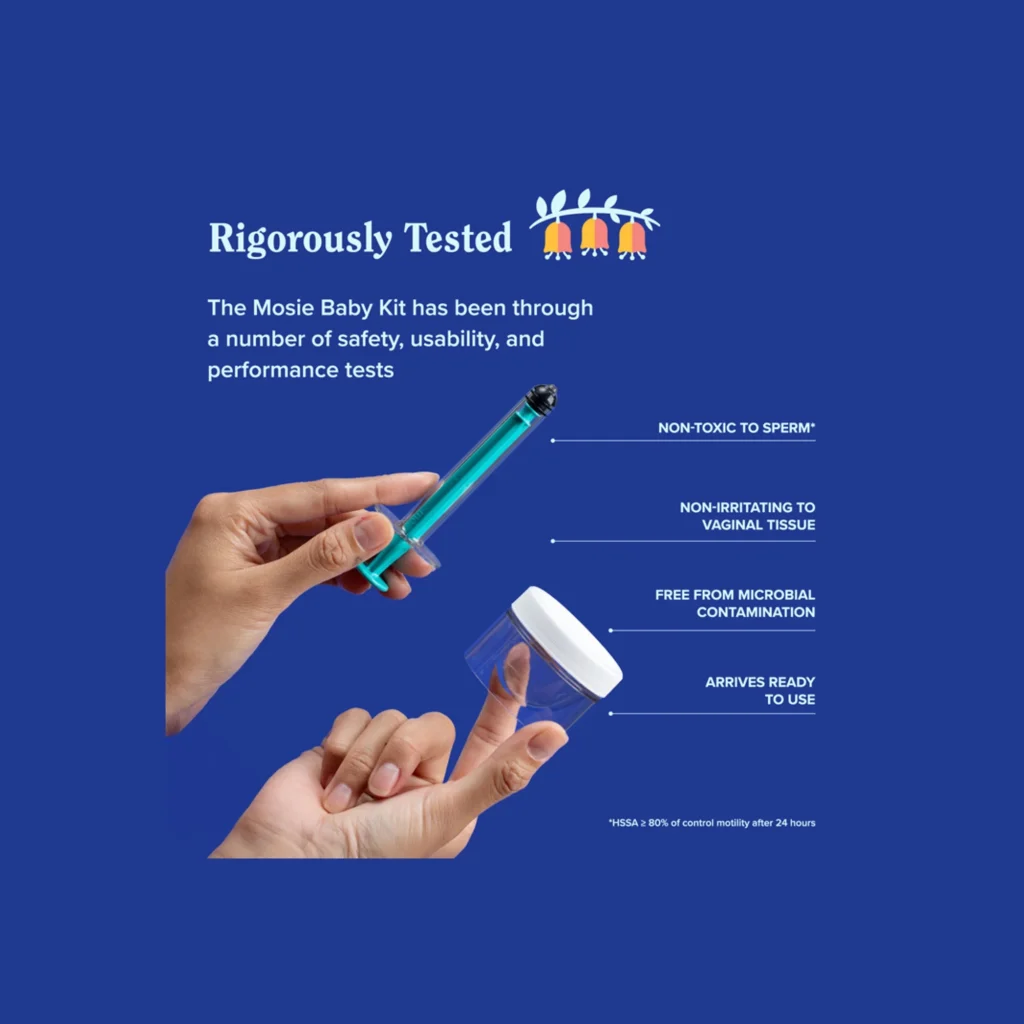
    Mosie Baby Kit features a syringe and container, highlighting safety and usability tests on a blue background.

    Maximizing Sperm Quality for Home Insemination

    5. Consider Supplements

    Certain supplements have been shown to improve sperm quality and increase fertility. These include zinc, folic acid, and antioxidants such as vitamin C and E. Zinc is essential for the production of healthy sperm, while folic acid has been linked to improved sperm count and motility. Antioxidants can also help protect sperm from free radicals, which can damage their DNA. However, it is essential to consult with a healthcare professional before starting any supplements.

    6. Monitor Testicular Temperature

    The testicles need to maintain a specific temperature to produce healthy sperm. Excessive heat can have a negative impact on sperm production and quality. It is best to avoid hot baths, saunas, and tight-fitting clothing, which can increase testicular temperature. For men who work in hot environments, taking breaks to cool down and wearing loose-fitting clothing can help maintain optimal testicular temperature.

    7. Time Home Insemination Correctly

    Timing is crucial when it comes to home insemination. It is essential to track ovulation and plan for insemination during the most fertile window. Sperm can live inside the female reproductive tract for up to five days, so it is recommended to inseminate a couple of days before ovulation to increase the chances of conception.

    8. Use High-Quality Sperm Collection and Storage Devices

    When it comes to home insemination, it is essential to use high-quality sperm collection and storage devices. These devices, such as sperm-friendly lubricants, can help protect the sperm from any potential damage. It is crucial to avoid using regular lubricants, as they can be toxic to sperm and decrease their motility.

    In conclusion, maximizing sperm quality is crucial for successful home insemination. By maintaining a healthy lifestyle, staying hydrated, avoiding harmful substances, reducing stress, taking supplements, monitoring testicular temperature, and timing insemination correctly, couples can increase their chances of conceiving through home insemination. It is also essential to use high-quality sperm collection and storage devices to protect the sperm from any potential damage.

    Summary:

    Home insemination has become a popular choice for couples looking to start a family. However, to increase the chances of a successful pregnancy, it is essential to pay attention to the quality of the sperm used for home insemination. Some tips to maximize sperm quality for home insemination include maintaining a healthy lifestyle, staying hydrated, avoiding harmful substances, reducing stress, taking supplements, monitoring testicular temperature, timing insemination correctly, and using high-quality sperm collection and storage devices.

  • The Role of Acupuncture in Home Insemination

    Blog Post:

    The concept of home insemination, or self-insemination, has become increasingly popular in recent years as more people seek alternative methods for starting a family. While there are various techniques and methods for home insemination, one practice that has gained attention is the use of acupuncture. Acupuncture, an ancient Chinese form of alternative medicine, involves the insertion of thin needles into specific points on the body to stimulate energy flow and promote healing. In this blog post, we will explore the role of acupuncture in home insemination and its potential benefits for those seeking to conceive.

    Acupuncture and Fertility:

    Acupuncture has been used for centuries to treat a variety of health conditions, including infertility. According to Traditional Chinese Medicine (TCM) theory, acupuncture can help restore balance and regulate the flow of Qi (energy) in the body, which is essential for maintaining overall health and fertility. When it comes to fertility, acupuncture is believed to improve the quality and quantity of eggs and sperm, regulate menstrual cycles, and reduce stress, which can have a negative impact on fertility.

    Acupuncture and Home Insemination:

    Home insemination involves the process of collecting sperm from a donor and self-inserting it into the vagina using a syringe or menstrual cup. This method is often used by same-sex couples, single individuals, or those struggling with infertility. While it may seem like a simple process, there are factors that can affect the success of home insemination, such as timing, sperm quality, and cervical mucus. This is where acupuncture comes in.

    Acupuncture can be used in conjunction with home insemination to improve the chances of conception. By stimulating specific points on the body, acupuncture can help regulate hormones, improve blood flow to the reproductive organs, and reduce stress and anxiety. All of these factors can play a significant role in the success of home insemination.

    Timing:

    Timing is crucial when it comes to home insemination. In traditional Chinese medicine, there is a concept called the “fertile window,” which refers to the period when a woman is most likely to conceive. By using acupuncture, the body’s natural rhythm can be regulated, and the fertile window can be identified more accurately. This can increase the chances of insemination occurring during the most optimal time for conception.

    Colorful promotional image for Mosie Baby, featuring home insemination kit and encouraging text.

    The Role of Acupuncture in Home Insemination

    Sperm Quality:

    The quality of sperm is another critical factor in home insemination. Acupuncture has been shown to improve sperm quality by increasing sperm count, motility, and morphology. It is believed that acupuncture can help regulate hormones and improve blood flow to the testes, which can lead to a healthier and more robust sperm production.

    Cervical Mucus:

    Cervical mucus plays a crucial role in home insemination as it helps sperm travel to the egg for fertilization. Acupuncture has been shown to improve the quality and quantity of cervical mucus, making it easier for sperm to reach the egg. This can be especially beneficial for individuals who struggle with low cervical mucus production or have a hostile cervical environment.

    Stress Reduction:

    Acupuncture is well-known for its ability to reduce stress and anxiety. When it comes to fertility, stress can have a significant impact on the body and can lead to hormonal imbalances, irregular menstrual cycles, and even affect sperm production. By reducing stress, acupuncture can help create a more favorable environment for conception.

    In addition to the benefits mentioned above, acupuncture can also improve overall health and well-being, which is essential for those trying to conceive. It can help boost the immune system, improve sleep, and promote relaxation, all of which can contribute to a healthier pregnancy.

    Conclusion:

    While there is limited scientific research on the use of acupuncture in home insemination, many individuals have reported positive results. Acupuncture can be a safe and natural way to improve the chances of conception for those undergoing home insemination. It is recommended to consult with a licensed acupuncturist who has experience working with fertility and home insemination to develop a personalized treatment plan.

    In summary, acupuncture has a significant role in home insemination. It can help regulate hormones, improve sperm quality, increase fertile window accuracy, improve cervical mucus, and reduce stress, all of which can increase the chances of conception. As with any fertility method, it is essential to consult with a healthcare professional before beginning acupuncture treatment. With its potential benefits and minimal side effects, acupuncture can be a valuable tool for those seeking to start a family through home insemination.

  • Creating a Support Network for Home Insemination

    Creating a Support Network for Home Insemination: Tips and Resources for Success

    Home insemination is a method of conception that involves using a donor sperm to fertilize an egg at home. While it may seem like a daunting process, with the right support network in place, it can be a successful and fulfilling journey for anyone looking to start a family. In this blog post, we will discuss the importance of creating a support network for home insemination and provide tips and resources for building one.

    Why a Support Network is Essential for Home Insemination

    The decision to undergo home insemination is a significant one, and it is essential to have a strong support system in place to help you through the process. Here are some reasons why a support network is crucial for home insemination:

    1. Emotional Support: Home insemination can be an emotional rollercoaster, filled with highs and lows. Having a support network can provide a listening ear, offer words of encouragement, and help you navigate any challenges that may arise.

    2. Practical Support: From purchasing and storing donor sperm to tracking ovulation and performing the insemination, there are many practical aspects of home insemination that can be overwhelming. Having a support system can help ease the burden and ensure that everything goes smoothly.

    3. Sharing Experiences: Going through home insemination can feel isolating at times, but having a support network can connect you with others who are on a similar journey. Sharing experiences and tips can be helpful in navigating the process and creating a sense of community.

    Tips for Building a Support Network for Home Insemination

    1. Reach Out to Friends and Family: Your friends and family can be a great source of support during home insemination. Be open and honest about your journey and ask for their support. Some may even offer to help with practical tasks, such as tracking ovulation or performing the insemination.

    2. Join Online Communities: The internet has made it easier than ever to connect with others who are going through similar experiences. Joining online communities or forums for home insemination can provide a wealth of knowledge and support.

    at-home insemination kit by Mosie Baby, featuring syringes, collection cups, and instructions on a pink background.

    Creating a Support Network for Home Insemination

    3. Consult with a Fertility Specialist: A fertility specialist can be an invaluable resource in your home insemination journey. They can provide medical advice, monitor your progress, and offer emotional support throughout the process.

    4. Seek Out Support Groups: Many cities and towns have support groups for individuals or couples going through fertility treatments. These groups can offer a safe and supportive space to share experiences and connect with others going through similar experiences.

    5. Consider Therapy: Going through home insemination can bring up a range of emotions, and it may be helpful to speak with a therapist to process these feelings. A therapist can also provide tools and strategies to help you manage stress and anxiety during the process.

    Resources for Home Insemination

    1. Donor Sperm Banks: Purchasing donor sperm can be a daunting task, but working with a reputable sperm bank can make the process smoother. Some well-known sperm banks include Xytex, Fairfax Cryobank, and California Cryobank.

    2. Ovulation Tracking Apps: Tracking your ovulation is crucial for successful home insemination. There are many apps available, such as Ovia Fertility, Glow, and Clue, that can help you track your cycle and predict your fertile window.

    3. Insemination Kits: Insemination kits contain all the necessary tools for performing the insemination at home, such as a syringe, sterile cups, and a specimen container. Some popular kits include Mosie Baby, Conception Kit, and Pride Angel.

    4. Fertility Clinics: While home insemination can be done without the assistance of a fertility clinic, some people may prefer to work with a clinic for monitoring and support. Fertility clinics can also provide guidance on the insemination process and offer alternative fertility treatments if needed.

    5. Legal Services: It is essential to consult with a lawyer before starting home insemination to ensure that all legal aspects are taken care of. They can help you navigate legal issues related to donor agreements, parentage, and other legalities.

    In conclusion, creating a support network for home insemination is crucial for a successful and positive experience. Reach out to friends and family, join online communities, and seek out professional support to help you through the process. With the right resources and support, home insemination can be a fulfilling and joyous journey towards starting a family.

  • The Impact of Nutrition on Sperm Quality in Home Insemination

    Summary:

    Nutrition plays a vital role in every aspect of our health, including fertility. When it comes to home insemination, a healthy diet can have a significant impact on sperm quality and increase the chances of a successful pregnancy. In this blog post, we will explore the relationship between nutrition and sperm quality and provide tips on how to improve sperm quality through diet.

    Firstly, let’s understand the importance of sperm quality in home insemination. The quality of sperm refers to its ability to fertilize an egg and result in a healthy pregnancy. Poor sperm quality can lead to difficulties in conceiving and increase the risk of miscarriage. Therefore, it is essential to take steps to improve sperm quality when trying for a baby through home insemination.

    One of the most crucial factors that affect sperm quality is the man’s diet. A healthy and balanced diet can provide the necessary nutrients for sperm production and function. On the other hand, a poor diet lacking in essential nutrients can lead to low sperm count, decreased motility, and abnormal morphology.

    Some key nutrients that are crucial for sperm quality include zinc, folate, vitamin C, and omega-3 fatty acids. Zinc is essential for sperm production and testosterone levels, while folate plays a role in sperm DNA integrity. Vitamin C is a powerful antioxidant that protects sperm from oxidative stress, and omega-3 fatty acids improve sperm motility.

    logo featuring a pink heart above two teal leaves on a blue circular background

    The Impact of Nutrition on Sperm Quality in Home Insemination

    A healthy diet rich in fruits, vegetables, whole grains, lean protein, and healthy fats can provide these essential nutrients. Some foods that are particularly beneficial for sperm quality include oysters, spinach, avocados, salmon, and walnuts. It is also essential to limit processed and sugary foods, as they can negatively impact sperm quality.

    In addition to specific nutrients, it is also crucial to maintain a healthy weight for optimal sperm quality. Obesity has been linked to lower sperm count and quality, while being underweight can lead to hormonal imbalances. Therefore, maintaining a healthy weight through a balanced diet and regular exercise can improve sperm quality.

    Apart from diet, lifestyle factors such as smoking, alcohol consumption, and stress can also affect sperm quality. Smoking has been shown to decrease sperm count and motility, while alcohol can affect sperm production and function. Chronic stress can also lead to hormonal imbalances, which can negatively impact sperm quality. Therefore, it is crucial to adopt healthy lifestyle habits and manage stress to improve sperm quality.

    In addition to a healthy diet, supplements can also be beneficial for improving sperm quality. Men trying to conceive through home insemination can consider taking a daily multivitamin that contains key nutrients for sperm health. Some supplements that have been specifically designed for male fertility include folic acid, zinc, and coenzyme Q10. However, it is essential to consult a healthcare professional before starting any supplements.

    In conclusion, nutrition plays a significant role in sperm quality, and a healthy diet can improve the chances of a successful pregnancy through home insemination. By incorporating nutrient-rich foods, maintaining a healthy weight, and adopting healthy lifestyle habits, men can improve their sperm quality and increase their chances of conception.

    SEO metadata:

  • The Role of Exercise in Preparing for Home Insemination

    Blog Post:

    Home insemination is becoming an increasingly popular option for those who are struggling with infertility or for same-sex couples who want to start a family. While the process may seem simple, there are important steps that need to be taken in order to maximize the chances of success. One of these steps is exercise. In this blog post, we will discuss the role of exercise in preparing for home insemination and how it can improve the chances of conception.

    Exercise has numerous benefits for overall health and well-being, but it also plays a crucial role in preparing the body for home insemination. Let’s take a closer look at how exercise can help in this process.

    1. Improves Fertility

    Studies have shown that regular exercise can improve fertility in both men and women. For women, physical activity can regulate hormones, improve ovulation, and increase blood flow to the reproductive organs. For men, exercise can increase sperm count and improve sperm quality. By incorporating exercise into your routine, you can increase the chances of successful home insemination.

    2. Reduces Stress

    The process of trying to conceive can be stressful and anxiety-inducing. This stress can negatively impact fertility and make it harder to conceive. Regular exercise has been proven to reduce stress levels and improve mood, making it an essential factor in preparing for home insemination. By relieving stress, exercise can improve the overall success of the insemination process.

    3. Increases Blood Flow

    Proper blood flow is crucial for successful conception. Exercise helps to increase blood flow to the reproductive organs, which can improve the chances of conception. This is especially important for women, as it helps to thicken the uterine lining, creating a more hospitable environment for a fertilized egg to implant.

    4. Maintains a Healthy Weight

    Being at a healthy weight is important for fertility and overall health. Exercise can help to maintain a healthy weight or aid in weight loss if necessary. Being either underweight or overweight can negatively impact fertility and decrease the chances of successful home insemination. By incorporating exercise into your routine, you can improve your chances of getting pregnant.

    5. Improves Overall Health

    Aside from its direct impact on fertility, exercise also improves overall health, which can indirectly improve the chances of successful home insemination. Regular exercise can boost the immune system, regulate hormones, and improve sleep, all of which are important for a healthy pregnancy. By being in good overall health, you are setting the stage for a successful home insemination.

    pregnancy test kit features labeled for comfort and confidence on a teal background

    The Role of Exercise in Preparing for Home Insemination

    Tips for Exercising for Home Insemination

    Now that we understand the benefits of exercise in preparing for home insemination, here are some tips to keep in mind:

    1. Consult with Your Doctor

    Before starting any exercise routine, it’s important to consult with your doctor, especially if you have any underlying health conditions or are on any medications. Your doctor can provide personalized recommendations and ensure that you are engaging in safe and appropriate exercises.

    2. Choose Low-Impact Exercises

    High-impact exercises such as running or jumping can put stress on the reproductive organs and should be avoided when trying to conceive. Opt for low-impact exercises such as walking, swimming, or yoga.

    3. Listen to Your Body

    Pregnancy is not the time to push yourself to the limit. It’s important to listen to your body and not overdo it with exercise. If you feel tired or experience any discomfort, it’s best to take a break or modify your routine.

    4. Be Consistent

    Consistency is key when it comes to exercise. Aim for at least 30 minutes of moderate exercise, five days a week. This will help to regulate hormone levels and improve overall health.

    5. Find a Workout Buddy

    Exercising with a partner or a friend can make the process more enjoyable and keep you motivated. Plus, it’s a great way to stay connected and share the journey of preparing for home insemination.

    In summary, exercise plays a crucial role in preparing for home insemination. It can improve fertility, reduce stress, increase blood flow, maintain a healthy weight, and improve overall health, all of which are important for a successful pregnancy. By following these tips and incorporating exercise into your routine, you can increase your chances of successful home insemination and ultimately achieve your dream of starting a family.

  • Incorporating Traditional Chinese Medicine into Home Insemination

    Blog Post:

    In recent years, the use of home insemination has become increasingly popular as a way for individuals and couples to conceive a child in the comfort of their own home. However, many people are not aware that traditional Chinese medicine (TCM) can also be incorporated into the home insemination process to increase the chances of success. TCM has been used for centuries to enhance fertility and has been proven to be effective in helping couples conceive. In this blog post, we will explore the benefits of incorporating TCM into home insemination and how it can improve the overall success rate.

    Understanding Traditional Chinese Medicine

    Before we dive into the benefits of TCM in home insemination, it is important to understand the principles behind this ancient form of medicine. TCM is based on the concept of balance and harmony within the body. According to TCM, the body has a life force or energy called Qi (pronounced “chee”) that flows through channels or meridians. When there is an imbalance in the flow of Qi, it can lead to illness and various health issues. TCM treatments aim to restore the balance of Qi and promote overall health and well-being.

    TCM and Fertility

    In TCM, fertility is viewed as a manifestation of overall balance and harmony within the body. When there is an imbalance in the body, it can affect fertility and make it difficult to conceive. TCM treatments focus on addressing the root cause of the imbalance rather than just treating the symptoms. This holistic approach makes it an ideal complement to home insemination, as it can help improve overall health and increase the chances of a successful pregnancy.

    Benefits of TCM in Home Insemination

    1. Regulates the Menstrual Cycle

    One of the key benefits of TCM in home insemination is its ability to regulate the menstrual cycle. Irregular or absent periods can make it difficult to track ovulation and time home insemination accurately. TCM treatments, such as acupuncture and herbal remedies, can help regulate the menstrual cycle and promote regular ovulation.

    2. Improves Egg Quality

    TCM treatments have been shown to improve egg quality in women. This is especially beneficial for women who are older or have a history of fertility issues. Acupuncture and herbal remedies can help increase blood flow to the ovaries, which can improve the quality of eggs and increase the chances of conception.

    3. Increases Sperm Quality

    comparison of Mosie syringe opening versus standard syringe opening with text highlighting benefits

    Incorporating Traditional Chinese Medicine into Home Insemination

    TCM can also benefit men who are undergoing home insemination. Acupuncture and herbal remedies have been shown to improve sperm count, motility, and overall quality. This can significantly increase the chances of fertilization and a successful pregnancy.

    4. Reduces Stress and Anxiety

    Trying to conceive can be a stressful and emotional process, which can have a negative impact on fertility. TCM treatments, particularly acupuncture, have been proven to reduce stress and anxiety. By promoting relaxation and reducing stress, TCM can help improve the chances of a successful pregnancy.

    5. Addresses Underlying Health Issues

    TCM takes a holistic approach to health, which means it looks at the body as a whole rather than just the reproductive system. This approach can help identify and address any underlying health issues that may be affecting fertility. By treating the root cause of the problem, TCM can improve overall health and increase the chances of conception.

    Incorporating TCM into Home Insemination

    There are several ways to incorporate TCM into the home insemination process. Acupuncture is one of the most popular TCM treatments for fertility. It involves the insertion of thin needles into specific points on the body to promote the flow of Qi and restore balance. Acupuncture can also be used to stimulate ovulation and improve sperm quality.

    Herbal remedies are another important aspect of TCM. There are several herbs that have been used for centuries to enhance fertility. These herbs can be taken in the form of teas, supplements, or as part of an herbal formula prescribed by a TCM practitioner.

    It is important to note that TCM should not be used as a substitute for medical treatment. It is always recommended to consult with a TCM practitioner and a medical doctor before incorporating TCM into the home insemination process.

    In conclusion, incorporating TCM into home insemination can be a beneficial way to enhance fertility and increase the chances of a successful pregnancy. By addressing underlying health issues, regulating the menstrual cycle, and improving egg and sperm quality, TCM can improve the overall success rate of home insemination. So, if you are considering home insemination, don’t overlook the potential benefits of incorporating traditional Chinese medicine into your journey to parenthood.

    Summary:

    Incorporating traditional Chinese medicine (TCM) into home insemination can significantly increase the chances of a successful pregnancy. TCM, based on the concept of balance and harmony within the body, can regulate the menstrual cycle, improve egg and sperm quality, reduce stress and anxiety, and address underlying health issues. TCM treatments such as acupuncture and herbal remedies can be used to complement home insemination and improve overall health and fertility. It is important to consult with a TCM practitioner and a medical doctor before incorporating TCM into the home insemination process.

  • The Impact of Previous Fertility Treatments on Home Insemination

    Title: The Impact of Previous Fertility Treatments on Home Insemination

    Introduction:
    In recent years, home insemination has become a popular method for couples trying to conceive. This method involves using a donor sperm to fertilize the egg at home, without the assistance of a medical professional. However, for many couples, the decision to try home insemination is often influenced by previous fertility treatments they have undergone. In this blog post, we will explore the impact of previous fertility treatments on home insemination and how it can affect the success of this method.

    History of Fertility Treatments:
    Fertility treatments have been around for centuries, with the earliest documented case of artificial insemination dating back to the 18th century. However, it wasn’t until the 20th century that these treatments saw significant advancements, such as the development of in vitro fertilization (IVF) in the 1970s. Since then, the use of fertility treatments has become more common, with millions of couples around the world seeking help to conceive.

    Causes of Infertility:
    Infertility affects approximately 1 in 8 couples worldwide, and there are numerous factors that can contribute to this condition. Some of the most common causes of infertility include hormonal imbalances, ovulation disorders, structural problems, and sperm abnormalities. These issues can make it difficult for couples to conceive naturally, leading them to seek fertility treatments.

    Previous Fertility Treatments and Home Insemination:
    For couples who have undergone previous fertility treatments, the decision to try home insemination may be a result of various factors. One of the primary reasons is the high cost of fertility treatments, which can be a significant financial burden for many couples. Additionally, some couples may have had negative experiences with medical procedures, leading them to explore alternative methods for conceiving.

    pregnancy test kit with instructions, test device, and packaging on a white background

    The Impact of Previous Fertility Treatments on Home Insemination

    Impact of Previous Treatments on Fertility:
    The impact of previous fertility treatments on home insemination can vary depending on the type of treatment and the individual’s specific circumstances. In some cases, fertility treatments may have been successful in addressing the underlying cause of infertility, making home insemination unnecessary. However, in other cases, previous treatments may not have been successful, and couples may turn to home insemination as a last resort.

    Potential Challenges:
    While home insemination may seem like a convenient and cost-effective option for couples, there are potential challenges that those with previous fertility treatments may face. For instance, if a woman has undergone multiple rounds of IVF, it can affect her ovarian reserve, making it more challenging to produce viable eggs for home insemination. In addition, hormonal imbalances caused by previous treatments may also affect the success of home insemination.

    Success Rates:
    The success rates of home insemination are difficult to determine as it largely depends on various factors such as age, health, and fertility history. However, for couples who have undergone previous fertility treatments, the success rate may be lower compared to those who have not. This is because fertility treatments can have a significant impact on a woman’s reproductive system, making it more challenging to conceive through home insemination.

    Considerations:
    Before attempting home insemination, it is crucial for couples to discuss their fertility history with a medical professional. This will help them understand any potential challenges they may face and make an informed decision. It is also essential to discuss any potential risks and complications that may arise from previous treatments.

    Conclusion:
    In conclusion, the impact of previous fertility treatments on home insemination can be significant. While it may be a viable option for some couples, those with a history of fertility treatments should carefully consider the potential challenges and success rates before attempting this method. It is always best to consult with a medical professional to understand the individual’s specific circumstances and make an informed decision.

    Summary:
    Home insemination has become a popular method for couples trying to conceive, but for many, the decision to try this method is influenced by previous fertility treatments. These treatments can have a significant impact on a woman’s reproductive system, making it more challenging to conceive through home insemination. Factors such as age, health, and fertility history can also affect the success rates. It is crucial to discuss these considerations with a medical professional before attempting home insemination.

  • Overcoming Fears and Anxieties in Home Insemination

    Blog Post Title: Overcoming Fears and Anxieties in Home Insemination: A Guide to Successful At-Home Conception

    Introduction:
    Home insemination, also known as self-insemination or self-injection, is the process of using a syringe or other device to insert sperm into the vagina in order to conceive. For many couples and individuals, this method offers a more affordable and convenient alternative to traditional fertility treatments. However, the idea of performing insemination at home can evoke fears and anxieties, especially for those who have never done it before. In this blog post, we will discuss some of the common fears and anxieties associated with home insemination and offer tips on how to overcome them to have a successful at-home conception.

    Understanding Your Fears and Anxieties:
    Before delving into ways to overcome fears and anxieties in home insemination, it is important to understand what these fears and anxieties might be. Some of the common fears and anxieties that people may experience when considering home insemination include:

    1. Fear of Failure:
    One of the biggest fears that people have when it comes to home insemination is the fear of not being successful in conceiving. This fear is completely understandable, as the process of getting pregnant can be stressful, and the thought of going through it all only to have it not work out can be overwhelming.

    2. Anxieties about the Process:
    The process of home insemination may seem daunting to those who have never done it before. The idea of handling sperm and inserting it into the vagina can be intimidating and may cause feelings of anxiety and discomfort.

    3. Concerns about Health and Safety:
    Some people may have worries about the health and safety of performing home insemination. They may be concerned about the cleanliness of the process or the potential risks involved.

    4. Social Stigmas:
    There may still be some social stigmas surrounding the idea of home insemination, which can lead to feelings of shame, embarrassment, or isolation for those considering it.

    pregnancy test kit features labeled for comfort and confidence on a teal background

    Overcoming Fears and Anxieties in Home Insemination

    Tips for Overcoming Fears and Anxieties:
    Now that we have identified some of the common fears and anxieties associated with home insemination, let’s discuss some tips for overcoming them.

    1. Educate Yourself:
    One of the best ways to overcome fears and anxieties is to educate yourself about the process of home insemination. This includes understanding the steps involved, the equipment needed, and any potential risks or complications. By educating yourself, you will be able to have a better understanding of what to expect and be better prepared for the process.

    2. Seek Support:
    Having a strong support system can be incredibly helpful in overcoming fears and anxieties. This can include friends, family, or online communities of people who have gone through or are going through the same experience. Talking to others who have successfully performed home insemination can provide reassurance and encouragement.

    3. Practice Relaxation Techniques:
    The process of home insemination can be stressful, and it is important to find ways to relax both before and during the procedure. Some effective relaxation techniques include deep breathing, meditation, and yoga. These techniques can help you to stay calm and focused during the insemination process.

    4. Prepare Your Environment:
    Creating a calm and comfortable environment can also help to ease fears and anxieties. This can include playing soothing music, dimming the lights, and using aromatherapy. By creating a relaxing atmosphere, you can help to reduce any feelings of stress or discomfort.

    5. Consult with a Healthcare Professional:
    If you have any concerns about the safety or effectiveness of home insemination, it is important to consult with a healthcare professional. They can provide you with valuable information and guidance to help you feel more confident and secure in your decision.

    Conclusion:
    Home insemination can be a nerve-wracking experience, but it is important to remember that many people have successfully used this method to conceive. By understanding and addressing your fears and anxieties, you can increase your chances of having a successful at-home conception. Remember to educate yourself, seek support, practice relaxation techniques, prepare your environment, and consult with a healthcare professional if needed. With these tips in mind, you can overcome your fears and anxieties and embark on your journey to parenthood with confidence.

    In summary, home insemination can be a daunting process for many people, but it is possible to overcome fears and anxieties and have a successful at-home conception. By educating yourself, seeking support, practicing relaxation techniques, preparing your environment, and consulting with a healthcare professional, you can increase your chances of success and have a positive experience with home insemination.

  • The Role of Hormone Testing in Home Insemination

    Home insemination is a method of conception that involves placing sperm inside the vagina or cervix in order for fertilization to occur. This can be done at home with the use of a sperm donor or through a medical professional. While many people associate hormone testing with traditional fertility treatments such as in vitro fertilization, it can also play a crucial role in home insemination. In this blog post, we will explore the importance of hormone testing in home insemination and how it can increase the chances of a successful pregnancy.

    Hormone testing is the process of measuring the levels of hormones in the body. This can be done through blood tests, urine tests, or saliva tests. Hormones are chemical messengers that regulate various bodily functions, including fertility. In the context of home insemination, hormone testing is used to track the menstrual cycle and determine the most fertile days for insemination.

    One of the key hormones involved in fertility is luteinizing hormone (LH). This hormone is responsible for triggering ovulation, the release of an egg from the ovary. LH levels rise dramatically just before ovulation, making it a crucial hormone to track for home insemination. By using an ovulation predictor kit or tracking LH levels through hormone testing, individuals or couples can determine the best time for insemination to occur.

    Another important hormone to consider in home insemination is progesterone. This hormone is produced by the ovaries after ovulation and helps to prepare the uterus for implantation of a fertilized egg. Progesterone levels can be tested through blood or saliva tests and can give insight into the quality of ovulation and the likelihood of pregnancy.

    In addition to LH and progesterone, estrogen levels also play a role in fertility. This hormone helps to thicken the uterine lining to prepare for implantation. It is important to maintain a balance of estrogen and progesterone for successful pregnancy. Hormone testing can help to identify any hormonal imbalances that may be impacting fertility and guide treatment plans.

    Hormone testing can also be used to track the effectiveness of fertility treatments, such as ovulation induction or hormone therapy. By regularly monitoring hormone levels, doctors can adjust treatment plans and dosages to optimize results.

    logo featuring a pink heart above two teal leaves on a blue circular background

    The Role of Hormone Testing in Home Insemination

    In some cases, hormone testing may also be used to diagnose underlying fertility issues. For example, abnormally high levels of luteinizing hormone can indicate a condition called polycystic ovary syndrome (PCOS), which can affect ovulation and fertility. Identifying and addressing these issues through hormone testing can greatly improve the chances of a successful pregnancy.

    There are several methods of hormone testing that can be used in home insemination. The most common is the use of ovulation predictor kits, which can be purchased over-the-counter and measure LH levels in urine. These kits are relatively inexpensive and easy to use, making them a popular choice for tracking ovulation at home.

    Another option is at-home hormone testing kits, which allow individuals to track their hormone levels through blood or saliva samples. These kits can provide more detailed information about hormone levels and can be helpful in identifying any imbalances or issues. However, they are usually more expensive than ovulation predictor kits.

    It is important to note that hormone testing is just one aspect of fertility tracking in home insemination. Other methods, such as tracking basal body temperature and cervical mucus, can also provide valuable information about ovulation and fertility. It is recommended to use a combination of methods for the most accurate results.

    In conclusion, hormone testing plays a crucial role in home insemination. By tracking hormone levels, individuals or couples can determine the best time for insemination and identify any underlying fertility issues that may be impacting their chances of pregnancy. Whether using ovulation predictor kits or at-home hormone testing kits, regular monitoring of hormone levels can greatly increase the chances of a successful home insemination.

    Summary:

    Hormone testing is the process of measuring hormone levels in the body and plays an important role in home insemination. By tracking hormones such as luteinizing hormone (LH), progesterone, and estrogen, individuals or couples can determine the most fertile days for insemination and identify any underlying fertility issues. Ovulation predictor kits and at-home hormone testing kits are commonly used methods for hormone testing in home insemination. By regularly monitoring hormone levels, the chances of a successful pregnancy can greatly increase.




