Tag: home insemination

  • Creating a Home Insemination Plan

    Blog Post: Creating a Home Insemination Plan

    In recent years, more and more couples and individuals have turned to home insemination as a way to start or expand their families. This alternative method of conception involves using a donor’s sperm to fertilize the egg at home, rather than through traditional medical procedures. While the process may seem daunting at first, with proper planning and preparation, it can be a successful and fulfilling experience. In this blog post, we will discuss the steps to creating a home insemination plan.

    Step 1: Understand the Process
    Before embarking on a home insemination journey, it is essential to understand the process and its success rates. Home insemination has been found to be most effective for couples with no known fertility issues. It also has a higher success rate when the donor sperm is fresh rather than frozen. It is crucial to consult with a medical professional and do thorough research before proceeding with home insemination.

    Step 2: Choose a Donor
    One of the critical steps in creating a home insemination plan is selecting a donor. There are various options available, including known donors such as friends or family members, anonymous donors from sperm banks, or online sperm donation platforms. When choosing a donor, it is essential to consider their physical and medical history, as well as their willingness to participate in the process.

    Step 3: Determine the Timing
    Timing is crucial when it comes to home insemination. The ideal time for insemination is during a woman’s ovulation period when the egg is released from the ovary. This typically occurs around day 14 of a regular 28-day menstrual cycle. However, it is essential to track and monitor your menstrual cycle to determine the most fertile days for insemination.

    Baby with blue eyes wearing a light blue onesie that says "made with Love" on a soft white background.

    Creating a Home Insemination Plan

    Step 4: Gather Supplies
    To perform a successful home insemination, you will need a few essential supplies, including a sterile container for the donor sperm, a sterile syringe or insemination kit, and a clean and comfortable environment. It is crucial to ensure that all supplies are sterile to reduce the risk of infection.

    Step 5: Prepare for Insemination
    On the day of insemination, both the recipient and the donor should avoid any sexual activity for at least 2-3 days leading up to the procedure. This will help to ensure that the sperm count is high and increase the chances of success. The recipient should also take a relaxing bath or shower to clean the vaginal area and reduce any stress or tension.

    Step 6: Perform the Insemination
    When it is time to perform the insemination, the donor will collect their sperm sample into the sterile container. The recipient should then insert the syringe or insemination kit into the vagina and release the sperm near the cervix. It is essential to remain lying down for at least 20-30 minutes after the procedure to allow the sperm to travel towards the egg.

    Step 7: Monitor and Follow Up
    After the insemination, it is essential to monitor your body’s changes and track any potential pregnancy symptoms. A home pregnancy test can usually be taken about 14 days after insemination to determine if it was successful. If the test is negative, it is recommended to repeat the process in the next ovulation cycle.

    In conclusion, creating a home insemination plan requires careful planning and preparation. It is crucial to understand the process, choose a suitable donor, determine the timing, gather necessary supplies, and perform the insemination correctly. With patience, diligence, and proper monitoring, home insemination can be a viable option for starting or expanding a family.

    Summary:
    Home insemination is becoming a popular alternative for couples and individuals looking to start or expand their families. This method involves using a donor’s sperm to fertilize the egg at home. To create a successful home insemination plan, it is essential to understand the process, choose a suitable donor, determine the timing, gather necessary supplies, and perform the insemination correctly. With patience and proper monitoring, home insemination can be a viable option for conception.

  • How to Talk to Your Partner About Home Insemination

    Blog Post Title: How to Have a Conversation with Your Partner about Home Insemination

    Summary:

    Having a child is a deeply personal decision for any couple, and it is important to have open and honest communication about all aspects of the process. One topic that may come up when discussing starting a family is home insemination. While it may seem intimidating or uncomfortable to bring up, having a conversation with your partner about home insemination can help you both make an informed decision and strengthen your relationship. In this blog post, we will discuss the steps you can take to have a productive and respectful conversation with your partner about home insemination.

    Step 1: Educate Yourself

    Before initiating a conversation with your partner, it is important to educate yourself about home insemination. This method involves using a syringe or a specialized device to insert semen into the vagina at home, without the need for medical intervention. Research the different techniques, success rates, and safety precautions associated with home insemination. Having a good understanding of the process will help you explain it to your partner and address any concerns they may have.

    Step 2: Choose the Right Time and Place

    Bringing up a sensitive topic like home insemination requires careful timing. Choose a time when both you and your partner are relaxed and not busy with other things. Avoid having this conversation during an argument or when either of you is stressed. Find a private and comfortable place where you both feel safe and can have an open and honest discussion.

    Step 3: Start with Open-Ended Questions

    When approaching the topic of home insemination, it is important to start with open-ended questions that invite your partner to share their thoughts and feelings. For example, you could ask, “What are your thoughts on alternative methods of conception?” or “Have you ever considered home insemination as an option?” This will give your partner the opportunity to express their views without feeling pressured or judged.

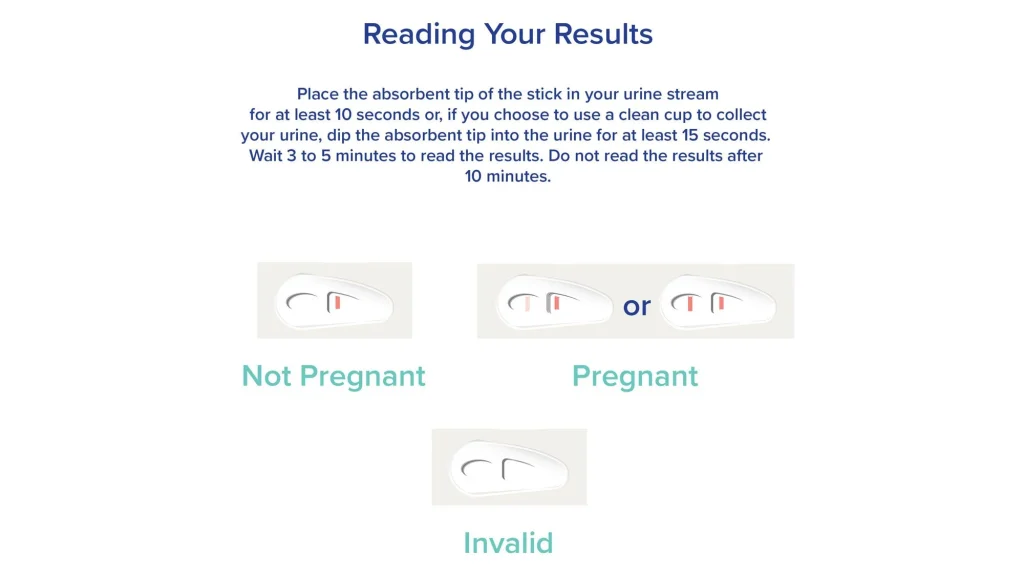
    Instructions for reading pregnancy test results with visual indicators for "Not Pregnant," "Pregnant," and "Invalid.

    How to Talk to Your Partner About Home Insemination

    Step 4: Listen and Validate Their Feelings

    It is essential to listen actively and validate your partner’s feelings during this conversation. They may have concerns, fears, or reservations about home insemination, and it is crucial to acknowledge and address these. Show empathy and understanding, and avoid dismissing their thoughts or feelings. Remember, this is a mutual decision, and both of your opinions are equally important.

    Step 5: Share Your Reasons and Be Transparent

    Be honest and transparent about your reasons for considering home insemination. Share your thoughts, feelings, and any research you have done on the topic. If you have a medical condition or face fertility challenges, explain how home insemination can help you achieve your goal of having a child. Being open and transparent will help your partner understand your perspective and make an informed decision together.

    Step 6: Discuss the Logistics and Consider Professional Help

    Home insemination requires careful planning and preparation. Discuss the logistics, such as purchasing the necessary equipment, timing the insemination, and any potential risks. It is also vital to consider seeking professional help, such as a fertility specialist or a midwife, for guidance and support. This can help alleviate any worries your partner may have and ensure that you are both well-informed and prepared for the process.

    Step 7: Revisit the Conversation

    After your initial conversation, it is essential to revisit the topic and continue the discussion. Your partner may have additional questions or concerns that come up after the initial conversation. Keep the lines of communication open and be prepared to address any new issues that may arise.

    In conclusion, having a conversation with your partner about home insemination may seem daunting, but it is crucial to make an informed and mutual decision. By educating yourself, choosing the right time and place, starting with open-ended questions, listening and validating your partner’s feelings, sharing your reasons, discussing logistics, and revisiting the conversation, you can have a productive and respectful discussion that strengthens your relationship. Remember to be patient, understanding, and supportive of each other throughout the process.

  • The Impact of Stress on Home Insemination

    The Impact of Stress on Home Insemination: Understanding the Potential Challenges and Strategies for Success

    In recent years, there has been a growing trend towards using home insemination as a method for conceiving a child. This process involves manually depositing sperm into the vagina or cervix of the female partner, bypassing the need for traditional sexual intercourse. While it can be an effective and affordable option for those struggling with fertility issues or same-sex couples, it is not without its challenges. One major factor that can significantly impact the success of home insemination is stress. In this blog post, we will explore the impact of stress on home insemination and provide strategies for managing and reducing stress to increase the chances of a successful outcome.

    The Connection Between Stress and Fertility

    Before delving into the specific effects of stress on home insemination, it is important to understand the link between stress and fertility in general. Stress has been shown to disrupt the body’s natural hormone balance, which can have a significant impact on reproductive health. Chronic stress can lead to irregular menstrual cycles, decreased libido, and even ovulation disorders. In men, stress can affect sperm production and quality, making it more difficult to fertilize an egg. These effects can make it challenging for couples trying to conceive through any method, including home insemination.

    The Challenges of Stress in Home Insemination

    Home insemination involves a series of steps and can be a time-consuming process. The pressure to get everything right can cause stress and anxiety for both partners, which can ultimately affect the success of the procedure. Here are some specific ways that stress can impact home insemination:

    1. Delayed Ovulation: Stress can disrupt a woman’s ovulation cycle, making it more difficult to accurately predict when ovulation will occur. This can cause a delay in the timing of insemination, reducing the chances of conception.

    2. Poor Sperm Quality: As mentioned earlier, stress can affect sperm production and quality, which can decrease the chances of fertilization during home insemination.

    3. Lack of Relaxation: Home insemination requires a relaxed and comfortable environment for both partners. If stress and anxiety are present, it can be challenging to achieve the necessary level of relaxation, making the process more difficult.

    4. Relationship Strain: The process of home insemination can put a strain on a couple’s relationship, especially if they are struggling with fertility issues. The added pressure and stress can lead to conflicts and decreased intimacy, which can affect the chances of success.

    Baby with blue eyes wearing a light blue onesie that says "made with Love" on a soft white background.

    The Impact of Stress on Home Insemination

    Strategies for Managing and Reducing Stress in Home Insemination

    While stress may be an inevitable part of the home insemination process, there are strategies that couples can use to manage and reduce stress to increase the chances of success. Here are some tips to consider:

    1. Communicate Openly: Communication is key in any relationship, especially when undergoing home insemination. It is essential to talk openly and honestly about any concerns or fears to reduce stress and build a stronger connection.

    2. Practice Relaxation Techniques: Incorporating relaxation techniques into the home insemination process can help reduce stress levels. Deep breathing, meditation, and yoga are all effective methods for promoting relaxation and reducing anxiety.

    3. Create a Calm Environment: Make sure the space where home insemination will take place is calm and comfortable. Dim lighting, soothing music, and comfortable bedding can all contribute to a relaxed atmosphere.

    4. Seek Support: Going through home insemination can be a stressful and emotional experience. It is essential to have a support system in place, whether it be a therapist, support group, or close friends and family, to help manage stress and provide emotional support.

    5. Take Breaks: The process of home insemination can be physically and emotionally draining. It is crucial to take breaks and allow time for self-care to reduce stress levels.

    Final Thoughts

    Home insemination can be a viable option for couples trying to conceive, but it is essential to understand and manage the potential impact of stress on the process. By implementing strategies to reduce stress and promote relaxation, couples can increase their chances of a successful outcome.

    In summary, stress can have a significant impact on the success of home insemination. It can disrupt ovulation, affect sperm quality, and strain relationships. However, by communicating openly, practicing relaxation techniques, creating a calm environment, seeking support, and taking breaks, couples can manage and reduce stress to increase the chances of a successful home insemination. It is crucial to prioritize self-care and maintain open communication to navigate the stress of this process successfully.

  • Preparing for Home Insemination: Physical and Mental Health

    Blog Post: Preparing for Home Insemination: Physical and Mental Health

    Bringing a new life into the world is a beautiful and exciting journey, and for some individuals or couples, home insemination may be the path they choose. Whether it be due to fertility struggles, wanting to have a child without a partner, or any other personal reason, home insemination allows individuals or couples to take control of their reproductive journey. However, before embarking on this venture, it is essential to prepare both physically and mentally for this process. In this blog post, we will discuss the necessary steps to take to ensure a successful and healthy home insemination experience.

    Physical Health Preparation

    1. Consult with a Healthcare Provider

    Before proceeding with home insemination, it is crucial to consult with a healthcare provider. They will be able to give you personalized advice and recommendations based on your medical history and any potential risk factors. They can also perform any necessary tests to ensure that you and your partner are physically ready for the insemination process.

    2. Track Your Ovulation

    Tracking your ovulation is a crucial step in the home insemination process. This involves monitoring your menstrual cycle and identifying when you are most fertile. There are various methods of tracking ovulation, including using ovulation predictor kits, tracking basal body temperature, or monitoring changes in cervical mucus. Knowing your ovulation window will help you time the insemination at the most optimal time for conception.

    3. Practice Good Hygiene

    Maintaining good hygiene is of utmost importance when preparing for home insemination. This includes washing your hands and any equipment used in the process thoroughly. It is also recommended to avoid any scented products in the genital area, as they can interfere with sperm motility.

    4. Consider Supplements and Nutrition

    comparison of Mosie syringe opening versus standard syringe opening with text highlighting benefits

    Preparing for Home Insemination: Physical and Mental Health

    Certain supplements and nutrition can help improve fertility and increase the chances of successful insemination. These include folic acid, vitamin D, and omega-3 fatty acids. It is essential to consult with a healthcare provider before starting any new supplements or making significant changes to your diet.

    Mental Health Preparation

    1. Communicate with Your Partner

    Open and honest communication with your partner is crucial when preparing for home insemination. This journey can be emotionally taxing, and it is essential to have a supportive partner by your side. Talk about your feelings, expectations, and any concerns you may have. This will help strengthen your bond and ensure that you are both on the same page.

    2. Seek Support from Friends and Family

    Having a strong support system during this journey can make a significant difference in your mental health. Reach out to friends and family who you feel comfortable sharing this experience with. They can provide emotional support and be a source of positivity and encouragement.

    3. Educate Yourself

    The more you know about the home insemination process, the more confident and prepared you will feel. Do your research and educate yourself on the various methods of insemination, potential risks, and what to expect during and after the process. You can also seek guidance from online forums or support groups of individuals who have gone through home insemination themselves.

    4. Practice Relaxation Techniques

    The home insemination process can be stressful, and it is essential to find ways to relax and manage any anxiety or tension. This can include practices such as meditation, yoga, deep breathing, or any activity that helps you destress. Relaxation techniques can also be beneficial during the actual insemination process to help you stay calm and focused.

    In summary, preparing for home insemination involves both physical and mental health preparation. It is crucial to consult with a healthcare provider, track ovulation, practice good hygiene, and consider supplements and nutrition for physical health preparation. For mental health preparation, communicate with your partner, seek support from friends and family, educate yourself, and practice relaxation techniques. By taking these steps, you can ensure a healthy and successful home insemination experience.

  • The Benefits of Using a Midwife for Home Insemination

    Home insemination, also known as at-home insemination, is a process that involves placing sperm into the female reproductive tract in order to facilitate pregnancy. This method has gained popularity among individuals and couples who are looking to conceive without the use of medical intervention. While there are various ways to go about home insemination, one option that has been gaining attention is the use of a midwife. In this blog post, we will explore the benefits of using a midwife for home insemination.

    1. Expertise and Experience in Fertility and Pregnancy

    Midwives are trained professionals who specialize in pregnancy, childbirth, and postpartum care. They have a deep understanding of the female reproductive system and can provide valuable insight and guidance on the best methods for home insemination. With their expertise and experience, midwives can help individuals and couples navigate the process of home insemination, including determining the best time for insemination and providing guidance on fertility tracking.

    2. Personalized and Individualized Care

    One of the major benefits of using a midwife for home insemination is the personalized and individualized care that they provide. Unlike traditional medical professionals, midwives take a holistic approach to care and see pregnancy and childbirth as a natural and normal process. They take the time to get to know their clients and understand their unique needs and preferences. This allows for a more tailored and personalized approach to home insemination, which can increase the chances of success.

    3. Support and Guidance Throughout the Process

    Home insemination can be an overwhelming and emotional journey, and having the support and guidance of a midwife can make a significant difference. Midwives offer emotional and mental support throughout the entire process, from the initial consultation to the insemination and beyond. They can also provide valuable resources and information to help individuals and couples make informed decisions about their fertility and pregnancy.

    4. Alternative Birthing Methods

    Instructions for reading pregnancy test results with visual indicators for "Not Pregnant," "Pregnant," and "Invalid.

    The Benefits of Using a Midwife for Home Insemination

    Midwives are known for their expertise in alternative birthing methods such as natural birth and water birth. This knowledge and experience can be beneficial for individuals and couples who are interested in a more natural approach to home insemination. Midwives can provide guidance on positions and techniques that can enhance the chances of successful insemination, as well as provide support during the insemination process itself.

    5. Cost-Effective Option

    Using a midwife for home insemination can also be a cost-effective option compared to other fertility treatments. While the cost of a midwife may vary depending on location and services provided, it is often more affordable than traditional medical interventions such as intrauterine insemination (IUI) or in vitro fertilization (IVF). This can be especially beneficial for individuals and couples who may not have insurance coverage for fertility treatments.

    6. In-Home Convenience

    Another major benefit of using a midwife for home insemination is the convenience of having the procedure done in the comfort of your own home. This eliminates the need for multiple trips to a medical facility and allows for a more relaxed and comfortable environment. It also gives individuals and couples the opportunity to involve their partner or loved ones in the process, making it a more intimate and personal experience.

    7. Increased Privacy and Confidentiality

    Home insemination can be a very private and personal decision, and using a midwife for the procedure can offer increased privacy and confidentiality. There is no need to share intimate details with medical professionals or go through invasive procedures in a clinical setting. Midwives respect their clients’ privacy and offer a safe and confidential space for home insemination to take place.

    In summary, using a midwife for home insemination can offer a range of benefits, including expertise and experience in fertility and pregnancy, personalized and individualized care, support and guidance throughout the process, alternative birthing methods, cost-effectiveness, in-home convenience, and increased privacy and confidentiality. With their knowledge, skills, and nurturing approach, midwives can be a valuable asset for individuals and couples looking to conceive through home insemination.

    Search Engine Optimization (SEO) Metadata:

  • Maintaining Privacy in Home Insemination

    Blog Post Title: Maintaining Privacy in Home Insemination: Tips and Tricks

    In recent years, the use of home insemination has become a popular option for couples and individuals looking to start or expand their families. This method allows for a more affordable and convenient way to conceive without the need for medical intervention. However, with the rise of home insemination, concerns about privacy have also emerged. Many people worry about the potential risks of sharing their personal information and medical history with strangers, as well as the possibility of their private moments being exposed to the public. In this blog post, we will discuss tips and tricks for maintaining privacy in home insemination.

    1. Choose a reputable sperm donor

    One of the first steps in home insemination is to choose a sperm donor. It is crucial to select a reputable and trustworthy donor, especially when it comes to maintaining privacy. Make sure to research the donor thoroughly, including their medical history, background, and reputation. You can also opt for using a sperm bank or agency that has strict privacy policies in place to protect your information.

    2. Use a secure and private location

    When performing home insemination, it is essential to choose a secure and private location. This can be your own home or a hotel room, but make sure to choose a place where you feel comfortable and safe. If you are using a donor, it is also crucial to discuss privacy concerns with them beforehand and agree on a location that works for both parties.

    3. Keep personal information confidential

    When communicating with your sperm donor or any other involved parties, it is crucial to keep personal information confidential. This includes your full name, address, and any other identifying information. Instead, use a code name or a pseudonym to protect your identity. It is also advisable to use a secure messaging platform or encrypted emails for all communication.

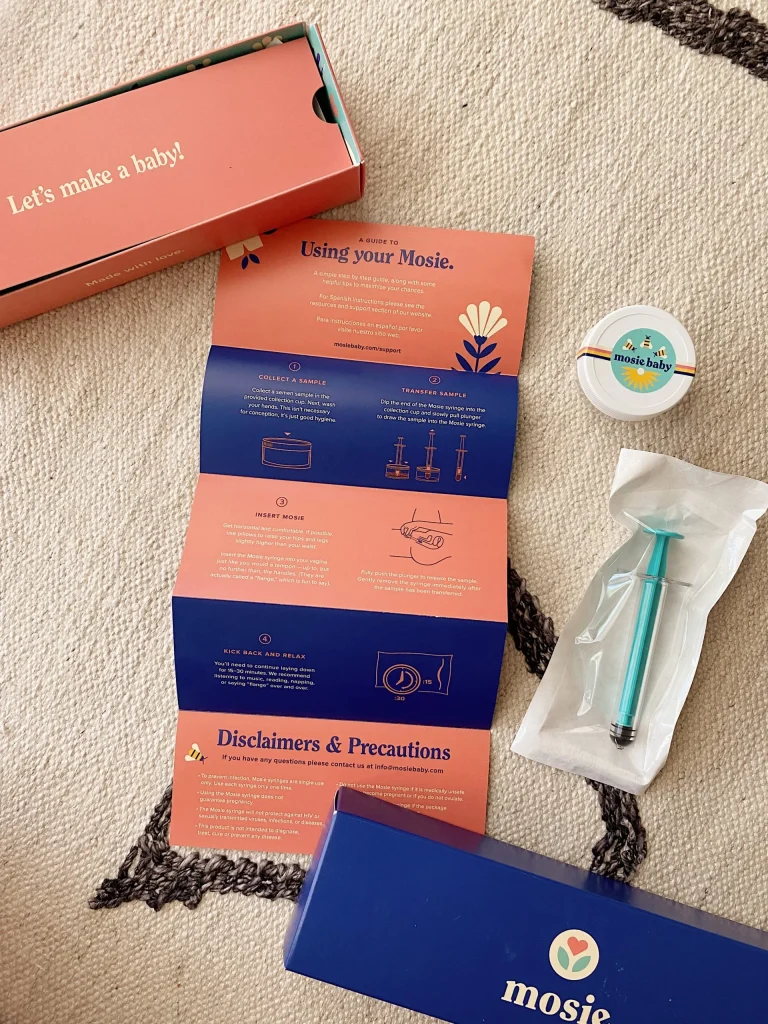
    guide and materials for using Mosie Baby fertility kit on a textured surface

    Maintaining Privacy in Home Insemination

    4. Dispose of materials properly

    After the insemination process, it is essential to dispose of all materials properly. This includes any used syringes, vials, and other items. Make sure to dispose of them in a closed and secure container, and if possible, dispose of them outside of your home. This will help prevent any potential exposure of your personal information to others.

    5. Use a private payment method

    When arranging payment for the sperm donor or any other involved parties, it is crucial to use a private payment method. This could be through a secure online platform or cash in person. Avoid using personal checks or bank transfers, as these can reveal your personal information.

    6. Consider using a home insemination kit

    If you are using a sperm donor, it is essential to consider using a home insemination kit. These kits typically include all the necessary materials for the insemination process and are designed for privacy and ease of use. They also eliminate the need for any contact between the donor and the recipient, further maintaining privacy.

    7. Keep a low profile

    In the age of social media, it is crucial to keep a low profile when it comes to home insemination. Avoid posting about the process on social media or sharing too many details with others. This will help prevent any unwanted attention or potential privacy breaches.

    In summary, maintaining privacy in home insemination is crucial for the safety and comfort of all parties involved. By following these tips and tricks, you can ensure that your personal information remains confidential, and your privacy is protected throughout the process.

  • The Role of Relaxation Techniques in Home Insemination

    The process of trying to conceive can be a stressful and overwhelming experience for many couples. In addition to the physical and emotional toll, the cost and time commitment of medical interventions can also add to the pressure. This is why some couples choose to pursue home insemination as an alternative option. Home insemination involves using a donor’s sperm to fertilize the egg, either through sexual intercourse or through a process called intrauterine insemination (IUI). While the success rates of home insemination may not be as high as medical interventions, it offers a more affordable and personal option for those trying to conceive.

    However, the success of home insemination relies heavily on the timing and technique used during the process. This is where relaxation techniques can play a crucial role. In this blog post, we will discuss the importance of relaxation techniques in home insemination and how they can improve your chances of success.

    What are relaxation techniques?

    Relaxation techniques are practices that aim to reduce stress, tension, and anxiety in the body and mind. These techniques can include deep breathing, meditation, visualization, and progressive muscle relaxation. They are often used in various therapeutic settings to promote overall well-being and manage stress and anxiety.

    The role of relaxation techniques in home insemination

    1. Reducing stress and anxiety

    Trying to conceive can be an incredibly stressful and emotional experience. The pressure to become pregnant and the uncertainty of the outcome can cause anxiety and tension in both partners. This stress and anxiety can have a negative impact on fertility by affecting hormonal balance and ovulation. By incorporating relaxation techniques into your home insemination routine, you can help reduce stress and anxiety, creating a more conducive environment for conception.

    2. Improving sperm quality

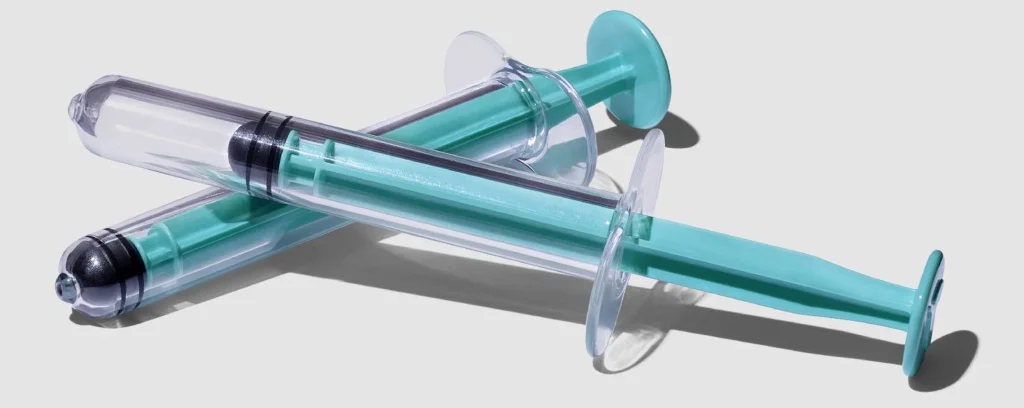
    Two transparent syringes with teal accents positioned diagonally on a light gray background.

    The Role of Relaxation Techniques in Home Insemination

    Studies have shown that stress can have a negative impact on sperm quality and quantity. By practicing relaxation techniques, men can reduce stress and improve their sperm count and motility, increasing the chances of successful fertilization during home insemination. Additionally, relaxation techniques can also help improve the quality of sperm by reducing oxidative stress, which can damage sperm DNA.

    3. Enhancing blood flow to the reproductive organs

    Relaxation techniques such as deep breathing and progressive muscle relaxation can help improve blood flow to the reproductive organs. This increased blood flow can help nourish the reproductive organs and improve their function, making it easier for the sperm to reach and fertilize the egg.

    4. Optimizing timing and technique

    Timing is crucial when it comes to home insemination. For the sperm to have the best chance of reaching and fertilizing the egg, it needs to be introduced into the female partner’s body during the most fertile window. This is where relaxation techniques can come in handy. By practicing relaxation techniques, both partners can become more attuned to their bodies and be more aware of when the most fertile time is. This can greatly improve the timing and technique of home insemination, increasing the chances of success.

    5. Promoting self-care and overall well-being

    The process of trying to conceive can be a rollercoaster of emotions and can take a toll on both partners physically and mentally. Engaging in relaxation techniques can help promote self-care and improve overall well-being. By taking time to relax and focus on oneself, couples can reduce stress and anxiety and improve their mental and emotional state, which can positively impact their fertility journey.

    In summary, relaxation techniques play a crucial role in home insemination by reducing stress and anxiety, improving sperm quality, enhancing blood flow to the reproductive organs, optimizing timing and technique, and promoting self-care and overall well-being. By incorporating these techniques into your home insemination routine, you and your partner can increase your chances of successful conception.

    In conclusion, home insemination can be a viable option for couples trying to conceive, and relaxation techniques can greatly improve its success. Additionally, these techniques can also offer a sense of control and empowerment for couples who may feel overwhelmed by the process of trying to conceive. So, if you are considering home insemination, don’t forget to incorporate relaxation techniques into your routine for a more positive and stress-free experience.

  • Debunking Common Myths About Home Insemination

    Blog Post:

    Home insemination is a method of assisted reproduction where a woman is artificially inseminated with sperm at home, without the involvement of a medical professional. While this may sound like a straightforward process, there are many common myths and misconceptions surrounding home insemination that cause confusion and hesitation for those considering this option. In this blog post, we will debunk some of the most common myths about home insemination and provide accurate information to help you make an informed decision.

    Myth #1: Home insemination is only for same-sex couples or single women
    This is one of the most common myths about home insemination. While it is a popular option for same-sex couples and single women, it is not limited to these groups. Heterosexual couples who are struggling with infertility or have other medical conditions that prevent them from conceiving naturally can also benefit from home insemination. Additionally, some couples choose home insemination as a more affordable and intimate option compared to traditional fertility treatments.

    Myth #2: Home insemination is not safe
    Some people believe that home insemination is not safe and may result in health risks for both the woman and the potential child. However, this is not the case. When done correctly, home insemination is a safe and effective method of assisted reproduction. It is important to follow proper hygiene and sterilization procedures and use high-quality medical-grade equipment to minimize any potential risks. It is also recommended to consult with a medical professional before attempting home insemination to ensure that it is a suitable option for you.

    Myth #3: Home insemination is not as effective as medical insemination
    Many people assume that home insemination is not as effective as medical insemination performed by a doctor. While success rates may vary, studies have shown that home insemination can be just as effective as medical insemination when done correctly. In fact, the success rates for home insemination can be as high as 15-20% per cycle, which is comparable to the success rates of intrauterine insemination (IUI) performed by a doctor.

    At-home insemination kit with ovulation and pregnancy tests, promoting fertility and family planning.

    Debunking Common Myths About Home Insemination

    Myth #4: You can use any type of sperm for home insemination
    This is a dangerous myth that can lead to serious consequences. It is essential to use high-quality sperm from a donor who has been properly screened and tested for sexually transmitted infections and genetic diseases. Using sperm from a known donor, such as a friend or family member, is also not recommended as it can lead to legal and emotional complications. It is highly recommended to work with a reputable sperm bank or fertility clinic to ensure the safety and quality of the sperm used for home insemination.

    Myth #5: Home insemination is a quick fix for fertility problems
    While home insemination can be an effective method of assisted reproduction for some couples, it is not a miracle solution for fertility problems. It is essential to understand the root cause of fertility issues and seek medical advice before attempting home insemination. In some cases, fertility treatments such as in vitro fertilization (IVF) may be a more suitable option.

    Myth #6: Home insemination is only for young women
    There is a misconception that home insemination is only successful for younger women. However, age does not necessarily determine the success of home insemination. Factors such as overall health, sperm quality, and timing of insemination are more important factors to consider. Women of all ages can have successful home insemination if they follow the proper procedures and have the necessary support and resources.

    Myth #7: Home insemination requires expensive equipment
    Another common myth about home insemination is that it requires expensive medical equipment. In reality, all you need for home insemination is a sterile syringe, a specimen cup, and a sterile speculum, which can be purchased at a relatively low cost. Some fertility clinics or sperm banks may also offer insemination kits that include all the necessary equipment at a reasonable price.

    In summary, home insemination is a safe and effective method of assisted reproduction that is not limited to a specific group of people. It is essential to dispel the common myths and misconceptions surrounding home insemination and provide accurate information to help individuals make informed decisions. With proper preparation, medical guidance, and high-quality sperm, home insemination can be a viable option for couples and individuals looking to grow their families.

  • Exploring Different Home Insemination Methods

    Exploring Different Home Insemination Methods: A Comprehensive Guide

    In recent years, there has been a growing trend of individuals and couples opting for home insemination as a way to start a family. This method allows for more privacy, control, and convenience compared to traditional medical procedures. However, with the rise of home insemination, there are also various methods and techniques that have emerged. In this blog post, we will explore the different home insemination methods available and their pros and cons.

    1. Intracervical Insemination (ICI)

    ICI is one of the most commonly used methods of home insemination. It involves placing the sperm directly into the cervix using a syringe or a softcup. This method mimics the natural process of intercourse and is relatively simple and inexpensive. However, it does require proper timing and tracking of ovulation, as well as the use of fertility-friendly lubricants.

    2. Intrauterine Insemination (IUI)

    IUI is a more advanced home insemination method that involves placing the sperm directly into the uterus using a catheter. This method has a higher success rate compared to ICI, as the sperm is placed closer to the egg. However, it does require specialized equipment and a more precise technique, which may be challenging for some individuals to perform at home.

    3. Intravaginal Insemination (IVI)

    IVI is a method that involves placing the sperm into the vagina, either using a syringe or a cervical cap. This method is similar to ICI, but the sperm is not placed directly into the cervix. While it is a less invasive method, it has a lower success rate compared to ICI or IUI.

    4. Natural Cycle Insemination (NCI)

    NCI involves using natural methods to track ovulation and time insemination accordingly. This can include tracking basal body temperature, cervical mucus, and using ovulation predictor kits. This method is ideal for those who prefer a more natural approach and do not want to use fertility drugs.

    Baby with blue eyes wearing a light blue onesie that says "made with Love" on a soft white background.

    Exploring Different Home Insemination Methods

    5. Assisted Reproductive Technology (ART)

    ART involves using medical procedures such as in vitro fertilization (IVF) or intrafallopian transfer (IFT) to facilitate conception. While these methods are not typically performed at home, some individuals may choose to use at-home IVF kits or perform self-insemination for IFT. These methods are more invasive and expensive but may be necessary for those with fertility issues.

    Factors to Consider

    Before deciding on a home insemination method, it is crucial to consider certain factors such as cost, success rates, and personal preferences. Some methods may be more affordable but have a lower success rate, while others may require specialized equipment and expertise. It is also vital to research and understand the risks and potential complications associated with each method.

    Tips for Successful Home Insemination

    1. Proper Timing: Timing is crucial for home insemination, as it increases the chances of success. It is essential to track ovulation accurately and inseminate during the most fertile days of the cycle.

    2. Fertility-Friendly Environment: Creating a fertile environment is vital for successful home insemination. This includes using fertility-friendly lubricants, avoiding harmful chemicals, and maintaining a healthy diet and lifestyle.

    3. Proper Technique: It is crucial to follow the correct technique for each method. This may require practice or the help of a healthcare professional.

    4. Donor Sperm Quality: The quality of the donor sperm is also a significant factor in the success of home insemination. It is essential to choose a reputable sperm bank or donor and ensure the sperm is properly screened and stored.

    In summary, home insemination offers a more private, convenient, and affordable option for those looking to start a family. With various methods available, it is essential to research and understand the pros and cons of each method and choose one that best suits your needs and preferences. Proper timing, creating a fertile environment, following the correct technique, and using high-quality donor sperm are key factors for successful home insemination.

  • The Impact of Age on Home Insemination

    Blog Post:

    Home insemination, also known as self-insemination, is a method of artificial insemination where sperm is directly inserted into the cervix or vagina by the individual or their partner at home. This method has become increasingly popular for couples and individuals who are trying to conceive, as it can be a more affordable and convenient option compared to traditional medical procedures. However, one factor that may impact the success of home insemination is the age of the individual attempting to conceive. In this blog post, we will explore the impact of age on home insemination and provide tips for those considering this method.

    The Impact of Age on Home Insemination:

    1. Fertility Decline with Age:

    One of the main factors that impact home insemination is the age of the individual attempting to conceive. As women age, their fertility declines due to a decrease in the number and quality of their eggs. This can make it more difficult to become pregnant, even with home insemination. According to the American Society for Reproductive Medicine, women in their 20s have a 20-25% chance of getting pregnant each month, while women in their 30s have a 15-20% chance. This chance decreases to 5% for women in their 40s. This decline in fertility with age is important to keep in mind for those considering home insemination as a method of conception.

    2. Decreased Sperm Quality:

    In addition to female fertility decline, men also experience a decrease in sperm quality with age. This can impact the success of home insemination, as the quality of the sperm is important for fertilization. As men age, the number of sperm they produce decreases, and the quality of their sperm may also decline. This can lead to a lower chance of conception and may require multiple attempts at home insemination.

    3. Increased Risk of Genetic Abnormalities:

    Another important factor to consider is the increased risk of genetic abnormalities with age. As women age, the likelihood of chromosomal abnormalities, such as Down syndrome, increases. This is due to the decrease in the quality of eggs as women get older. It is important to consult with a healthcare provider before attempting home insemination, as they can provide information on genetic testing and potential risks for those at an advanced age.

    4. Hormonal Changes:

    hands using a blue syringe to extract contents from a clear container for a home insemination kit

    The Impact of Age on Home Insemination

    As both men and women age, their hormone levels may change, which can impact fertility. In women, menopause can occur, which marks the end of their reproductive years. This can make home insemination more difficult, as the body is no longer producing the necessary hormones for pregnancy. In men, a decrease in testosterone levels can also affect sperm production and quality, making it more challenging to conceive through home insemination.

    Tips for Home Insemination at an Advanced Age:

    1. Consider Consulting with a Fertility Specialist:

    For those attempting home insemination at an advanced age, it is recommended to consult with a fertility specialist before proceeding. They can provide information on potential risks and offer advice on how to increase the chances of success. They may also recommend additional testing or procedures to improve the chances of conception.

    2. Use Ovulation Prediction Kits:

    Ovulation prediction kits can be helpful for those attempting home insemination, especially at an advanced age. These kits can help track the ovulation cycle and determine the best time for insemination. This can increase the chances of successful fertilization.

    3. Opt for Fresh Sperm:

    Using fresh sperm instead of frozen sperm can improve the chances of successful home insemination, especially for those at an advanced age. Fresh sperm has a higher motility rate and can increase the chances of fertilization.

    4. Consider Alternative Options:

    For individuals or couples at an advanced age, it may be beneficial to consider alternative options, such as donor sperm or assisted reproductive technologies like intrauterine insemination (IUI) or in vitro fertilization (IVF). These options may have a higher success rate for those with age-related fertility issues.

    In summary, age can have a significant impact on the success of home insemination. As women and men age, their fertility declines, and their chances of conception may decrease. It is important to consult with a healthcare provider and consider alternative options for conception at an advanced age. However, with proper planning and the right resources, home insemination can still be a viable option for those attempting to conceive.