Tag: conception

  • Progesterone and Fertile Cervical Mucus: The Winning Combination for Conception

    Progesterone and Fertile Cervical Mucus: The Winning Combination for Conception

    When it comes to trying to conceive, couples often turn to various methods and techniques to increase their chances of success. From tracking ovulation to trying different positions, there are many factors that can play a role in conception. However, one crucial aspect that is often overlooked is the role of progesterone and fertile cervical mucus in the process.

    Progesterone is a hormone produced by the ovaries after ovulation. Its main function is to prepare the uterus for pregnancy by thickening the uterine lining and maintaining it throughout the pregnancy. Progesterone also plays a crucial role in the production of cervical mucus, which is the fluid secreted by the cervix that helps sperm travel through the cervix and into the uterus.

    In order for conception to occur, the timing of ovulation and the quality of cervical mucus are both crucial. And when progesterone and fertile cervical mucus work together, they create the perfect environment for sperm to survive and reach the egg, increasing the chances of successful conception.

    Let’s take a closer look at how progesterone and fertile cervical mucus work together to create the winning combination for conception.

    The Role of Progesterone in Conception

    As mentioned earlier, progesterone is produced by the ovaries after ovulation. Once the egg is released from the ovary, the empty follicle, also known as the corpus luteum, starts producing progesterone. This hormone helps prepare the uterine lining for implantation. It thickens the lining and creates a hospitable environment for a fertilized egg to implant and grow.

    Progesterone also plays a crucial role in regulating the menstrual cycle. It helps maintain a regular cycle and ensures that ovulation occurs at the right time. When there is a deficiency in progesterone, it can lead to irregular periods or even anovulatory cycles, where ovulation does not occur at all.

    In terms of conception, progesterone helps create an environment in the uterus that is optimal for sperm survival. It also helps control the production of cervical mucus, which plays a crucial role in the process of conception.

    The Role of Fertile Cervical Mucus in Conception

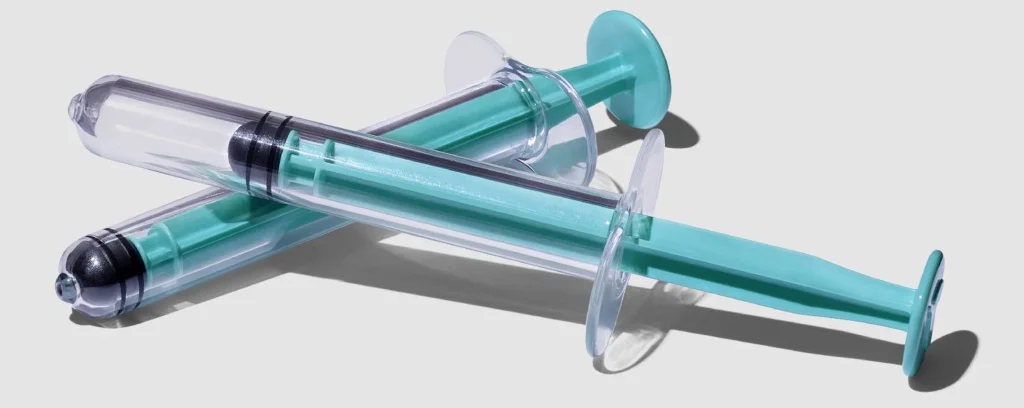
    two teal and clear syringes positioned on a white background

    Progesterone and Fertile Cervical Mucus: The Winning Combination for Conception

    Cervical mucus is a fluid secreted by the cervix that helps sperm travel through the cervix and into the uterus. It is produced by the cervix in response to hormonal changes throughout the menstrual cycle. During ovulation, cervical mucus becomes thin, slippery, and stretchy, resembling the consistency of egg whites. This fertile cervical mucus is essential for sperm to survive and reach the egg.

    The role of cervical mucus is multi-fold in the process of conception. It helps to filter out abnormal sperm, providing a natural selection process for the most viable sperm to reach the egg. It also provides a medium for the sperm to swim through, making their journey to the egg easier. And perhaps most importantly, cervical mucus nourishes and protects sperm, helping them survive for up to five days in the female reproductive tract.

    The Winning Combination: Progesterone and Fertile Cervical Mucus

    As we can see, both progesterone and fertile cervical mucus play crucial roles in the process of conception. And when they work together, they create the perfect environment for sperm to survive and reach the egg. Progesterone helps regulate the production of cervical mucus and ensures that the uterine lining is thick and hospitable for implantation. Fertile cervical mucus provides a medium for sperm to swim through and nourishes and protects them, increasing their chances of survival.

    Without sufficient levels of progesterone, cervical mucus may become too thick or hostile, making it difficult for sperm to reach the egg. This can lead to difficulties in conception and even early miscarriage. On the other hand, when there is enough progesterone and fertile cervical mucus present, the chances of successful conception increase significantly.

    How to Increase Progesterone and Fertile Cervical Mucus for Conception

    There are various ways to naturally increase progesterone levels and promote the production of fertile cervical mucus for conception. One effective method is to track ovulation and make sure that intercourse occurs during the fertile window when cervical mucus is present. Additionally, certain lifestyle changes, such as reducing stress, maintaining a healthy weight, and avoiding toxins and chemicals, can also help improve progesterone levels and cervical mucus quality.

    In some cases, medical intervention may be necessary to address low progesterone levels or poor cervical mucus production. Doctors may prescribe progesterone supplements or fertility medications to stimulate the production of cervical mucus. It is essential to consult with a healthcare provider to determine the best course of action for your individual situation.

    In conclusion, progesterone and fertile cervical mucus are the winning combination for conception. These two essential factors work together to create the perfect environment for sperm to survive and reach the egg, increasing the chances of successful conception. By understanding the role of these two elements and taking steps to support their production, couples can increase their chances of achieving their dream of starting a family.

    Summary:

    Progesterone, a hormone produced by the ovaries after ovulation, plays a crucial role in preparing the uterus for pregnancy and regulating the menstrual cycle. It also helps create an environment in the uterus that is optimal for sperm survival. Fertile cervical mucus, produced by the cervix, is essential for sperm to survive and reach the egg. It provides a medium for sperm to swim through, nourishes and protects them, and helps filter out abnormal sperm. When progesterone and fertile cervical mucus work together, they create the winning combination for conception. Couples can naturally increase progesterone and cervical mucus production by tracking ovulation, making lifestyle changes, and seeking medical intervention if necessary.


  • Boosting Progesterone Naturally for Healthier Cervical Mucus and Fertility

    Boosting Progesterone Naturally for Healthier Cervical Mucus and Fertility

    When it comes to fertility, having healthy cervical mucus is crucial. Cervical mucus plays an important role in the reproductive process by nourishing and protecting sperm as they make their way to the egg. However, many women struggle with issues such as low progesterone levels, which can lead to inadequate cervical mucus and difficulty conceiving. In this blog post, we will discuss the importance of progesterone in relation to cervical mucus and fertility, and provide natural ways to boost progesterone levels for a healthier reproductive system.

    Understanding Progesterone and Its Role in Fertility

    Progesterone is a hormone that is primarily produced by the ovaries after ovulation. Its main function is to prepare the uterine lining for implantation and to maintain a healthy pregnancy. Progesterone also plays a crucial role in the production of cervical mucus. During the first half of the menstrual cycle, estrogen levels rise, causing the cervix to produce thin and watery mucus to help sperm travel through the cervix. However, during the second half of the cycle, progesterone levels increase and the cervical mucus becomes thicker and more acidic, creating a hostile environment for sperm and preventing any potential infections from entering the uterus.

    Low Progesterone and Its Impact on Cervical Mucus and Fertility

    Low progesterone levels can lead to inadequate cervical mucus, making it difficult for sperm to survive and reach the egg. This can result in difficulty conceiving, as well as an increased risk of miscarriage. Inadequate cervical mucus can also make it difficult for the sperm to reach the egg, as the mucus acts as a protective barrier. Additionally, low progesterone levels can also cause other fertility issues such as irregular menstrual cycles, anovulation (lack of ovulation), and luteal phase defect (a shortened second half of the menstrual cycle).

    Natural Ways to Boost Progesterone Levels

    1. Maintain a Healthy Weight

    Being underweight or overweight can affect hormone levels, including progesterone. It is important to maintain a healthy weight to ensure proper hormone production. If you are underweight, try to gain weight by incorporating healthy fats and proteins into your diet. On the other hand, if you are overweight, aim to lose weight through a balanced and nutritious diet and regular exercise.

    2. Increase Your Intake of Vitamin B6

    Vitamin B6 is essential for the production of progesterone. Foods such as bananas, sweet potatoes, chicken, and fish are rich in vitamin B6 and can help boost progesterone levels. You can also consider taking a vitamin B6 supplement to ensure you are getting enough of this important nutrient.

    sperm-ready insemination kit with a syringe and container, featuring a screw top lid and non-tip safety wall

    Boosting Progesterone Naturally for Healthier Cervical Mucus and Fertility

    3. Consume Healthy Fats

    Healthy fats, such as omega-3 fatty acids, are crucial for hormone production. Foods like salmon, avocado, olive oil, and nuts are all excellent sources of healthy fats. Incorporating these into your diet can help boost progesterone levels and improve cervical mucus production.

    4. Reduce Stress

    Chronic stress can have a negative impact on hormone levels, including progesterone. Finding ways to manage stress, such as through meditation, yoga, or regular exercise, can help improve progesterone levels and overall fertility.

    5. Consider Herbal Supplements

    There are several herbal supplements that have been shown to help boost progesterone levels. Some of the most common ones include chasteberry, maca root, and red raspberry leaf. However, it is important to consult with a healthcare professional before starting any herbal supplements, as they may interact with other medications or have potential side effects.

    6. Get Enough Sleep

    Getting enough sleep is crucial for overall hormone balance. Aim for at least 7-9 hours of sleep per night to ensure your body has enough time to rest and repair itself. Lack of sleep can lead to hormonal imbalances and affect progesterone production.

    7. Limit Exposure to Endocrine Disruptors

    Endocrine disruptors are chemicals found in everyday household products, such as plastics, cosmetics, and cleaning products. These chemicals can mimic estrogen in the body and disrupt hormone balance, including progesterone. Try to limit your exposure to these chemicals by opting for natural and organic products whenever possible.

    In summary, maintaining healthy progesterone levels is crucial for cervical mucus production and overall fertility. By incorporating these natural ways to boost progesterone levels, you can improve your chances of conceiving and maintaining a healthy pregnancy. Remember to always consult with a healthcare professional before making any major changes to your diet or lifestyle.

  • Progesterone and Fertile Cervical Mucus: The Dynamic Duo for Conception

    Progesterone and Fertile Cervical Mucus: The Dynamic Duo for Conception

    Conceiving a child is a beautiful and miraculous experience, but for many couples, it can also be a stressful and challenging journey. There are many factors that contribute to successful conception, and one crucial element is the presence of progesterone and fertile cervical mucus.

    Progesterone is a hormone that plays a vital role in a woman’s menstrual cycle and fertility. It is produced by the ovaries after ovulation and helps prepare the uterine lining for implantation. Fertile cervical mucus, on the other hand, is a fluid secreted by the cervix that helps sperm travel through the reproductive tract to reach the egg.

    In this blog post, we will explore the importance of progesterone and fertile cervical mucus in conception and how they work together as the dynamic duo for a successful pregnancy.

    The Role of Progesterone in Conception

    Progesterone is a key hormone in the menstrual cycle and is responsible for preparing the body for pregnancy. After ovulation, the ovaries produce progesterone, which helps thicken the uterine lining to create a suitable environment for implantation. If conception does not occur, progesterone levels drop, and the thickened lining is shed during menstruation.

    But if an egg is fertilized, progesterone levels continue to rise, maintaining the uterine lining and supporting the growing embryo. It also helps relax the muscles in the uterus, preventing contractions that could cause the body to reject the fertilized egg.

    Progesterone also plays a crucial role in the production and release of other hormones, such as estrogen, which is essential for healthy ovulation. Without enough progesterone, a woman may experience irregular or absent ovulation, making it difficult to conceive.

    The Importance of Fertile Cervical Mucus

    Cervical mucus, also known as cervical fluid, is a fluid secreted by the cervix that changes in consistency and color throughout a woman’s menstrual cycle. It is a vital part of the reproductive process as it helps sperm travel through the cervix and into the uterus, where they can fertilize an egg.

    During ovulation, the cervix produces fertile cervical mucus, which is clear, stretchy, and slippery, resembling the consistency of egg whites. This type of mucus helps sperm swim more easily through the reproductive tract and can keep them alive for up to five days.

    In contrast, during the non-fertile phases of the menstrual cycle, the cervix produces thicker, sticky mucus that is not as hospitable to sperm. This type of mucus helps prevent bacteria from entering the uterus and protects the reproductive organs from infection.

    The Dynamic Duo: Progesterone and Fertile Cervical Mucus

    Now that we understand the individual roles of progesterone and fertile cervical mucus, let’s explore how they work together as the dynamic duo for conception.

    During the first half of the menstrual cycle, estrogen levels rise, causing the cervix to produce more fertile cervical mucus. As ovulation approaches, progesterone levels also increase, causing the mucus to become even more slippery and stretchy, creating an ideal environment for sperm to travel through.

    logo of mosie baby featuring a heart and leaf design in blue, pink, and green colors

    Progesterone and Fertile Cervical Mucus: The Dynamic Duo for Conception

    At the same time, progesterone helps thicken the uterine lining, preparing it for possible implantation. This lining also produces nutrients that can help nourish the embryo if fertilization occurs.

    If fertilization does occur, progesterone levels continue to rise, maintaining the uterine lining and supporting the developing embryo. The fertile cervical mucus also continues to aid in the journey of the sperm towards the egg, increasing the chances of successful fertilization.

    In the event that fertilization does not occur, progesterone levels drop, causing the uterine lining to shed, and the menstrual cycle starts again. This process continues each month until conception occurs.

    Factors That Can Affect Progesterone and Fertile Cervical Mucus

    While progesterone and fertile cervical mucus are essential for conception, there are some factors that can affect their production and quality. These include:

    1. Hormonal imbalances: Any imbalance in hormones, such as thyroid disorders or polycystic ovary syndrome (PCOS), can affect the production of progesterone and fertile cervical mucus.

    2. Stress: High levels of stress can disrupt the delicate balance of hormones, including progesterone, and affect the quality and quantity of fertile cervical mucus.

    3. Diet and lifestyle: A diet high in processed foods and unhealthy lifestyle habits, such as smoking and excessive alcohol consumption, can also impact hormone levels and the production of fertile cervical mucus.

    4. Age: As women age, their natural levels of progesterone and fertile cervical mucus may decrease, making it more challenging to conceive.

    5. Certain medications: Some medications, such as birth control pills, can affect hormone levels and reduce the production of fertile cervical mucus.

    Final Thoughts

    Progesterone and fertile cervical mucus are the dynamic duo for conception, working together to create an optimal environment for fertilization and pregnancy. Understanding the role of these two factors is crucial for couples trying to conceive, and any issues should be addressed with a healthcare provider.

    By maintaining a healthy lifestyle, managing stress, and addressing any underlying medical conditions, couples can increase their chances of successful conception. And with the help of progesterone and fertile cervical mucus, their journey to parenthood can be a little smoother and more successful.

    Summary:

    Progesterone and fertile cervical mucus are crucial for successful conception. Progesterone, a hormone produced by the ovaries, helps prepare the uterine lining for implantation and supports the growing embryo. Fertile cervical mucus, secreted by the cervix, aids in the journey of sperm towards the egg during ovulation. The two work together as the dynamic duo, creating an ideal environment for fertilization and pregnancy. Factors such as hormonal imbalances, stress, diet and lifestyle, age, and certain medications can affect the production and quality of progesterone and fertile cervical mucus. By maintaining a healthy lifestyle and addressing any underlying issues, couples can increase their chances of successful conception with the help of this dynamic duo.

  • Progesterone and Fertile Cervical Mucus: The Missing Piece in Your Fertility Puzzle

    Progesterone and Fertile Cervical Mucus: The Missing Piece in Your Fertility Puzzle

    When it comes to fertility, there are many factors that can affect a woman’s ability to conceive. From ovulation to hormonal imbalances, there are numerous pieces to the fertility puzzle. However, one key factor that often goes overlooked is the role of progesterone and fertile cervical mucus. In this blog post, we will explore the importance of these two elements in fertility and how they work together to increase a woman’s chances of getting pregnant.

    Understanding Progesterone

    Progesterone is a hormone that is produced by the ovaries after ovulation. Its main function is to prepare the uterus for pregnancy by thickening the lining and promoting blood flow. Progesterone also plays a crucial role in the menstrual cycle, helping to regulate the timing of ovulation and the shedding of the uterine lining during menstruation.

    Low levels of progesterone can lead to irregular or absent ovulation, making it difficult for a woman to get pregnant. This is often referred to as luteal phase defect, where the body doesn’t produce enough progesterone to support a pregnancy. It can also lead to a shorter luteal phase, which is the time between ovulation and the start of the next menstrual cycle. A shorter luteal phase can make it harder for a fertilized egg to implant in the uterus, resulting in a miscarriage or difficulty in getting pregnant.

    The Role of Cervical Mucus in Fertility

    Cervical mucus, also known as cervical fluid, is a natural substance produced by the cervix. Its main function is to create a pathway for sperm to travel through the cervix and into the uterus. It also helps to filter out any abnormal or unhealthy sperm and provides nourishment and protection for the sperm on their journey to the egg.

    The consistency and quality of cervical mucus vary throughout a woman’s menstrual cycle. During the first phase, known as the follicular phase, the mucus is thick and sticky, making it difficult for sperm to pass through. However, as a woman approaches ovulation, the mucus changes to become thin, slippery, and stretchy, making it easier for sperm to swim through and reach the egg. This fertile cervical mucus is crucial for conception, as it provides a hospitable environment for sperm and can increase the chances of fertilization.

    The Missing Piece: Progesterone and Fertile Cervical Mucus

    Now that we understand the individual roles of progesterone and fertile cervical mucus, it’s easy to see how they work together to increase a woman’s chances of getting pregnant. As mentioned earlier, progesterone helps to thicken the uterine lining, preparing it for a fertilized egg to implant. This is crucial because without a thick and healthy lining, a fertilized egg may not be able to attach and grow.

    home insemination kit components: a syringe and a collection container against a blue background.

    Progesterone and Fertile Cervical Mucus: The Missing Piece in Your Fertility Puzzle

    Additionally, progesterone also plays a role in the production and quality of cervical mucus. It helps to create a more fertile environment in the cervix, increasing the chances of sperm reaching the egg. Without enough progesterone, the cervical mucus may not change to its fertile state, making it difficult for sperm to reach the egg and resulting in a lower chance of conception.

    Furthermore, progesterone also helps to maintain the uterine lining throughout pregnancy. In early pregnancy, it continues to support the growth and development of the embryo until the placenta takes over this function. Without enough progesterone, the uterine lining may shed, leading to a miscarriage.

    How to Boost Progesterone and Increase Fertile Cervical Mucus

    Now that we understand the critical role of progesterone and fertile cervical mucus in fertility, it’s essential to know how to boost their levels in the body. There are several natural ways to increase progesterone and improve the quality of cervical mucus, including:

    1. Eat a balanced and nutritious diet: A healthy diet rich in vitamins and minerals is crucial for hormone production and overall fertility. Focus on consuming foods that are high in zinc, magnesium, and vitamin B6, which are essential for progesterone production.

    2. Manage stress levels: Chronic stress can disrupt hormone levels and affect ovulation and the production of fertile cervical mucus. Find ways to reduce stress, such as practicing yoga, meditation, or engaging in a hobby you enjoy.

    3. Consider herbal supplements: Certain herbs, such as chasteberry, have been shown to help increase progesterone levels and improve fertility. However, it’s essential to consult with a healthcare professional before taking any supplements.

    4. Use natural progesterone cream: Natural progesterone cream, when used correctly, can help to balance hormone levels and increase progesterone production. It is often used as a treatment for luteal phase defect and can also help to improve the quality of cervical mucus.

    5. Track your fertility signs: Keeping track of your menstrual cycle and fertility signs, such as basal body temperature and cervical mucus, can help you to identify any patterns or irregularities in your cycle. This can also be helpful in determining the best time to try to conceive.

    By incorporating these strategies into your daily routine, you can help to boost progesterone levels and increase the quality of fertile cervical mucus, making it easier for sperm to reach the egg and increasing your chances of getting pregnant.

    In conclusion, progesterone and fertile cervical mucus are two crucial pieces of the fertility puzzle that often go overlooked. By understanding their roles and how they work together, and taking steps to boost their levels in the body, you can increase your chances of getting pregnant and finally complete your fertility puzzle.

  • Progesterone and Cervical Mucus: A Balancing Act for Fertility

    Progesterone and Cervical Mucus: A Balancing Act for Fertility

    When it comes to fertility, there are many factors that can impact a person’s ability to conceive. From hormonal imbalances to lifestyle habits, there are numerous elements that can affect fertility. One crucial aspect that often goes unnoticed is the role of progesterone and cervical mucus. These two components work together in a delicate balancing act, and any disruption can have a significant impact on a person’s fertility. In this blog post, we will dive into the world of progesterone and cervical mucus and explore how they play a crucial role in fertility.

    Understanding Progesterone

    Progesterone is a hormone produced by the ovaries after ovulation. Its main function is to prepare the uterus for pregnancy by thickening the uterine lining. Progesterone levels fluctuate throughout the menstrual cycle, with the highest levels occurring after ovulation. If pregnancy does not occur, progesterone levels drop, and the uterine lining is shed during menstruation.

    Progesterone also plays a vital role in regulating the menstrual cycle. It works together with estrogen to coordinate the process of ovulation and prepare the body for potential pregnancy. Without adequate levels of progesterone, the menstrual cycle can become irregular, making it challenging to predict ovulation and conceive.

    The Importance of Cervical Mucus

    Cervical mucus is a fluid secreted by the cervix that plays a critical role in fertility. It is produced by the cervix in response to hormonal changes, mainly estrogen and progesterone. Cervical mucus changes in consistency and texture throughout the menstrual cycle, providing valuable information about a person’s fertility.

    During the first phase of the menstrual cycle, known as the follicular phase, cervical mucus is thick and sticky, making it difficult for sperm to penetrate. As ovulation approaches, estrogen levels increase, causing cervical mucus to become thinner and more watery. This type of mucus is ideal for sperm to swim through and reach the egg for fertilization.

    After ovulation, progesterone takes over, causing cervical mucus to become thicker and more hostile to sperm. This change in cervical mucus helps to prevent sperm from entering the uterus during the luteal phase of the menstrual cycle when pregnancy is less likely to occur.

    The Balancing Act

    For successful conception to occur, there needs to be a delicate balance between progesterone and cervical mucus. If there is an imbalance, it can significantly impact a person’s fertility. Here are some examples of how a lack of balance between progesterone and cervical mucus can affect fertility.

    Low Progesterone Levels:

    Low levels of progesterone can lead to an inadequate build-up of the uterine lining, making it difficult for a fertilized egg to implant and grow. Low progesterone levels can also cause luteal phase defects, where the uterine lining sheds too early, making it challenging for a fertilized egg to implant and grow. This can lead to early miscarriages and difficulty conceiving.

    Informative card introducing the Mosie Baby Kit and its mission for at-home insemination.

    Progesterone and Cervical Mucus: A Balancing Act for Fertility

    Hostile Cervical Mucus:

    If cervical mucus is too thick and hostile to sperm, it can prevent sperm from reaching the egg for fertilization. This can happen due to hormonal imbalances, infections, or sperm antibodies present in the cervical mucus. In such cases, even if a person is ovulating and has healthy sperm, the chances of conception are significantly reduced.

    How to Balance Progesterone and Cervical Mucus for Fertility

    The good news is that there are ways to balance progesterone and cervical mucus for improved fertility. Here are some tips to help you get started.

    1. Track Your Menstrual Cycle:

    To understand your progesterone and cervical mucus levels, it is essential to track your menstrual cycle. This can be done through various methods, such as using a fertility monitor or tracking your basal body temperature. By tracking your cycle, you can identify any irregularities and potential issues with progesterone and cervical mucus.

    2. Make Lifestyle Changes:

    Certain lifestyle factors can affect progesterone and cervical mucus levels. These include stress, excessive exercise, and poor diet. Making healthy lifestyle choices such as managing stress, exercising moderately, and eating a balanced diet can help balance hormones and improve cervical mucus quality.

    3. Seek Medical Help:

    If you are struggling with fertility, it is essential to consult a healthcare professional. They can conduct tests to check your hormone levels and identify any underlying issues that may be affecting your fertility. Depending on the results, they may recommend medications or supplements to balance your hormones and improve cervical mucus quality.

    Conclusion

    In conclusion, balancing progesterone and cervical mucus is crucial for fertility. These two elements work together in a delicate dance, and any disruption can have a significant impact on a person’s ability to conceive. By understanding the role of progesterone and cervical mucus and taking steps to balance them, you can improve your chances of conceiving and starting a family.

    SEO metadata:

  • How Progesterone Supplements Can Improve Cervical Mucus Quality

    Progesterone is a hormone that plays a crucial role in pregnancy and fertility. It is produced by the ovaries after ovulation and helps to thicken and prepare the uterus for potential implantation of a fertilized egg. Along with its effects on the uterus, progesterone also has a significant impact on cervical mucus quality. In this blog post, we will explore how progesterone supplements can improve cervical mucus quality and ultimately increase the chances of conception.

    Cervical mucus is a fluid produced by the cervix that helps sperm to swim through the reproductive tract and reach the egg. It also serves as a protective barrier against bacteria and other harmful substances. The quality and quantity of cervical mucus change throughout the menstrual cycle, and it is most fertile and beneficial for conception during ovulation.

    During the first half of the menstrual cycle, estrogen is the dominant hormone. It stimulates the production of thin, watery cervical mucus, which is not favorable for sperm survival and movement. However, as ovulation approaches, progesterone levels increase, causing the cervix to produce thick, creamy, and fertile cervical mucus. This type of mucus provides a hospitable environment for sperm to swim through and survive for several days, increasing the chances of fertilization.

    But what happens if there is not enough progesterone in the body? Low levels of progesterone can result in insufficient or poor-quality cervical mucus, making it difficult for sperm to reach the egg. This can lead to fertility issues and difficulties in conceiving. That’s where progesterone supplements come in.

    Progesterone supplements are commonly prescribed to women who have low progesterone levels or have experienced recurrent miscarriages. These supplements can be taken orally, vaginally, or through injections, and they help to increase the levels of progesterone in the body. As a result, the quality of cervical mucus also improves, making it easier for sperm to reach the egg and increasing the chances of a successful pregnancy.

    Two transparent syringes with teal accents positioned diagonally on a light gray background.

    How Progesterone Supplements Can Improve Cervical Mucus Quality

    One of the ways progesterone supplements improve cervical mucus quality is by maintaining the right pH balance. The cervix produces mucus with a slightly acidic pH to protect against bacteria and infections. However, sperm prefer an alkaline environment to survive and reach the egg. Progesterone helps to increase the alkalinity of cervical mucus, making it more hospitable for sperm.

    In addition to pH balance, progesterone also helps to increase the quantity and consistency of cervical mucus. As mentioned earlier, fertile cervical mucus is thick and creamy, making it easier for sperm to swim through. Progesterone supplements stimulate the production of this type of mucus, increasing the chances of sperm survival and fertilization.

    Furthermore, progesterone also plays a role in the timing of ovulation. When progesterone levels are low, ovulation may be delayed or not occur at all. This can result in a shorter window of fertility and less fertile cervical mucus. Progesterone supplements can help to regulate ovulation and ensure that it happens at the right time, leading to better quality cervical mucus and increased chances of conception.

    It is essential to note that progesterone supplements should only be taken under the guidance of a healthcare provider. They should not be used without proper testing and monitoring, as too much progesterone can also have negative effects on cervical mucus quality. It is crucial to find the right balance of progesterone levels for optimal fertility.

    In addition to helping with cervical mucus quality, progesterone supplements can also improve other aspects of fertility. They help to thicken the lining of the uterus, making it more receptive to implantation. They also help to regulate the menstrual cycle and prevent early miscarriages. Overall, progesterone supplements can be beneficial for women who are trying to conceive and have fertility issues related to low progesterone levels.

    In conclusion, progesterone supplements can be a valuable tool in improving cervical mucus quality, which is crucial for conception. They help to maintain the right pH balance, increase the quantity and consistency of cervical mucus, and regulate ovulation. However, it is essential to use them under the guidance of a healthcare provider to avoid any potential risks. With the right balance of progesterone, women can increase their chances of getting pregnant and starting a family.

  • Progesterone and Fertile Cervical Mucus: What Every Woman Should Know

    Progesterone and Fertile Cervical Mucus: What Every Woman Should Know

    When it comes to fertility, there are many factors at play. One important aspect that often gets overlooked is the role of progesterone and fertile cervical mucus. These two elements are crucial for a woman’s reproductive health and understanding how they work together can greatly increase the chances of conception. In this blog post, we will dive into the details of progesterone and fertile cervical mucus, their functions, and how to track and maintain healthy levels for optimal fertility.

    Firstly, let’s understand what progesterone is and its role in a woman’s body. Progesterone is a hormone produced primarily in the ovaries after ovulation. Its main function is to prepare the uterus for pregnancy by thickening the uterine lining and maintaining its thickness. Progesterone also plays a crucial role in regulating the menstrual cycle, as it works together with estrogen to prepare the body for potential pregnancy.

    During the first half of the menstrual cycle, the follicle-stimulating hormone (FSH) and luteinizing hormone (LH) are dominant and stimulate the production of estrogen. Estrogen, in turn, causes the cervix to produce fertile cervical mucus. This mucus is clear, slippery, and stretchy, allowing sperm to easily travel through the cervix and reach the egg. This is often referred to as “egg white cervical mucus” and is a clear indication of fertility.

    Once ovulation occurs, the dominant hormone shifts to progesterone. This surge in progesterone causes a rise in body temperature and also signals the cervix to produce a different type of mucus. This mucus is thicker and stickier, acting as a barrier to prevent sperm from entering the cervix. This is often referred to as “infertile cervical mucus.” This change in mucus consistency is essential for preventing sperm from reaching the egg during a non-fertile time in the menstrual cycle.

    Now that we understand the role of progesterone and fertile cervical mucus in the menstrual cycle, let’s dive deeper into how they work together to create the perfect environment for conception. As mentioned earlier, estrogen and progesterone work together to prepare the uterine lining for potential pregnancy. When estrogen levels are high, the cervix produces fertile cervical mucus, which helps sperm travel through the cervix. Once ovulation occurs and progesterone levels surge, the cervix produces infertile cervical mucus, preventing sperm from entering the cervix.

    Mosie Baby Kit features a syringe and container, highlighting safety and usability tests on a blue background.

    Progesterone and Fertile Cervical Mucus: What Every Woman Should Know

    This delicate balance of hormones and mucus production is crucial for successful conception. If there is an imbalance in either estrogen or progesterone levels, it can affect the quality and quantity of fertile cervical mucus, making it difficult for sperm to reach the egg. Low levels of progesterone, in particular, can cause a thin uterine lining, making it challenging for a fertilized egg to implant. This can result in difficulty getting pregnant and an increased risk of miscarriage.

    So, how can a woman track and maintain healthy levels of progesterone and fertile cervical mucus? The first step is to understand your menstrual cycle and track it using methods such as charting your basal body temperature or using ovulation predictor kits. This will help you pinpoint when ovulation occurs and when you are most fertile. Keeping track of your cycle can also help you identify any potential hormonal imbalances that may be affecting your fertility.

    It’s also important to maintain a healthy lifestyle to support proper hormone production. Eating a balanced diet, exercising regularly, and managing stress levels can all contribute to maintaining healthy hormone levels. In some cases, women may need to supplement with progesterone to support their reproductive health. This should always be done under the guidance of a healthcare professional.

    In conclusion, progesterone and fertile cervical mucus play crucial roles in a woman’s fertility. Understanding how they work together and how to track and maintain healthy levels can greatly increase the chances of conception. By staying in tune with your body and making lifestyle choices that support hormonal balance, you can optimize your fertility and increase your chances of successfully conceiving.

    Summary:

    Progesterone and fertile cervical mucus are essential for a woman’s reproductive health. Progesterone prepares the uterus for pregnancy and regulates the menstrual cycle, while fertile cervical mucus aids in sperm transport. During ovulation, estrogen and fertile cervical mucus are dominant, and after ovulation, progesterone and infertile cervical mucus take over. Maintaining a healthy balance of these hormones is crucial for successful conception. Tracking your menstrual cycle and maintaining a healthy lifestyle are key ways to support hormone production. In some cases, supplementation with progesterone may be necessary under the guidance of a healthcare professional.

  • Progesterone: The Key to Unlocking Fertile Cervical Mucus

    SUMMARY:

    Progesterone is a hormone that plays a crucial role in a woman’s fertility. It is responsible for thickening the uterine lining and preparing it for implantation, as well as regulating the menstrual cycle. However, one of its lesser-known functions is its role in producing fertile cervical mucus, which is essential for conception.

    Cervical mucus, also known as “cervical fluid,” is a fluid secreted by the cervix that changes in consistency and texture throughout a woman’s menstrual cycle. It serves as a pathway for sperm to travel through the cervix and into the uterus, making it a vital factor in fertility. Progesterone is the key to unlocking fertile cervical mucus, as it influences its production and quality.

    In this blog post, we will discuss the importance of progesterone in cervical mucus production, how it affects fertility, and what women can do to ensure they have adequate levels of progesterone for optimal cervical mucus.

    The Role of Progesterone in Cervical Mucus Production:

    Progesterone is a hormone produced by the ovaries after ovulation. It works in conjunction with estrogen, another female hormone, to regulate the menstrual cycle and prepare the body for pregnancy. During the first half of the menstrual cycle, estrogen levels rise, causing the cervical mucus to become thin, watery, and stretchy. This type of mucus is known as “fertile cervical mucus” and is essential for sperm survival and movement.

    After ovulation, progesterone levels increase, causing a change in the cervical mucus. It becomes thicker, stickier, and less conducive to sperm survival. This type of mucus is known as “infertile cervical mucus” and acts as a barrier, preventing sperm from entering the uterus. However, under the influence of progesterone, the cervix also produces small channels or “crypts” in the mucus, which allows sperm to swim through and reach the egg.

    Progesterone is also responsible for the production of a protein called “L-selectin,” which helps sperm bind to the cervical mucus and navigate through it. Without adequate levels of progesterone, the cervical mucus may become too thick, making it difficult for sperm to reach the egg.

    The Importance of Fertile Cervical Mucus for Fertility:

    at-home insemination kit by Mosie Baby, featuring syringes and containers for comfort and convenience.

    Progesterone: The Key to Unlocking Fertile Cervical Mucus

    Cervical mucus plays a crucial role in fertility by providing a hospitable environment for sperm to survive and travel through. Without fertile cervical mucus, sperm would not be able to pass through the cervix and reach the egg. It also provides nourishment and protection for sperm, allowing them to survive in the hostile environment of the vagina.

    In addition to its role in sperm transport, fertile cervical mucus also helps to filter out abnormal or unhealthy sperm, ensuring that only the healthiest sperm reach the egg. It also acts as a reservoir for sperm, storing them until ovulation occurs.

    Progesterone and Fertile Cervical Mucus: How to Ensure Adequate Levels:

    Maintaining adequate levels of progesterone is crucial for producing fertile cervical mucus and optimizing fertility. There are several ways to ensure healthy levels of progesterone in the body:

    1. Monitor Ovulation: Tracking ovulation is essential for understanding the changes in cervical mucus and identifying the most fertile days of the menstrual cycle. Ovulation predictor kits and fertility tracking apps can help women pinpoint their fertile window and determine when to have intercourse for the best chance of conception.

    2. Support Hormonal Balance: Progesterone production is closely linked to hormonal balance, particularly with estrogen. Women can support hormonal balance by reducing stress, getting enough sleep, and eating a healthy diet. Certain supplements, such as vitamin B6, magnesium, and evening primrose oil, may also help regulate hormone levels.

    3. Consider Progesterone Supplements: In some cases, women may need to supplement with progesterone to support fertility. Progesterone supplements can come in the form of creams, pills, or injections and can help boost progesterone levels in the body. However, it is essential to consult a healthcare provider before starting any hormone therapy.

    4. Seek Medical Advice: If a woman is having difficulty conceiving, it is crucial to seek medical advice. A doctor can perform tests to assess hormone levels and provide guidance on the best course of action, including possible progesterone supplementation.

    In conclusion, progesterone is a crucial hormone for producing fertile cervical mucus and optimizing fertility. By understanding its role in the menstrual cycle and taking steps to support healthy levels, women can increase their chances of conception and improve their overall reproductive health.

  • Progesterone and Cervical Mucus: Understanding the Hormonal Dance for Conception

    Progesterone and Cervical Mucus: Understanding the Hormonal Dance for Conception

    Conception, the process of fertilization and implantation of an embryo in the uterus, is a natural and beautiful part of life. However, for some individuals or couples, it may not come as easily as they had hoped. This can be a difficult and emotional journey, but understanding the role of hormones, specifically progesterone and cervical mucus, in the fertility cycle can help increase the chances of successful conception. In this blog post, we will dive into the world of progesterone and cervical mucus, and how they work together in the body to create the ideal environment for conception.

    Progesterone is a hormone that plays a crucial role in the menstrual cycle and pregnancy. It is primarily produced by the ovaries after ovulation and is responsible for preparing the uterus for potential pregnancy. Its main job is to thicken the lining of the uterus, making it easier for an embryo to implant and grow. Progesterone also helps regulate the menstrual cycle, preventing ovulation from occurring again while a fertilized egg is present.

    On the other hand, cervical mucus is a fluid produced by the cervix that changes in consistency throughout the menstrual cycle. It is essential for conception as it helps the sperm reach and fertilize the egg. During the fertile window, which is typically around 5 days before ovulation, cervical mucus becomes thin, slippery, and stretchy, creating a hospitable environment for the sperm to swim through. After ovulation, the mucus becomes thicker, creating a barrier that prevents sperm from entering the cervix.

    Now that we understand the basic functions of progesterone and cervical mucus, let’s take a deeper dive into how they work together to support conception.

    The Hormonal Dance for Conception

    The menstrual cycle is divided into two phases: the follicular phase and the luteal phase. The follicular phase begins on the first day of menstruation and lasts until ovulation occurs. During this phase, the pituitary gland releases follicle-stimulating hormone (FSH), which stimulates the ovaries to produce follicles, each containing an egg. As these follicles grow, they also produce estrogen, which thickens the uterine lining and causes the cervical mucus to become thin and watery.

    Around day 14 of a typical 28-day cycle, a surge of luteinizing hormone (LH) is released, triggering ovulation. This surge also causes the follicle to rupture, releasing the egg into the fallopian tube. After ovulation, the luteal phase begins, which is when the ovaries start producing progesterone. This hormone helps prepare the uterus for implantation and maintains a healthy environment for the embryo to grow.

    During the luteal phase, cervical mucus becomes thicker, creating a barrier that helps prevent bacteria and other foreign substances from entering the uterus. This thicker mucus also helps support the uterus’s lining, keeping it in place for potential implantation. If fertilization does not occur, progesterone levels drop, signaling the body to shed the uterine lining, resulting in menstruation.

    However, if fertilization does occur, progesterone levels will continue to rise, maintaining the uterine lining and supporting the growing embryo. As the pregnancy progresses, the placenta will take over the production of progesterone, and the cervix will produce a thick plug of mucus to protect the growing baby.

    The Effect of Hormonal Imbalances on Conception

    various medical supplies and containers organized in a clear plastic box on a wooden surface

    Progesterone and Cervical Mucus: Understanding the Hormonal Dance for Conception

    When it comes to conception, hormonal imbalances can significantly impact the chances of success. For example, if there is not enough progesterone present during the luteal phase, the uterine lining may not thicken enough, making it difficult for an embryo to implant. This can lead to early miscarriage or difficulty getting pregnant.

    On the other hand, too much progesterone can also be problematic. It can cause the cervix to produce too much mucus, creating a barrier that is too thick for sperm to pass through, making it challenging for fertilization to occur. Additionally, hormonal imbalances can also affect the consistency of cervical mucus, making it difficult for sperm to swim through and reach the egg.

    How to Promote a Healthy Hormonal Balance for Conception

    Maintaining a healthy hormonal balance is crucial for conception. If you are trying to get pregnant, there are several things you can do to support this delicate dance of hormones:

    1. Track Your Menstrual Cycle: Understanding your menstrual cycle and tracking your fertile window can help you time intercourse during the most fertile days. This can increase the chances of sperm reaching the egg and fertilizing it.

    2. Eat a Balanced Diet: Nutrition plays a vital role in hormone production and balance. Make sure to eat a diet rich in healthy fats, proteins, and complex carbohydrates to support proper hormone function.

    3. Manage Stress: Stress can significantly impact hormone levels and disrupt the menstrual cycle. Finding healthy ways to manage stress, such as yoga, meditation, or therapy, can help support a healthy hormonal balance.

    4. Consider Natural Supplements: Certain supplements, like vitamin B6, can help promote healthy progesterone levels. However, it is essential to consult with a healthcare provider before adding any supplements to your routine.

    5. Seek Medical Help: If you have been trying to conceive for over a year without success, it may be time to seek medical help. A fertility specialist can help identify any underlying hormonal imbalances and provide appropriate treatment options.

    In conclusion, progesterone and cervical mucus play a crucial role in the hormonal dance for conception. By understanding their functions and how they work together, individuals and couples can take the necessary steps to promote a healthy hormonal balance and increase their chances of successful conception. Remember, every body is different, and it is essential to listen to your body and seek medical help if needed. With patience, perseverance, and the right information, the journey to conception can be a fulfilling and rewarding one.

    Summary:

    Conception is a natural and beautiful part of life, but for some, it may not come easily. Understanding the role of hormones, specifically progesterone and cervical mucus, in the fertility cycle can increase the chances of successful conception. Progesterone helps prepare the uterus for pregnancy, while cervical mucus creates a hospitable environment for sperm. The menstrual cycle is divided into two phases, and hormonal imbalances can significantly impact conception. To promote a healthy hormonal balance, individuals can track their cycle, manage stress, eat a balanced diet, consider supplements, and seek medical help if needed.

  • Progesterone and Cervical Mucus: Partners in Fertility

    Progesterone and Cervical Mucus: Partners in Fertility

    When it comes to fertility, many factors play a role in a couple’s ability to conceive. One crucial aspect that often goes unnoticed is the relationship between progesterone and cervical mucus. These two work hand in hand to create a favorable environment for sperm to survive and fertilize an egg. In this blog post, we will explore the importance of progesterone and cervical mucus in fertility and how they can affect a woman’s chances of getting pregnant.

    Understanding Progesterone and its Role in Fertility

    Progesterone is a hormone produced by the ovaries after ovulation. Its primary function is to prepare the uterus for pregnancy by thickening the lining and creating a nourishing environment for an embryo to implant. Progesterone levels rise during the second half of a woman’s menstrual cycle and peak around the time of ovulation. If pregnancy does not occur, progesterone levels drop, and the menstrual cycle begins again.

    Progesterone also plays a crucial role in regulating a woman’s menstrual cycle. It works in conjunction with estrogen to stimulate the growth of the uterine lining and promote ovulation. Without enough progesterone, a woman’s menstrual cycle may become irregular, making it challenging to predict ovulation and time intercourse for conception.

    Cervical Mucus: The Unsung Hero of Fertility

    Cervical mucus is a fluid secreted by the cervix that plays a vital role in the fertility journey. Its consistency and amount change throughout a woman’s cycle due to hormonal fluctuations. Cervical mucus is essential for fertility because it helps sperm survive and swim to reach the egg for fertilization.

    During the beginning of a woman’s cycle, cervical mucus is usually thick and sticky, making it difficult for sperm to penetrate. However, as ovulation approaches, estrogen levels rise, causing the cervical mucus to become thinner and more abundant. This type of mucus, known as fertile cervical mucus, has a stretchy and clear appearance, making it easier for sperm to swim through and survive. Without fertile cervical mucus, sperm may not be able to reach the egg, making conception challenging.

    The Role of Progesterone in Cervical Mucus

    As mentioned earlier, progesterone levels increase after ovulation. This increase in progesterone causes a change in cervical mucus, making it less fertile. Progesterone thickens the cervical mucus, creating a barrier that makes it difficult for sperm to reach the egg. This change in cervical mucus consistency helps prevent any other sperm from entering the uterus and fertilizing the egg, ensuring that only one sperm can fertilize the egg.

    The Importance of Balanced Progesterone and Cervical Mucus

    A delicate balance between progesterone and cervical mucus is crucial for fertility. If progesterone levels are too low, the cervical mucus may not thicken enough, making it easier for sperm to reach the egg too early or too late in the cycle. This can result in fertilization not occurring, or the fertilized egg may not be able to implant correctly in the uterus, leading to an early miscarriage.

    hands using a blue syringe to extract contents from a clear container for a home insemination kit

    Progesterone and Cervical Mucus: Partners in Fertility

    On the other hand, if progesterone levels are too high, the cervical mucus may become too thick, making it challenging for sperm to survive and reach the egg. This can also result in fertility issues and increase the risk of miscarriage.

    How to Improve Progesterone and Cervical Mucus for Fertility

    Maintaining a healthy lifestyle is crucial for balancing progesterone and cervical mucus for optimal fertility. Here are some tips to improve progesterone and cervical mucus levels:

    1. Eating a balanced diet rich in essential nutrients such as healthy fats, protein, and vitamins and minerals can help support hormone production and balance.

    2. Regular exercise can also help regulate hormones and improve fertility.

    3. Avoiding stress and finding healthy ways to manage it can help balance hormone levels and improve fertility.

    4. Taking supplements such as vitamin B6, vitamin C, and zinc can help support progesterone production and improve cervical mucus quality.

    5. Seeking medical advice if you suspect a hormonal imbalance is causing fertility issues. A doctor may prescribe medications or recommend fertility treatments to help balance progesterone levels and improve cervical mucus quality.

    Conclusion

    In conclusion, progesterone and cervical mucus are two vital factors that play a significant role in fertility. Understanding their relationship and how they affect each other can help couples trying to conceive. Maintaining a healthy lifestyle and seeking medical advice if needed can help balance progesterone and cervical mucus for optimal fertility.

    Summary:

    Progesterone and cervical mucus are two crucial factors in a woman’s fertility journey. Progesterone, a hormone produced by the ovaries, helps prepare the uterus for pregnancy and regulate the menstrual cycle. Cervical mucus, on the other hand, plays a vital role in helping sperm reach and fertilize the egg. Progesterone and cervical mucus work together to create a favorable environment for conception. A delicate balance between these two is necessary for optimal fertility. Maintaining a healthy lifestyle and seeking medical advice if needed can help improve progesterone and cervical mucus levels for couples trying to conceive.