Tag: healthy diet

  • Syringe Method for Natural Conception: How to Prepare Your Body for Pregnancy

    Syringe Method for Natural Conception: How to Prepare Your Body for Pregnancy

    Pregnancy is a beautiful and life-changing experience for many women. However, getting pregnant does not always come easy for everyone. For some couples, conceiving a child can be a challenging and frustrating journey. In such cases, couples often turn to various fertility treatments and methods to help them achieve their dream of starting a family. One such method that has gained popularity in recent years is the Syringe Method for Natural Conception. In this blog post, we will discuss what the Syringe Method is, how it works, and how to prepare your body for pregnancy using this method.

    What is the Syringe Method for Natural Conception?

    The Syringe Method for Natural Conception, also known as the Soft Cup Method or the Soft Cup Insertion Method, is a simple and natural way to improve the chances of getting pregnant. It involves using a syringe or soft cup to place the sperm directly into the cervix, bypassing the vaginal canal. This method is often used by couples who have been trying to conceive for a while or who have fertility issues. The idea behind this method is to increase the chances of sperm reaching the egg and fertilizing it, thus increasing the chances of conception.

    How does the Syringe Method work?

    The Syringe Method works by placing the sperm directly into the cervix, which is the opening of the uterus. This reduces the distance that the sperm has to travel to reach the egg, increasing the chances of fertilization. It also bypasses the acidic environment of the vagina, which can be hostile to sperm, and allows the sperm to enter directly into the uterus. Additionally, this method can help couples with low sperm count or sperm motility issues, as it places the sperm closer to the egg, increasing the chances of fertilization.

    How to Prepare Your Body for Pregnancy using the Syringe Method

    1. Consult with your doctor

    Before trying the Syringe Method for Natural Conception, it is essential to consult with your doctor. Your doctor can help you determine if this method is right for you and provide guidance on how to proceed. They can also conduct tests to identify any potential fertility issues and offer advice on how to address them.

    2. Track your ovulation cycle

    To increase the chances of success with the Syringe Method, it is crucial to track your ovulation cycle. Ovulation is when an egg is released from the ovaries, and it is the most fertile time of the month. Knowing when you ovulate can help you time the method correctly and increase the chances of sperm meeting the egg.

    illustration comparing standard and Mosie syringe openings with text highlighting design benefits for home insemination

    Syringe Method for Natural Conception: How to Prepare Your Body for Pregnancy

    3. Maintain a healthy diet

    A healthy and balanced diet is essential when trying to conceive. Eating a variety of fruits, vegetables, whole grains, and lean proteins can help prepare your body for pregnancy. It is also recommended to avoid processed foods, excessive caffeine, and alcohol, as they can have a negative impact on fertility.

    4. Take fertility supplements

    Some couples may benefit from taking fertility supplements to improve their chances of conception. These supplements can include folic acid, vitamin D, and omega-3 fatty acids. However, it is crucial to consult with your doctor before starting any new supplements, as they can interact with any medications you may be taking.

    5. Reduce stress

    Stress can have a significant impact on fertility. It can affect hormone levels and disrupt the ovulation cycle. Therefore, it is essential to find ways to manage stress, such as practicing relaxation techniques, exercising, or talking to a therapist. Reducing stress can not only improve your chances of getting pregnant but also have a positive impact on your overall well-being.

    6. Use sperm-friendly lubricants

    When using the Syringe Method, it is crucial to use a sperm-friendly lubricant. Regular lubricants can contain chemicals that can harm sperm or create a hostile environment for them. Sperm-friendly lubricants are specially designed to mimic the body’s natural fluids and provide a more conducive environment for sperm to travel.

    7. Be patient and stay positive

    Conceiving a child can take time, and it is essential to be patient and stay positive. Trying different methods and treatments can be emotionally draining, but it is crucial to remember that everyone’s journey is different. Stay optimistic and continue to take care of your body, and eventually, your efforts will pay off.

    In summary, the Syringe Method for Natural Conception is a simple and natural way to improve the chances of getting pregnant. It involves placing sperm directly into the cervix, bypassing the vaginal canal, and increasing the chances of fertilization. To prepare your body for pregnancy using this method, it is crucial to consult with your doctor, track your ovulation cycle, maintain a healthy diet, take fertility supplements, reduce stress, use sperm-friendly lubricants, and stay positive and patient.


  • DIY Tools for Boosting Fertility and Creating a Fertile Environment

    DIY Tools for Boosting Fertility and Creating a Fertile Environment

    Fertility is a natural part of human life and many couples dream of starting a family. However, for some, the journey to parenthood may not be as easy as they had hoped. Factors such as age, lifestyle choices, and underlying health conditions can all affect fertility and make it difficult to conceive. While there are medical interventions available to assist with fertility, there are also many natural and DIY tools that can be used to boost fertility and create a fertile environment. In this blog post, we will explore some of these DIY tools and how they can help increase the chances of conceiving.

    1. Nutrition and Diet

    The saying “you are what you eat” holds a lot of truth when it comes to fertility. A healthy, balanced diet is essential for overall health, but it also plays a significant role in fertility. Consuming a diet rich in fruits, vegetables, whole grains, lean proteins, and healthy fats can help regulate hormones, improve egg quality, and increase sperm count. On the other hand, a diet high in processed foods, added sugars, and unhealthy fats can have a negative impact on fertility.

    Some specific foods and nutrients that have been shown to boost fertility include:

    – Folic acid: This B vitamin is essential for reproductive health and can be found in leafy greens, beans, and fortified grains.
    – Omega-3 fatty acids: These healthy fats can help regulate hormones and improve sperm quality. Good sources include salmon, sardines, and chia seeds.
    – Antioxidants: These help protect reproductive cells from damage and can be found in colorful fruits and vegetables, such as berries, tomatoes, and bell peppers.
    – Zinc: This mineral is crucial for sperm production and can be found in oysters, beef, and pumpkin seeds.

    In addition to incorporating these fertility-boosting foods into your diet, it’s also essential to maintain a healthy weight. Being overweight or underweight can disrupt hormone levels and make it harder to conceive. Consulting a registered dietitian can be helpful in creating a personalized fertility-friendly meal plan.

    2. Exercise and Movement

    Regular physical activity is essential for overall health, but it can also have a positive impact on fertility. Studies have shown that women who engage in moderate exercise have a higher chance of conceiving than those who are sedentary. Exercise can help regulate hormones, improve blood flow to the reproductive organs, and reduce stress levels, all of which can increase fertility.

    However, it’s essential to find a balance as excessive exercise can have the opposite effect and hinder fertility. High-intensity workouts and extreme endurance exercises can put stress on the body and disrupt hormone levels. It’s recommended to engage in moderate exercise for about 30 minutes, five days a week.

    3. Stress Management

    Speaking of stress, it’s a well-known factor that can affect fertility. The body’s stress response can disrupt hormone levels and interfere with ovulation and sperm production. In addition, stress can also have a negative impact on a couple’s relationship and intimacy, making it harder to conceive.

    To manage stress, it’s essential to find healthy coping mechanisms that work for you. This can include activities like yoga, meditation, journaling, or spending time in nature. It’s also crucial to communicate with your partner and seek support from a therapist or support group if needed.

    two teal and clear syringes positioned on a white background

    DIY Tools for Boosting Fertility and Creating a Fertile Environment

    4. Natural Supplements and Herbs

    There are many natural supplements and herbs that have been used for centuries to boost fertility. While more research is needed to confirm their effectiveness, some of the most commonly used ones include:

    – Maca root: This Peruvian herb is known for its hormone-balancing properties and has been shown to improve sperm count and motility.
    – Vitex: Also known as chasteberry, this herb has been used to regulate menstrual cycles and improve ovulation.
    – CoQ10: This antioxidant has been shown to improve egg quality and can be found in supplement form.
    – Raspberry leaf: This herb is known for its ability to tone the uterus and improve fertility.
    – Royal jelly: This nutrient-rich substance produced by honeybees has been linked to improved ovulation and sperm quality.

    It’s essential to consult with a healthcare professional before taking any supplements or herbs, as they may interact with other medications or have side effects.

    5. Acupuncture and Traditional Chinese Medicine

    Acupuncture and traditional Chinese medicine (TCM) have been used for centuries to treat various health conditions, including fertility. According to TCM principles, fertility issues can be caused by imbalances in the body, and acupuncture can help restore balance by stimulating specific points on the body.

    Studies have shown that acupuncture can help improve ovulation, regulate hormones, and increase blood flow to the reproductive organs. It can also be used to reduce stress and anxiety, which can have a positive impact on fertility.

    6. Environmental Factors

    The environment we live in can also play a role in fertility. Exposure to toxins and chemicals in our environment can disrupt hormone levels and affect fertility. To create a fertile environment, it’s essential to reduce exposure to these toxins by choosing natural and organic products, using environmentally friendly cleaning products, and avoiding plastic containers and products that contain harmful chemicals.

    7. Fertility Tracking and Charting

    One of the most DIY tools for boosting fertility is fertility tracking and charting. By tracking ovulation and understanding the signs and symptoms of fertility, couples can time intercourse for the most fertile days of the month. This can be done through various methods, such as tracking basal body temperature, cervical mucus, or using ovulation prediction kits.

    Additionally, fertility charting can also reveal any potential issues with ovulation or hormonal imbalances, which can then be addressed with the help of a healthcare professional.

    In summary, fertility is a complex and individualized process, and there is no one-size-fits-all solution for boosting fertility. However, by incorporating these DIY tools into your lifestyle, you can create a fertile environment and increase your chances of conceiving. Remember to always consult with a healthcare professional before making any significant lifestyle changes and to seek medical assistance if needed. With patience, persistence, and a healthy lifestyle, your dream of starting a family can become a reality.

  • Fertility DIY: 23 Essential Tools for Boosting Your Reproductive Health

    Blog Post Summary:

    Fertility is a topic that is becoming increasingly relevant as more and more people struggle with reproductive health issues. While there are various medical treatments available, many individuals are turning to DIY methods to boost their fertility and improve their chances of conceiving. In this blog post, we will discuss 23 essential tools for boosting reproductive health that you can easily incorporate into your daily routine. These tools range from lifestyle changes to supplements and alternative therapies, all aimed at improving fertility and increasing the chances of a successful pregnancy. By utilizing these tools, you can take control of your reproductive health and potentially increase your chances of starting a family.

    The first set of tools we will discuss are lifestyle changes. These include maintaining a healthy weight, exercising regularly, and reducing stress levels. A healthy weight is crucial for fertility as being under or overweight can disrupt hormone levels and ovulation. Exercise can also play a role in reproductive health by reducing stress and promoting overall wellness. Additionally, stress can significantly impact fertility by disrupting hormone levels and interfering with ovulation. Therefore, incorporating stress management techniques such as meditation, yoga, or therapy can be beneficial.

    Another essential tool for boosting fertility is a healthy diet. Consuming a diet rich in fruits, vegetables, whole grains, and lean proteins can provide the necessary nutrients for reproductive health. Some key nutrients to focus on include folic acid, iron, and omega-3 fatty acids. These can be found in foods like leafy greens, beans, nuts, and fish. In addition to a healthy diet, certain supplements can also aid in boosting fertility. These include prenatal vitamins, CoQ10, and vitamin D. Consult with a healthcare professional before starting any supplements to ensure they are suitable for you and your specific needs.

    Alternative therapies have also shown promise in improving fertility. Acupuncture, in particular, has gained popularity in recent years as a complementary treatment for fertility. It works by stimulating specific points in the body to regulate hormone levels and promote blood flow to the reproductive organs. Additionally, herbal remedies such as maca root and chasteberry have been used for centuries to enhance fertility. As with supplements, it is essential to consult with a healthcare professional before incorporating any alternative therapies into your routine.

    at-home insemination kit featuring a syringe and container for fresh or donor sperm conception

    Fertility DIY: 23 Essential Tools for Boosting Your Reproductive Health

    Aside from lifestyle changes, diet, supplements, and alternative therapies, there are also tools that can be used to track and monitor your fertility. These include ovulation predictor kits, fertility tracking apps, and basal body temperature monitoring. By tracking your menstrual cycle and ovulation, you can better understand your fertile window and time intercourse accordingly. Additionally, monitoring your basal body temperature can provide insight into ovulation patterns and determine the best time for conception.

    Furthermore, it is essential to ensure that both partners are taking steps to boost fertility. Male reproductive health is equally crucial in the conception process, and there are tools that can aid in this aspect as well. These include supplements such as zinc and selenium, which have been shown to improve sperm count and motility. Additionally, avoiding excessive heat, such as hot tubs or saunas, can also improve male fertility.

    In addition to the physical tools and methods mentioned above, it is also essential to address any underlying medical conditions that may be affecting fertility. These can include polycystic ovary syndrome (PCOS), endometriosis, and thyroid issues. It is crucial to work with a healthcare professional to properly manage these conditions and increase the chances of conception.

    Lastly, it is essential to maintain a positive mindset and emotional wellness while on the fertility journey. Tools such as therapy, support groups, and journaling can help individuals cope with the emotional toll of struggling with fertility. It is also important to communicate openly with your partner and support each other through the process.

    In conclusion, fertility DIY is a growing trend as individuals take control of their reproductive health and utilize tools and methods to boost their chances of conceiving. By incorporating lifestyle changes, a healthy diet, supplements, alternative therapies, and tracking methods, individuals can improve their fertility and increase their chances of starting a family. It is crucial to consult with a healthcare professional before making any significant changes and to address any underlying medical conditions. Remember to also prioritize emotional wellness and maintain a positive mindset throughout the journey. With these 23 essential tools, you can take charge of your reproductive health and potentially achieve your goal of starting a family.

  • Fertility Support on a Budget: How to Create Your Own Starter Pack

    Blog Post: Fertility Support on a Budget: How to Create Your Own Starter Pack

    For many couples, struggling with infertility can be a daunting and expensive journey. From costly fertility treatments to pricey supplements and therapies, the costs can quickly add up. However, there are ways to create a fertility support starter pack on a budget. In this blog post, we will discuss how you can create your own fertility support starter pack without breaking the bank.

    1. Educate Yourself

    The first step in creating your own fertility support starter pack is to educate yourself. It is essential to have a good understanding of your body and how fertility works. This will help you make informed decisions about your fertility journey, and save you from spending money on unnecessary products or treatments. There are many resources available online, such as blogs, books, and forums, where you can learn about fertility and get tips from other couples who have gone through similar experiences.

    2. Consult with a Fertility Specialist

    Before spending money on any fertility treatments or products, it is crucial to consult with a fertility specialist. They will be able to evaluate your individual situation and provide you with personalized advice and recommendations. This will help you avoid wasting money on treatments that may not be suitable for your specific needs. Additionally, many fertility clinics offer discounted rates for consultations or have financing options that can make treatments more affordable.

    3. Focus on a Healthy Diet

    Maintaining a healthy diet is crucial for both men and women when trying to conceive. Eating a balanced diet with plenty of fruits and vegetables, whole grains, and lean protein sources can improve your overall health and fertility. Instead of spending money on supplements, focus on incorporating fertility-boosting foods into your diet. Foods such as spinach, broccoli, avocados, and nuts are rich in essential vitamins and minerals that can support fertility.

    Mosie Baby At-Home Insemination Kit instructions and storage guidelines on a blue background.

    Fertility Support on a Budget: How to Create Your Own Starter Pack

    4. Try Natural Supplements

    If you are looking to incorporate supplements into your fertility support starter pack, there are some natural options that are budget-friendly. For women, folic acid and vitamin D are essential for fertility and are available at affordable prices. Men can benefit from taking zinc and selenium supplements, which can improve sperm quality. It is essential to consult with your doctor before starting any supplements to ensure they are safe for you.

    5. Practice Stress Management

    Stress can have a negative impact on fertility, so it is crucial to find ways to manage it. This can include meditation, yoga, or simply taking time for yourself to relax and unwind. These practices are cost-effective and can have a significant impact on your mental and physical well-being, which can positively influence your fertility journey.

    6. Consider Alternative Therapies

    Alternative therapies such as acupuncture and traditional Chinese medicine have been used to support fertility for centuries. These therapies can be more affordable than traditional treatments and have been shown to improve fertility in some cases. Do your research and consult with a reputable practitioner before trying any alternative therapies.

    7. Join a Support Group

    Going through infertility can feel isolating, but joining a support group can provide you with a sense of community and emotional support. Many fertility clinics offer free support groups, and there are also online forums and social media groups where you can connect with others going through similar experiences. Talking to others who understand what you are going through can be incredibly beneficial and can help you feel less alone.

    In summary, creating a fertility support starter pack on a budget is possible. By educating yourself, consulting with a fertility specialist, focusing on a healthy diet, incorporating natural supplements, managing stress, considering alternative therapies, and joining a support group, you can support your fertility journey without breaking the bank. Remember to always consult with your doctor before making any significant changes to your diet or starting any new supplements or therapies.

  • The Impact of Stress on Fertility and DIY Solutions to Manage It

    Summary:

    Stress has become a common factor in our fast-paced modern lives, and its impact on our health and well-being is well-documented. However, what many people are not aware of is the significant impact that stress can have on fertility. The constant pressure, anxiety, and worry can disrupt the delicate balance of hormones and bodily functions, making it difficult for couples to conceive.

    In this blog post, we will delve into the various ways in which stress affects fertility and explore some effective DIY solutions to manage stress and improve fertility.

    The Impact of Stress on Fertility:

    1. Disrupts Hormonal Balance: Stress triggers the release of the hormone cortisol, also known as the ‘stress hormone.’ High levels of cortisol can interfere with the production of other reproductive hormones like estrogen and progesterone, leading to irregular ovulation and menstrual cycles.

    2. Affects Sperm Quality: Stress can also affect male fertility by reducing sperm count and motility. Additionally, stress can also cause erectile dysfunction and decrease libido, making it difficult for couples to conceive.

    3. Increases Risk of Miscarriage: Chronic stress can increase the risk of miscarriage in women by causing uterine contractions and reducing blood flow to the uterus, making it difficult for the embryo to implant and develop properly.

    4. Disrupts IVF Success: In vitro fertilization (IVF) is a common fertility treatment for couples struggling to conceive. However, stress can impact the success of IVF by reducing the number and quality of retrieved eggs, making it difficult for couples to conceive.

    DIY Solutions to Manage Stress and Improve Fertility:

    at-home insemination kit by Mosie Baby, featuring syringes and containers for comfort and convenience.

    The Impact of Stress on Fertility and DIY Solutions to Manage It

    1. Practice Mindfulness: Mindfulness is a powerful stress management technique that involves being present in the moment and focusing on one’s thoughts and feelings without judgment. Regular mindfulness practice can help reduce stress levels and improve overall well-being.

    2. Exercise Regularly: Exercise has been proven to be an effective stress-reliever. It can also help regulate hormones and improve blood flow to reproductive organs, thereby enhancing fertility.

    3. Get Enough Sleep: Lack of sleep can increase stress levels and disrupt hormonal balance. Getting 7-8 hours of quality sleep each night can help reduce stress and improve fertility.

    4. Try Acupuncture: Acupuncture, an ancient Chinese healing practice, has been found to be beneficial in reducing stress and improving fertility. It involves inserting thin needles into specific points in the body to stimulate blood flow and promote relaxation.

    5. Eat a Healthy Diet: A well-balanced diet rich in fruits, vegetables, whole grains, and lean proteins can help reduce stress levels and improve fertility. It is also essential to limit or avoid caffeine, alcohol, and processed foods, which can increase stress and impact fertility.

    6. Seek Support: Dealing with fertility issues can be emotionally draining. It is crucial to seek support from loved ones, join support groups, or seek professional counseling to manage stress and emotions effectively.

    7. Consider Natural Remedies: Certain herbs and supplements like ashwagandha, maca root, and omega-3 fatty acids have been found to have stress-reducing properties and can help improve fertility. However, it is essential to consult with a healthcare provider before adding any supplements to your routine.

    Conclusion:

    Stress and fertility are closely linked, and managing stress levels is crucial for couples trying to conceive. By incorporating these DIY solutions into their routine, couples can reduce stress and improve their chances of conceiving. It is essential to remember that managing stress takes time and effort, but the results are worth it. So take care of yourself, stay positive, and don’t lose hope.

  • DIY Fertility Solutions for Women Over 35

    As women age, their fertility declines, making it more challenging to conceive a child naturally. This decline in fertility is particularly noticeable for women over the age of 35. While there are medical interventions available, such as fertility treatments and assisted reproductive technologies, these options can be expensive and may not always be successful. For women over 35 who are looking to start a family, DIY fertility solutions can be a more affordable and accessible alternative. In this blog post, we will discuss some DIY fertility solutions that women over 35 can consider to improve their chances of conceiving.

    1. Tracking Ovulation
    The first step in any fertility journey is to track ovulation. Ovulation is the process where an egg is released from the ovary and is available for fertilization. By tracking ovulation, women can determine their most fertile days and time intercourse accordingly. There are various methods for tracking ovulation, including using ovulation predictor kits, monitoring basal body temperature, and tracking cervical mucus changes. These methods can help women determine the most optimal time to try to conceive.

    2. Eating a Healthy Diet
    A healthy diet is crucial for overall health and can also play a significant role in fertility. For women over 35, it is essential to prioritize a nutrient-rich diet to improve their chances of conceiving. A healthy diet should include a variety of fruits, vegetables, whole grains, lean proteins, and healthy fats. Women should also limit their intake of processed foods, sugary drinks, and alcohol. Additionally, incorporating fertility-boosting foods such as leafy greens, nuts, and fatty fish can also be beneficial.

    3. Taking Supplements
    In addition to a healthy diet, certain supplements can also aid in fertility for women over 35. Folic acid, for example, is essential for fetal development and can help reduce the risk of birth defects. Other supplements that have been shown to improve fertility include Coenzyme Q10, Vitamin D, and Omega-3 fatty acids. However, it is crucial to consult with a healthcare professional before starting any supplements to ensure they are safe and appropriate for individual needs.

    4. Maintaining a Healthy Weight
    Being underweight or overweight can affect a woman’s fertility. Women over 35 should aim to maintain a healthy weight to increase their chances of conceiving. Being underweight can lead to irregular ovulation or even stop ovulation altogether. On the other hand, being overweight can cause hormonal imbalances, making it harder to conceive. By maintaining a healthy weight, women can optimize their fertility and improve their overall health.

    pregnancy test kit features labeled for comfort and confidence on a teal background

    DIY Fertility Solutions for Women Over 35

    5. Reducing Stress
    Stress can have a significant impact on fertility, and women over 35 may be more prone to stress due to various factors such as career, family, and fertility concerns. High levels of stress can disrupt hormone production and interfere with ovulation, making it harder to conceive. Engaging in stress-reducing activities such as yoga, meditation, or spending time outdoors can help women manage stress and improve their chances of conceiving.

    6. Trying Acupuncture
    Acupuncture is an alternative therapy that has been shown to improve fertility in women over 35. This traditional Chinese medicine involves inserting thin needles into specific points on the body, with the goal of balancing the body’s energy flow. Studies have shown that acupuncture can help regulate menstrual cycles, improve blood flow to the reproductive organs, and reduce stress, all of which can contribute to increased fertility.

    7. Using Natural Fertility Products
    There are various natural fertility products available, such as herbal supplements, essential oils, and fertility teas, that claim to improve fertility in women over 35. While there is limited scientific evidence to support these claims, some women have reported success with these products. It is essential to do thorough research and consult with a healthcare professional before trying any natural fertility products to ensure they are safe and effective.

    8. Quitting Unhealthy Habits
    Smoking, excessive alcohol consumption, and drug use can all have a negative impact on fertility. Women over 35 who are trying to conceive should quit these unhealthy habits to improve their fertility. Smoking has been linked to a decrease in ovarian function and can also cause damage to a woman’s eggs. Alcohol consumption can affect hormone levels and interfere with ovulation. Additionally, drug use, including recreational and prescription drugs, can also negatively impact fertility.

    9. Seeking Support
    Trying to conceive can be an emotionally and physically taxing journey, especially for women over 35. It is crucial to seek support from loved ones and join support groups or online communities to connect with others going through a similar experience. Seeking support can help women cope with the ups and downs of fertility and provide a sense of community and understanding.

    In conclusion, women over 35 who are trying to conceive can consider various DIY fertility solutions to improve their chances of conceiving. These solutions include tracking ovulation, maintaining a healthy diet, taking supplements, maintaining a healthy weight, reducing stress, trying acupuncture, using natural fertility products, quitting unhealthy habits, and seeking support. It is essential to remember that everyone’s fertility journey is unique, and what works for one person may not work for another. It is always best to consult with a healthcare professional before trying any DIY fertility solutions.

  • The Role of Nutrition in At-Home Conception: Foods to Boost Fertility

    Blog Post: The Role of Nutrition in At-Home Conception: Foods to Boost Fertility

    When it comes to trying to conceive, many couples may turn to fertility treatments or medications to increase their chances. However, what many people may not realize is that proper nutrition can also play a significant role in boosting fertility and increasing the chances of conception. In fact, maintaining a healthy and balanced diet can not only improve overall health but also enhance reproductive function and support a healthy pregnancy. In this blog post, we will explore the key role of nutrition in at-home conception and the top foods that can boost fertility.

    The Link Between Nutrition and Fertility

    The food we eat provides our bodies with essential nutrients that are necessary for maintaining optimal health and functioning. These nutrients also play a crucial role in reproductive health. For instance, vitamins and minerals such as folate, iron, and zinc are vital for healthy egg and sperm production. A deficiency in these nutrients can lead to hormonal imbalances and decrease fertility.

    Additionally, being overweight or underweight can also affect fertility. Being overweight can cause excess production of estrogen, leading to irregular ovulation, while being underweight can disrupt the menstrual cycle and decrease fertility. Therefore, maintaining a healthy weight through proper nutrition is essential for fertility.

    Top Foods to Boost Fertility

    1. Leafy Greens

    Leafy greens such as spinach, kale, and broccoli are rich in folate, a B-vitamin that is vital for healthy egg and sperm production. Folate also plays a role in preventing birth defects, making it crucial for a healthy pregnancy. Incorporating these greens into your daily diet can help boost fertility and support a healthy pregnancy.

    2. Healthy Fats

    Healthy fats, such as those found in avocados, nuts, and olive oil, are essential for reproductive health. These fats contain omega-3 fatty acids, which help regulate hormones and increase blood flow to the reproductive organs. Omega-3 fatty acids also help reduce inflammation, a known factor that can contribute to infertility.

    3. Colorful Fruits and Vegetables

    home insemination kit components: a syringe and a collection container against a blue background.

    The Role of Nutrition in At-Home Conception: Foods to Boost Fertility

    Fruits and vegetables are loaded with antioxidants, which help protect the body from free radicals that can damage cells, including reproductive cells. Berries, in particular, are rich in antioxidants and have been linked to improved sperm quality. Eating a variety of colorful fruits and vegetables can provide your body with a wide range of antioxidants, supporting reproductive health.

    4. Whole Grains

    Whole grains, such as oats, quinoa, and brown rice, are rich in complex carbohydrates and fiber, making them an excellent choice for boosting fertility. Complex carbohydrates help regulate insulin levels, which are essential for ovulation, while fiber helps maintain a healthy weight and balance hormones.

    5. Lean Protein

    Lean protein sources, such as chicken, fish, and beans, are essential for reproductive health. Protein is necessary for the production of hormones and is also important for egg and sperm quality. Additionally, lean protein sources are lower in saturated fat, making them a healthier choice for overall health and fertility.

    6. Fermented Foods

    Fermented foods, such as yogurt, kefir, and sauerkraut, are rich in probiotics, which help support a healthy gut microbiome. A healthy gut is essential for nutrient absorption and hormone regulation, both of which are crucial for fertility. Adding a serving of fermented foods to your daily diet can help improve overall health and boost fertility.

    7. Water

    Staying hydrated is crucial for reproductive health. Water helps regulate body temperature, improve blood flow, and flush out toxins from the body. Dehydration can lead to thickening of the cervical mucus, making it difficult for sperm to reach the egg. Therefore, it is important to drink plenty of water throughout the day to support fertility.

    In conclusion, while fertility treatments and medications may help increase the chances of conception, proper nutrition should not be overlooked. A healthy and balanced diet can provide the essential nutrients needed for reproductive health and support a healthy pregnancy. Incorporating these top fertility-boosting foods into your daily diet can make a significant impact on your journey to parenthood.

    In summary, proper nutrition plays a crucial role in boosting fertility and increasing the chances of conception. Key nutrients such as folate, iron, and zinc are essential for reproductive health, and maintaining a healthy weight is also crucial for fertility. Incorporating foods such as leafy greens, healthy fats, colorful fruits and vegetables, whole grains, lean protein, fermented foods, and water into your diet can support hormonal balance, egg and sperm production, and overall reproductive health.

  • Preparing Your Body for Pregnancy: Essential DIY Baby-Making Techniques

    Preparing Your Body for Pregnancy: Essential DIY Baby-Making Techniques

    Are you and your partner planning to start a family? Congratulations! The journey to parenthood is a beautiful and exciting one, but it also requires some preparation. One crucial aspect of preparing for pregnancy is ensuring that your body is ready for the journey ahead. This means taking care of your physical health, making lifestyle changes, and implementing essential DIY techniques that can boost your chances of conceiving. In this blog post, we will discuss some essential DIY baby-making techniques that you can incorporate into your routine to prepare your body for pregnancy.

    1. Eat a Healthy and Balanced Diet
    The food you eat plays a significant role in your overall health and fertility. It is essential to consume a well-balanced diet that includes a variety of fruits, vegetables, whole grains, lean proteins, and healthy fats. These foods provide essential nutrients that support reproductive health and increase your chances of conceiving. Additionally, maintaining a healthy weight is crucial for fertility, as being underweight or overweight can affect your hormone levels and ovulation.

    2. Exercise Regularly
    Regular exercise is not only beneficial for your physical health but also for your fertility. It helps maintain a healthy weight, reduces stress, and improves blood flow to the reproductive organs. However, it is essential to avoid excessive or intense exercise, as it can have a negative impact on ovulation. It is best to consult with a doctor or fertility specialist to determine a suitable exercise routine for your body.

    3. Quit Unhealthy Habits
    Smoking, excessive alcohol consumption, and recreational drug use can significantly affect your fertility. These habits can lower sperm count, decrease egg quality, and increase the risk of miscarriage. It is crucial to quit these habits before trying to conceive to give your body the best chance of a healthy pregnancy.

    4. Take Prenatal Vitamins
    Prenatal vitamins are specially formulated to provide essential nutrients needed for a healthy pregnancy. They contain folic acid, which is crucial in preventing birth defects in the baby’s brain and spine. It is recommended to start taking prenatal vitamins at least three months before trying to conceive.

    5. Track Your Ovulation
    Knowing when you are ovulating is crucial for pregnancy. Ovulation is the process of releasing an egg from the ovary, which is the most fertile time in a woman’s menstrual cycle. You can track your ovulation using various methods, such as tracking your basal body temperature, cervical mucus, or using ovulation predictor kits. Understanding your ovulation cycle can help you time intercourse and increase your chances of conception.

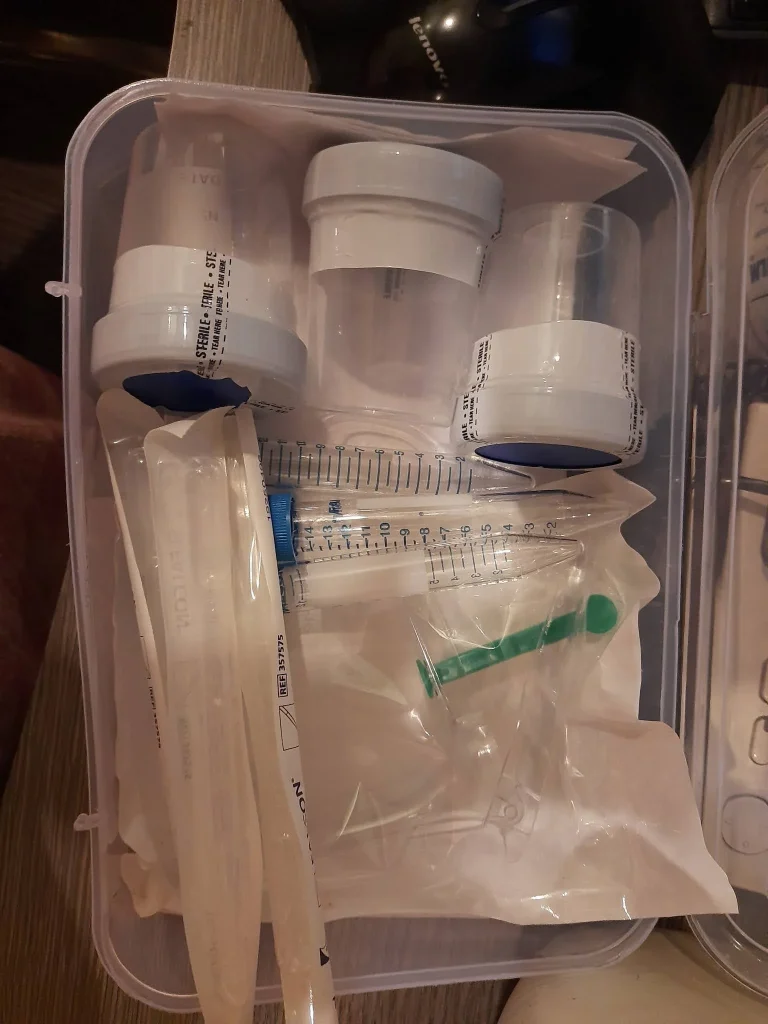
    various medical supplies and containers organized in a clear plastic box on a wooden surface

    Preparing Your Body for Pregnancy: Essential DIY Baby-Making Techniques

    6. Try Natural Fertility Supplements
    Some natural supplements can help improve fertility in both men and women. These include Coenzyme Q10, zinc, vitamin D, and omega-3 fatty acids. However, it is essential to consult with a doctor before taking any supplements to ensure they are safe for you and will not interfere with any medications you may be taking.

    7. Reduce Stress
    Stress can have a significant impact on your reproductive health. It can affect hormone levels, ovulation, and sperm production. Therefore, it is crucial to find ways to reduce stress in your life. This can include practicing relaxation techniques such as yoga or meditation, getting enough sleep, and engaging in activities you enjoy.

    8. Use Natural Lubricants
    Some lubricants can interfere with sperm motility and decrease your chances of conceiving. It is best to use natural lubricants, such as coconut oil, olive oil, or Pre-Seed, which are safe for sperm and can even aid in conception.

    9. Try Acupuncture
    Acupuncture is an ancient Chinese healing technique that involves inserting thin needles into specific points on the body. It has been found to be beneficial in improving fertility by reducing stress, balancing hormones, and increasing blood flow to the reproductive organs.

    10. Have Regular Sex
    The most crucial DIY technique for conceiving is to have regular sex. It is recommended to have intercourse every two to three days throughout your cycle to ensure sperm is present when ovulation occurs. Trying to conceive can sometimes become stressful, but it is essential to keep the spark alive and not make it feel like a chore.

    In conclusion, preparing your body for pregnancy is essential to increase your chances of conceiving and having a healthy pregnancy. Incorporating these DIY baby-making techniques into your routine can help boost your fertility and prepare your body for the journey of motherhood. Remember to consult with a doctor or fertility specialist if you have any concerns or questions about your fertility.

    Summary:
    Preparing your body for pregnancy is crucial for increasing your chances of conceiving and having a healthy pregnancy. Some essential DIY baby-making techniques include eating a healthy and balanced diet, exercising regularly, quitting unhealthy habits, taking prenatal vitamins, tracking ovulation, trying natural fertility supplements, reducing stress, using natural lubricants, trying acupuncture, and having regular sex. These techniques can help boost your fertility and prepare your body for the journey of motherhood. Consult with a doctor or fertility specialist for any concerns or questions about your fertility.

  • The Role of Nutrition in Home Insemination: A Starter Pack for Healthy Conception

    Blog Post:

    Introduction
    When it comes to trying to conceive, many couples turn to various methods to increase their chances of success. One method that has gained popularity in recent years is home insemination, where the sperm is inserted into the woman’s cervix or vagina using a syringe. This allows for a more natural and intimate way of conception, while also being a more affordable option for those who may not have access to medical assistance.

    In addition to the physical act of insemination, nutrition plays a crucial role in the success of home insemination. A healthy and balanced diet can improve fertility in both men and women, increasing the chances of a successful conception. In this blog post, we will explore the important role of nutrition in home insemination and provide a starter pack for healthy conception.

    The Impact of Nutrition on Fertility
    Before delving into the specifics of nutrition for home insemination, it is essential to understand how nutrition affects fertility. The food we eat provides the body with essential vitamins, minerals, and nutrients that are necessary for proper functioning. These nutrients not only help with the development of healthy eggs and sperm but also support the overall reproductive system.

    Research has shown that certain dietary patterns can increase or decrease the likelihood of conception. For example, a diet rich in fruits, vegetables, and whole grains has been linked to improved fertility, while a diet high in processed foods, trans fats, and sugar can decrease fertility. Additionally, being overweight or underweight can also affect fertility, making it crucial to maintain a healthy weight through proper nutrition.

    Nutrition for Home Insemination
    When it comes to home insemination, there are specific nutrients that are especially important for both men and women to consume. These nutrients can help improve sperm and egg quality, increase sperm count and motility, and balance hormone levels.

    1. Folate
    Folate, also known as folic acid, is a crucial nutrient for both men and women. For women, folate helps with the development of healthy eggs and reduces the risk of neural tube defects in the fetus. In men, folate is essential for sperm production and can improve sperm quality. Good sources of folate include leafy greens, beans, fortified cereals, and citrus fruits.

    2. Omega-3 Fatty Acids
    Omega-3 fatty acids are essential for both male and female fertility. These healthy fats help regulate hormone levels, improve blood flow to the reproductive organs, and increase sperm count and motility. Good sources of omega-3s include salmon, tuna, chia seeds, and walnuts.

    3. Antioxidants
    Antioxidants are powerful nutrients that protect the body from free radicals, which can damage cells and affect fertility. For men, antioxidants can improve sperm quality and protect against DNA damage. For women, they can help with egg quality and hormone balance. Some excellent sources of antioxidants include berries, dark leafy greens, and nuts.

    Informative card introducing the Mosie Baby Kit and its mission for at-home insemination.

    The Role of Nutrition in Home Insemination: A Starter Pack for Healthy Conception

    4. Zinc
    Zinc is an essential mineral for fertility, as it plays a role in sperm production and maturation. It also helps with hormone regulation and can improve egg quality in women. Good sources of zinc include oysters, beef, pumpkin seeds, and lentils.

    5. Vitamin D
    Vitamin D deficiency has been linked to fertility issues in both men and women. This essential vitamin helps with hormone balance and can improve sperm quality and egg maturation. Good sources of vitamin D include fatty fish, eggs, and sunlight exposure.

    Other Considerations
    In addition to including these key nutrients in your diet, there are other factors to consider when it comes to nutrition and home insemination. These include:

    1. Hydration
    Staying hydrated is vital for overall health and fertility. Water helps with the production of cervical mucus, which is necessary for sperm to reach the egg. It also helps with the production of semen and can improve sperm quality.

    2. Caffeine and Alcohol Intake
    Excessive caffeine and alcohol intake have been linked to fertility issues. It is best to limit caffeine to 200mg per day and alcohol to one drink per day for women trying to conceive.

    3. Avoiding Harmful Foods
    Certain foods should be avoided when trying to conceive, as they can negatively impact fertility. These include high-mercury fish, processed meats, and foods high in trans fats and sugar.

    Conclusion
    When it comes to home insemination, nutrition plays a crucial role in improving fertility and increasing the chances of conception. By including key nutrients, staying hydrated, and making healthy lifestyle choices, couples can increase their chances of success with home insemination.

    Starter Pack for Healthy Conception:
    – Include folate, omega-3 fatty acids, antioxidants, zinc, and vitamin D in your diet.
    – Stay hydrated by drinking plenty of water.
    – Limit caffeine and alcohol intake.
    – Avoid harmful foods that can negatively impact fertility.

    In summary, proper nutrition is essential for home insemination success. By including key nutrients, staying hydrated, and making healthy lifestyle choices, couples can increase their chances of conception. Remember to consult with a healthcare professional before making any significant changes to your diet.