Tag: hormonal birth control

  • The Effects of Long-Term Hormonal Birth Control Use on Cervical Mucus

    Blog Post: The Effects of Long-Term Hormonal Birth Control Use on Cervical Mucus

    Hormonal birth control has been a revolutionary method of preventing unwanted pregnancy for decades. These methods, such as the pill, patch, and hormonal IUD, work by altering the body’s natural hormone balance to prevent ovulation. While these methods have been proven to be highly effective, there has been growing concern about their impact on cervical mucus.

    Cervical mucus is a fluid produced by the cervix that plays a crucial role in the reproductive process. It helps to nourish and protect sperm, making it easier for them to reach and fertilize the egg. It also acts as a barrier, preventing bacteria and other harmful substances from entering the uterus. However, hormonal birth control can significantly affect the quantity and quality of cervical mucus, potentially impacting fertility and overall reproductive health.

    The Effect of Hormonal Birth Control on Cervical Mucus

    One of the most significant concerns about hormonal birth control is its impact on the production of cervical mucus. The hormones in these contraceptives can cause the cervical glands to produce less mucus, resulting in a drier and thicker consistency. This can make it difficult for sperm to survive and travel through the cervix, thus reducing the chances of fertilization.

    Additionally, hormonal birth control can also change the quality of cervical mucus. The mucus may become less viscous, making it less effective in filtering out bacteria and other harmful substances. This can increase the risk of developing infections, such as bacterial vaginosis, which can affect fertility and overall reproductive health.

    Effects on Fertility

    While hormonal birth control is highly effective at preventing pregnancy, its impact on cervical mucus can also affect fertility in the long run. The changes in the quantity and quality of cervical mucus can make it difficult for sperm to reach the egg, making it harder to conceive. This effect can be more significant for women who have previously used hormonal birth control for an extended period.

    Furthermore, hormonal birth control can also affect the natural hormone balance in the body, leading to irregular ovulation and menstrual cycles. This can make it challenging to track ovulation and increase the chances of missing the fertile window, further reducing the chances of conception.

    hands using a blue syringe to extract contents from a clear container for a home insemination kit

    The Effects of Long-Term Hormonal Birth Control Use on Cervical Mucus

    Other Potential Side Effects

    Apart from its impact on cervical mucus and fertility, hormonal birth control can also have other side effects that can affect overall reproductive health. These include changes in libido, vaginal dryness, and an increased risk of developing yeast infections. Additionally, the use of hormonal birth control for an extended period can also increase the risk of developing certain types of cancer, such as breast, cervical, and liver cancer.

    Managing the Effects of Hormonal Birth Control on Cervical Mucus

    While hormonal birth control may have a significant impact on cervical mucus, there are ways to manage and minimize its effects. One option is to consider non-hormonal birth control methods, such as condoms, diaphragms, and fertility awareness-based methods. These methods do not interfere with the body’s natural hormone balance and do not impact cervical mucus production.

    For those who prefer to continue using hormonal birth control, there are options that may have a lower impact on cervical mucus. These include low-dose birth control pills, hormonal IUDs, and the contraceptive shot. However, it is essential to discuss these options with a healthcare provider to determine the best method based on individual needs and health history.

    Furthermore, incorporating lifestyle changes, such as staying hydrated, reducing stress, and avoiding irritants, can also help improve the quality and quantity of cervical mucus. Additionally, using sperm-friendly lubricants can help counteract the dryness caused by hormonal birth control and improve sperm survival.

    In conclusion, while hormonal birth control is a highly effective method of preventing pregnancy, it can have a significant impact on cervical mucus. This can affect fertility and overall reproductive health, making it essential to consider the potential effects before choosing a birth control method. By understanding the impact of hormonal birth control on cervical mucus and taking steps to manage its effects, individuals can make informed decisions about their reproductive health.

    Summary:

    Hormonal birth control can have a significant impact on cervical mucus, potentially affecting fertility and overall reproductive health. These methods can cause the cervical glands to produce less mucus and alter its quality, making it difficult for sperm to reach and fertilize the egg. This can also lead to irregular ovulation and menstrual cycles. While there are ways to manage these effects, it is essential to consider the potential impact on cervical mucus before choosing a birth control method.


  • Exploring the Influence of Hormonal Birth Control on Cervical Mucus Production in Adolescents

    Exploring the Influence of Hormonal Birth Control on Cervical Mucus Production in Adolescents

    Hormonal birth control, also known as oral contraceptives, is a widely used method of preventing pregnancy. It works by altering the levels of hormones in a woman’s body, specifically estrogen and progesterone, to prevent ovulation and thicken the cervical mucus to block sperm from reaching the egg. While this method has been proven to be highly effective in preventing pregnancy, there is limited research on its impact on cervical mucus production in adolescents. In this blog post, we will explore the influence of hormonal birth control on cervical mucus production in adolescents and the potential implications it may have on their reproductive health.

    What is Cervical Mucus?

    Before delving into the influence of hormonal birth control on cervical mucus, it is important to understand what cervical mucus is and its role in the female reproductive system. Cervical mucus is a fluid secreted by the cervix, the lower part of the uterus, that helps sperm travel through the reproductive tract to fertilize an egg. It also acts as a barrier to protect the uterus from bacteria and other harmful substances. The consistency and amount of cervical mucus vary throughout a woman’s menstrual cycle, with the most fertile mucus being clear, stretchy, and slippery, similar to egg whites.

    The Role of Hormones in Cervical Mucus Production

    The production and quality of cervical mucus are heavily influenced by hormones, particularly estrogen and progesterone. Estrogen is responsible for increasing the amount of cervical mucus and making it more watery and stretchy, while progesterone thickens the mucus and makes it more difficult for sperm to penetrate. These hormones work together to create an optimal environment for sperm to survive and travel to the egg during ovulation.

    Impact of Hormonal Birth Control on Cervical Mucus

    Hormonal birth control methods, such as the pill, patch, or injectable, work by suppressing ovulation and changing the levels of estrogen and progesterone in the body. This altered hormonal balance can have a significant impact on cervical mucus production. With no ovulation occurring, the body does not produce the surge of estrogen that typically triggers the production of fertile cervical mucus. As a result, women using hormonal birth control may experience a decrease in the amount and quality of cervical mucus.

    Research on the Influence of Hormonal Birth Control on Cervical Mucus in Adolescents

    While there is a significant amount of research on the effects of hormonal birth control on cervical mucus in adult women, studies on adolescents are limited. However, the few studies that have been conducted show similar results. One study found that adolescents using hormonal birth control had significantly lower levels of cervical mucus compared to those not using any form of contraception. Another study found that the cervical mucus of adolescent girls using hormonal birth control had a lower sperm-carrying capacity, making it less effective in preventing pregnancy.

    hands using a blue syringe to extract contents from a clear container for a home insemination kit

    Exploring the Influence of Hormonal Birth Control on Cervical Mucus Production in Adolescents

    Implications for Adolescent Reproductive Health

    The influence of hormonal birth control on cervical mucus production in adolescents has important implications for their reproductive health. Cervical mucus plays a crucial role in natural fertility and conception, and its quality and quantity can affect a woman’s ability to get pregnant. The decrease in cervical mucus production in adolescents using hormonal birth control may not only decrease their chances of pregnancy but also make it difficult to track ovulation, which can be concerning for those who may want to conceive in the future.

    Another concern is the potential impact on sexual health. As mentioned, cervical mucus acts as a barrier to protect the uterus from bacteria and other harmful substances. The decrease in cervical mucus production may make adolescents more vulnerable to sexually transmitted infections (STIs) and other reproductive health issues.

    Alternative Birth Control Options

    For adolescents concerned about the impact of hormonal birth control on their cervical mucus production, there are alternative birth control options available. Non-hormonal methods, such as condoms, diaphragms, and copper IUDs, do not affect cervical mucus production and may be a better option for those wanting to avoid hormonal birth control.

    Additionally, there are hormonal birth control methods, such as the hormonal IUD and the contraceptive implant, that release progestin directly into the uterus, minimizing the impact on cervical mucus production. These options may be worth considering for adolescents who want the convenience of hormonal birth control without affecting their cervical mucus.

    Conclusion

    In conclusion, hormonal birth control has a significant influence on cervical mucus production in adolescents. Studies have shown a decrease in the amount and quality of cervical mucus in adolescents using hormonal birth control, which may have implications for their reproductive health. It is essential for healthcare providers to educate adolescents on the effects of hormonal birth control on cervical mucus and offer alternative options for contraception. Further research is needed to better understand the impact of hormonal birth control on cervical mucus production in adolescents and its potential long-term effects on their reproductive health.

    Summary:

    Hormonal birth control can have a significant impact on cervical mucus production in adolescents, leading to a decrease in the amount and quality of cervical mucus. This altered hormonal balance can affect their chances of pregnancy and may make them more vulnerable to STIs. Alternative birth control options, both non-hormonal and hormonal, are available for adolescents concerned about the impact of hormonal birth control on their cervical mucus production.

  • The Relationship Between Hormonal Birth Control and Cervical Mucus Abnormalities

    Blog Post: The Relationship Between Hormonal Birth Control and Cervical Mucus Abnormalities

    Hormonal birth control has been a game-changer for women around the world. It has provided them with the ability to control their reproductive health and plan for their future. However, as with any medication, there are potential side effects and risks. One of the lesser-known side effects of hormonal birth control is its impact on cervical mucus. In this blog post, we will explore the relationship between hormonal birth control and cervical mucus abnormalities.

    What is Cervical Mucus?

    Before diving into the relationship between hormonal birth control and cervical mucus abnormalities, it is essential to understand what cervical mucus is and its role in a woman’s reproductive system. Cervical mucus is a fluid produced by the cervix that helps sperm travel through the reproductive tract to reach the egg. The texture, consistency, and amount of cervical mucus vary throughout a woman’s menstrual cycle, depending on the levels of hormones in her body.

    Hormonal Birth Control and Cervical Mucus Abnormalities

    Hormonal birth control works by altering the levels of hormones in a woman’s body, primarily estrogen and progesterone. These hormones prevent ovulation, which is the release of an egg from the ovary. They also thicken the cervical mucus, making it difficult for sperm to enter the uterus and fertilize an egg. This thickened mucus is one of the ways that hormonal birth control prevents pregnancy.

    However, this thickened cervical mucus can also cause some abnormalities. The changes in hormone levels can result in an abnormal amount or consistency of cervical mucus, leading to issues with fertility and overall reproductive health.

    Types of Cervical Mucus Abnormalities

    1. Decreased Cervical Mucus Production:

    One of the most common abnormalities caused by hormonal birth control is a decrease in cervical mucus production. As the hormones in birth control pills prevent ovulation, there is no need for the cervix to produce a large amount of mucus. This decrease in cervical mucus can make it challenging for sperm to reach the egg, decreasing fertility.

    2. Changes in Cervical Mucus Consistency:

    at-home insemination kit by Mosie Baby, featuring syringes, collection cups, and instructions on a pink background.

    The Relationship Between Hormonal Birth Control and Cervical Mucus Abnormalities

    Hormonal birth control can also cause changes in the consistency of cervical mucus. Instead of the usual clear, slippery, and stretchy mucus that aids in sperm mobility, women on hormonal birth control may experience thicker, stickier, and less abundant mucus. This change can prevent sperm from reaching the egg, making it difficult to conceive.

    3. Hormonal Imbalance:

    Hormonal birth control can also cause a hormonal imbalance, leading to an abnormal amount of cervical mucus. This imbalance can result in either too much or too little cervical mucus, affecting fertility and overall reproductive health.

    4. Increased Risk of Infections:

    The thickened cervical mucus caused by hormonal birth control can also increase the risk of infections. The thick mucus can trap bacteria and other pathogens, making it difficult for the body to flush them out. This can lead to conditions like bacterial vaginosis and yeast infections.

    Addressing Cervical Mucus Abnormalities

    If you are experiencing any of the above cervical mucus abnormalities while on hormonal birth control, it is essential to consult your doctor. They may suggest switching to a different type of birth control or recommend a fertility evaluation to determine the cause of the issue.

    Some women may also choose to use natural family planning methods, such as tracking their cervical mucus, to avoid potential side effects and adverse effects on fertility. These methods involve monitoring the changes in cervical mucus throughout the menstrual cycle to determine the most fertile days for conception.

    In some cases, doctors may also prescribe supplements, such as evening primrose oil, to increase cervical mucus production and improve its consistency.

    Conclusion

    Hormonal birth control has undoubtedly revolutionized women’s reproductive health and provided them with more control over their bodies. However, it is essential to be aware of the potential side effects and risks associated with it, including cervical mucus abnormalities. If you experience any changes or issues with your cervical mucus while on hormonal birth control, it is crucial to consult your doctor and address the issue promptly.

    In summary, hormonal birth control can cause cervical mucus abnormalities, such as decreased mucus production, changes in consistency, hormonal imbalance, and an increased risk of infections. It is essential to consult a doctor and explore alternative birth control methods if you experience any of these abnormalities.

  • Hormonal Birth Control and Cervical Mucus: The Impact on Menstrual Cycle Regularity

    Blog Post Title: Hormonal Birth Control and Cervical Mucus: The Impact on Menstrual Cycle Regularity

    Hormonal birth control, also known as oral contraceptives, has been a popular method of preventing pregnancy for decades. It works by altering a woman’s hormone levels, preventing ovulation and thus making it difficult for sperm to fertilize an egg. However, along with its primary purpose, hormonal birth control can also affect the body in other ways, including changes in cervical mucus and menstrual cycle regularity. In this blog post, we will delve into the relationship between hormonal birth control and cervical mucus, and how it impacts the regularity of a woman’s menstrual cycle.

    Understanding the Menstrual Cycle

    Before we dive into the impact of hormonal birth control on the menstrual cycle, it is essential to understand how the menstrual cycle works. The menstrual cycle is a monthly process that a woman’s body goes through to prepare for pregnancy. It is controlled by hormones, mainly estrogen and progesterone, which are produced by the ovaries.

    The menstrual cycle has two phases – the follicular phase and the luteal phase. The follicular phase begins on the first day of a woman’s period and lasts for about two weeks. During this phase, the hormone estrogen is produced, causing the lining of the uterus to thicken in preparation for a potential pregnancy. At the same time, the ovaries prepare an egg for release.

    The luteal phase begins after ovulation and lasts for about two weeks as well. During this phase, the hormone progesterone is dominant, thickening the uterine lining further and preparing it for the implantation of a fertilized egg. If the egg is not fertilized, the hormone levels drop, and the thickened uterine lining sheds, resulting in a woman’s period.

    Hormonal Birth Control and Cervical Mucus

    Hormonal birth control works by altering the hormonal balance in a woman’s body, primarily by suppressing ovulation. This means that the ovaries do not release an egg, and thus, there is no chance of fertilization. However, the hormones in birth control pills can also affect the consistency and amount of cervical mucus produced by the cervix.

    Cervical mucus plays a crucial role in a woman’s fertility. It is a fluid secreted by the cervix that helps sperm travel through the reproductive tract and reach the egg. It also acts as a barrier, preventing bacteria and other harmful substances from entering the uterus.

    The consistency and amount of cervical mucus vary throughout a woman’s menstrual cycle. During the follicular phase, when estrogen levels are high, the cervical mucus is thin, clear, and stretchy, resembling the consistency of egg whites. This type of mucus is favorable for sperm to swim through and reach the egg.

    However, hormonal birth control pills contain synthetic hormones that prevent the natural fluctuations of estrogen and progesterone. As a result, the cervical mucus produced during the follicular phase is often thicker and stickier, making it difficult for sperm to travel through. This change in cervical mucus can significantly impact a woman’s fertility and her chances of getting pregnant.

    Impact on Menstrual Cycle Regularity

    hand holding a syringe with a blue plunger against a solid blue background

    Hormonal Birth Control and Cervical Mucus: The Impact on Menstrual Cycle Regularity

    The changes in cervical mucus caused by hormonal birth control can also affect the regularity of a woman’s menstrual cycle. As mentioned earlier, the consistency of cervical mucus varies throughout the menstrual cycle, and it is an essential indicator of fertility.

    When a woman is not on birth control, the cervical mucus changes in consistency and amount depending on the stage of her menstrual cycle. This is a natural process and is essential for conceiving a child. However, hormonal birth control can alter the production and consistency of cervical mucus, making it difficult for a woman to track her fertility and predict her ovulation.

    In some cases, birth control pills can also cause breakthrough bleeding, which can be mistaken for a period. This can lead to confusion and make it challenging to track the menstrual cycle accurately, leading to irregular periods.

    Other Factors Affecting Menstrual Cycle Regularity

    It is essential to note that hormonal birth control is not the only factor that can affect the regularity of a woman’s menstrual cycle. Other factors, such as stress, changes in weight, and certain medical conditions, can also play a role. Additionally, certain types of birth control, such as the hormonal IUD, can actually cause a decrease in menstrual bleeding, making it difficult to track the cycle’s regularity.

    Tips for Maintaining Menstrual Cycle Regularity on Birth Control

    If you are on hormonal birth control and want to maintain the regularity of your menstrual cycle, here are a few tips to consider:

    1. Keep track of your cycle: Despite the changes in cervical mucus, it is still possible to track your menstrual cycle while on birth control. Use a period tracking app or a calendar to keep track of your periods and any changes in your cycle.

    2. Pay attention to your body: Be aware of any changes in your body, such as breast tenderness, bloating, or mood swings. These can be indications of ovulation, even while on birth control.

    3. Consider using backup methods: While birth control pills are highly effective at preventing pregnancy, using additional methods, such as condoms, can help increase protection and prevent any breakthrough bleeding.

    4. Talk to your doctor: If you experience irregular periods or any other changes while on birth control, talk to your doctor. They can help determine if the birth control is causing the issue and suggest alternative methods.

    Summary:

    Hormonal birth control can impact the regularity of a woman’s menstrual cycle by altering the production and consistency of cervical mucus. The synthetic hormones in birth control pills can cause changes in cervical mucus, making it difficult for sperm to reach the egg and impacting fertility. Additionally, these changes can also make it challenging to track the menstrual cycle accurately, leading to irregular periods. It is essential to pay attention to your body, keep track of your cycle, and talk to your doctor if you experience any changes while on birth control.

  • The Effects of Hormonal Birth Control on Cervical Mucus and Natural Family Planning

    Hormonal birth control, commonly known as “the pill,” is a widely used method of contraception. It works by regulating a woman’s hormones to prevent ovulation and therefore, pregnancy. While it is highly effective in preventing pregnancy, hormonal birth control can also have an impact on a woman’s cervical mucus and natural family planning methods. In this blog post, we will discuss the effects of hormonal birth control on cervical mucus and how it can affect natural family planning.

    Cervical mucus is a natural fluid produced by the cervix that plays a crucial role in fertility and conception. It serves as a protective barrier and helps sperm reach and fertilize an egg. The consistency and amount of cervical mucus can vary throughout a woman’s menstrual cycle due to hormonal fluctuations. This makes it a useful tool for tracking fertility and planning or avoiding pregnancy.

    However, hormonal birth control can alter the cervical mucus patterns, making it difficult to track fertility. The hormones in birth control pills can change the quality and quantity of cervical mucus, making it thicker and less hospitable to sperm. This can also lead to less noticeable changes in cervical mucus, making it harder to determine the fertile window. As a result, relying on cervical mucus as a natural family planning method while on hormonal birth control may not be as effective.

    Another effect of hormonal birth control on cervical mucus is the inhibition of ovulation. As mentioned earlier, hormonal birth control prevents ovulation, which means there is no egg available to be fertilized. Without ovulation, the cervix does not produce the same type of fertile cervical mucus necessary for conception. This can also make it difficult to track fertility and plan for pregnancy while on hormonal birth control.

    illustration comparing standard and Mosie syringe openings with text highlighting design benefits for home insemination

    The Effects of Hormonal Birth Control on Cervical Mucus and Natural Family Planning

    Moreover, hormonal birth control can also cause changes in the cervix itself. The hormones in birth control pills can thicken the cervical mucus, making it difficult for sperm to penetrate. This can also lead to the formation of a mucus plug, further blocking sperm from reaching the egg. Additionally, hormonal birth control can cause the cervix to produce a different type of mucus, making it less conducive to sperm survival. These changes in the cervix can impact the effectiveness of natural family planning methods that rely on cervical mucus observations.

    It is essential to note that these effects may vary depending on the type of birth control used. For example, hormonal intrauterine devices (IUDs) may not have as significant an impact on cervical mucus as birth control pills. However, it is vital to consult with a healthcare provider to understand the potential effects of your chosen method of hormonal birth control on cervical mucus and natural family planning.

    So, what does this mean for those using natural family planning methods while on hormonal birth control? It is crucial to use additional forms of birth control, such as condoms, to prevent pregnancy effectively. This is especially important for those using natural family planning methods solely for contraception.

    However, there are still benefits to tracking cervical mucus while on hormonal birth control. It can help women understand the changes in their body and notice any irregularities. For example, if a woman on hormonal birth control notices a sudden change in cervical mucus, it could indicate a potential issue or side effect of the birth control. It is always essential to pay attention to your body and communicate any concerns with your healthcare provider.

    In conclusion, hormonal birth control can have a significant impact on cervical mucus and natural family planning methods. It can alter the quality and quantity of cervical mucus, inhibit ovulation, and change the cervix’s mucus production. While this can make it challenging to rely on cervical mucus for natural family planning, it is still essential to track changes in your body and communicate with your healthcare provider. By understanding the effects of hormonal birth control on cervical mucus, women can make informed decisions about their reproductive health and contraception.

  • Analyzing the Impact of Hormonal Birth Control on Cervical Mucus and Sexual Health

    Summary:

    Hormonal birth control has been a game-changer for women’s reproductive health, providing them with the ability to take control of their fertility and plan their pregnancies. However, many women are unaware of the impact that hormonal birth control can have on their cervical mucus and overall sexual health.

    In this blog post, we will dive into the science behind how hormonal birth control affects cervical mucus, the potential side effects, and how it can impact sexual health. We will also discuss alternative birth control methods that may be more beneficial for those looking to maintain a healthy balance of hormones.

    First, let’s understand how hormonal birth control works and its impact on cervical mucus. Birth control pills, patches, and rings contain synthetic hormones that prevent ovulation, which is the release of an egg from the ovaries. When ovulation does not occur, there is no egg for sperm to fertilize, effectively preventing pregnancy. These hormones also thicken the cervical mucus, making it more difficult for sperm to reach the egg if ovulation were to occur.

    While this thickening of cervical mucus is an important mechanism for preventing pregnancy, it can also have consequences for sexual health. Cervical mucus plays a crucial role in the natural lubrication of the vagina, making sex more comfortable and pleasurable. The thickened mucus can lead to vaginal dryness, making sex uncomfortable and even painful for some women.

    Hands holding a syringe and a small container against a blue background.

    Analyzing the Impact of Hormonal Birth Control on Cervical Mucus and Sexual Health

    Another potential side effect of hormonal birth control on cervical mucus is changes in its consistency and texture. Normally, cervical mucus follows a predictable pattern throughout the menstrual cycle, becoming thin and stretchy around ovulation to aid in sperm transport. However, hormonal birth control can alter this pattern, making it difficult to track ovulation and plan for pregnancy.

    Furthermore, hormonal birth control can also disrupt the balance of healthy bacteria in the vagina, leading to an increased risk of yeast infections and bacterial vaginosis. These infections can cause discomfort, itching, and odor, impacting sexual health and overall well-being.

    Aside from cervical mucus, hormonal birth control can also have a significant impact on a woman’s libido. The synthetic hormones in birth control can suppress the production of testosterone, a hormone responsible for sex drive. This can lead to a decrease in sexual desire and arousal, affecting sexual satisfaction and intimacy in relationships.

    So, what are the alternatives for those who want to avoid the potential side effects of hormonal birth control on cervical mucus and sexual health? One option is non-hormonal birth control, such as barrier methods like condoms, diaphragms, and cervical caps. These methods do not affect cervical mucus or hormones and do not have the same potential side effects as hormonal birth control.

    Another alternative is natural family planning, also known as fertility awareness-based methods. This involves tracking changes in cervical mucus and basal body temperature to identify the fertile window and avoid unprotected sex during that time. This method requires a high level of commitment and is not as effective as hormonal birth control, but it can be a viable option for those who want to avoid synthetic hormones.

    In conclusion, hormonal birth control can have a significant impact on cervical mucus and sexual health. While it is an effective method of preventing pregnancy, it is essential to be aware of the potential side effects and consider alternative birth control options that may be more suitable for maintaining a healthy balance of hormones. It is essential to consult with a healthcare provider to find the best birth control method for your individual needs and preferences.

  • The Role of Cervical Mucus in Hormonal Birth Control: Dispelling Common Misconceptions

    Summary:

    Baby wearing a blue shirt with "made with Love" text, surrounded by colorful floral and butterfly designs.

    The Role of Cervical Mucus in Hormonal Birth Control: Dispelling Common Misconceptions

    Cervical mucus plays a crucial role in hormonal birth control, yet it is often misunderstood and overlooked. In this blog post, we will dispel common misconceptions surrounding cervical mucus and its impact on hormonal birth control. We will discuss what cervical mucus is, how it changes throughout the menstrual cycle, and how it affects the effectiveness of hormonal birth control methods. By understanding the role of cervical mucus, women can make informed decisions about their birth control options and better manage their reproductive health.

  • How Hormonal Birth Control Can Alter Cervical Mucus for Better or Worse

    Blog Post: How Hormonal Birth Control Can Alter Cervical Mucus for Better or Worse

    Hormonal birth control has been a game-changer for many women, providing a convenient and effective means of preventing pregnancy. However, one aspect of birth control that is often overlooked is its impact on cervical mucus. Cervical mucus is a fluid produced by the cervix that plays a crucial role in fertility and reproductive health. In this blog post, we will explore how hormonal birth control can alter cervical mucus and the potential effects it can have on women’s bodies.

    Understanding Cervical Mucus

    Before diving into the effects of hormonal birth control, let’s first understand the role of cervical mucus in the female reproductive system. Cervical mucus is a fluid secreted by the cervix, and its consistency and amount vary throughout a woman’s menstrual cycle. During ovulation, when an egg is released from the ovary, cervical mucus becomes thinner, clearer, and more stretchy, resembling the consistency of egg whites. This type of mucus is known as fertile cervical mucus and is essential for sperm to travel through the cervix and fertilize an egg. On the other hand, during non-fertile times of the menstrual cycle, cervical mucus is thicker and less stretchy, making it more difficult for sperm to survive and reach the egg.

    Impact of Hormonal Birth Control on Cervical Mucus

    Hormonal birth control methods, such as the pill, patch, shot, and hormonal IUD, work by altering a woman’s natural hormone levels to prevent ovulation, thus preventing pregnancy. However, hormonal birth control also affects cervical mucus production, which can have both positive and negative impacts on a woman’s body.

    One of the main ways hormonal birth control affects cervical mucus is by changing its consistency and amount. Many women using hormonal birth control notice a decrease in cervical mucus production, resulting in drier and thicker mucus. This type of mucus is less conducive to sperm movement, making it harder for sperm to reach the egg and fertilize it. As a result, hormonal birth control can provide an additional layer of protection against pregnancy by making it more challenging for sperm to survive and fertilize an egg.

    On the other hand, some forms of hormonal birth control, such as the mini-pill and hormonal IUD, may thicken cervical mucus even further, making it almost impossible for sperm to pass through. While this may seem like a positive effect, it can also have negative consequences. Thick and dry cervical mucus can make sexual intercourse uncomfortable or even painful for women, leading to a decrease in sexual desire and satisfaction.

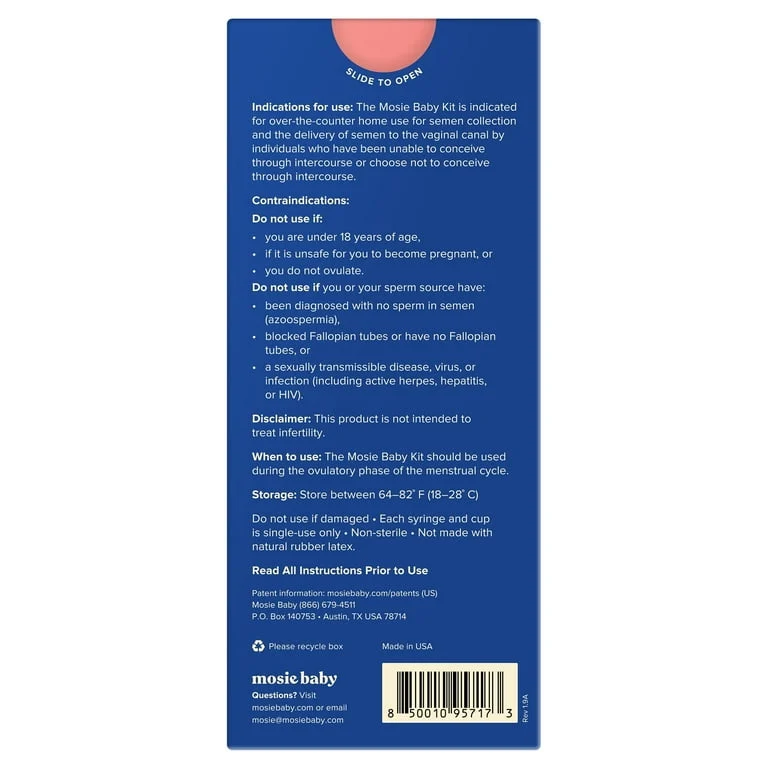
    Mosie Baby At-Home Insemination Kit instructions and storage guidelines on a blue background.

    How Hormonal Birth Control Can Alter Cervical Mucus for Better or Worse

    Additionally, hormonal birth control can also alter the pH level of cervical mucus. Normally, cervical mucus is slightly acidic, which helps to protect against harmful bacteria and infections. However, hormonal birth control can make the mucus more alkaline, creating an environment more conducive to the growth of bacteria. This can increase the risk of vaginal infections, such as bacterial vaginosis and yeast infections.

    Potential Health Concerns

    Aside from the effects on fertility and sexual health, hormonal birth control can also have a significant impact on overall health. The use of hormonal birth control has been linked to an increased risk of blood clots, stroke, and heart attacks. While these risks are low, they are still worth considering when choosing a birth control method. Additionally, the long-term use of hormonal birth control can also increase the risk of certain cancers, such as breast and cervical cancer.

    Managing the Effects of Hormonal Birth Control on Cervical Mucus

    If you are currently using hormonal birth control and are experiencing unpleasant changes in your cervical mucus, there are a few ways to manage these effects. One option is to switch to a non-hormonal birth control method, such as a copper IUD or fertility awareness-based methods. These methods do not interfere with the natural production of cervical mucus, allowing it to function normally. However, they may not be as effective in preventing pregnancy as hormonal birth control.

    Another option is to use vaginal lubricants during sexual intercourse to alleviate discomfort caused by dry cervical mucus. However, it is essential to choose a lubricant that is sperm-friendly and does not interfere with the effectiveness of birth control.

    It is also crucial to maintain good vaginal health by practicing good hygiene, avoiding douching, and wearing breathable cotton underwear. This can help prevent infections and maintain a healthy pH balance in the vagina.

    Summary:

    Hormonal birth control can have a significant impact on cervical mucus, altering its consistency, amount, and pH level. While this can provide additional protection against pregnancy, it can also have negative consequences, such as dryness and discomfort during sexual intercourse and an increased risk of vaginal infections. It is essential to be aware of these effects and manage them appropriately to maintain overall reproductive health.

  • The Connection Between Hormonal Birth Control and Cervical Mucus Changes in Menstrual Cycle

    Blog Post:

    Hormonal birth control has been a game-changer for women, allowing them to have more control over their reproductive health and family planning. However, many women may not realize the various ways that hormonal birth control can impact their bodies beyond preventing pregnancy. One such impact is on cervical mucus changes in the menstrual cycle. In this blog post, we will explore the connection between hormonal birth control and cervical mucus changes, and how it can affect women’s health.

    First, let’s understand what cervical mucus is and its role in the menstrual cycle. Cervical mucus is a fluid produced by the cervix, the opening to the uterus, and it plays a crucial role in fertility. The consistency and amount of cervical mucus change throughout the menstrual cycle due to hormonal fluctuations. During ovulation, when the egg is released from the ovary, cervical mucus becomes thin, watery, and stretchy, resembling the consistency of egg whites. This type of mucus is ideal for sperm to swim through and fertilize the egg. On the other hand, during non-fertile days, cervical mucus is thicker, stickier, and less abundant, making it difficult for sperm to reach the egg.

    Now, let’s dive into how hormonal birth control affects cervical mucus. Hormonal birth control methods, such as the pill, patch, or ring, work by releasing synthetic hormones into the body, mainly estrogen and progestin. These hormones suppress ovulation, preventing the release of an egg from the ovary. As a result, cervical mucus does not undergo the usual changes during the menstrual cycle, and it remains thick and sticky throughout the month. This type of cervical mucus creates a hostile environment for sperm, making it difficult for them to reach the egg and fertilize it. Hence, hormonal birth control effectively prevents pregnancy.

    But, how does this impact women’s health? While preventing pregnancy is a significant benefit of hormonal birth control, it also alters the natural hormonal balance in the body. As a result, women may experience side effects such as changes in mood, weight gain, and irregular bleeding. However, the changes in cervical mucus can also have implications for women’s reproductive health.

    Mosie Baby kit with two jars, a syringe, and a supportive message card inside a colorful box.

    The Connection Between Hormonal Birth Control and Cervical Mucus Changes in Menstrual Cycle

    For one, the thick and sticky cervical mucus created by hormonal birth control can trap bacteria and make it difficult for the body to flush it out. This can increase the risk of developing bacterial vaginosis or other vaginal infections. Moreover, the lack of thin and watery cervical mucus can also hinder sperm’s ability to reach the egg even during the fertile days, making it difficult for women to conceive when they decide to stop using birth control.

    Furthermore, cervical mucus also plays a role in the effectiveness of other forms of birth control, such as barrier methods like condoms and diaphragms. These methods rely on the presence of thin and watery cervical mucus to create a barrier for sperm, preventing them from reaching the egg. When using hormonal birth control, the consistency of cervical mucus does not change, making it essential to use additional forms of birth control for optimal protection against pregnancy.

    Another aspect to consider is the impact of hormonal birth control on cervical mucus after discontinuing its use. When a woman stops using hormonal birth control, it can take some time for the body to regulate its natural hormone levels and for the cervical mucus to return to its usual pattern. This can cause confusion and uncertainty in tracking fertility and ovulation, making it challenging for women to conceive immediately after stopping birth control.

    In summary, hormonal birth control can significantly impact cervical mucus changes in the menstrual cycle. The synthetic hormones in birth control methods prevent ovulation and keep cervical mucus thick and sticky throughout the month, making it difficult for sperm to reach the egg. While this is an effective method of preventing pregnancy, it can have implications for women’s reproductive health. It can increase the risk of infections, hinder natural conception, and affect the effectiveness of other forms of birth control. Therefore, it is crucial for women to be aware of these changes and their potential impact on their health.

    In conclusion, hormonal birth control and cervical mucus changes are closely connected, and it is essential for women to understand this relationship for their overall health and well-being. While hormonal birth control has many benefits, it is also essential to consider its potential impact on the body and explore alternative birth control methods if needed. By understanding how hormonal birth control affects cervical mucus, women can make informed decisions about their reproductive health and make the best choices for their bodies.

    SEO metadata:

  • Exploring the Influence of Hormonal Birth Control on Cervical Mucus Texture

    Exploring the Influence of Hormonal Birth Control on Cervical Mucus Texture

    Hormonal birth control is a commonly used method of contraception for women all over the world. It works by altering the levels of hormones in a woman’s body, preventing pregnancy by inhibiting ovulation or fertilization. While hormonal birth control has been proven to be highly effective in preventing pregnancy, there are also some lesser-known effects that it can have on the female body. One such effect is its impact on the texture of cervical mucus. In this blog post, we will explore the influence of hormonal birth control on cervical mucus texture and its potential implications for women’s health.

    What is Cervical Mucus?

    Before delving into the effects of hormonal birth control, it is important to understand what cervical mucus is and why it is crucial for a woman’s reproductive health. Cervical mucus is a fluid produced by the cervix, the lower part of the uterus, which serves as a passageway for sperm to enter the uterus. The texture and consistency of cervical mucus change throughout a woman’s menstrual cycle, reflecting the body’s hormonal changes and indicating fertility.

    How Hormonal Birth Control Affects Cervical Mucus Texture

    Hormonal birth control methods, such as the pill, patch, or injection, work by altering the levels of estrogen and progesterone in a woman’s body. These hormones play a crucial role in regulating the menstrual cycle and fertility. When a woman is on hormonal birth control, her body is continuously exposed to synthetic hormones, which can have a significant impact on the texture of cervical mucus.

    One of the main ways hormonal birth control affects cervical mucus is by making it thicker and less conducive to sperm survival. This is because the synthetic hormones in birth control can inhibit the production of natural mucus, which is necessary for sperm to swim through and reach the egg. As a result, the cervical mucus becomes less slippery and more difficult for sperm to penetrate, making it harder for fertilization to occur.

    Another way hormonal birth control impacts cervical mucus is by altering its texture and consistency. Many women on birth control may notice that their cervical mucus becomes thicker, cloudier, and stickier than usual. This is due to the hormones in birth control suppressing the production of the clear, stretchy and fertile mucus that is necessary for sperm to travel through the cervix. As a result, the cervical mucus may become a barrier to sperm, making it difficult for them to reach the egg.

    Potential Implications for Women’s Health

    Mosie Baby kit with two jars, a syringe, and a supportive message card inside a colorful box.

    Exploring the Influence of Hormonal Birth Control on Cervical Mucus Texture

    While hormonal birth control has been proven to be highly effective in preventing pregnancy, the changes it causes in cervical mucus texture can have implications for women’s health. One of the main concerns is the potential impact on fertility. Cervical mucus plays a crucial role in the fertilization process, and when its texture is altered, it can make it more difficult for sperm to reach the egg. This could lead to difficulty in conceiving for women who have been on hormonal birth control for a prolonged period.

    Furthermore, the changes in cervical mucus texture caused by hormonal birth control can also make it more challenging to accurately track ovulation and detect any abnormalities in the menstrual cycle. This could potentially delay the diagnosis of any underlying reproductive health issues, such as polycystic ovary syndrome (PCOS) or endometriosis.

    In addition, the thickening of cervical mucus caused by hormonal birth control can also increase the risk of developing bacterial or yeast infections. This is because the thicker mucus can trap bacteria and yeast, making it easier for infections to occur.

    Alternatives to Hormonal Birth Control

    For women who are concerned about the potential effects of hormonal birth control on their cervical mucus, there are alternative methods of contraception that do not involve altering hormone levels. These include barrier methods such as condoms or diaphragms, as well as non-hormonal, reversible methods such as copper IUDs.

    It is important for women to discuss their options with their healthcare provider and find a method of birth control that works best for them, taking into consideration their individual health and lifestyle factors.

    In conclusion, while hormonal birth control is an effective method of contraception, it is important for women to be aware of its potential impact on cervical mucus texture and its implications for their reproductive health. By understanding the changes it causes, women can make informed decisions about their birth control options and work towards maintaining a healthy balance in their bodies.

    Summary:

    Hormonal birth control is a commonly used method of contraception for women, but it can also have lesser-known effects on the body, including changes in cervical mucus texture. The synthetic hormones in birth control can make cervical mucus thicker and less conducive to sperm survival, potentially impacting fertility. This can also make it more challenging to track ovulation and detect reproductive health issues. Alternative methods of contraception should be considered for those concerned about hormonal birth control’s effects.