Tag: natural methods

  • DIY Fertility Boosting: 23 Tools for a Healthier Pregnancy Journey

    Blog Post Title: DIY Fertility Boosting: 23 Tools for a Healthier Pregnancy Journey

    Summary:

    For couples who are trying to conceive, fertility is a major concern. While there are various medical treatments and procedures available, there are also many natural ways to boost fertility and increase chances of a healthy pregnancy. DIY fertility boosting is a holistic approach that focuses on improving overall health and well-being to optimize fertility. In this blog post, we will discuss 23 tools that can help boost fertility and support a healthier pregnancy journey.

    1. Nutrition: A healthy and balanced diet is crucial for fertility. Incorporating fertility-boosting foods such as leafy greens, whole grains, and healthy fats can improve reproductive health. It is also important to limit or avoid processed foods, alcohol, and caffeine.

    2. Supplements: Certain supplements can help improve fertility, such as folic acid, vitamin D, and omega-3 fatty acids. However, it is important to consult with a healthcare provider before starting any supplements.

    3. Exercise: Regular physical activity can help regulate hormones and improve blood flow to the reproductive organs. Low-impact exercises such as walking, yoga, and swimming are recommended for fertility.

    4. Stress management: High levels of stress can affect fertility. Finding ways to manage stress, such as meditation, deep breathing, or acupuncture, can be beneficial for fertility.

    5. Sleep: Getting enough quality sleep is important for fertility. Aim for 7-9 hours of sleep each night and establish a consistent bedtime routine.

    6. Weight management: Being either underweight or overweight can affect fertility. Maintaining a healthy weight can help regulate hormones and improve fertility.

    7. Tracking ovulation: Knowing when you are ovulating is crucial for conception. There are various methods to track ovulation, such as using ovulation predictor kits, tracking basal body temperature, and monitoring cervical mucus.

    8. Timing intercourse: The best time to conceive is during the fertile window, which is usually 2-3 days before ovulation and the day of ovulation. Tracking ovulation can help determine the best time for intercourse.

    9. Acupuncture: This traditional Chinese medicine practice can help improve fertility by promoting blood flow to the reproductive organs and balancing hormones.

    10. Massage: Fertility massage can help improve blood flow to the reproductive organs and reduce stress. It can also help break up scar tissue and adhesions that may affect fertility.

    Home insemination kit by Mosie Baby with instructions and colorful packaging.

    DIY Fertility Boosting: 23 Tools for a Healthier Pregnancy Journey

    11. Chiropractic care: Misalignments in the spine can affect fertility by disrupting nerve signals to the reproductive organs. Chiropractic adjustments can help restore proper nerve function and improve fertility.

    12. Reflexology: This technique involves applying pressure to specific points on the feet that correspond to different organs and systems in the body. Reflexology can help improve hormonal balance and reduce stress.

    13. Traditional Chinese Medicine: This holistic approach to health and wellness includes acupuncture, herbal remedies, and dietary therapy. It can help regulate hormones and improve fertility.

    14. Yoga: Specific yoga poses can help improve blood flow to the reproductive organs and promote relaxation and stress management.

    15. Meditation: Taking time for daily meditation can help reduce stress, balance hormones, and improve fertility. There are also fertility-specific meditations available.

    16. Herbs: Certain herbs, such as red raspberry leaf, nettle leaf, and maca root, can help improve fertility. However, it is important to consult with a healthcare provider before trying any herbal remedies.

    17. Essential oils: Some essential oils, such as clary sage and lavender, can help balance hormones and reduce stress. Always dilute essential oils and consult with a certified aromatherapist before use.

    18. Detoxification: Eliminating toxins from the body is important for fertility. This can be done through a healthy diet, exercise, and avoiding exposure to harmful chemicals.

    19. Environmental changes: Making changes in the home environment, such as using natural cleaning products and avoiding plastic containers, can help reduce exposure to toxins that may affect fertility.

    20. Mind-body techniques: Techniques such as visualization, positive affirmations, and creative expression can help improve fertility by reducing stress and promoting relaxation.

    21. Sex positions: Certain sex positions can help deposit sperm closer to the cervix, increasing the chances of conception. Positions such as missionary and doggy style are recommended for conception.

    22. Limiting alcohol and caffeine: Both alcohol and caffeine can affect fertility and should be limited or avoided when trying to conceive.

    23. Patience and positivity: It is important to remember that fertility is a journey and it may take time. Staying positive and having patience can help reduce stress and improve overall well-being.

    In conclusion, there are many DIY fertility boosting tools available to support a healthier pregnancy journey. Incorporating a healthy diet, exercise, stress management techniques, and other natural methods can help improve fertility and increase the chances of a healthy pregnancy. It is important to consult with a healthcare provider before trying any new methods and to remember to stay patient and positive throughout the journey.


  • Boost Your Fertility Naturally: 23 DIY Tools to Try Today

    Boost Your Fertility Naturally: 23 DIY Tools to Try Today

    Fertility is an important aspect of reproductive health and is a topic that many individuals and couples struggle with. While there are various medical treatments and procedures available to help improve fertility, there are also natural methods that can be tried at home. By making small lifestyle changes and incorporating DIY tools, you can boost your fertility naturally. In this blog post, we will discuss 23 DIY tools that you can try today to increase your chances of getting pregnant.

    1. Maintain a Healthy Weight
    Being underweight or overweight can affect your fertility. It is important to maintain a healthy weight by following a balanced diet and incorporating regular exercise into your routine. This will help regulate your hormones and improve your chances of conceiving.

    2. Eat a Nutrient-Dense Diet
    Certain nutrients are essential for reproductive health. Make sure to include foods rich in vitamins C, E, and B12, as well as folic acid, iron, and zinc in your diet. These nutrients help improve ovulation and sperm quality.

    3. Reduce Stress
    Stress can have a negative impact on fertility by disrupting hormone levels. Incorporating stress-reducing techniques such as meditation, yoga, or deep breathing can be beneficial in boosting fertility.

    4. Get Enough Sleep
    Sleep is important for overall health, including reproductive health. Aim for 7-9 hours of sleep each night to help regulate your hormones and improve fertility.

    5. Stay Hydrated
    Drinking enough water is crucial for fertility. It helps to maintain a healthy cervical mucus, which is necessary for sperm to reach the egg. Aim for at least 8 glasses of water per day.

    6. Use Fertility Tracking Apps
    Fertility tracking apps can help you keep track of your menstrual cycle, ovulation, and fertile window. This can help you plan for the best time to try to conceive.

    7. Monitor Your Basal Body Temperature (BBT)
    Tracking your BBT can help determine when you are ovulating. By taking your temperature each morning before getting out of bed, you can pinpoint your most fertile days.

    8. Try Acupuncture
    Acupuncture has been shown to improve fertility by increasing blood flow to the reproductive organs and balancing hormone levels. It can also help reduce stress and improve overall well-being.

    9. Take a Fertility-Boosting Supplement
    There are various supplements available that can help boost fertility. These include CoQ10, folic acid, and omega-3 fatty acids. Consult with your doctor before taking any supplements.

    10. Consider Herbal Remedies
    Certain herbs, such as red raspberry leaf, nettle leaf, and maca root, have been traditionally used to boost fertility. Consult with a certified herbalist before trying any herbal remedies.

    11. Avoid Alcohol and Caffeine
    Both alcohol and caffeine have been linked to decreased fertility. It is best to limit or avoid these substances when trying to conceive.

    Colorful promotional image for Mosie Baby, featuring home insemination kit and encouraging text.

    Boost Your Fertility Naturally: 23 DIY Tools to Try Today

    12. Quit Smoking
    Smoking can have a negative impact on both male and female fertility. It is important to quit smoking if you are trying to get pregnant.

    13. Use a Fertility-Friendly Lubricant
    Some lubricants can interfere with sperm motility. Look for fertility-friendly lubricants that are specifically designed to be used when trying to conceive.

    14. Avoid Exposure to Harmful Chemicals
    Certain chemicals, such as pesticides and household cleaning products, can affect fertility. Try to limit your exposure to these chemicals or switch to natural alternatives.

    15. Exercise Regularly
    Regular exercise can help regulate hormone levels and improve fertility. Aim for at least 30 minutes of moderate exercise, such as brisk walking or swimming, each day.

    16. Practice Yoga for Fertility
    Yoga poses specifically designed for fertility can help improve blood flow to the reproductive organs, reduce stress, and balance hormone levels.

    17. Try Castor Oil Packs
    Castor oil packs have been used for centuries to improve fertility. They help increase circulation to the reproductive organs and reduce inflammation.

    18. Use Essential Oils
    Certain essential oils, such as clary sage and geranium, have been shown to improve fertility. Use caution when using essential oils and consult with a certified aromatherapist.

    19. Incorporate Mindful Eating
    Mindful eating involves being present and aware while eating. This can help improve digestion and absorption of nutrients, which are important for fertility.

    20. Use a Fertility Massage
    Fertility massages can help increase blood flow to the reproductive organs and reduce stress. You can either visit a professional or learn how to do a self-massage at home.

    21. Consider Chiropractic Care
    Chiropractic care can help improve fertility by correcting any misalignments in the spine that may be affecting reproductive health.

    22. Try Traditional Chinese Medicine (TCM)
    TCM, including acupuncture and herbal remedies, has been used for centuries to improve fertility. Consult with a certified TCM practitioner for personalized treatment.

    23. Seek Support
    Trying to conceive can be emotionally challenging. Seek support from friends, family, or a therapist to help cope with any stress or feelings of disappointment.

    In summary, there are various DIY tools that you can try today to boost your fertility naturally. By making small lifestyle changes, incorporating fertility-friendly practices, and seeking support, you can improve your chances of getting pregnant. Remember to consult with your doctor before trying any new methods and be patient, as it may take time to see results. Keep a positive attitude and trust in your body’s ability to conceive.

  • The Syringe Kit Solution: A Natural Approach to Conception

    Summary:

    Conceiving a child is something that many couples dream of, but for some, it can be a challenging and emotional journey. In recent years, there has been a rise in the use of artificial reproductive technologies, such as in-vitro fertilization (IVF), to help couples struggling with fertility issues. However, these methods can be costly, invasive, and often come with potential risks and side effects.

    But what if there was a more natural and affordable solution for conception? Enter the Syringe Kit Solution – a natural approach to conception that has been gaining popularity among couples looking to start a family. This method utilizes a simple syringe and a few household items to help increase the chances of conception without the need for expensive medical procedures.

    In this blog post, we will delve into the details of the Syringe Kit Solution and how it can help couples struggling with fertility issues. We will also explore the science behind this method and provide tips for those interested in trying it.

    What is the Syringe Kit Solution?

    The Syringe Kit Solution is a natural method for conception that involves using a simple syringe to inject semen directly into the cervix. This method is based on the concept of intrauterine insemination (IUI), a common fertility treatment where a doctor places sperm directly into the uterus. However, instead of relying on expensive medical procedures, the Syringe Kit Solution can be done at home.

    The materials needed for this method include a syringe, a sterile cup, and a soft cup or cervical cap. The process involves collecting semen from the male partner into the sterile cup and then using the syringe to inject it into the cervical opening. The soft cup or cervical cap is then used to hold the semen in place for a longer period, increasing the chances of conception.

    How does it work?

    The Syringe Kit Solution works by bypassing any potential barriers that may be preventing the sperm from reaching the egg. By directly placing the semen into the cervix, the sperm has a shorter distance to travel, increasing the chances of fertilization. This method is particularly beneficial for couples who may have issues with the quality or quantity of sperm, as it ensures a higher concentration of sperm reaches the egg.

    Furthermore, the use of a soft cup or cervical cap helps to keep the semen in place, allowing the sperm to have more time to swim towards the egg. This can increase the chances of conception, especially for those with low sperm count or motility.

    Why choose the Syringe Kit Solution?

    One of the main reasons why couples are turning to the Syringe Kit Solution is its affordability. Fertility treatments, such as IVF, can cost thousands of dollars and may not be covered by insurance. The Syringe Kit Solution, on the other hand, requires minimal materials, which can be easily purchased at a low cost.

    Moreover, this method is non-invasive and can be done in the comfort of your own home, making it a more private and intimate experience for couples. It also eliminates the need for frequent visits to the doctor’s office, saving time and reducing stress.

    illustration of Mosie Baby home insemination kit highlighting seamless transfer and size features

    The Syringe Kit Solution: A Natural Approach to Conception

    Is there any scientific evidence to support this method?

    While the Syringe Kit Solution may seem like a simple and unconventional method, there is scientific evidence to support its effectiveness. A study published in the journal Fertility and Sterility found that the use of a syringe for intrauterine insemination resulted in a higher pregnancy rate compared to traditional methods.

    Additionally, many women who have tried this method have reported success in conceiving. However, it is important to note that every couple is different, and results may vary. It is always best to consult with a healthcare professional before trying any new fertility method.

    Tips for trying the Syringe Kit Solution

    If you are interested in trying the Syringe Kit Solution, here are some tips to keep in mind:

    1. Consult with a healthcare professional: Before trying any new method for conception, it is essential to consult with a healthcare professional. They can provide guidance and ensure that this method is suitable for you and your partner.

    2. Timing is key: The Syringe Kit Solution should be done during the woman’s fertile window, which is usually around ovulation. This will increase the chances of the sperm reaching the egg.

    3. Keep it sterile: It is crucial to use sterile materials when performing this method to avoid any potential infections. Make sure to thoroughly clean and sterilize the syringe, cup, and soft cup or cervical cap before use.

    4. Be patient: As with any natural method, it may take some time to see results. It is important to be patient and not get discouraged if you do not see immediate success.

    5. Consider other factors: While the Syringe Kit Solution can increase the chances of conception, it is important to consider other factors that may affect fertility, such as age, overall health, and lifestyle habits.

    Conclusion

    The Syringe Kit Solution offers a natural and affordable alternative to traditional fertility treatments. While it may not be suitable for everyone, it has shown promising results for many couples struggling with fertility issues. Consult with a healthcare professional and follow the tips mentioned above for the best chances of success.

    With its simplicity and effectiveness, the Syringe Kit Solution has become a popular choice among couples looking to start a family without the need for invasive and costly medical procedures. So, if you are trying to conceive, why not give this natural method a try?

  • Fertility Boosting Foods to Complement the Syringe Method

    Blog Post: Fertility Boosting Foods to Complement the Syringe Method

    Are you and your partner trying to conceive? Are you looking for natural ways to boost your fertility? While there are many medical interventions available, there are also natural methods that can help improve your chances of getting pregnant. One such method is the syringe method, which involves using a syringe to inseminate the sperm directly into the cervix. But did you know that there are also certain foods that can complement this method and increase your fertility? In this blog post, we will discuss some fertility boosting foods that can work hand in hand with the syringe method to help you on your journey to parenthood.

    1. Leafy Greens

    Leafy greens such as spinach, kale, and collard greens are packed with essential vitamins and minerals that are beneficial for fertility. They are rich in folate, which is important for reproductive health and can help prevent birth defects. Leafy greens also contain iron, which helps with the production of healthy eggs and can improve ovulation. Incorporating a variety of leafy greens into your diet can provide a great boost to your fertility.

    2. Avocados

    Avocados are not only delicious but also a great source of healthy fats and vitamin E. Vitamin E is known for its antioxidant properties, which can help protect the eggs from damage and improve their quality. Healthy fats are also crucial for hormone production and regulation, which is essential for fertility. Adding avocados to your daily meals can not only boost your fertility but also provide other health benefits.

    3. Whole Grains

    Whole grains such as quinoa, brown rice, and oats are rich in fiber and important nutrients such as selenium, iron, and zinc. These nutrients are known to improve fertility in both men and women. Selenium, for example, can help with sperm production and motility, while iron and zinc are crucial for a healthy reproductive system in women. Switching to whole grains instead of refined grains can make a significant difference in your fertility journey.

    4. Berries

    Berries such as strawberries, blueberries, and raspberries are not only delicious but also packed with antioxidants and vitamins that can benefit fertility. Antioxidants help fight against free radicals that can damage the eggs and sperm. Berries are also rich in vitamin C, which can help improve sperm quality in men. Including a variety of berries in your diet can be a great addition to your fertility-boosting journey.

    5. Nuts and Seeds

    Nuts and seeds are excellent sources of healthy fats, protein, and important nutrients such as selenium and zinc. Walnuts, in particular, are rich in omega-3 fatty acids, which can help regulate hormones and improve fertility in both men and women. Pumpkin seeds are also high in zinc, which is crucial for sperm production. Adding a handful of nuts and seeds to your daily snacks can provide a boost to your fertility.

    Baby with blue eyes wearing a light blue onesie that says "made with Love" on a soft white background.

    Fertility Boosting Foods to Complement the Syringe Method

    6. Fatty Fish

    Fatty fish such as salmon, sardines, and mackerel are excellent sources of omega-3 fatty acids and vitamin D. Omega-3 fatty acids can help regulate hormones and improve egg quality, while vitamin D is crucial for male and female reproductive health. If you’re not a fan of fish, you can also get your dose of omega-3s and vitamin D from fish oil supplements.

    7. Beans and Legumes

    Beans and legumes such as lentils, chickpeas, and black beans are excellent sources of plant-based protein and fiber. They also contain important nutrients such as folate, iron, and zinc, which can help improve fertility. Folate is essential for healthy ovulation and can also reduce the risk of birth defects. Iron and zinc are also crucial for a healthy reproductive system in women and sperm production in men.

    8. Citrus Fruits

    Citrus fruits such as oranges, grapefruits, and lemons are rich in vitamin C, which can help improve sperm quality and boost fertility. They are also high in folate, which is essential for reproductive health and can help prevent birth defects. Incorporating citrus fruits into your diet can provide a great boost to your fertility.

    9. Dark Chocolate

    Who said you can’t indulge in some chocolate while trying to boost your fertility? Dark chocolate is rich in antioxidants and can help improve blood flow to the reproductive organs. It also contains a compound called L-arginine, which can improve sperm quality and motility. Just make sure to choose dark chocolate with at least 70% cocoa to reap the benefits.

    10. Water

    Last but definitely not least, water is essential for overall health and fertility. It helps with the production of cervical mucus, which is important for sperm survival and transportation. Staying hydrated can also improve egg quality and increase the chances of conception. Make sure to drink at least 8-10 glasses of water a day to keep your body and reproductive system healthy.

    In conclusion, while the syringe method can be an effective way to increase your chances of getting pregnant, it is also important to focus on your diet and nutrition. Incorporating these fertility-boosting foods into your daily meals can complement the syringe method and improve your chances of conceiving. Remember to make healthy and balanced food choices, exercise regularly, and reduce stress to give yourself the best chance at fertility success.

    Summary:

    In this blog post, we discussed 10 fertility boosting foods that can complement the syringe method and improve your chances of conceiving. These foods include leafy greens, avocados, whole grains, berries, nuts and seeds, fatty fish, beans and legumes, citrus fruits, dark chocolate, and water. These foods are rich in essential nutrients such as folate, iron, zinc, and antioxidants, which are crucial for reproductive health and can help improve egg and sperm quality. By incorporating these foods into your diet, you can provide a great boost to your fertility journey.

  • Syringe Method for Fertility Support: Tips and Tricks for Maximum Results

    Syringe Method for Fertility Support: Tips and Tricks for Maximum Results

    For couples struggling with infertility, the journey to starting a family can be a long and emotional one. Along with medical treatments and therapies, there are also natural methods that can help boost fertility and increase the chances of conception. One popular technique is the syringe method for fertility support, also known as “syringe insemination” or “syringe method of insemination”. In this blog post, we will delve into the details of this method and provide tips and tricks for maximum results.

    What is the Syringe Method for Fertility Support?

    The syringe method for fertility support is a simple and effective way of intrauterine insemination (IUI) that can be done at home. It involves the use of a sterile syringe to deposit sperm into the cervix, bypassing the vaginal canal. This method is often recommended for couples with low sperm count, sperm motility issues, or difficulties with ejaculation.

    How to Prepare for the Syringe Method

    Before attempting the syringe method, it is important to consult with a fertility specialist to determine if this method is suitable for you and your partner. The specialist may also recommend certain supplements or dietary changes to improve sperm quality and increase the chances of conception.

    Next, it is essential to choose the right syringe for the procedure. A 5-10ml syringe with a rounded tip is preferred as it is easier to insert into the cervix and has a smaller risk of injury. The syringe should also be sterile and free of any air bubbles.

    Timing is crucial when it comes to the syringe method. It is best to perform the insemination within 12-24 hours after ovulation, as this is when the egg is most likely to be fertilized. Tracking ovulation can be done through various methods such as ovulation predictor kits, basal body temperature charting, or monitoring cervical mucus changes.

    Tips for Performing the Syringe Method

    1. Prepare the sperm sample: The sperm sample should be collected in a sterile cup and kept at room temperature until it is used. It is also recommended to use a sperm-friendly lubricant to make the insertion process smoother.

    home insemination kit components: a syringe and a collection container against a blue background.

    Syringe Method for Fertility Support: Tips and Tricks for Maximum Results

    2. Find a comfortable position: It is important for the woman to be in a comfortable and relaxed position during the insemination. Laying down with the hips slightly elevated or using a pillow under the hips can help keep the sperm closer to the cervix.

    3. Insert the syringe into the cervix: The syringe should be inserted into the cervix gently and without force. The rounded tip should be aimed towards the back of the vagina and inserted about 1 inch into the cervix.

    4. Release the sperm: Slowly push the plunger of the syringe to release the sperm into the cervix. It is important to do this slowly and steadily to prevent any discomfort.

    5. Stay in position for 10-15 minutes: To increase the chances of conception, it is recommended to stay in the same position for 10-15 minutes after insemination. This allows the sperm to swim towards the egg and increases the chances of fertilization.

    6. Remain relaxed: After the 10-15 minutes are up, the woman can get up and resume normal activities. It is important to stay relaxed and avoid any strenuous activities for the rest of the day.

    Tricks to Improve Success Rates

    1. Use frozen sperm: Using frozen sperm instead of fresh sperm can increase the success rates of the syringe method. This is because frozen sperm has a longer lifespan and can survive for up to 24 hours in the cervix.

    2. Combine with other natural methods: The syringe method can be combined with other natural methods such as acupuncture, herbal remedies, and fertility massages to further increase the chances of conception.

    3. Try multiple inseminations: For couples with more severe fertility issues, it may be beneficial to perform the syringe method multiple times during the woman’s fertile window. This can increase the number of sperm in the cervix and improve the chances of fertilization.

    4. Seek professional guidance: If you are not experiencing success with the syringe method, it is important to seek guidance from a fertility specialist. They can provide personalized advice and may recommend additional treatments or therapies.

    In summary, the syringe method for fertility support can be a useful tool for couples struggling with infertility. It is a simple and affordable method that can be done at home, but it is important to follow the tips and tricks mentioned above for maximum results. Remember to consult with a specialist and stay patient and positive throughout the process.

  • Boosting Fertility Naturally with the Syringe Method

    Boosting Fertility Naturally with the Syringe Method: A Holistic Approach to Conception

    Are you and your partner struggling to conceive? You’re not alone. Infertility affects about 12% of couples in the United States, and the numbers are rising. While there are many medical interventions available, some couples are turning to natural methods to boost their fertility. One such method is the syringe method, which has gained popularity in recent years. In this blog post, we’ll discuss what the syringe method is, how it works, and how it can help increase your chances of conceiving.

    What is the Syringe Method?

    The syringe method, also known as the “turkey baster” method, is a natural way to increase fertility. It involves using a syringe to deposit sperm directly into the cervix, bypassing the vagina and increasing the chances of fertilization. This method is often used by same-sex couples and single women looking to conceive without medical assistance.

    How Does it Work?

    The syringe method works by depositing sperm closer to the cervix, which is the opening of the uterus. This increases the chances of the sperm reaching the egg and fertilizing it. In traditional intercourse, sperm must travel through the vagina, which can be hostile to sperm due to its acidic environment. By bypassing the vagina, the sperm has a better chance of reaching the egg and fertilizing it.

    How to Use the Syringe Method

    Before attempting the syringe method, it’s essential to track your ovulation cycle. This can be done through various methods such as using ovulation predictor kits or tracking your basal body temperature. Once you have determined your most fertile days, it’s time to prepare for the syringe method.

    Step 1: Gather Supplies

    To perform the syringe method, you will need a sterile syringe, a cup, and a clean container with a lid. It’s crucial to use a new and sterile syringe to avoid any potential infections.

    Step 2: Collect Sperm

    Collect the sperm in the cup using a clean container. If you are using donor sperm, make sure it has been properly screened and is from a reputable source. It’s also essential to check the expiration date on the sperm to ensure its viability.

    Step 3: Load the Syringe

    Once you have collected the sperm, draw it into the syringe. You can use the syringe plunger or a turkey baster to suction the sperm.

    Step 4: Insert the Syringe

    Lie on your back with your hips slightly elevated. Using the syringe, insert the sperm into the cervix, as close to the opening as possible. Slowly depress the plunger to deposit the sperm.

    Step 5: Relax

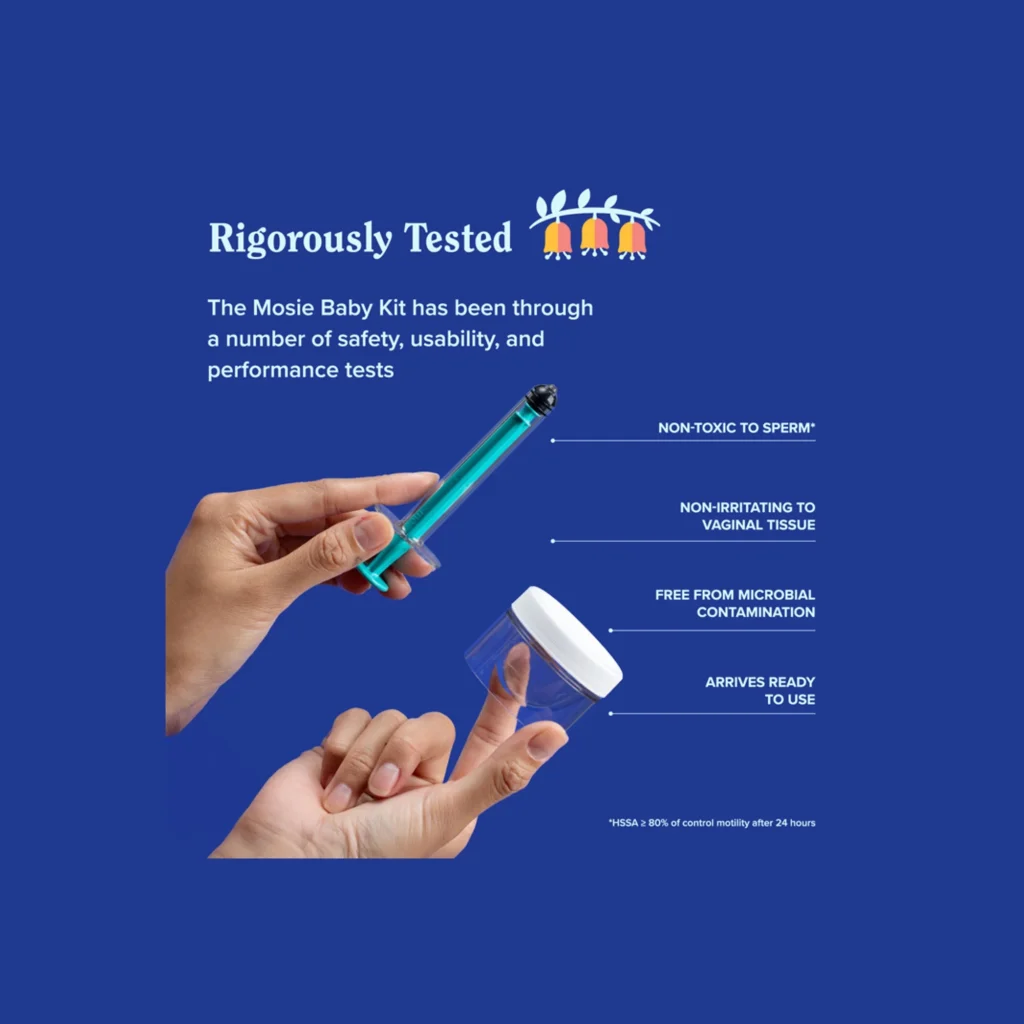
    Mosie Baby Kit features a syringe and container, highlighting safety and usability tests on a blue background.

    Boosting Fertility Naturally with the Syringe Method

    After depositing the sperm, it’s essential to relax for at least 15 minutes to allow the sperm to travel to the egg. You can elevate your hips by placing a pillow under your buttocks to help the sperm reach the cervix.

    Step 6: Repeat if Necessary

    If you have a large amount of sperm, you can repeat the process to increase your chances of fertilization. However, it’s crucial not to use too much sperm, as it can create a hostile environment for the sperm.

    Benefits of the Syringe Method

    The syringe method offers many benefits for those looking to boost their fertility naturally. Here are a few reasons why it may be a good option for you and your partner:

    1. No Medical Intervention: The syringe method is a natural way to increase fertility without the use of medical interventions such as fertility drugs or artificial insemination.

    2. Cost-Effective: Compared to medical interventions, the syringe method is relatively inexpensive, making it a more accessible option for many couples.

    3. Can Be Done at Home: The syringe method can be done in the comfort of your own home, making it a more private and intimate experience.

    4. Increases Chances of Conception: By depositing sperm directly into the cervix, the syringe method increases the chances of fertilization and conception.

    5. Inclusive for Same-Sex Couples and Single Women: The syringe method allows same-sex couples and single women to conceive without the need for a sperm donor or medical intervention.

    Tips for Maximizing Success with the Syringe Method

    While the syringe method can be an effective way to boost fertility, there are a few things you can do to increase your chances of success:

    1. Track Your Ovulation Cycle: It’s crucial to track your ovulation cycle accurately to determine your most fertile days. This will increase the chances of sperm meeting the egg.

    2. Use Fresh Sperm: If using donated sperm, make sure it is fresh and within its expiration date.

    3. Be Mindful of Sperm Quantity: Using too much sperm can create a hostile environment for the sperm, so it’s essential to use the recommended amount.

    4. Relax: It’s crucial to relax after depositing the sperm to allow it to reach the egg. Stress can hinder conception, so taking some time to relax can increase your chances of success.

    5. Seek Professional Help: If you have been trying to conceive for a significant amount of time without success, it may be time to seek professional help. A fertility specialist can help assess your fertility and provide guidance on the best course of action.

    In conclusion, the syringe method can be an effective and natural way to boost fertility and increase your chances of conception. It’s essential to track your ovulation cycle accurately, use fresh sperm, and relax during the process. While it may not work for everyone, it’s worth considering as an option for those looking for a more holistic approach to conception.

  • Navigating the World of At-Home Conception: What You Need to Know

    Navigating the World of At-Home Conception: What You Need to Know

    With advancements in technology and a growing trend towards natural and holistic methods, more and more couples are turning to at-home conception methods. This can be an overwhelming and confusing process for many, as there are numerous options available and not enough guidance on how to navigate them. In this blog post, we’ll provide a comprehensive guide on what you need to know when it comes to at-home conception, including the different methods, important considerations, and potential risks.

    What is At-Home Conception?

    At-home conception refers to any method or technique used to increase the chances of becoming pregnant without medical intervention. This can include natural methods such as tracking ovulation and timing intercourse, as well as more unconventional methods like using fertility apps, supplements, or alternative therapies like acupuncture.

    The Different Methods of At-Home Conception

    1. Tracking Ovulation: One of the most common and natural methods of at-home conception is tracking ovulation. This involves monitoring your menstrual cycle and determining when you are most likely to ovulate, which is the optimal time for conception. There are several ways to track ovulation, including using an ovulation predictor kit, tracking basal body temperature, and monitoring cervical mucus changes.

    2. Timing Intercourse: Along with tracking ovulation, timing intercourse during your most fertile days can increase the chances of conceiving. This method involves having intercourse a few days before and during ovulation. It is essential to understand your menstrual cycle and be aware of any potential irregularities to ensure accurate timing.

    3. Fertility Apps: With the rise of technology, there are now many fertility apps available that claim to help women track their ovulation and increase their chances of getting pregnant. These apps use algorithms to predict ovulation based on data such as menstrual cycle length, basal body temperature, and cervical mucus changes. While these apps can be helpful, it’s essential to remember that they are not foolproof and should not be relied upon as the only method of at-home conception.

    4. Supplements: Some couples turn to supplements such as prenatal vitamins, folic acid, and other herbal supplements to boost fertility. While these supplements are generally safe, it’s crucial to consult with a healthcare professional before starting any new regimen. Additionally, it’s essential to research the ingredients and potential side effects of supplements before taking them.

    5. Alternative Therapies: Acupuncture, meditation, and other alternative therapies have also become popular among couples trying to conceive. While there is limited scientific evidence to support the effectiveness of these methods, many couples have reported success with alternative therapies. As with supplements, it’s essential to consult with a healthcare professional before starting any new treatment.

    Important Considerations

    illustration of Mosie Baby home insemination kit highlighting seamless transfer and size features

    Navigating the World of At-Home Conception: What You Need to Know

    While at-home conception methods can be a great option for many couples, there are some important considerations to keep in mind.

    1. Age: Age plays a crucial role in a woman’s fertility, and as women get older, their chances of conceiving naturally decrease. It’s essential to be aware of this and seek medical advice if you’ve been trying to conceive for more than a year without success.

    2. Underlying Medical Conditions: Certain medical conditions, such as polycystic ovary syndrome (PCOS) or endometriosis, can affect a woman’s fertility. It’s crucial to consult with a healthcare professional if you have a known medical condition that may impact your ability to conceive.

    3. Lifestyle Factors: Certain lifestyle factors, such as smoking, excessive alcohol consumption, and a poor diet, can also affect fertility. It’s essential to make healthy lifestyle choices and avoid any potential harm to your reproductive health when trying to conceive.

    Potential Risks of At-Home Conception

    While at-home conception methods are generally safe, there are some potential risks to be aware of.

    1. Misinformation: With the abundance of information available online, it’s essential to be cautious and ensure that you are getting accurate information from reliable sources. Misinformation can lead to incorrect timing of ovulation, which can decrease the chances of conception.

    2. False Hope: At-home conception methods can give couples a sense of control and hope, which can be beneficial. However, it’s essential to keep in mind that these methods do not guarantee pregnancy, and it’s essential to manage expectations.

    3. Delay in Seeking Medical Help: If you have been trying to conceive for more than a year without success, it’s crucial to seek medical help. Delaying medical intervention can decrease your chances of successfully conceiving.

    In conclusion, at-home conception can be an effective and natural way to increase the chances of getting pregnant. However, it’s essential to understand the different methods available, important considerations, and potential risks before embarking on this journey. It’s also crucial to consult with a healthcare professional for personalized advice and guidance.

    Summary:

    At-home conception refers to any method or technique used to increase the chances of becoming pregnant without medical intervention. This can include tracking ovulation, timing intercourse, using fertility apps, supplements, and alternative therapies. Important considerations when it comes to at-home conception include age, underlying medical conditions, and lifestyle factors. Potential risks include misinformation, false hope, and a delay in seeking medical help. It’s crucial to research and consult with a healthcare professional before embarking on any at-home conception methods.

  • From Frustration to Success: The Journey with the Non-Invasive Insemination Kit

    From Frustration to Success: The Journey with the Non-Invasive Insemination Kit

    Fertility struggles can be a difficult and emotional journey for many couples. For those who are unable to conceive naturally, assisted reproductive technologies such as in vitro fertilization (IVF) or intrauterine insemination (IUI) are often the first options considered. However, these procedures can be costly, invasive, and may not always result in a successful pregnancy. This is where the non-invasive insemination kit comes in as a promising alternative for couples trying to conceive. In this blog post, we will explore the journey of using a non-invasive insemination kit, from the initial frustrations to the ultimate success.

    The Beginning of the Journey

    It all started with a dream of having a family for Sarah and her husband, who had been trying to conceive for over two years. After failed attempts with natural methods and fertility treatments, they were feeling frustrated and hopeless. As they were researching alternative options, they came across the non-invasive insemination kit.

    The Non-Invasive Insemination Kit

    The non-invasive insemination kit is a fertility tool that allows couples to perform insemination at home without the need for medical intervention. It consists of a syringe, a catheter, and a speculum, and works by placing the sperm directly into the cervix. This method mimics the natural process of conception and increases the chances of fertilization.

    Initial Hesitations and Fears

    Sarah and her husband were initially hesitant to try the non-invasive insemination kit, as they were concerned about the safety and effectiveness of the procedure. They had many questions and fears, such as the risk of infection and the possibility of not being able to perform the procedure correctly. However, after doing thorough research and consulting with their doctor, they decided to give it a try.

    The Process of Using the Non-Invasive Insemination Kit

    The first step in using the non-invasive insemination kit is to track ovulation using an ovulation predictor kit or basal body temperature charting. This is crucial as insemination must take place during the fertile window. Once ovulation is confirmed, the next step is to prepare the kit by following the instructions provided. This involves assembling the equipment, preparing the sperm sample, and positioning the speculum.

    logo of mosie baby featuring a heart and leaf design in blue, pink, and green colors

    From Frustration to Success: The Journey with the Non-Invasive Insemination Kit

    The actual insemination procedure is relatively simple and painless. The syringe is loaded with the prepared sperm sample and inserted into the cervix using the catheter. The speculum is then removed, and the couple is advised to remain lying down for 10-15 minutes to allow the sperm to reach the egg. After that, they can resume their normal activities.

    The Rollercoaster of Emotions

    After the insemination, Sarah and her husband went through a rollercoaster of emotions. They were excited and hopeful that this would be the solution to their fertility struggles, but at the same time, they were worried and anxious. They knew that it might take a few tries before they could see any results, and the waiting game was emotionally draining.

    The First Success

    After two attempts with the non-invasive insemination kit, Sarah and her husband received the news they had been waiting for – they were pregnant! They were over the moon with joy and relief, and couldn’t believe that they had finally found success after years of trying. They were grateful for the non-invasive insemination kit, which had made their dream of having a family come true.

    Benefits of the Non-Invasive Insemination Kit

    Sarah and her husband attribute their success to the non-invasive insemination kit, and they are not alone. Many couples have shared their stories of how this alternative method helped them conceive. The kit offers several benefits, including being non-invasive, cost-effective, and easy to use. It also allows for privacy and intimacy, as the procedure can be performed at home.

    Final Thoughts

    The journey of using the non-invasive insemination kit was a rollercoaster ride for Sarah and her husband. It was filled with initial hesitations and fears, followed by hope and excitement, and finally, the ultimate success. They are now proud parents of a healthy baby and are grateful for the non-invasive insemination kit that made their dream come true.

    In conclusion, the non-invasive insemination kit has proven to be a promising alternative for couples struggling with fertility issues. It offers a more natural and less invasive option compared to traditional medical procedures. While it may not be the solution for everyone, Sarah and her husband’s success story is a testament to the effectiveness and benefits of this tool. For couples on a journey to grow their family, the non-invasive insemination kit may just be the answer they have been searching for.

  • DIY Baby-Making: The Natural Way to Conceive

    Blog Post Title: DIY Baby-Making: The Natural Way to Conceive

    Summary:

    For many couples, conceiving a baby can be a challenging and emotional journey. While there are various medical interventions available, some couples may prefer to take a more natural approach to conception. This is where DIY baby-making comes in – a method that involves using natural methods and techniques to increase the chances of getting pregnant. In this blog post, we will explore the basics of DIY baby-making and how you can use it to increase your chances of conceiving.

    Firstly, it is essential to understand the basics of fertility. A woman’s fertility is affected by various factors, including age, health, and lifestyle habits. For men, sperm count and quality can also play a significant role in fertility. By understanding your body and fertility, you can take the necessary steps to improve it.

    One of the essential aspects of DIY baby-making is tracking your menstrual cycle. This involves recording the duration of your cycle, the length of your period, and any other symptoms or changes you may experience. By doing this, you can determine when you are most fertile and likely to ovulate. Ovulation usually occurs around day 14 of a 28-day cycle, but this can vary for each woman. Knowing your fertile window can help you time intercourse to increase the chances of conception.

    Informative card introducing the Mosie Baby Kit and its mission for at-home insemination.

    DIY Baby-Making: The Natural Way to Conceive

    Another crucial aspect of DIY baby-making is maintaining a healthy lifestyle. This includes eating a balanced diet, exercising regularly, and avoiding harmful substances such as alcohol and tobacco. A healthy body can have a significant impact on fertility for both men and women. Additionally, certain foods and supplements can help boost fertility, such as folic acid, zinc, and omega-3 fatty acids.

    In addition to a healthy lifestyle, certain natural methods and techniques can increase the chances of conception. These include acupuncture, herbal remedies, and fertility massages. Acupuncture has been shown to help regulate hormones, improve blood flow to the reproductive organs, and reduce stress – all of which can contribute to fertility. Herbal remedies, such as red raspberry leaf and vitex, can also help balance hormones and regulate the menstrual cycle. Fertility massages can increase blood flow to the reproductive organs and help release tension and blockages.

    Stress can also play a significant role in fertility. High levels of stress can affect hormone levels and ovulation, making it more challenging to conceive. Therefore, it is crucial to find ways to manage stress, such as practicing yoga, meditation, or deep breathing exercises. Additionally, couples can benefit from counseling or therapy to help cope with the emotional toll of trying to conceive.

    Another natural method that can increase the chances of conception is using the fertility awareness method (FAM). FAM involves tracking changes in your body, such as basal body temperature, cervical mucus, and cervix position, to determine when you are most fertile. By understanding these changes, couples can time intercourse more accurately, increasing the chances of pregnancy.

    Finally, it is essential to have realistic expectations when trying DIY baby-making. It can take time and patience, and there is no guarantee of success. However, by taking a natural approach, couples can improve their overall health and well-being while trying to conceive.

    In conclusion, DIY baby-making is a natural and holistic approach to conception. By understanding your body and fertility, maintaining a healthy lifestyle, and using natural methods and techniques, couples can increase their chances of conceiving a baby. While it may not work for everyone, it is worth considering for couples who want to try a more natural and less invasive approach to starting a family.

  • The Ultimate List of DIY Baby-Making Essentials

    Blog Post:

    Having a baby is an incredibly exciting and life-changing experience. And for many people, the journey to parenthood often involves a lot of planning and preparation. While there are certainly some things you can’t control when it comes to making a baby, there are also many DIY baby-making essentials that can increase your chances of success. So whether you’re just starting to think about starting a family or are actively trying to conceive, here is the ultimate list of DIY baby-making essentials that you need to know about.

    1. Fertility Tracking Apps

    One of the first steps in trying to conceive is understanding your fertility cycle. This is where fertility tracking apps come in handy. These apps use data such as your menstrual cycle, basal body temperature, and cervical mucus to help you determine your most fertile days. Some popular options include Clue, Flo, and Glow. By using these apps, you can better plan and time your efforts to conceive.

    2. Ovulation Predictor Kits

    Another essential tool for tracking your fertility is an ovulation predictor kit (OPK). These kits use urine or saliva to measure the levels of luteinizing hormone (LH) in your body, which surges just before ovulation. By detecting this surge, OPKs can help pinpoint your most fertile days and increase your chances of getting pregnant. Some popular brands include Clearblue, First Response, and Easy@Home.

    3. Pre-Seed Lubricant

    Many couples may not realize that traditional lubricants can actually hinder sperm movement and make it more difficult to conceive. That’s where Pre-Seed lubricant comes in. This fertility-friendly lubricant is specially formulated to mimic the body’s natural fluids and create an optimal environment for sperm to swim. Plus, it’s safe to use when trying to conceive and during pregnancy.

    4. Fertility Supplements

    In addition to tracking your fertility and using the right lubricant, there are also certain supplements that can improve your chances of getting pregnant. Some popular options include folic acid, vitamin D, and CoQ10. These supplements can help balance hormones, improve egg quality, and support overall reproductive health.

    5. Basal Body Thermometer

    Tracking your basal body temperature (BBT) is another way to determine your fertile window. BBT is your body’s resting temperature, and it increases slightly after ovulation. By tracking your BBT every morning before getting out of bed, you can identify when you have ovulated and when your most fertile days are. A basal body thermometer is more sensitive than a regular thermometer and is specifically designed for fertility tracking.

    Mosie Baby Kit features a syringe and container, highlighting safety and usability tests on a blue background.

    The Ultimate List of DIY Baby-Making Essentials

    6. Fertility-Friendly Diet

    What you eat can also have an impact on your fertility. A diet rich in whole foods, healthy fats, and fertility-boosting nutrients like iron, folate, and vitamin D can help improve your reproductive health. On the other hand, a diet high in processed foods, unhealthy fats, and sugar can negatively affect fertility. Consider consulting with a nutritionist or fertility specialist to create a meal plan that supports your fertility goals.

    7. Yoga and Meditation

    Stress can have a significant impact on fertility, so finding ways to relax and manage stress is crucial when trying to conceive. Yoga and meditation are excellent tools for reducing stress and promoting relaxation. They can also help improve blood flow to the reproductive organs, balance hormones, and improve overall well-being.

    8. Detoxify Your Home

    Toxic chemicals found in household cleaners, personal care products, and even furniture can have a negative impact on fertility. Consider switching to natural and non-toxic alternatives to reduce your exposure to harmful chemicals. You can also do a home detox by getting rid of items that contain chemicals like BPA, phthalates, and parabens.

    9. Acupuncture

    Acupuncture is an ancient Chinese practice that involves inserting thin needles into specific points on the body to promote healing and balance. It has been used to treat various health conditions, including infertility. Studies have shown that acupuncture can improve blood flow to the reproductive organs, balance hormones, and reduce stress, all of which can increase the chances of conception.

    10. DIY Baby-Making Kits

    If you’re feeling a little overwhelmed by all the different products and tools available for trying to conceive, you may want to consider a DIY baby-making kit. These kits contain a variety of fertility-friendly products and tools, such as ovulation predictor kits, Pre-Seed lubricant, and fertility supplements, all in one convenient package.

    In conclusion, while there is no guaranteed method for making a baby, there are many DIY baby-making essentials that can increase your chances of conceiving. From fertility tracking apps and supplements to yoga and acupuncture, there are plenty of natural and effective ways to support your fertility journey. Remember to consult with your doctor or a fertility specialist for personalized advice and continue to take care of your overall health and well-being.

    Summary:

    The journey to parenthood often involves a lot of planning and preparation. Here is the ultimate list of DIY baby-making essentials that can increase your chances of success. These include fertility tracking apps, ovulation predictor kits, Pre-Seed lubricant, fertility supplements, basal body thermometer, fertility-friendly diet, yoga and meditation, detoxifying your home, acupuncture, and DIY baby-making kits. These natural and effective methods can help improve your reproductive health and increase your chances of conceiving.