Blog Post:
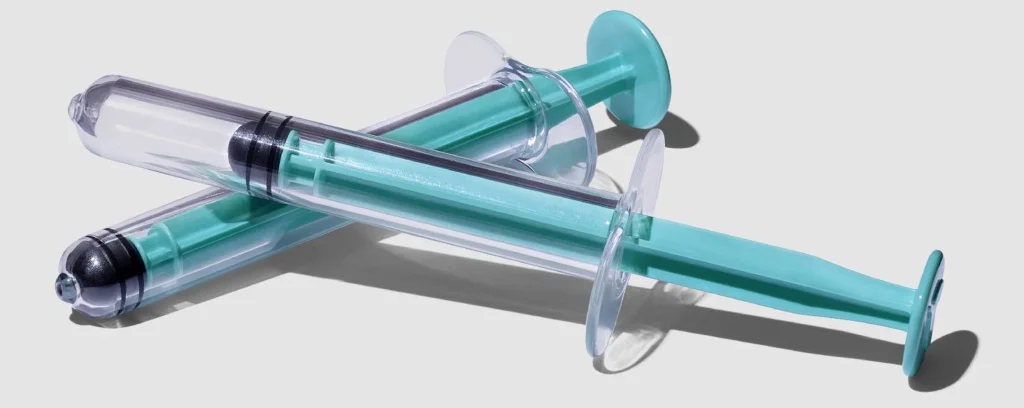
Home insemination, also known as self-insemination, is a method of conception where the sperm of a donor is directly inserted into a woman’s reproductive tract without the assistance of a medical professional. This process has become increasingly popular among same-sex couples, single women, and others who may not have access to fertility treatments or desire a more intimate conception experience. However, while home insemination may seem like a simple and straightforward process, there are many emotional aspects to consider and address before embarking on this journey. This is where the role of counseling becomes crucial.
Counseling, in the context of home insemination, refers to the emotional and psychological support provided by a trained professional to individuals or couples who are considering or undergoing the process. In this blog post, we will explore the importance of counseling in home insemination and provide a starter pack for emotional support for those who are considering this method of conception.
Understanding the Emotional Impact of Home Insemination
Home insemination can bring about a range of emotions, including excitement, hope, anxiety, and fear. While the process may seem simple, it involves significant emotional and psychological implications for both the inseminating partner and the recipient. For the inseminating partner, they may experience feelings of pressure to perform, concerns about their fertility, and worries about the success of the procedure. On the other hand, the recipient may struggle with feelings of guilt, fear of not being a “real” parent, and concerns about the child’s genetic background. These emotions can be overwhelming and may impact the couple’s relationship and the success of the home insemination.
Importance of Counseling in Home Insemination
Counseling provides individuals or couples with a safe space to explore and express their emotions surrounding home insemination. A trained professional can help them navigate the complexities of this process and address any underlying fears or concerns. Here are some of the ways in which counseling can be beneficial for those considering home insemination:
1. Addressing Fertility Concerns: Many individuals or couples may turn to home insemination due to fertility issues. However, the fear of not being able to conceive can be overwhelming and may cause significant stress and anxiety. Counseling can help individuals or couples process these emotions and develop coping mechanisms to manage their fears.
2. Managing Expectations: Home insemination may not always result in pregnancy on the first attempt, and this can be emotionally challenging for both partners. A counselor can help manage expectations and provide support and guidance on how to cope with any potential setbacks.

The Role of Counseling in Home Insemination: A Starter Pack for Emotional Support
3. Exploring Relationship Dynamics: Home insemination can put a strain on a couple’s relationship, especially if they have different expectations or concerns about the process. Counseling can provide a safe and neutral space for partners to communicate their feelings, work through any issues, and strengthen their relationship.
4. Addressing Genetic Concerns: For couples using a known donor, there may be concerns about the child’s genetic background and potential implications. Counseling can help individuals or couples navigate these concerns and find ways to address them, such as involving the donor in the child’s life or choosing an anonymous donor.
5. Preparing for Parenthood: Home insemination and parenthood can be a significant life change, and counseling can help individuals or couples prepare for this transition. It can provide them with tools to manage stress and anxiety, develop healthy coping strategies, and strengthen communication and support within the family.
Starter Pack for Emotional Support in Home Insemination
1. Find a Counselor: The first step in getting emotional support for home insemination is to find a counselor who is knowledgeable and experienced in fertility and family planning. Look for a licensed therapist who specializes in reproductive health and has experience working with individuals or couples considering home insemination.
2. Communicate Openly: Communication is essential in any relationship, and it becomes even more crucial during home insemination. Be open and honest with your partner about your feelings and concerns, and encourage them to do the same. This will help strengthen your relationship and create a supportive environment for the process.
3. Educate Yourself: Knowledge is power, and educating yourself about home insemination can help alleviate fears and anxieties. Attend support groups or workshops, read books, and talk to others who have gone through the process to gain a better understanding of what to expect.
4. Practice Self-Care: Home insemination can be emotionally and physically demanding, so it’s essential to prioritize self-care. Take breaks when needed, practice relaxation techniques, and engage in activities that bring you joy and peace.
5. Seek Support from Others: Home insemination can feel isolating, but it’s essential to seek support from others who are going through a similar experience. Join online forums or support groups, or talk to friends and family who can offer understanding and support.
In summary, home insemination can be a fulfilling and intimate way to conceive, but it also comes with emotional challenges that need to be addressed. Counseling provides individuals or couples with the necessary support to navigate these challenges and prepare for parenthood. By following the starter pack for emotional support, individuals or couples can approach home insemination with a stronger foundation and a better understanding of their emotions.